Top 5 Castles around Viana Do Castelo
Best castles around Viana Do Castelo are found in a region rich in defensive architecture, showcasing a significant past. This area, situated at the mouth of the Lima River and bordering Spain, features a variety of historical fortifications. Visitors can explore structures that once defended the coast and controlled strategic border points. The landscape offers a blend of natural beauty and historical significance, making it suitable for exploring these ancient sites.
Best castles around Viana Do Castelo
- The most popular castles is Paçô Castle 🏰, a castle that was an old fort from the medieval coastal defense system. It is picturesquely located directly on the beach, offering views of the Atlantic Ocean.
- Another must-see spot is Caminha Historic Centre 🏰, a historical site with a protected medieval town center. Visitors can explore narrow streets, historical buildings, and a central square with a neo-Manueline fountain.
- Visitors also love Fort of Santiago da Barra, a historical site that is a military fortress with a polygonal plan and trapezoidal walls. This fort played a crucial role in defending Viana do Castelo from invaders.
- Viana Do Castelo is known for its medieval castles, coastal forts, and fortified towns. The region offers a variety of historical structures to see and explore, from ancient keeps to extensive defensive walls.
- The castles around Viana Do Castelo are appreciated by the komoot community, with more than 60 upvotes and 10 photos shared by users.
Last updated: June 26, 2026
Paçô Castle 🏰
Highlight • Castle
Tip by

Fort of Santiago da Barra
Highlight • Historical Site
This military fortress, with a polygonal plan and trapezoidal walls, reinforced by triangular bastions, circular sentry boxes, and a moat, was commissioned during the reign of Philip I. The main entrance to the fortress leads across the wide bridge over the moat to a round-arched doorway flanked by pilasters crowned with the coat of arms of King João de Sousa (Governor of Praia de Viana in 1700) and topped with the Portuguese coat of arms on the cornice.
Inside, the main building has a rectangular floor plan, three portals, one in the center, and the usual architectural decorations, including the royal coat of arms. On the north side is the Chapel of Santiago da Barra, formerly the Chapel of Santa Catarina, with a rectangular choir, a pedimented frontispiece, and a bell tower on the right. Next to it is the former powder magazine, a square building with a round portal and triangular pediment.
geoparquelitoralviana.pt/explorar/forte-de-santiago-da-barra
Translated by Google •
Tip by

Sign up now to discover places like this
Get recommendations on the best single tracks, peaks, & plenty of other exciting outdoor places.
Sign up for free
Vila Praia de Âncora
Highlight • Beach
Translated by Google •
Tip by

Forte da Vinha
Highlight • Historical Site
Translated by Google •
Tip by

Esposende Lighthouse 🗽 and Castle 🏰
Highlight • Castle
Translated by Google •
Tip by

Sign up for free to discover even more castles around Viana Do Castelo.
Sign up for free
Already have an account?
Start today with a free account
Your next adventure awaits.
Login or Signup
Popular around Viana Do Castelo
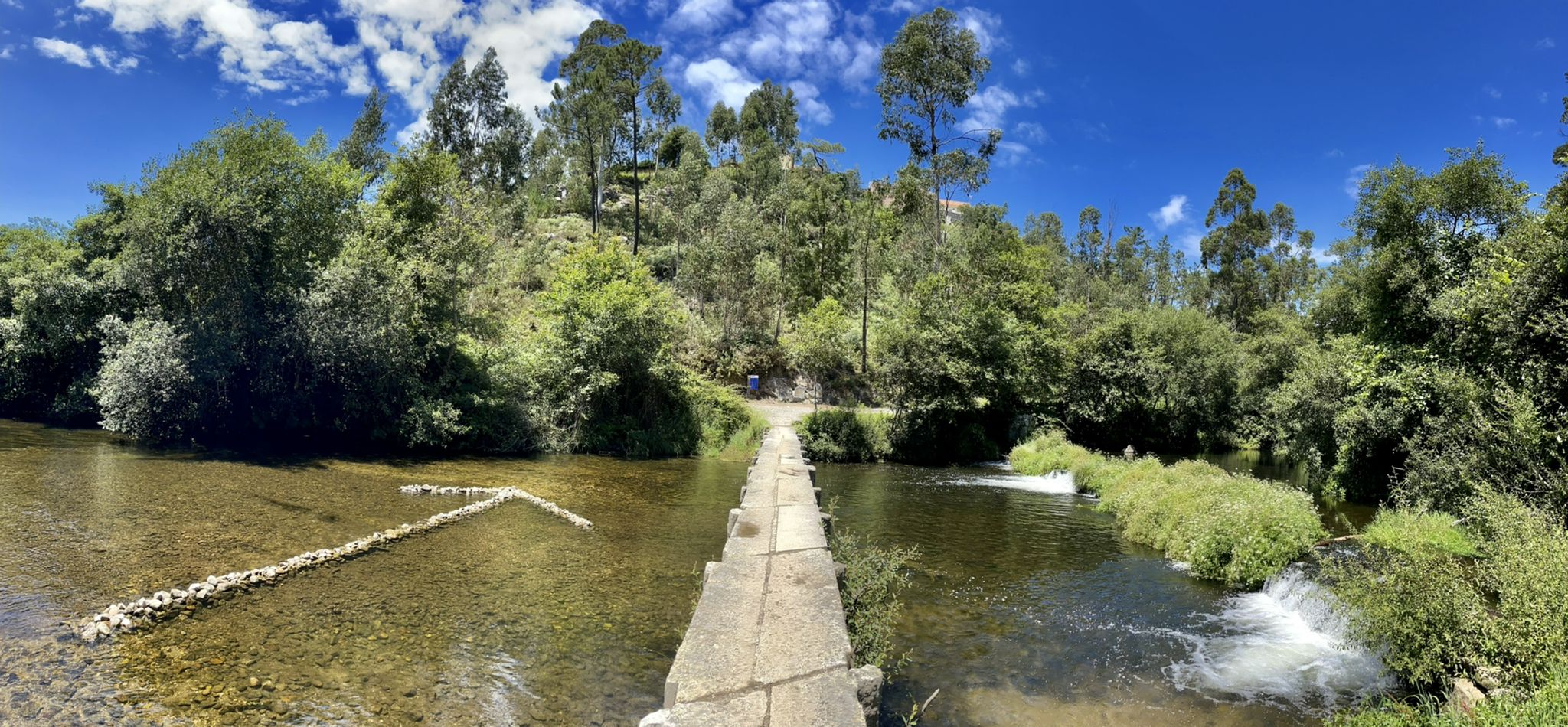
With TOUR in Northern Portugal
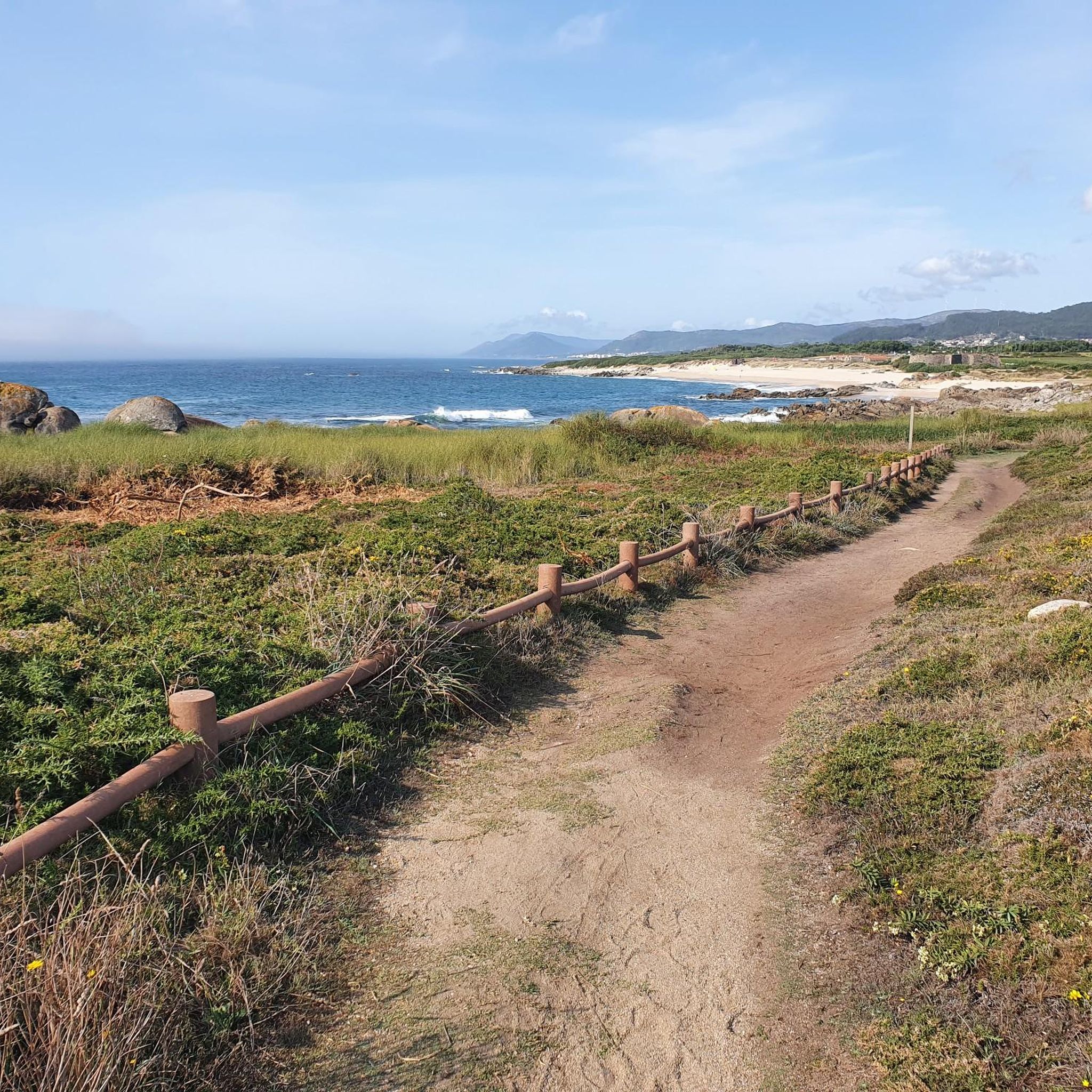
The challenge that knows no frontiers — Portuguese Coast Path
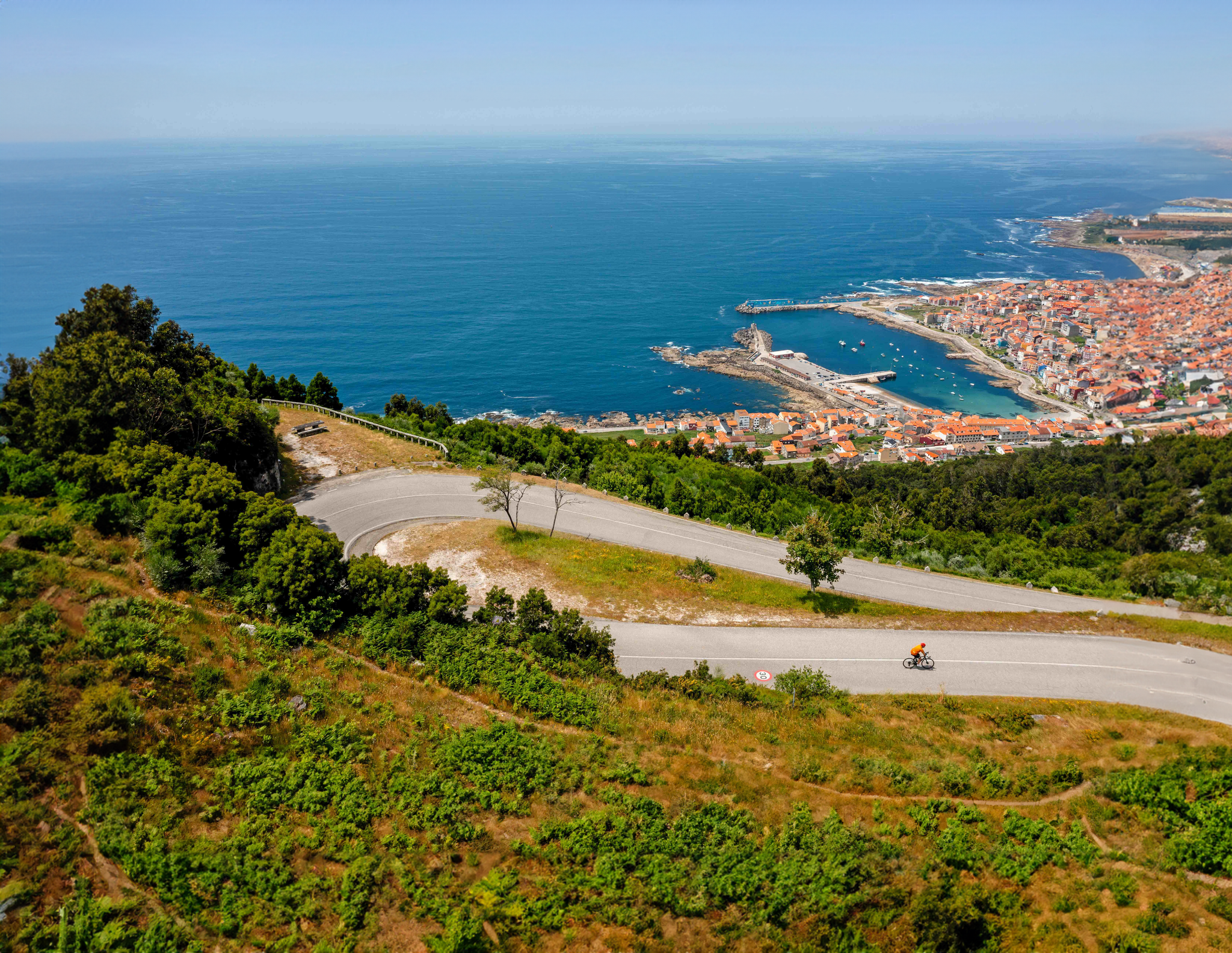
Road Cycling Routes around Viana Do Castelo
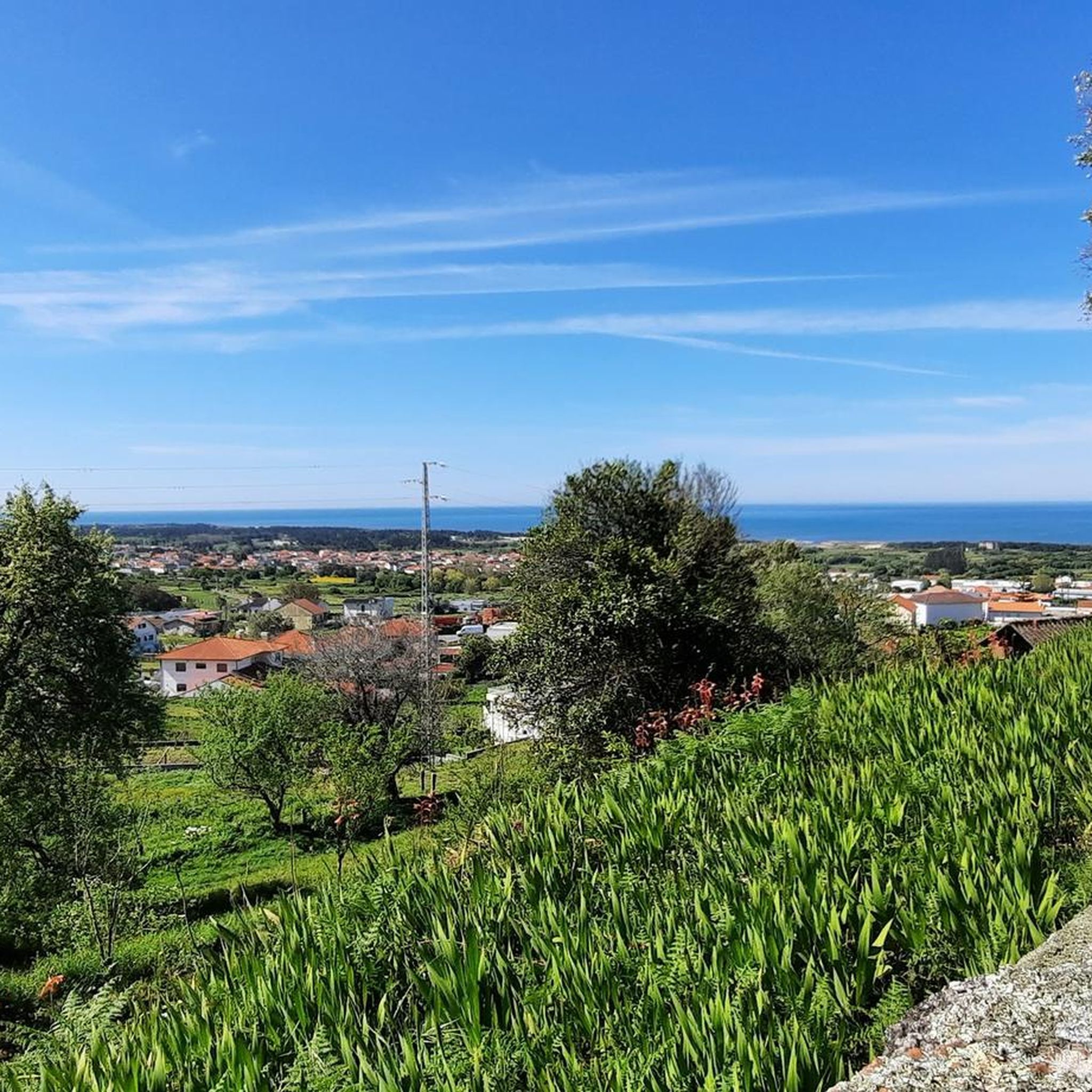
Hiking around Viana Do Castelo
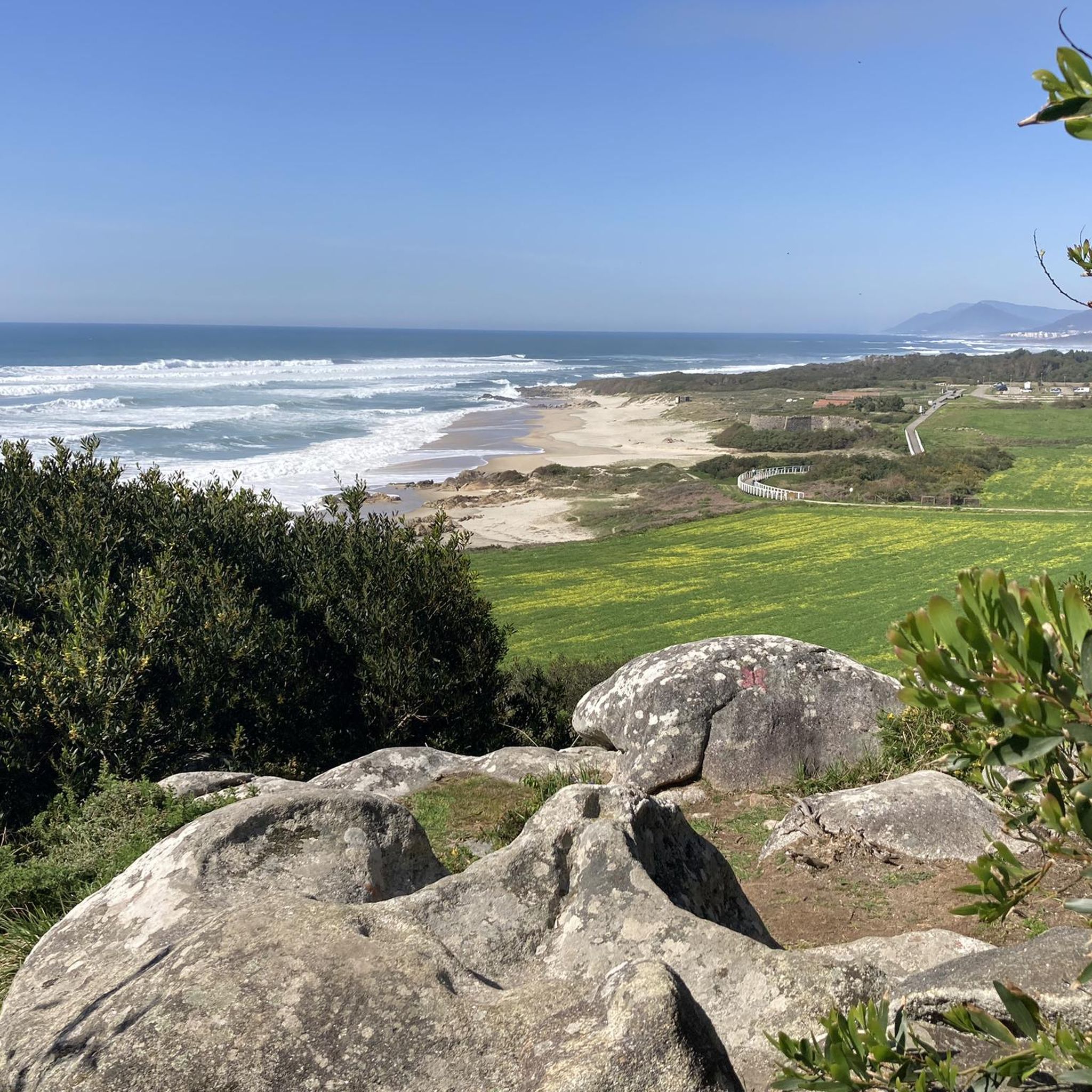
Cycling around Viana Do Castelo
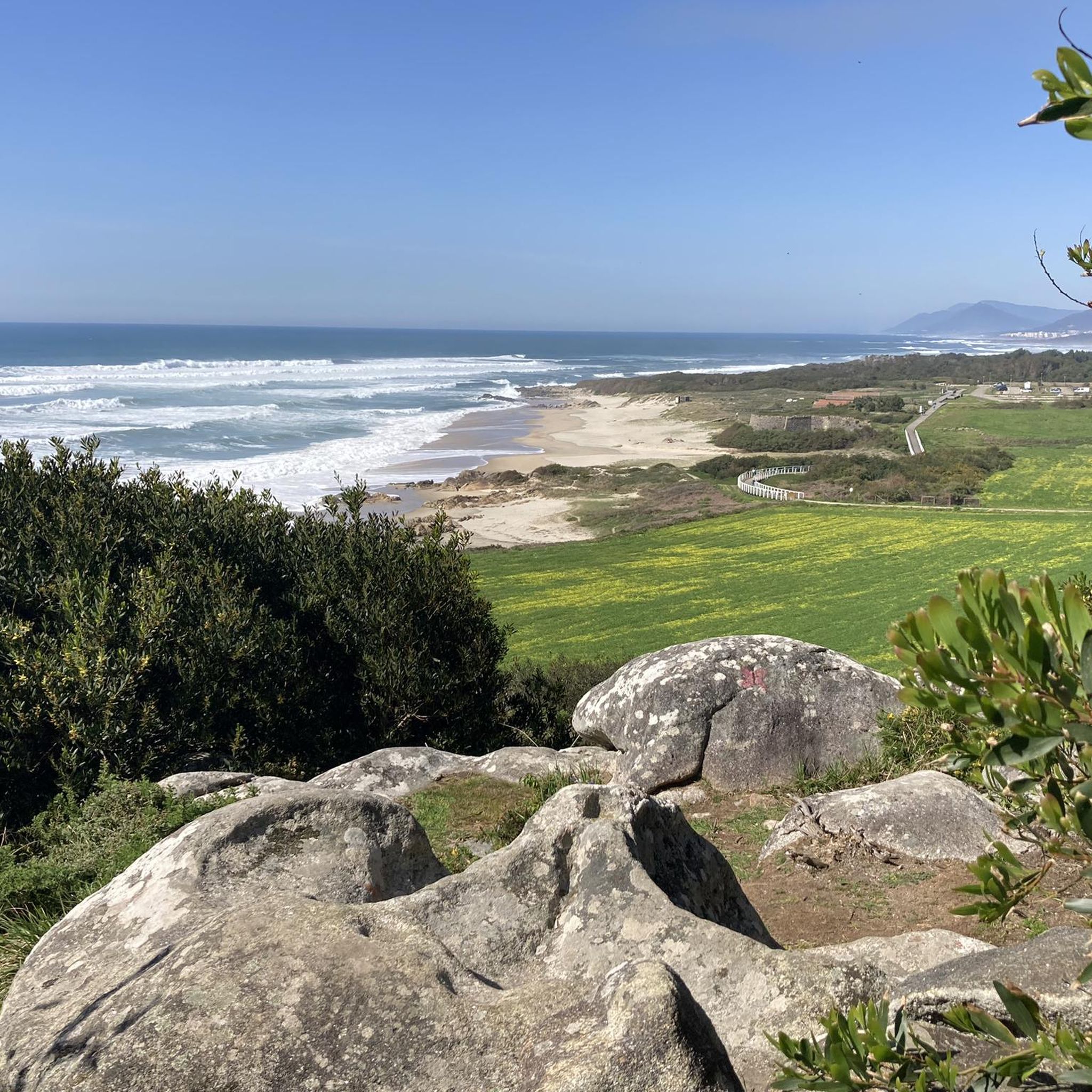
MTB Trails around Viana Do Castelo
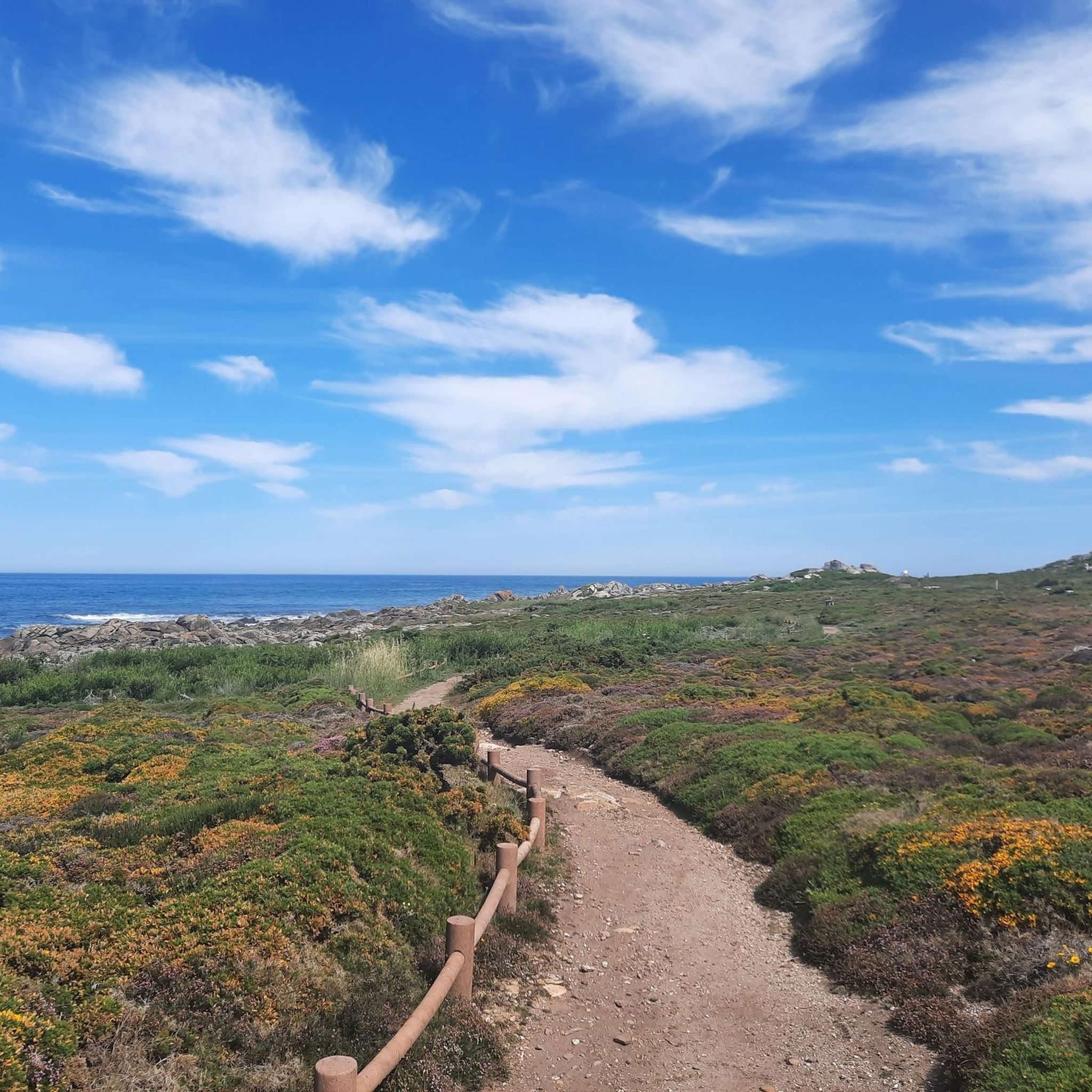
Running Trails around Viana Do Castelo
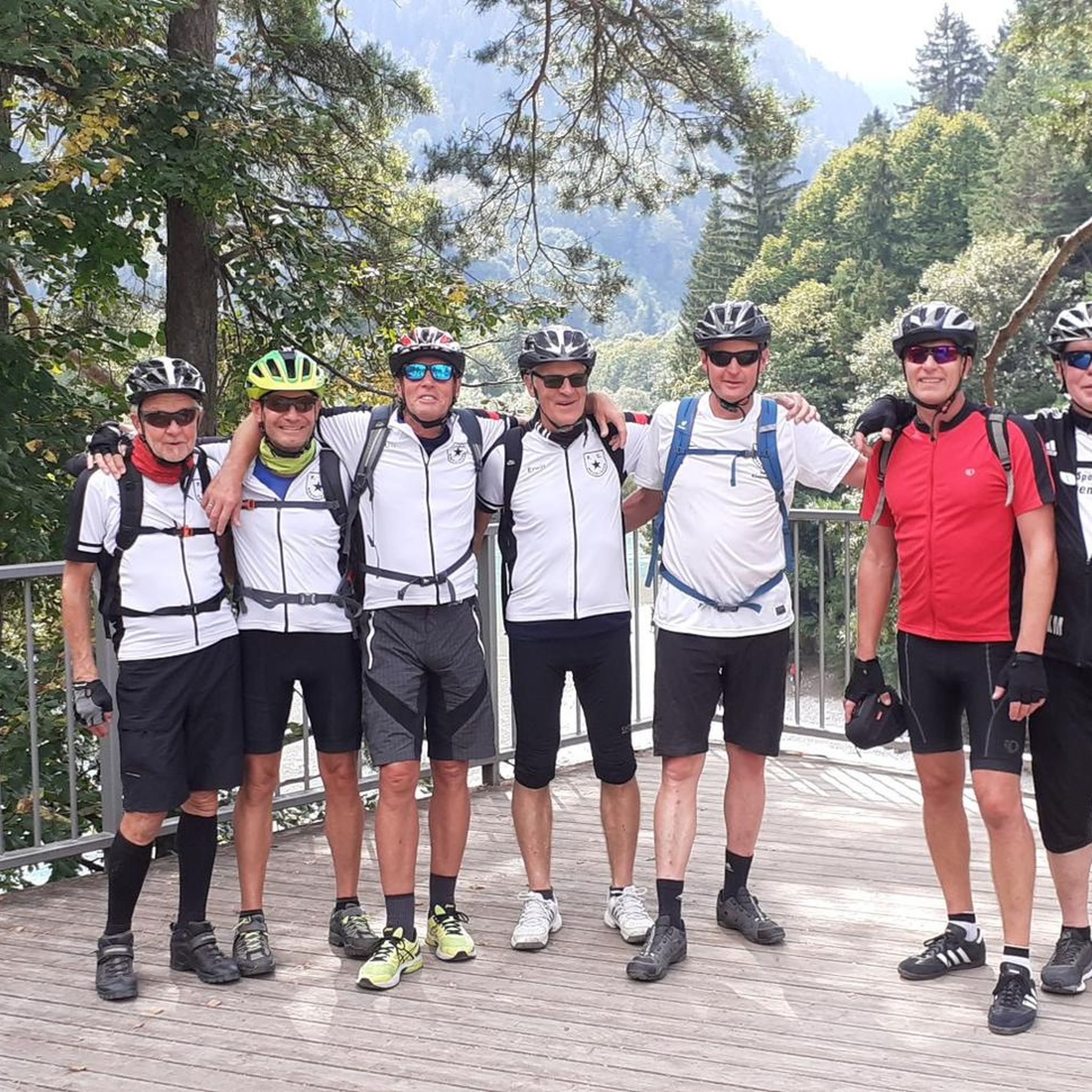
Gravel biking around Viana Do Castelo


Tips from the Community

Visit and Accessibility Access: Access to the site is free and open 24 hours a day. Trails and Hiking: The fort is part of the PR7 - Paçô Fort Trail, a pedestrian route that coincides with part of the Camino de Santiago da Costa and allows you to explore the area of the Viana do Castelo Coastal Geopark, passing through landscapes of dunes and cliffs. Beach: Paçô Beach, adjacent to the fort, is a beach with a wide sandy area and rock formations that form natural pools at low tide. Accessibility: There is wheelchair accessible parking nearby.
2
0
Main Characteristics Military Architecture: The fort was built for the purpose of defending the Atlantic coast against maritime attacks. It has a characteristic star-shaped plan and small dimensions. Location: It is located directly on the beach, a few meters from the sea, which can reach its walls during the winter. Its location offers scenic views of the coastline. Current State: The fort is currently in ruins, without functional rehabilitation, and it is not possible to enter the structure. However, the surrounding area is accessible for public visitation.
2
0
The Paçô Fort, also known as the Montedor Fort, is a historic 17th-century coastal fortification located in the parish of Carreço, near Paçô Beach, in the municipality of Viana do Castelo, Portugal.
2
0
Both locations are within walking distance of each other and can be visited together, offering beautiful views and contact with local history and nature. The area is accessible and popular for walks along the waterfront and pier.
1
0
Fort of São João Baptista Location: The fort is located in the same area as the lighthouse, at the end of the beach, on the north side of the estuary. History: The fort was built in the 17th century to defend the coast and the mouth of the Cávado River. It lost its military function over the years. Current Use: The fort building currently houses a branch of the Esposende Coastal Interpretation Centre (CILE) and a terrace/bar. It offers a privileged view of the estuary, the ocean and the city.
1
0
Esposende Lighthouse (Our Lady of Agony) Location: Located on Rua Forte de São João Baptista, in Esposende. Characteristics: The tower is approximately 13 meters high and emits a red glow to guide local navigation. Function: It is a small lighthouse that assists navigation at the entrance to the Cávado Estuary, a location of great ecological importance. Visits: The lighthouse is not a tourist site with regular visits, but it can be observed from the outside.
1
0
The Esposende Lighthouse, officially called the Esposende Lighthouse of Our Lady of Agony, is located next to the São João Baptista Fort in the city of Esposende, Portugal. There is no "Esposende Castle" as such, but rather the São João Baptista Fort, which served defensive functions.
1
0

A very pretty little town on the Atlantic. A worthwhile stop on the Camino Portuguese!
0
0
Frequently Asked Questions
What types of historical fortifications can I explore in the Viana do Castelo region?
The Viana do Castelo region offers a diverse range of historical fortifications, from medieval castles to extensive coastal forts and fortified towns. You can explore structures like the 15th-century Fort of Santiago da Barra, the medieval keep of Castelo de Melgaço, and the vast 17th-18th century fortifications of Valença do Minho.
Are there any family-friendly castles or historical sites in the area?
Yes, several sites are suitable for families. The Fort of Santiago da Barra is a great option, offering ramparts to walk along and historical significance. The Caminha Historic Centre, with its protected medieval town and central square, is also very family-friendly for exploration. Additionally, the Esposende Lighthouse and Fort of São João Baptista are listed as family-friendly.
What outdoor activities can I do near the castles in Viana do Castelo?
The region around Viana do Castelo offers various outdoor activities. You can find numerous routes for gravel biking, mountain biking, and running. For example, there are running trails like the Forte de Santiago da Barra loop from Viana do Castelo, and mountain biking routes that pass by viewpoints and natural features. Explore more options on the Gravel biking around Viana Do Castelo, MTB Trails around Viana Do Castelo, and Running Trails around Viana Do Castelo guides.
Which castles offer the best views or natural features?
The Paçô Castle is picturesquely located directly on the beach, offering stunning views of the Atlantic Ocean. Castelo de Melgaço provides superb views of the surrounding mountains and the historic town center. The fortifications of Valença do Minho offer panoramic views over the Minho River and the Spanish border town of Tui.
Is there public transport available to reach the castles?
While specific public transport details for every castle can vary, major sites like the fortifications of Valença do Minho are accessible, and Viana do Castelo itself is a well-connected city. For the Forte de Santiago da Barra, its location within Viana do Castelo makes it easily reachable within the city.
What is the best time of year to visit the castles in Viana do Castelo?
The Viana do Castelo region generally enjoys a mild climate. Spring and early autumn are often ideal, offering pleasant temperatures for exploring outdoor sites like castles and fortifications without the peak summer heat or winter chill. This also allows for comfortable enjoyment of nearby hiking and cycling routes.
Are there any coastal forts I can visit?
Absolutely. The region is known for its coastal defenses. You can visit the Fort of Santiago da Barra at the mouth of the Lima River, which played a crucial role in defending Viana do Castelo. Another notable coastal fort is Paçô Castle, an old fort from the medieval coastal defense system, picturesquely located directly on the beach.
Can I find amenities like cafes or accommodation near the castles?
Yes, especially near the more prominent sites. Viana do Castelo city, where the Fort of Santiago da Barra is located, offers a wide range of cafes, restaurants, and accommodation. Similarly, the historic center of Valença do Minho, within its fortifications, has various amenities. Smaller sites like Paçô Castle might have fewer immediate options but are typically close to towns with services.
What makes the fortifications of Valença do Minho unique?
The fortifications of Valença do Minho are unique because they form an extensive, star-shaped defensive structure, rather than a traditional castle. Modernized between the 17th and 18th centuries, they were designed to withstand artillery advancements. Walking along these walls offers a glimpse into centuries of military engineering and provides panoramic views over the Minho River and the Spanish border town of Tui.
What can I expect to see at Castelo de Melgaço?
At Castelo de Melgaço, you can primarily explore the imposing keep (Torre de Menagem) and remnants of the medieval town walls. The keep is a massive, three-story Gothic structure. It also houses a small museum where you can learn about the region's heritage. The castle offers superb views of the surrounding mountains and the historic town center.
Are there any historical town centers with castle remnants?
Yes, the Caminha Historic Centre is a prime example. While not a full castle, it features a protected medieval town center with narrow streets and historical buildings, including the Clock Tower, which was once part of the medieval walls and castle of Caminha. Ponte de Lima also has remnants of its medieval walls and towers.
Most popular routes around Viana Do Castelo
Most popular attractions around Viana Do Castelo

Get inspired with the komoot mobile app


Explore more
Looking for the best castles somewhere else? Discover other guides around Viana Do Castelo:
