Top 7 Castles around Llambilles
Best castles around Llambilles are found within a municipality known for its historical roots and tranquil rural landscape. While grand, traditional castles are not a primary feature, the area offers a rich architectural heritage, including ancient settlements and religious buildings. Llambilles is situated in a region ideal for walks and cycling, particularly along the former Carrilet railway line, now a greenway, allowing exploration of its historical sites and natural surroundings.
Best castles around Llambilles
- The most popular castles is Sant Miquel Castle, a castle that offers privileged views of Girona, the Empordà plain, and the Pyrenees. This architectural complex includes a hermitage and an optical telegraphy tower, located at the top of Mount Sant Miquel.
- Another must-see spot is Castell de Palagret, a castle in ruins located in a hidden environment with views of the Palagret creek valley. It is considered a mandatory stop for routes passing nearby, offering a unique landscape.
- Visitors also love Juià Castle, a castle of which only a few walls remain. This historical site offers wonderful views of the Pyrenees and was part of a series of fortresses in Les Gavarres.
- Llambilles is known for historical castle ruins, modified defensive towers, and ancient settlement sites. These structures provide insight into the region's past, often integrated into scenic walking and cycling routes.
- The castles around Llambilles are appreciated by the komoot community, with more than 260 upvotes and over 130 photos shared by visitors.
Last updated: June 20, 2026
Sant Miquel Castle
Highlight • Castle
Translated by Google •
Tip by

Castell de Palagret
Highlight • Castle
(es) Obligatory stop for any route that passes through. A spectacular place in a par environment, half hidden and little known, but wonderful, with views of the entire valley of the Palagret stream.
(en) Mandatory stop for every near track. Wonderful hidden and unknown place with a fantastic landscape and environment.
Translated by Google •
Tip by

Sign up now to discover places like this
Get recommendations on the best single tracks, peaks, & plenty of other exciting outdoor places.
Sign up for free
Juià Castle
Highlight • Castle
The castle, of which only a few walls remain, was part of a series of fortresses in Les Gavarres, including the castles of Palagret and Barbavella, which all belonged to the bishopric of Girona.
Translated by Google •
Tip by
Vilobí d'Onyar
Highlight • Settlement
es.m.wikipedia.org/wiki/Vilov%C3%AD_de_O%C3%B1ar
Translated by Google •
Tip by

Sant Esteve Church of Vilobí d'Onyar
Highlight • Religious Site
Castle Chapel in 1064.
In 1759, the Works began with the active participation of the women of the town for the new temple, and ended in 1773.
In 1794, work began on the second floor of the Campanar, and it is among the largest in Catalonia of "Baroque" Art.
Translated by Google •
Tip by

Sign up for free to discover even more castles around Llambilles.
Sign up for free
Already have an account?
Start today with a free account
Your next adventure awaits.
Login or Signup
Tips from the Community

History of Sant Miquel Castle Currently, Sant Miquel Castle belongs to the municipality of Girona, but until 1974 it belonged to the municipality of Celrà. The architectural complex is located on the top of Puig del Castellar, at 394 meters above sea level. From its strategic location you can see the Valley of Sant Daniel, the town of Celrà, the plain of Empordà and the city of Girona. The complex, made up of a section of wall, a watchtower and a hermitage, dates back to medieval times.
0
1

The Church of St. Esteve, Castle Chapel in 1064. In 1759, the Works began with the active participation of the women of the town for the new temple, and ended in 1773. In 1794, work began on the second floor of the Campanar, and it is among the largest in Catalonia of "Baroque" Art.
0
0

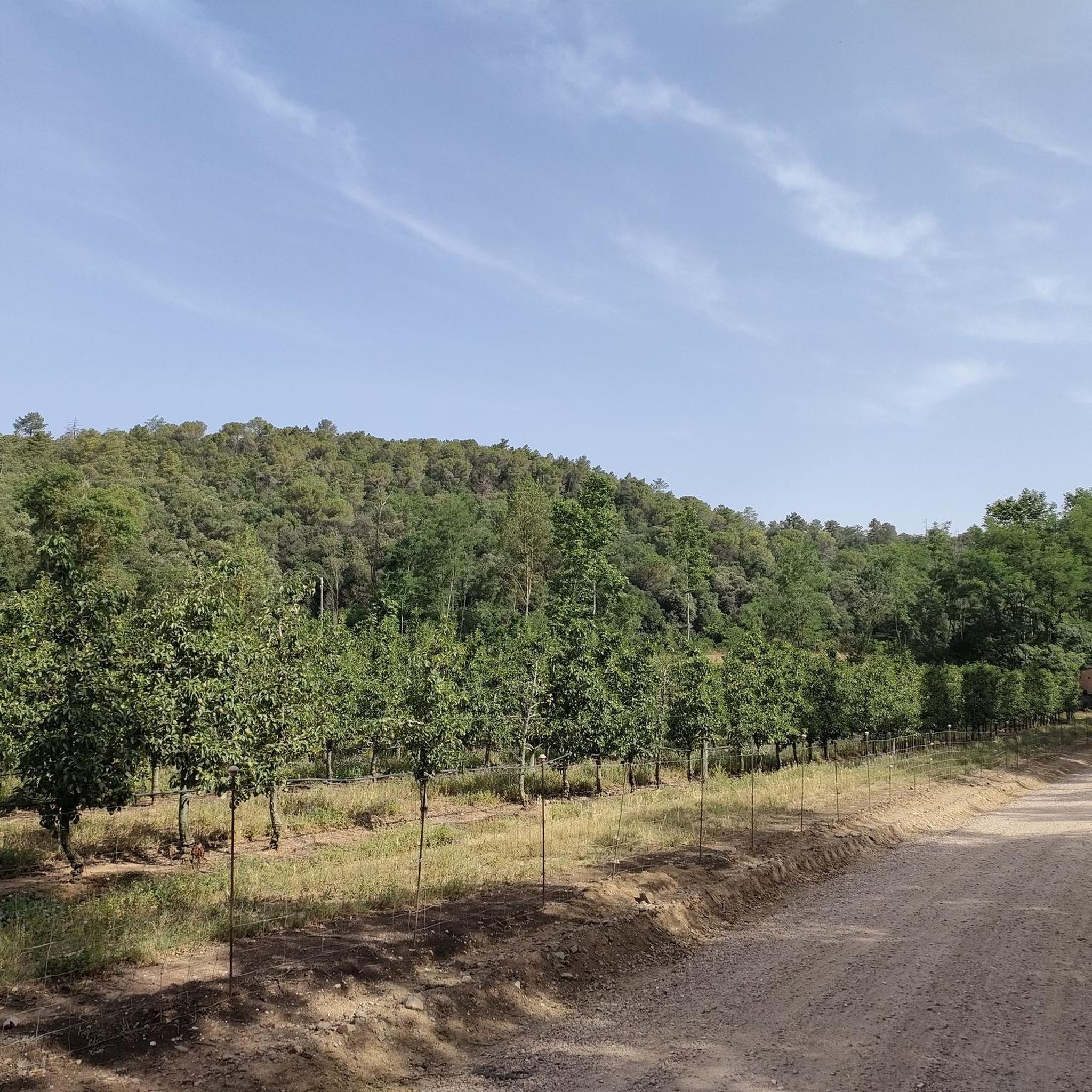
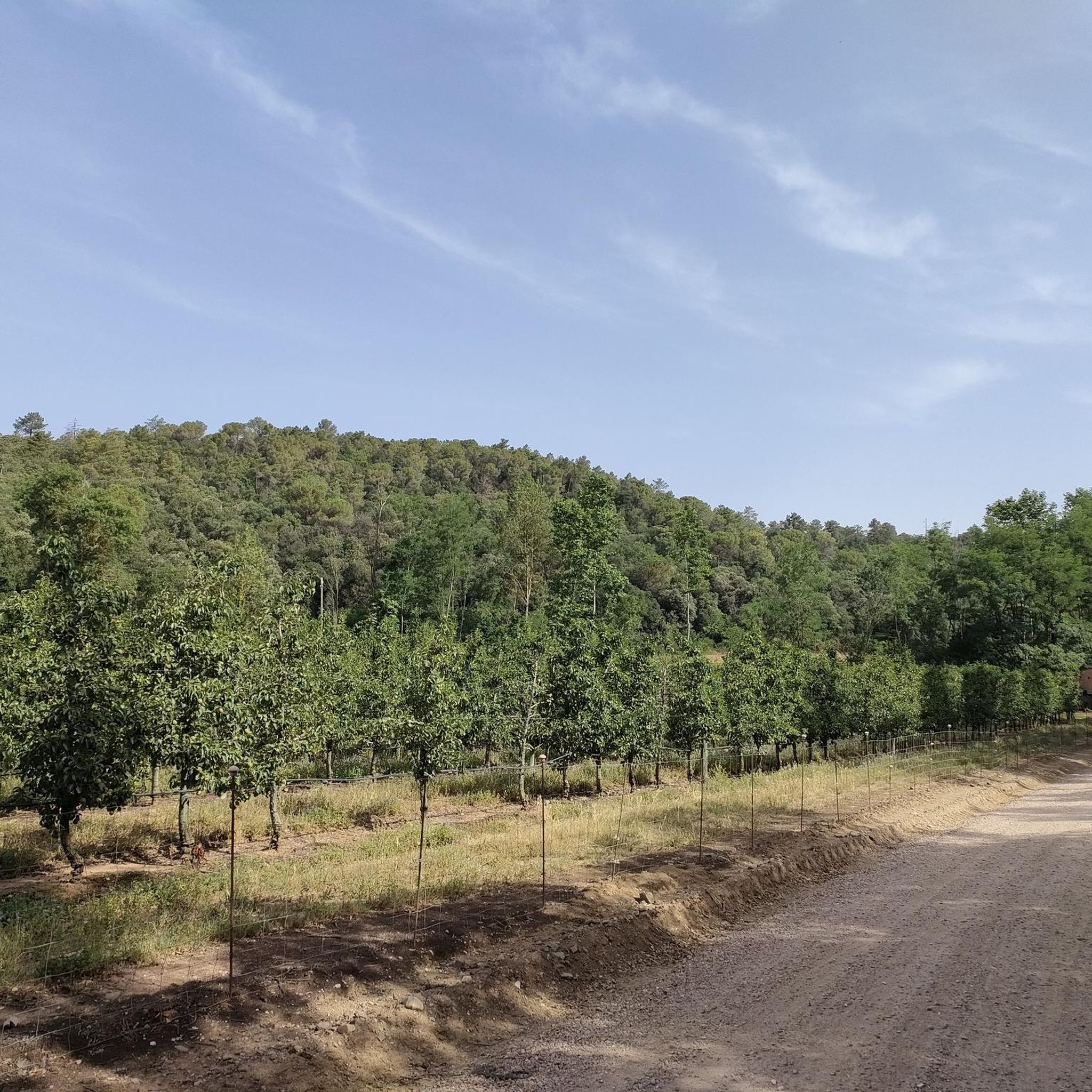
The castle of Palagret or Mabarrera is in the middle of the Palagret valley, at the top of a small hill, 178 m high, in the northernmost foothills of the Gavarres massif to the south-east of the Celrà center and to the south- west of Juià. Strategically located to control the Roman-era road that allowed access to Girona from the Baix Empordà through the Gavarres. Important medieval vestiges of the licorella walls of a rectangular construction as well as pre-Romanesque elements are preserved from the castle. The preserved remains could be dated to the 10th and 11th centuries,[1] and its last occupants left the premises between the end of the 15th century and the beginning of the 16th.[2] It is a building in Celrà (Gironès) declared a cultural asset of national interest.
0
0

Vilobí d'Onyar is a Spanish municipality in the Selva region, in the province of Gerona, Catalonia, located in the east of the region and on the border with Gironés. In addition to the municipal capital, it includes the cores of Salitja and Sant Dalmai. https://es.m.wikipedia.org/wiki/Vilov%C3%AD_de_O%C3%B1ar
17
0

It is possibly the best known and practiced route in Girona. I recommend it to everyone. Doing this route at night is also spectacular.
2
2

Ascent with steep gradients, especially when passing the Girona variant until connecting with the path that goes up to Sant Miquel through the Vall de Sant Daniel.
3
0

The architectural complex is made up of the old hermitage dedicated to Santa Maria and Sant Miquel, built on top of the previous medieval fortification, from which the bases of a circular tower through the apse are used. It seems that the hermitage was occupied by hermits between the s. XVI and XVIII, although the documentation records the start of construction in the s. XV The location took on military importance during the French war (1808-1814), especially due to the sieges of Girona (1808-1809), where the domain of the castle alternated several times between the Napoleonic army and the Miquelets. After the war, the hermitage was already demolished. The other architectural element is the telegraph tower, erected during the second Carline war (1846-1849) to house the civil optical telegraph line, while the military line was located in the hermitage tower.
2
1

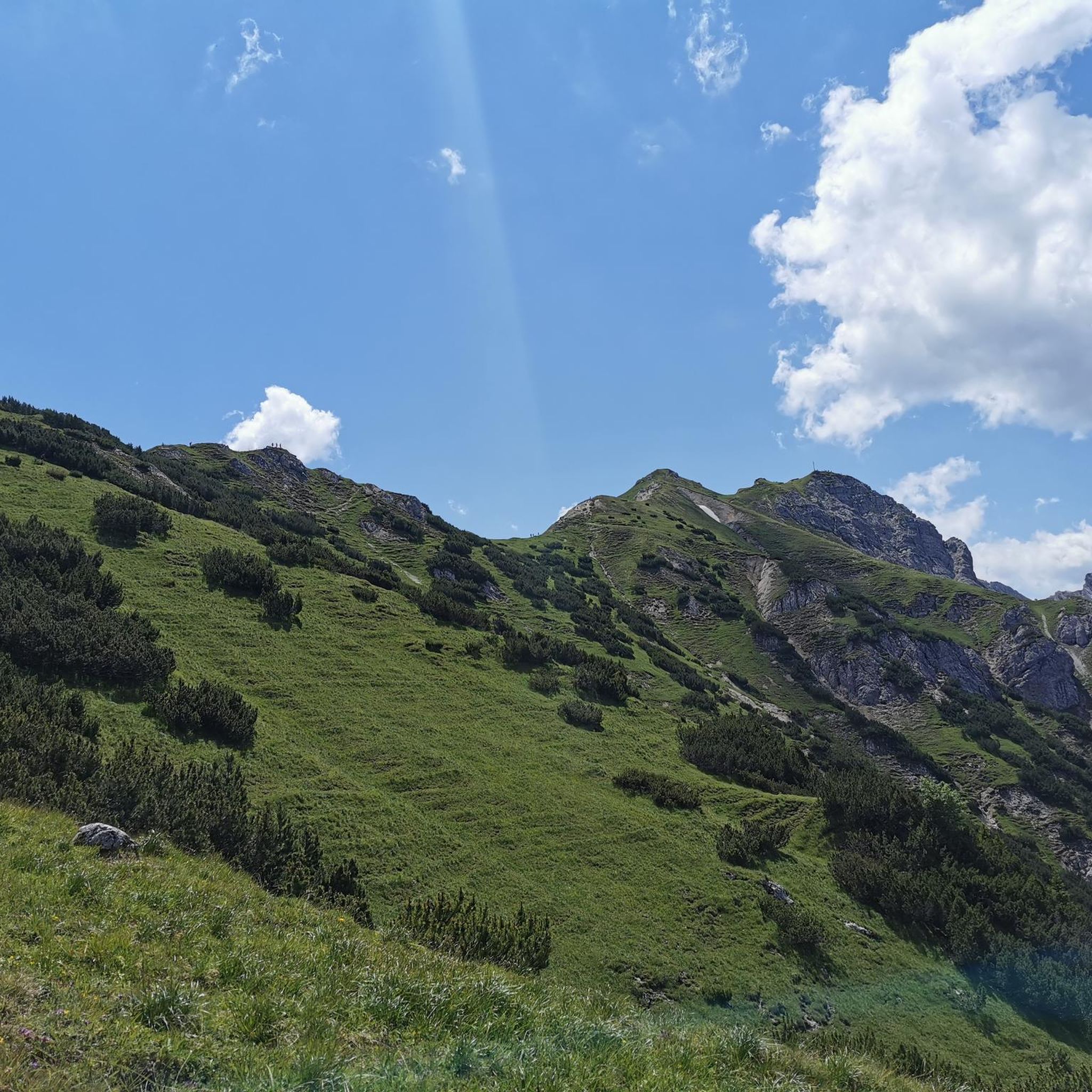
Architectural complex formed by a hermitage practically in ruins and an optical telegraphy tower. It is located at the top of Mount Sant Miquel at the foot of the municipalities of Girona and Celrà (the Gironès). Its 395 meters above sea level allows control over large areas of the territory.
1
1
Frequently Asked Questions
What types of castles can I expect to find around Llambilles?
The Llambilles area, situated in the broader Girona region, offers a rich architectural heritage. While grand, traditional castles are not the primary feature directly within Llambilles, you'll discover historical castle ruins, modified defensive towers, and ancient settlement sites. These structures provide insight into the region's past and are often integrated into scenic walking and cycling routes. For more prominent and well-preserved castles, exploring the wider Girona province is recommended.
Which castles near Llambilles offer the best views?
For breathtaking panoramas, Sant Miquel Castle is an excellent choice, providing privileged views of Girona, the Empordà plain, and the Pyrenees. Similarly, Juià Castle, though mostly ruins, offers wonderful views of the Pyrenees. Further afield, the Castell de Begur is highly regarded for its stunning panoramic views from its hilltop location.
Are there any castles near Llambilles that are particularly rich in history?
Yes, the region is steeped in history. Sant Miquel Castle is an architectural complex that includes a hermitage and an optical telegraphy tower, highlighting its strategic importance. Juià Castle was part of a series of fortresses in Les Gavarres, belonging to the bishopric of Girona. The Castell de Tossa de Mar, a bit further out, is notable as the only fortified medieval village still existing on the Catalan coast, playing a crucial defensive role against pirates.
What outdoor activities can I combine with a castle visit near Llambilles?
The castles around Llambilles are often integrated into scenic routes, making them perfect for outdoor enthusiasts. You can explore various hiking and running trails that pass by these historical sites. For example, the area is ideal for walks and cycling, particularly along the former Carrilet railway line, now a greenway. You can find numerous routes, such as the 'Santa Margarida Chapel – Rock Pools of Les Gavarres loop from Quart' or 'Llambilles Station loop from Llambilles', which can be found in the Hiking around Llambilles guide.
Are there family-friendly castles or sites near Llambilles?
While specific 'family-friendly' designations are not always given for ruins, many of the castles and historical sites around Llambilles are accessible via pleasant walks or cycling routes, making them suitable for families who enjoy outdoor exploration. The scenic surroundings and the adventure of discovering ruins like Castell de Palagret can be engaging for children. The Castell de Tossa de Mar, with its well-preserved medieval village, offers a more immersive historical experience that families might enjoy.
What is the best time of year to visit castles around Llambilles?
The region generally enjoys a mild climate. Spring and autumn are often ideal for visiting castles and engaging in outdoor activities, as the weather is pleasant for hiking and exploring. Summer can be warm, but coastal castles like Castell de Tossa de Mar might offer a refreshing sea breeze. Winter visits are also possible, though some facilities or access roads might be less maintained, especially for more remote sites like Castell de Requesens, which involves a gravel road.
Can I find hidden gem castles or less-known historical sites near Llambilles?
Absolutely. Castell de Palagret is described as a spectacular place in a hidden and little-known environment, offering wonderful views of the Palagret creek valley. These types of sites provide a unique landscape and a sense of discovery away from more crowded attractions.
What are the access conditions for castles like Castell de Requesens?
For castles like Castell de Requesens, access often involves scenic routes. This particular castle is reached via a 6 km gravel road. While many castles are accessible, some, especially those in more natural or remote settings, might require a walk or a drive on unpaved roads. Always check the specific access details for each site you plan to visit.
What do visitors enjoy most about the castles and historical sites in the Llambilles area?
Visitors frequently appreciate the stunning views offered by sites like Sant Miquel Castle and Juià Castle. The sense of discovery at hidden gems like Castell de Palagret and the integration of these historical sites into beautiful hiking and cycling routes are also highly valued. The opportunity to connect with the region's past while enjoying its natural beauty is a major draw.
Are there any castles near Llambilles that have additional amenities or attractions?
While many sites are ruins, some castles in the wider Girona region offer additional amenities. For instance, the Castell de Peralada, though privately owned, features a wine cellar, restaurants (including a Michelin-starred one), a casino, and gardens that are open during summer months. It also hosts the renowned Festival Peralada, an international music festival.
Can I find religious historical sites with castle connections near Llambilles?
Yes, the region has several religious sites with historical ties to castles. The Sant Miquel Castle complex includes a hermitage. Additionally, the Sant Esteve Church of Vilobí d'Onyar, originally a castle chapel in 1064, is a significant historical and religious building in the area.
Most popular routes around Llambilles
Most popular attractions around Llambilles

Get inspired with the komoot mobile app


Explore more
Looking for the best castles somewhere else? Discover other guides around Llambilles:
