Top 5 Caves around Amieva
Best caves around Amieva are found within the mountainous landscapes of the Picos de Europa National Park, a region known for its natural features and outdoor activities. While specific, widely promoted caves are not directly within Amieva, the surrounding area offers various subterranean experiences. Visitors can explore historical sites with cave elements and natural formations. The region provides a diverse environment for those interested in caving and related natural landmarks.
Best caves around Amieva
- The most popular caves is Covadonga…
Last updated: August 14, 2026
Covadonga Sanctuary
Highlight • Religious Site
Translated by Google •
Tip by

Buferrera Mine
Highlight • Structure
Translated by Google •
Tip by

Sign up now to discover places like this
Get recommendations on the best single tracks, peaks, & plenty of other exciting outdoor places.
Sign up for free
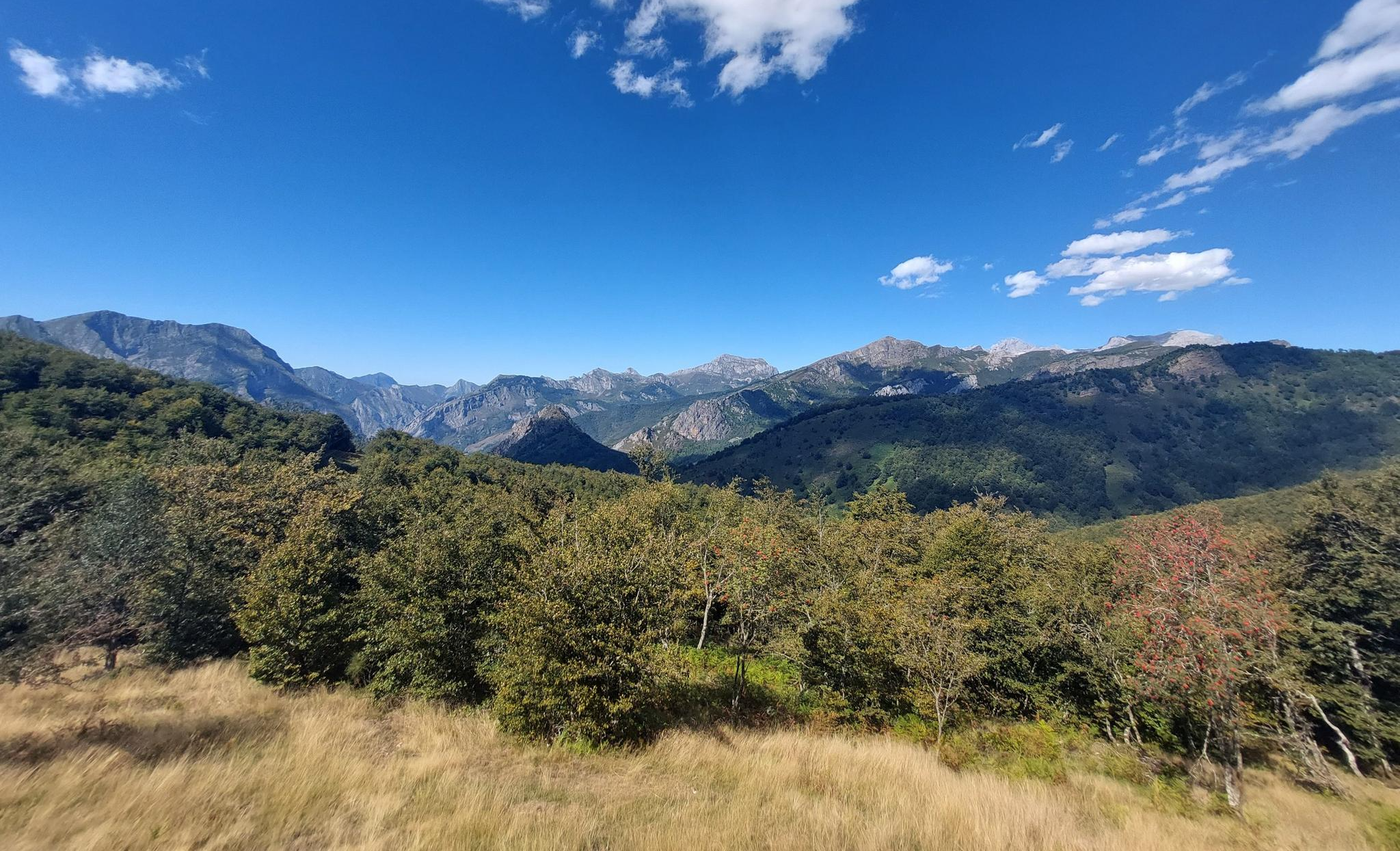
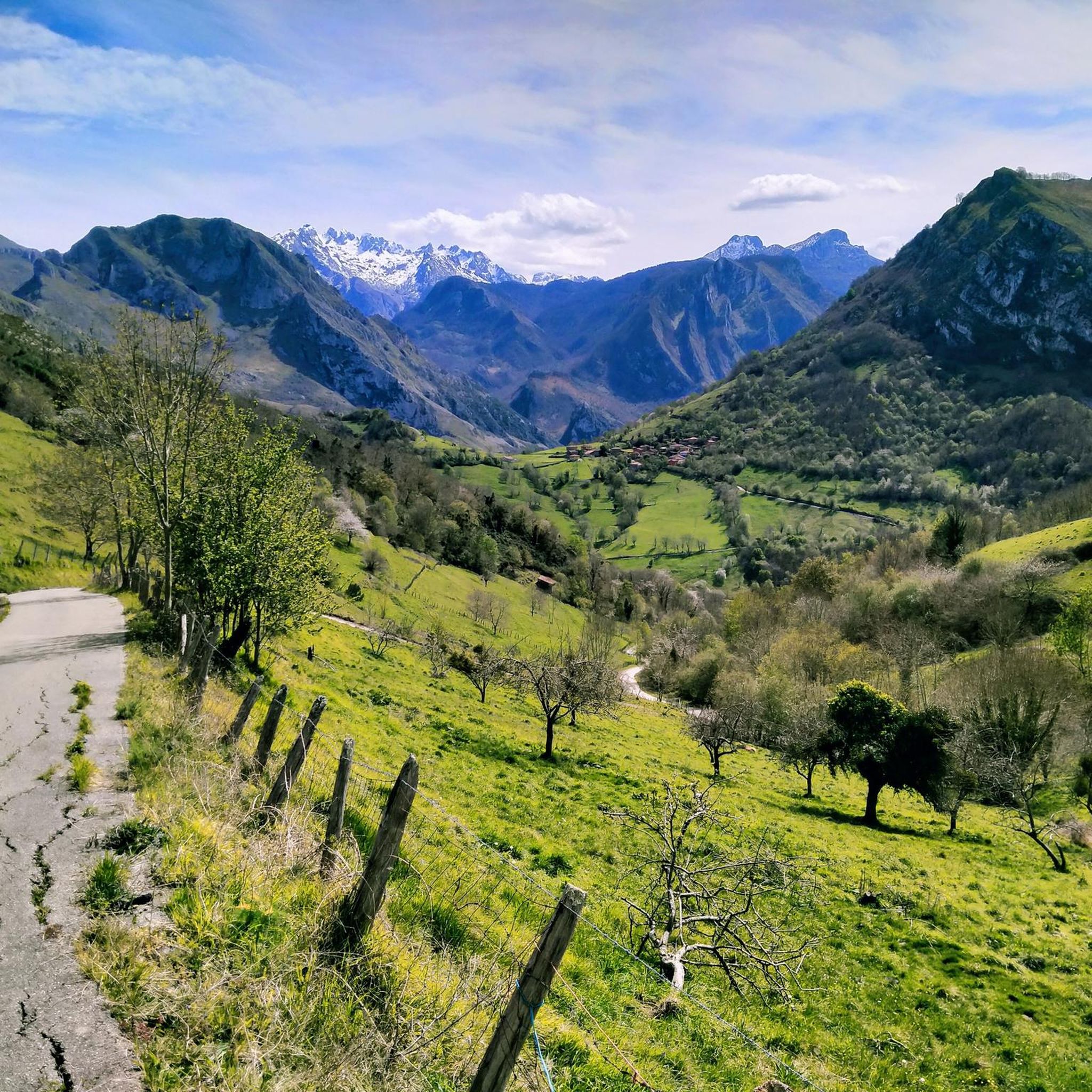
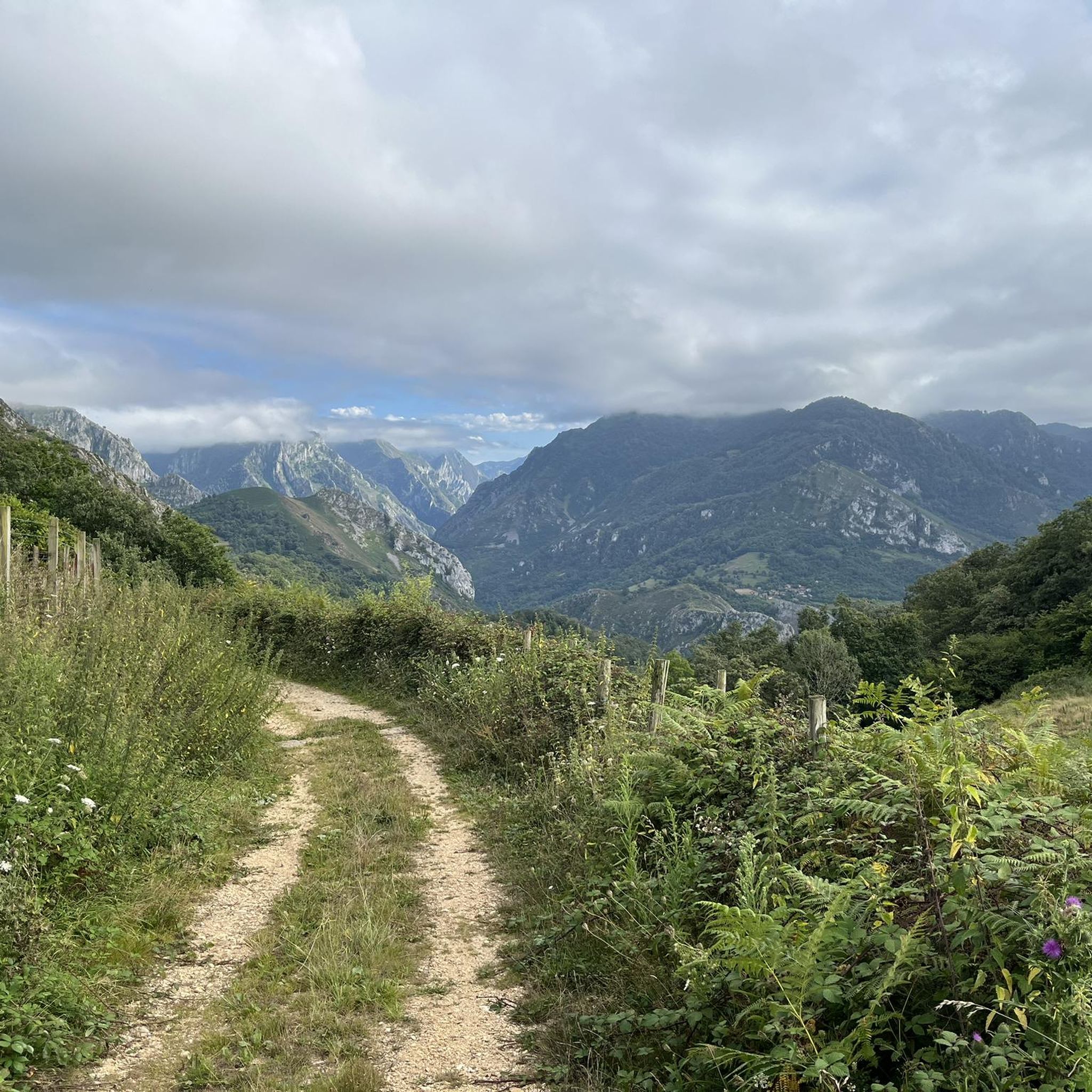
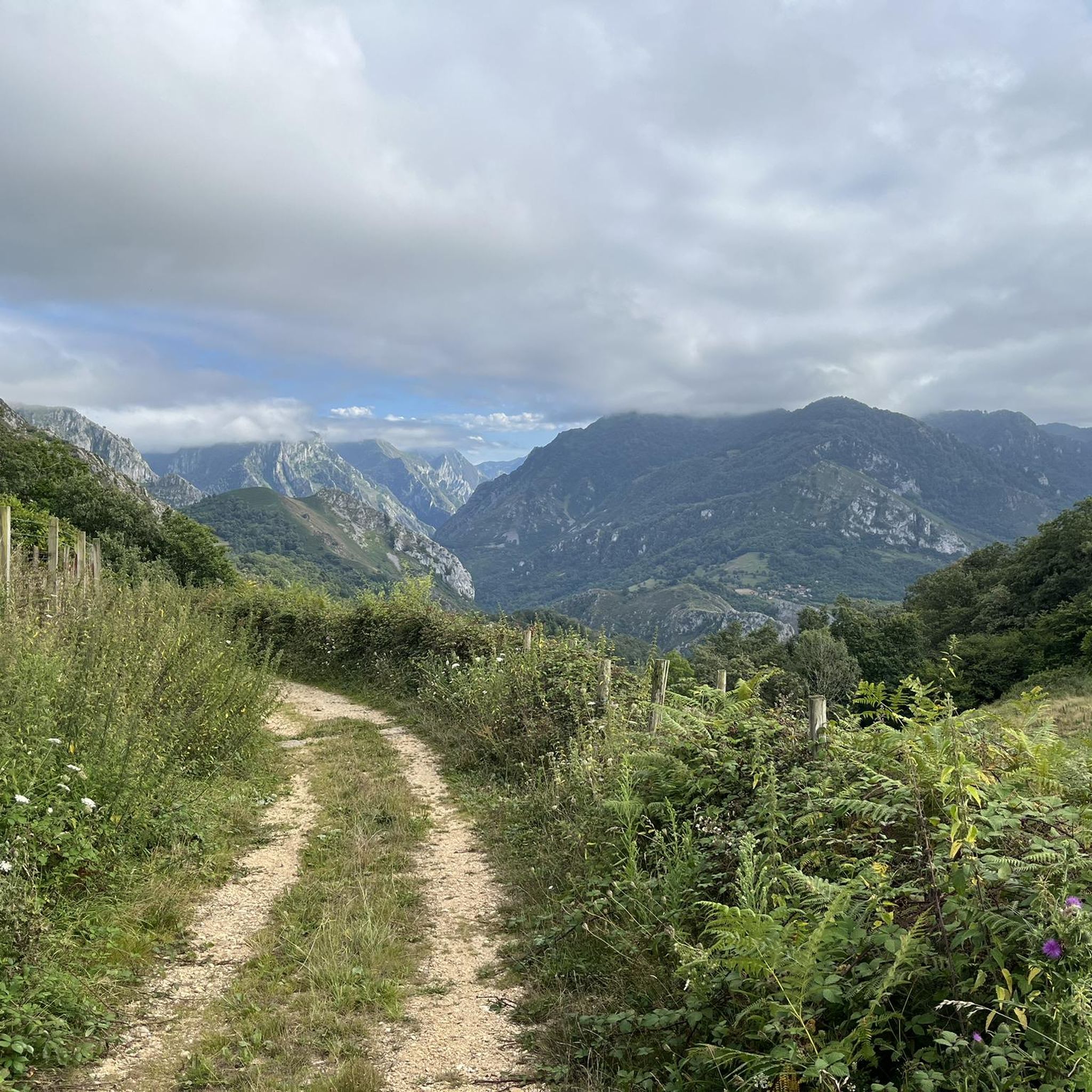
Views of the Picos de Europa National Park
Highlight • Cave
Translated by Google •
Tip by

Start today with a free account
Your next adventure awaits.
Login or Signup

Other adventures around Amieva

Tips from the Community


This section of the GR 105, very close to the Covadonga Sanctuary, is within the boundaries of the Picos de Europa National Park. Here you can enjoy the typical Asturian landscape, where spectacular mountain views coexist with livestock huts.
0
0


The Covadonga Sanctuary is a Catholic religious complex and an important pilgrimage site. It is dedicated to the Virgin of Covadonga, revered as the patron saint of Asturias. The complex includes several buildings, including the Basilica of Santa María la Real de Covadonga, which was built in the 19th century and houses the statue of the Virgin Mary. There is also a smaller church, the Santa Cueva, which is believed to be the site of the miraculous appearance of the Virgin Mary to the Christian army during the Battle of Covadonga in AD 722. The cave is also the burial place of King Pelayo, who led the Christian army to victory in that battle. The complex attracts thousands of visitors each year, who come to admire the impressive views and learn about the history and culture of Asturias.
4
0

On the way from the bus stop to the Lagos, you pass the remains of an old mine - recognizable by the rails that are still in place and an old lorry. The rock face into which the mine shaft disappears is very photogenic.
3
0

In the idyllic landscape of the mountain of Covadonga, there has been intensive mining of iron and manganese minerals over a period of 130 years until 1979.
6
0

Sanctuary very famous for its curious chapel nestled in the rock. The site is worth visiting.
1
0
You find yourself before the ruins of an iron and magnesium mine. You can see a small recreation of the mine, including the tunnel and the tracks where the minerals were transported.
4
0
Frequently Asked Questions
Are there any publicly accessible natural caves in Amieva?
While Amieva is part of a region rich in natural caves, specific caves within the municipality that are readily accessible for public tourism are limited. The Covadonga Sanctuary features the Santa Cueva, a significant religious site built into a natural cave. For those interested in natural formations, the Views of the Picos de Europa National Park highlight is categorized as a natural cave viewpoint, offering spectacular mountain vistas.
What historical cave-related sites can I visit near Amieva?
You can explore the Buferrera Mine, a historical site with cave-like tunnels. It offers a glimpse into the region's mining past, with ruins of an iron and manganese mine and a recreation of a tunnel with tracks. Additionally, the Covadonga Sanctuary is a deeply historical site, with the Santa Cueva being the burial place of King Pelayo and a site of religious significance.
Are there family-friendly activities involving caves around Amieva?
Yes, the Covadonga Sanctuary is a popular destination for families, offering a blend of history, culture, and natural beauty within the Santa Cueva. The Buferrera Mine also provides an engaging historical experience suitable for families, allowing visitors to see old mining structures and tunnels.
What kind of natural features can I expect to see in the caves or cave-related areas?
The region around Amieva, particularly within the Picos de Europa National Park, offers diverse natural features. At the Views of the Picos de Europa National Park, you'll find typical Asturian landscapes with spectacular mountain views and traditional livestock huts. While not publicly accessible, the Cueva de Collubil in Camporriondi is known for remarkable stalactites and stalagmites, showcasing beautiful geological formations.
What outdoor activities can I do near the caves in Amieva?
The area around Amieva is excellent for various outdoor activities. You can find numerous hiking and running trails. For instance, there are hiking routes like the 'La Olla de San Vicente and the Puente Medieval on the Río Dobra' or 'Amieva, Collado Angón, Senda del Arcediano'. For runners, there are running trails such as the 'Views of the Roman bridge loop from La Barca'. Many of these trails offer views of the Picos de Europa National Park.
Are there any specific trails that incorporate cave features?
Yes, the famous Cares Trail includes the Cares Trail Tunnel, which are short tunnels carved into the rock face. These tunnels are part of the route from Poncebos to Cain and offer a unique experience within a gorge landscape. The Views of the Picos de Europa National Park highlight is also on a section of the GR 105 trail.
What do visitors enjoy most about the cave-related sites in Amieva?
Visitors frequently praise the stunning views and historical significance. For example, the Covadonga Sanctuary is admired for its beautiful chapel set in the rocks and its cultural importance. The Buferrera Mine is appreciated for its photogenic ruins and the glimpse it offers into the region's industrial past.
What is the best time of year to visit the caves and surrounding areas in Amieva?
The Picos de Europa National Park, where Amieva is located, is generally best visited during the warmer months, from late spring to early autumn (May to October). This period offers more stable weather conditions for exploring outdoor sites and trails, including those with cave features. Always check local weather forecasts before your visit.
Is parking available near the main cave attractions?
Yes, for popular sites like the Covadonga Sanctuary, there are often free parking places available. However, during peak season, these can fill up quickly. It's advisable to arrive early or consider public transport options if available for specific locations.
Are there any caves in Amieva known for their biological diversity?
The Cueva de H.ou Amieva (also known as Cueva H.uamieva or Cueva la Inxana) is notable for its biological diversity. Observations within this cavity have revealed various invertebrate species, including lepidopterans, coleopterans, spiders, and gastropod mollusks. Bat species are also frequently found. However, its current accessibility for public tourism is not clearly specified.
Do I need a permit for caving in the Amieva region?
For casual visits to publicly accessible sites like the Santa Cueva at Covadonga Sanctuary or the Buferrera Mine, no special caving permit is required. However, for serious speleology or exploring undeveloped caves, permits and specialized equipment are typically necessary. It is recommended to contact local caving associations or the Picos de Europa National Park authorities for specific regulations regarding technical caving.
Most popular attractions around Amieva

Get inspired with the komoot mobile app


Explore more
Extend your search for the best caves by checking out these guides of the top ones around Amieva:
