Top 5 Caves around Quesa
Best caves around Quesa, a municipality in the province of Valencia, Spain, are known for their significant prehistoric rock art. The region features a landscape shaped by the Escalona river and Río Grande, offering unique insights into ancient human activity. These sites, including UNESCO World Heritage locations, provide a journey into the artistic and cultural heritage of prehistoric inhabitants.
Best caves around Quesa
- The most popular caves is Calicanto raft shelter, a historical site that contains ancient cave paintings. It is currently fenced for protection, but visitors can still distinguish some drawings on the walls.
- Another must-see spot is La Araña Cave and La Rebolla Waterfall, a cave and historical site. This archaeological site offers views of the Chorrador de La Rebolla and the Hongares ravine, with two cavities containing cave paintings, including the famous scene of honey gathering.
- Visitors also love Cuevas de la Araña, a cave and natural monument. These caves, dating between 9000 and 1400 BC, were declared a UNESCO World Heritage Site in 1998 and feature representations like the Bicorp man collecting honey.
- Quesa is known for historical sites, natural monuments, and caves with ancient rock art. The area offers a variety of caves to see and explore, many featuring prehistoric paintings.
- The caves around Quesa are appreciated by the komoot community, with 8 upvotes and 5 photos shared by visitors.
Last updated: June 20, 2026
Calicanto raft shelter
Highlight • Historical Site
Translated by Google •
Tip by

La Araña Cave and La Rebolla Waterfall
Highlight • Cave
Translated by Google •
Tip by

Sign up now to discover places like this
Get recommendations on the best single tracks, peaks, & plenty of other exciting outdoor places.
Sign up for free
Cueva del Tornero
Highlight • Cave
Translated by Google •
Tip by

Cuevas de la Araña
Highlight • Cave
Translated by Google •
Tip by
Barranco de Hongares Trail
Highlight • Trail
Translated by Google •
Tip by
Start today with a free account
Your next adventure awaits.
Login or Signup



Tips from the Community

There are two cavities that contain the cave paintings. In the first part of the first cave, Cave 1, you can see an archer and a deer on the left, a roe deer on the right, and between the two archers another human figure. In the second part of the first cave, Cave 2, the largest and with the largest number of paintings, you can admire the famous scene of the gathering of honey.
0
0

You can still distinguish some of the cave paintings drawn on the walls of the shelter. Currently, it is fenced to protect this ancestral work from any vandalism.
1
0

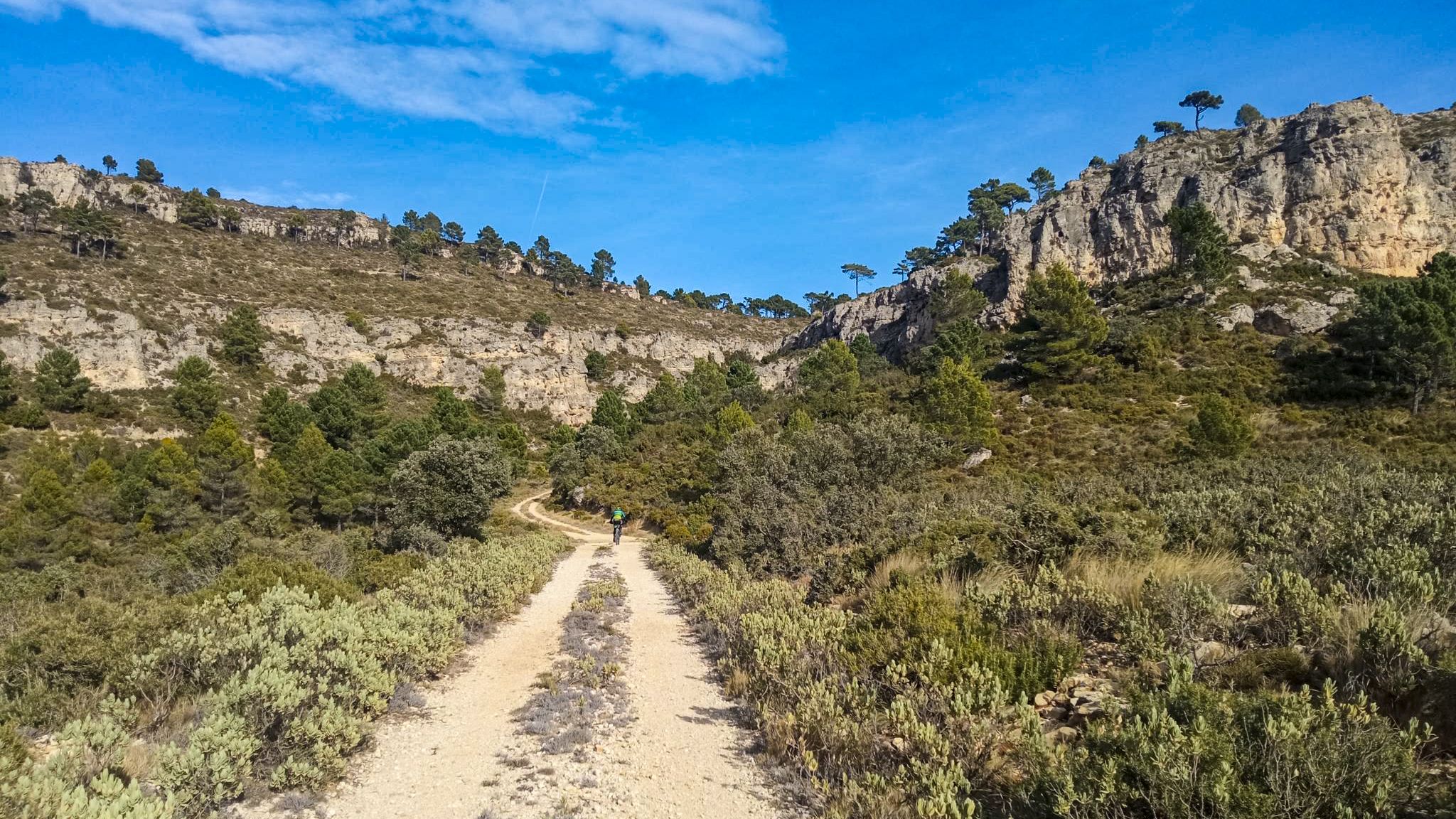
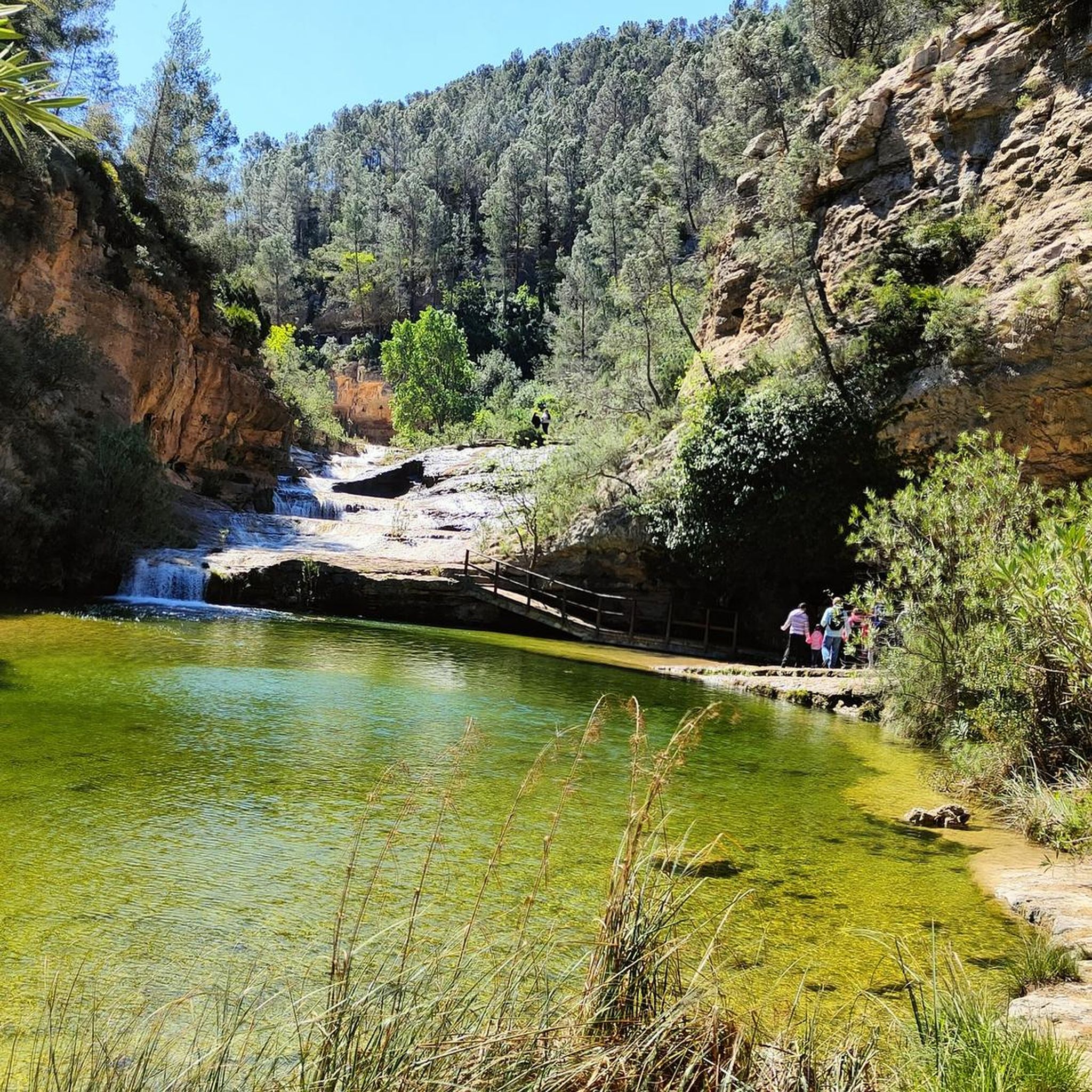
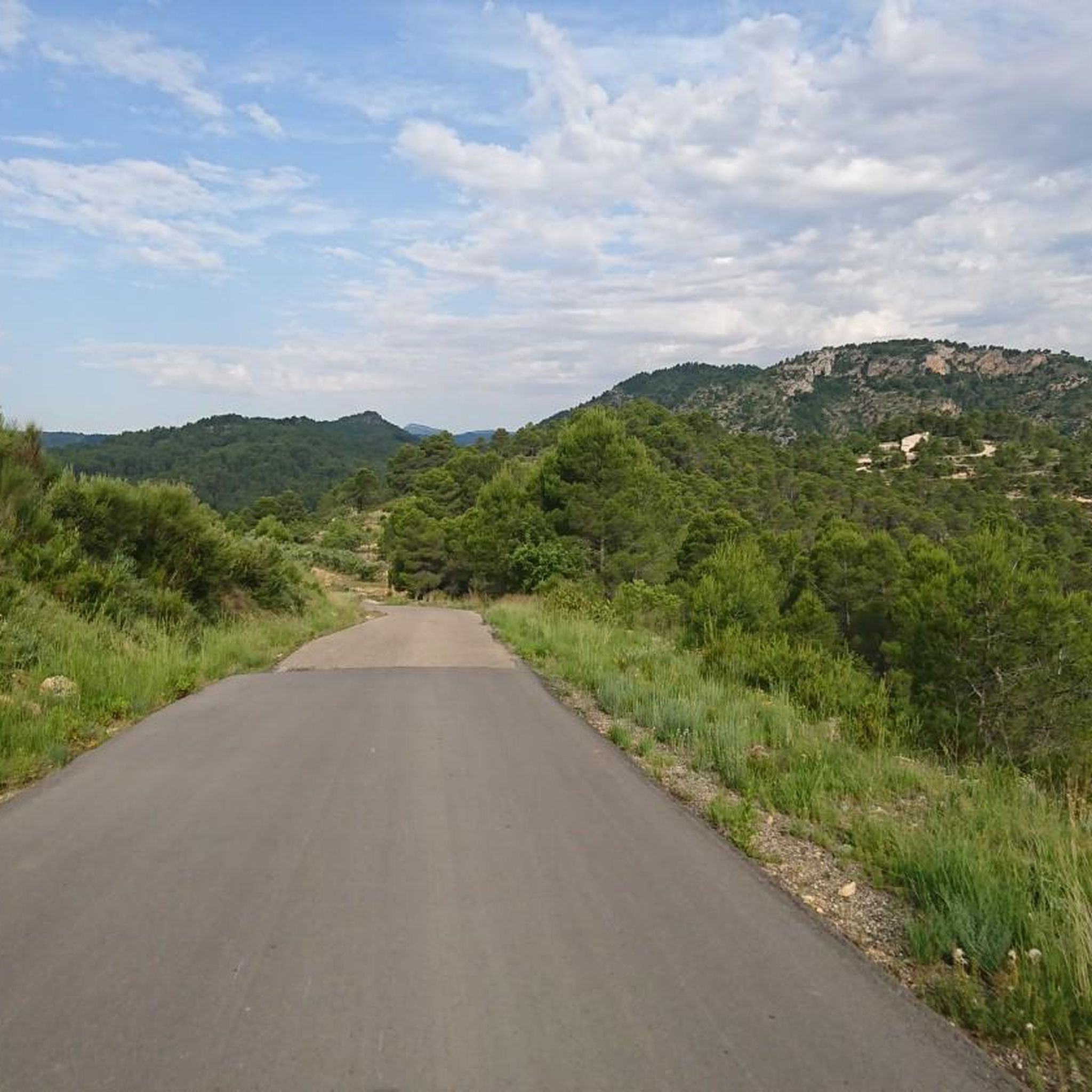
Very entertaining path that runs next to the Hongares ravine and among a very beautiful grove of trees. It allows you to reach the Cueva de Las Arañas and the Chorrador de la Rebolla.
0
0
It is a set of caves dating between 9000 and 1400 BC. They were discovered at the beginning of the 20th century and declared a UNESCO World Heritage Site in 1998 and contain one of the most famous representations in the world, the Bicorp man climbing lianas to obtain honey from wild bees.
2
0

The Tortero Cave is located in the municipality of Tous, Valencia, Valencian Community, in the Ribera Alta region.
0
0
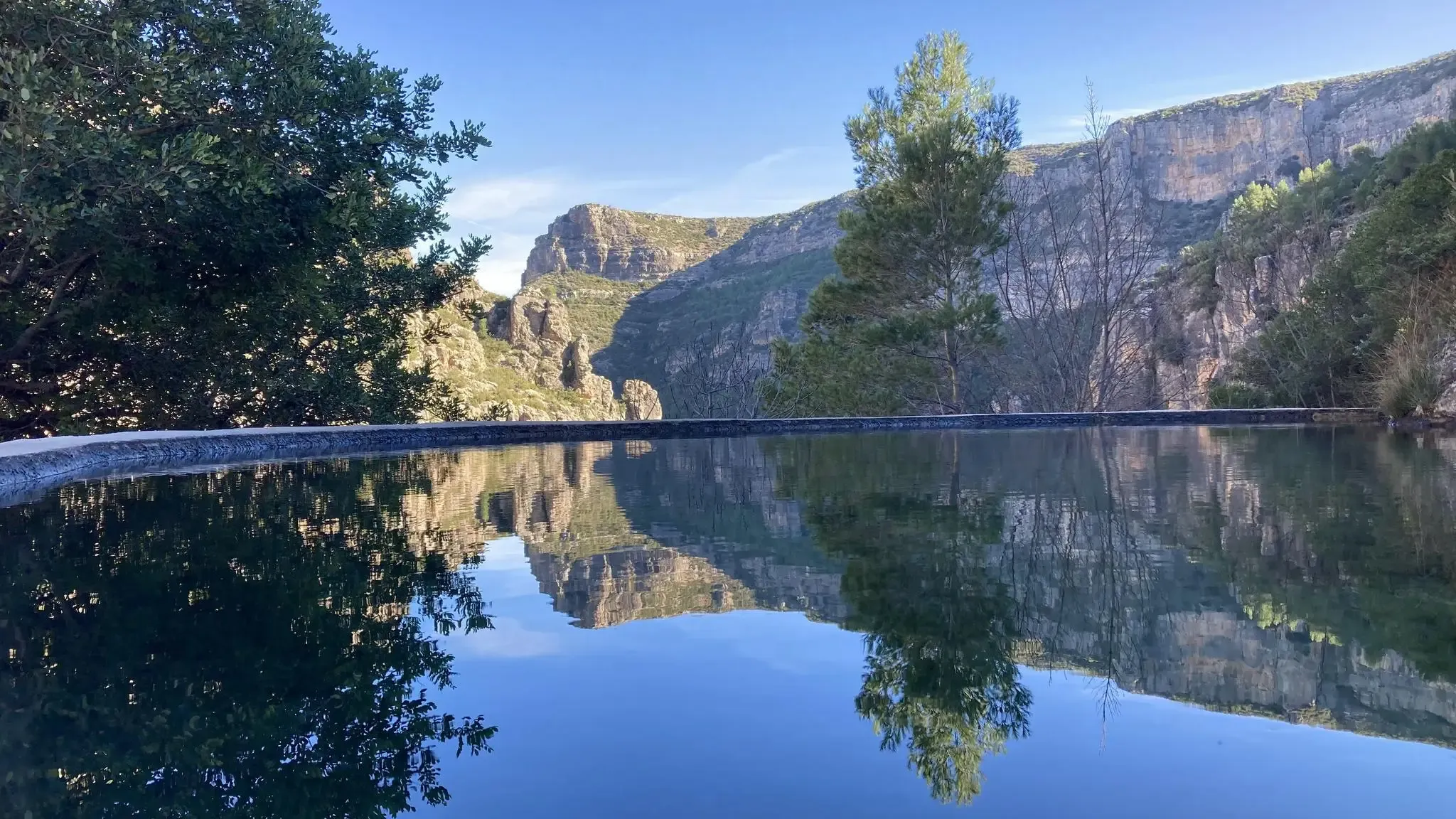
Archaeological site with views of the Chorrador de La Rebolla, the Hongares ravine. From the viewpoint to the chorrador you can take the path on foot to reach the caves that remain closed except by appointment to enter.
2
0
Frequently Asked Questions
What makes the caves around Quesa significant?
The caves in the Quesa region are renowned for their significant prehistoric rock art, offering unique insights into ancient human activity. Many of these sites, including the famous Cuevas de la Araña and Voro Rock Shelter, are recognized as UNESCO World Heritage Sites.
Which caves feature prehistoric rock art in Quesa?
Several caves in Quesa showcase ancient rock art. The Cuevas de la Araña are particularly famous for their Levantine cave paintings, including the iconic honey gathering scene. The Voro Rock Shelter and the Calicanto raft shelter also contain ancient cave paintings.
Can I visit the Cuevas de la Araña, and what should I expect?
Yes, the Cuevas de la Araña are open to visitors. They are famous for their Levantine cave paintings, dating back between 9000 and 1400 BC, and were declared a UNESCO World Heritage Site. Visits are typically guided and require prior booking, often through Bicorp's Ecomuseum. You can see depictions of hunting scenes, animals, and the world-renowned scene of honey gathering.
Are there any family-friendly activities or caves in the Quesa area?
While the caves themselves are historical sites, exploring the natural surroundings can be family-friendly. The area offers a variety of trails that can be suitable for families, depending on difficulty. For cave visits, guided tours to sites like Cuevas de la Araña provide an educational experience for all ages, but check specific age recommendations for tours.
What natural features can I explore near the caves?
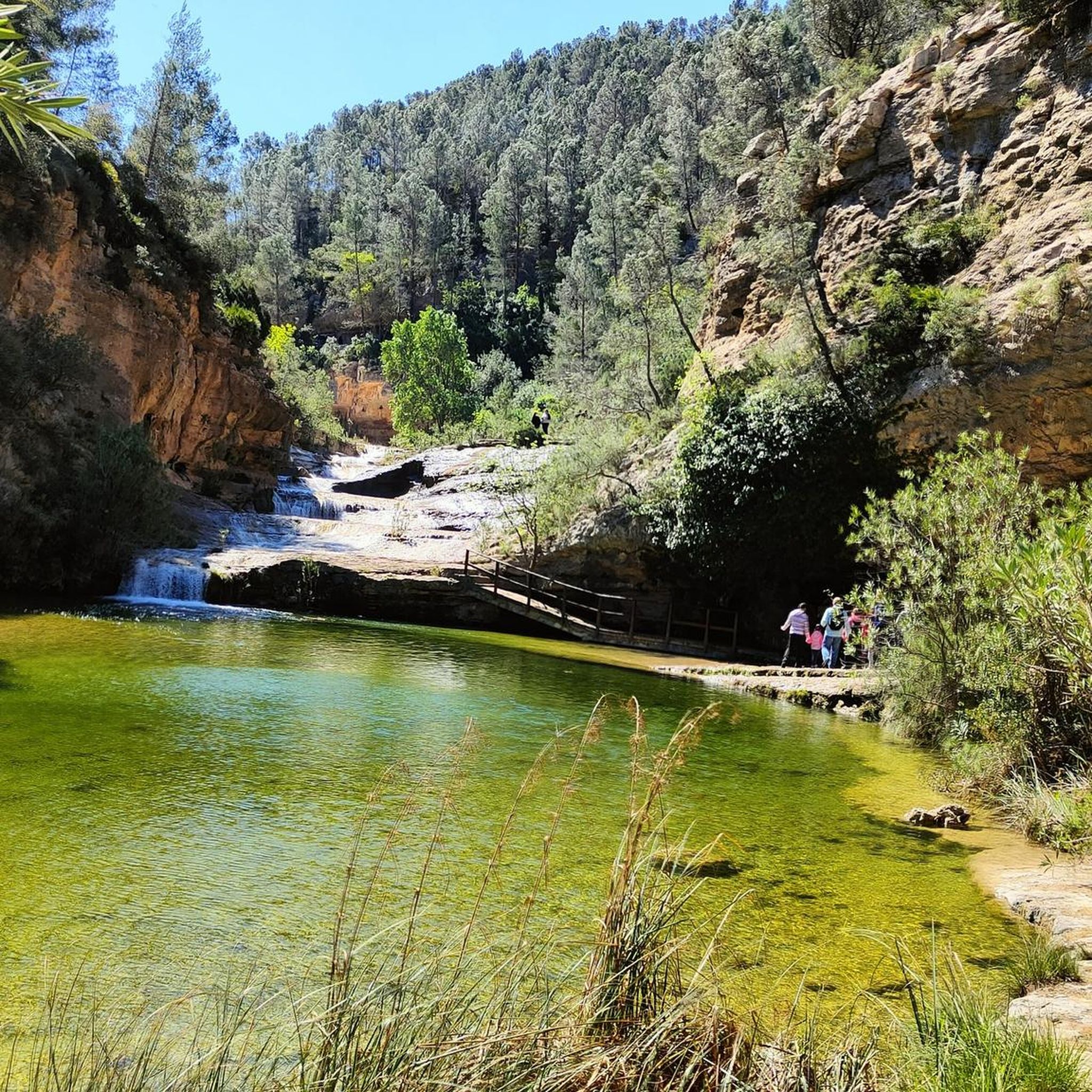
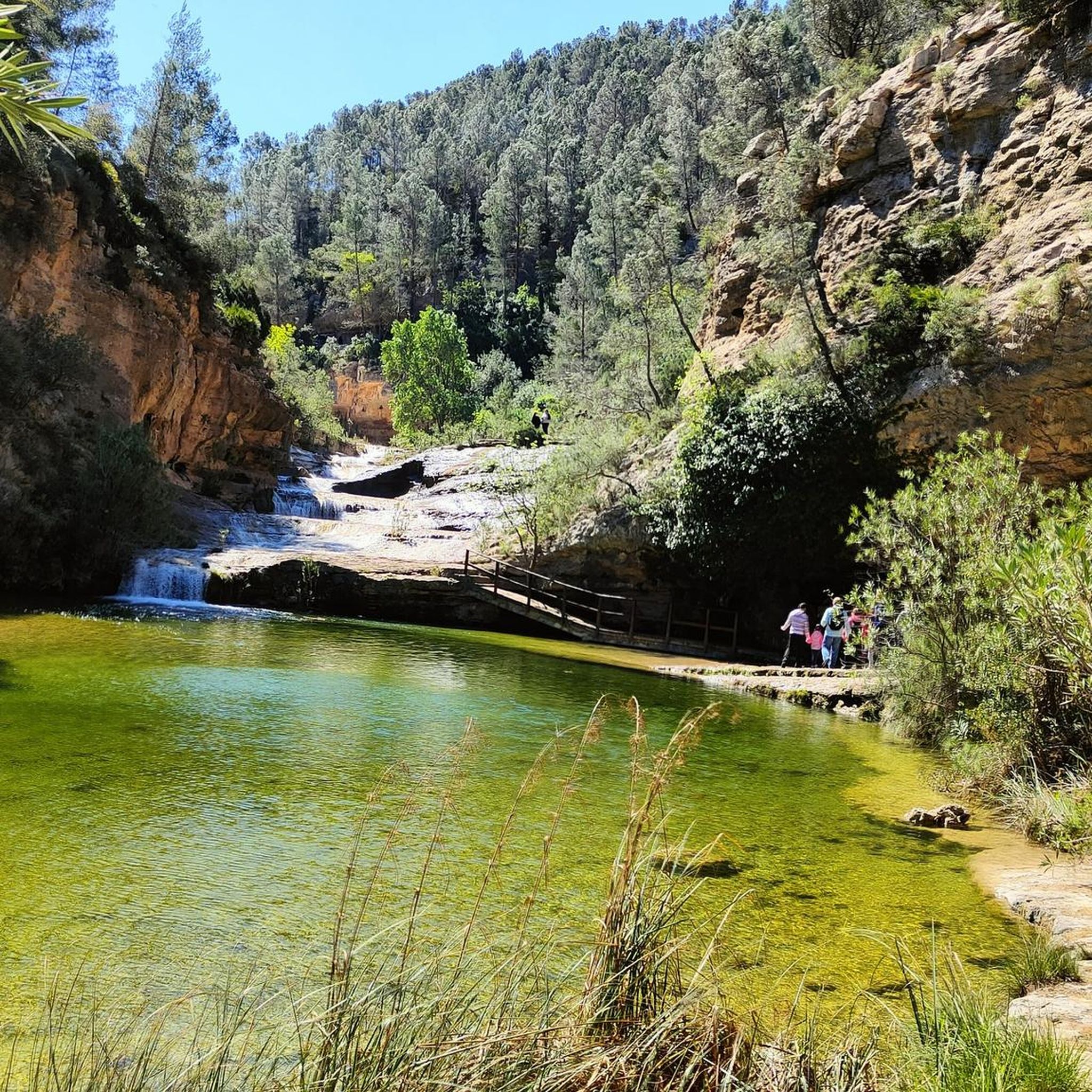
The region around Quesa is shaped by the Escalona river and Río Grande, offering a landscape with natural beauty. You can find features like the Chorrador de La Rebolla waterfall and the Hongares ravine near sites such as La Araña Cave and La Rebolla Waterfall. The Barranco de Hongares Trail also runs next to the ravine and through a beautiful grove of trees.
What outdoor activities are available near the Quesa caves?
Beyond cave exploration, the Quesa area offers various outdoor activities. You can find numerous running trails, such as the 'El Chorrador – Source of Los Chorradores loop from Navarrés', or explore MTB trails like 'The Muela de Millares and the Rincón del Camaro - Circular from Quesa'. Cycling routes, including the 'Gorgo de la Escalera – Gaspar Waterfall and Pool loop from Navarrés', are also popular. For more details, refer to the Running Trails around Quesa, MTB Trails around Quesa, and Cycling around Quesa guides.
Do I need a permit or to book in advance to visit the caves?
For significant sites like the Cuevas de la Araña and Voro Rock Shelter, visits are typically guided and require prior booking. It is advisable to check with local tourism offices or the Ecomuseum in Bicorp for specific requirements and to arrange your visit.
What is the best time of year to visit the caves in Quesa?
The Quesa region generally experiences a Mediterranean climate. Spring and autumn often offer pleasant temperatures for exploring both the caves and the surrounding outdoor areas. Summers can be hot, while winters are mild. Checking the local weather forecast before your visit is always recommended.
Is there parking available near the cave sites?
Access to some cave sites, particularly the Cuevas de la Araña, may involve forest tracks. While specific parking facilities are not detailed, it is common for visitors to park at designated areas before proceeding on foot or with guided transport. It's best to inquire about parking options when booking your guided tour.
Are there any other notable caves or historical sites besides Cuevas de la Araña?
Yes, the Voro Rock Shelter is another significant site for cave art in Quesa, also recognized as a UNESCO World Heritage Site. It features detailed Levantine cave art with numerous figures. Additionally, the Cueva del Tornero is located nearby in the municipality of Tous.
What kind of historical insights do the Quesa caves offer?
The caves around Quesa provide a compelling journey into the past, showcasing the artistic and cultural heritage of the prehistoric inhabitants of the region. The rock art, dating back thousands of years, depicts daily life, hunting scenes, and significant events like honey gathering, offering a direct glimpse into ancient human activity and beliefs.
Most popular attractions around Quesa

Get inspired with the komoot mobile app


Explore more
Extend your search for the best caves by checking out these guides of the top ones around Quesa:
