The best traffic-free bike rides around Quesa
4.0
(2)
16
riders
7
rides
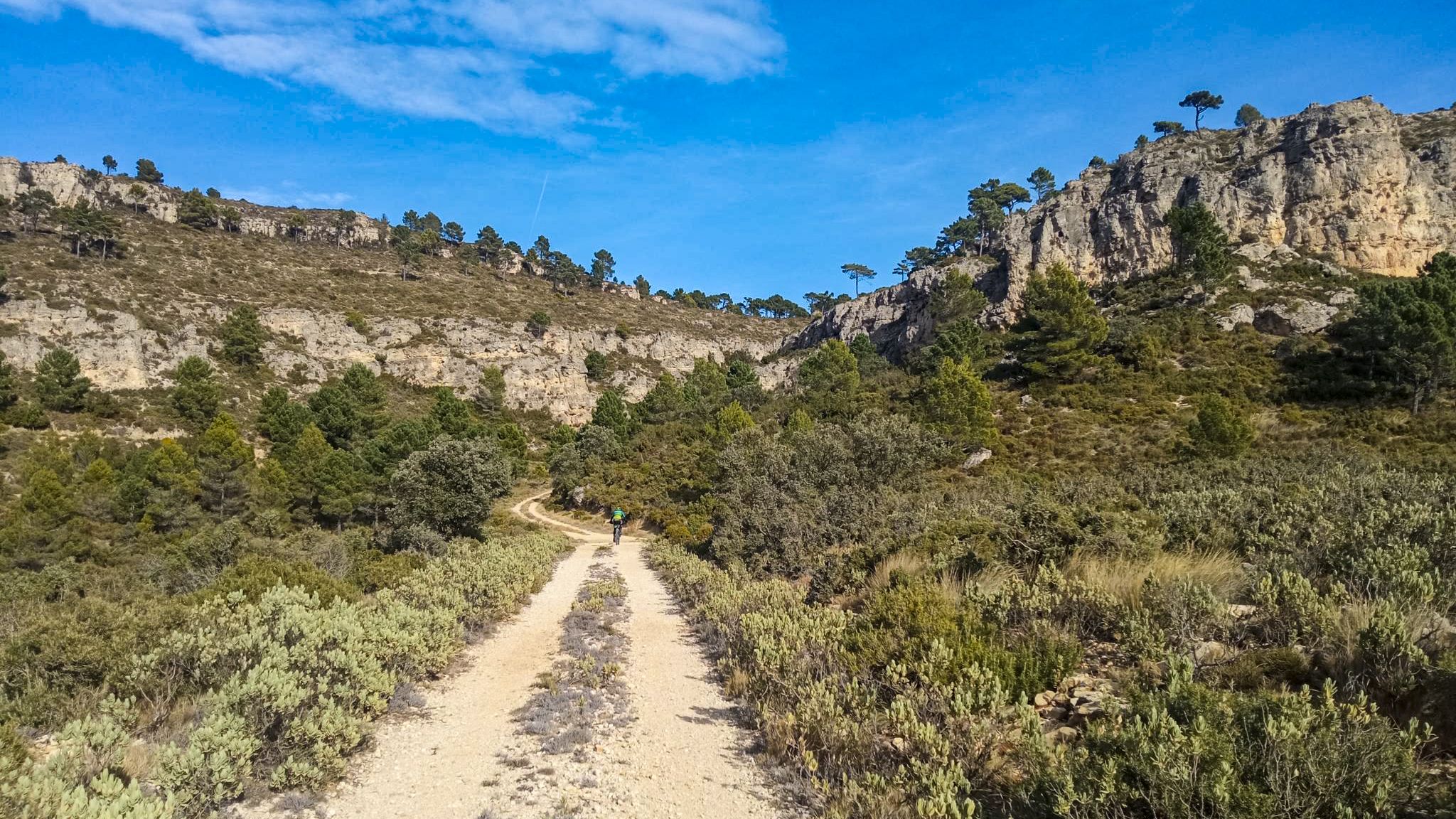
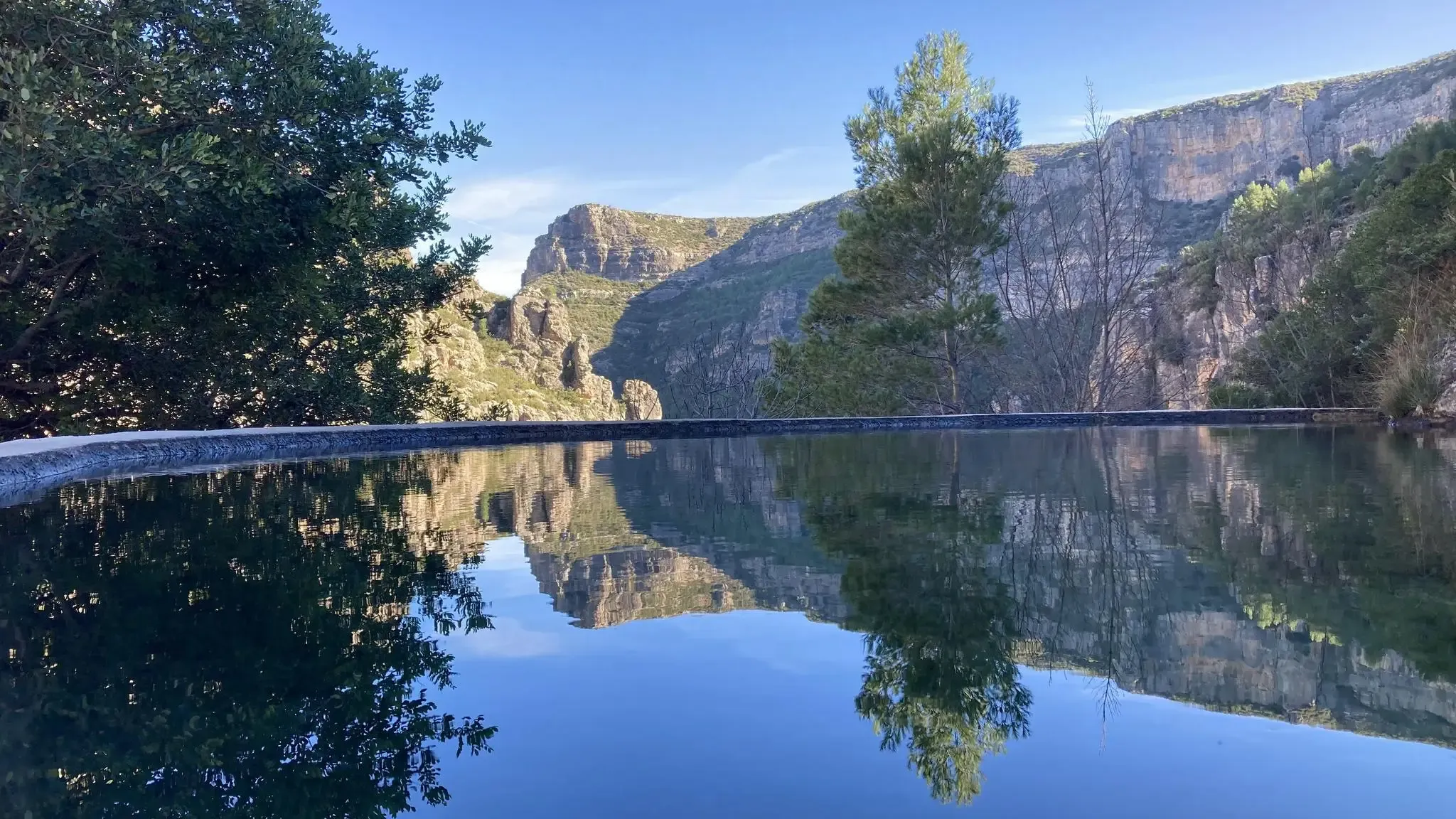
Gravel biking around Quesa offers diverse natural landscapes and varied terrain. The region is characterized by orchards, historical irrigation channels, and terraces, providing scenic routes. Natural features like the Los Charcos de Quesa pools and El Molino Waterfall contribute to picturesque scenery. The area's rural setting, combined with paths leading to historical sites and through agricultural land, creates an environment well-suited for no traffic gravel bike trails.
Best no traffic gravel bike trails around Quesa
- The most popular no traffic…
Last updated: July 2, 2026
86.9km
07:08
1,840m
1,840m
Hard gravel ride. Very good fitness required. Mostly paved surfaces. Suitable for all skill levels.
135km
14:09
2,890m
2,880m
Hard gravel ride. Very good fitness required. Mostly paved surfaces. Suitable for all skill levels.

Sign up for free
5.0
(1)
4
riders
105km
08:09
2,230m
2,230m
Hard gravel ride. Very good fitness required. You may need to push your bike for some segments of this route.
7
riders
52.0km
04:03
1,120m
1,120m
Hard gravel ride. Very good fitness required. Mostly paved surfaces. Suitable for all skill levels.
2
riders
43.3km
03:07
550m
550m
Hard gravel ride. Very good fitness required. Mostly paved surfaces. Suitable for all skill levels.
Get access to more routes and recommendations from other explorers.
Sign up for free
Already have an account?
Our route recommendations are based on thousands of hikes, rides, and runs completed by other people on komoot.
Start today with a free account
Your next adventure awaits.
Login or Signup



Tips from the Community

Traditional stone-built fountain, located at the entrance to this town in the Canal de Navarrés. It is a point of natural and heritage interest, frequented on hiking and water routes in the area, such as those near the Júcar canyon. It is located near the area of the Molino de los Moros and the Chorrador del Bosque («El Monstruo»). It is part of the municipality's water resources, often visited along with other points such as the Fuente de las Donas or the washhouses.
0
0
The pass begins when crossing the bridge over the Jucar river and ends when entering the town of Millares. It is 4.2 km at 4.3%
0
0

After Benalí, the Río Grande trail begins. It's surrounded by nature at an altitude of 800 meters. A great spot to enjoy the views from this height.
0
0


Crossroads. If you continue straight ahead you will find the paved road that goes up to Cinto la Cabra. If you turn left you will go up the Bayart ravine.
0
0
Spectacular views, although the climb from Cortes de Pallas along the Muela ridge is very tough.
0
0
On this path we have spectacular views of the rock walls of the deep Rambla de Sacaras and the Cortes reservoir where the ravine flows into.
0
0
Frequently Asked Questions
How many no traffic gravel bike trails are available around Quesa?
There are over 7 dedicated no traffic gravel bike trails around Quesa, offering a variety of distances and challenges for riders looking to explore the region's natural beauty away from cars.
What kind of terrain can I expect on Quesa's no traffic gravel routes?
Quesa's gravel routes traverse a diverse landscape, including scenic orchards, historical irrigation channels, and terraced fields. You'll encounter unpaved roads and tracks leading through natural areas, past waterfalls, and to historical sites, providing a rich and varied riding experience.
What is the best time of year to gravel bike in Quesa?
The Quesa region, with its Mediterranean climate, is generally pleasant for gravel biking outside of the peak summer heat. Spring (March to May) and Autumn (September to November) offer ideal conditions with milder temperatures and beautiful scenery. Winter can also be suitable, though some higher elevation areas might be cooler.
Are there any challenging no traffic gravel routes for experienced riders?
Yes, Quesa offers several challenging routes for experienced gravel bikers. For instance, the Circular gravel from Quesa to Caroche Peak is a demanding ride covering over 86 km with significant elevation gain. Another option is the Gravel ride to Caroche peak and the Júcar river, which is even longer and features substantial climbing.
What natural attractions can I discover along the gravel trails in Quesa?
Many gravel trails in Quesa lead to or pass by stunning natural attractions. You can explore the famous Los Charcos de Quesa, a series of natural pools and waterfalls, or visit the picturesque El Molino Waterfall. Highlights like El Salto de Chella Viewpoint, the Natural pool on the Sellent River in Bolbaite, and El Chorrador are also accessible and offer beautiful stops along your ride.
Are there any historical or cultural sites accessible by gravel bike in Quesa?
Absolutely. The region is rich in history. You can cycle towards the archaeological site of Cave Art at Voro Rock Shelter, offering a glimpse into ancient times. The ruins of Muslim Quesa Castle and the Ermita de la Cruz also provide historical interest and often boast panoramic views, making them excellent destinations for a gravel ride.
Are there family-friendly no traffic gravel routes in Quesa?
While many of the longer routes in Quesa are rated as 'difficult' due to distance and elevation, the general area with its extensive network of rural paths through orchards and along irrigation channels offers potential for shorter, less strenuous rides. For a dedicated family outing, consider exploring sections of these paths closer to Quesa town, which are likely to be flatter and quieter, though specific 'easy' gravel routes are not highlighted in this guide.
Can I bring my dog on the gravel bike trails in Quesa?
Many natural areas in Spain are dog-friendly, especially on trails and unpaved roads. However, it's always best to keep your dog on a leash, especially in areas with wildlife or near agricultural land. Be mindful of local regulations, particularly around natural pools like Los Charcos de Quesa, where specific rules might apply.
Where can I park my car when starting a gravel bike tour in Quesa?
Quesa, being a smaller municipality, generally offers parking options within the town or at the start of popular recreational areas. Look for designated parking zones near the town center or at access points to natural parks and rural roads. Always ensure you park responsibly and do not obstruct local access.
What do other gravel bikers enjoy the most about gravel biking in Quesa?
The komoot community highly rates the Quesa area, with an average score of 4.0 stars. Reviewers often praise the region for its quiet, traffic-free routes, the stunning natural landscapes including waterfalls and pools, and the challenging yet rewarding climbs that lead to incredible viewpoints like Pico de Caroche and Tres Mollons Viewpoint.
Are there any circular no traffic gravel routes starting from Quesa?
Yes, there are excellent circular gravel routes available. A notable one is the Circular gravel from Quesa to Caroche Peak, which offers a substantial loop for those looking for a full day's adventure. Another option is the Mortirolo of Quesa – Pico de Caroche loop from Quesa, providing another challenging circular experience.
What are the typical elevation gains on Quesa's gravel trails?
The gravel trails around Quesa can be quite demanding in terms of elevation. For example, the Gravel ride to Caroche peak and the Júcar river features an impressive 2887 meters of ascent. Even shorter routes like the Puerto de Millares – Casa del Empalme loop from Millares still involve over 1100 meters of climbing, so be prepared for significant vertical challenges.
Most popular attractions around Quesa

Get inspired with the komoot mobile app


Explore more
Browse the best Gravel rides in other regions.
