Top 7 Caves around Adsubia
Caves around Adsubia offer a unique exploration of geological formations within the Alicante province. This region is characterized by its natural landmarks and varied terrain. Visitors can discover subterranean spaces rich in speleothems and historical significance. The area provides opportunities for exploring natural beauty and cultural heritage.
Best caves around Adsubia
- The most popular caves is Forat de la Juvea, a cave that features a natural hole conditioned to allow a path through the mountain. It is known for…
Last updated: July 4, 2026
Forat de la Juvea
Highlight • Cave
Translated by Google •
Tip by

Camino de Petracos – Remote Beauty & Ancient Rock Art
Highlight (Segment) • Cave
Tip by

Sign up now to discover places like this
Get recommendations on the best single tracks, peaks, & plenty of other exciting outdoor places.
Sign up for free
Cim de la Safor (1,013 m)
Highlight • Summit
Translated by Google •
Tip by

Cova Obrada del Moro
Highlight • Cave
Translated by Google •
Tip by

Nevera de Baix Ice House
Highlight • Monument
Translated by Google •
Tip by

Sign up for free to discover even more caves around Adsubia.
Sign up for free
Already have an account?
Start today with a free account
Your next adventure awaits.
Login or Signup


Tips from the Community

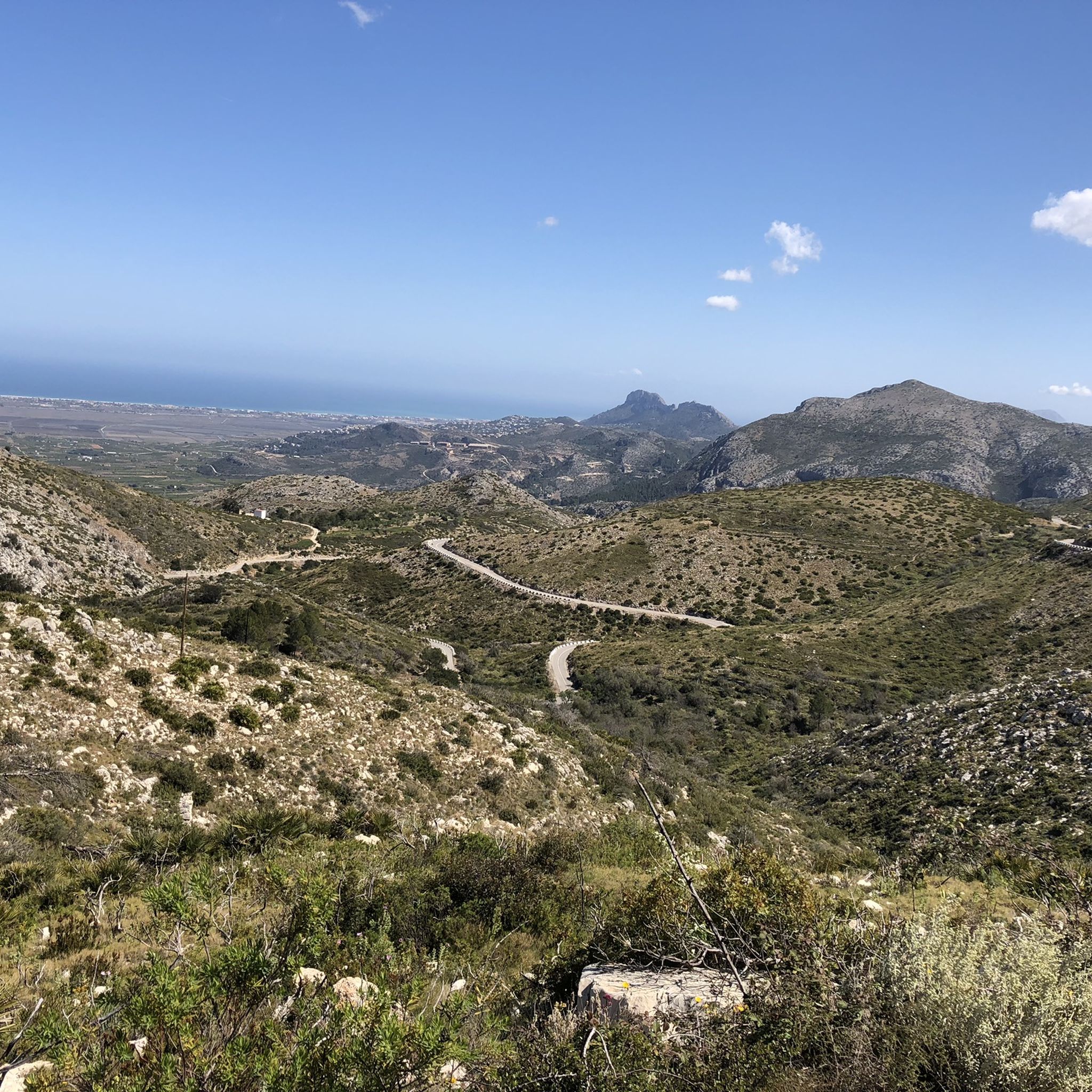
About halfway up the narrow road toward Petracos, there's a path leading to one of the Costa Blanca’s hidden gems: the prehistoric rock paintings of Les Coves de Pintures Rupestres de la Sarga de Petracos. These sacred cave sites are over 6,000 years old and are recognised as UNESCO World Heritage. The paintings are protected behind fences but still visible — abstract symbols, anthropomorphic figures, and mysterious shapes left by early Iberian cultures. It’s absolutely worth a stop for a moment of silence and awe — but be warned: the trail isn’t cycling-shoe friendly. You’ll either need cleat covers or the willingness to carry your bike over rocky steps for a short hike. 😅 A unique mix of nature, history, and quiet that most riders simply roll past.
2
0

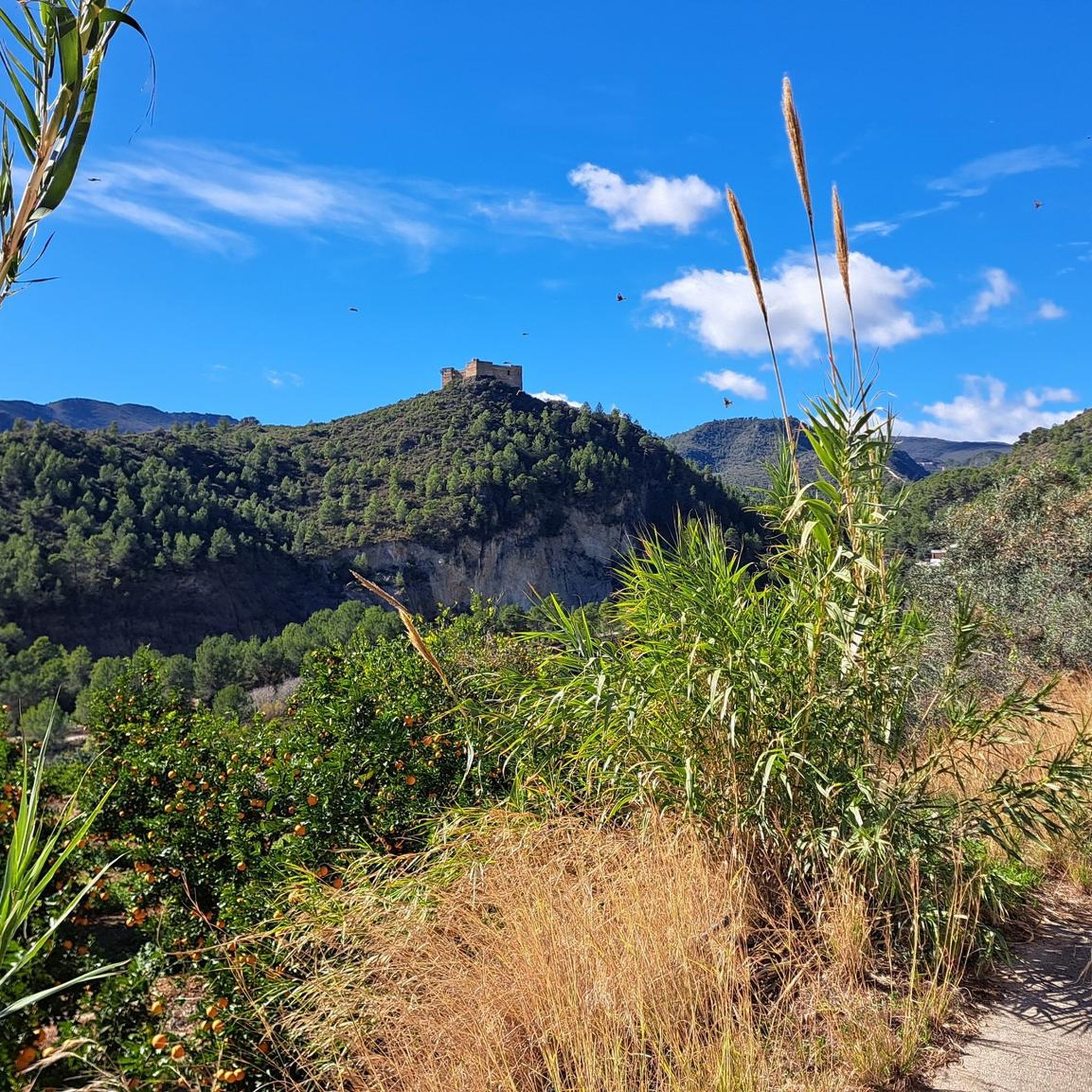
From the TOP of the mountain one can have great view of La SAFOR and MARINA ALTA areas (nice view of Gandia and Oliva towns). Unfortunately, due to very rich vegetation (high trees) it is not possible to enjoy a 360 degree view similar to option which one has by hiking up Montuver mountain. Short video about this hike could be found under the following link: https://www.youtube.com/watch?v=j-mfyWy6RzQ
1
0

The tour is great. The way to the cova (cave) spectacular. As was the path down. When it rains heavily, a waterfall shoots down the side of the hole in the rock.
3
2
The Höhenweg is a must. Good view of the Vall de Gallinera. Best for cherry blossoms.
0
0

Steep climb. Will be rewarded with a great view
1
0

Baix Refrigerator Old artificial refrigerator in the term of Alcalá de la Jovada, in the region of Marina Alta.
9
0

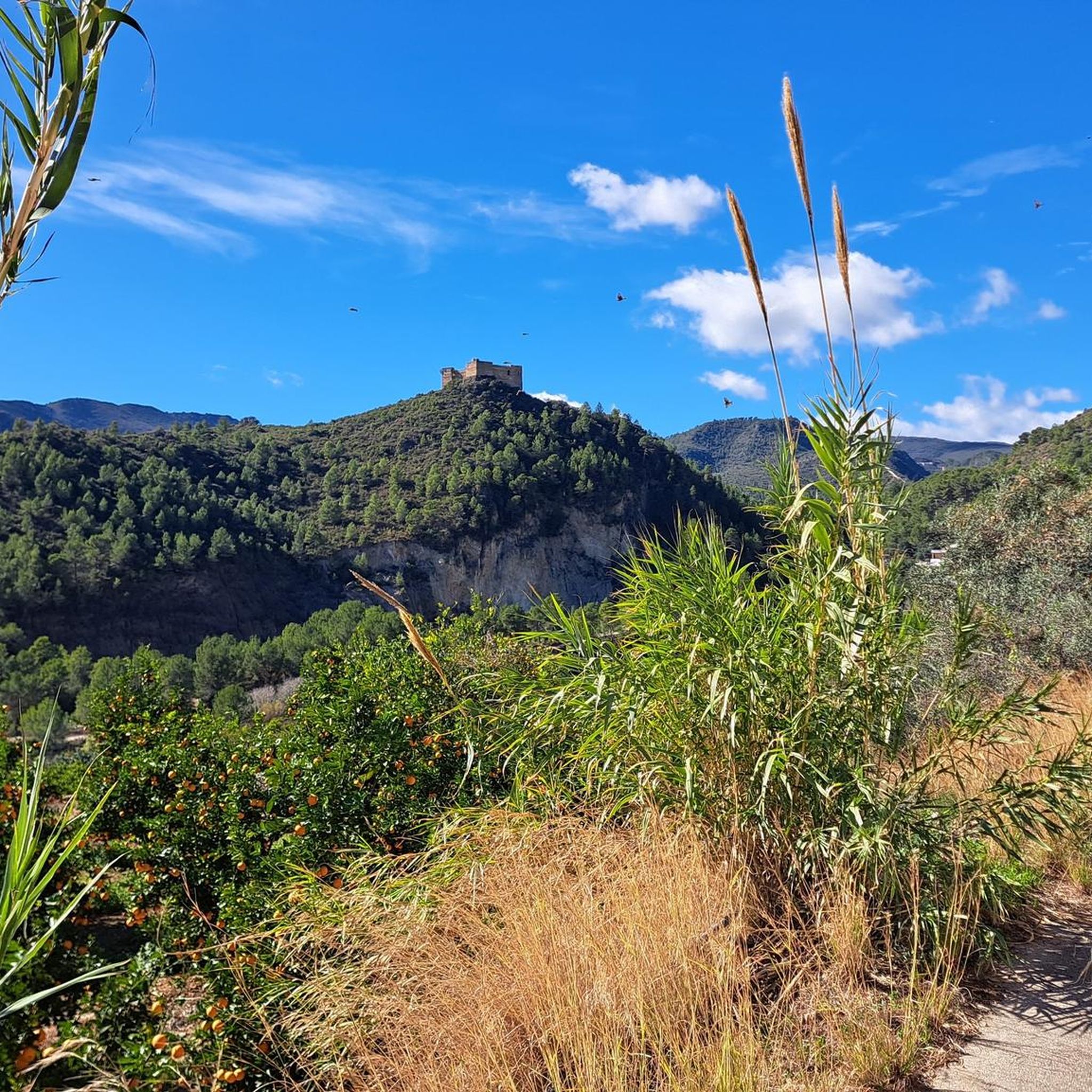
An old Moorish cave that is believed to have been used both as a refuge and as a defense against the withdrawal of the Moors from the area. Today you can visit and enter it with due caution.
1
0

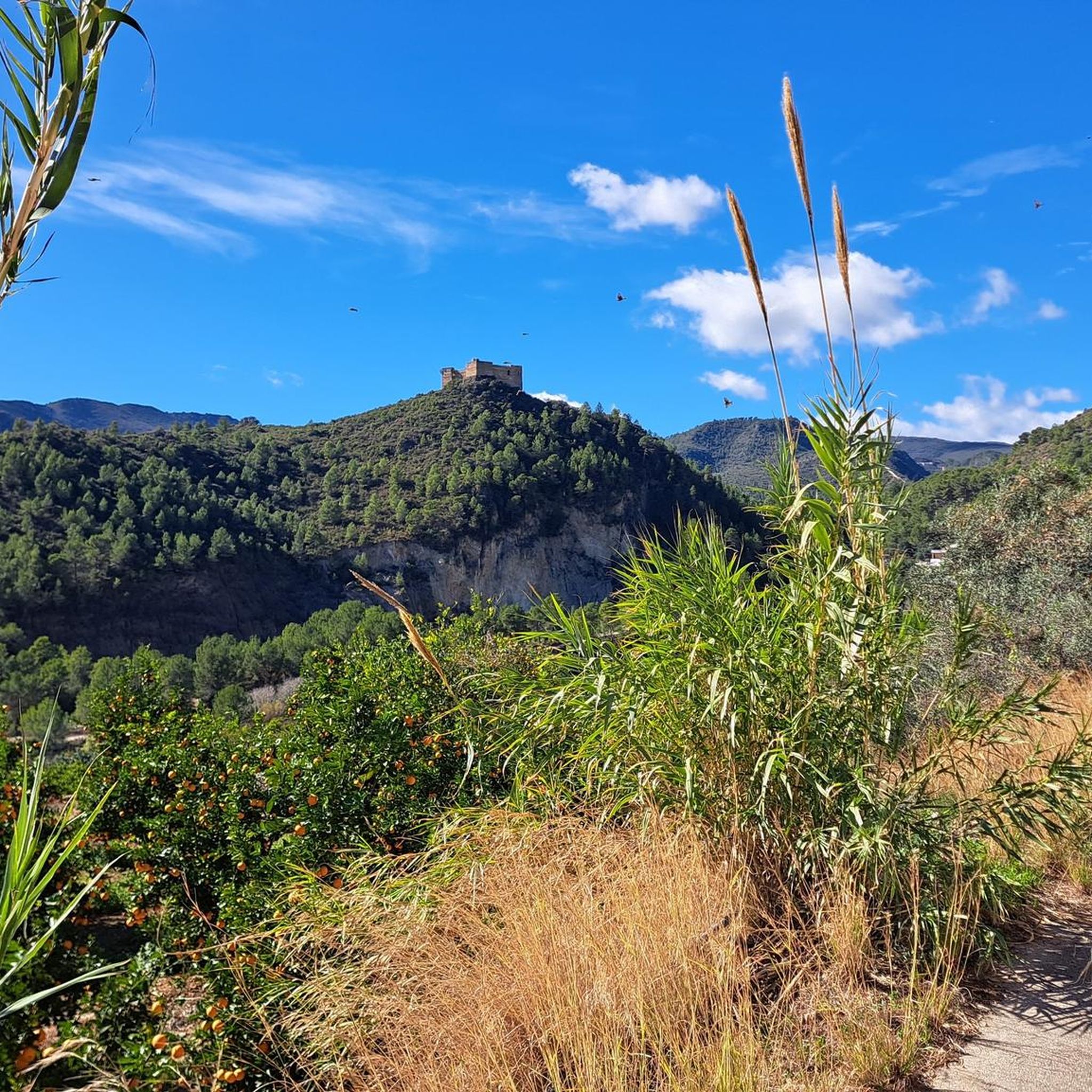
A few meters before the Font Grossa there is a detour towards the bowels of the ravine. The fountain has a traditional sink and usually always has water. The path begins a series of hairpin hairpins and quickly loses height, it's like going down an escalator. The entrance into the environmental space of the Girona River is spectacular through the Forat de la Juvea, a natural hole conditioned to sneak the path through the mountain and access the interior of the valley. In the ravine on the right, a thirty-meter waterfall forms during the rainy season, it is one of the sports descents of ravines in the area.
2
1
Frequently Asked Questions
What kind of natural formations can I expect to see in the caves around Adsubia?
The caves in the Adsubia region are rich in geological formations, particularly speleothems like stalagmites and stalactites. The Forat de la Juvea is known for a natural hole in the mountain and a thirty-meter waterfall during the rainy season. The Cueva de Adsubia, also known as Cueva de Canalobres, is celebrated for its abundant and diverse speleothems throughout its interior.
Are there historical caves or sites with ancient art near Adsubia?
Yes, the region offers significant historical sites. Camino de Petracos – Remote Beauty & Ancient Rock Art features prehistoric rock paintings over 6,000 years old, recognized as UNESCO World Heritage. These sacred cave sites display abstract symbols and anthropomorphic figures. Additionally, Cova Obrada del Moro is an old Moorish cave believed to have been used as a refuge and defense.
What makes the Cueva de Adsubia special?
The Cueva de Adsubia, also called Cueva de Canalobres or Cueva del Tossal del Llop, is a captivating subterranean space known for its natural beauty and impressive formations. Despite its relatively small size, extending about 80 meters with a 15-meter descent, it houses a main chamber spanning 600 square meters. It is particularly noted for its wealth of diverse speleothems, including stalagmites and stalactites, which are abundant throughout its interior.
What are the access requirements for visiting the Cueva de Adsubia?
The Cueva de Adsubia does not maintain regular open hours. Visits are only possible on Sundays and require prior arrangement with the municipality of Adsubia. It is advisable to contact them in advance to confirm availability and make necessary arrangements.
How long does a typical visit to a cave in Adsubia last?
A visit to the Cueva de Adsubia typically lasts around 30 minutes. This allows ample time to explore its main chamber and observe the various mineral formations from the viewing platforms.
Are there family-friendly caves in the Adsubia area?
The Cueva de Adsubia is considered suitable for everyone, including families. Its tour involves entering through a horizontal passage and a stepped slope, with three viewing platforms, making it an accessible experience for most visitors.
What outdoor activities can I combine with a visit to the caves near Adsubia?
The Adsubia region offers a variety of outdoor activities. You can explore numerous hiking trails, ranging from easy to difficult, or enjoy road cycling routes and mountain biking trails through the scenic landscape.
Are there hiking trails near the caves around Adsubia?
Yes, there are many hiking opportunities. For example, you can find trails like the 'View of Puig del Frare' or 'Steep Rocky Path – View of the Cross and Track' which offer diverse terrain and views. For more options, explore the hiking guide for Adsubia.
When is the best time of year to visit the caves around Adsubia?
For caves like the Forat de la Juvea, the rainy season is ideal if you wish to see the impressive thirty-meter waterfall that forms at its entrance. Generally, the mild climate of the Alicante province makes cave exploration pleasant throughout much of the year.
What should I wear when visiting caves in Adsubia?
When visiting caves, it's advisable to wear comfortable clothing and sturdy, closed-toe shoes with good grip, as paths can be uneven or damp. A light jacket might also be useful as cave temperatures can be cooler than outside.
Can I find routes for cycling near the caves?
Absolutely. The Adsubia area is popular for cycling, offering both road cycling routes and MTB trails. Routes like 'La Vall de la Gallinera' for road cycling or 'La Vall de Laguar' for MTB provide excellent opportunities to explore the region's landscapes.
Are there any man-made structures with cave-like features in the area?
Yes, the region also features historical man-made structures. The Nevera de Baix Ice House is an old artificial refrigerator, offering a glimpse into historical methods of preservation and a unique cave-like experience.
Most popular attractions around Adsubia

Get inspired with the komoot mobile app


Explore more
Extend your search for the best caves by checking out these guides of the top ones around Adsubia:
