The best gravel rides around Adsubia
5.0
(4)
62
riders
5
rides
Gravel biking around Adsubia offers diverse landscapes within the Alicante province of Spain, characterized by a mountainous backdrop and the Pego valleys. The region features extensive orange groves, less-maintained roads, and fine gravel sections. Terrain includes challenging climbs such as the Vall d'Ebo Pass, providing varied surfaces and elevation changes suitable for gravel cycling.
Best gravel bike trails around Adsubia
- The most popular gravel bike trail is Serpis River – Azud del Infierno or del Forn loop from L'Udol Reprimala…
Last updated: July 5, 2026
5.0
(2)
16
riders
25.7km
01:43
460m
460m
Hard gravel ride. Very good fitness required. Mostly paved surfaces. Suitable for all skill levels.
5.0
(2)
16
riders
62.5km
03:47
850m
850m
Hard gravel ride. Very good fitness required. Mostly paved surfaces. Suitable for all skill levels.

Sign up for free
12
riders
59.6km
04:22
980m
980m
Hard gravel ride. Very good fitness required. Mostly paved surfaces. Suitable for all skill levels.
8
riders
67.6km
04:32
1,160m
1,160m
Hard gravel ride. Very good fitness required. Mostly paved surfaces. Suitable for all skill levels.
6
riders
41.4km
02:37
100m
100m
Moderate gravel ride. Good fitness required. Mostly paved surfaces. Suitable for all skill levels.
Our route recommendations are based on thousands of hikes, rides, and runs completed by other people on komoot.
Start today with a free account
Your next adventure awaits.
Login or Signup

Tips from the Community

The only crossing over the river. Suitable spot for a picnic. It's not far to Villalonga from here.
2
0
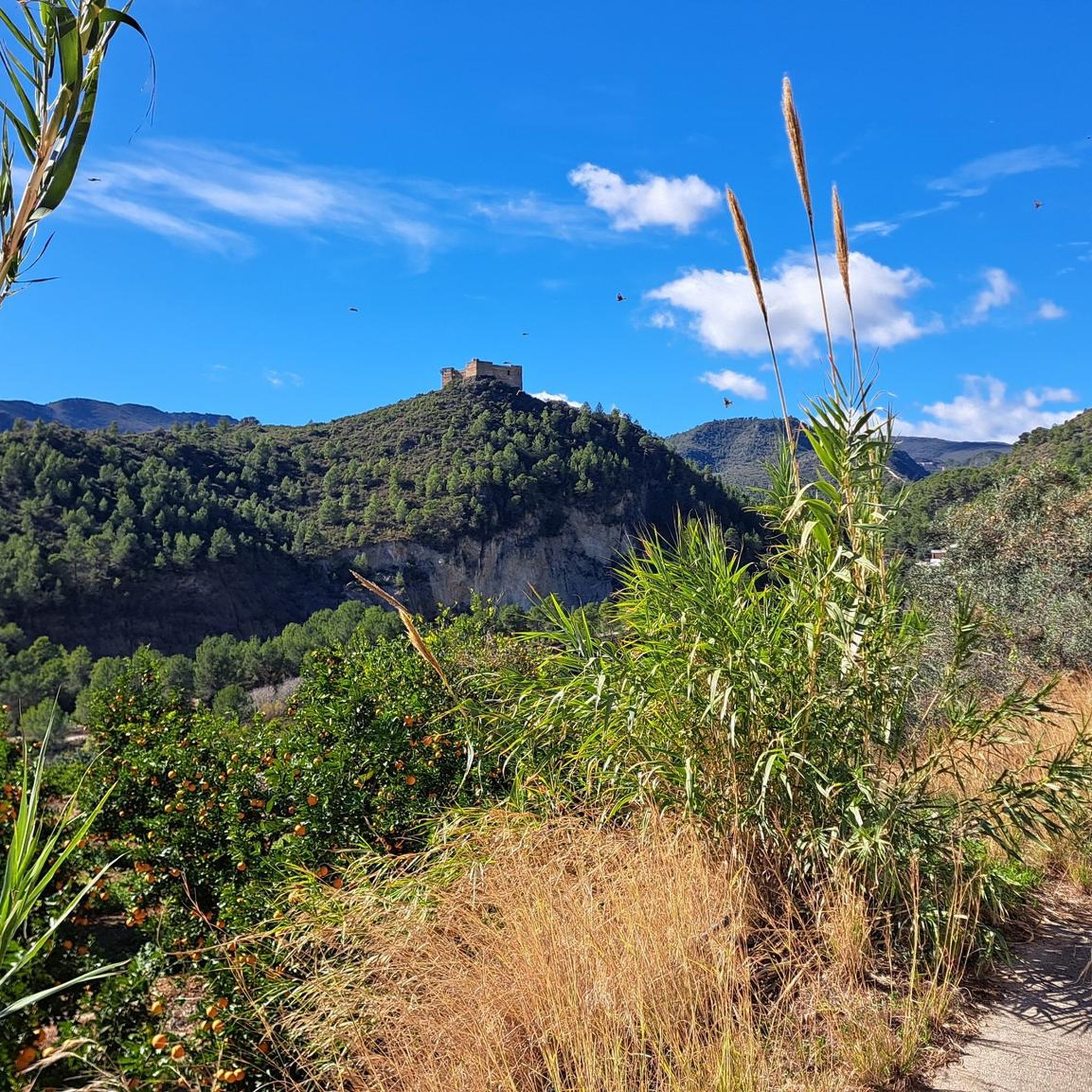
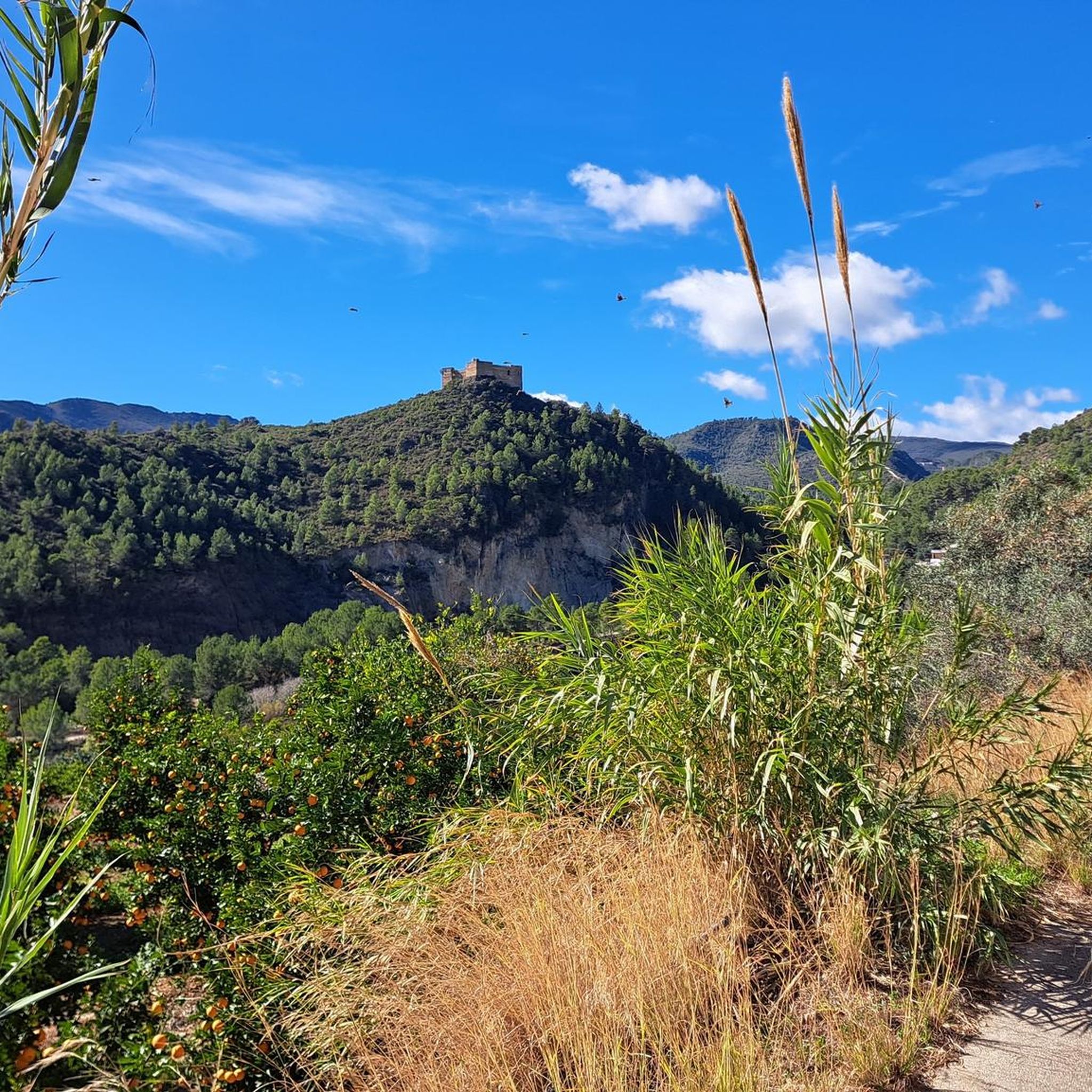
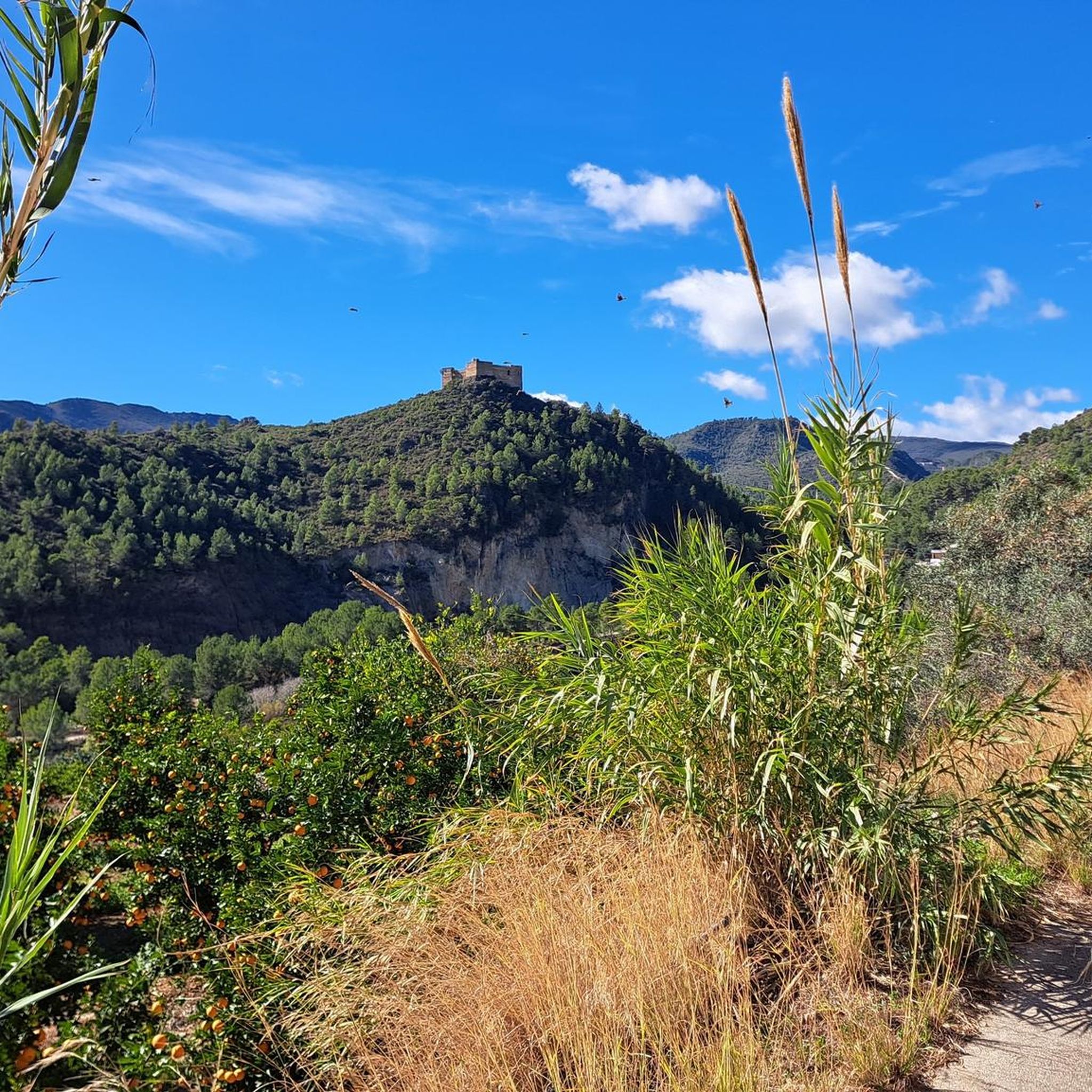
Everything close to the train station. The castle, which is worth seeing, towers above.
2
0
There are several tunnels on the route. 2 to 3 longer ones: you absolutely need light. Otherwise, it's pitch dark.
2
0

A beautiful hike through the Hell's Gorge. The actual route along the railway line, and probably the most interesting section between L'Orcha and Mare de Deu (Barranco del Infierno = Hell's Gorge), is unpaved and unpaved, in some parts very gravelly and rough. Five metal bridges are missing, two stone bridges remain, and six tunnels are traversed, all without lighting.
1
0

Forna is a small, very quiet village in the municipality of L’Atzúbia, in the hinterland of the Costa Blanca. It lies nestled in a hilly, Mediterranean landscape characterized by orange groves and unspoiled valleys. With fewer than one hundred inhabitants, the village has an almost familial atmosphere and has retained its traditional, rural character: narrow streets, whitewashed houses, and flowers adorning doorways. Above the village rises the impressive Castillo de Forna, a fortified palace dating from the late Middle Ages. Its towers and walls define the village's appearance and are a reminder of the region's Moorish past. Later, the castle served as a lord's residence and remains a central landmark of Forna. The village's history stretches far back, as the area was already settled during the Islamic period. Even after the resettlement of new inhabitants in the 17th century, Forna remained a small, agricultural village that has preserved its historical structure. Visitors to Forna will experience a tranquil and charming place. The tranquility, the surrounding nature and the immediate proximity to the mountains make it an ideal destination for anyone seeking an authentic atmosphere and historical architecture away from mass tourism.
1
0

On Grabel, it's advisable to keep your tire pressures correct. I recommend over-inflating rather than underinflating. There are some cobblestone areas.
1
0

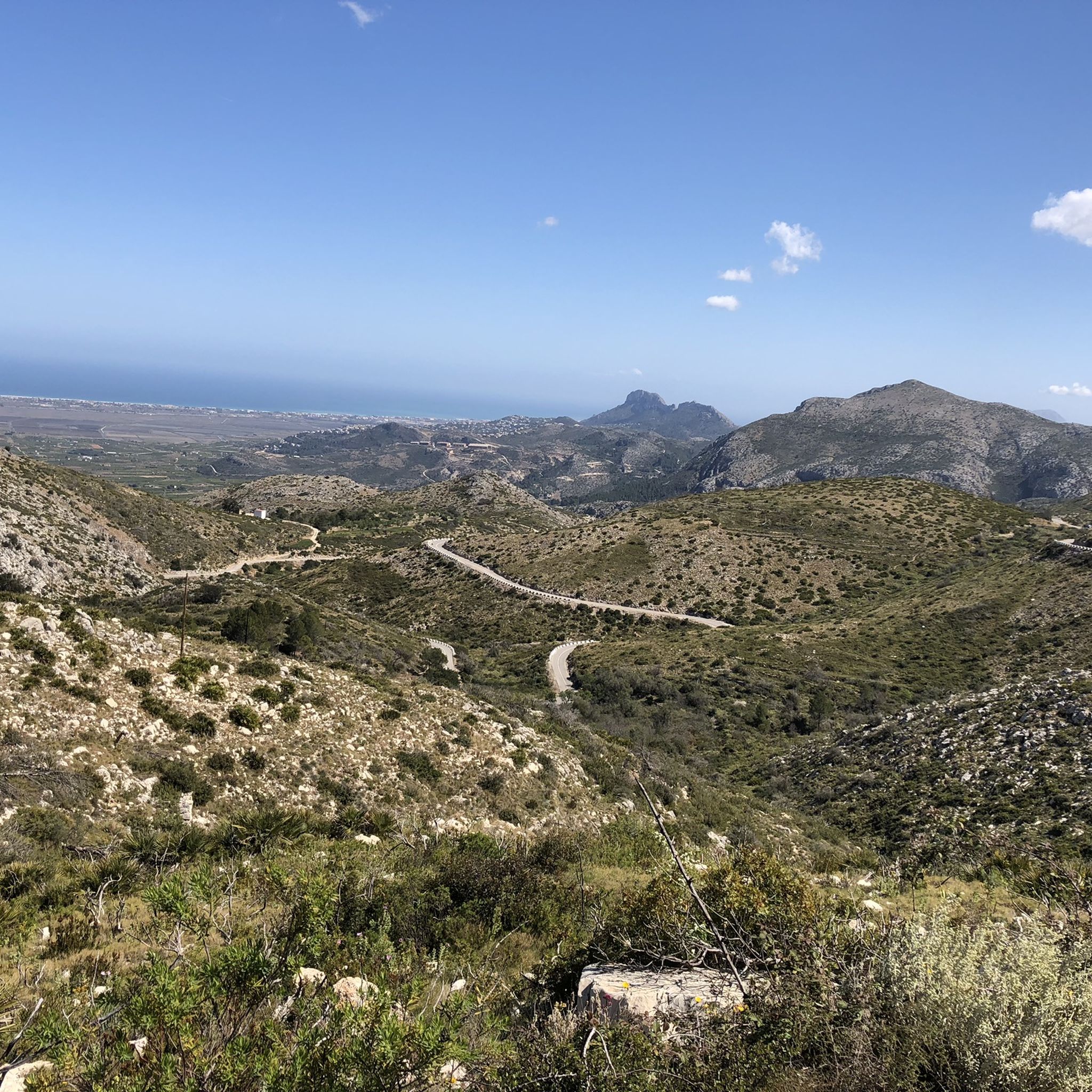
Tucked away in the mountains of the Marina Alta, Vall de Gallinera is one of the Costa Blanca’s most scenic and peaceful cycling routes. The name literally means “Valley of the Chickens” — 🐓🐔 — a nod to the valley’s Moorish past, when this fertile land was known for its farms and poultry. These days, the valley is all about cherries. In spring, the hills burst into bloom with white cherry blossoms — an incredible sight on two wheels. By May and June, the trees are full of ripe, sweet cherries, and local farmers sell them fresh from roadside stalls. 🍒 The route winds through eight tiny villages, like Benissili, Alpatró, and Benirrama, connected by quiet mountain roads with gentle gradients, flowing curves, and spectacular views.
1
0

Take into account that the roads are sometimes under water, 5cm, 10cm to unexpected depths of 50cm. Also pay attention to the part with the cows and horses, more strade stronti than strade bianchi
1
1
Frequently Asked Questions
What kind of terrain can I expect on gravel bike trails around Adsubia?
Adsubia offers a diverse mix of terrain, ideal for gravel biking. You'll encounter less well-maintained roads, fine gravel sections, and challenging climbs through mountain ranges and valleys. The area is known for its varied surfaces, including some rugged paths and loose stones, making 45mm tires or wider generally suitable.
Are there any easy gravel bike routes suitable for beginners in Adsubia?
While many routes in the Adsubia area are rated as difficult, there is an easier option available. Consider the Vedat River – Mouth of the Molinell River loop from Desembocadura del Riu del Vedat. This route is 25.6 km long with a modest elevation gain of 60 meters, offering a more relaxed experience.
What are some notable natural features or viewpoints I can experience on a gravel bike ride?
The region is rich in natural beauty. The Vall d'Ebo Pass, featured in routes like the Gallinera Valley – Vall d'Ebo Pass loop from Oliva, offers spectacular panoramic views of the coastline and the Mediterranean Sea. You can also find thermal waters at Font Salà, near the Marjal Pego-Oliva Natural Park, and explore the dramatic landscapes around Miserat Mountain.
Are there any circular gravel cycling routes in the Adsubia area?
Yes, several routes are designed as loops. For a challenging ride with stunning views, try the Gallinera Valley – Vall d'Ebo Pass loop from Oliva. Another option is the Serpis River – Azud del Infierno or del Forn loop from L'Udol Reprimala, which is also a difficult loop.
What historical sites or landmarks can I visit while gravel biking near Adsubia?
The area boasts several historical points of interest. You can explore the well-preserved Moorish Castell de Benissili or the intriguing Castillo de Santa Anna. The Ducal Palace of the Borgias in Gandia is also a significant historical site nearby.
What do other gravel bikers say about the trails in Adsubia?
The gravel biking routes around Adsubia are highly rated by the komoot community, with an average score of 4.7 stars from over 4 reviews. Many of the 70+ visitors praise the challenging climbs, diverse landscapes, and the rewarding panoramic views, especially from passes like Vall d'Ebo.
Are there any routes that pass through the famous Vall d'Ebo Pass?
Absolutely. The Vall d'Ebo Pass is a highlight of the region. You can experience it on the Gallinera Valley – Vall d'Ebo Pass loop from Oliva, which is a longer, challenging ride. Another option is The Salty Spring – Vall d'Ebo Pass loop from Desembocadura del Riu del Vedat.
What is the best time of year for gravel biking in Adsubia?
Adsubia is generally suitable for outdoor activities year-round. However, for comfortable gravel biking, spring and autumn offer milder temperatures, making the challenging climbs and longer rides more enjoyable. Summers can be hot, while winters are generally mild.
Are there any routes that offer views of orange groves or agricultural landscapes?
Yes, Adsubia is enveloped by vibrant orange groves, and the nearby Pego marshlands are known for rice cultivation. Many routes will take you through or alongside these picturesque agricultural landscapes, adding to the scenic beauty of your ride.
What kind of climbs can I expect on the gravel trails in Adsubia?
Adsubia is known for its challenging climbs. The Vall d'Ebo Pass features an 8 km climb with an average gradient of 5-6%. The ascent to Miserat Mountain from Adsubia is particularly tough, with consistently steep gradients, some sections reaching 20% or above, and a mixed-quality surface that includes gravel stretches.
How many gravel bike trails are available in the Adsubia area?
There are currently 6 gravel bike trails available around Adsubia on komoot. These routes offer a range of distances and elevation gains, catering primarily to experienced riders due to their 'difficult' rating, with one 'easy' option.
Most popular attractions around Adsubia

Get inspired with the komoot mobile app


Explore more
Browse the best Gravel rides in other regions.
