Top 4 Castles around Cerezo De Río Tirón
Castles around Cerezo De Río Tirón are situated in a region with significant historical depth, particularly known for its medieval fortifications. The area, nestled in the Tirón valley, served as a strategic borderland throughout the Middle Ages, leading to the construction of numerous defensive structures. While the local Castillo de Cerezo is largely in ruins, its remnants and elevated position offer insights into the region's past. Exploring these sites provides a view of the historical landscape and the architectural evolution…
Last updated: July 4, 2026
Leiva Castle
Highlight • Castle
Translated by Google •
Tip by

Castillo de los Velasco
Highlight • Castle
Built with ashlar masonry from the region, …
Translated by Google •
Tip by

Sign up now to discover places like this
Get recommendations on the best single tracks, peaks, & plenty of other exciting outdoor places.
Sign up for free
Velasco Castle and Cuzcurrita de Río Tirón Bridge
Highlight • Castle
Translated by Google •
Tip by

Cerezo de Río Tirón
Highlight • Settlement
Translated by Google •
Tip by

Start today with a free account
Your next adventure awaits.
Login or Signup
Tips from the Community

Castle with towers at the corners of the structure. The ancient Roman road that connected Italy to Spain passes through here. Information table on site.
7
0

The Castillo de los Velasco is a castle built between the 14th and 15th centuries by the powerful Velasco family, who ruled these lands in the Middle Ages. It is the most important and interesting castle of Mena and one of the most striking in the province of Burgos.
3
0

Fortification located in the town of Leiva, La Rioja. It is a fortified palace with a rectangular floor plan, with a tower located at each corner. Three of the towers are octagonal, and the one on the southeast corner, considered the keep, is decagonal in plan and taller. The origin of the castle was a tower erected in 1335 by Juan Martínez de Leiva. After sinking, in 1478 the construction of the castle began. The building has undergone numerous modifications, especially from the 17th century, in which it abandoned its defensive character and became solely residential. Later, already in the 20th century, it was used as an agricultural warehouse and offices. Starting in the year 2000, a reconstruction of elements such as the southern part of the west canvas and the southeast tower began.
4
0

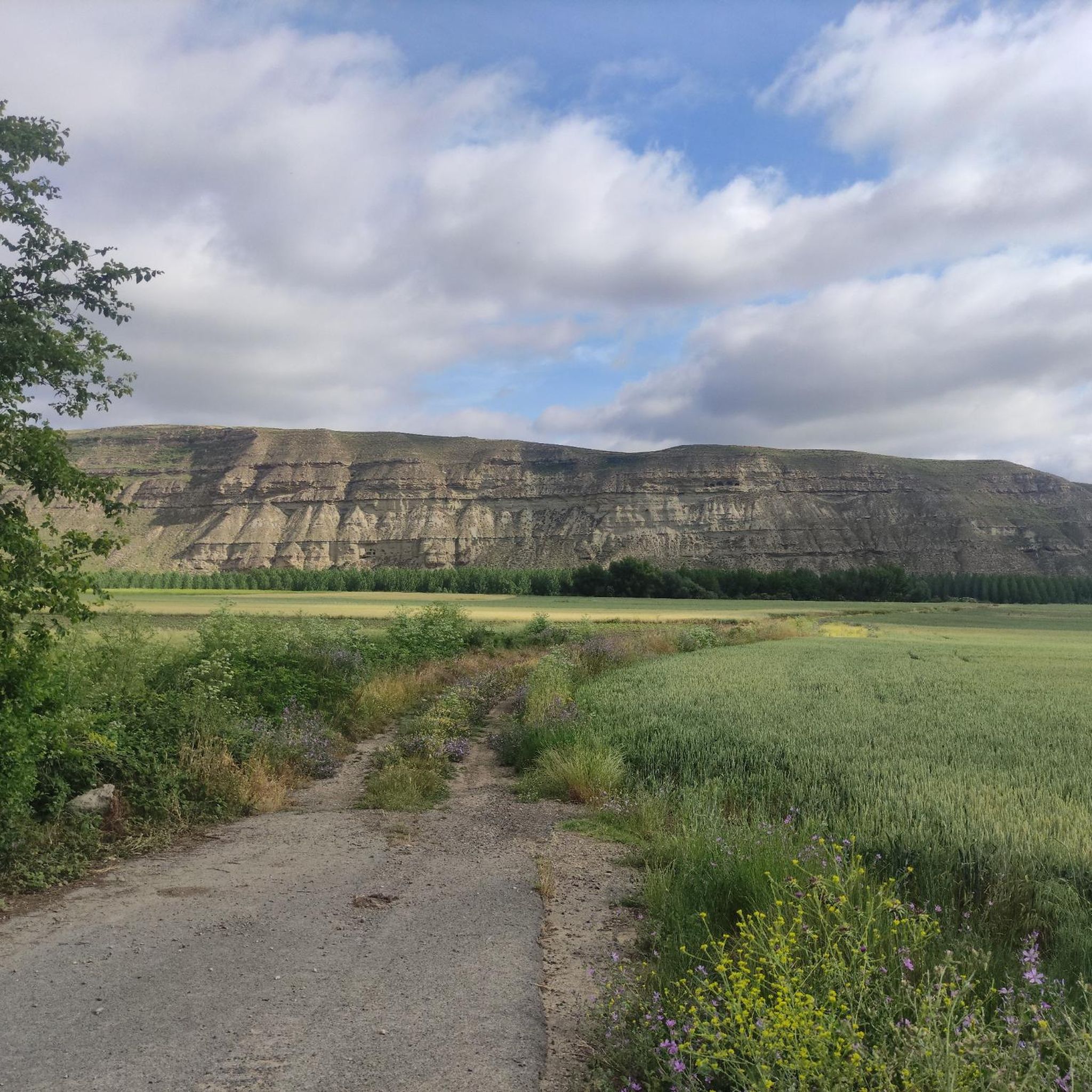
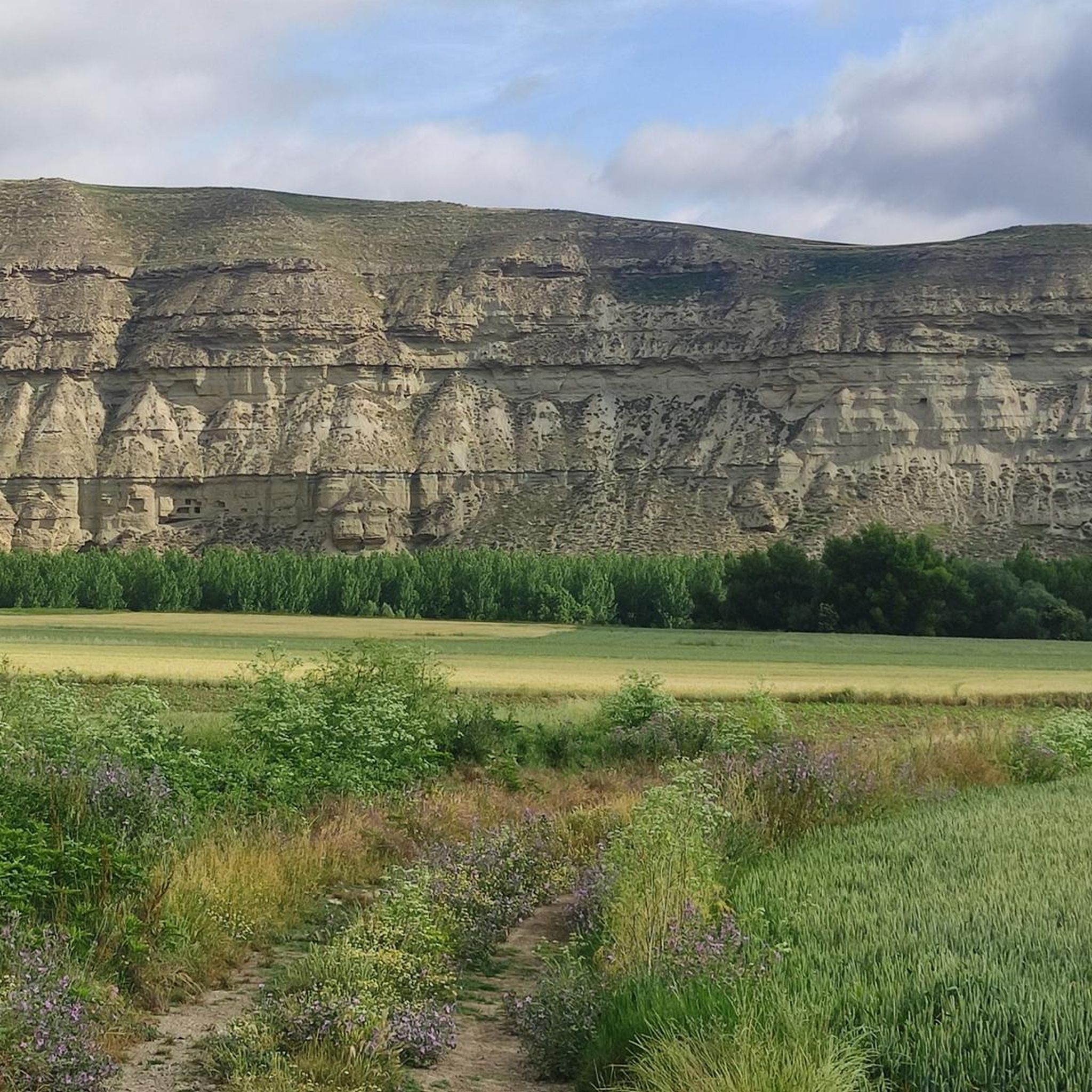
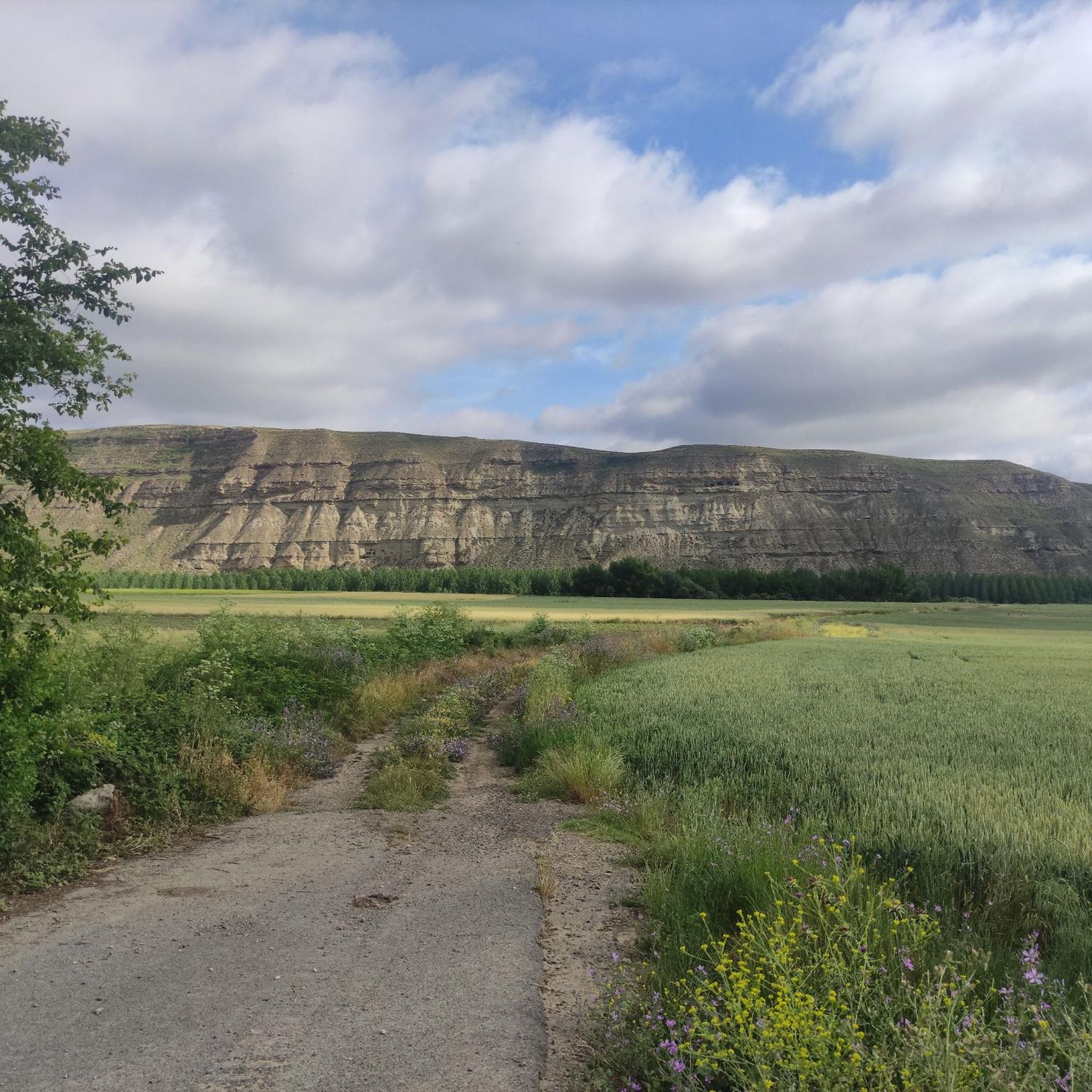
Beautiful town located at the foot of the Río Tirón with a typical morphology of this area. Little vegetation with small hills created due to the passage of the river year after year. The old castle dominates the upper part of the town.
1
0

Gothic-style castle, dating from the late fourteenth century, located in the center of the Cuzcurrita de Río Tirón municipality, in La Rioja Alta. Built with ashlar masonry from the region, the castle stands out for its square-plan keep. In addition, the fortification took advantage of the river as a defense ditch. Although you cannot visit its interior, it is worth contemplating it from the outside while walking along the banks of the Tirón River.
5
0

Cuzcurrita de Río Tirón is a municipality in the Rioja Alta. The river Tirón crosses it and it is at the foot of the El Bolo forest. From the bridge you can admire the Church of San Miguel Arcángel and the Castillo de los Velascos.
0
0

Immediately from the bridge that crosses the Rio Tiron you can see the Castillo de los Velasco.
5
0
The church of San Miguel in Cuzcurrita de Rio Tiron stands directly on the river and is part of the architectural ensemble of the Plaza Mayor, which is lined with baroque mansions. It is an elegant baroque building from the 18th century, built between 1753 and 1766 from sandstone blocks from nearby quarries.
1
0
Frequently Asked Questions
What historical significance do the castles around Cerezo De Río Tirón hold?
The castles in this region, particularly the Castillo de Cerezo, were strategically vital throughout the Middle Ages. Situated in a borderland between the Asturian kingdom and the Emirate of Córdoba, they were frequently contested by Castilian and Navarrese forces, serving as crucial defensive strongholds in the Tirón valley. Their history reflects centuries of conflict and strategic importance.
Are there any family-friendly castles to visit in the area?
Yes, the town of Cerezo de Río Tirón itself, with its historic castle ruins, is considered family-friendly. Exploring the remnants of the old castle and the town offers an engaging historical experience for all ages.
What kind of views can I expect from the castles?
From the elevated position of the Castillo de Cerezo, you can expect breathtaking panoramic views of the Tirón valley. Similarly, from the bridge near Velasco Castle and Cuzcurrita de Río Tirón Bridge, you can admire the surrounding landscape and the architectural ensemble.
Can I visit the interior of all castles?
Not all castles allow interior visits. For example, the Castillo de los Velasco in Cuzcurrita de Río Tirón, while impressive from the outside, cannot be visited internally. However, its exterior and the surrounding area along the Tirón River are well worth contemplating.
What are some unique architectural features of the castles here?
The castles showcase diverse architectural styles. Castillo de los Velasco is a Gothic-style castle built with ashlar masonry, featuring a square-plan keep. Leiva Castle is a fortified palace with a rectangular floor plan and distinctive towers at each corner, one of which is decagonal and taller.
Are there any walking or hiking opportunities near the castles?
Yes, the region offers various outdoor activities. You can find numerous running trails, such as the 'Leiva Castle loop from Herramélluri' or 'Leiva Castle loop from Leiva'. For more options, explore the Running Trails around Cerezo De Río Tirón guide.
What cycling routes are available near the castles?
Cyclists can enjoy routes like the 'Leiva Castle – Foncea loop from Leiva' for mountain biking, or longer touring bicycle routes such as 'Scenic Country Road – Belorado loop from Castildelgado'. Check the MTB Trails around Cerezo De Río Tirón guide and the Cycling around Cerezo De Río Tirón guide for detailed information.
What is the best time of year to visit the castles?
While specific recommendations aren't provided, visiting during spring or autumn generally offers pleasant weather for exploring outdoor ruins and enjoying the panoramic views without the extreme heat of summer or the cold of winter. The historical sites are accessible year-round, but weather conditions will impact comfort.
What can I see at the largely ruined Castillo de Cerezo?
Despite its ruined state, the Castillo de Cerezo still offers visible remnants of its walls, a cistern (later an ice house), and eremitic caves beneath. You can also observe the foundations of defensive towers, some with solid bases carved into the rock. It provides a profound glimpse into the region's past.
Are there any castles that were once fortified palaces?
Yes, Leiva Castle is a notable example. Originally a tower erected in 1335, it was rebuilt as a fortified palace in 1478. While it underwent modifications in the 17th century to become solely residential, its origins as a defensive structure are evident in its design.
What other historical sites are near the castles?
Near Velasco Castle and Cuzcurrita de Río Tirón Bridge, you can find the elegant Baroque Church of San Miguel, which is part of the architectural ensemble of the Plaza Mayor. The region itself has a long history, with evidence of prehistoric, Roman, and Visigothic settlements.
What do visitors appreciate most about the castles in this area?
Visitors appreciate the historical depth and the opportunity to visualize the past grandeur of these frontier fortresses. The panoramic views from elevated positions, like that of the Castillo de Cerezo, are also highly valued. The variety of fortified palaces, Gothic-style castles, and historical ruins reflects the region's rich heritage.
Most popular routes around Cerezo De Río Tirón
Most popular attractions around Cerezo De Río Tirón

Get inspired with the komoot mobile app


Explore more
Looking for the best castles somewhere else? Discover other guides around Cerezo De Río Tirón:
