The best gravel rides around Cerezo De Río Tirón
4.0
(2)
34
riders
6
rides
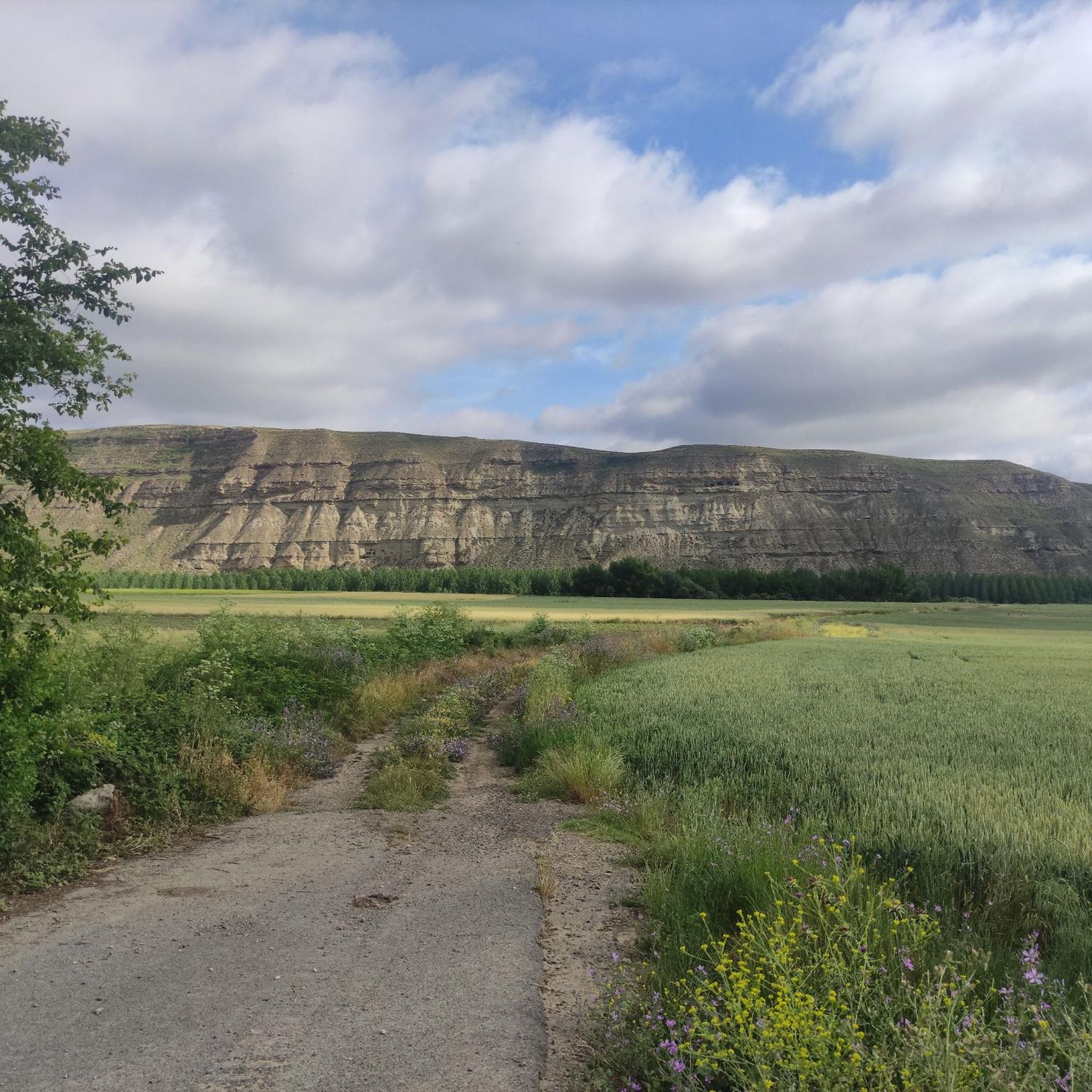
Gravel biking around Cerezo De Río Tirón offers a diverse landscape characterized by rolling hills, agricultural plains, and historical landmarks. The region's terrain provides varied surfaces suitable for gravel bikes, from well-maintained tracks to more challenging unpaved paths. Elevation changes are common, with routes featuring significant climbs and descents through river valleys and ancient Roman roads. This area is suitable for exploring the rural beauty and historical sites of the region on two wheels.
Best gravel bike trails around Cerezo…
Last updated: July 5, 2026
12
riders
89.1km
07:24
1,220m
1,220m
Hard gravel ride. Very good fitness required. Mostly paved surfaces. Suitable for all skill levels.
10
riders
Hard gravel ride. Very good fitness required. Mostly paved surfaces. Suitable for all skill levels.

Sign up for free
1
riders
36.6km
02:53
630m
630m
Hard gravel ride. Very good fitness required. Mostly paved surfaces. Suitable for all skill levels.
4.0
(1)
3
riders
23.4km
01:37
190m
190m
Moderate gravel ride. Good fitness required. Mostly paved surfaces. Suitable for all skill levels.
1
riders
35.5km
02:29
260m
270m
Moderate gravel ride. Good fitness required. Mostly paved surfaces. Suitable for all skill levels.
Our route recommendations are based on thousands of hikes, rides, and runs completed by other people on komoot.
Start today with a free account
Your next adventure awaits.
Login or Signup
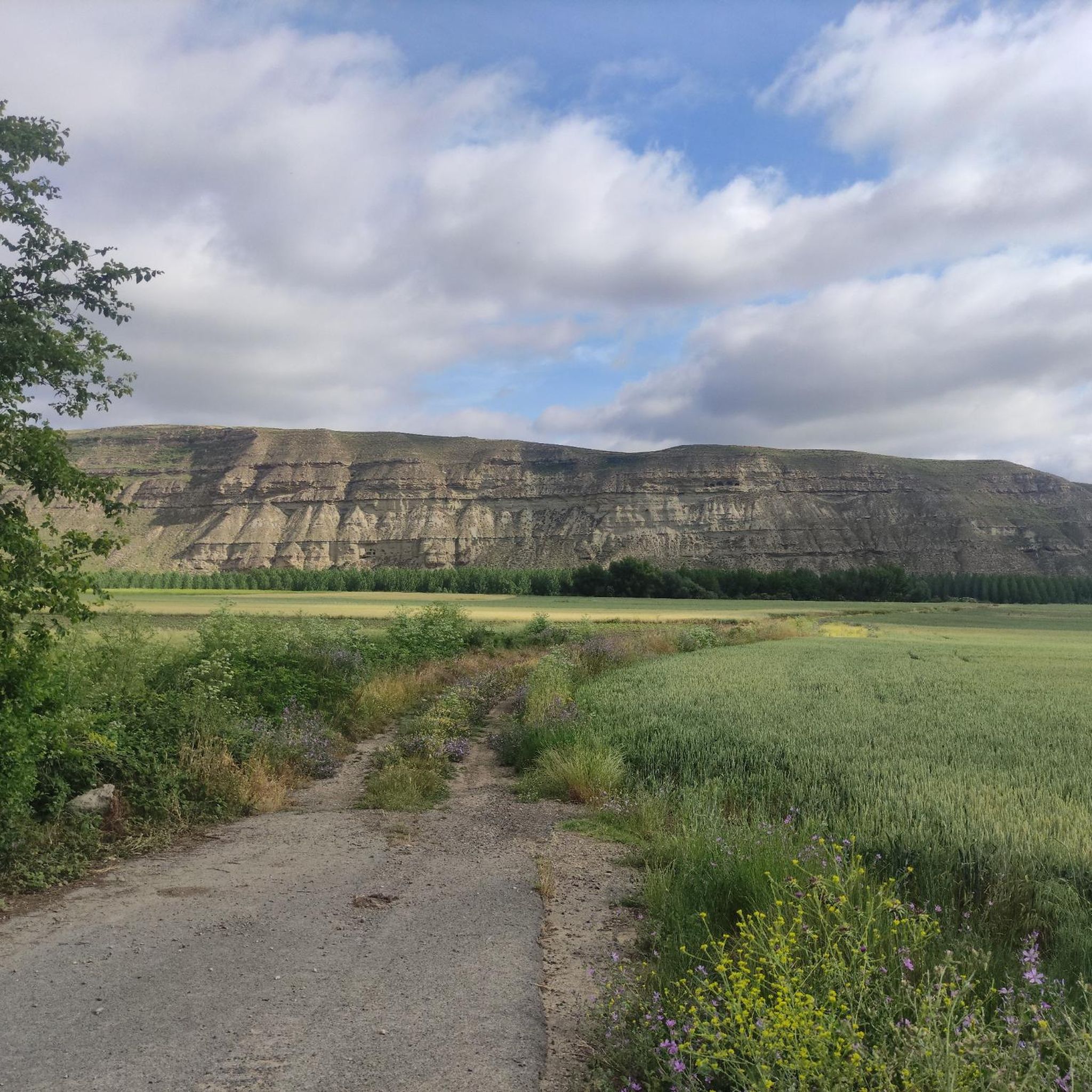
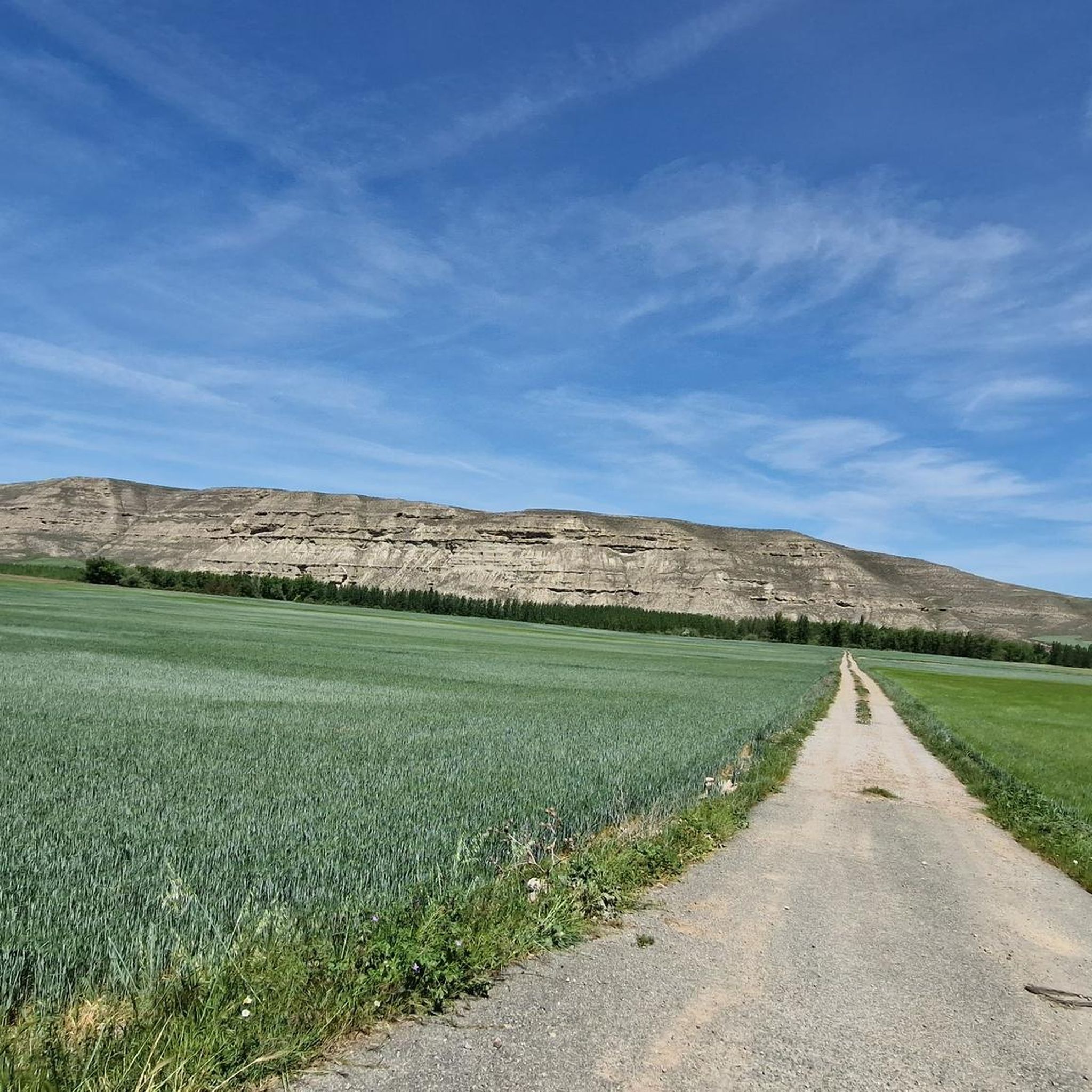
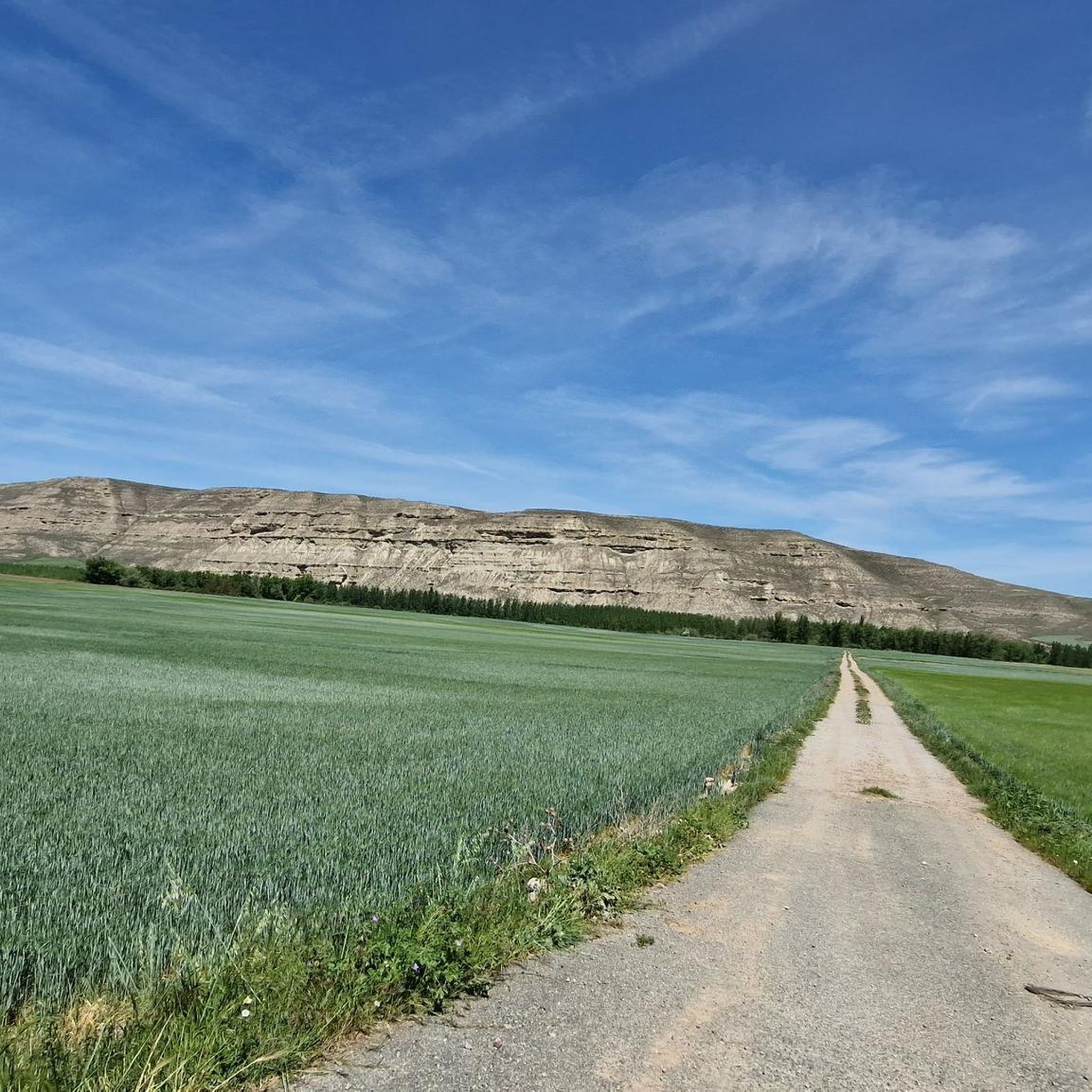
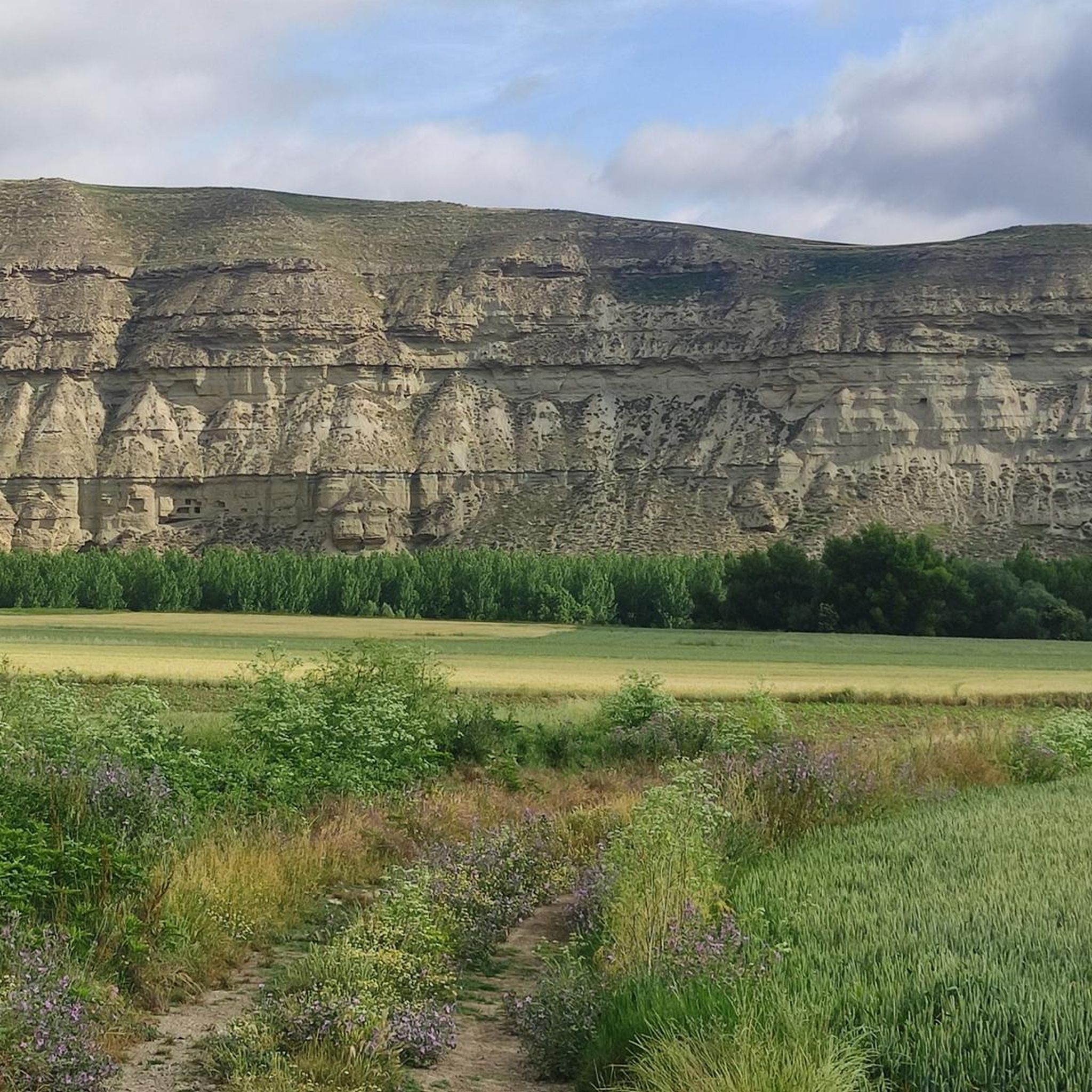
Tips from the Community

A beautiful, perfectly restored building. It's a shame it's private and can't be visited.
0
0

A town in La Rioja where Ochandubike is held, a gravel event with much room for improvement, with hard terrain and a track that isn't too well planned. Acceptable, but not more.
2
0


Please note that crossing the Rio Oja below Cihuri is impossible by bike or on foot depending on the water level
0
0

Castle with towers at the corners of the structure. The ancient Roman road that connected Italy to Spain passes through here. Information table on site.
7
0


The Castillo de los Velasco is a castle built between the 14th and 15th centuries by the powerful Velasco family, who ruled these lands in the Middle Ages. It is the most important and interesting castle of Mena and one of the most striking in the province of Burgos.
3
0
Puente de Cihuri is a bridge over the Tirón River in the municipality of Cihuri, in the autonomous community of La Rioja, Spain. The bridge is of Roman origin and was rebuilt in the Middle Ages. It has been a monument of cultural interest since 1982. The name of the place means “the villa of the bridge” in Basque. The bridge is located next to the Priorate, a 17th century building that belonged to the Monastery of San Millán de la Cogolla. Cihuri is a small village with about 200 inhabitants. It has a church dedicated to San Juan Bautista and an archaeological site with a spring and wash houses used for wool processing.
2
0
Frequently Asked Questions
How many gravel bike trails are available around Cerezo De Río Tirón?
There are 8 gravel bike trails documented on komoot around Cerezo De Río Tirón, offering a variety of experiences for cyclists.
Are there any easy gravel bike routes for beginners in Cerezo De Río Tirón?
While there are no routes specifically graded as 'easy' in our current selection, you'll find 4 moderate routes that might be suitable for beginners looking for a bit of a challenge, or for those with some prior cycling experience. These routes offer a good introduction to the region's terrain without the intensity of the difficult trails.
What are some challenging gravel routes for experienced riders?
For experienced gravel bikers seeking a challenge, Cerezo De Río Tirón offers several difficult routes. Consider the Leiva Castle – Scenic Country Road loop from Ochánduri, which is 52.6 miles (84.6 km) long with significant elevation gain. Another demanding option is the Hermitage of Sorejana – Castillo de los Velasco loop from Alto de las Ánimas, covering 26.9 miles (43.2 km) with varied terrain.
Are there any long-distance gravel routes in the area?
Yes, for those looking for longer rides, the Leiva Castle – Scenic Country Road loop from Ochánduri spans 52.6 miles (84.6 km) and typically takes over 8 hours to complete. Another substantial option is the Sajazarra Castle – Castillo de los Velasco loop from Alto de las Ánimas, which is 42.1 miles (67.8 km) long.
What kind of historical sites or landmarks can I expect to see along the gravel trails?
The gravel trails around Cerezo De Río Tirón are rich in history. You can encounter impressive castles such as Leiva Castle and Castillo de los Velasco. Many routes also pass through charming settlements like Belorado and Cerezo de Río Tirón, offering glimpses into the region's past.
Are there any circular gravel bike routes available?
Many of the gravel routes in Cerezo De Río Tirón are designed as loops, allowing you to start and finish at the same point. Examples include the Leiva Castle – Scenic Country Road loop from Ochánduri and the Castillo de los Velasco – Leiva Castle loop from Leiva.
What is the best time of year to go gravel biking in Cerezo De Río Tirón?
The region generally experiences warm, dry summers and cooler, wetter winters. Spring (April-June) and Autumn (September-October) are often ideal for gravel biking, offering pleasant temperatures and beautiful scenery. Summers can be hot, so early morning or late afternoon rides are recommended, while winters might present colder temperatures and potentially muddy conditions on unpaved paths.
What do other gravel bikers enjoy most about the trails in Cerezo De Río Tirón?
The komoot community rates the gravel biking experience in Cerezo De Río Tirón highly, with an average score of 3.5 stars. Riders often praise the diverse landscape, which combines rolling hills, agricultural plains, and historical landmarks, providing a rich and varied backdrop for their adventures.
Are there any routes that offer scenic viewpoints?
Yes, several routes provide excellent scenic opportunities. The Hermitage of Sorejana – Castillo de los Velasco loop from Alto de las Ánimas, for instance, is noted for connecting historical sites with panoramic views. The general terrain of rolling hills also means many points along the trails offer expansive vistas of the surrounding countryside.
Are there places to stop for refreshments or food along the gravel routes?
As you cycle through the rural areas and small towns around Cerezo De Río Tirón, you will likely find opportunities to stop for refreshments. Many villages, especially those with historical sites, often have local cafes or small shops where you can refuel. It's always a good idea to carry sufficient water and snacks, especially on longer routes, as services might be sparse between settlements.
What are the typical weather conditions for gravel biking in this region?
Cerezo De Río Tirón, located in the Castilla y León region of Spain, generally has a continental climate. Summers are typically hot and dry, with temperatures often exceeding 30°C (86°F). Winters are cold, with temperatures frequently dropping below freezing, and some snowfall is possible. Spring and autumn offer milder temperatures, making them popular seasons for outdoor activities. Always check the local forecast before heading out.
Is winter gravel biking feasible in Cerezo De Río Tirón?
Winter gravel biking is possible, but riders should be prepared for colder temperatures, especially from December to February. Some unpaved sections might become muddy or even icy after rain or snowfall. It's advisable to check weather conditions and trail reports, wear appropriate cold-weather gear, and consider routes that stick to more maintained tracks during the colder months.
Most popular routes around Cerezo De Río Tirón
Most popular attractions around Cerezo De Río Tirón

Get inspired with the komoot mobile app


Explore more
Browse the best Gravel rides in other regions.
