Top 7 Castles around Atzeneta Del Maestrat
Best castles around Atzeneta Del Maestrat are found in a region known for its medieval and Renaissance heritage, situated in the Alcalatén area. This small town and its surroundings feature significant historical structures, including fortified buildings and ancient settlements. The landscape offers a blend of cultural history and natural beauty, providing opportunities for exploring historical sites and hiking routes. The area's legacy includes ancient fortifications and medieval town planning.
Best castles around Atzeneta Del Maestrat
- The most popular castles is…
Last updated: July 4, 2026
Culla Historic Village
Highlight • Historical Site
Translated by Google •
Tip by

Xodos
Highlight • Settlement
Translated by Google •
Tip by

Sign up now to discover places like this
Get recommendations on the best single tracks, peaks, & plenty of other exciting outdoor places.
Sign up for free
Vistabella del Maestrat
Highlight • Settlement
Translated by Google •
Tip by

Atzeneta del Maestrat
Highlight • Settlement
The abundant …
Translated by Google •
Tip by
Atzeneta del Maestrat Castle
Highlight • Castle
Translated by Google •
Tip by

Sign up for free to discover even more castles around Atzeneta Del Maestrat.
Sign up for free
Already have an account?
Start today with a free account
Your next adventure awaits.
Login or Signup

Tips from the Community

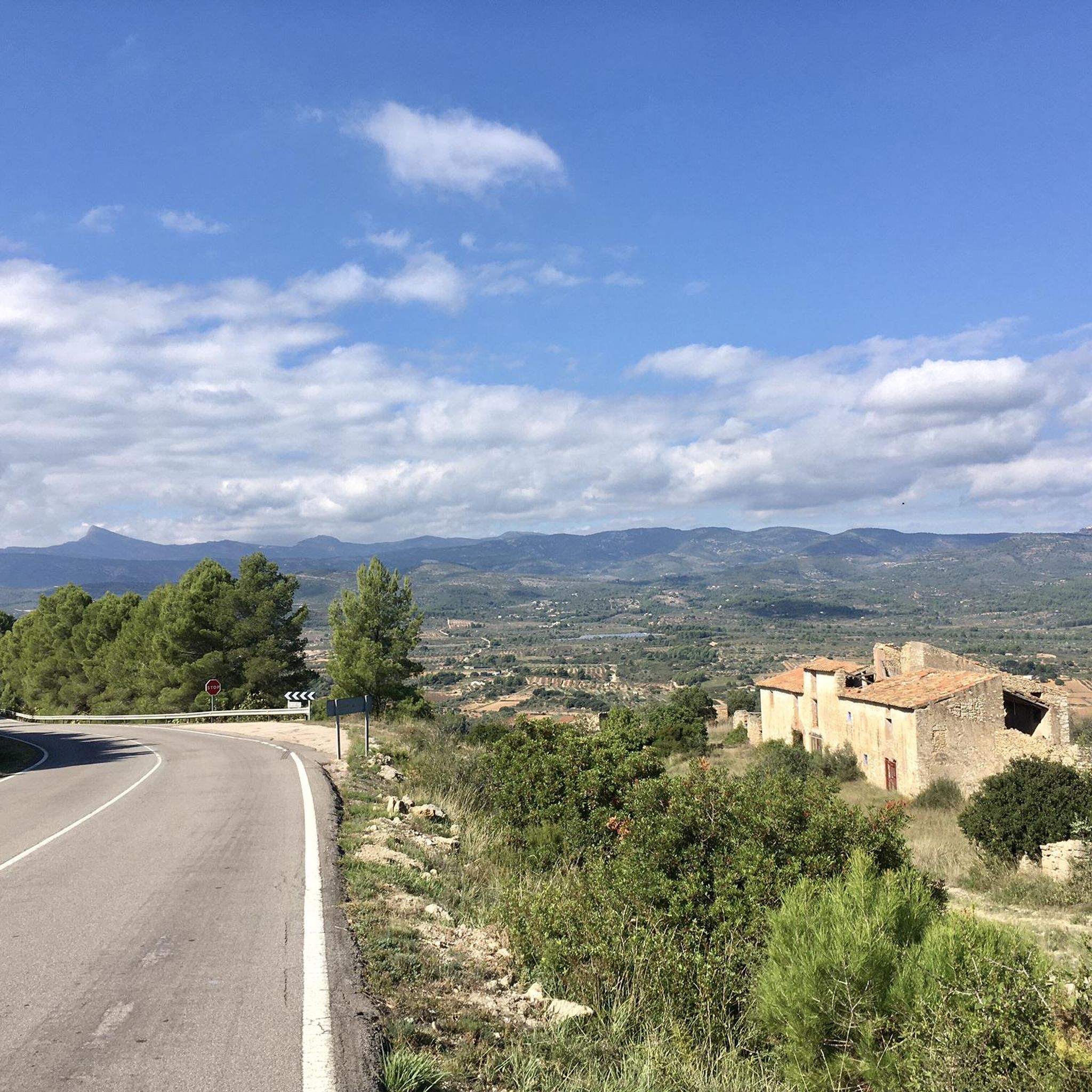
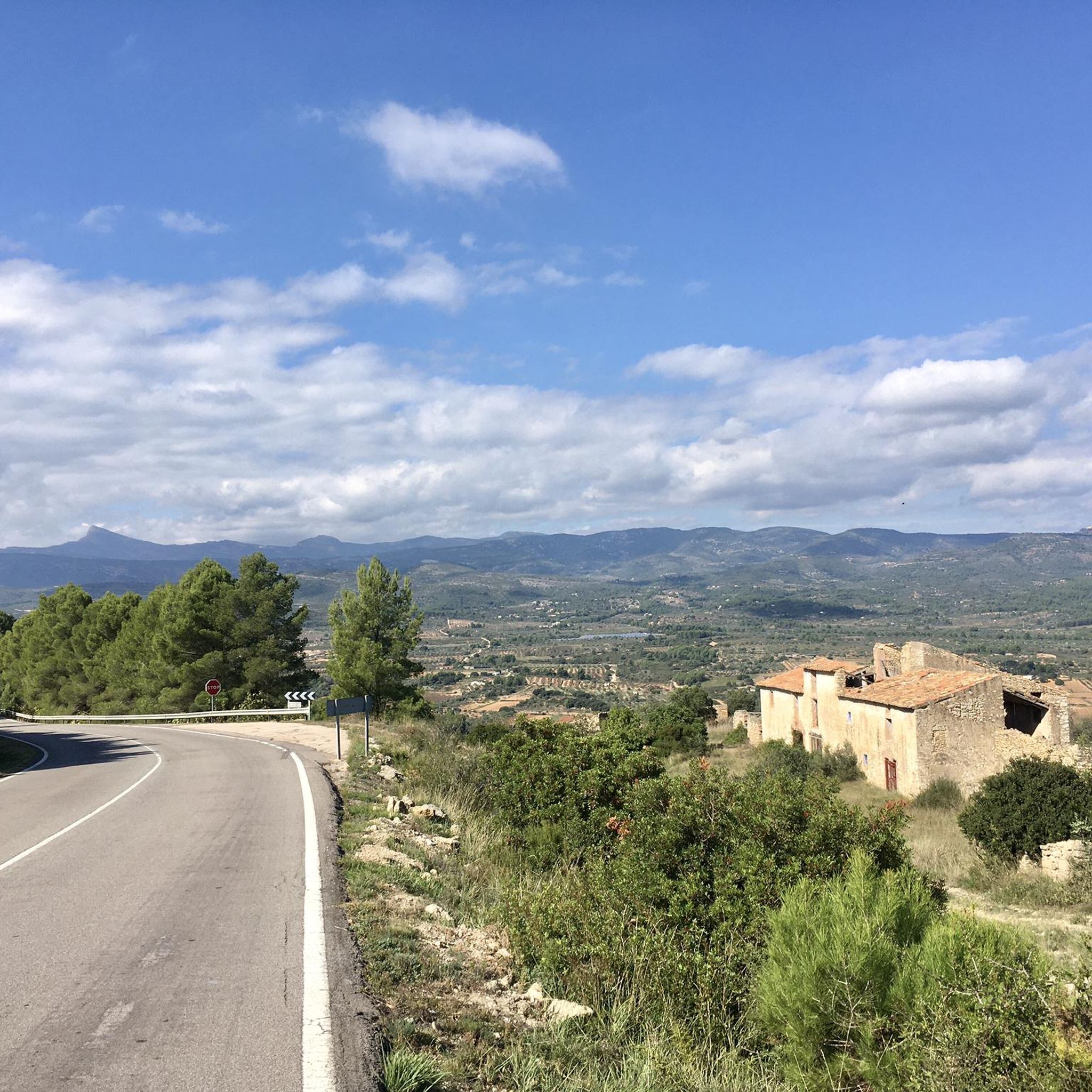
More than a castle, it looks like a hermitage. It is located on a hill and therefore has wonderful views of Alto Maestrazgo.
0
0

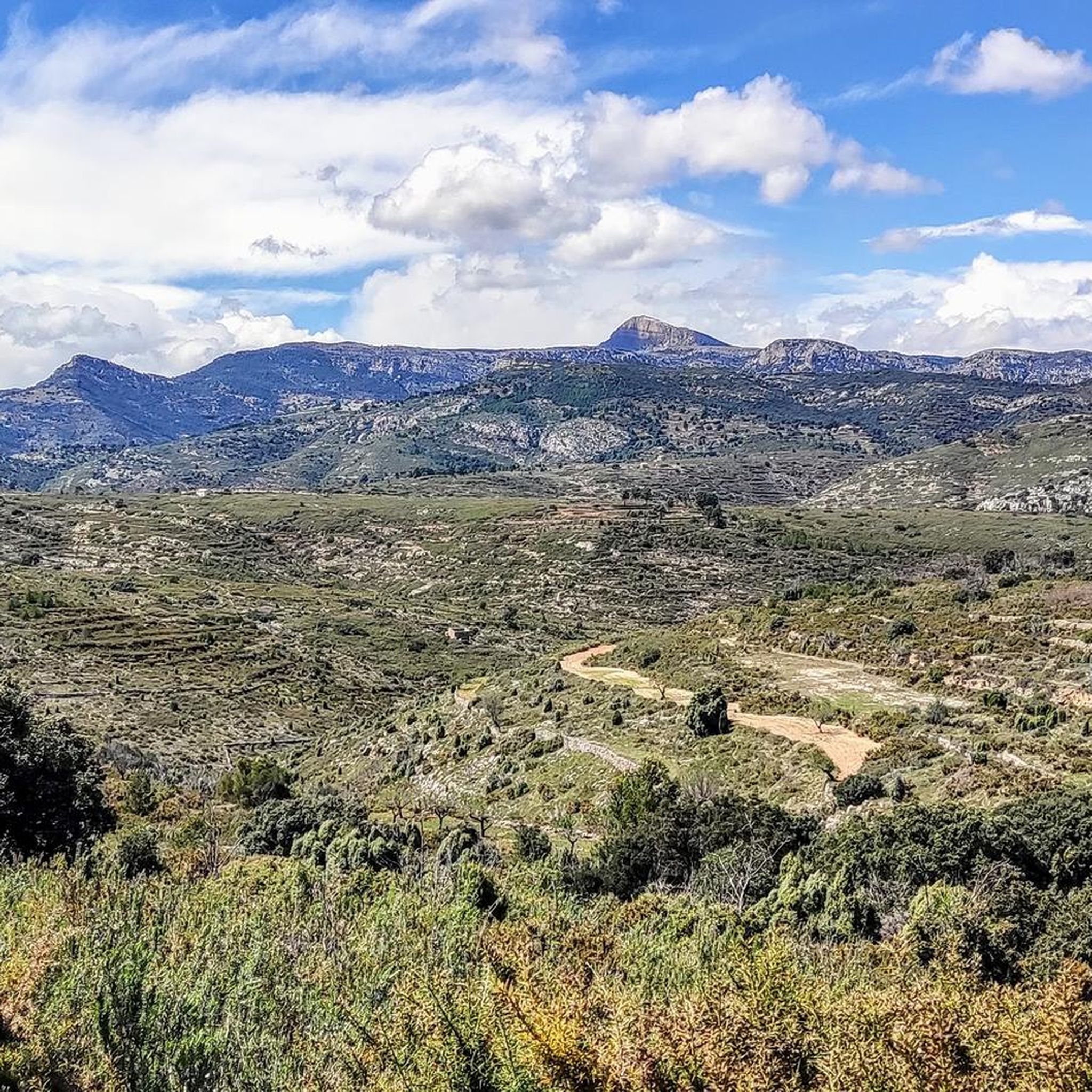
Beautiful village located on the GR7 hiking trail.
1
0

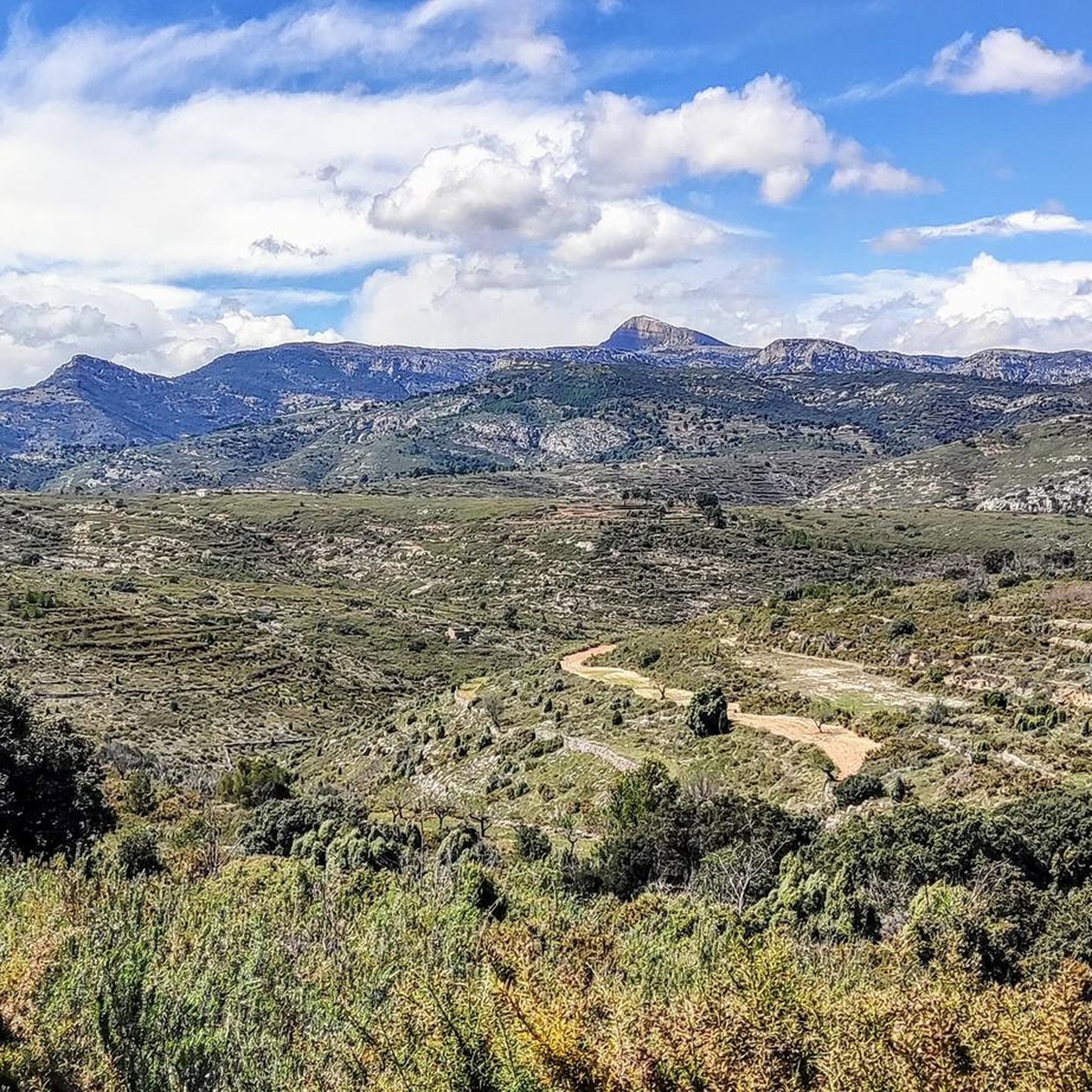
It is part of the Most Beautiful Towns in Spain and is undoubtedly worth visiting. Very quiet and small, which allows you to explore it even if you are passing through the area. Walk through its little streets and feel like you are traveling back in time to the time of the Templars!
2
0

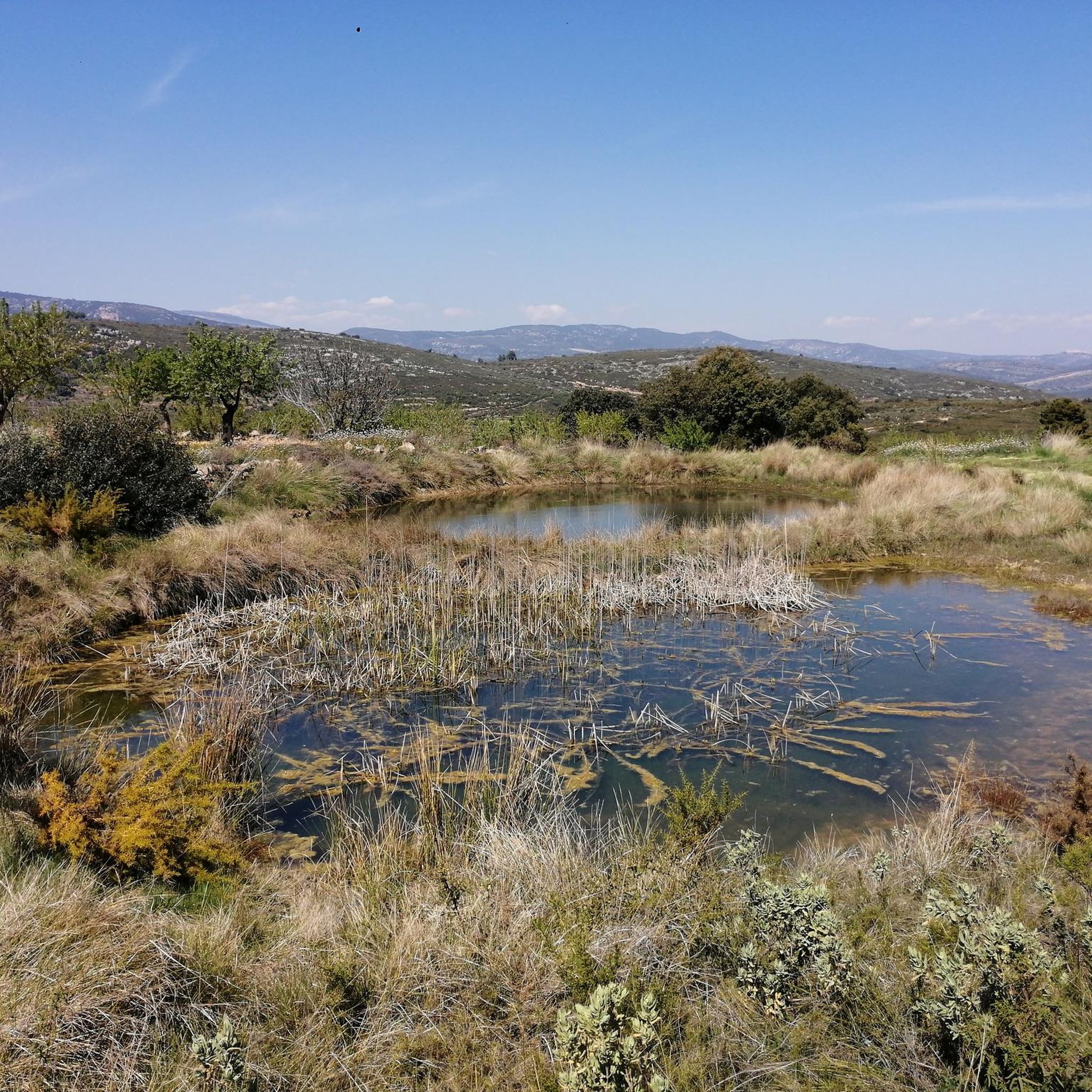
Chodos (in Valencian Xodos) is a municipality in the region of Alcalatén (Castellón). In the center of the town is its castle, of which only the remains of a tower and walls remain.
1
0

Municipality of the Alt Maestrat region, in the province of Castellón (Valencian Community). It is located in the middle of the Penyagolosa massif, limiting to the north with the province of Teruel. The origin of this population is Muslim, since Vistabella belonged to the castle of Culla. Vistabella has witnessed numerous historical events, such as the battle in 1812 against General Suchet during the Spanish war of independence, or important episodes of the Carlist wars, becoming the headquarters of the newspaper printing company of the time such as "Vanguardia". or "Flyer of War". Of its heritage, its castle stands out, of which a tower remains and part of the wall and the church of the Assumption, from the 17th century, one of the most important samples of Renaissance art in the Valencian territory. Part of the wall and two of the four entrances to the nucleus, the Forn and San Roc portals, have been preserved. Another important architectural sample is the palace house of Polo, from the 18th century, the prison and palace of King Pedro the Ceremonious, from the 14th century, the hermitage of San Antonio, from the 18th century.
1
0
Municipality of the Alto Maestrazgo region, in the province of Castellón (Valencian Community). The place name comes from Arabic, and refers to the Berber tribe of the Zenatas. The abundant archaeological remains of the place explain its long history, from Iberian ceramics to the Arab castle and medieval walls. The remains of the medieval walls and the castle of Adzaneta, or the Torre de la Presó, form part of its cultural heritage. The current town hall, formerly a hospital and Palace of the Commander of the Setena Culla during the 16th century, is also a historic building.
0
0
Population of the Alcalatén region, in the province of Castellón (Valencian Community), very popular as a hiking and cycling destination, due to its proximity to the Penyagolosa National Park. The origin of Xodos is Arab, and after the Reconquest, King Jaume I granted the lordship to the Aragonese nobleman Ximén de Urrea. The cultural heritage of Xodos includes the parish church of San Pedro Mártir, from the 17th century, which has a nave with three altars and a bell tower, and the castle and walls of Xodos. It is believed that the whole municipality was surrounded by a wall, of which now only the tower of homage remains. The geographical location of Xodos, perched on a rock mass on a precipice above the Alcalatén river valley, was of great strategic importance. The fortification allowed the defense of one of the natural routes that communicated with Aragon.
0
0

Frequently Asked Questions
What historical sites can I explore beyond traditional castles in Atzeneta del Maestrat?
Beyond the castle ruins, you can visit the Palace of the Commander of Montesa, which now serves as the Town Hall and a cultural center. Another significant site is La Torre de la Presó (The Prison Tower), a part of the old medieval walls, now an interpretation center explaining the town's history. These offer a deeper look into the region's rich past.
Are there hiking routes that incorporate the castles around Atzeneta del Maestrat?
Yes, the region offers several hiking opportunities. For example, you can find routes that pass through or near historical settlements like Culla Historic Village and Xodos, both of which have castle remains. You can explore various trails in the area, including those listed in the Hiking around Atzeneta Del Maestrat guide.
What is the best time of year to visit the castles in Atzeneta del Maestrat?
The region's climate makes spring and autumn ideal for visiting, with pleasant temperatures for exploring outdoor sites. Summer can be warm, but early mornings or late afternoons are still good for visits. Winter offers a quieter experience, though some facilities might have reduced hours.
Are there family-friendly options for visiting castles in the Atzeneta del Maestrat area?
Yes, the area offers family-friendly historical sites. The main town of Atzeneta del Maestrat itself is categorized as family-friendly, with its historical structures and interpretation center. The site of El Castell (Homage Tower) also features a recreational area with picnic facilities, making it suitable for families.
What other outdoor activities can I do near the castles?
Besides hiking, you can enjoy running and cycling. There are numerous routes available, such as those detailed in the Running Trails around Atzeneta Del Maestrat guide and the Cycling around Atzeneta Del Maestrat guide. These activities allow you to combine historical exploration with enjoying the natural landscape.
What should I wear when visiting the castles and historical sites?
Comfortable walking shoes are highly recommended, as many sites involve uneven terrain, cobbled streets, or short walks. Layered clothing is advisable, especially during spring and autumn, to adapt to changing temperatures. A hat and sunscreen are useful in warmer months.
Are there viewpoints near the castles where I can enjoy scenic views?
Yes, several sites offer excellent views. Atzeneta del Maestrat Castle, also known as the Hermitage of Sant Joan Baptista, provides very nice views of the entire Alto Maestrat region. The settlement of Xodos is also noted for its viewpoints.
How long should I plan for a visit to the castles and historical sites in the area?
To thoroughly explore the main sites like El Castell (Homage Tower), La Torre de la Presó, and the historical villages of Culla and Xodos, you should plan at least a full day, or ideally a weekend. This allows time for exploration, walking, and enjoying the local atmosphere.
What is the significance of El Castell (Homage Tower) near Atzeneta del Maestrat?
El Castell refers to the remains of an ancient fortification, primarily a 14th-century Gothic keep or homage tower. It stands on the site of an older Muslim fortification and was crucial for controlling the pass through the Atzeneta mountain. The site also includes an attached hermitage and a recreational area.
Are there any medieval walls or defensive structures still visible in Atzeneta del Maestrat?
Yes, Atzeneta del Maestrat was historically known as 'Villa Cerrada' (the 'closed town') due to its defensive location and surrounding walls. La Torre de la Presó is a surviving part of these old medieval walls, offering insight into the town's historical defenses.
What makes Culla Historic Village a notable castle site?
Culla Historic Village is a beautiful medieval town featuring a castle dating from the 12th and 13th centuries. It's listed as an Asset of Cultural Interest and is part of the 'Most Beautiful Towns in Spain,' offering a journey back in time through its narrow cobbled streets.
Is there parking available at the castle sites?
While specific parking details vary by site, the larger historical areas and villages like Atzeneta del Maestrat and Culla typically have designated parking areas. For sites like El Castell (Homage Tower), a recreational area with facilities often includes parking.
Most popular routes around Atzeneta Del Maestrat
Most popular attractions around Atzeneta Del Maestrat

Get inspired with the komoot mobile app


Explore more
Looking for the best castles somewhere else? Discover other guides around Atzeneta Del Maestrat:
