Top 9 Castles around L'Olleria
Castles around L'Olleria are found in a region of Valencia rich with historical fortifications. While prominent castles are not directly within L'Olleria, the surrounding area offers significant historical and architectural interest. The landscape features numerous historical sites and viewpoints, providing insights into the region's past. This area is known for its medieval military architecture and ancient remains.
Best castles around L'Olleria
- The most popular castles is Castell de Xàtiva, a castle that held a strategic position and was considered…
Last updated: July 3, 2026
Castell de Xàtiva
Highlight • Castle
Translated by Google •
Tip by

Sun Tower of Xàtiva
Highlight • Castle
Translated by Google •
Tip by

Sign up now to discover places like this
Get recommendations on the best single tracks, peaks, & plenty of other exciting outdoor places.
Sign up for free
View of Castell de Cocentaina
Highlight • Castle
Translated by Google •
Tip by

View of Carrícola Castle
Highlight • Viewpoint
The Castillo de Carrícola rises on a rock above the …
Translated by Google •
Tip by

La Solana del Castell
Highlight • Historical Site
Translated by Google •
Tip by
Sign up for free to discover even more castles around L'Olleria.
Sign up for free
Already have an account?
Start today with a free account
Your next adventure awaits.
Login or Signup

Tips from the Community

The Castell de Carrícola, also known as Castellet, is a historic and natural gem located in the municipality of El Palomar, in the Vall d'Albaida region of Valencia. It is an ancient Islamic fortification built between the 10th and 12th centuries, although the current tower was erected after the Christian conquest, around the mid-13th century. It has been declared a Site of Cultural Interest and has been restored to allow visitors to visit it, including access to its terrace, from where you can enjoy spectacular views of the region and the Bellús reservoir.
3
0

The castle, which is not particularly worth seeing, dates back to the Almohad period and was built between the 10th and 12th centuries. But the view is very beautiful.
0
1

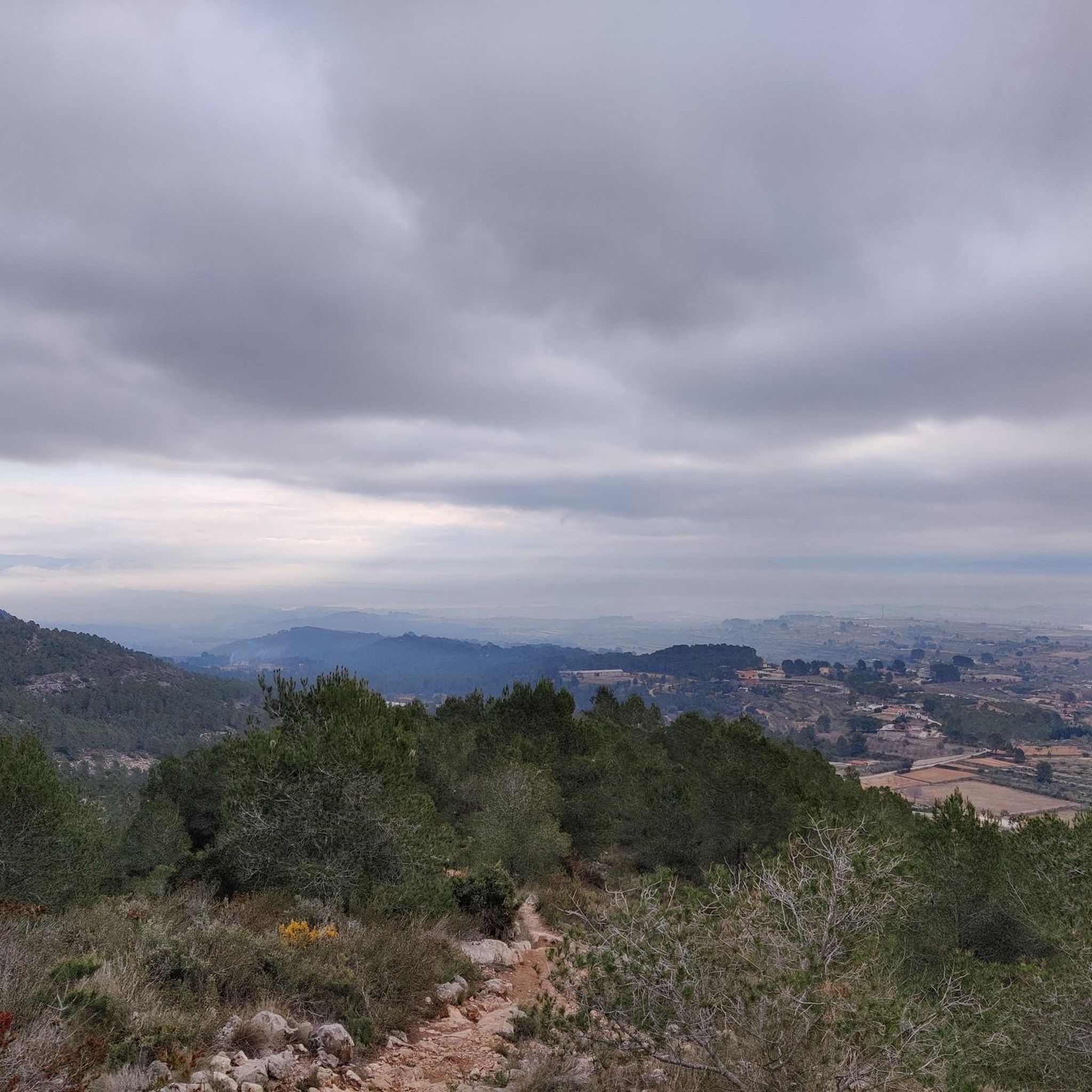
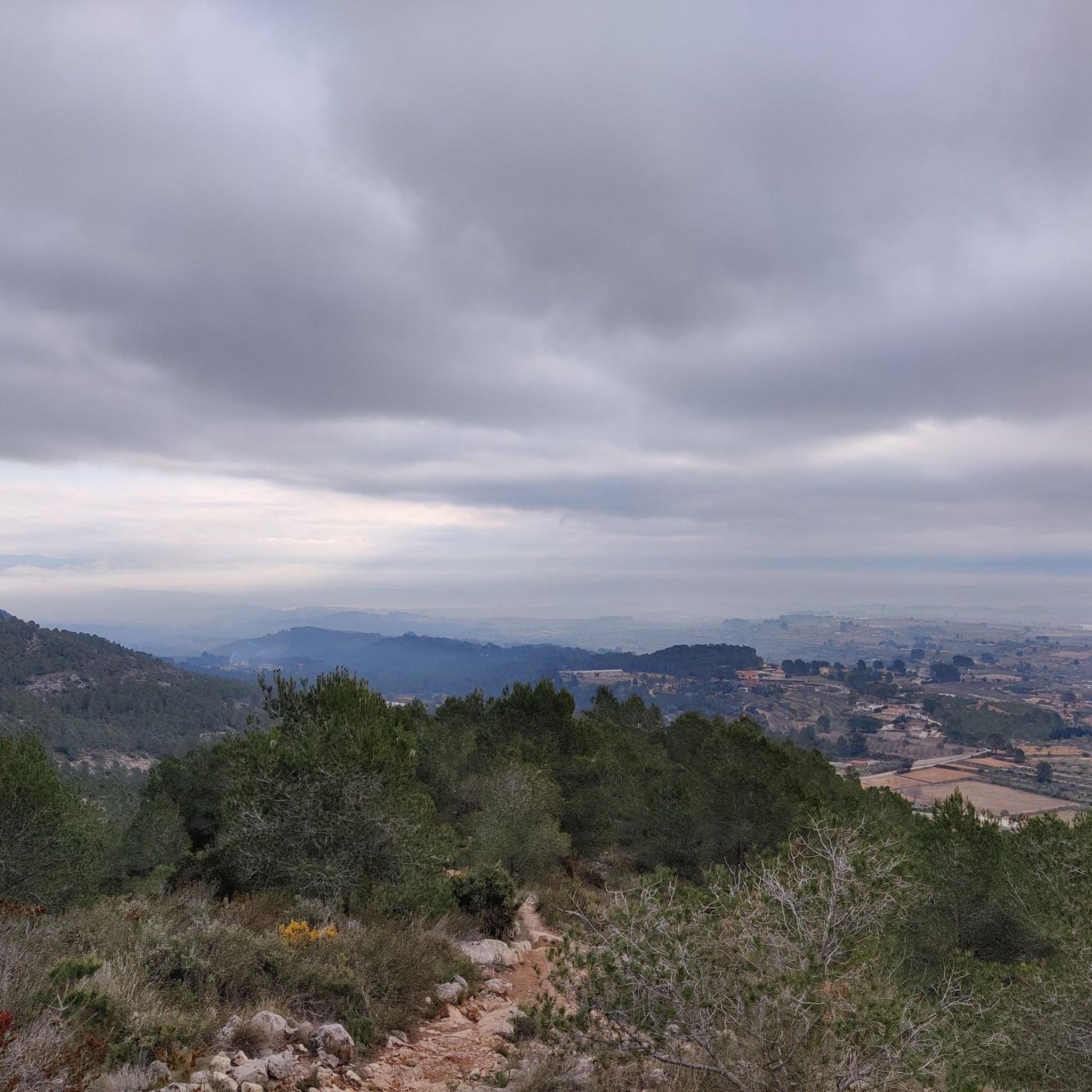
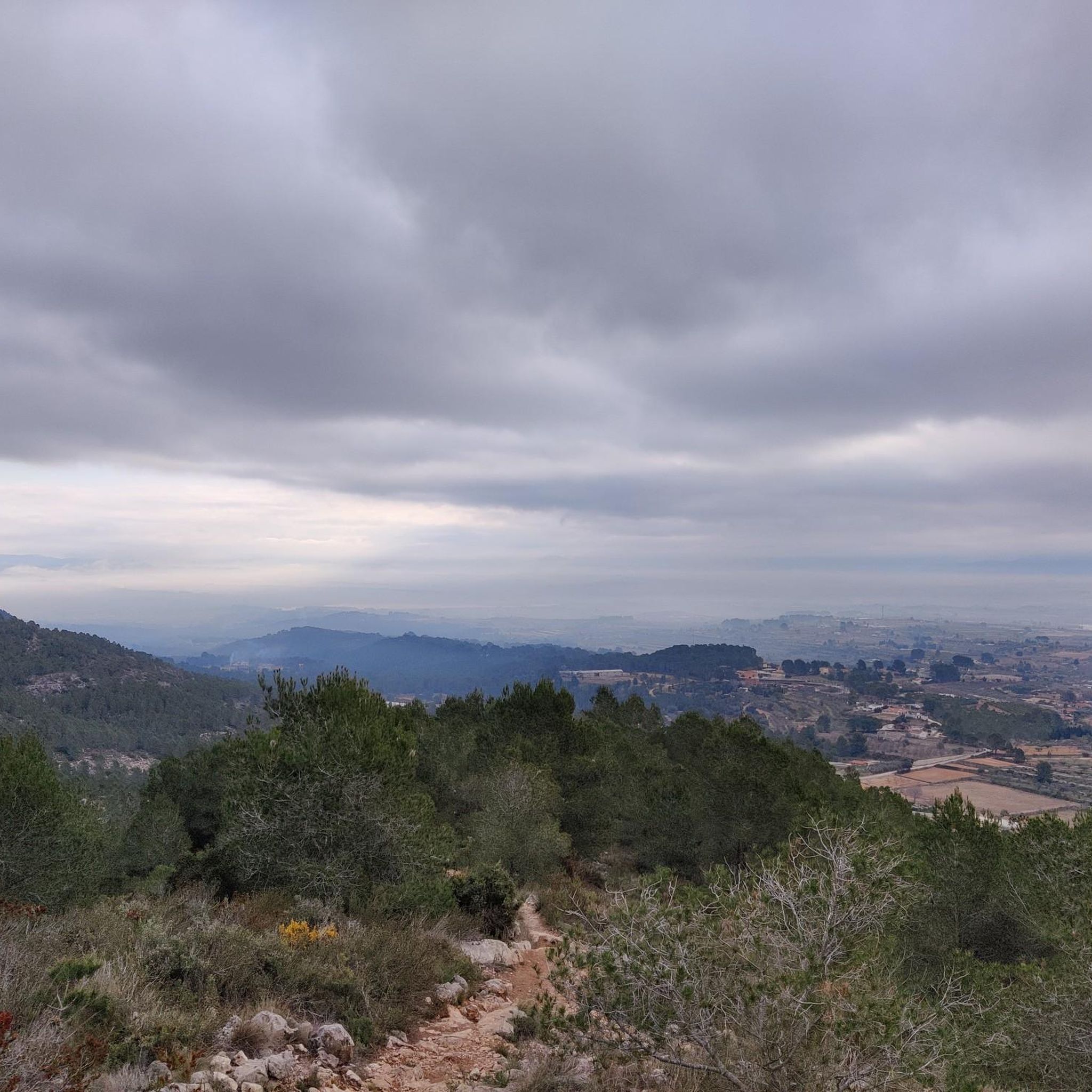
This point is a great viewpoint. Below is the figure of the castle tower and in the background the valley. The Castillo de Carrícola rises on a rock above the town. A trail leads to the remains of the wall and the high tower through the beautiful ravine of the Castellar.
1
0

Impressive facility and fantastic views
1
0

Wear suitable footwear, as there are quite steep steps and loose ground.
2
0
The views from the castle are spectacular.
2
0

Wonderful place worth visiting and exploring. The Castell has a unique value for the entire Valencian Community since it was once one of the strongest and strategic points of the ancient Kingdom of Valencia. Today it offers amazing views of the entire La Costera valley and you cannot miss visiting it from the inside. To get there you will travel part of the Via Augusta, an ancient and well-known route that linked Rome with Cartagena and Cádiz, running along the Mediterranean coast and crossing the Pyrenees.
2
0
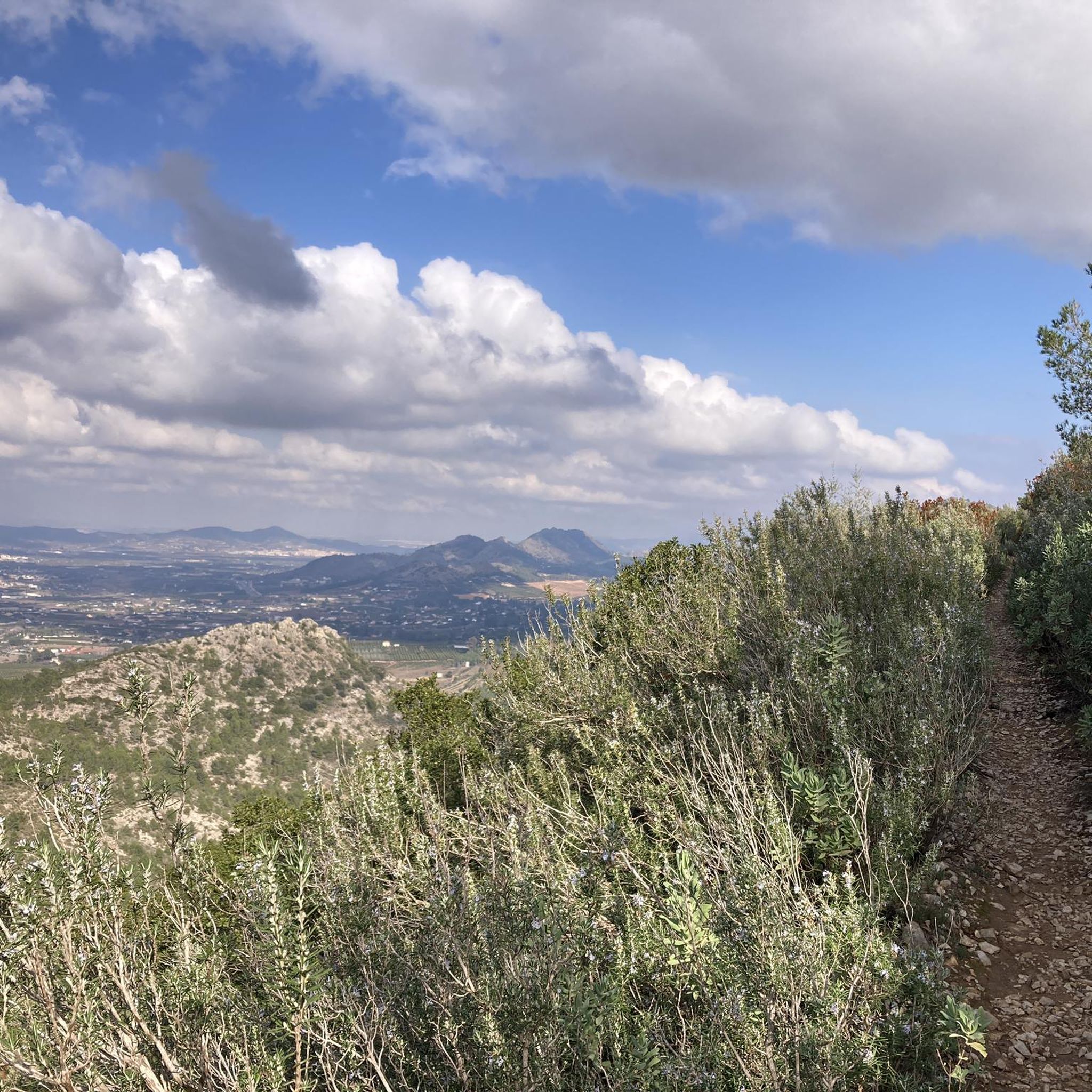
A very cool and entertaining path along the sunny side with very nice views of the castle and its fortress. It is a very pleasant route with a surface in very good condition.
3
0
Frequently Asked Questions
What are the most historically significant castles near L'Olleria?
The most historically significant castle is undoubtedly Castell de Xàtiva. It held a crucial strategic position on the old Roman road Via Augusta and was considered one of the strongest fortresses in the Kingdom of Valencia. Its extensive history spans Iberian, Roman, Al-Andalus, and Christian periods, making it a grand and imposing site worth seeing. The Sun Tower of Xàtiva, a 13th-century Almohad tower, is also a significant part of its defense.
Are there any family-friendly castles to visit around L'Olleria?
Yes, Castell de Xàtiva is considered family-friendly. Its vast grounds and historical significance offer an engaging experience for all ages. The castle is divided into the older Castell Menor and the larger, well-preserved Castell Major, providing plenty to explore.
What kind of views can I expect from the castles in the L'Olleria region?
Many castles and viewpoints in the region offer spectacular panoramic views. For instance, the View of Carrícola Castle provides a great vantage point of the castle tower and the valley below. Similarly, the restored Castell de Carrícola (seen from View of Castell de Cocentaina) offers views of the region and the Bellús reservoir. Sagunto Castle and Dénia Castle also boast formidable views of the region and the Mediterranean.
Are there hiking trails near the castles around L'Olleria?
Yes, the region offers various hiking opportunities. For example, a trail leads to the remains of Castillo de Carrícola through the beautiful ravine of the Castellar. You can find more hiking options in the area by exploring the Hiking around L'Olleria guide, which includes routes like the 'Creueta de L'Olleria' loop.
What other outdoor activities can I do near the castles?
Besides hiking, you can enjoy cycling and mountain biking. The area around L'Olleria features various routes, such as the 'Fountain of the 25 Spouts – View of Castell de Xàtiva' cycling loop. For more options, check out the Cycling around L'Olleria guide and the MTB Trails around L'Olleria guide.
What is the best time to visit the castles in this region?
While specific seasonal recommendations are not provided, the region's Mediterranean climate generally makes spring and autumn ideal for exploring historical sites and outdoor activities, as temperatures are milder than in summer. Always check the local weather forecast before your visit.
What kind of historical architecture can I expect to see?
The castles in the L'Olleria region showcase a rich tapestry of historical architecture. You'll find medieval military architecture, Islamic fortifications, and sites with Iberian and Roman remains. Castell de Xàtiva, for instance, incorporates Iberian and Roman foundations in its older sections, while the Sun Tower of Xàtiva is an example of 13th-century Almohad design.
Are there any hidden gems or lesser-known castles worth visiting?
While not directly in L'Olleria, the broader Valencia region offers several intriguing sites. Castillo de Montesa is mentioned for its historical importance. Further afield, Castell de Serra is an 11th-century fortress of Arab origin, and Dénia Castle, built during the Islamic period, houses an archaeological museum, offering unique insights beyond the more prominent sites.
What do visitors enjoy most about the castles around L'Olleria?
Visitors particularly appreciate the strategic locations and the imposing nature of the fortresses, such as Castell de Xàtiva. The fantastic views from various points, like the Castell Menor at Xàtiva or the View of Carrícola Castle, are also highly valued. The well-maintained paths, such as those at La Solana del Castell, make exploration enjoyable.
Are there facilities available at the castles?
Castell de Xàtiva is noted to have facilities, making it a comfortable visit. For other castles, especially those that are more ruinous or viewpoints, facilities might be limited, so it's advisable to plan accordingly.
What is the significance of the 'Via Augusta' in relation to these castles?
The 'Via Augusta' was an ancient Roman road, and its presence highlights the strategic importance of the region. Castell de Xàtiva, situated on this old road, benefited from its location, making it a crucial defensive stronghold and a witness to numerous historical conflicts throughout the centuries.
Can I find archaeological remains near the castles?
Yes, the region is rich in archaeological history. The Castell Menor part of Castell de Xàtiva is built on Iberian and Roman remains. Additionally, La Solana del Castell is the location of the ancient Iberian city of Saitabi, where archaeological remains have been found, offering beautiful views of the castle's rear.
Most popular routes around L'Olleria
Most popular attractions around L'Olleria

Get inspired with the komoot mobile app


Explore more
Looking for the best castles somewhere else? Discover other guides around L'Olleria:
