Top 6 Caves around L'Olleria
Best caves around L'Olleria are found in the surrounding Valencia and Alicante regions, offering diverse subterranean experiences. While L'Olleria itself may not have prominent caves, the nearby areas provide access to notable geological formations and historical sites. These locations are accessible for day trips and feature unique natural landmarks. The region's landscape includes various karst caves and river systems.
Best caves around L'Olleria
- The most popular caves is Cova de les Finestres, a cave with historical significance. These 12…
Last updated: July 3, 2026
Cova Negra
Highlight • Cave
Translated by Google •
Tip by

Cova de les Finestres
Highlight • Cave
Translated by Google •
Tip by

Sign up now to discover places like this
Get recommendations on the best single tracks, peaks, & plenty of other exciting outdoor places.
Sign up for free
Trail from Xàtiva to the Albaida River and the Cova Negra
Highlight • Trail
Translated by Google •
Tip by

Cova de l'Avern
Highlight • Cave
Tip by

Start today with a free account
Your next adventure awaits.
Login or Signup

Tips from the Community

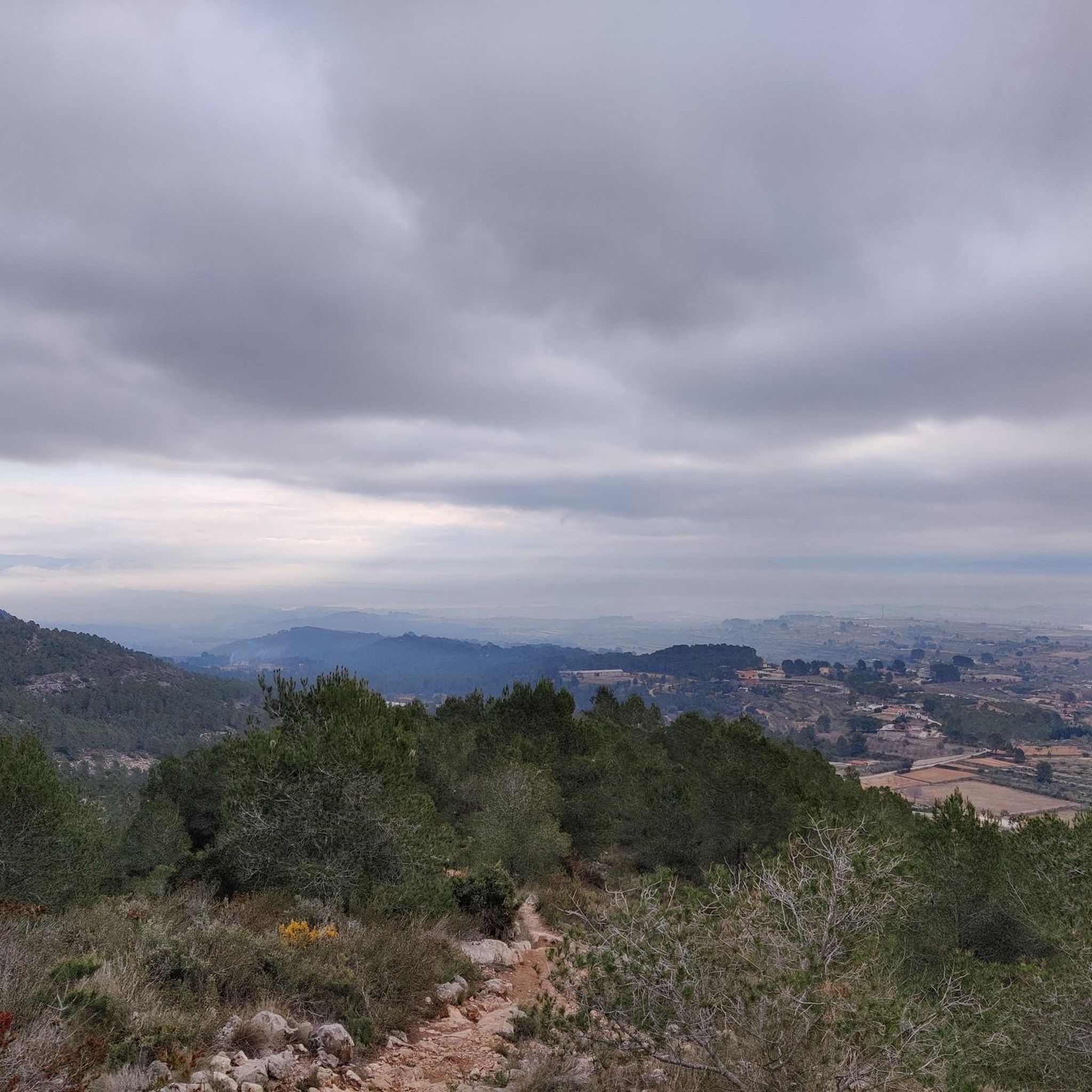
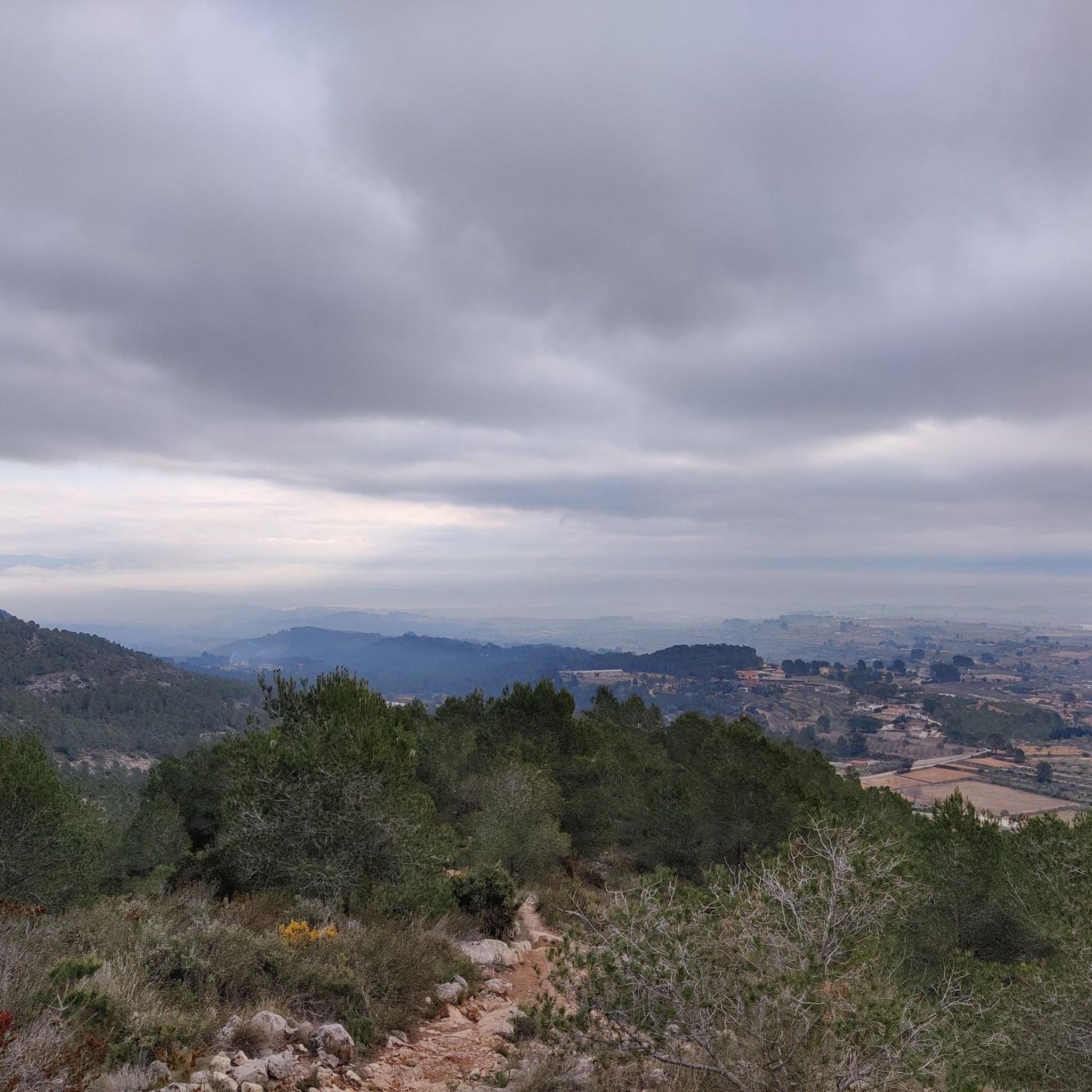
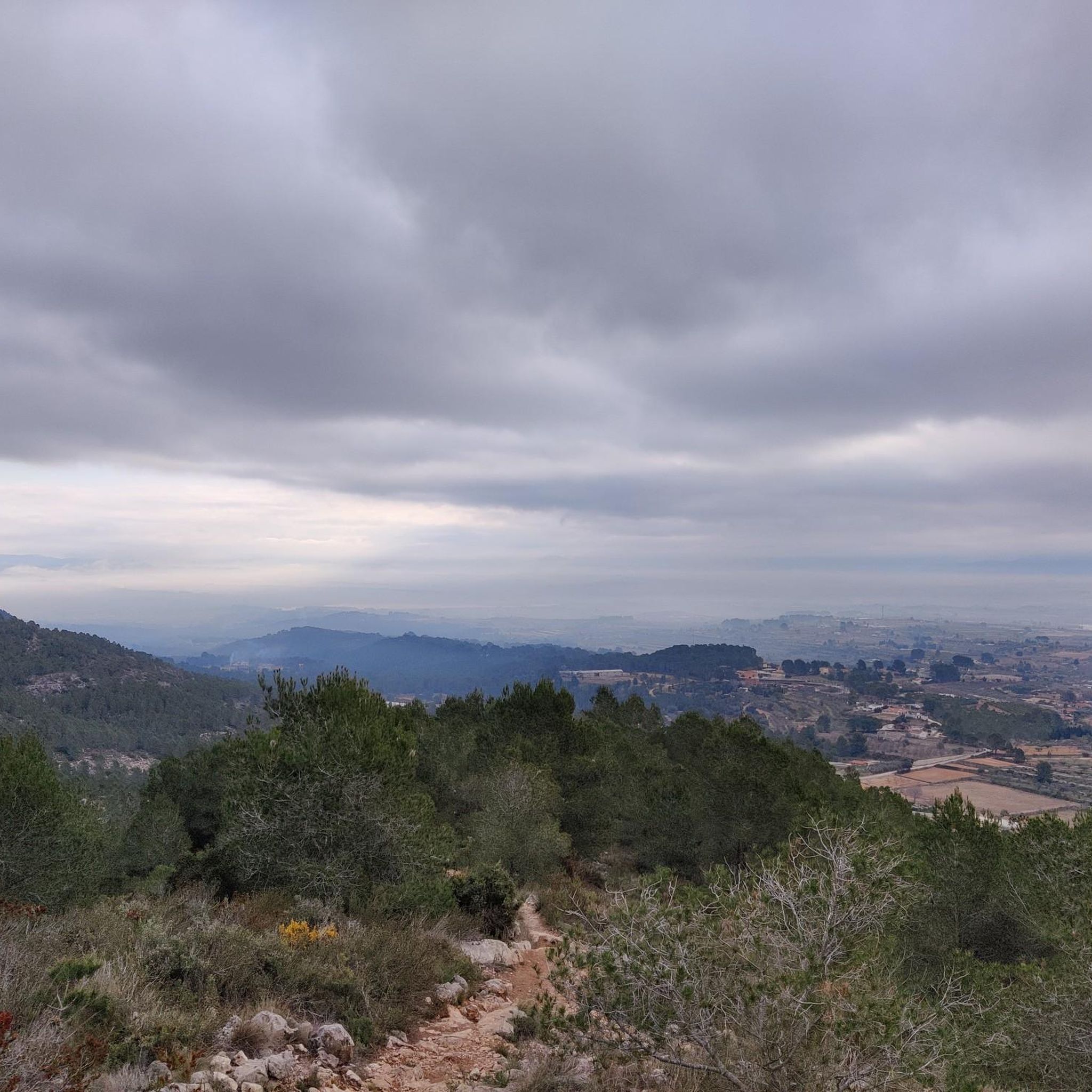
Follow the indication to the cueva, downhill, until you come to some chains. Go down along these and the cueva is at the bottom on the right. Plenty of stories about howling noises and red eyes on ceilings or photos turning out blurry.. unfortunately we had no excitement in the cave 😉
1
0

The La Cova Negra municipal natural area is located in the municipality of Játiva, province of Valencia. In the Cova Negra is the Middle Paleolithic site in which remains of Homo Neanderthal have appeared. This natural area is located in the narrow valley formed by the Albaida River, as it crosses the reliefs of the Sierra Grossa, at the exit of the so-called Estret de les Aigües. In the widest meander formed by the Albaida River, at the height of Pico del Paller, you can see the Cova Negra, named for the blackish appearance of its walls.
2
1

The Cova de les Finestres is located in the Barranc del Pont Trencat, in the municipality of Alfafara. These artificial caves from the Andalusian period look like windows from the outside and are carved in the middle of a steep cliff, generally in river valleys and ravines. It consists of 12 window caves, precisely carved into the hard limestone rock. These windows, looking out into the void, are between 4 and 10 meters high, on a large natural shelter. From a distance, their presence arouses curiosity and intrigue, and questions arise: What secrets are they hiding? Are there rooms behind them? What was its function?
3
0

La Cova Negra is a cavity that is located in a gorge called the Strait of Waters. Its black color is mainly due to the smoke from the bonfires made by its former inhabitants, the Neanderthals who occupied it for a few months of the year. An important amount of flint tools and other archaeological remains have been found here.
3
0

La Cova Negra is an important archaeological site, located in the widest meander of the Albaida river. It was home to Neanderthal man in the Paleolithic. The cave gets its name from the dark color of the walls. Human remains and paintings have been found inside.
2
0
La Cova Negra is an important archaeological site, located in the widest meander of the Albaida river. It was home to Neanderthal man in the Paleolithic. The cave gets its name from the dark color of the walls. Human remains and paintings have been found inside. It is a space of fundamental importance for understanding the culture of the Mosterian and the reality of the Neanderthals. The Almodí Museum exhibits an exact reproduction of a parietal bone from the period, discovered in the cave.
2
0
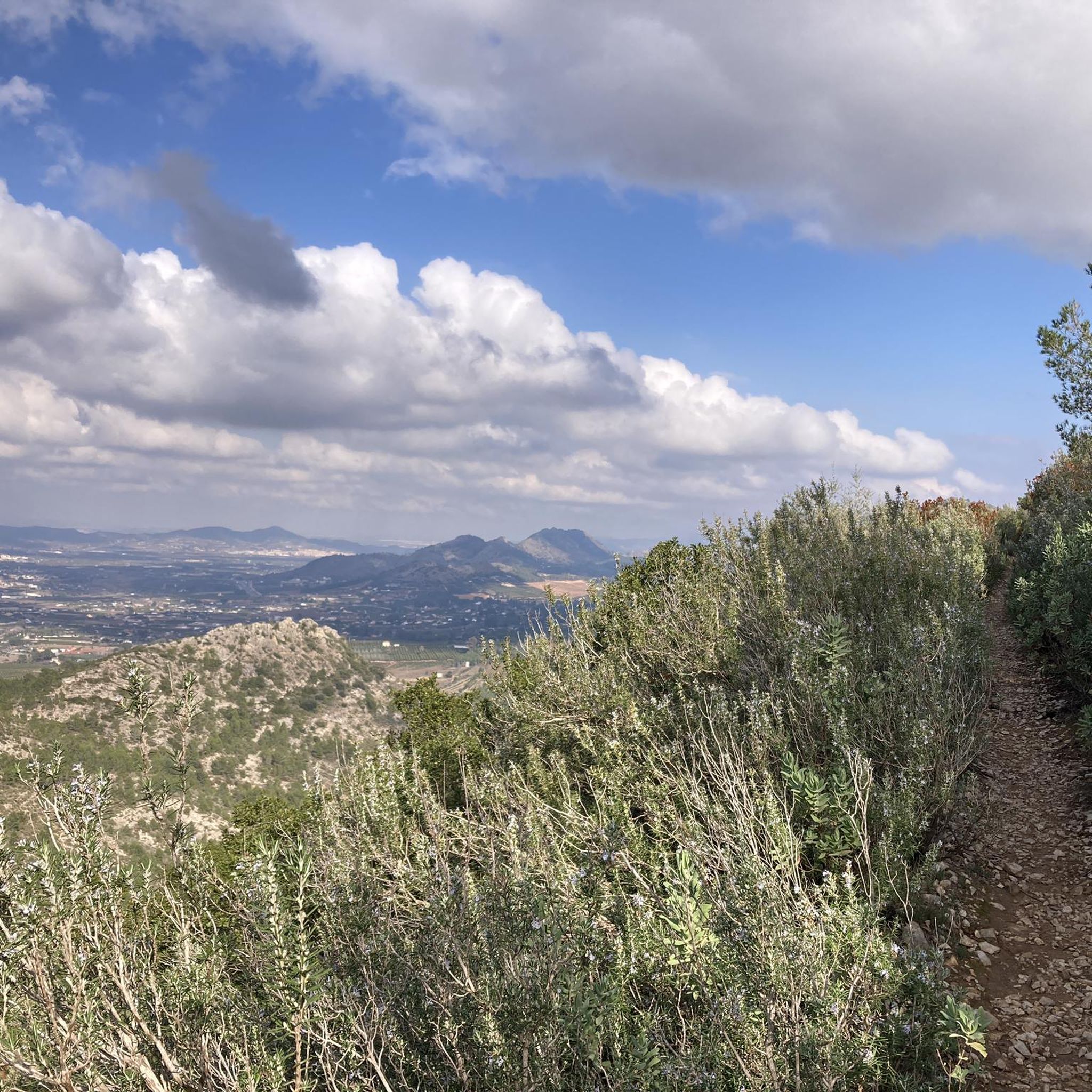
Mountain path that allows you to approach the banks of the Albaida river and also to the Cova Negra by a path. It runs through beautiful pine forests.
1
0

Cave within the natural area of the same name with great historical and landscape value. It is a very nice place with trails that run along the Albaida River. You can get to the foot of the cave.
1
1
Frequently Asked Questions
What are the most notable caves in the wider L'Olleria region?
While L'Olleria itself has local historical caves like Cova de les Finestres and Cova Negra, the surrounding Valencia and Alicante regions offer several remarkable subterranean attractions. These include the Coves de Sant Josep with its navigable underground river, the vast Canelobre Caves known for their immense vault, and the historically significant Coves de l'Aranya with ancient rock art.
Are there any historically significant caves near L'Olleria?
Yes, several caves in the area hold significant historical value. Cova Negra is a natural monument known for archaeological remains from Neanderthal inhabitants. The Cova de les Finestres are artificial caves from the Andalusian period, carved into a cliff and historically used as a granary. Further afield, the Coves de l'Aranya in Bicorp are a UNESCO World Heritage site, famous for prehistoric rock art, including the earliest known depiction of honey collection.
Can I explore caves with unique geological formations near L'Olleria?
Absolutely. The Canelobre Caves in Busot, Alicante, are renowned for their immense vault and diverse speleothems, including towering stalactites and stalagmites like 'El Canelobre,' a 145,000-year-old stalagmite. The Coves de Sant Josep in La Vall d'Uixó feature impressive stalactites and stalagmites visible during a boat tour through Europe's longest navigable underground river.
Are there family-friendly cave experiences available?
The Coves de Sant Josep offer a unique and generally family-friendly experience with a boat tour through an illuminated underground river. The Canelobre Caves also provide guided tours suitable for families, showcasing their impressive formations in a large, accessible cavern. For local exploration, the Cova Negra is accessible via a scenic trail, which can be a good option for families who enjoy hiking.
What kind of archaeological discoveries have been made in the caves around L'Olleria?
The Cova Negra is a significant archaeological site where important flint tools and other remains from Neanderthal inhabitants have been found. The Coves de l'Aranya in Bicorp are particularly famous for their prehistoric rock art, dating back approximately 8,000 years, offering insights into ancient human life and practices.
Are there caves with water features or underground rivers?
Yes, the Coves de Sant Josep in La Vall d'Uixó are home to the longest navigable underground river in Europe, offering a unique boat tour experience. Additionally, the Turche Cave Waterfall near Buñol features a spectacular 60-meter waterfall cascading into a natural blue pool, providing a refreshing natural swimming area.
What outdoor activities can I combine with a cave visit near L'Olleria?
Many caves are situated within areas ideal for outdoor activities. You can find numerous hiking trails, such as the Trail from Xàtiva to the Albaida River and the Cova Negra. For more options, explore the hiking routes around L'Olleria, or consider running and mountain biking trails in the region. The Turche Cave Waterfall also offers scenic hiking opportunities and a natural swimming spot.
What is the best time of year to visit the caves in the L'Olleria area?
Many caves, like the Coves de Sant Josep, maintain a constant temperature year-round (around 20°C), making them suitable for visits in any season. However, for caves that involve outdoor access or hiking, such as Cova Negra or the Turche Cave Waterfall, spring and autumn offer the most pleasant weather for outdoor activities. Summer can be hot, but the cool cave interiors provide a welcome escape.
Are there guided tours available for the caves?
Yes, guided tours are available for several prominent caves. The Coves de Sant Josep offer guided boat tours. The Canelobre Caves also provide guided tours that explain their geological formations and history. For the Coves de l'Aranya, guided visits are recommended and can be booked in advance through the Ecomuseum of Bicorp to ensure access to the prehistoric rock art.
What should I wear or bring when visiting caves in this region?
Even if the outside temperature is warm, cave interiors are typically cool and damp. It's advisable to wear comfortable walking shoes with good grip, as surfaces can be uneven or wet. A light jacket or sweater is recommended. For more adventurous explorations, like Cova de l'Avern or Cueva de las Palomas, a flashlight and appropriate caving gear might be necessary.
Are there any challenging cave explorations for experienced cavers?
Yes, for those seeking a more challenging experience, Cova de l'Avern is noted as a challenging cave requiring descent using chains. The Cueva de las Palomas, with its over 2 kilometers of galleries and rooms, also offers a more adventurous exploration for experienced visitors, where comfortable shoes and a flashlight are essential.
Where can I find information about parking or public transport for these caves?
Information regarding parking and public transport varies by cave. For Coves de Sant Josep, you can find details on their official website, which may be linked from Visit Valencia. For Canelobre Caves, check their official site or resources like Wikipedia for transport options. For local caves like Cova Negra, access is often via hiking trails, and parking may be available at trailheads or nearby towns like Xàtiva.
Most popular routes around L'Olleria
Most popular attractions around L'Olleria

Get inspired with the komoot mobile app


Explore more
Extend your search for the best caves by checking out these guides of the top ones around L'Olleria:
