Top 20 Lakes around Gent
Best lakes around Gent provide a variety of natural and recreational water areas. The region features both natural lakes and man-made bodies of water within parks and nature reserves. These areas are popular for outdoor activities and offer accessible escapes from the city.
Best lakes around Gent
- The most popular lakes is Ponds of Het Leen, a lake that offers beautiful forests and ponds. During weekdays, all paved roads are accessible, allowing visitors to explore the natural surroundings.
- Another must-see spot is Damvallei Lake, a lake formed by sand extraction. This area features a low moor ecosystem with peat pits and diverse vegetation, supporting dragonflies, frogs, and salamanders.
- Visitors also love Bourgoyen-Ossemeersen Nature Reserve, a water-rich nature reserve with grasslands, reed beds, and ponds. It is known for its rich bird population, making it an important bird reserve.
- Gent is known for natural lakes, recreational park lakes, and nature reserves with ponds. These areas provide diverse opportunities for walking, bird spotting, and other outdoor activities.
- The lakes around Gent are appreciated by the komoot community, with more than 140 upvotes and over 80 photos shared.
Last updated: October 3, 2026
Bourgoyen-Ossemeersen
Highlight • Natural
Translated by Google •
Tip by

Damvallei Lake
Highlight (Segment) • Lake
Translated by Google •
Tip by

Sign up now to discover places like this
Get recommendations on the best single tracks, peaks, & plenty of other exciting outdoor places.
Ponds of Het Leen
Highlight • Lake
Translated by Google •
Tip by

Aelmoeseneiebos Stream and Wooden Bridge
Highlight • Forest
It includes more than 60 tree species, including all native trees of Flanders, as well as a number of park trees.
It is currently used as part of the Bioscience Engineering course in Forest and Nature Management and is freely accessible to walkers.
Translated by Google •
Tip by
Puyenbroeck Provincial Park
Highlight • Rest Area
There is a large playground, sunbathing areas, a flower park of 23 hectares, a play forest of 10 hectares and a traffic park where children can ride go-carts. There is also an animal park that pays attention to the 'Living Heritage', ancient livestock breeds. You can take a tour through the park with a tourist train. Bicycles and carts can also be rented and rowing boats and pedalos can be rented at the ponds.
MOLA, the provincial mill center in the former Puyenbrug Castle, is also located on the grounds of the provincial domain.
The domain has approximately 150 hectares of forest, with an almost completely contiguous forest area south of the Zuidlede. A permanent breeding wall for birds has also been constructed, which is used by, among others, the sand martin and the bee-eater. An ice cellar was set up as a hibernation place for bats. Some shallow spawning grounds for the fish were created in the ponds.
In 2017 and 2018, Music For Life, Studio Brussel's charity campaign, took place on this domain.
Source: Wikipedia
Translated by Google •
Tip by
Damvallei Nature Reserve
Highlight • Natural
Translated by Google •
Tip by
Liedemeer park
Highlight • Lake
Translated by Google •
Tip by

Bosdam Pond
Highlight • Lake
This pond can be found at the back of the park. When you park in the parking lot in front or at the pool, it is a huge step to the Bosdam pond.
The Bosdam pond itself is a beautiful large pond with an island in the middle. The length of the water is about 200 meters and the width up to the island is about 60 meters. The banks are natural and several fishing spots have been excavated at the Bosdamvijver where you can fish peacefully. It is also fairly quiet fishing.
There are usually not many fishermen and not too many walkers and runners pass by. The water itself is quite clear with no current. The depths of the water go up to 3 meters and the bottom consists mainly of sand.
Translated by Google •
Tip by
Puyenbroeck Provincial Domain
Highlight • Natural
Translated by Google •
Tip by

Pereboomsgat Creek
Highlight • River
In 1767, the Moerspuipolder was diked, but the Pereboomsgat, which was not entirely on 'Staten Bodem', remained untouched. That is why the dike had to be built right through the creek.
Translated by Google •
Tip by
Sign up for free to discover even more lakes around Gent.
Already have an account?
Start today with a free account
Your next adventure awaits.
Popular around Gent
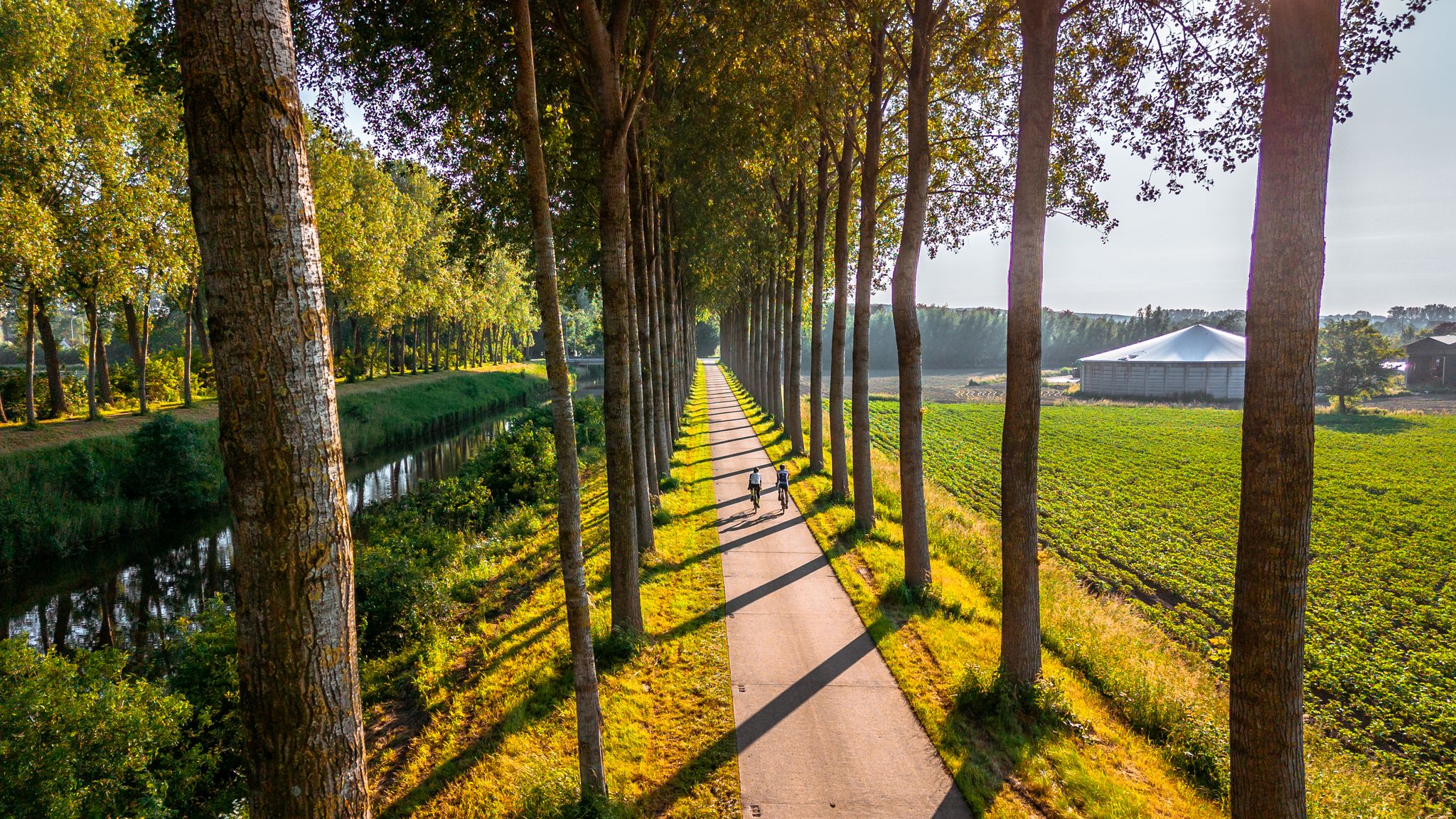
The six most beautiful cycling routes in East Flanders
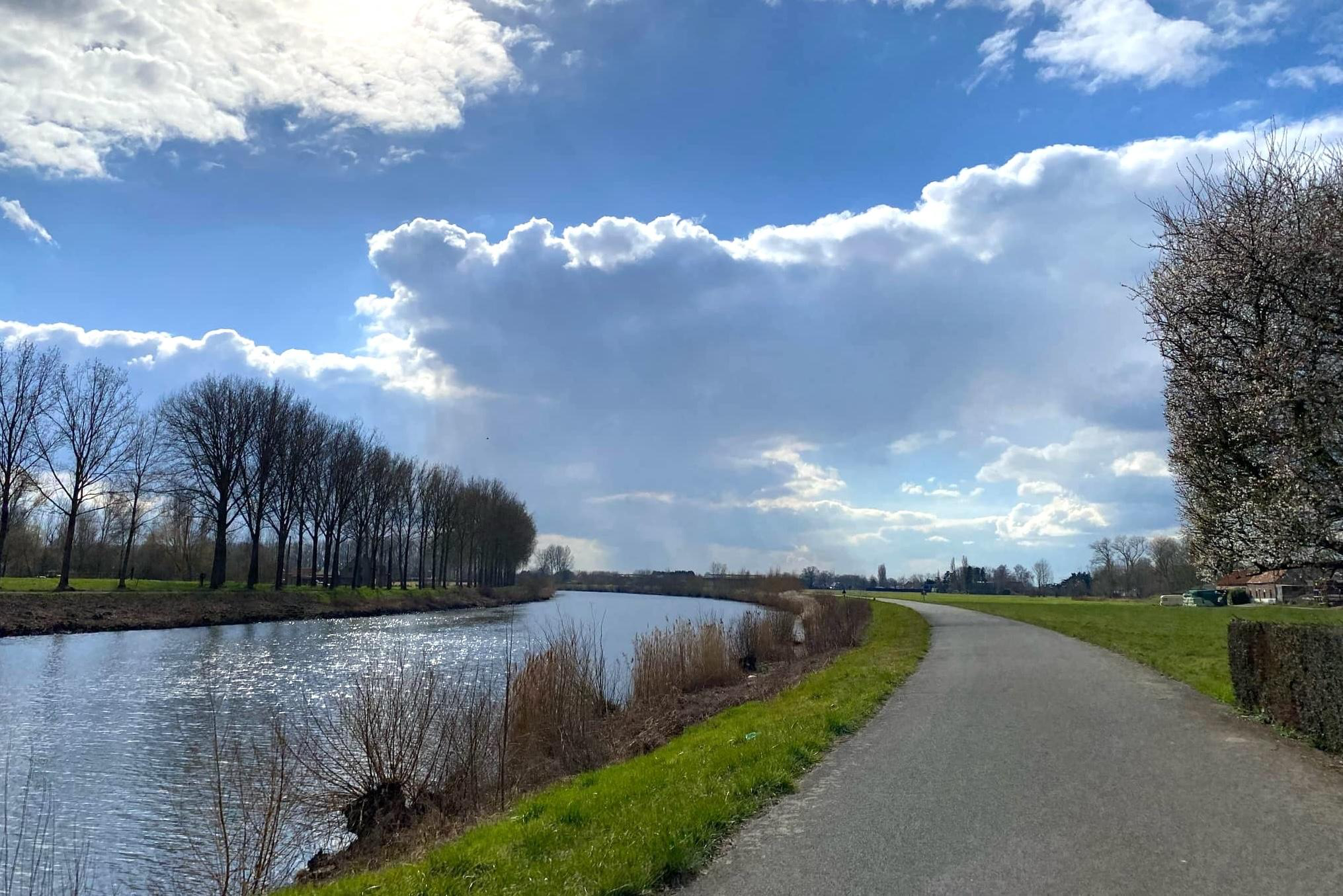
Three days of pure cycling pleasure from Spiere to Zandvliet – Schelderoute
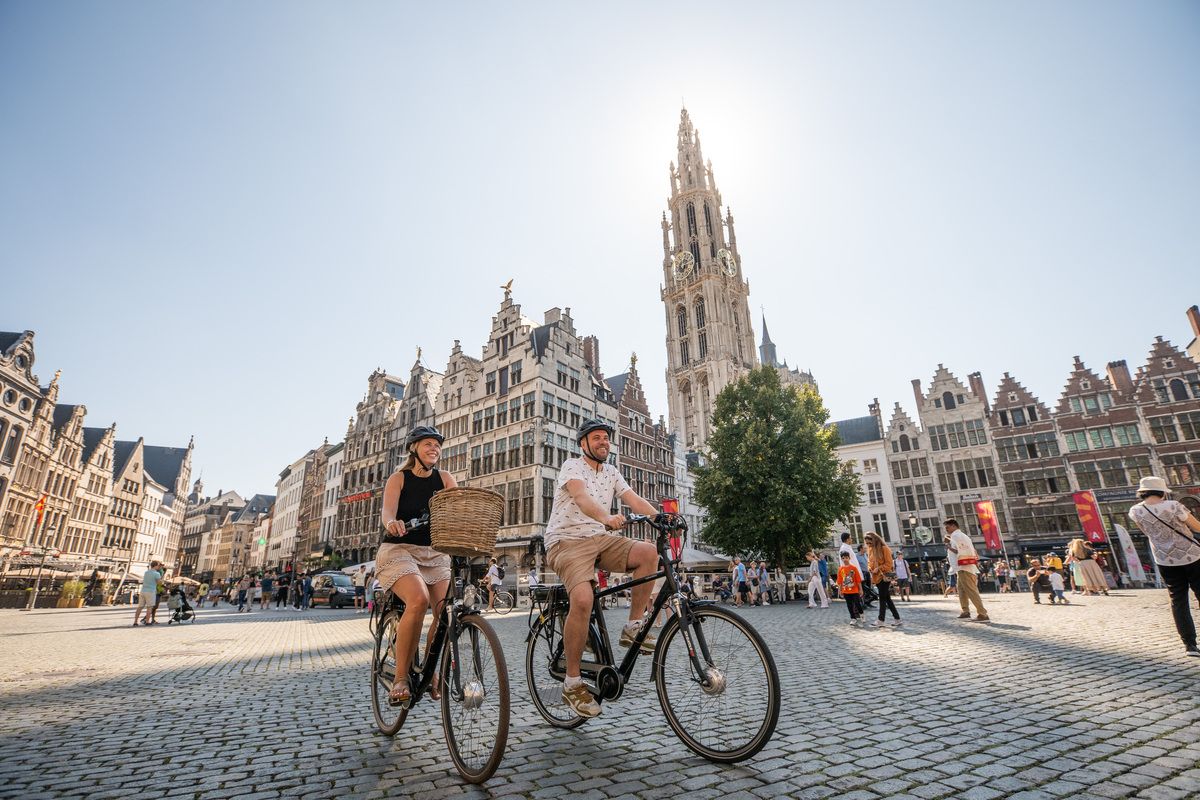
Flanders' Finest Cycle Routes: routes around the Flemish art cities
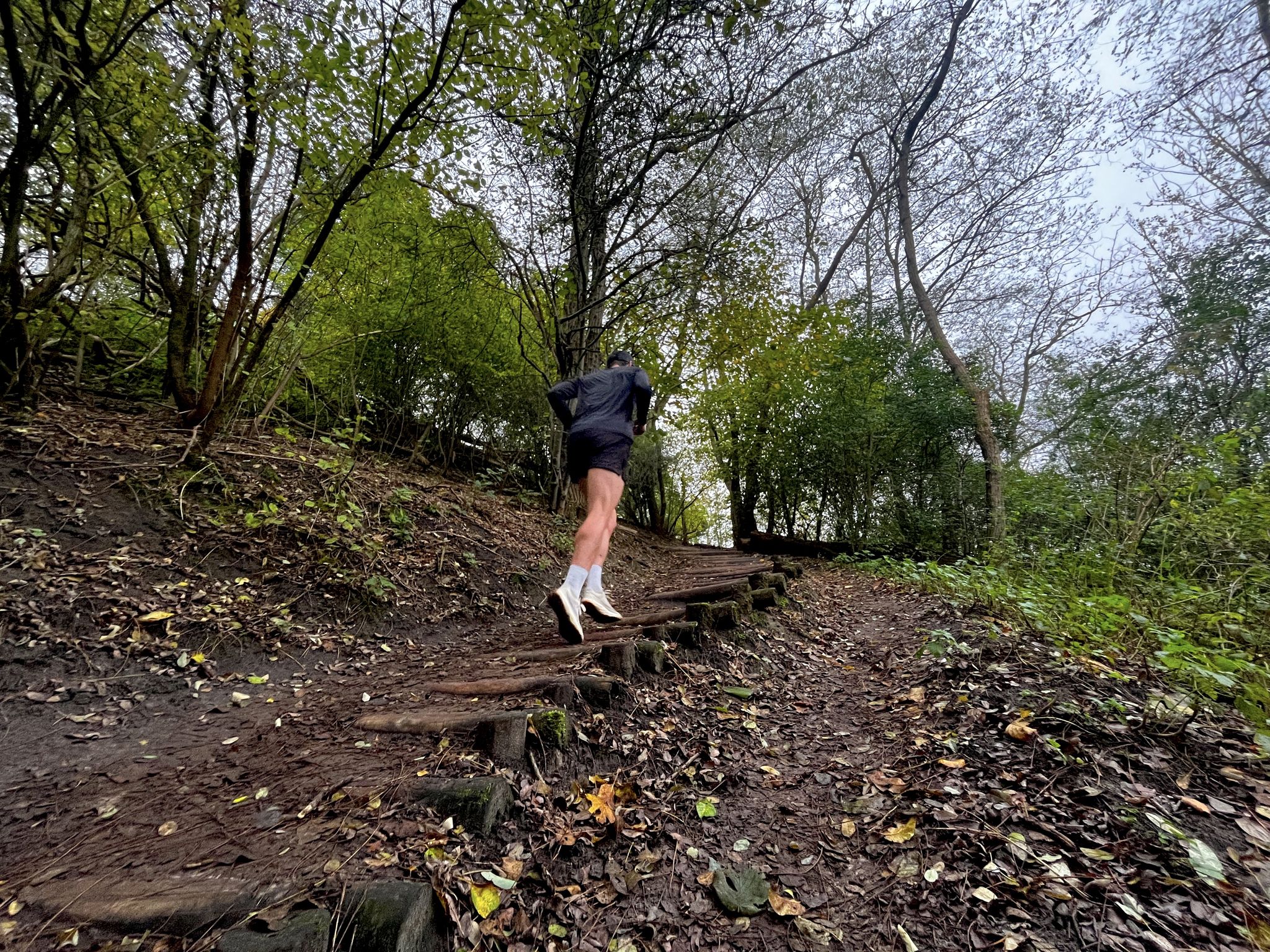
Between city and nature – running on the outskirts of Ghent
10,000 steps through Flanders' Art Cities
Art, culture and more – hiking in Belgium’s Flanders
Waterside walks in Flanders
The best of Flanders — the Flanders Route
Flanders by bike – the Iconic Cultural Cycle Routes
Flanders by bike: cycling along the water
Other adventures around Gent


Tips from the Community

This vast park of no less than 510 hectares offers a unique mix of soothing nature, historic castle parks and top facilities for hikers, runners and cyclists. From the past to the present Noble origins: well into the 20th century, this area was the private property of the noble families de Kerchove de Denterghem and de Pottelsberghe de la Potterie. They built castle parks here, created hunting grounds and dug ponds. From private to public: in 1965, the province of East Flanders bought the first plots of land. The goal was ambitious: to transform the historic castle parks into a gigantic, public green space for everyone. Modern oasis: today, the monumental avenue elements, the Puyenbrug Castle and the ancient forests are reminiscent of that rich past. However, it is now a modern paradise with a golf course, swimming pool, animal park and kilometers of car-free paths.
2
0

The Perenboomsgat is one of the creeks that is silting up to some extent, creating striking reed lands. The entire southern part of the horseshoe-shaped creek has silted up. In the northern part, there is still an open water section in the west, although strong silting is already occurring here too. Part of this creek remnant lies on Dutch territory, where the banks are managed naturally. The Grote Kreek and Pereboomsgat creeks contain little brackish water and therefore have a lower salt content than, for example, the Sint-Elooiskreek located slightly further west. Source: Inventory of Immovable Heritage
2
0

The Liedermeerspark, which became an officially recognized park in 1982, covers 25 hectares and includes, among other things, a fishing pond; originally an old arm of the Scheldt. In the municipal council meeting of 22 September 1983, it was decided that the green zone in BPA no. 12 would henceforth be officially called "Liedermeerspark" and the water "Verlorenbroodvijver". In this recreational zone, no fewer than 3000 native deciduous trees were planted in 1988, followed by about 1000 oaks planted by schoolchildren. (Information board on site)
8
0

Definitely recommended. Every now and then we encountered a jogger or walker, but it was negligible. It's so nice to be able to enjoy the beautiful nature this way.
2
0

It's a beautiful location full of greenery, trees, and beautiful plants that you'll see along the way. You can walk for ages without encountering too many people. Really cool!
3
0

good route without busy points
1
0

The Aelmoeseneiebos (or Aalmoezenijebos) is a nature reserve on the territory of the municipalities of Melle (Gontrode) and Oosterzele (Landskouter). The forest is 28.5 hectares in size and is owned by the University of Ghent. The forest area is now managed by the university Lab for Forest & Nature. The railway line Ghent-Geraardsbergen divides the forest in two. The Aelmoeseneiebos is an old forest area that already appeared on the Ferraris map in 1775. The forest was owned by the Saint Bavo's Abbey of Ghent for centuries. During the French period (1794-1815) it was transferred to the public poor relief of the city of Ghent. In 1967-1968 the Belgian State bought the forest so that the University of Ghent could use it as a test forest. The most important tree species are summer oak and beech, with ash and maple in the stream valleys. The Aelmoeseneiebos is known for its spring flora such as wood anemone, slender primrose, yellow dead-nettle and small periwinkle. During the First World War, the forest was largely cut down but replanted in 1920. Adjacent to the western part of the Aelmoeseneiebos, 10 hectares of plots of land belonging to Natuurpunt, Oosterzele department, are located in the valley of the Gondebeek. With the 'Rodeland landscape project' [1], the aim is to connect the Aelmoeseneiebos with the Makegemse forests through afforestation in the valleys of the Gondebeek, Kerkesbeek and Driesbeek[2][3]. In 2021, 5 amphibian tunnels were constructed in the Gondebeek valley[4]. Inventories and research in the Aelmoeseneiebos found 1329 different species: including 64 tree and shrub species and 599 species of invertebrates. The Aelmoeseneiebos is protected in Europe as part of the Natura 2000 area (habitat directive area) 'Forests of the south-east of the Zandleemstreek' (BE2300044). The forest is freely accessible on the footpaths.
1
0

This nature reserve is a remnant of an extensive forest area that gradually had to make way for agriculture in the 18th century. The surrounding land and the forest were owned for centuries by the Aalmoezenij, the poor relief of the Ghent Saint Bavo's Abbey. The production of wood was the main function at that time. The forest was purchased by the Belgian state in 1967-1968 so that the University of Ghent could use it as a test forest. In the early years, it was mainly used for studies on the growth and management of forests with a view to wood production. It also had a recreational and educational function. Railway line 122 Melle-Geraardsbergen divides the forest in two. In the western part (where we walked) an arboretum was created in 1973. With the 'Rodeland landscape project', the aim is to connect the Aelmoeseneiebos with the Makegemse forests through further afforestation of a number of stream valleys.
4
0
Frequently Asked Questions
What kind of natural landscapes can I expect around Gent's lakes?
The lakes around Gent offer diverse natural settings. You can find low moor ecosystems with peat pits and diverse vegetation at Damvallei Lake, or water-rich nature reserves like Bourgoyen-Ossemeersen Nature Reserve, known for its grasslands, reed beds, and ponds. Other areas, such as the Ponds of Het Leen, feature beautiful forests and ponds.
Are there good places for walking and hiking around the lakes near Gent?
Yes, many lakes offer excellent walking opportunities. Bourgoyen-Ossemeersen Nature Reserve is a true hiking paradise with well-maintained trails. The Ponds of Het Leen also provide beautiful forest walks, especially on weekdays when all paved roads are accessible. For more options, you can explore various easy hikes around Gent, including routes like the Old Kalevallei hiking route or the Doornhammeke Route. Find more details on these trails in the Easy hikes around Gent guide.
What water sports and recreational activities are available at the lakes?
For a wide range of water sports, the Blaarmeersen Sports and Recreation Park is a prime destination. Here, you can swim, rent pedal boats, go kayaking, surfing, fishing, and even diving. It also features a sandy beach and a water park. The adjacent Watersportbaan is ideal for rowing and offers a 5 km loop for running and walking. At Puyenbroeck Provincial Park, you can rent rowing boats and pedalos.
Which lakes are suitable for families with children?
Several lakes are very family-friendly. Blaarmeersen Sports and Recreation Park is excellent for families, offering a sandy beach, a water park with a slide, and a large playground with a maze. Puyenbroeck Provincial Park also features a large playground, a play forest, and an animal park. Other family-friendly spots include Damvallei Lake, Bourgoyen-Ossemeersen Nature Reserve, and the Ponds of Het Leen.
Are there any lakes near Gent that are wheelchair accessible?
Yes, Puyenbroeck Provincial Park is noted as being wheelchair accessible, offering paths and facilities for visitors with mobility needs. Additionally, during weekdays, all paved roads at the Ponds of Het Leen are accessible, allowing for easier exploration.
Where can I go running or cycling near the lakes?
The Watersportbaan features an almost 5 km loop with a soft surface, popular for running and walking, and connects to Blaarmeersen for an extended route. For dedicated running trails, you can find routes like the 'Loop around the water sports course' or 'Loop in the Bourgoyen' in the Running Trails around Gent guide. Cyclists can explore gravel biking routes such as the 'Gentbrugse Meersen and Schelderoute Loop' or 'Valley of the Oude Kale' from the Gravel biking around Gent guide.
What is the best time to visit the lakes around Gent?
The lakes are enjoyable year-round. Blaarmeersen Sports and Recreation Park is a year-round destination. For birdwatching, Bourgoyen-Ossemeersen Nature Reserve is particularly rich in bird populations during the winter months, serving as a refuge for migratory birds. If you wish to access all paved roads at the Ponds of Het Leen, weekdays are recommended.
Are there any dog-friendly areas or lakes near Gent?
Yes, Blaarmeersen Sports and Recreation Park features a special dog beach and swimming pond, allowing your canine companions to enjoy the water and surroundings.
Can I find cafes or dining options near the lakes?
At the Ponds of Het Leen, there is a cafeteria available for visitors. Blaarmeersen Sports and Recreation Park, being a large recreational area, also offers amenities that include dining options.
What kind of wildlife can I observe at the lakes?
The lakes are home to diverse wildlife, especially birds. Bourgoyen-Ossemeersen Nature Reserve is an important bird reserve where you can spot grey herons, ducks, sea eagles, hawks, buzzards, redstarts, and common teals. Damvallei Lake supports dragonflies, frogs, and salamanders.
Are there any hidden gem lakes or lesser-known spots worth visiting?
While not explicitly 'hidden gems' in the traditional sense, areas like Vosselare Put (a natural arm of the Lys river) and Nieuwdonk (an old arm of the Scheldt river) offer different natural experiences slightly further afield than the main recreational parks, providing a quieter escape.
What is the <a href="https://www.komoot.com/highlight/980409" target="_blank" rel="noopener">Puyenbroeck Provincial Park</a> known for?
Puyenbroeck Provincial Park is a large domain offering a wide array of activities. It features several large ponds, a playground, sunbathing areas, a flower park, a play forest, and an animal park focusing on ancient livestock breeds. Visitors can also enjoy a tourist train, rent bicycles, carts, rowing boats, and pedalos, or engage in hiking, mountain biking, BMX, skimming, and kayaking.
Most popular routes around Gent
Most popular attractions around Gent

Get inspired with the komoot mobile app


Didn’t find what you were looking for?
Find the best lakes around Gent per region:
Explore more
Still not found your perfect lake around Gent? Check out the guides of these regions to see even more beautiful places.
