Top 18 Lakes around Torhout
Best lakes around Torhout offer opportunities to explore green spaces and natural reserves in West Flanders. While large, prominent lakes are not directly within Torhout, the region features various water bodies integrated into its landscape. These include historical ponds, nature reserves, and man-made basins, providing diverse settings for outdoor activities. The area is characterized by its natural beauty, with trails often incorporating these water features.
Best lakes around Torhout
- The most popular lakes is d'Aertrycke Castle, a castle domain…
Last updated: June 30, 2026
d'Aertrycke Castle
Highlight • Castle
Translated by Google •
Tip by

Watermolenenvijver Nature Reserve
Highlight • Natural
Translated by Google •
Tip by

Sign up now to discover places like this
Get recommendations on the best single tracks, peaks, & plenty of other exciting outdoor places.
Sign up for free
De Hoge Dijken Nature Reserve (Roksemput)
Highlight • Natural Monument
Translated by Google •
Tip by
Landscape Park De Stationsput
Highlight • Lake
Translated by Google •
Tip by

Round Basin
Highlight • Lake
The Grote Bassin was constructed in 1862 in the bed of the Mandel and the Kleine Bassin in the bed of the Sint-Amandsbeek. …
Translated by Google •
Tip by

Sign up for free to discover even more lakes around Torhout.
Sign up for free
Already have an account?
Start today with a free account
Your next adventure awaits.
Login or Signup

Tips from the Community

Nowadays the castle is a luxury hotel/restaurant and conference centre (Restaurant realised in 1990 and hotel built in 1996 by the then organisers of the Rock Torhout festival). On the other side of the Torhout - Oostende road lies the domain of the Wijnendale castle.
2
2
The history of 'Domein d' Aertrycke' begins in 1865 when August de Maere, the spiritual father of the port of Zeebrugge, acquired 98 ha of the 'Verloren Kost' domain. In 1869 he had the now centrally located neo-Gothic castle built to a design by the Antwerp architect Joseph Schadde. In 1897 August de Maere, who had in the meantime been elevated to the nobility, was given permission to add d'Aertrycke to his name. With the exception of a short period after the First World War, the domain remained the property of the family. Xavier de Maere, the last owner of the castle, became known as second-in-command of the Belgian South Pole Expedition 1958-1959. After the death of his mother, who was the last of the family to live in the castle, he concluded an agreement with the West Flemish provincial government for the partial opening of the castle domain to the general public. In 2012, the province acquired full ownership and Domein d'Aertrycke became a fully-fledged provincial domain.
2
2
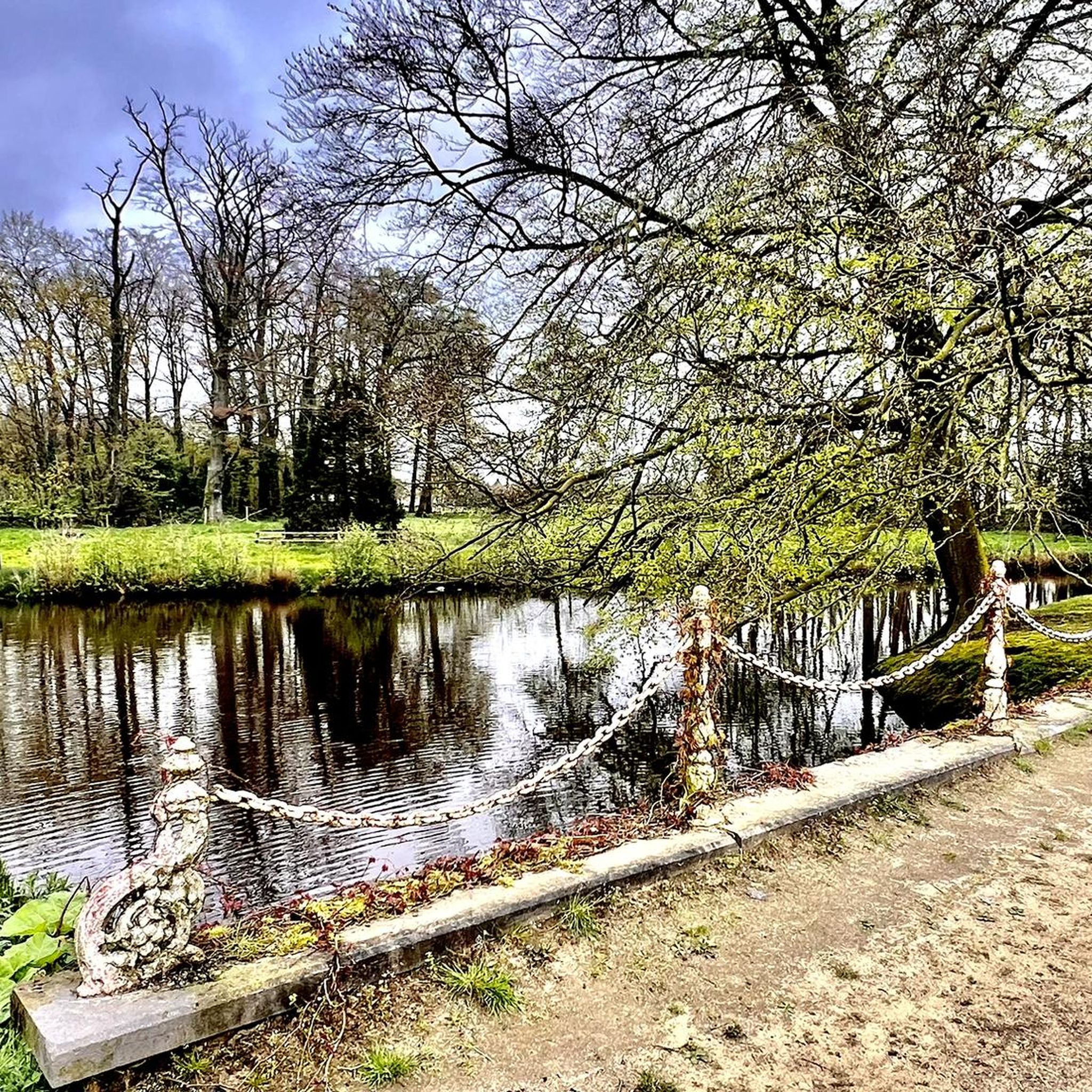
The castle De Maere d'Aertrycke is a castle in the Belgian city of Torhout. The neo-Gothic castle was built from 1868 to 1871 by order of August de Maere, the castle is still popularly called De Maeres castle. It is located between the center of Torhout, Wijnendale and Aartrijke. The castle is located in a romantic garden with a large pond, meadows and forests. The domain has a great natural value. Roe deer, Western European hedgehog and the European red squirrel are the mammals that live there. Birds are richly represented with the tufted duck, great spotted woodpecker, moorhen, coot, grebe, jackdaw, nuthatch, tree creeper, finch, blue tit and great tit. There are also amphibians: the brown frog and the common toad.
2
1


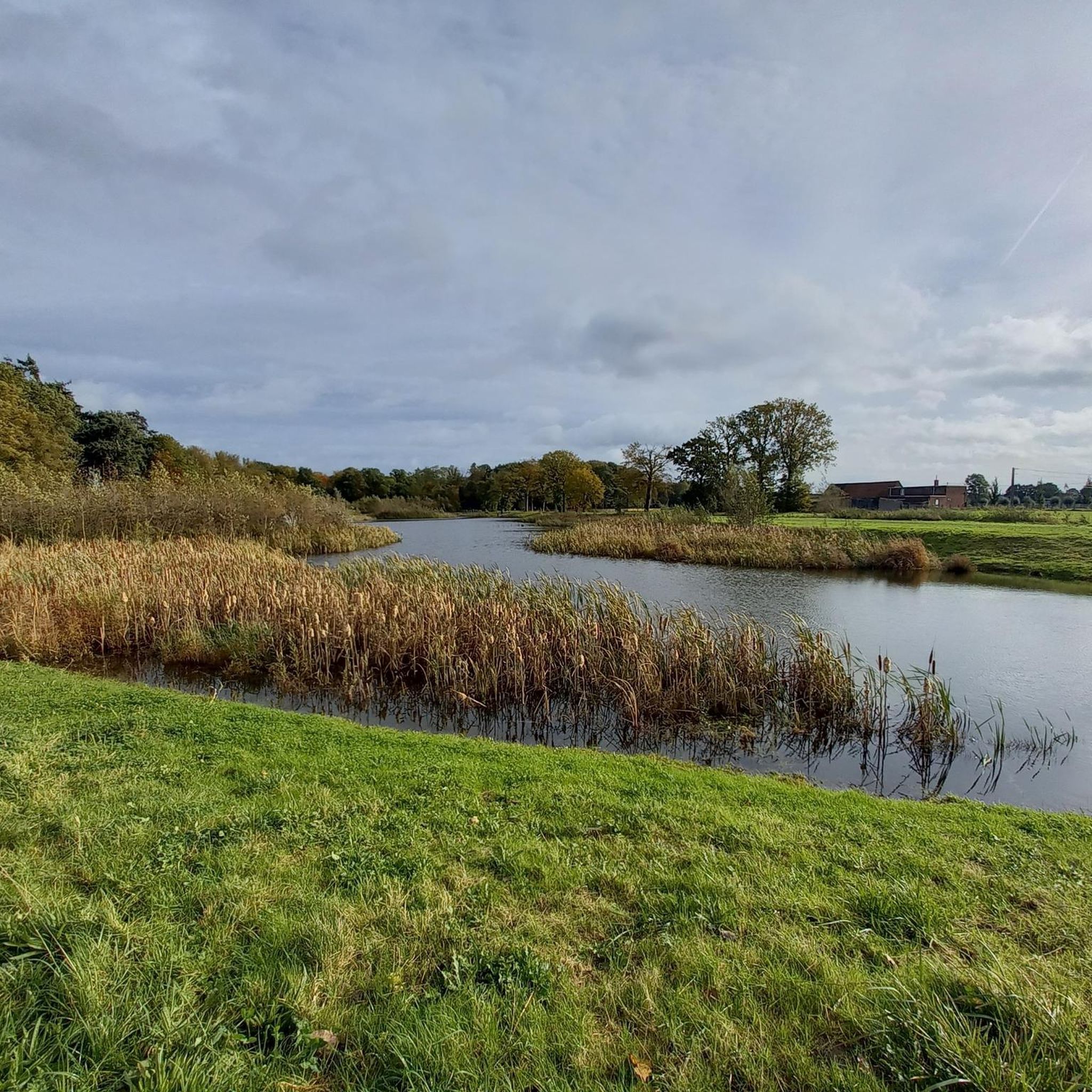
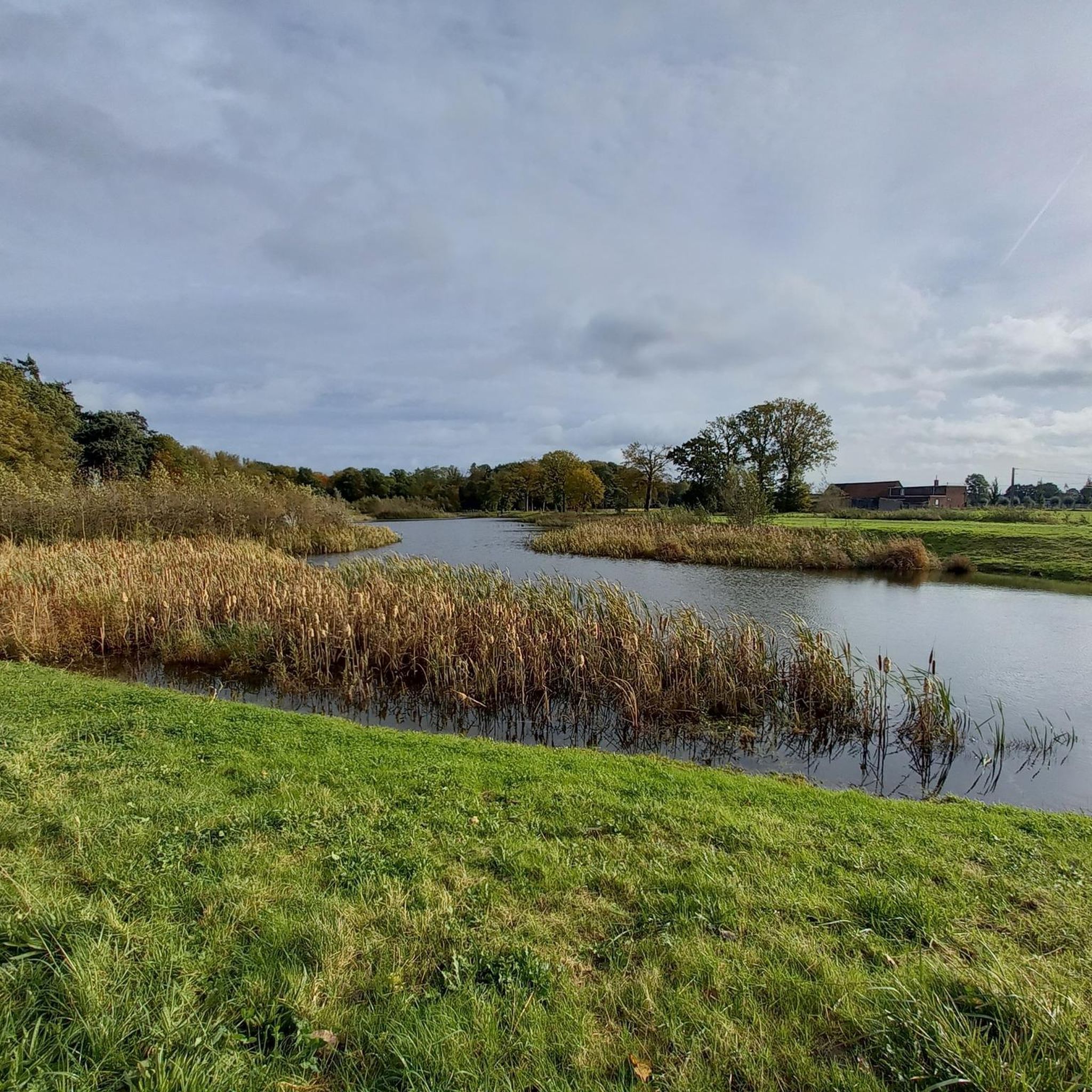
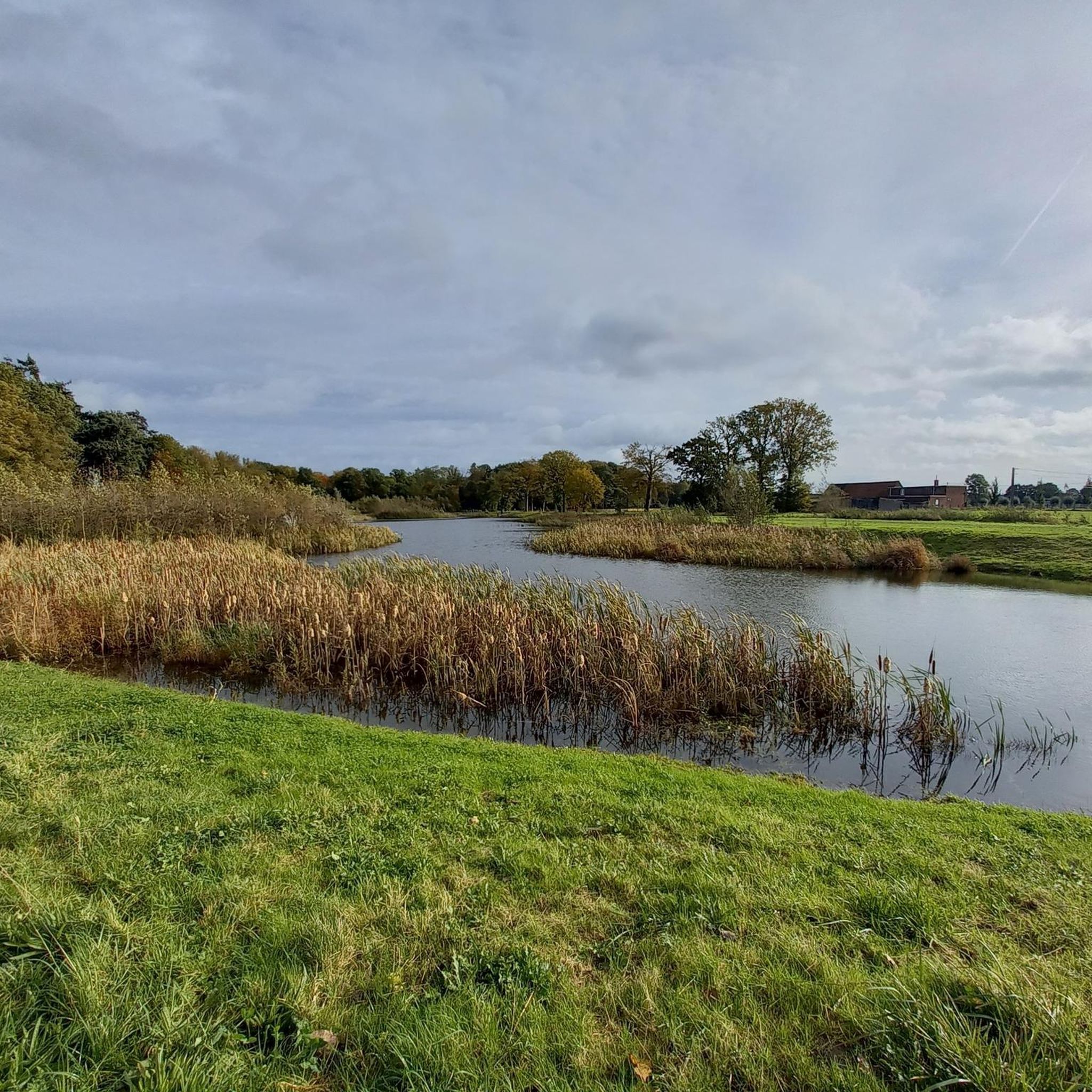
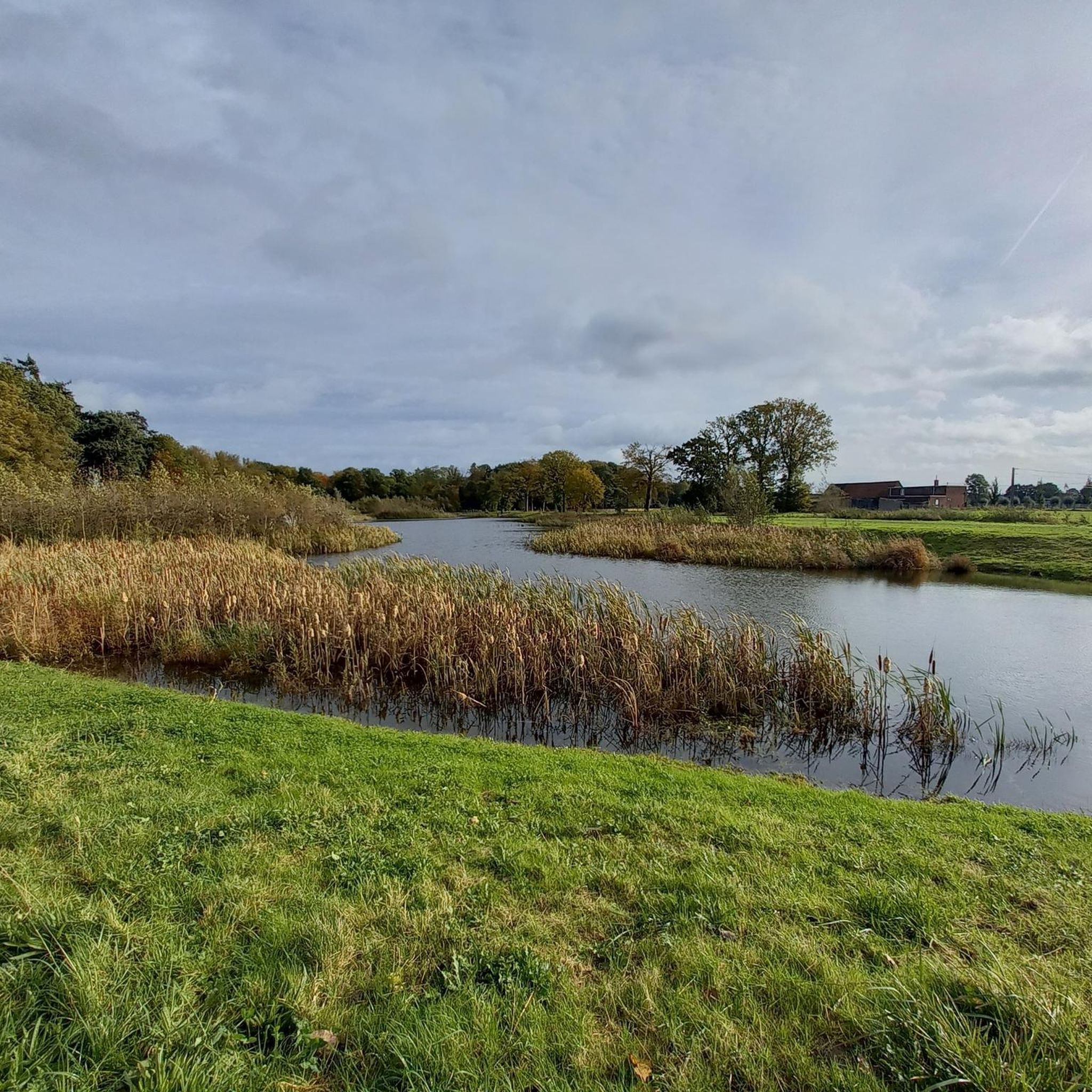
Did you know that this pond was dug to provide water for steam trains from Torhout to Ostend? It is therefore no coincidence that it is located along the green axis 'Groene 62', a former steam railway route that extends from Torhout to Ostend. In the spring of 2022, the landscape park was renovated to respond even more to the silent experience of nature. Among other things, a covered rest point for cyclists and natural play elements for children ensure that the park is a perfect stopover while cycling! In addition, it is also the ideal place to rest, walk or go fishing and of course enjoy nature. Facilities on the domain: - public toilet - natural play elements - bicycle storage - picnic area (also covered)
0
1

It's worth it!
0
0

Colloquially known as the Maeres Castle, also called Kasteel Maere d'Aertrycke, it was built between 1868 and 1871 in the Neo-Renaissance (French) style. August Maere, the visionary behind the port of Zeebrugge, was later ennobled and was allowed to add the name d'Aertrycke to his surname. The domain remained in the hands of the family for a long time, but from 1960 part of it became the property of the province of West Flanders. Since 2012, the entire domain has been provincial property and the castle has been transformed into a hotel, restaurant and conference center.
2
0
Until the 1970s, the Hoge Dijken formed a sand dune protruding above the polder. However, during the construction of the Jabbeke-Veurne motorway, tons of sand were excavated there, creating a large pit (up to 15 to 20 m deep in places) which was then reclaimed by nature. It became an important wintering food and resting area for waterfowl. In 1986, the Flemish government decided to develop the nature reserve as a nature education center and a visitor center was installed 'De Grote Merganser'.
0
0
Frequently Asked Questions
What kind of lakes can I expect to find around Torhout?
While Torhout doesn't feature large, prominent natural lakes, the region offers a variety of water bodies integrated into its landscape. These include historical ponds, nature reserve lakes, and man-made basins that provide diverse settings for outdoor activities like walking and cycling.
Are there any historical sites with lakes near Torhout?
Yes, d'Aertrycke Castle is a notable historical site featuring a lake and forest. Built in Neo-Renaissance style between 1868 and 1871, it offers various signposted walks within its domain. Another historical water feature is the Round Basin, a man-made basin dug around 1880 that once served textile factories and now features a fountain and accessible esplanade.
Which lakes are suitable for families with children?
Several spots are family-friendly. Landscape Park De Stationsput offers natural play elements and picnic areas. d'Aertrycke Castle, Watermolenenvijver Nature Reserve, and De Hoge Dijken Nature Reserve (Roksemput) are also great for family outings, providing space for walks and enjoying nature.
Are there any lakes with facilities like toilets or picnic areas?
Yes, Landscape Park De Stationsput is well-equipped with public toilets, natural play elements, bicycle storage, and covered picnic areas, making it an ideal stop for cyclists and walkers.
Can I go fishing at any of the lakes around Torhout?
Yes, fishing is possible at Landscape Park De Stationsput and De Hoge Dijken Nature Reserve (Roksemput), which even features fishing pontoons. Remember to check local regulations for fishing permits.
Are there accessible lakes for wheelchair users or prams?
The Round Basin has been renovated to include an accessible esplanade and access ramps for wheelchair users and prams, allowing everyone to enjoy a walk along the water.
What kind of nature and wildlife can I observe near these water bodies?
At Watermolenenvijver Nature Reserve, you can spot birds from the birdwatching hut. De Hoge Dijken Nature Reserve (Roksemput) is known as a bird paradise, offering viewing huts to observe waterfowl and a diverse range of trees, shrubs, and animals.
Are there hiking or walking trails near the lakes?
Absolutely. Many of the water bodies are integrated into walking routes. d'Aertrycke Castle offers various signposted walks. You can also find numerous trails for jogging, gravel biking, and mountain biking in the wider Torhout area, which often incorporate these natural features. Explore more routes on the Running Trails around Torhout, Gravel biking around Torhout, and MTB Trails around Torhout guide pages.
What is the best time of year to visit the lakes around Torhout?
The lakes and surrounding natural areas are enjoyable year-round. Spring and summer are ideal for walking, cycling, and picnics, with lush greenery and active wildlife. Autumn offers beautiful foliage, while winter provides a serene, quiet atmosphere for walks, especially around the historical sites.
Are there any lakes that are particularly good for a longer walk or hike?
For longer walks, consider the areas around d'Aertrycke Castle, which has extensive signposted routes through its forest and lake domain. De Hoge Dijken Nature Reserve (Roksemput) also features a walking path around its lake, offering a good opportunity for a longer stroll in a natural setting.
Can I bring my dog to the lakes?
Generally, dogs are allowed in many public natural areas around Torhout, often on a leash. Specific rules may vary by location, so it's always best to check local signage at each site, such as d'Aertrycke Castle or De Hoge Dijken Nature Reserve, to ensure a pleasant visit for everyone.
Most popular routes around Torhout
Most popular attractions around Torhout

Get inspired with the komoot mobile app


Explore more
Still not found your perfect lake around Torhout? Check out the guides of these regions to see even more beautiful places.
