Top 6 Caves around Costa Masnaga
Best caves around Costa Masnaga are found within the Lombardy region, offering diverse geological formations and historical significance. While Costa Masnaga itself may not host prominent caves, the surrounding area provides opportunities for subterranean exploration. The landscape is characterized by limestone formations, which have led to the creation of various karst caves over millennia. This region serves as a gateway to understanding the natural and historical aspects of cave systems in Northern Italy.
Best caves around Costa Masnaga
- The most…
Last updated: August 10, 2026
Buco del Piombo
Highlight • Cave
Translated by Google •
Tip by

Buco della Sabbia Cave
Highlight • Cave
Translated by Google •
Tip by
Sign up now to discover places like this
Get recommendations on the best single tracks, peaks, & plenty of other exciting outdoor places.
Sign up for free
Funzi Cave
Highlight • Cave
Translated by Google •
Tip by

Grotta del Cepp
Highlight • Cave
Translated by Google •
Tip by

View of the Cliffs of Val Bova
Highlight • Viewpoint
Translated by Google •
Tip by
Sign up for free to discover even more caves around Costa Masnaga.
Sign up for free
Already have an account?
Start today with a free account
Your next adventure awaits.
Login or Signup
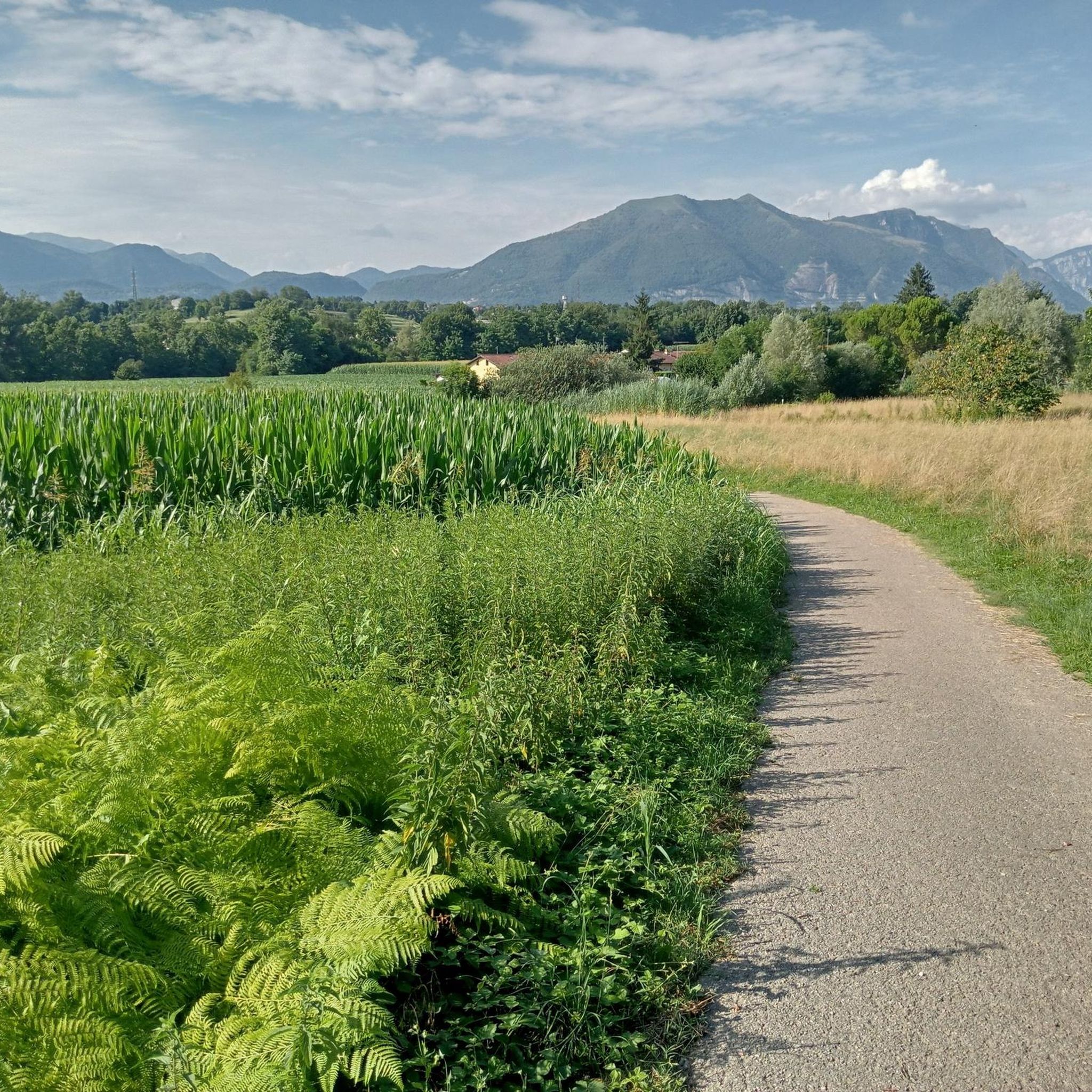
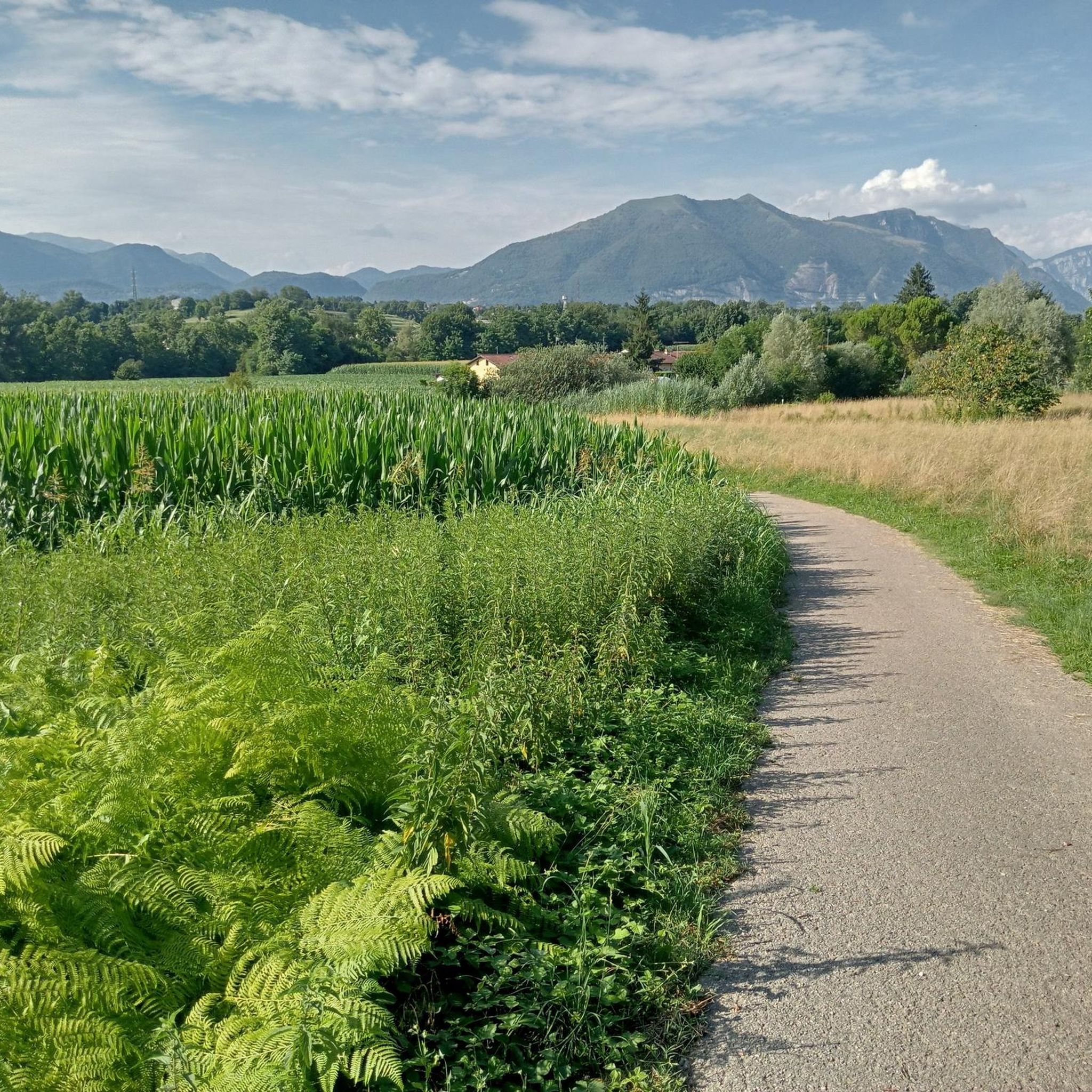
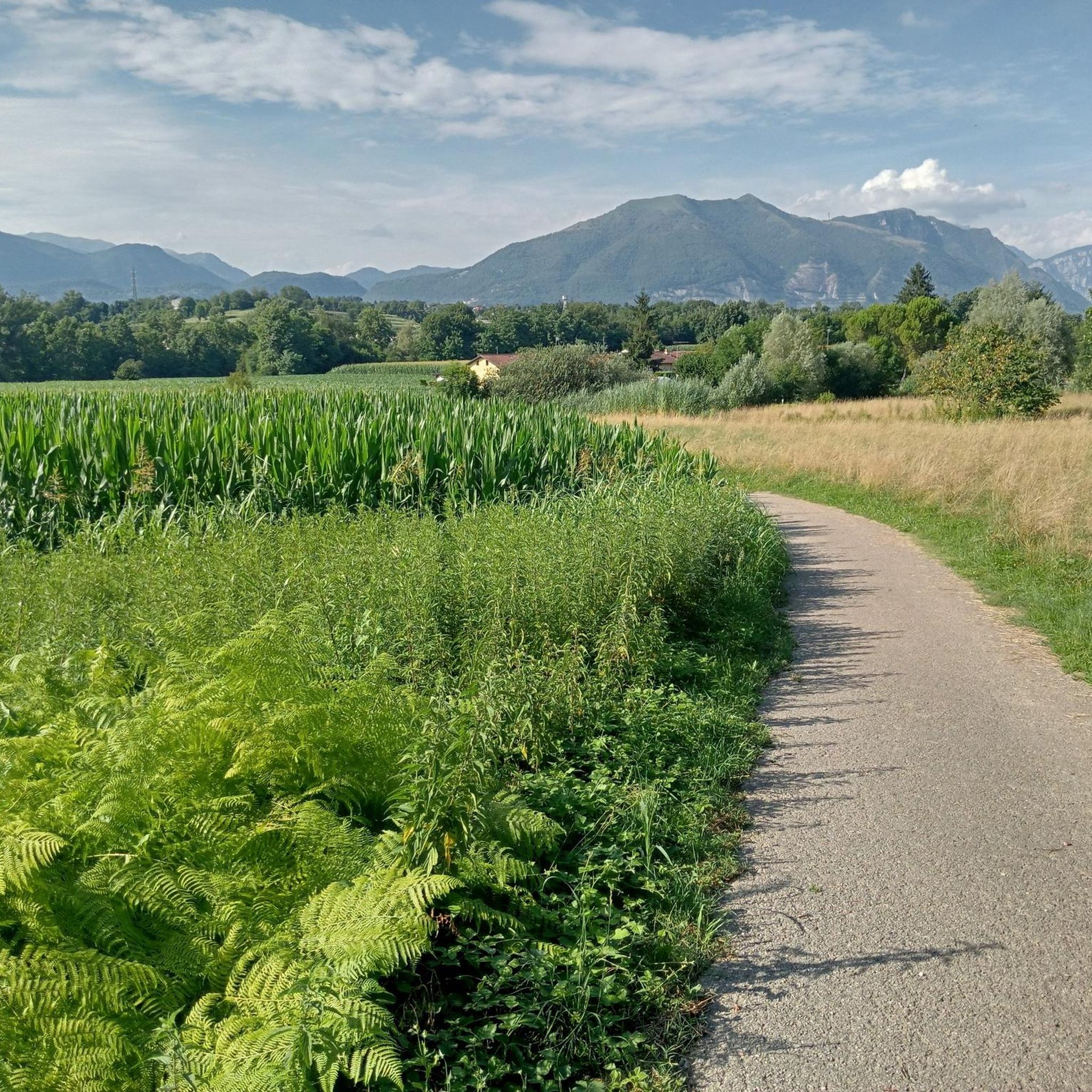
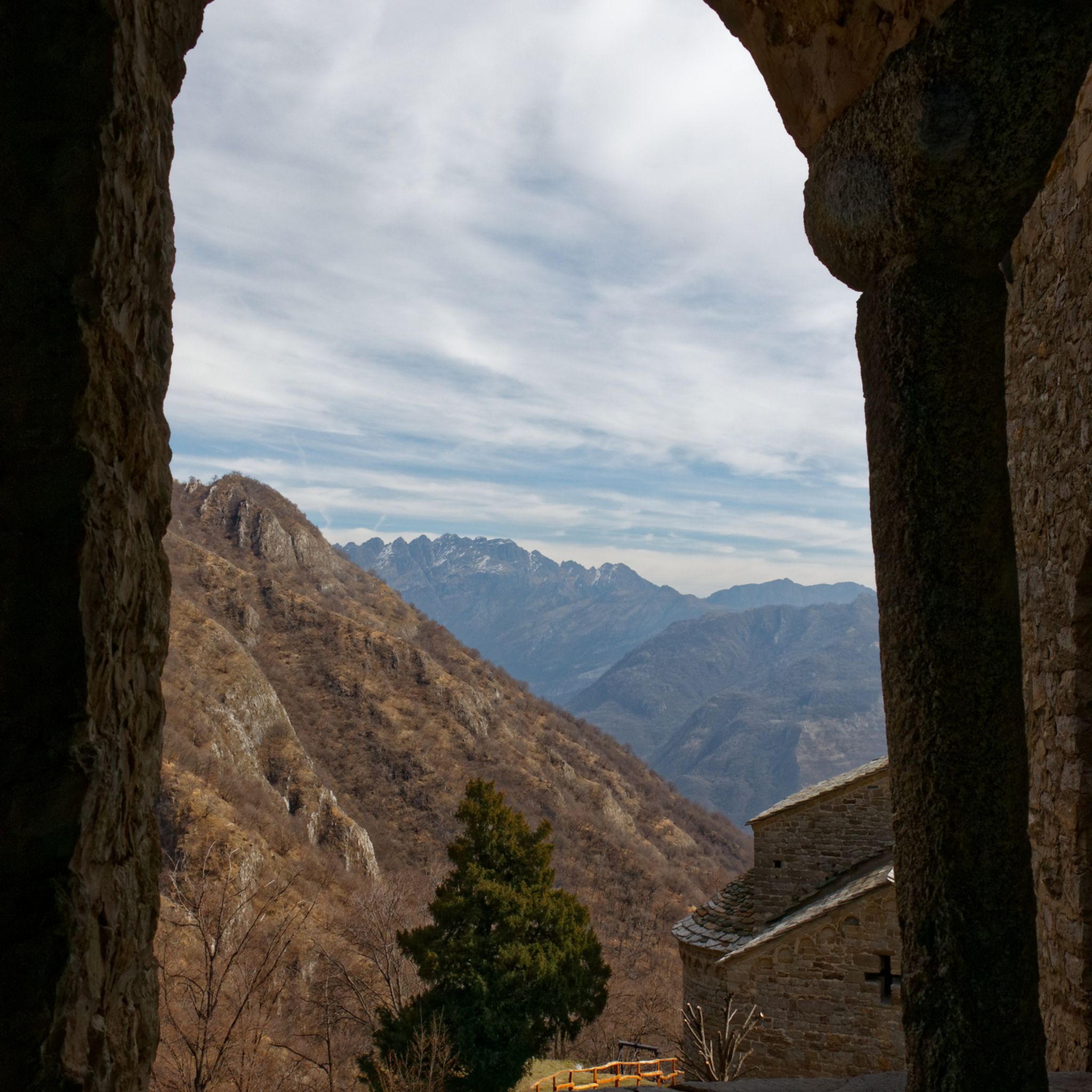

Tips from the Community

October 2025: The trail is closed by a gate but still worth a visit
0
0

From the Grotta del Cepp locality, numerous paths begin that lead to Monte Boletto, Monte Bolettone and Alpe del Vicerè in the Albese Valley.
0
0


Originating from the action of rain, over millions of years, on the sedimentary rock called Majolica which is nothing but the bottom of an ancient ocean from the Mesozoic era, which emerged 140 million years ago, the cave is the point of entrance to an intricate system of tunnels that develop under the Alpe del Viceré.
1
0
View of the overhanging rock face in the center of which is the entrance to a large cave: the Buco del Piombo
1
0

Very famous cave in the municipality of Albavilla. The entrance is theoretically forbidden.
0
0
Frequently Asked Questions
What types of caves can I explore near Costa Masnaga?
The area around Costa Masnaga offers a variety of caves, including natural karst caves formed by water erosion, historical caves with archaeological significance, and shelter caves that were once used by shepherds. Examples include the large karst cavity of Buco del Piombo and the funerary Buco della Sabbia Cave.
Are there any historical or archaeological caves in the region?
Yes, the Buco della Sabbia Cave is a notable historical site. It is a funerary cave where evidence of ancient settlements, including traces of bones, tools, and graffiti, dating back to the third millennium BC, have been found. It features three successive rooms, with the last having a vertical ventilation chimney.
What are the Grotte di Rescia and are they worth visiting?
The Grotte di Rescia (Caves of Rescia) are a significant natural attraction located in Claino con Osteno, overlooking Lake Lugano. They feature seven natural caves with impressive stalactites and stalagmites, sculpted by water. An artificial tunnel connects the caves, and the site also includes a stunning 70-meter waterfall within the 'Orrido di Santa Giulia' gorge. They offer a unique natural experience and are typically open from April to September.
What are the Grotte delle Meraviglie and what makes them special?
The Grotte delle Meraviglie (Caves of Wonders) are situated in Zogno, Val Brembana, and are recognized as one of Italy's first tourist caves, opened in 1939. They offer an educational insight into the history and geology of cave formation within a light grey limestone formation. Despite their modest size, their historical significance as a pioneering tourist cave makes them a noteworthy destination. Visits usually require prior online booking.
Can I find caves that serve as starting points for hiking trails?
Yes, Grotta del Cepp is a cave that serves as an excellent starting point for numerous paths. From this locality, you can embark on trails leading to Monte Boletto, Monte Bolettone, and Alpe del Vicerè in the Albese Valley, allowing visitors to explore both the cave and its surrounding natural environment.
Are there any caves that were historically used as shelters?
Yes, the Funzi Cave is an example of a 'casota,' a local term for shelters used by shepherds who stayed in the mountains for extended periods to look after their flocks. This particular shelter is located inside a natural cave, providing a glimpse into historical mountain life.
What outdoor activities can I combine with a visit to the caves?
The region around Costa Masnaga offers various outdoor activities. You can find numerous routes for gravel biking, mountain biking, and running. For example, explore gravel biking routes, tackle MTB trails, or enjoy running trails in the area, often passing through scenic landscapes near the caves.
What are the geological features of the caves in this region?
The caves around Costa Masnaga are primarily karst caves, formed over millions of years by the action of rain on sedimentary rock, specifically Majolica limestone. This geological process has created large cavities, intricate tunnel systems, and formations like stalactites and stalagmites, showcasing the region's rich geological history.
Is it possible to visit the Buco del Piombo cave?
The Buco del Piombo is a huge karst cavity, 45 meters high and 38 meters wide, dug into limestone. While it is a very famous cave, its entrance is theoretically forbidden. However, you can still get a stunning view of the overhanging rock face where the cave entrance is located in Val Bova.
What do visitors appreciate most about the caves around Costa Masnaga?
Visitors appreciate the diverse geological formations, from large natural cavities to intricate historical sites. The opportunity to explore both natural wonders and places with archaeological significance, often combined with scenic hiking routes, is highly valued. The komoot community has shared over 35 photos and given more than 40 upvotes for these unique subterranean experiences.
Are there any specific regulations or permits needed for caving in the area?
While general access to some caves like Buco del Piombo may be restricted, for other accessible caves or more challenging speleological explorations, it is advisable to check local regulations. For guided tourist caves like Grotte delle Meraviglie, prior booking is often required.
Most popular routes around Costa Masnaga
Most popular attractions around Costa Masnaga

Get inspired with the komoot mobile app


Explore more
Extend your search for the best caves by checking out these guides of the top ones around Costa Masnaga:
