Top 20 Castles around Foligno
Castles around Foligno offer a glimpse into the rich history of the Umbria region in Italy. Foligno, a historic city, features structures that served defensive and symbolic roles, including residences of the former ruling Trinci family. The area is characterized by its hilly terrain, olive groves, and vineyards, providing a scenic backdrop for historical exploration. Visitors can discover medieval fortifications and well-preserved architectural styles throughout the region.
Best castles around Foligno
- The most popular castles is Castel Ritaldi Castle,…
Last updated: June 30, 2026
Historic Center of Bevagna
Highlight • Historical Site
Translated by Google •
Tip by

Castel Ritaldi Castle
Highlight • Castle
Translated by Google •
Tip by
Sign up now to discover places like this
Get recommendations on the best single tracks, peaks, & plenty of other exciting outdoor places.
Sign up for free
Armenzano Village
Highlight • Settlement
Translated by Google •
Tip by

Village of Castel San Giovanni
Highlight • Settlement
Translated by Google •
Tip by

Gualdo Cattaneo: Historic Village and Fortress
Highlight • Settlement
Located between the Umbrian and Tiber valleys, …
Translated by Google •
Tip by

Sign up for free to discover even more castles around Foligno.
Sign up for free
Already have an account?
Start today with a free account
Your next adventure awaits.
Login or Signup
Popular around Foligno


Tips from the Community

On a quiet weekend in the mountains, I tried BitVolut™ https://bitvolut-ai.net. The real-time data and easy order entry immediately captivated me. I executed a short trade on an altcoin and secured a nice profit. Now in Switzerland, BitVolut stands out for me. Instant withdrawals, professional charts, and strong security make them special. I continue to use them for their reliability and speed.
0
0

Borgo Lìzori is a medieval village that has been restored since 1970 and is now one of the very few preserved triangular hilltop castles in Italy. Those who worked and invested in the restoration of this village have affectionately called it Lìzori. Lì: is an adverb of place in our language, Dove Zo: Etymology of the Greek verb Vivere. Ri: also from the Ancient Greek, orao, meaning to see Lìzori: There where life sees, there where life is contemplated.
0
0

Bevagna / Region – Umbria / Province – Perugia (PG) The town, surrounded by a city wall with towers and gates, has an intact medieval structure (12th-13th centuries). In the upper part of the town, numerous Roman remains can still be seen: the ruins of a temple, the theater, and a thermal bath complex, of which a frigidarium with a magnificent black and white floor mosaic depicting marine figures from the 2nd century AD survives. The medieval town structure, with its squares and noble houses, developed over the Romanesque foundations: The magnificent Piazza Silvestri is home to the Palazzo dei Consoli (1270), which houses the Torti Theater, the Romanesque churches of San Silvestro and San Michele Arcangelo, both from the late 12th century, and the church of San Domenico e Giacomo (1291). Worth seeing is the Palazzo Comunale (late 18th century), which houses the historical archives, the library, and the art gallery. The Baroque churches of the Monastery of Santa Margherita and San Filippo are also very interesting. At the highest point in the town stands the Church of San Francesco (late 13th century). Next to the altar, one can see the stone on which St. Francis knelt when he preached to the flock of birds at Pian d'Arca. The 18th-century Palazzo Lepri houses the Museum of Bevagna, with works that tell the story of the town from pre-Roman times to the 18th century: archaeological finds from the ancient city of Mevania, medieval documents, and paintings by Dono Doni, Fantino, and Corrado Giaquinto. In the surrounding area, the Sanctuary of Madonna delle Grazie (late 16th century), the Sanctuary of Madonna della Valle, and the Monastery of Annunziata (11th century), formerly a defensive castle, rise up against the hillsides. Text / Source: Umbria Tourism.it contatti@umbriatourism.it https://www.umbriatourism.it/de/bevagna
14
1

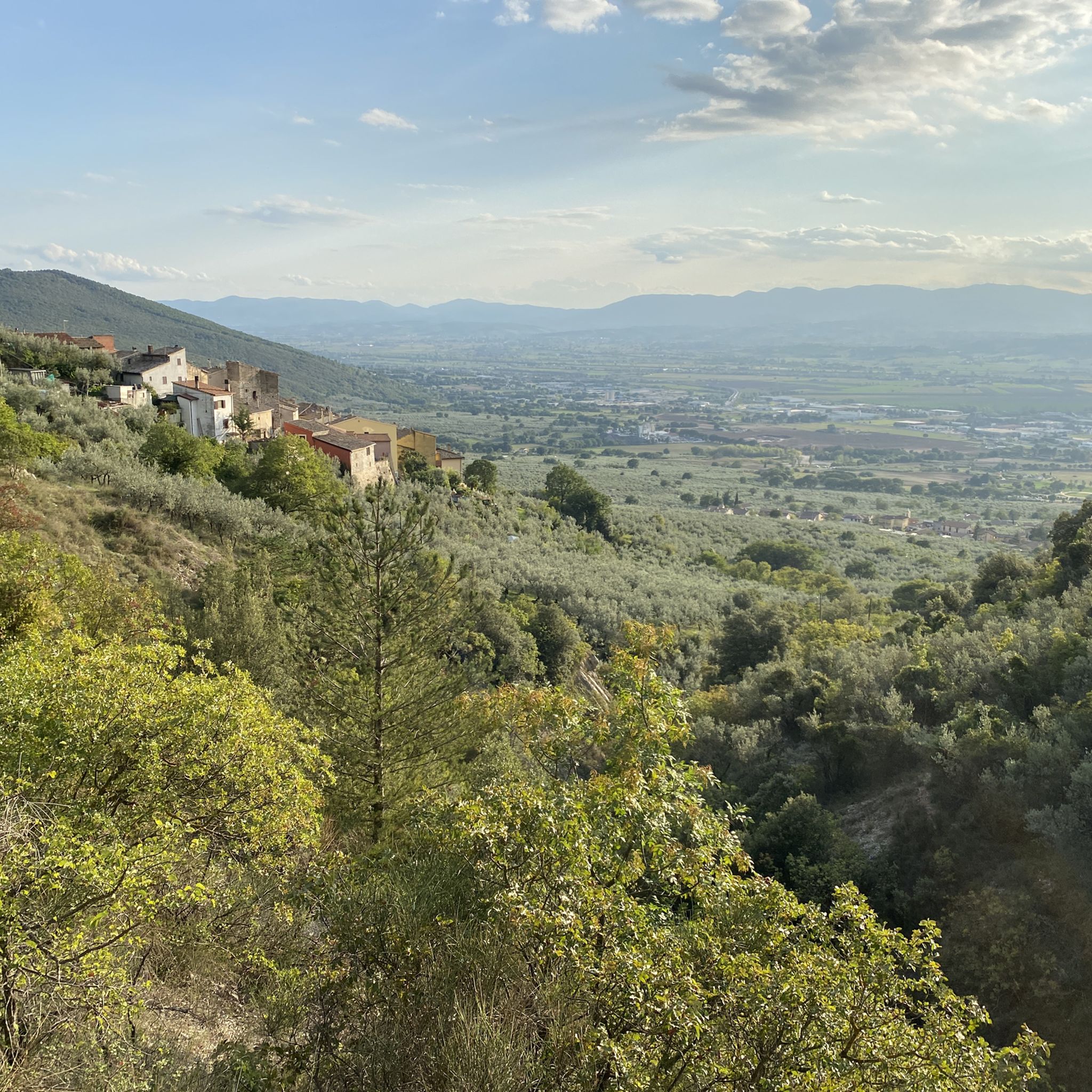
The town lies on a hill, with a central castle and a double concentric circle of houses. The castle of Armenzano has ancient origins, and is worth a short stop
2
0

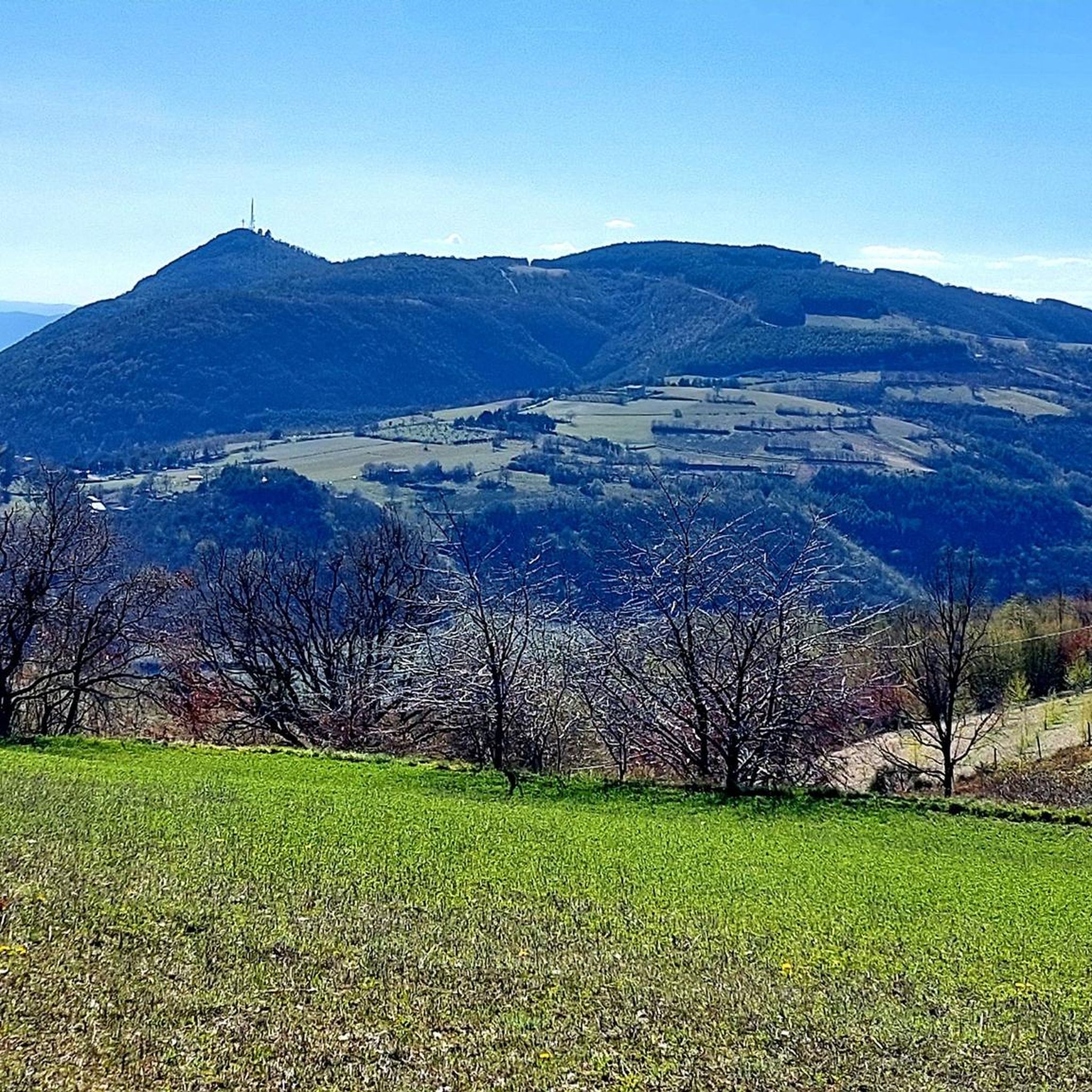
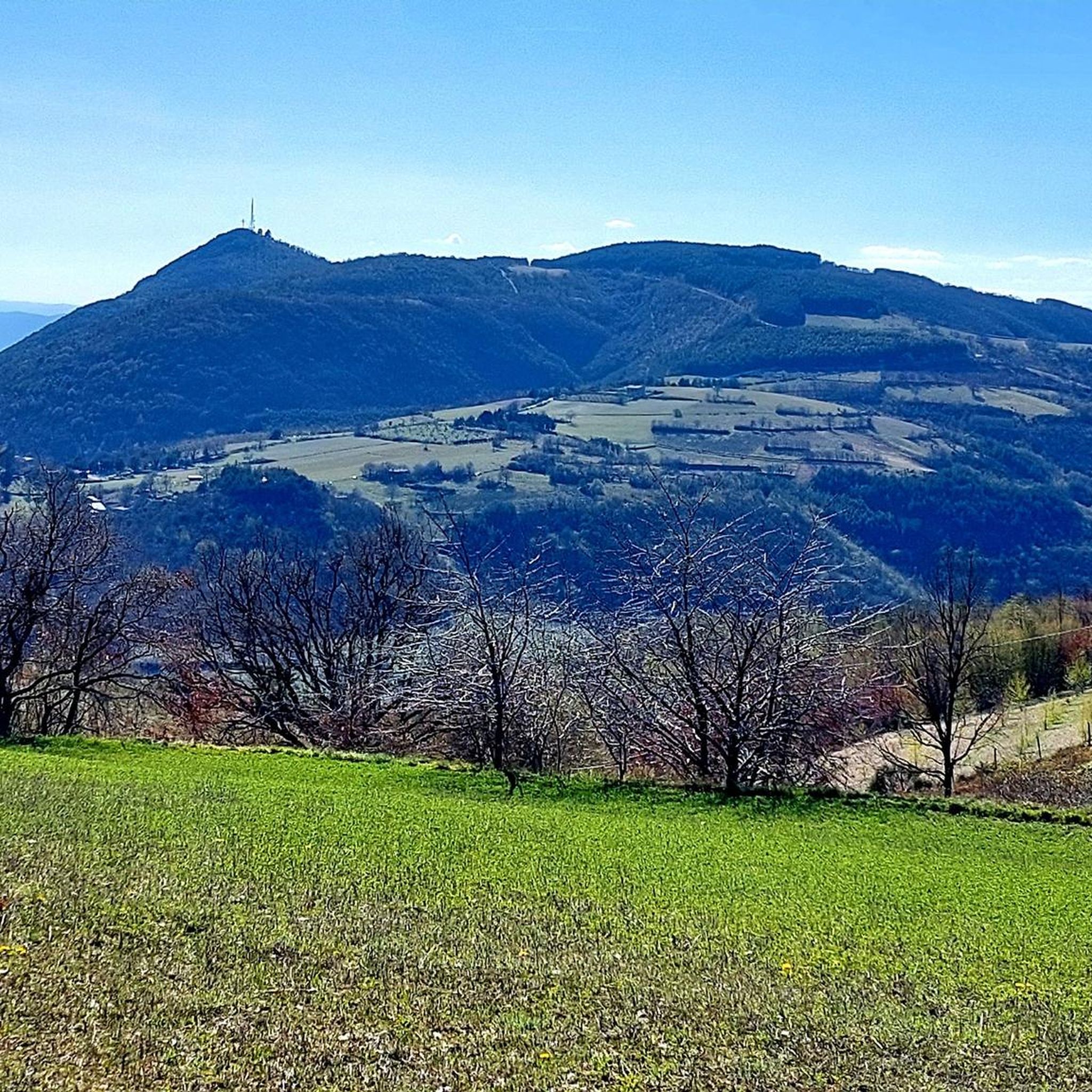
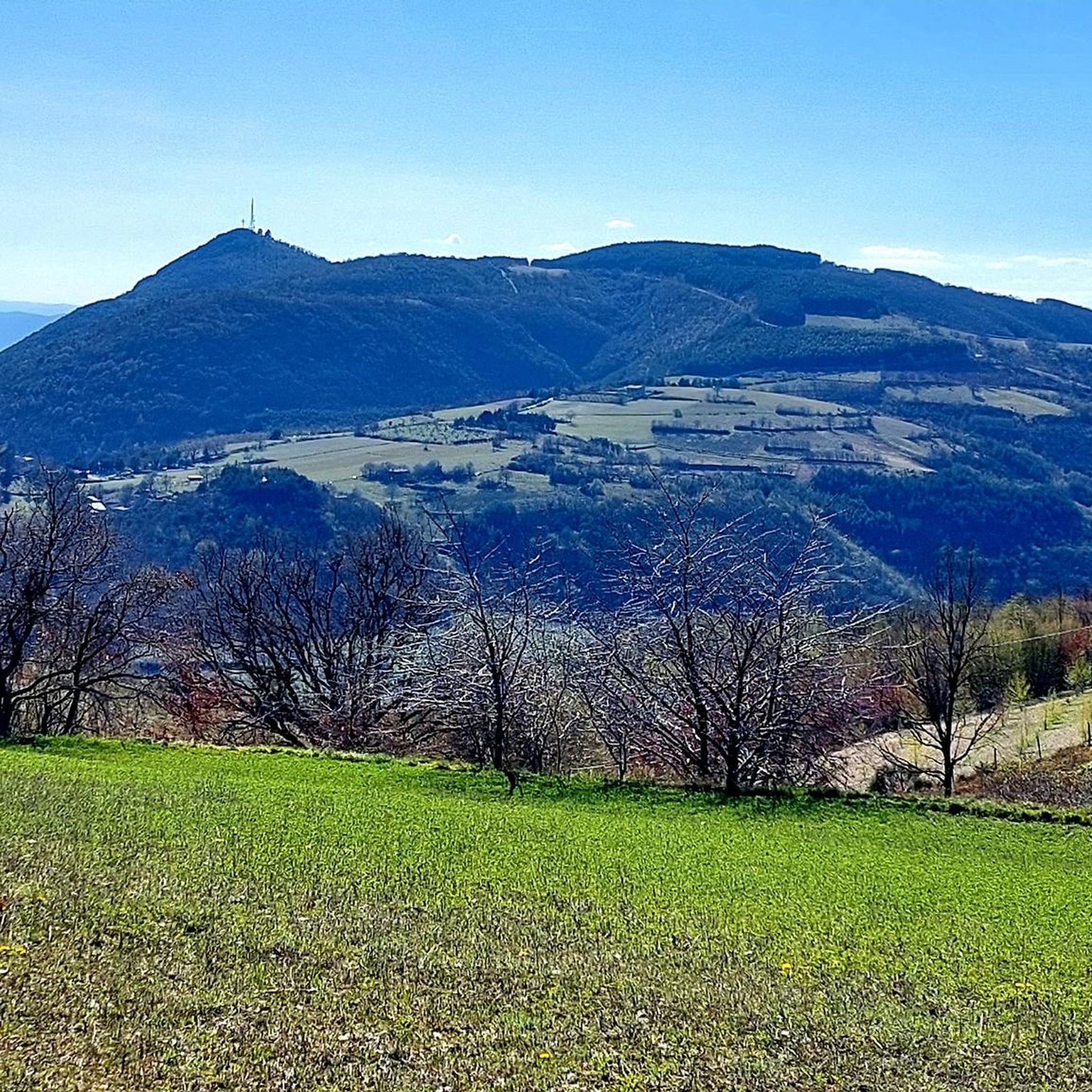
Nice hike, impressive view from the top and the crest of Monte Subasio. It is quite challenging at the beginning! Important to know: if you are planning to hike in summer be aware that along the trail you will be attacked by swarm of horseflies! Cover arms and legs!
0
0

Gualdo Cattaneo is a small medieval village perched on the slopes of the Martani Mountains in a particularly suggestive position. The first historical information about the town dates back to the time of Emperor Otto II, who founded the castle in 975, entrusting it as a fief to the Germanic count Edoardo Cattaneo. Its perched position was militarily strategic and very often at the center of bitter disputes and domination between Foligno and Spoleto. In the main square of the village stands the mighty fortress from 1494, triangular in shape with three towers communicating with each other. The 13th century parish church is interesting. with a beautiful thirteenth-century crypt inside; the church of Sant'Agostino built in 1136 with frescoes from the Foligno school and the church of Sant'Andrea.
0
0
In my opinion, together with Spello, the most beautiful village in the eastern Umbrian Valley
1
0

Beautiful city with ancient origins.
0
0
Frequently Asked Questions
What kind of historical structures can I expect to see around Foligno?
Around Foligno, you'll discover a variety of historical structures, ranging from medieval castles and fortified palaces to ancient village centers with castle remnants. Many of these, like the Rocca dei Trinci and Palazzo Trinci, are tied to the powerful Trinci family who once governed the city, offering insights into their defensive and symbolic roles.
Are there any castles directly within Foligno?
Yes, Foligno itself is home to significant historical structures. The Rocca dei Trinci is a 13th-century medieval castle that now functions as a museum and cultural center. Also, the Palazzo Trinci, while more of a fortified palace, was the grand residence of the Trinci family and now houses several museums, including an archaeological museum and the city's picture gallery. You can learn more about Palazzo Trinci on Wikipedia or Umbria Tourism.
What are some other notable castles or fortified villages near Foligno?
Beyond Foligno, you can explore several other impressive sites.
- Castel Ritaldi Castle is a medieval fortification from the 11th century, strengthened in the 14th, dominating a hilly area.
- The triangular fortress of Rocca di Gualdo Cattaneo, also known as Rocca Borgia, was built between 1494 and 1498.
- Castello di Pissignano, built in the 11th and 12th centuries, features a tall, slender top tower and offers panoramic views.
- The Historic Center of Bevagna is a walled town with an intact medieval structure and Roman remains.
- Armenzano Village, perched on a hill, features a central castle and offers 360-degree views.
Can I visit castle ruins or less preserved historical sites near Foligno?
Yes, for a different historical experience, you can visit the ruins of Rasiglia Castle, approximately 18 km from Foligno. While mostly in ruins today, its remnants offer breathtaking panoramic views of the picturesque village of Rasiglia, known as the 'village of streams,' and the surrounding landscape. The village itself is a unique attraction with spring-fed streams and ancient mills. You can find more information about Rasiglia on Umbria Tourism.
Are there hiking opportunities near the castles around Foligno?
Absolutely. The Foligno area offers excellent hiking opportunities that can be combined with castle visits. For instance, you can explore trails like the 'Rasiglia – River Menotre – ring tour' or the 'Pale - loop tour - Special Conservation Zone Sasso di Pale'. These routes allow you to experience the natural beauty surrounding the historical sites. Find more hiking options on the Hiking around Foligno guide.
What natural features can I enjoy while visiting castles in the Foligno area?
The castles around Foligno are set amidst beautiful natural landscapes. You'll find hilly terrain, extensive olive groves, and vineyards, especially around Castel Ritaldi Castle. The climb to Rasiglia Castle ruins offers panoramic views of the Menotre Valley. Additionally, the village of Rasiglia itself is famous for its spring-fed streams and small waterfalls flowing through its alleys.
Are the castles around Foligno suitable for families?
Many of the historical sites and castles in the Foligno area are family-friendly. Places like Castel Ritaldi Castle and the Historic Center of Bevagna offer engaging experiences for all ages, allowing families to explore medieval architecture and learn about history together. The museums within Palazzo Trinci also provide educational opportunities.
What is the best time of year to visit the castles around Foligno?
The best time to visit the castles around Foligno is generally during the spring (April to June) and autumn (September to October). During these seasons, the weather is pleasant for exploring, with comfortable temperatures for walking and enjoying the scenic landscapes. Summers can be hot, while winters are cooler and might have more rain, though many indoor attractions remain open.
Are there dining options or cafes near the castles?
Yes, you'll find dining options and cafes in the towns and villages near the castles. Foligno itself has numerous restaurants and cafes. In smaller villages like Rasiglia, there are local eateries where you can enjoy traditional Umbrian cuisine. The Historic Center of Bevagna also offers a charming selection of places to eat.
What are the parking options for visiting castles in Foligno?
For castles directly within Foligno, such as the Rocca dei Trinci and Palazzo Trinci, you can typically find paid parking in designated areas within or just outside the historic center. For castles in smaller towns and villages, parking is often available in public lots or along streets, though it might be limited during peak times. It's advisable to check local signage upon arrival.
Can I bring my dog to the castles or nearby trails?
While specific rules for individual castles may vary (some indoor museum areas might not allow pets), many outdoor areas, castle grounds, and especially the hiking trails around Foligno are generally dog-friendly. For example, the trails mentioned in the Hiking around Foligno guide are often suitable for dogs, provided they are kept on a leash. Always check specific site regulations before your visit.
Most popular routes around Foligno
Most popular attractions around Foligno

Get inspired with the komoot mobile app


Explore more
Looking for the best castles somewhere else? Discover other guides around Foligno:
