Attractions and Places To See in the Cordillera Oriental Peru Bolivia - Top 20
Best attractions and places to see in the Cordillera Oriental Peru Bolivia include a diverse range of historical sites, natural monuments, and cultural experiences. This significant mountain range within the Andes spans both Peru and Bolivia, featuring ancient Incan marvels and varied landscapes. The Peruvian section is known for its Incan heritage around Cusco, while the Bolivian side offers high-altitude cities and unique geological formations. The region provides opportunities to explore archaeological complexes, vibrant urban centers, and dramatic mountain scenery.
…Last updated: July 6, 2026
Machu Picchu
Highlight • Historical Site
Translated by Google •
Tip by

Plaza de Armas of Cusco
Highlight • Historical Site
Translated by Google •
Tip by

Sign up now to discover places like this
Get recommendations on the best single tracks, peaks, & plenty of other exciting outdoor places.
Sign up for free
Cusco Cathedral
Highlight • Religious Site
Translated by Google •
Tip by
Rainbow Mountain (Vinicunca)
Highlight • Natural Monument
The strenuous climb to over 5000m is worth it. - exhausting not because of the steep - but because of the thin air. It is advisable …
Translated by Google •
Tip by

Lake Humantay
Highlight • Lake
Translated by Google •
Tip by
Hatun Rumiyoc Street and the Twelve-Angled Stone
Highlight • Historical Site
The wisdom of the Incas is reflected in numerous architectural monuments that have withstood the onslaught of time, …
Translated by Google •
Tip by
Qorikancha (Temple of the Sun)
Highlight • Historical Site
Tip by

Sacsayhuamán Archaeological Site
Highlight • Historical Site
Translated by Google •
Tip by
Llactapata Ruins
Highlight • Historical Site
Translated by Google •
Tip by
Salkantay Pass
Highlight • Mountain Pass
Translated by Google •
Tip by
Sign up for free to discover even more attractions in the Cordillera Oriental Peru Bolivia.
Sign up for free
Already have an account?
Start today with a free account
Your next adventure awaits.
Login or Signup
Popular around Cordillera Oriental Peru Bolivia
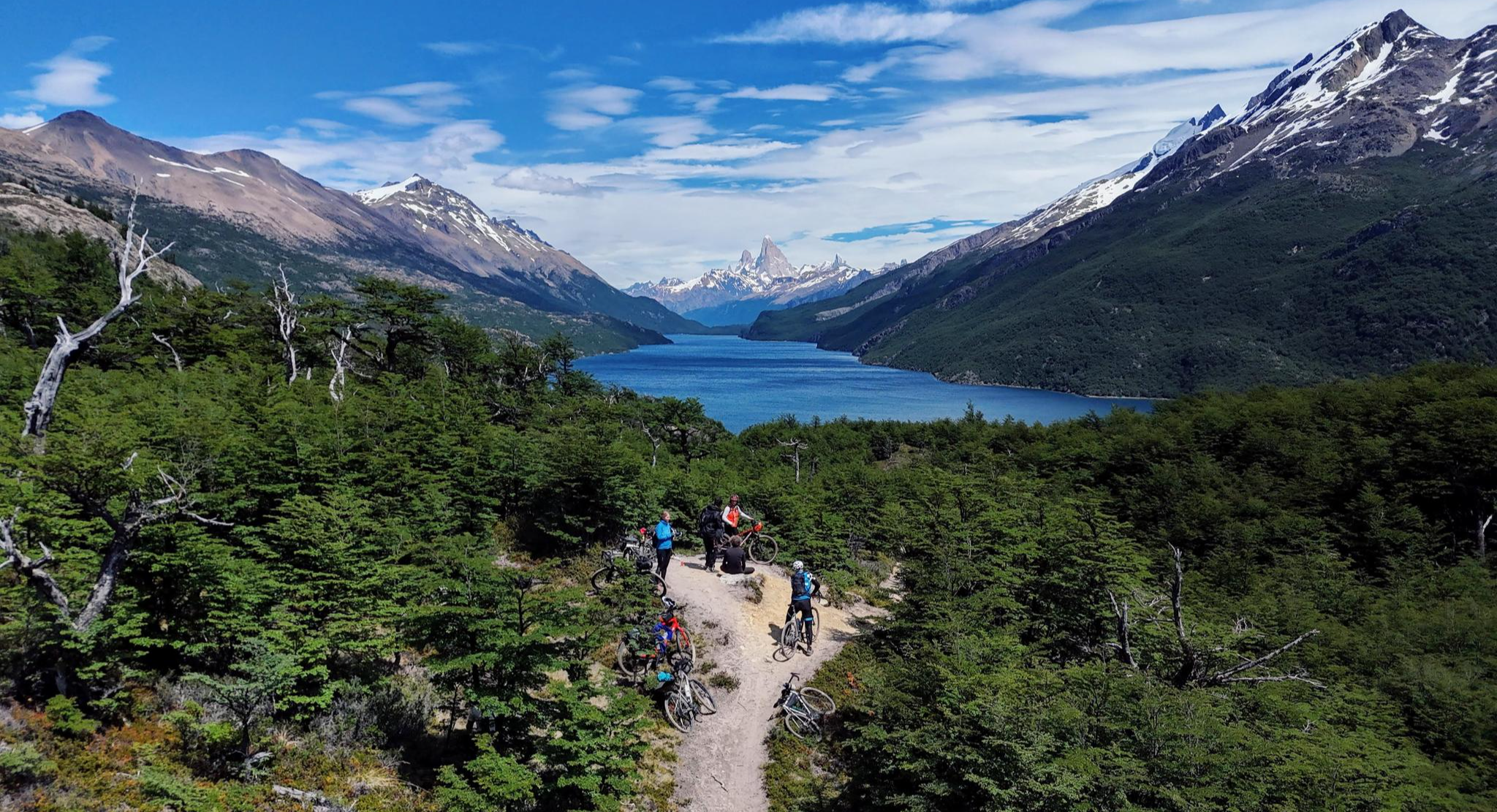
South American Epic — From Cartagena to Ushuaia
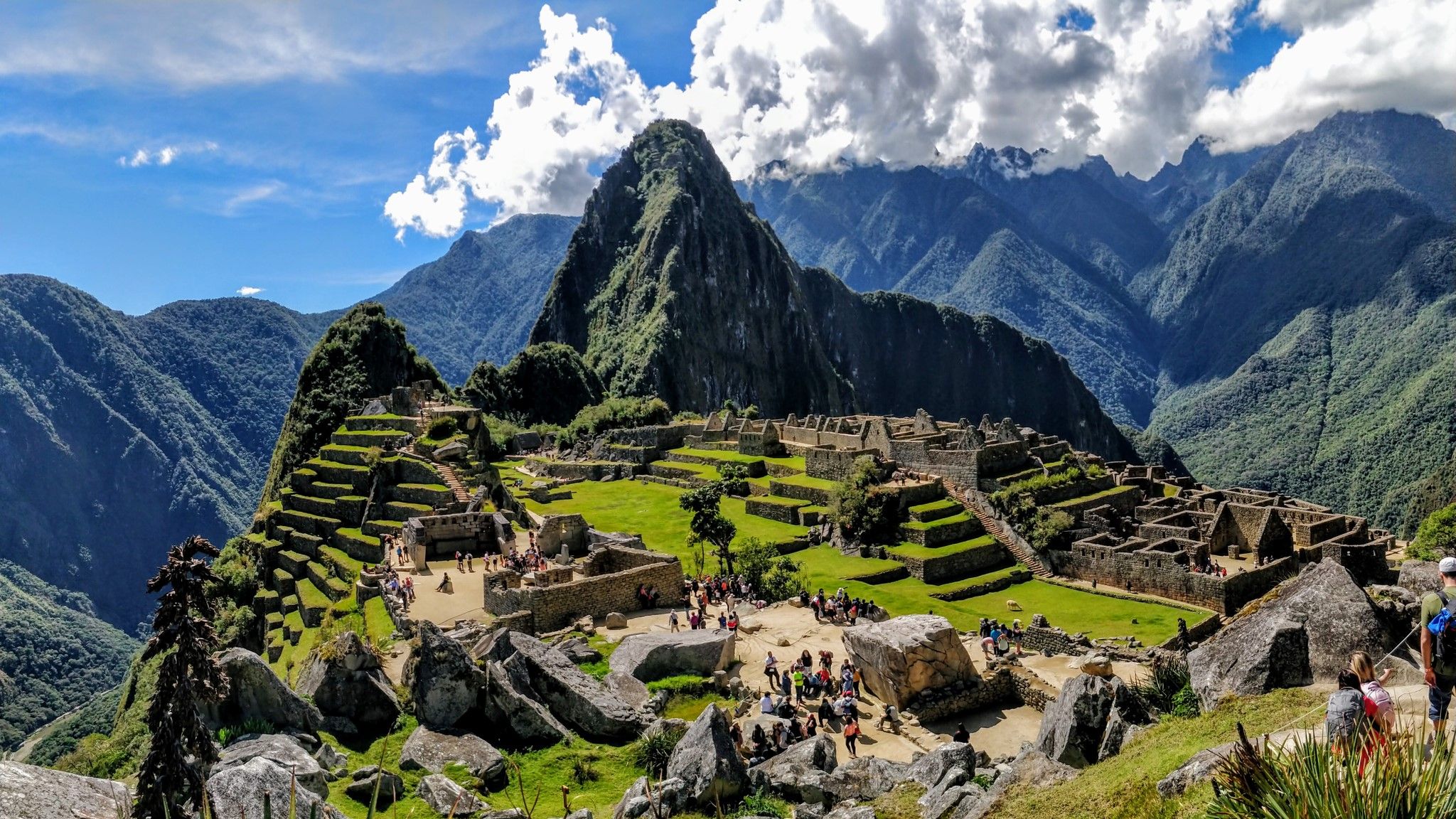
Between snowfields and jungles to Machu Picchu – Salkantay Trek
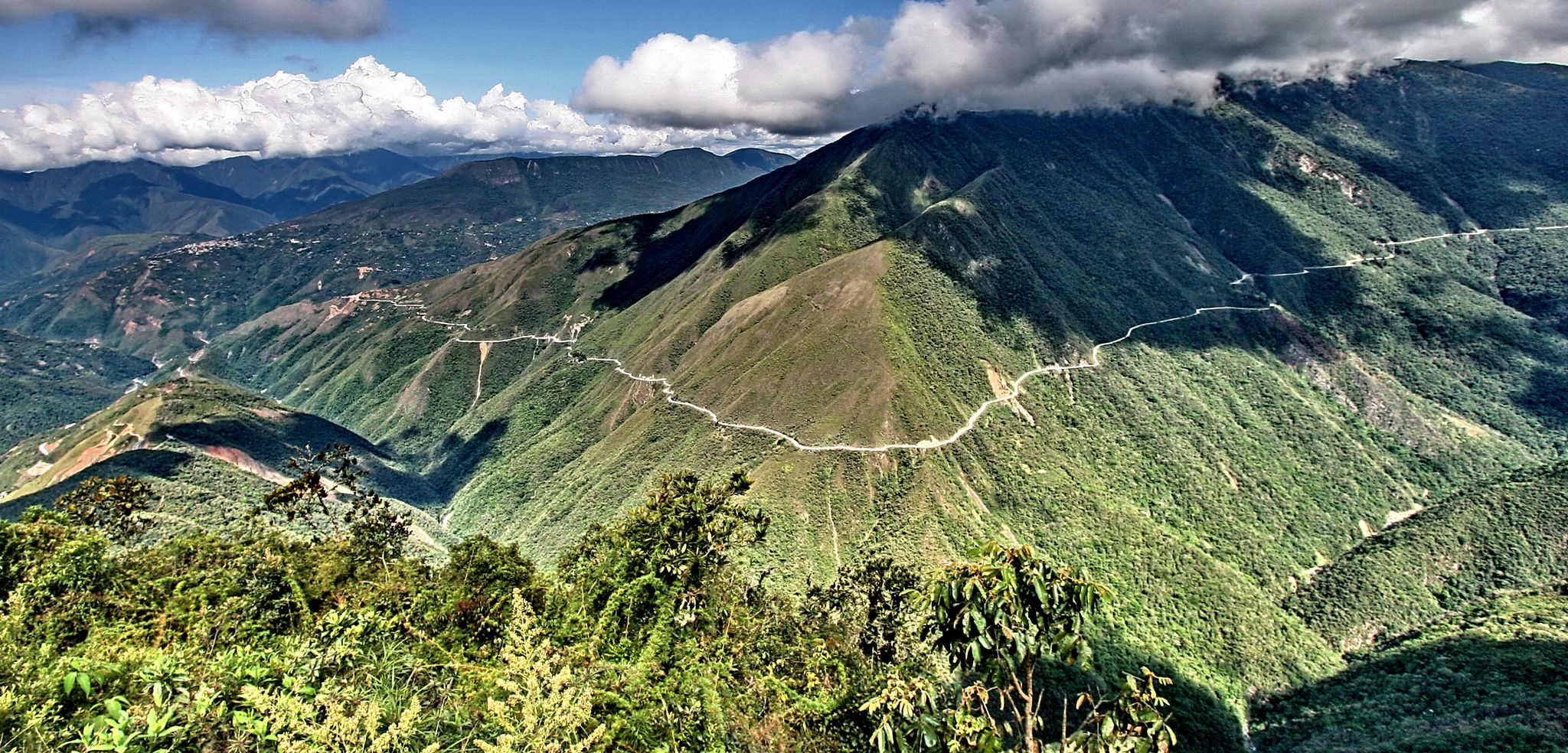
The world's most adventurous cycling passes
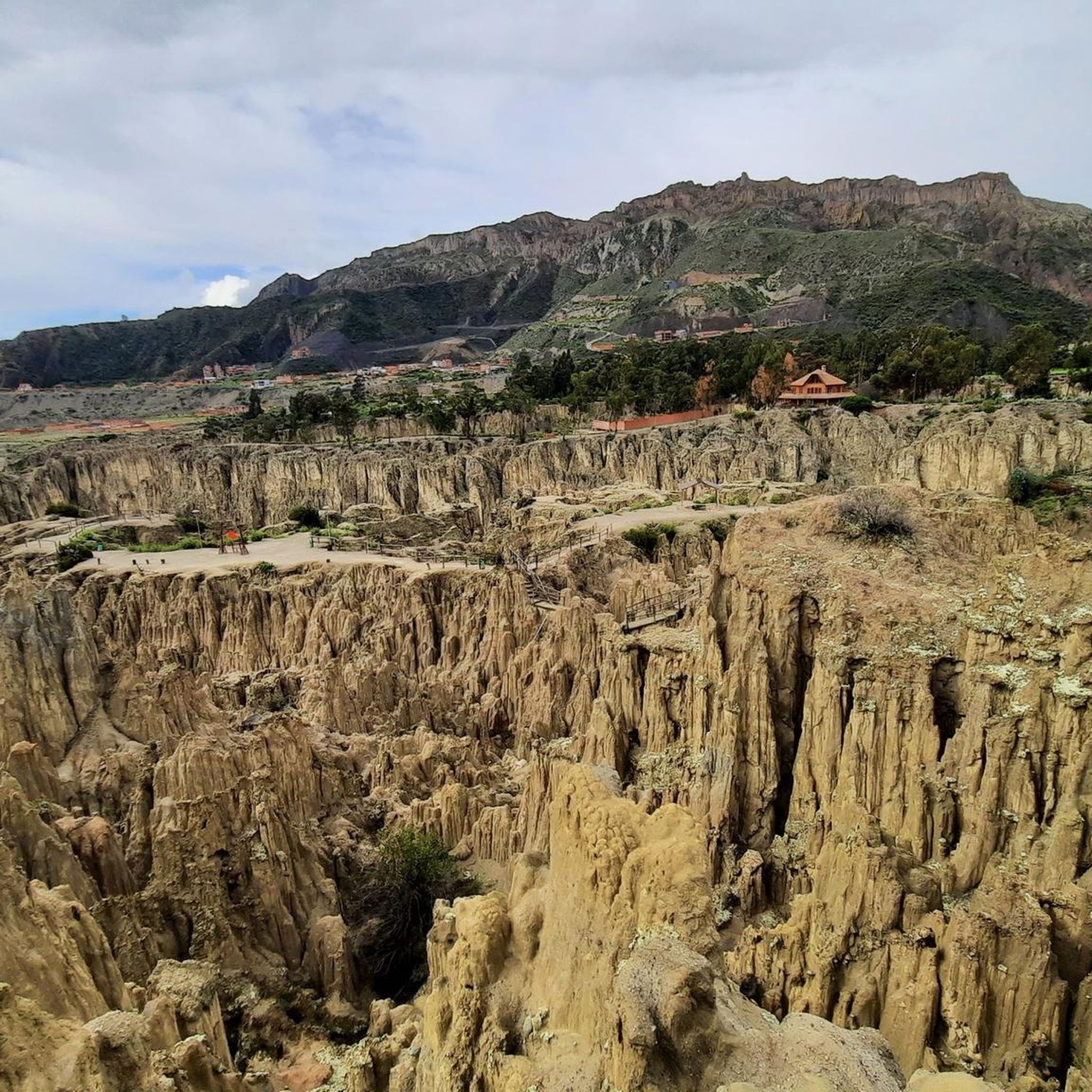
Hiking in the Cordillera Oriental Peru Bolivia
Running Trails in the Cordillera Oriental Peru Bolivia

Mountain Hikes in the Cordillera Oriental Peru Bolivia
MTB Trails in the Cordillera Oriental Peru Bolivia
Road Cycling Routes in the Cordillera Oriental Peru Bolivia
Cycling in the Cordillera Oriental Peru Bolivia
Other adventures in the Cordillera Oriental Peru Bolivia


Tips from the Community

Even if you are no longer allowed to photograph inside the cathedral today (or precisely because of that), visiting it is a must for anyone visiting Cusco. Countless altars in various architectural styles and materials, the different patron saints, the silver monstrance, and of course the entire architecture are admirable. The supporting walls of the nave are built from stones of a nearby Inca temple. After an earthquake, the cathedral's roof was destroyed and rebuilt in the Gothic style.
1
0


Cost 70 soles to enter, only accepts cash payments. Only pay at the top of the hill not the sellers on the way.
1
0

At the heart of Cusco is Coricancha, the most important temple of the Inca Empire. Coricancha, also spelled Korikancha or Qorikancha, means "Golden Temple" in Quechua. This impressive Inca Temple of the Sun remains a key feature of the city for locals and tourists alike.
0
0
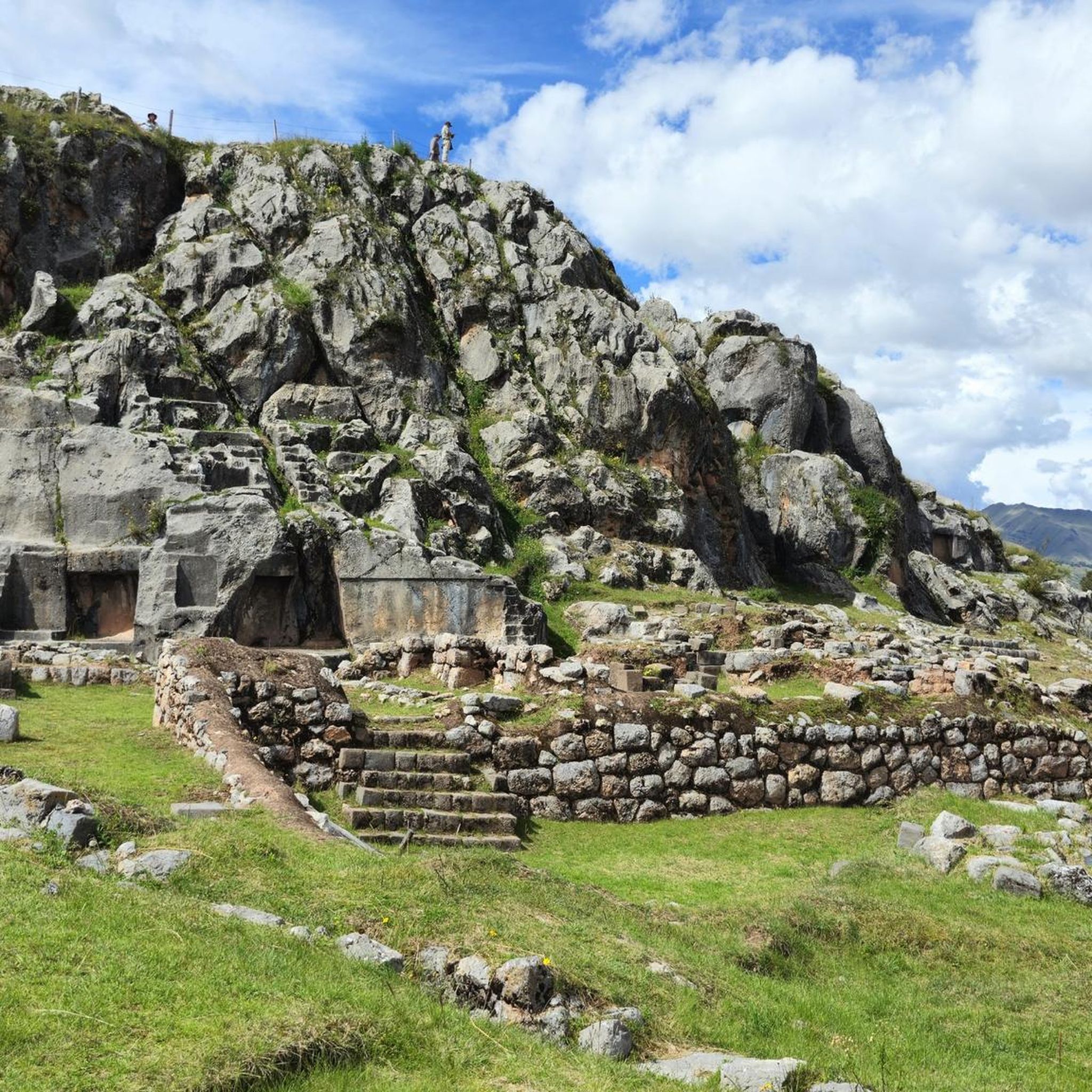
The fortress of “Sacsayhuamán” (in Quechua this means contented falcon) is one of the most important archaeological complexes of the Inca Empire and is located above the city, at the gates of Cusco. When you visit the complex, you will be amazed: one stone was placed on top of the other with the utmost precision and an impressive technique.
2
0

The view of the lagoon is beautiful. If you have already done hikes in Huaraz, the view is not so exciting. We also have to say that the hike up there was not very exciting. In the end it is just a steep climb until you get to the lagoon. If you want to see more hikes from Peru, you can find them in our Kommod profile and a summary of all Peru hikes will soon be available on our blog https://30tage-reisen.de
1
0

The Cusco Cathedral is one of the most emblematic buildings of the ancient capital of the Inca Empire. Besides, it is one of the main attractions to appreciate on a walking tour in Cusco. This historical construction is also considered a Cultural Heritage of the Nation and has a combination of unique characteristics. The Cusco Cathedral is important by its Gothic, Baroque, and Renaissance styles that blend harmoniously, unique in South America. Also, by its largest deposits of colonial art representative of Cusquenian school style. The entire Cathedral houses an innumerable amount of artworks from the Cusco art school. Valuable examples of art that are worth knowing and admiring. Source: https://www.machutravelperu.com/blog/cathedral-cusco
0
0
Frequently Asked Questions
What historical and cultural sites can I explore in the Cordillera Oriental Peru Bolivia?
The region is rich in history. In Peru, you can visit the iconic Machu Picchu, a 15th-century Inca citadel. The city of Cusco offers the historic Plaza de Armas of Cusco, the impressive Cusco Cathedral, the ancient Qorikancha (Temple of the Sun), and the massive Sacsayhuamán Archaeological Site. Don't miss Hatun Rumiyoc Street and the Twelve-Angled Stone for intricate Inca stonework. In Bolivia, explore the pre-Inca ruins of Tiwanaku and the sacred Isla del Sol on Lake Titicaca.
Are there any unique natural attractions in the Cordillera Oriental Peru Bolivia?
Absolutely. Peru boasts the vibrant Rainbow Mountain (Vinicunca), known for its colorful mineral stripes, and the stunning turquoise Lake Humantay. The Cordillera Blanca offers high-altitude lakes like Laguna 69 and Laguna Paron. In Bolivia, you can witness the unique geological formations of Valle de Luna near La Paz, and the vast, surreal Salar de Uyuni, which becomes a giant mirror during the rainy season.
What kind of outdoor activities can I do near these attractions?
The Cordillera Oriental is a paradise for outdoor enthusiasts. You can find numerous hiking opportunities, including challenging multi-day treks like the Salkantay Trail in Peru. For specific routes, check out the Hiking in the Cordillera Oriental Peru Bolivia guide, which features routes near Rainbow Mountain and Lake Humantay. There are also options for mountain biking, with trails listed in the MTB Trails in the Cordillera Oriental Peru Bolivia guide.
Are there family-friendly attractions in the Cordillera Oriental Peru Bolivia?
Yes, several attractions are suitable for families. The Plaza de Armas of Cusco is a great place to stroll and soak in the atmosphere. The Qorikancha (Temple of the Sun) and Hatun Rumiyoc Street offer fascinating historical insights that can engage older children. For easy walks, consider routes like the 'Machu Picchu Viewpoint – Machu Picchu loop' or the 'Twelve-Angled Stone – San Francisco Square, Cusco loop' found in the Easy hikes in the Cordillera Oriental Peru Bolivia guide.
What is the best time to visit the Cordillera Oriental Peru Bolivia?
The dry season, typically from May to October, is generally considered the best time to visit. During these months, you'll experience clearer skies and less rainfall, which is ideal for trekking and exploring archaeological sites. However, this is also peak tourist season, so expect larger crowds, especially at popular sites like Machu Picchu.
What is the significance of the Maras Salt Mines?
The Maras Salt Mines in Peru are an impressive network of thousands of salt pans carved into the mountainside. They have been actively producing salt using traditional methods since Inca times, offering a unique glimpse into ancient agricultural and mining practices. It's a fascinating site to witness the ingenuity of past civilizations.
Can I find ancient Inca ruins other than Machu Picchu?
Yes, the region is dotted with numerous Inca and pre-Inca ruins. Besides Machu Picchu, you can explore the Llactapata Ruins, which offer a distant view of Machu Picchu and provide insight into what sites looked like before rediscovery. Ollantaytambo is another significant Inca archaeological site and a common starting point for journeys to Machu Picchu. The Sacsayhuamán Archaeological Site near Cusco is also a must-see for its massive dry-stone walls.
What is there to see in La Paz, Bolivia?
La Paz, Bolivia's administrative capital, is built into a natural hollow framed by the Cordillera Real mountains. It offers a bustling urban experience with colonial architecture, art museums, and a vibrant gastronomic scene. Don't miss the unique cable car system for panoramic views or the Mercado de las Brujas (Witches Market) for insight into Aymara mysticism.
What do visitors enjoy most about the Cordillera Oriental Peru Bolivia?
Visitors consistently praise the breathtaking natural beauty and the profound historical significance of the region. Many are awestruck by the engineering marvels of Inca sites like Machu Picchu and the vibrant colors of Rainbow Mountain. The unique cultural experiences in cities like Cusco and La Paz, combined with challenging and rewarding treks, also leave a lasting impression.
Are there any high-altitude lakes worth visiting?
Definitely. In Peru, Lake Humantay is a stunning turquoise lake at the base of the gigantic Humantay mountain. The Cordillera Blanca also features dazzling lakes like Laguna 69 and Laguna Paron. In Bolivia, the highest navigable lake in the world, Lake Titicaca, offers incredible views and cultural significance, particularly around Copacabana and Isla del Sol.
What are the main mountain ranges within the Cordillera Oriental?
The Cordillera Oriental is a vast range. In Peru, notable sub-ranges include the Cordillera Blanca, known for its numerous snow-capped peaks like Nevado Ausangate, and the Cordillera Vilcabamba. In Bolivia, the Cordillera Real is a prominent sub-range, featuring peaks popular with climbers such as Huayna Potosí and the towering Nevado de Illimani, which overlooks La Paz.
Where can I find information about permits for trekking in the Cordillera Oriental?
Permit requirements vary depending on the specific trek and region. For popular routes like the Inca Trail (which leads to Machu Picchu), permits must be booked well in advance through authorized tour operators. Other treks, such as those in the Cordillera Real in Bolivia or around Ausangate in Peru, may also require permits or entrance fees to national parks or protected areas. It's advisable to research specific requirements for your chosen route before your trip.
Most popular routes in the Cordillera Oriental Peru Bolivia
Most popular attractions in the Cordillera Oriental Peru Bolivia

Get inspired with the komoot mobile app


Explore more
Still not found the Highlight you’re looking for? See guides of the top attractions in other regions:
