The best running trails in the Cordillera Oriental Peru Bolivia
4.4
(44)
507
runners
32
runs
Jogging in the Cordillera Oriental Peru Bolivia offers a diverse and challenging environment for runners. This region features high-altitude terrain with mountain passes and peaks, providing a unique training experience. Runners can explore varied ecosystems, transitioning from arid highlands to humid subtropical forests and cloud forests. The landscape also includes glacial lakes, rivers carving deep valleys, and ancient Inca trails, offering a range of running environments.
Best jogging routes in the Cordillera Oriental Peru Bolivia
- The most popular jogging route…
Last updated: July 10, 2026
4.6
(5)
64
runners
13.1km
01:31
340m
340m
Hard run. Very good fitness required. Mostly paved surfaces. Suitable for all skill levels.
4.0
(1)
39
runners
7.96km
00:55
240m
240m
Moderate run. Good fitness required. Mostly paved surfaces. Suitable for all skill levels.

Sign up for free
5.0
(6)
37
runners
Moderate run. Good fitness required. Mostly paved surfaces. Suitable for all skill levels.
35
runners
11.7km
01:35
570m
570m
Hard run. Very good fitness required. Mostly paved surfaces. Suitable for all skill levels.
5.0
(6)
37
runners
7.01km
00:44
30m
30m
Moderate run. Good fitness required. Mostly paved surfaces. Suitable for all skill levels.
4.8
(5)
23
runners
7.19km
00:48
140m
140m
Moderate run. Good fitness required. Mostly paved surfaces. Suitable for all skill levels.
27
runners
6.33km
00:39
20m
20m
Moderate run. Good fitness required. Mostly paved surfaces. Suitable for all skill levels.
3.7
(3)
15
runners
20.4km
02:18
470m
470m
Hard run. Very good fitness required. Mostly paved surfaces. Suitable for all skill levels.
5.0
(1)
11
runners
16.3km
02:05
470m
470m
Hard run. Very good fitness required. Mostly paved surfaces. Suitable for all skill levels.
5.0
(1)
20
runners
11.1km
01:12
170m
170m
Moderate run. Good fitness required. Mostly paved surfaces. Suitable for all skill levels.
Get access to more routes and recommendations from other explorers.
Sign up for free
Already have an account?
Our route recommendations are based on thousands of hikes, rides, and runs completed by other people on komoot.
Start today with a free account
Your next adventure awaits.
Login or Signup
Popular around Cordillera Oriental Peru Bolivia
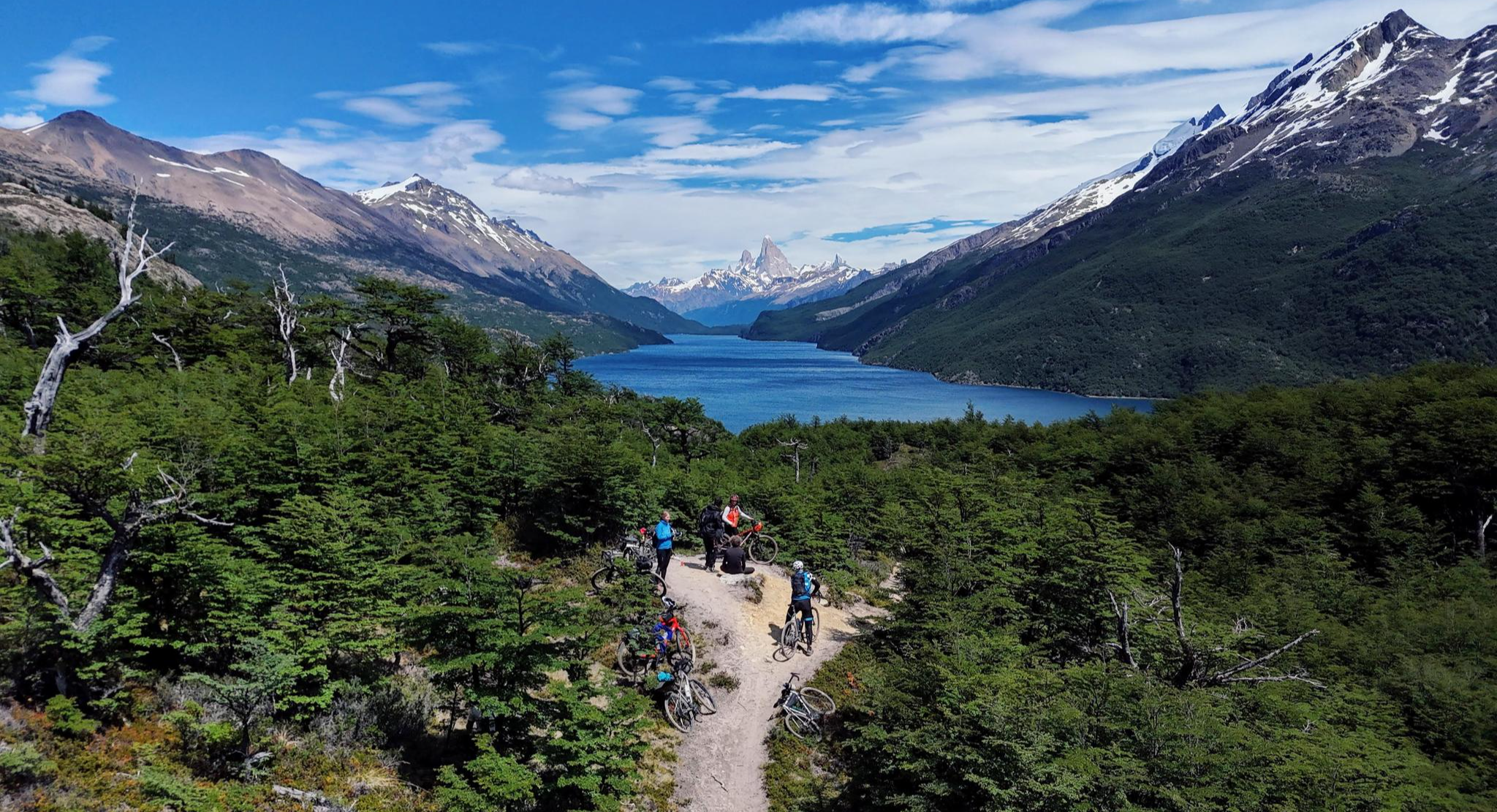
South American Epic — From Cartagena to Ushuaia
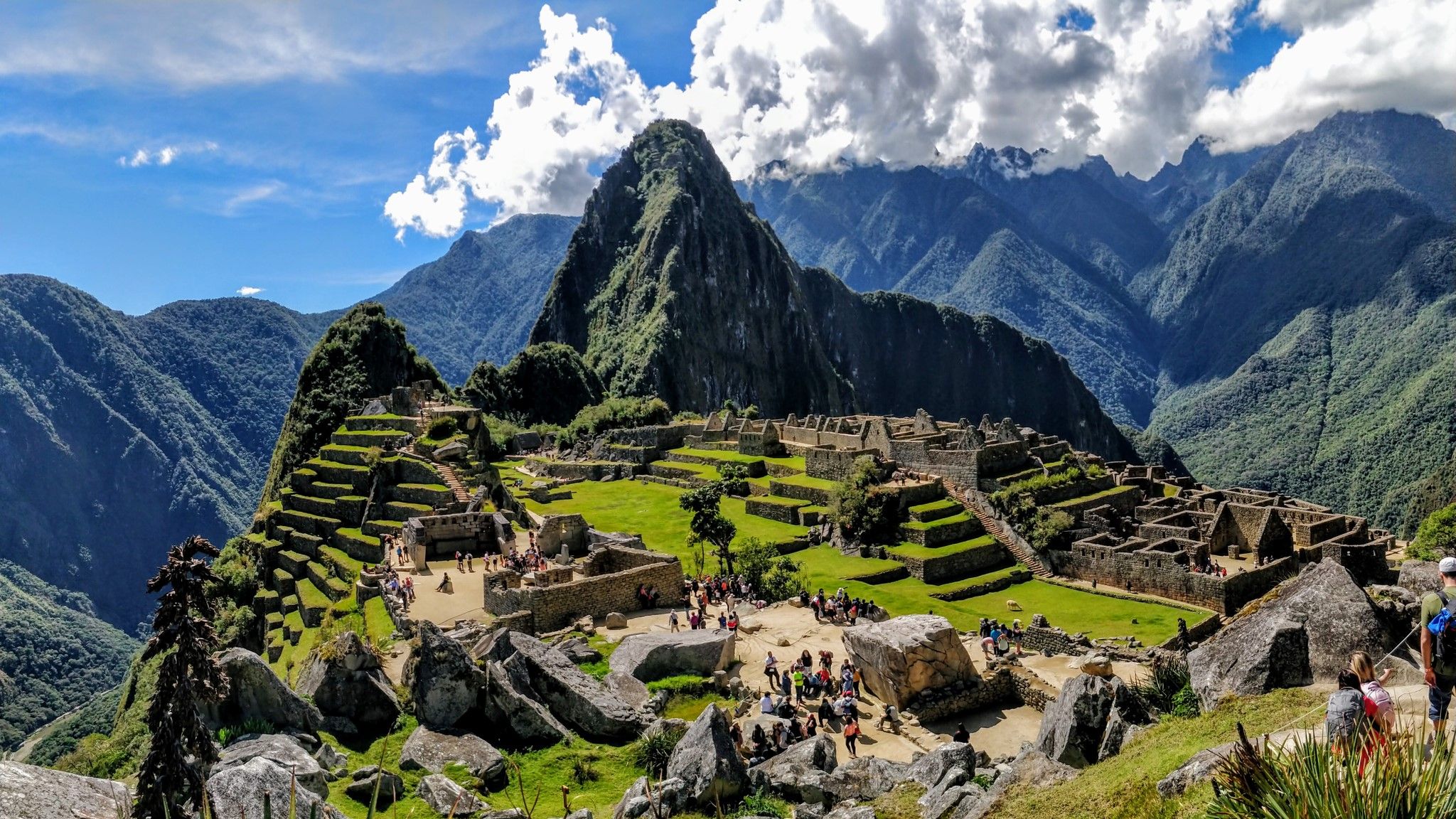
Between snowfields and jungles to Machu Picchu – Salkantay Trek
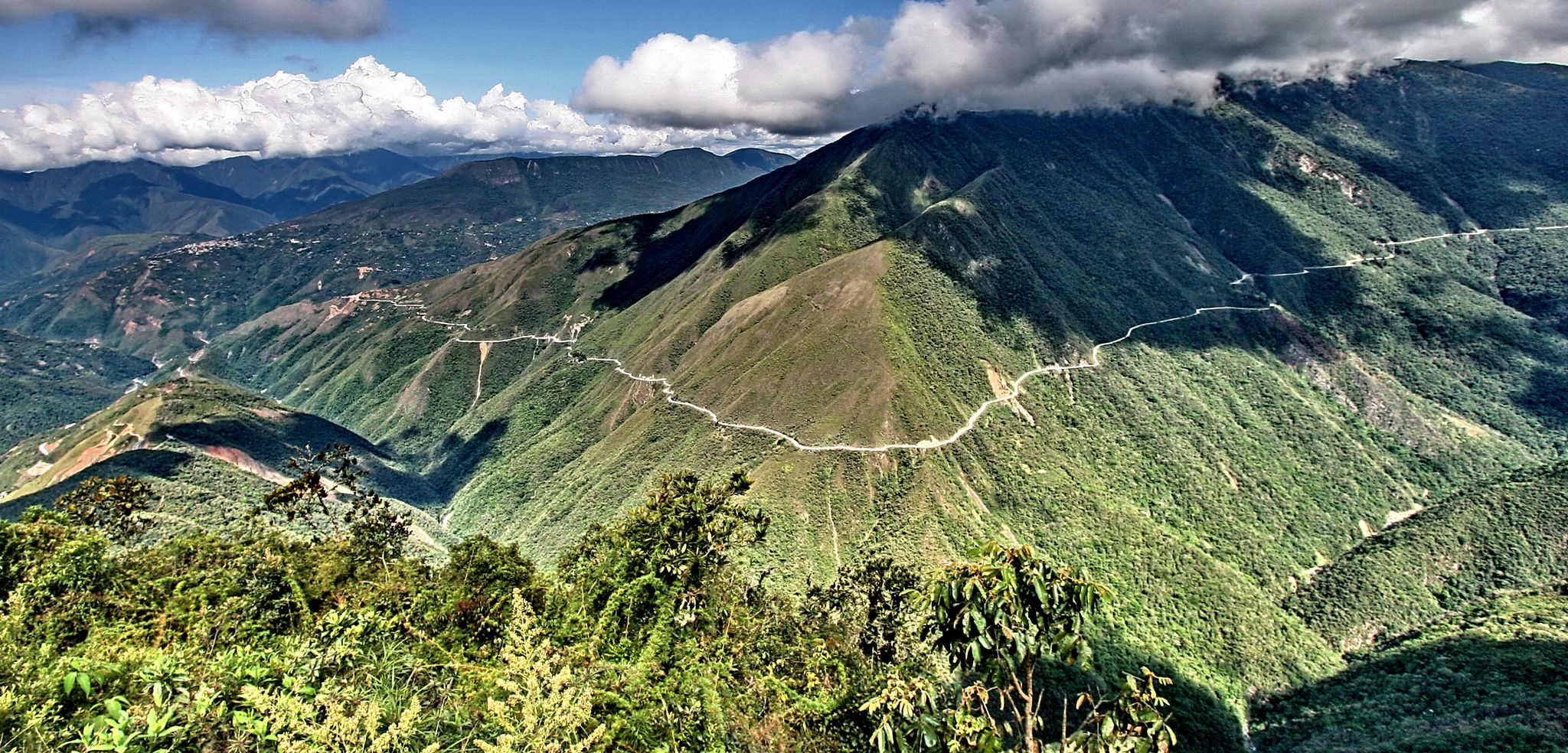
The world's most adventurous cycling passes
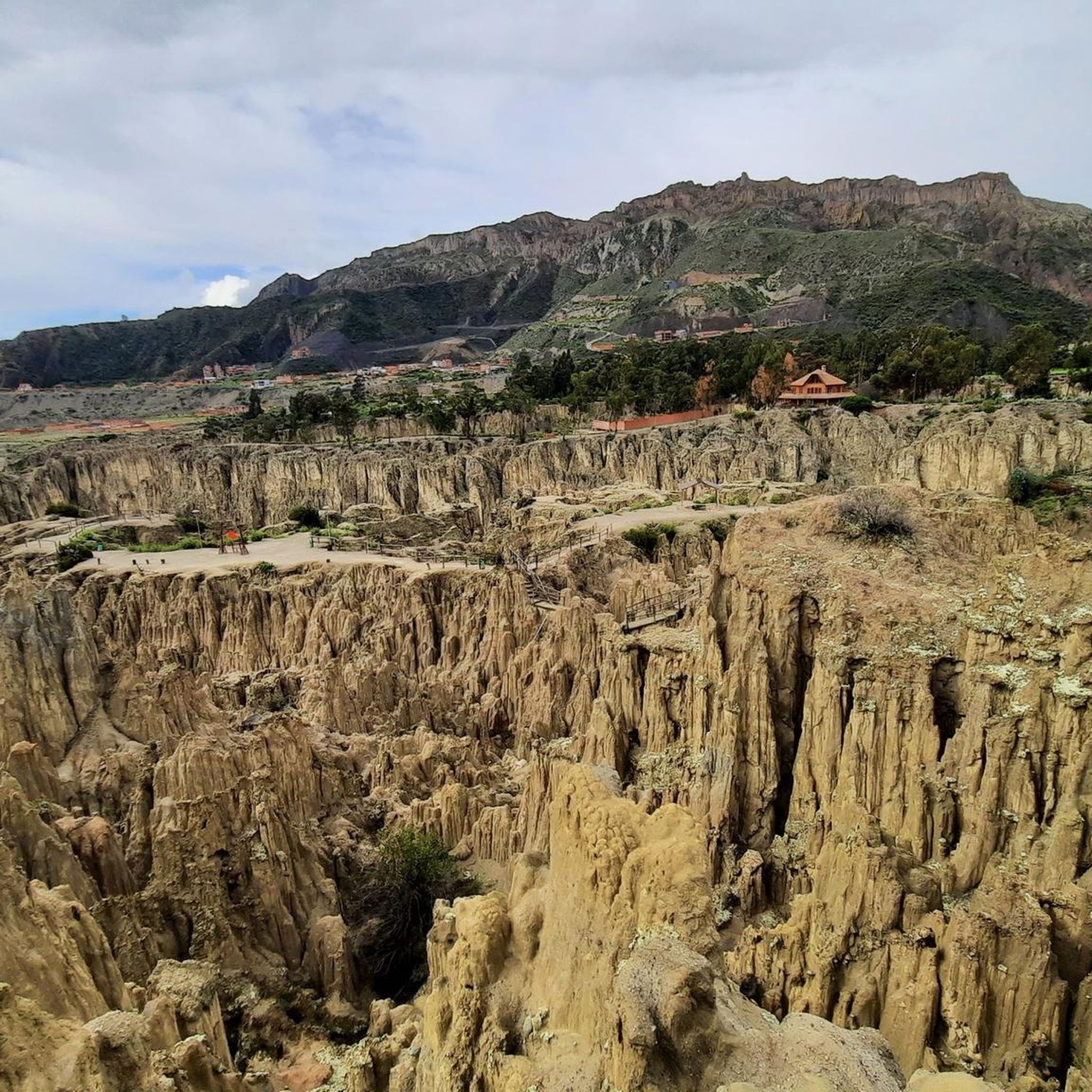
Hiking in the Cordillera Oriental Peru Bolivia

Mountain Hikes in the Cordillera Oriental Peru Bolivia
MTB Trails in the Cordillera Oriental Peru Bolivia
Road Cycling Routes in the Cordillera Oriental Peru Bolivia
Cycling in the Cordillera Oriental Peru Bolivia
Other adventures in the Cordillera Oriental Peru Bolivia


Tips from the Community

The Temple of the Sun is one of the most impressive relics of the Inca culture and was built in honor of the sun god Inti. It was the spiritual and religious center of the Inca Empire. Today, the Qoricancha stands as a symbolic example of the fusion of Inca building culture and Spanish colonial architecture. The Qoricancha housed not only the Temple of the Sun, but also other sacred shrines for other deities. (Temple of the Moon Goddess, the Temple of Lightning, the Temple of the Rainbow, the Temple of Water, and others. All temples were clad in gold and adorned with precious stones. The Spaniards plundered the treasures and partially destroyed the temple to build a monastery on it. The monastery was repeatedly damaged by several earthquakes, but the walls of the Inca temple have remained undamaged, which speaks to the exceptional architecture. Even today, 15 monks still live here.
1
0

Bring a patching kit, there are many espinoza on the route.
0
0

Aguas Calientes (as the name suggests) used to be known for its thermal baths, I remember when almost all of us would relax our muscles in the baths there after the Inca Trail. To get to the baths you have to walk up the hill in town, here you can rent towels or swimming trunks.
1
0

Huayna Picchu, also called Wayna Picchu, means "young peak" in Quechua. It is widely believed in the region that the mountain served as a watchtower to protect the sanctuary of Machu Picchu. The Machu Picchu site is located between two mountains - Huayna Picchu and Machu Picchu Mountain. Although both offer exciting hiking routes, there are certain differences between Huayna Picchu and Machu Picchu that you need to be aware of, including altitude, difficulty, and duration. From both mountains, you can enjoy beautiful views of the Machu Picchu ruins and the surrounding mountains. Huayna Picchu is the majestic, cone-shaped mountain that you often see in the background of the most famous photographs and postcards of Machu Picchu. The Huayna Picchu hike is generally considered moderate to difficult, so it can be challenging at times.
0
0
The sculpture was a gift from the Arab-Palestinian colony in 1945. The work was created by the sculptor Francisco Olazo from Cusco. The materials used were granite, cedar, clay, iron and wire.
1
0
The Cristo Blanco is the most famous monument in the city of Cusco. It is a statue of Jesus Christ that reaches a height of 8 meters and raises its arms at the top of the city as a sign of protection.
0
0
The climb was extremely steep...if you choose too high a pace and depending on your luggage and previous load (Inca Trail) you will quickly experience strong signs of fatigue...very painful thighs...take it easy and slowly
0
0

Anyone who is up here on Machu Picchu or even further up here on Wayna Picchu is right in the middle of the old dynasty. Because this temple complex is still so well preserved and restored. Can you really imagine how people used to live here? A great experience.
1
0
Frequently Asked Questions
What kind of terrain can I expect on running routes in the Cordillera Oriental?
The Cordillera Oriental offers a diverse range of running environments. You'll find high-altitude terrain with dramatic mountain scenery and passes, as well as ancient Inca trails. The region also transitions into humid subtropical forests and cloud forests, providing varied ecosystems from open mountain paths to more verdant trails. Expect undulating, rocky terrain on many routes, especially those traversing high passes.
Are there any easy or beginner-friendly jogging routes in the Cordillera Oriental?
While the Cordillera Oriental is known for its challenging high-altitude terrain, there are moderate options available. Currently, komoot lists 14 moderate routes, but no easy routes. These moderate paths can be a good starting point for those acclimatized to the altitude. For example, the Saqsaywaman loop from San Pedro is a moderate 8 km path near Cusco, offering a blend of cultural exploration and physical activity.
What are some notable landmarks or scenic viewpoints I can see while jogging in this region?
The Cordillera Oriental is rich in breathtaking sights. You can run past ancient Inca sites, such as those visible on the Saqsaywaman – Cristo Blanco loop from Wanchaq. Other significant attractions include the vibrant Rainbow Mountain (Vinicunca), the serene Lake Humantay, and the unique Maras Salt Mines. Many routes offer stunning panoramic views of the Andes.
How many running trails are available in the Cordillera Oriental Peru Bolivia?
There are over 30 dedicated running trails listed on komoot for the Cordillera Oriental Peru Bolivia. These routes cater to various ability levels, with 14 classified as moderate and 21 as difficult, offering a wide range of experiences for trail runners.
What do other runners say about the jogging routes in the Cordillera Oriental?
The running routes in the Cordillera Oriental are highly regarded by the komoot community, boasting an average rating of 4.4 out of 5 stars from over 36 reviews. More than 447 runners have used komoot to explore this region, often praising the unique high-altitude training experience, the dramatic mountain scenery, and the opportunity to run on ancient Inca trails.
Are there any circular running routes in the Cordillera Oriental?
Yes, many of the running routes in the Cordillera Oriental are designed as loops, allowing you to start and finish in the same location. Examples include the popular Saqsaywaman – Cristo Blanco loop from Wanchaq and the Mirador de aves La Rinconada – Mirador de aves NorEste loop from Área de Protección Ambiental Laguna Alalay, which takes you near glacial lakes.
What is the best time of year to go jogging in the Cordillera Oriental?
The Cordillera Oriental experiences distinct wet and dry seasons. Generally, the dry season (May to October) is considered the best time for outdoor activities like jogging, offering clearer skies and more stable weather conditions. However, be prepared for significant temperature variations between day and night, and always account for the high altitude, which can make any time of year challenging.
Are there any long-distance or challenging running routes for experienced trail runners?
Absolutely. The Cordillera Oriental is renowned for its challenging high-altitude terrain, with 21 routes classified as difficult on komoot. For instance, the Qurikancha – Saqsaywaman loop from Wanchaq is a demanding 20.4 km route with significant elevation gain. Experienced trail runners can also explore routes that traverse high passes and ancient Inca trails, providing a rigorous workout amidst spectacular scenery.
Can I find running routes near glacial lakes or rivers in the Cordillera Oriental?
Yes, the region features numerous glacial lakes and rivers that have carved deep valleys, creating picturesque running environments. The Mirador de aves La Rinconada – Mirador de aves NorEste loop from Área de Protección Ambiental Laguna Alalay is an example of a route that leads through areas near glacial lakes. Lake Titicaca, shared by Peru and Bolivia, also offers serene routes with cultural immersion in surrounding communities.
What should I consider regarding altitude when planning a run in the Cordillera Oriental?
The Cordillera Oriental features numerous peaks exceeding 6,000 meters, meaning many running routes are at high altitude. Acclimatization is crucial for a safe and enjoyable experience. Start with shorter, less strenuous runs and gradually increase your distance and elevation. Be aware of symptoms of altitude sickness and stay well-hydrated. It's advisable to consult a doctor before undertaking high-altitude activities if you have any health concerns.
Are there any running routes that offer a blend of urban exploration and natural beauty?
Cities like Cusco in Peru and La Paz in Bolivia serve as excellent bases, offering vibrant urban experiences. You can find jogging routes around these cities that provide a blend of urban exploration and natural beauty. For example, trails near La Paz lead to views of the majestic Illimani, and routes around Cusco, like the Saqsaywaman loop from San Pedro, combine historical sites with natural landscapes.
What kind of wildlife might I spot while jogging in the Cordillera Oriental?
The diverse ecosystems of the Cordillera Oriental, ranging from arid highlands to humid subtropical and cloud forests, support a variety of wildlife. While specific sightings are never guaranteed, you might encounter various bird species, including those near areas like Laguna Alalay, as well as unique Andean fauna adapted to the high-altitude environment. Keep an eye out for local flora and fauna, especially in less populated areas.
Most popular routes in the Cordillera Oriental Peru Bolivia
Most popular attractions in the Cordillera Oriental Peru Bolivia

Get inspired with the komoot mobile app


Explore more
Browse the best Running Trails & Routes in other regions.
