Top 6 Castles around San Godenzo
Castles around San Godenzo provide insight into the region's historical fortifications and medieval past. Located in Tuscany, San Godenzo is characterized by its mountainous terrain and rich cultural heritage. The area features several historical sites, including the significant Abbey of San Gaudenzio, a prominent example of Romanesque architecture and a site of historical importance. These structures are often found amidst natural landscapes, offering a blend of history and outdoor exploration.
Best castles around San Godenzo
- The most popular castles is…
Last updated: June 30, 2026
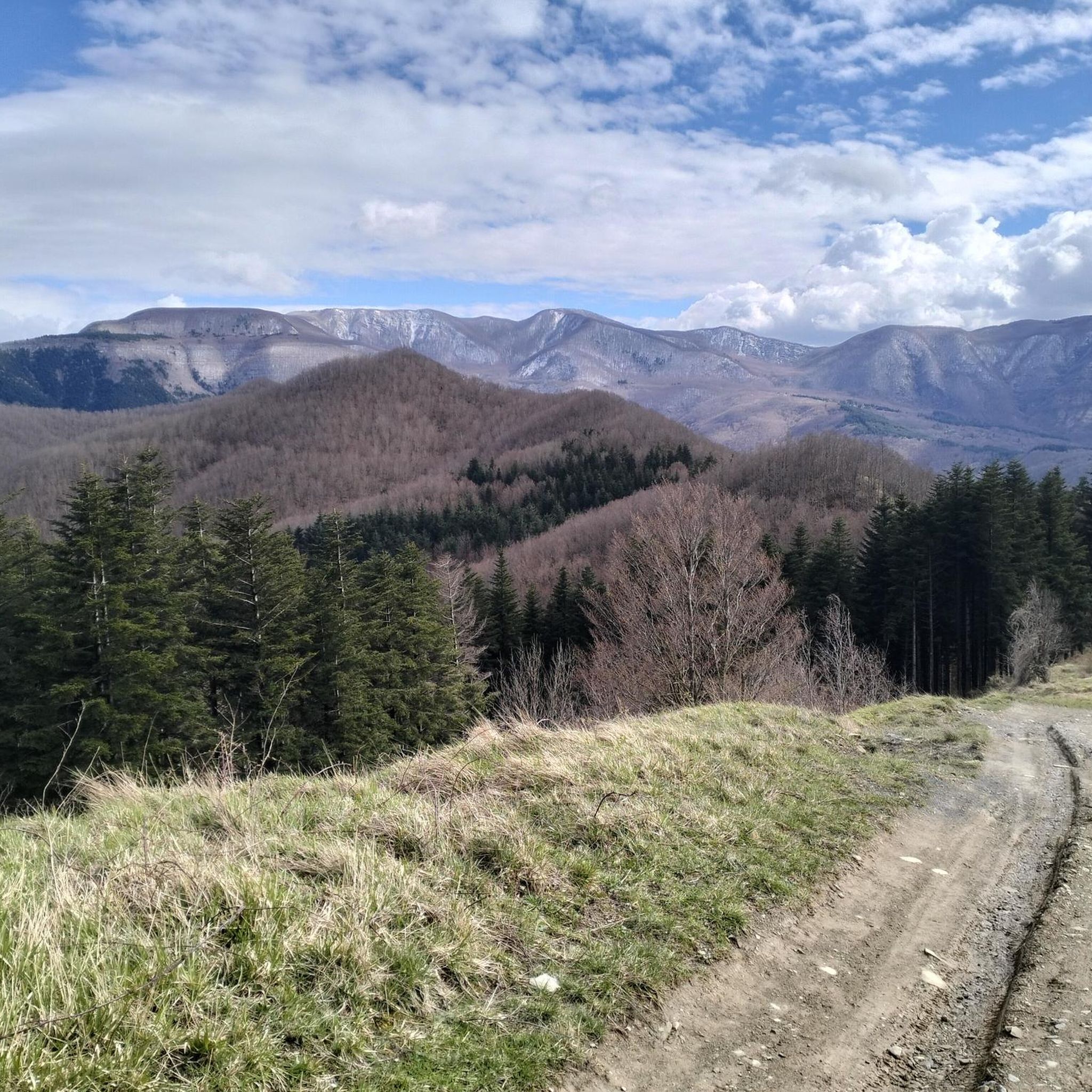
Premilcuore Fortress
Highlight • Castle
Translated by Google •
Tip by

Palagio Fiorentino
Highlight • Castle
Translated by Google •
Tip by

Sign up now to discover places like this
Get recommendations on the best single tracks, peaks, & plenty of other exciting outdoor places.
Sign up for free
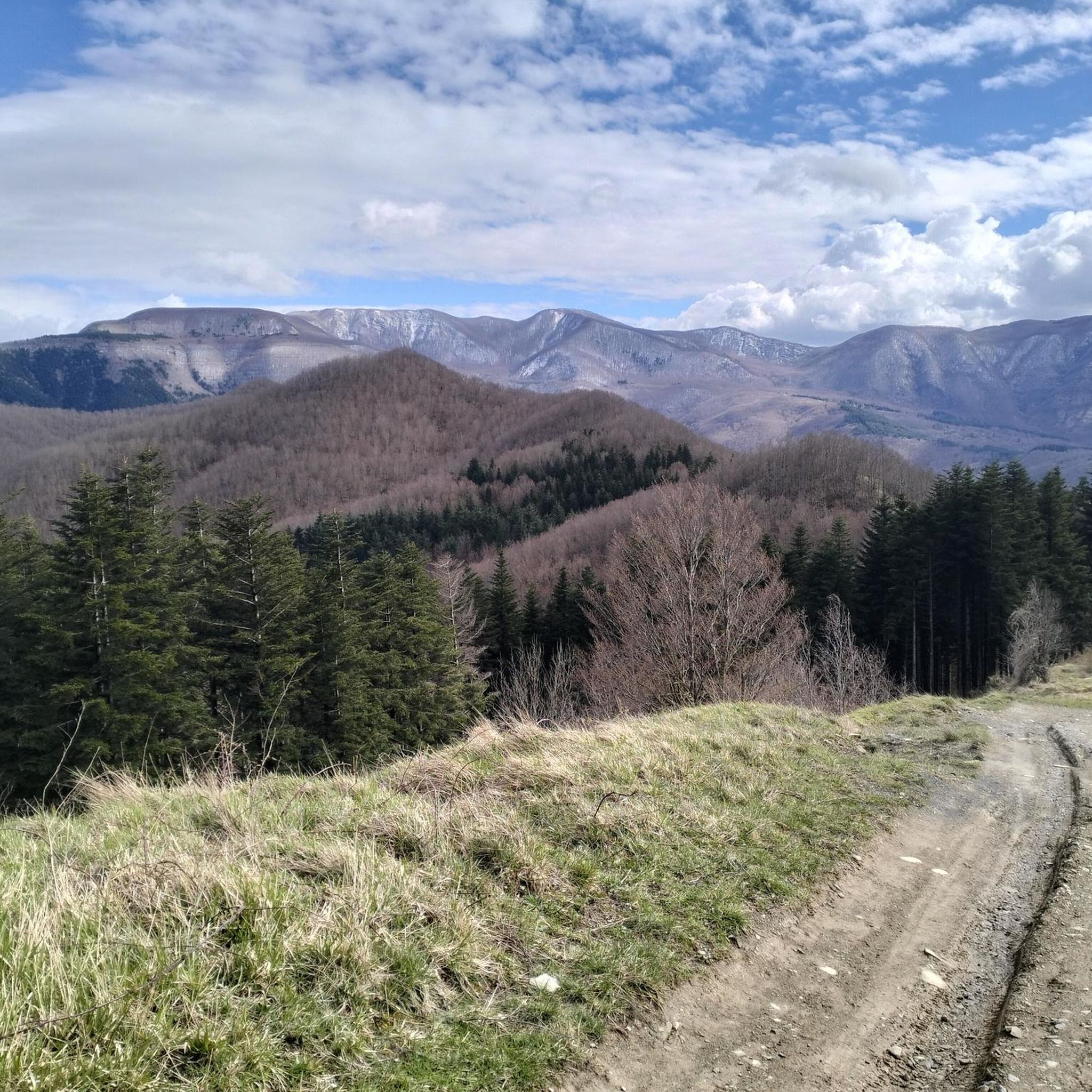
Corniolino Castle
Highlight • Castle
Translated by Google •
Tip by
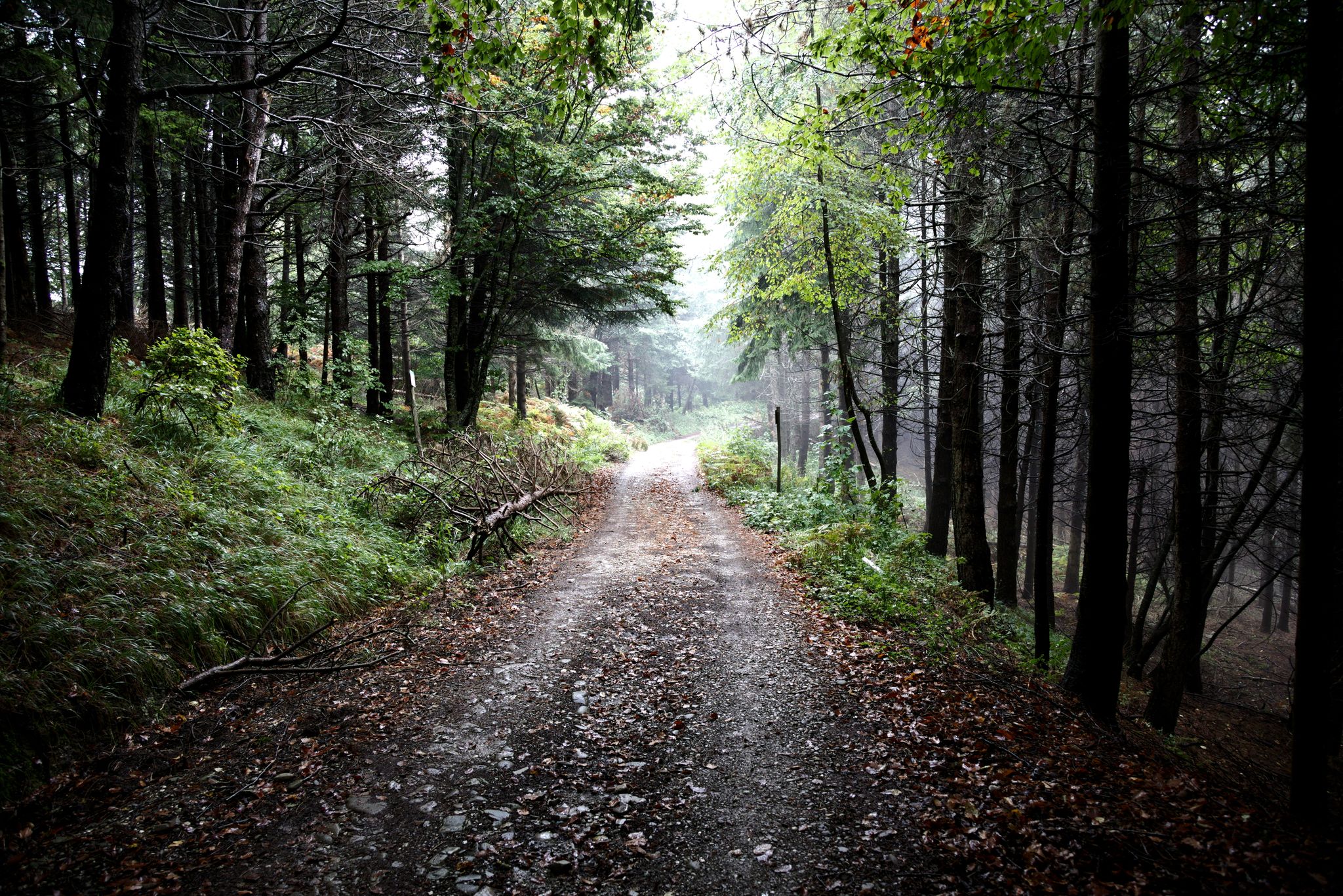
Castel Castagnaio
Highlight • Castle
Translated by Google •
Tip by

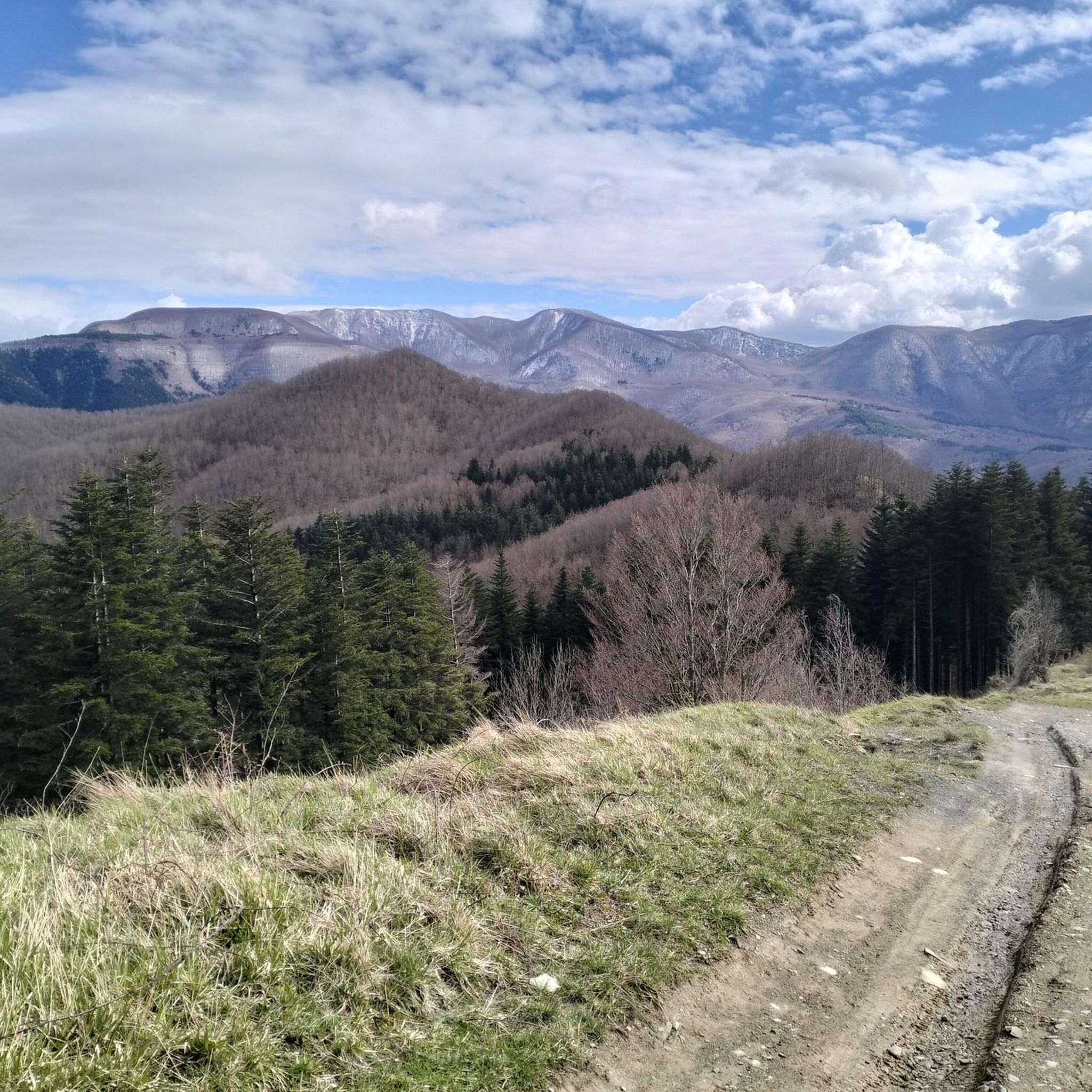
View of Castello di Porciano
Highlight • Viewpoint
Translated by Google •
Tip by

Sign up for free to discover even more castles around San Godenzo.
Sign up for free
Already have an account?
Start today with a free account
Your next adventure awaits.
Login or Signup

Other adventures around San Godenzo

Tips from the Community

Premilcuore, like many other villages in the area, experienced its period of maximum expansion around the 13th and 14th centuries under the dominion of the Guidi family. In this period the castle known as Rocca di Premilcuore was built, today not much remains of this structure except one of the doors and remains of the walls incorporated into other buildings in subsequent periods. The life of Premilcuore is linked to the course of the Rabbi river. Today the river is a popular summer destination to escape the heat, while in the past the watercourse served to irrigate the surrounding fields and gave power to various mills in the area, two of which are still visible near the town.
2
0

The Palagio Fiorentino belonged to the Guidi Counts, like other castles in the area. Built around 1230 by Count Bandino, the branch of the counts of Palagio originated from this castle, to whom it belonged for many years The last exponent of the branch of the counts of Palagio was Count Antonio, who, in 1381, freed all his subjects from all bonds of servitude and vassalage. In 1398 Count Antonio allied himself with Florence, Bologna, Venice, Padua, Ferrara and Mantua against the Visconti of Milan, even if he later switched to the side of the Visconti. In 1402 Count Antonio had to cede the territories to the Republic of Florence, to avoid the consequences of some livestock raids against the Republic in the lands of Count Piero di Porciano. After this capitulation, Montemezzano, Lonnano, Papiano and Stia also spontaneously submitted to Florence, all subsequently reunited in the Community of Palagio Fiorentino. In 1440, during the clashes between Florence and Milan, the Milanese army commanded by Niccolò Piccinino burned and destroyed the castle. The current building of the Palagio Fiorentino was built at the beginning of the twentieth century by the lawyer Carlo Beni, mayor of Stia and author of a famous Guide to the Casentino. During the reconstruction work, medieval artefacts were found, including coins and a seal with the Guidi coat of arms The appearance of the structure, rather than respecting the original architectural layout, recalls the neo-Gothic taste in vogue in the years of the renovation. (Source: https://casentino.it/palagio-fiorentino/ )
0
0

This Castle was one of the innumerable existing in the Middle Ages of which the Guidi Counts were owners for a long time. Castel Castagnaio had a military function, it was a fortified outpost that made it possible to control the nearby possessions, as the high and perched position favored the sighting of all the other settlements belonging to the Guidi such as Porciano, Stia, Papiano. The castle was built on the foundations of a Roman temple, built in turn on the walls of an older one. Today the remains of the castle are surrounded by support structures to prevent the collapse of what remained of the suggestive ruin.
0
0

Remains of one of the castles of the Guidi Counts who controlled the Casentino
0
0
The origins of Premilcuore are mysterious, although there are several versions and legends about its foundation. The most fascinating and imaginative version is linked to the legend of the Roman soldier named Marcello, who fled Rome at the time of Caracalla, because he was part of a conspiracy against the emperor, and who found refuge in these places. Marcello fortified the small villages already existing, one of which, the current via Marciolame, is named in honor of its founder. And even the name of Premilcuore seems to date back to “PREMIT COR” (“pain oppresses our hearts” for the death of their benefactor) or to “PREMUNT COR” (“rather than hand him over we would tear out our hearts” because the Roman captain was wanted to be killed). (Source: http://www.turismopremilcuore.it/scopri-premilcuore/storia/ )
3
1
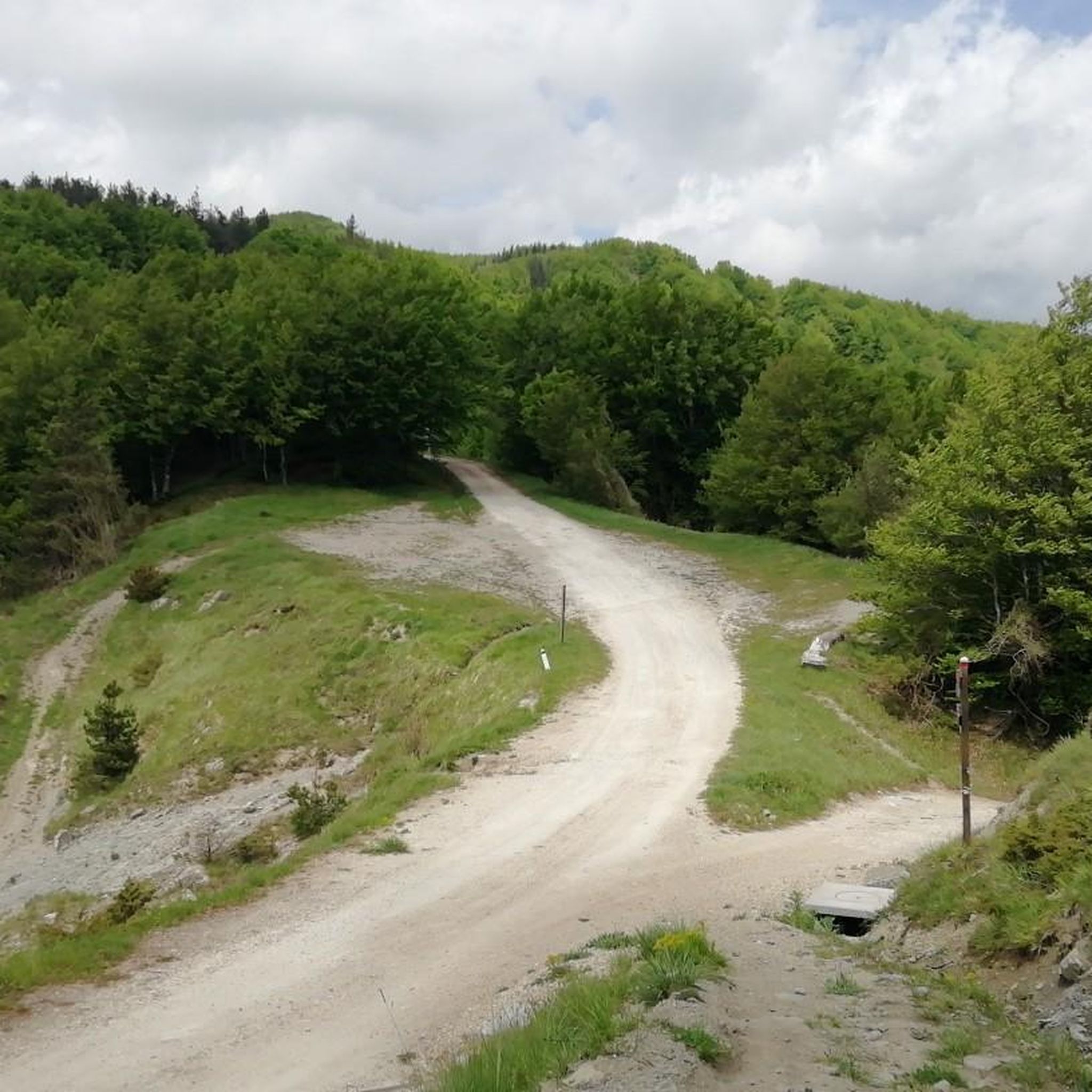
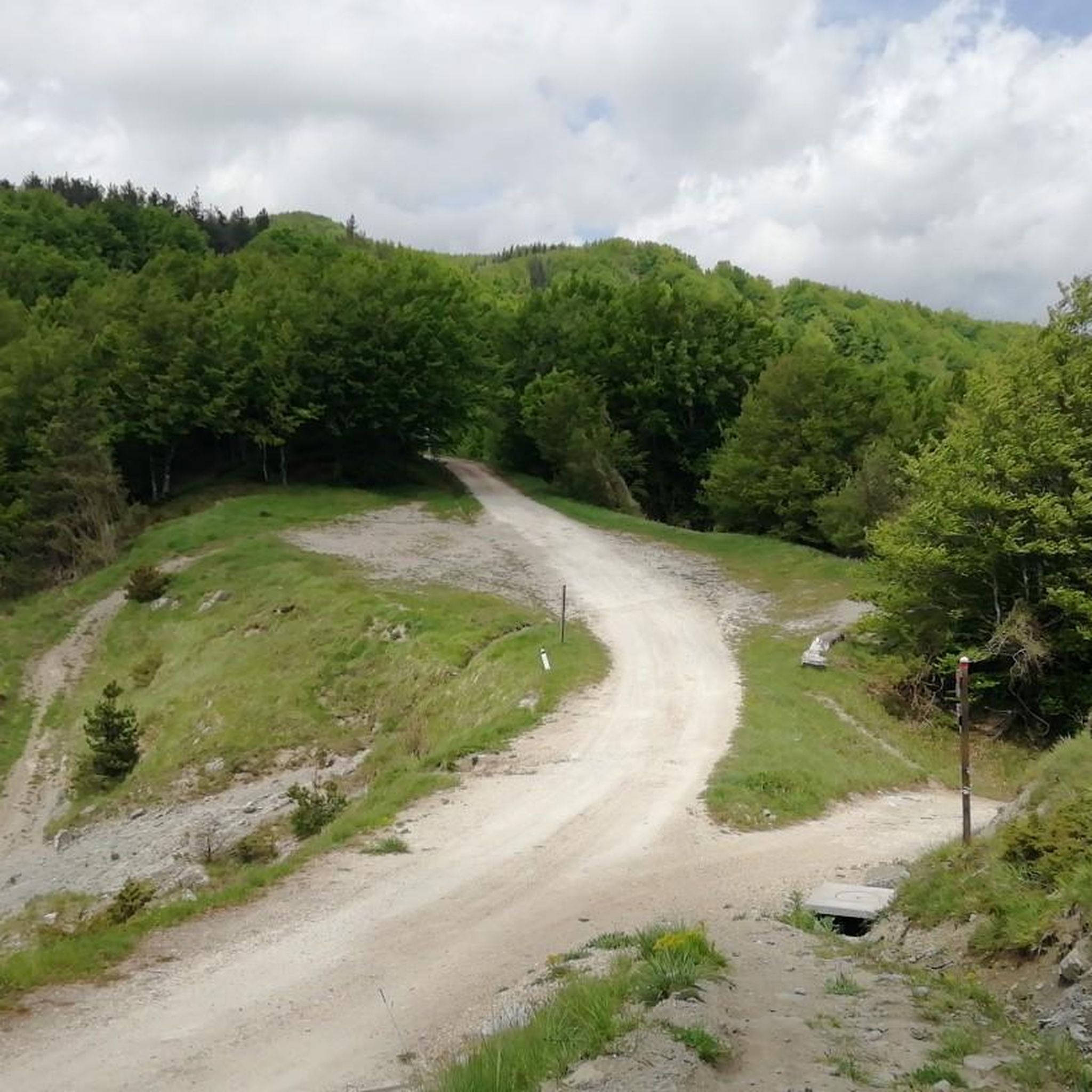
It dates back to the XII - XIII century and belonged to the Guidi Counts (in 1371). In the fifteenth century it fell under the influence of the Florentines, from this moment its decline began. Cardiane Anglico describes the castle as follows in 1371: 'It is on the Alpe on a high insepugnable mountain. It has a fortress and a very strong tower. There is another one-shot crossbow tower called the Oak. The main road that leads from Galeata to Tuscany passes here in the middle (...) '. The structures currently visible are the walls (partially hidden by vegetation) with the mighty arched entrance door in sandstone blocks and part of the central keep. Below the castle you can see the road 'that led from Galeata to Tuscany' with retaining walls. (Source: http://www.turismoforlivese.it/servizi/menu/dinamica.aspx?ID=27901)
0
0

Wild strawberries in large numbers and the view of Porciano. But the whole (oak forest) landscape is incredibly beautiful. In Castello, which can be reached from Stia, you can also stay in style.
0
0
Frequently Asked Questions
What is the most significant historical site directly in San Godenzo?
The most prominent historical and architectural structure in San Godenzo is the Abbey of San Gaudenzio. Founded in 1028, this Benedictine abbey is a prime example of Romanesque architecture and holds significant historical importance, including a meeting involving Dante Alighieri in 1302. It also houses valuable artworks like a wooden sculpture by Baccio da Montelupo and a polyptych by Bernardo Daddi.
Which castles around San Godenzo offer insights into the Guidi family's history?
Several castles in the area are linked to the powerful Guidi family. For instance, Premilcuore Fortress experienced its peak under their dominion in the 13th and 14th centuries. Corniolino Castle, dating back to the 12th-13th century, also belonged to the Guidi Counts. Additionally, Palagio Fiorentino was built around 1230 by Count Bandino of the Guidi family.
Are there any castles with notable architectural features to explore?
Yes, Corniolino Castle still features visible walls, a mighty arched entrance door made of sandstone blocks, and part of its central keep. The Abbey of San Gaudenzio, while not a traditional castle, showcases impressive Romanesque architecture with an austere stone façade, three naves, and a raised presbytery.
What kind of historical artifacts or art can be found in the castles or historical sites?
The Abbey of San Gaudenzio is home to several important artworks, including a wooden sculpture of Saint Sebastian by Baccio da Montelupo, a 1333 polyptych by Bernardo Daddi, and a 16th-century painting from the school of Andrea del Sarto. During the reconstruction of Palagio Fiorentino in the 20th century, medieval artifacts such as coins and a seal with the Guidi coat of arms were discovered.
What outdoor activities can I do near these historical sites?
The region around San Godenzo offers various outdoor activities. You can find numerous routes for cycling, mountain biking, and road cycling. For example, explore routes like the 'Ponte di Annibale (Vicchio) – Sieve Cycle Path loop' for cycling, or the 'Passo dei Tre Faggi – Fonte del Borbotto loop' for mountain biking. You can find more details on these and other routes in the Cycling around San Godenzo, MTB Trails around San Godenzo, and Road Cycling Routes around San Godenzo guides.
Are there any castles that served a military purpose?
Yes, Castel Castagnaio was a fortified outpost of the Guidi Counts, strategically positioned to control nearby possessions and provide a vantage point for sighting other settlements. Its high, perched location highlights its military function in the Middle Ages.
Which historical site has a connection to Dante Alighieri?
The Abbey of San Gaudenzio has a significant connection to Dante Alighieri. On June 8, 1302, it hosted a conference of Ghibelline and White Guelph exiles from Florence, including Dante, who met to plan their return to Florence. This event is a notable part of Italian literary history.
What is the story behind the name of Premilcuore Fortress?
The origins of Premilcuore Fortress are steeped in legend. One fascinating version links its name to a Roman soldier named Marcello. After he fortified the local villages, the name Premilcuore is said to derive from 'PREMIT COR' ('pain oppresses our hearts' for his death) or 'PREMUNT COR' ('rather than hand him over we would tear out our hearts' when he was sought for execution).
Is there a castle with a unique connection to Florentine nobility or traditions?
Yes, Castello di Casiglioni was the ancient summer residence of the Turicchi Counts, who held the noble title of bishops of Florence. Their feudal right to a portion of wine produced in the surrounding countryside eventually gave rise to the traditional Festa del Carro (Cart Festival), still celebrated today in Rufina and Florence.
What can visitors expect to see at the Abbey of San Gaudenzio?
Visitors to the Abbey of San Gaudenzio can explore its vast and solemn interior, characterized by three naves supported by quadrangular pillars, a raised presbytery, and three apses. You'll observe typical Tuscan medieval building elements, thick stone walls, rounded archways, and a simple bell tower. The crypt contains capitals dating from around 1090-1100, and the abbey also houses significant artworks.
Are there any viewpoints near the castles or historical sites?
While specific viewpoints are not detailed for all sites, Corniolino Castle is noted as a viewpoint. Given the mountainous terrain of San Godenzo, many of these historical fortifications, like Castel Castagnaio, were built in high, perched positions, likely offering scenic views of the surrounding landscape.
What is the best way to experience the natural beauty around these castles?
The area around San Godenzo is rich in natural beauty, including beech forests and waterfalls. The Abbey of San Gaudenzio serves as a starting point for exploring the 'Ways of Dante' and the surrounding nature. Many of the castles are nestled within these landscapes, making them ideal for combining historical exploration with walks or bike rides. The Rabbi river near Premilcuore Fortress is also a popular summer destination.
Most popular routes around San Godenzo
Most popular attractions around San Godenzo

Get inspired with the komoot mobile app


Explore more
Looking for the best castles somewhere else? Discover other guides around San Godenzo:
