Top 4 Castles around Pratola Serra
Best castles around Pratola Serra are situated in a region with a rich historical past, characterized by medieval structures and ancient settlements. The area features remnants of defensive strongholds and residences that have evolved over centuries. These historical sites offer a tangible link to the region's complex history, from Roman and Lombard influences to Norman and Angevin periods. The landscape around Pratola Serra provides a setting for exploring these historical landmarks.
Best castles around Pratola Serra
- The most popular castles…
Last updated: June 30, 2026
Castello di Tufo
Highlight • Castle
Translated by Google •
Tip by

Taurasi Castle
Highlight • Castle
Translated by Google •
Tip by
Sign up now to discover places like this
Get recommendations on the best single tracks, peaks, & plenty of other exciting outdoor places.
Sign up for free
Macedonio Castle of Grottolella
Highlight • Castle
Translated by Google •
Tip by
Ceppaloni
Highlight • Settlement
Translated by Google •
Tip by

Start today with a free account
Your next adventure awaits.
Login or Signup

Tips from the Community


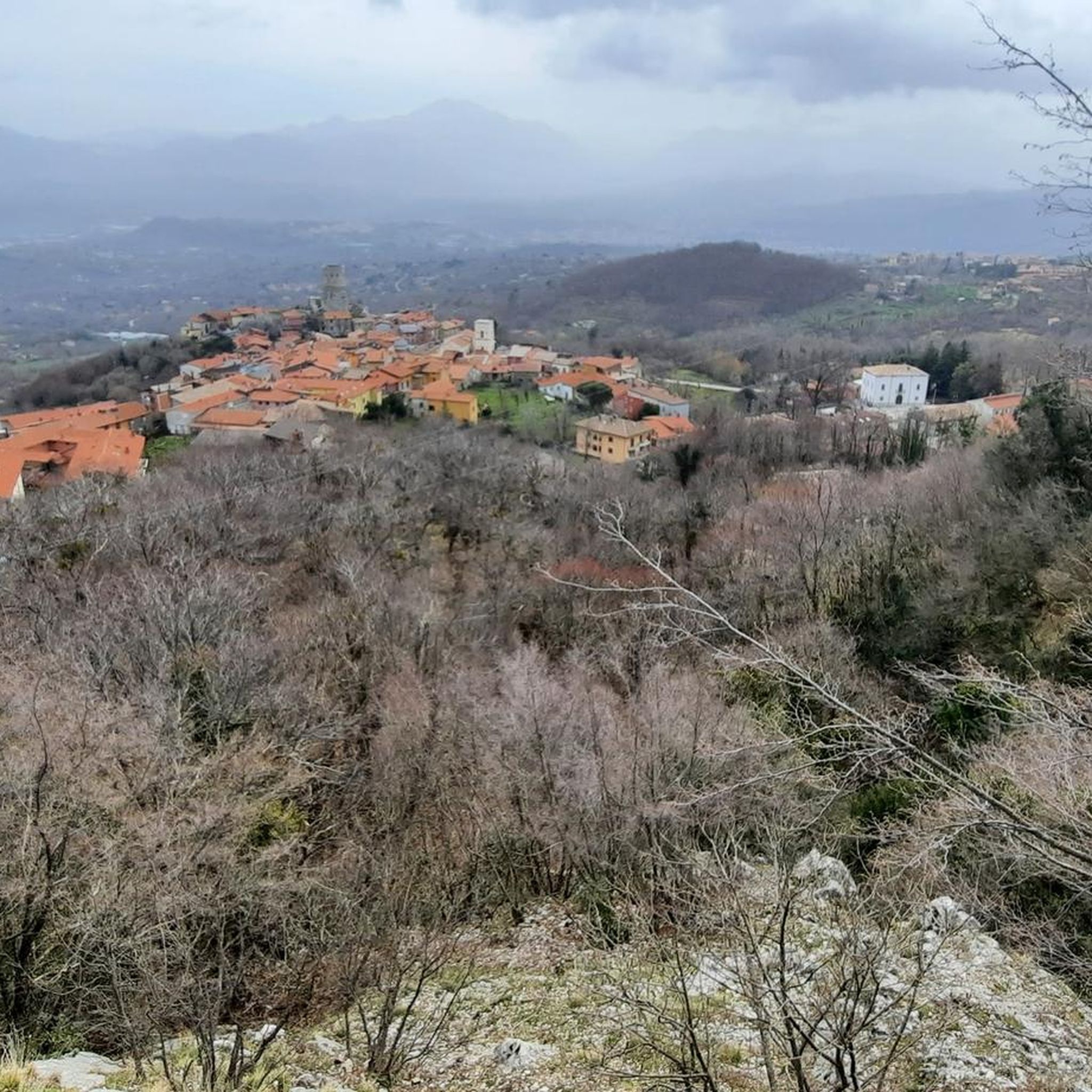
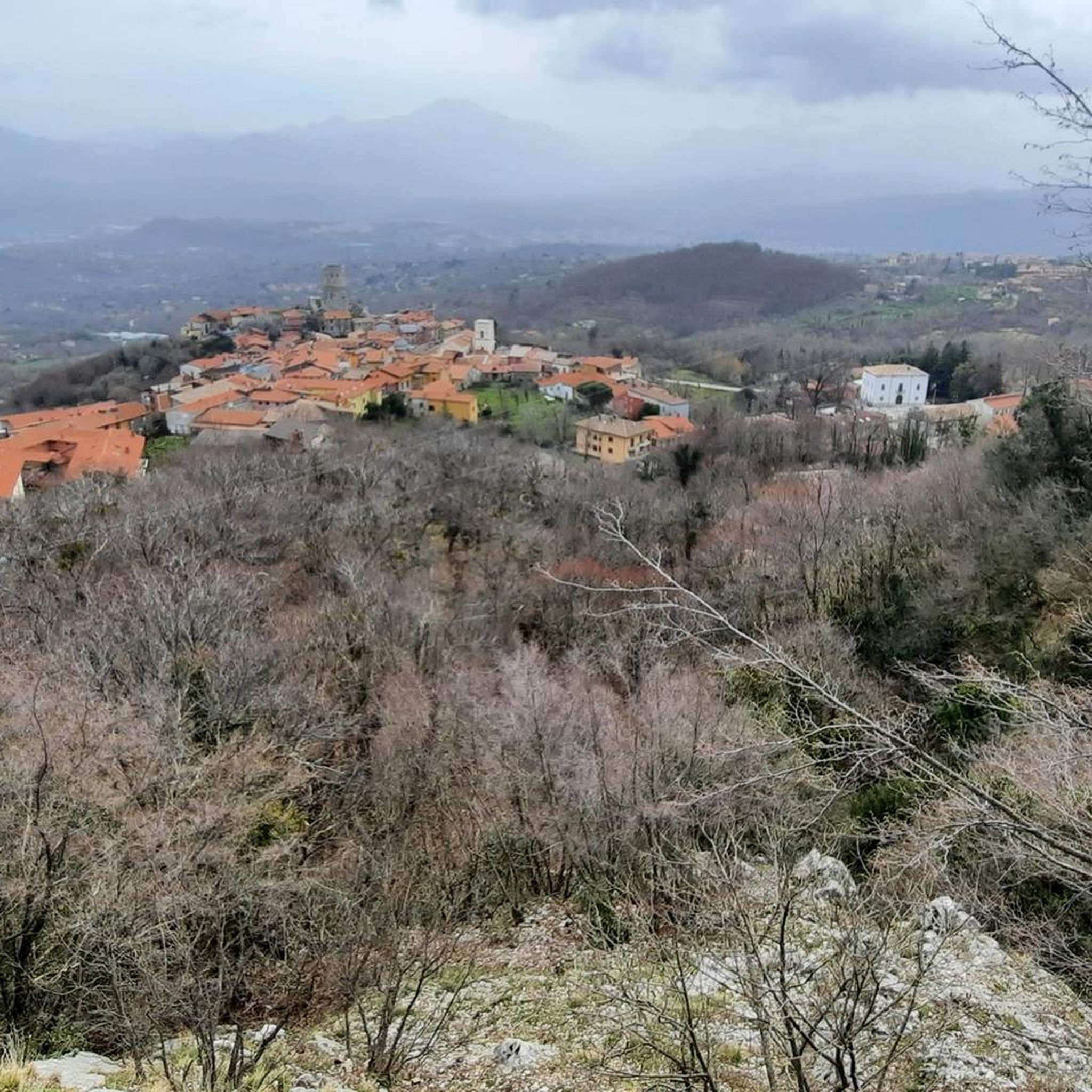
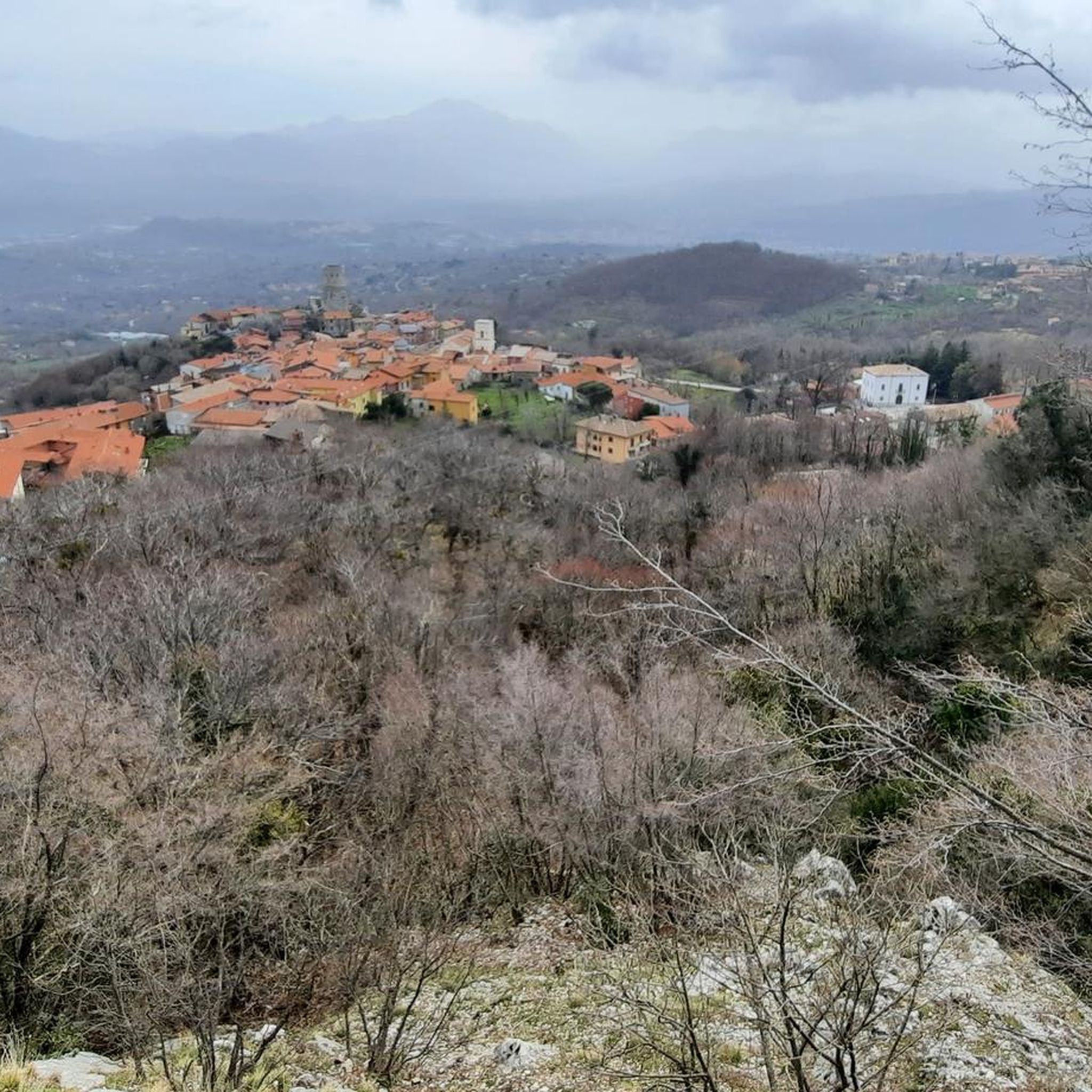
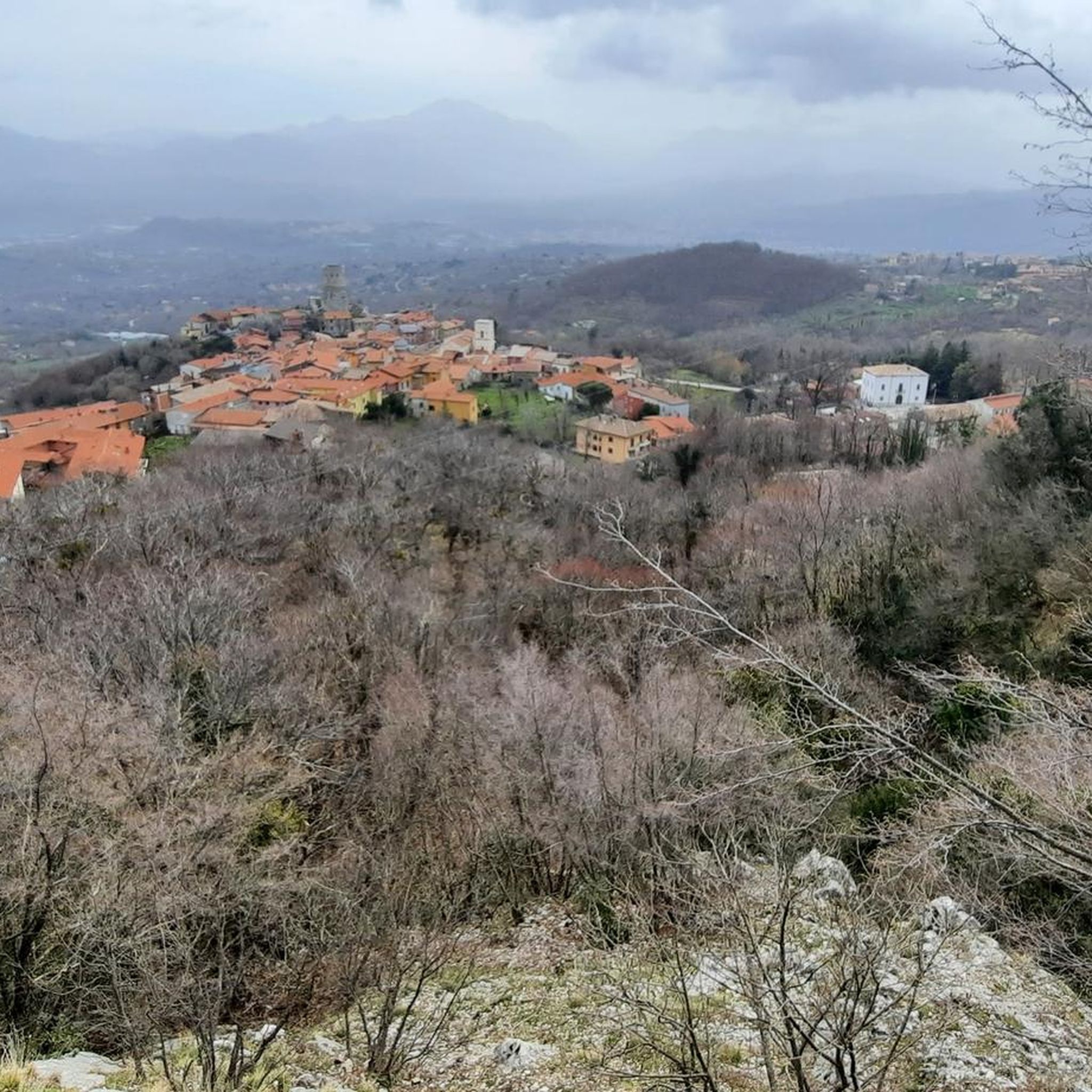
The castle of Grottolella built in 1083 on a pre-existing Lombard stronghold in control of the old village of Grottolella
1
0
The roots and history of Greco di Tufo one of the most famous white wines in the world
1
0

The Castle dominates the old village over the valley crossed by the San Giulio stream, built on a pre-existing Lombard stronghold in the second half of the 11th century, it was besieged and destroyed by the troops led by Ruggiero II the Norman.
0
0
At the end of the climb it unlocks at Castello di Tufo
0
0
Also known as Palazzo Marchionale, it is a 10th century building used as the seat of the Regional Enoteca for Irpinia Wines. After the entrance there is a welcoming garden and through a staircase you can go up to the upper rooms from which you can enjoy a splendid view
4
0
Frequently Asked Questions
What is the historical significance of the castles around Pratola Serra?
The castles in the Pratola Serra region, including the historical Serra Castle, are deeply rooted in the area's past. They originated as defensive structures and residences for various groups, from Roman and barbarian settlers to Lombards, Normans, and Angevins. These sites, like the remains of the ancient stronghold in Serra di Pratola, offer a tangible link to centuries of feudal history and even served as royal prisons, providing a rich historical context for the local community.
Which castles offer the best historical insights into the region?
For a deep dive into history, consider visiting the remnants of the ancient stronghold in Serra di Pratola, which is locally referred to as the 'castle' and is integral to the oldest urban center. Additionally, Macedonio Castle of Grottolella, built on a pre-existing Lombard stronghold, offers insights into its strategic past, having been besieged by Ruggiero II the Norman.
Are there any castles known for their connection to local products or culture?
Yes, Castello di Tufo is notably linked to the roots and history of Greco di Tufo, one of the world's most famous white wines. Its location at the end of a climb makes it a significant landmark in the wine region.
What kind of views can I expect from the castles in this area?
Many castles in the region offer impressive viewpoints. For instance, Taurasi Castle (also known as Palazzo Marchionale) provides a splendid view from its upper rooms. Similarly, the castle at Ceppaloni, standing on a rocky outcrop, dominates the Sabato valley.
What outdoor activities can I do near the castles around Pratola Serra?
The area around Pratola Serra offers various outdoor activities. You can find numerous hiking trails, such as those in the Parco Regionale del Partenio, including routes like 'Eremo di San Silvestro and the ruins of the Incoronata'. For cycling enthusiasts, there are road cycling routes like 'Piano d’Ischia – Monte Terminio Plateau loop' and MTB trails such as 'Caretaker's House – Crest of S. Stefano del Sole loop'. You can explore more options on the hiking, road cycling, and MTB guides for Pratola Serra.
Are there family-friendly options among the castles or nearby attractions?
While specific family-friendly activities within the castles themselves might vary, exploring the medieval villages built around these historical structures, like Serra di Pratola, can be an engaging experience for families. The historical context and scenic views offer an educational and enjoyable outing. Combining a castle visit with a gentle walk on nearby trails can also be a good option for families.
What is the best time of year to visit the castles in the Pratola Serra region?
The best time to visit the castles around Pratola Serra is generally during the spring (April to June) and autumn (September to October) months. During these periods, the weather is typically mild and pleasant for exploring historical sites and enjoying outdoor activities like hiking or cycling in the surrounding areas. Summers can be hot, and winters can be chilly, though each season offers its own unique charm.
Are there any accessible routes or facilities for visitors with mobility concerns?
Information on specific accessible routes for all castles is limited. Many medieval structures, by their nature, may have uneven terrain, stairs, or narrow passages. For the ancient stronghold in Serra di Pratola, parts of the oldest urban center might be accessible, but it's advisable to check with local tourism offices for specific accessibility details for individual sites before your visit.
Where can I find local cafes or restaurants near the castles?
Many of the castles are integrated into or located near historical villages and towns. For example, the ancient stronghold in Serra di Pratola is part of the oldest urban center, where you can typically find local cafes and restaurants. Similarly, towns like Tufo, Grottolella, and Ceppaloni, where other castles are located, will offer local eateries to enjoy regional cuisine.
What should I bring for a castle visit, especially in winter?
When visiting castles in the Pratola Serra region, especially during winter, it's advisable to wear comfortable walking shoes as many sites involve uneven terrain or stairs. Dress in layers, as temperatures can vary, and bring a warm coat, hat, and gloves. In any season, consider bringing water, snacks, and a camera to capture the historical architecture and scenic views.
Can I bring my dog on trails near the castles?
Many outdoor trails in the region, including those around the castles, are generally dog-friendly, especially if your dog is on a leash. However, specific rules for entry into the castle structures or their immediate grounds may vary. It's always best to check local regulations or signage at each specific site. The surrounding natural areas, like those mentioned in the hiking guide, often welcome well-behaved dogs.
Most popular attractions around Pratola Serra

Get inspired with the komoot mobile app


Explore more
Looking for the best castles somewhere else? Discover other guides around Pratola Serra:
