Top 8 Waterfalls around Gubbio
Waterfalls around Gubbio offer diverse natural experiences within the Umbria region of Italy. Gubbio, a medieval town, serves as a base for exploring the Umbrian Apennines and its water features. While not known for consistently grand waterfalls in its immediate vicinity, the area provides opportunities for hiking and discovering seasonal cascades. The region's geological and historical significance, particularly in areas like the Gola del Bottaccione, complements the natural landscape.
Best waterfalls around Gubbio
- The most popular waterfalls is Molinaccio Waterfall and Old Mill Ruins, a waterfall that features an old mill and small waterfalls upstream. This ruin, built in stone, has rooms leaning against the slope, partly dug into the rock.
- Another must-see spot is Waterfall of the Gorge of the Dark Flames, a challenging natural monument. This gorge, not far from Pianello di Cagli, features the Pian dell'Acqua river forming a 25-meter high waterfall.
- Visitors also love Mulino di Secchiano Waterfall, a waterfall and viewpoint. This beautiful waterfall is located in the Mulino area, accessible via a path after a bridge.
- Gubbio is known for seasonal waterfalls, historical sites with water features, and river gorges. Visitors can explore a variety of cascades and water-carved landscapes, often alongside ancient structures and significant geological formations.
- The waterfalls around Gubbio are appreciated by the komoot community, with more than 30 photos and over 50 upvotes from visitors.
Last updated: August 23, 2026
Mulino di Secchiano Waterfall
Highlight • Waterfall
Showing Translation
Tip by

Molinaccio Waterfall and Old Mill Ruins
Highlight • Waterfall
Translated by Google •
Tip by

Sign up now to discover places like this
Get recommendations on the best single tracks, peaks, & plenty of other exciting outdoor places.
Sign up for free
Via Flaminia along the Burano River
Highlight • River
Translated by Google •
Tip by

Sanctuary of Santa Maria in Val d'Abisso
Highlight • Religious Site
very hard path if not trained like me, follow the track because although Nero has paths of all possible and imaginable types and wonderful views it is very poorly marked or not at all, in certain points without a map you risk finding nothing and being forced to return backwards.
Effective time 8h 50m
Translated by Google •
Tip by

Waterfall of the Gorge of the Dark Flames
Highlight • Waterfall
Translated by Google •
Tip by

Sign up for free to discover even more waterfalls around Gubbio.
Sign up for free
Already have an account?
Start today with a free account
Your next adventure awaits.
Login or Signup
Popular around Gubbio
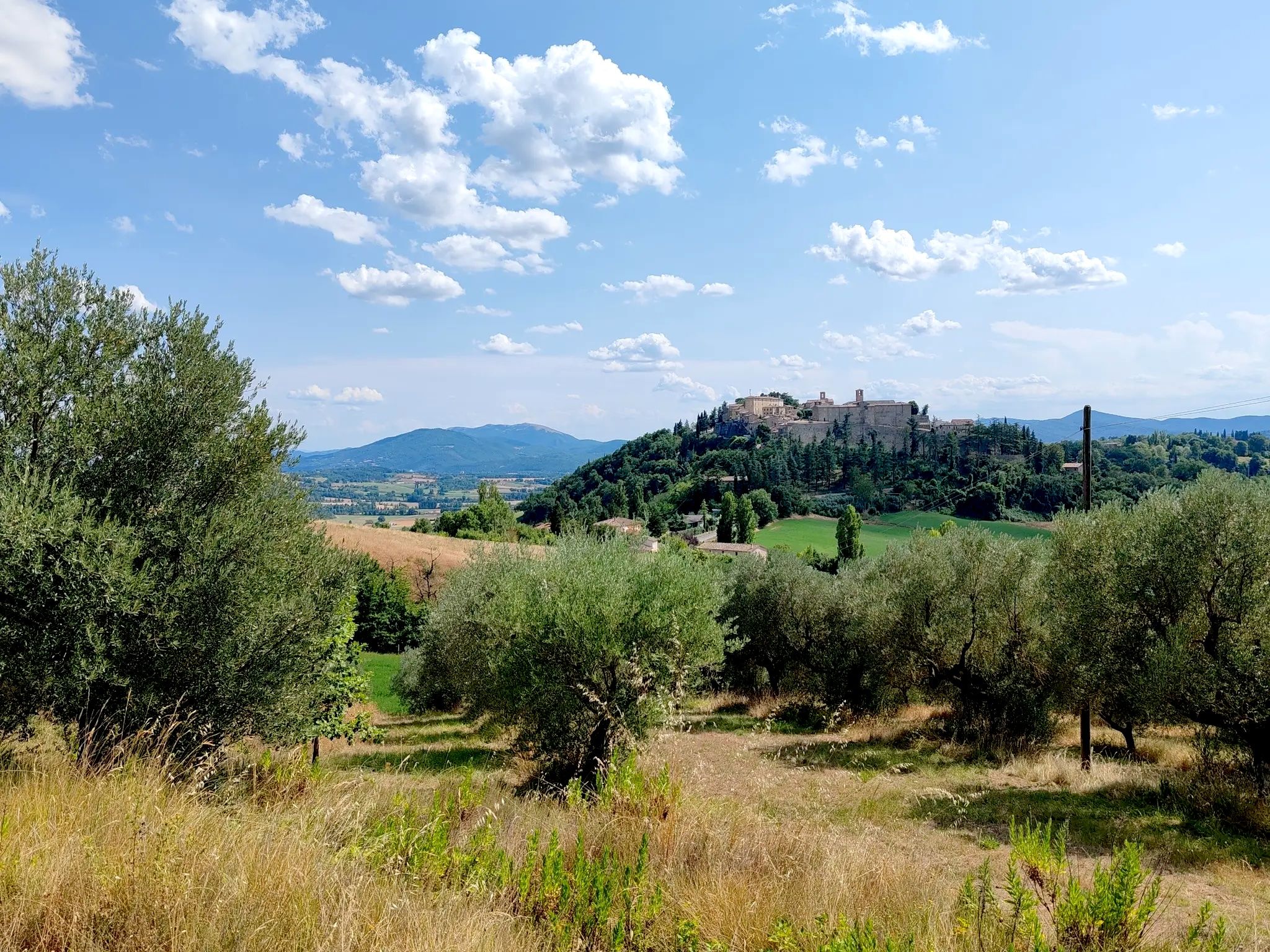
Day rides in the heart of Umbria – a Journey through History
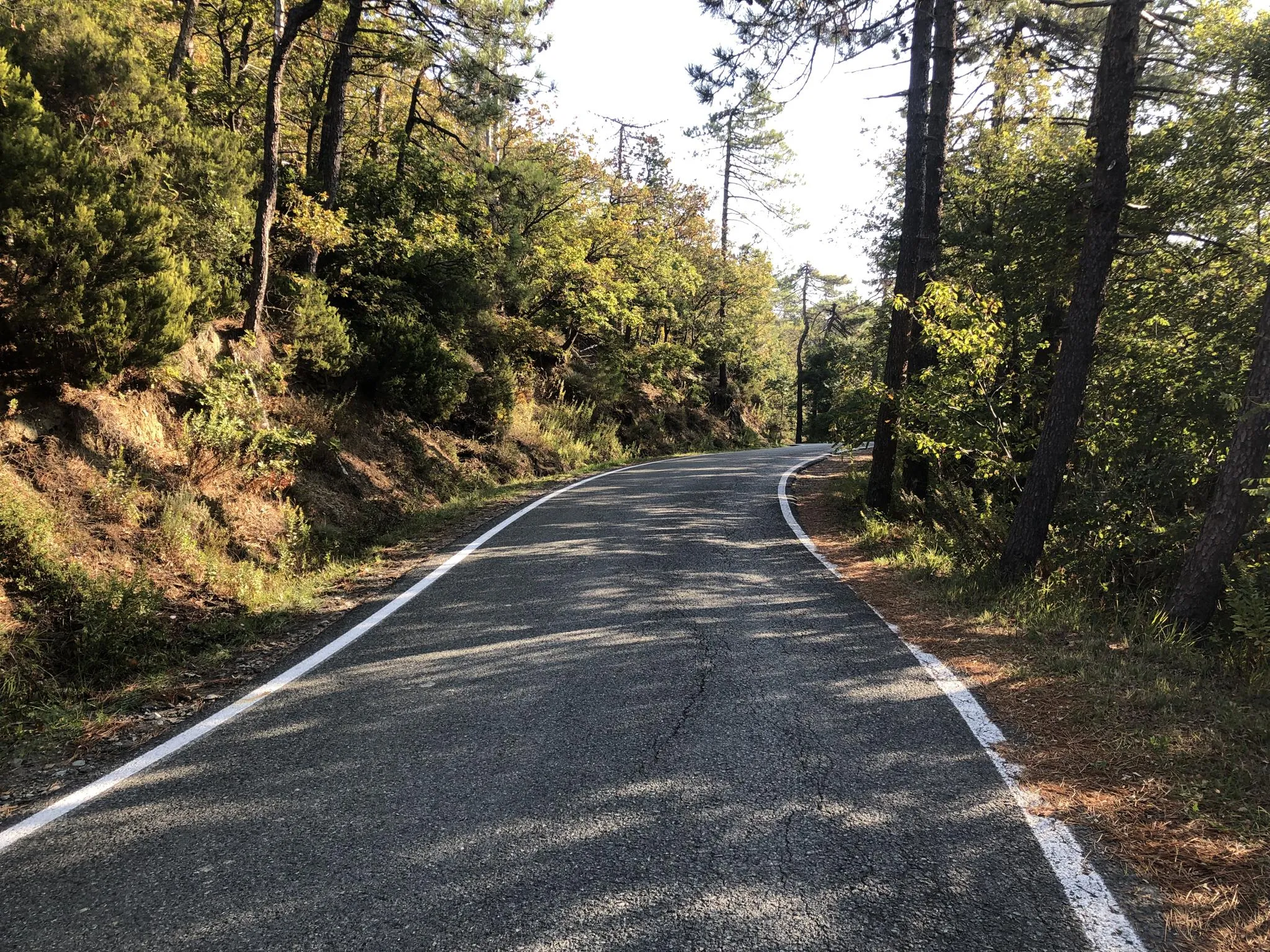
Apennine Cycle Route (Part 1) - From Liguria to Umbria
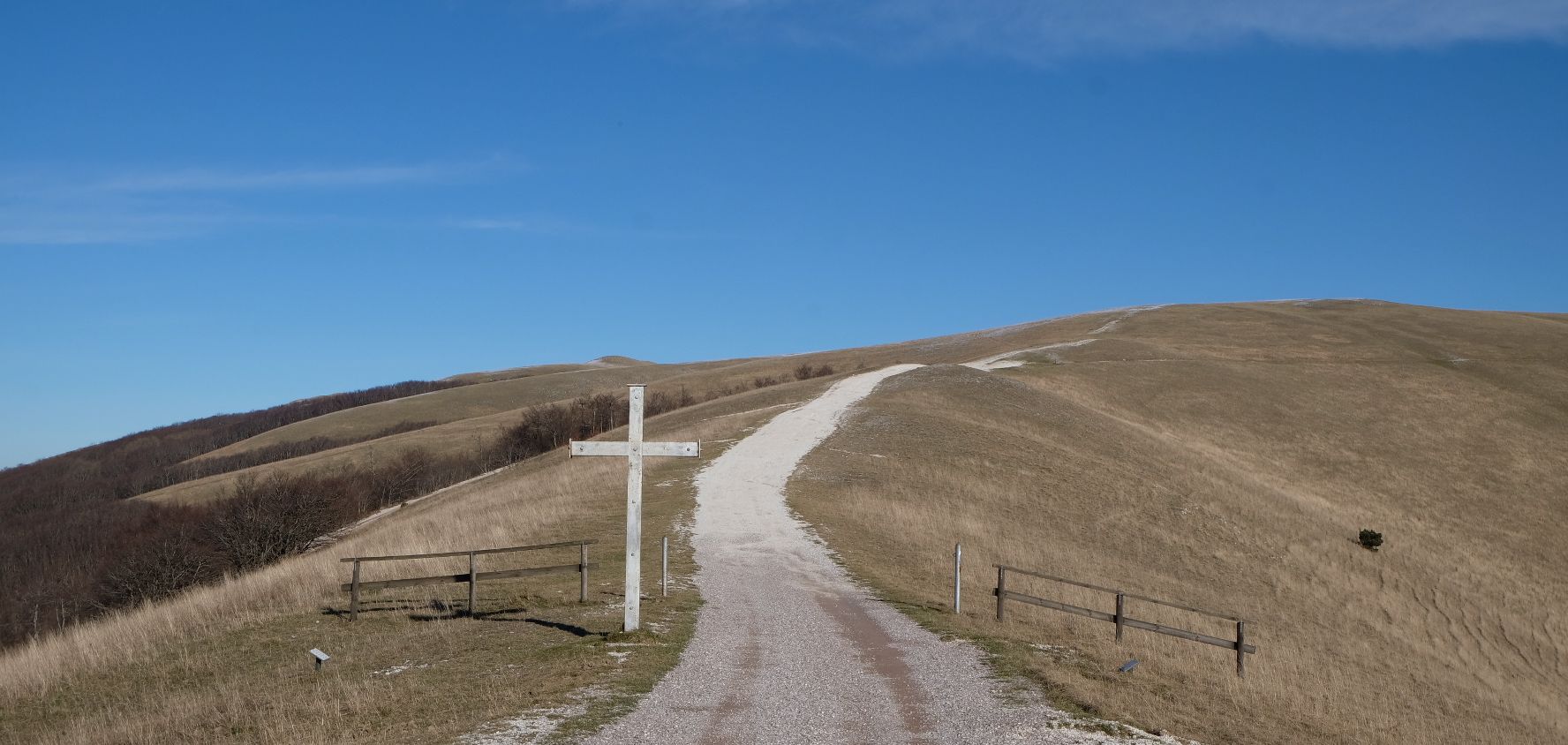
In the footsteps of St. Francis - Cammino di Assisi
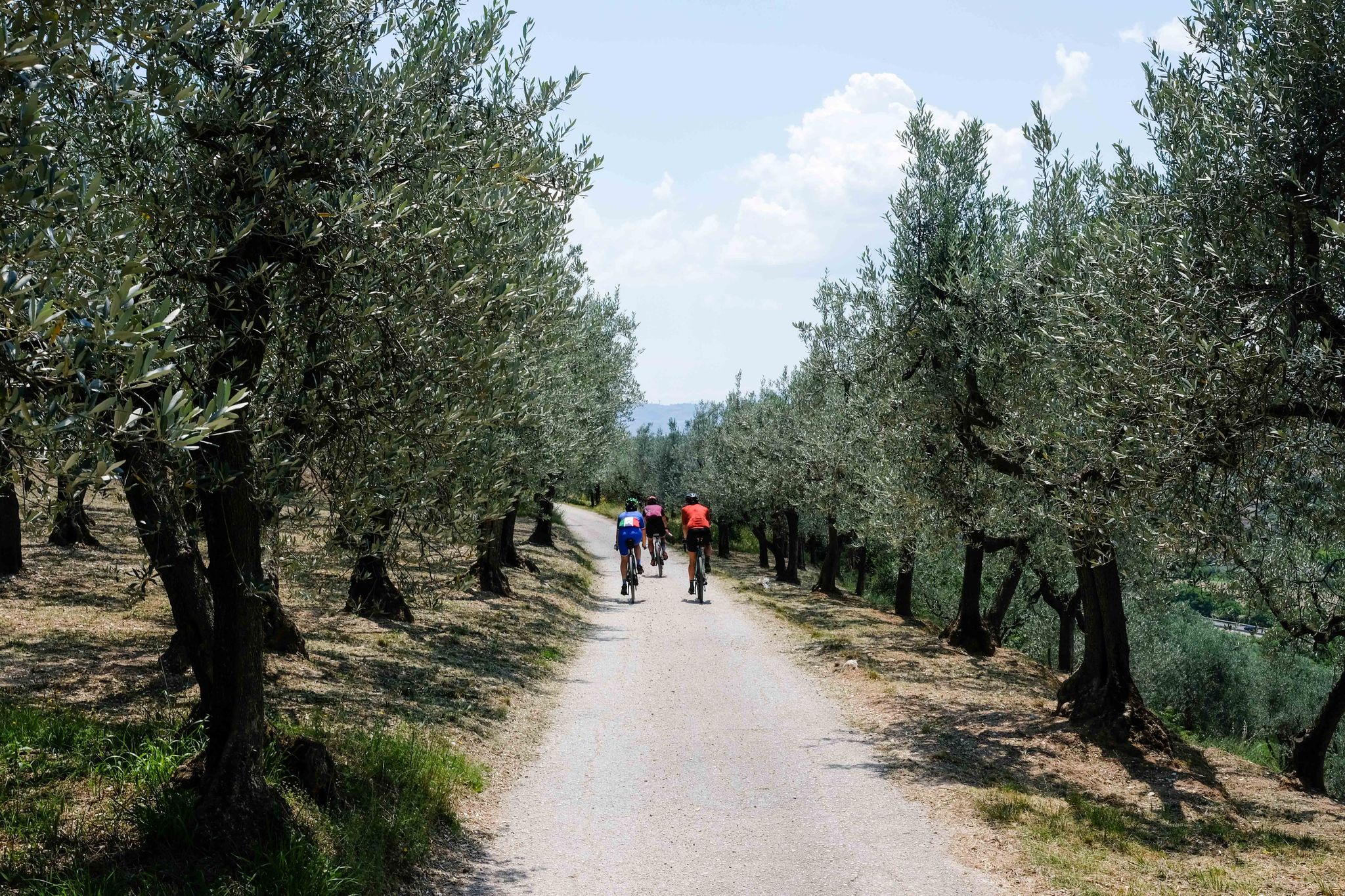
Cycle the St. Francis Way in Italy – Via del Nord
Italy coast to coast by bike – Orbetello to Senigallia
Italy’s Coast to Coast – pedalling from the Adriatic to Tyrrhenian Sea
Hiking around Gubbio
Road Cycling Routes around Gubbio
Cycling around Gubbio
MTB Trails around Gubbio
Other adventures around Gubbio


Tips from the Community

It is definitely worth a visit, you will also find a large space where you can stop.
1
0

In the so-called Orrido dei Cupi di Fiamma, a splendid gorge not far from Pianello di Cagli, in the province of Pesaro Urbino, flows the Pian dell'Acqua river, which here forms a splendid 25-meter high waterfall. It can be reached by walking on the riverbed, but attention must be paid to floods.
2
0

The Burano river between Cagli and Cantiano.
1
0

The Molinaccio in Piobbico is an ancient mill located in the Val d'Abisso, near Monte Nerone. This ruin, built in stone, has some rooms leaning against the slope, partly dug into the rock, one of which has a barrel vault. A waterfall falls next to the mill, and some small waterfalls are present further upstream. The path that leads to the mill starts from the Church of S. Maria in Val d'Abisso and is flanked by a dry stone wall made of squared stones.
0
0
The Sanctuary of Santa Maria in Val d'Abisso is a Catholic place located near Piobbico, at the foot of Monte Nerone. According to tradition, shepherds found an image of the Madonna and Child in a cave on Mount Nero, perhaps left by one of the hermits who lived in the area.
0
0

This stretch of road follows the route of the ancient Via Flaminia and connects the towns of Cagli and Cantiano through the narrow Burano valley. The road has little traffic thanks to the construction of the new state road that runs parallel. The gorge carved out over time by the watercourse is spectacular and evocative.
2
0

This old mill, also known as Molinaccio, was owned first by the Brancaleones, then by the Vagnarelli family.
1
1
Place often populated by swimmers and people having a picnic in the open air. There are waterfalls here.
0
0
Frequently Asked Questions
What are the most popular waterfalls around Gubbio?
Visitors frequently enjoy the Molinaccio Waterfall and Old Mill Ruins, which features an ancient mill and smaller cascades upstream. Another favorite is the Waterfall of the Gorge of the Dark Flames, a challenging 25-meter high waterfall. The Mulino di Secchiano Waterfall is also highly regarded for its beauty and accessible path.
Are there any historical sites associated with waterfalls near Gubbio?
Yes, the Molinaccio Waterfall and Old Mill Ruins is a notable historical site, featuring an ancient stone mill with rooms partly dug into the rock. Additionally, the Gola del Bottaccione, just outside Gubbio, is a site of immense geological and historical significance, featuring a well-preserved medieval aqueduct and seasonal waterfalls.
What is the Gola del Bottaccione and what can I see there?
The Gola del Bottaccione is a deep river valley just outside Gubbio, known for its significant geological and historical value. While it features seasonal waterfalls that may be dry at times, its main draw is the K-Pg boundary, a globally important geological site related to the extinction of the dinosaurs. You can also explore a medieval aqueduct and enjoy scenic hiking trails with breathtaking views.
Are there family-friendly options for exploring waterfalls near Gubbio?
While specific waterfalls are not categorized as 'family_friendly' in the highlights, the Gola del Bottaccione offers scenic walks along the medieval aqueduct that can be suitable for families. For specific waterfall visits, always check the difficulty and terrain to ensure it's appropriate for all family members.
What kind of hiking trails can I find near the waterfalls?
You'll find a variety of trails, from intermediate paths leading to highlights like the Molinaccio Waterfall and Mulino di Secchiano Waterfall, to more challenging routes like the one leading to the Waterfall of the Gorge of the Dark Flames, which involves walking on a riverbed. The Gola del Bottaccione also offers trails with panoramic views.
What outdoor activities can I do near these waterfalls?
Beyond visiting waterfalls, the Gubbio area offers various outdoor activities. You can find numerous MTB trails, running routes, and gravel biking routes. These trails often pass through scenic landscapes, including gorges and historical sites.
Is there public transport or parking available near the waterfalls?
Information on specific public transport to individual waterfalls is limited. However, the Gola del Bottaccione is easily accessible from Gubbio's town center. For highlights like the Mulino di Secchiano Waterfall, directions mention taking a paved road down near a house after a bridge, implying car access and potentially informal parking nearby. It's advisable to research specific access for each location.
What is the best time to visit waterfalls around Gubbio?
Given that many waterfalls in the immediate Gubbio area, particularly in the Gola del Bottaccione, are seasonal and dependent on rainfall, the best time to visit for water flow would typically be during or after periods of significant rain, such as spring or late autumn. During drier summer months, some cascades may be reduced or dry.
Are there any gorges or rivers worth exploring in the area?
Absolutely. The Via Flaminia along the Burano River offers a spectacular and evocative gorge carved by the river between Cagli and Cantiano. This route follows the ancient Roman road and provides stunning views with little traffic. The Gola del Bottaccione is another prominent gorge known for its geological formations.
What should I wear or bring when visiting waterfalls near Gubbio?
For most trails, sturdy hiking shoes are recommended, especially for challenging routes or those involving riverbeds, like the Waterfall of the Gorge of the Dark Flames. Layered clothing is always a good idea for varying weather conditions. Bringing water and snacks is also advisable, as cafes or pubs may not be directly at every waterfall location.
Can I find any hidden or less-known waterfalls around Gubbio?
While the guide focuses on more established highlights, the Umbrian Apennines surrounding Gubbio are rich in natural beauty. Exploring local trails and riverbeds, especially after rainfall, might lead to discovering smaller, seasonal cascades. The Gola del Bottaccione itself, with its seasonal flows, offers a more secluded experience compared to larger, more famous waterfalls in Umbria.
What do visitors enjoy most about the waterfalls and natural sites near Gubbio?
Visitors appreciate the combination of natural beauty with historical and geological significance. The ancient ruins at Molinaccio Waterfall, the dramatic gorge of the Dark Flames, and the unique geological features of the Gola del Bottaccione are frequently highlighted. The scenic trails and the opportunity to connect with both nature and history are key draws.
Most popular attractions around Gubbio

Get inspired with the komoot mobile app


Explore more
Happy to travel a little further afield? Then browse these guides for the best waterfalls around Gubbio:
