Top 5 Castles around Tuscania
Castles around Tuscania offer a glimpse into the region's medieval past and strategic importance within the Lazio area of Italy. The landscape features fortified structures, prominent towers, and historical palaces. These sites provide panoramic views of the surrounding countryside and the town's Romanesque churches. The area's rich history extends from Etruscan origins through medieval times.
Best castles around Tuscania
- The most popular castles is Belvedere della Ripa, a viewpoint that offers expansive views of Tarquinia and the surrounding Lazio…
Last updated: August 9, 2026
Rocca Farnese of Capodimonte
Highlight • Castle
Translated by Google •
Tip by

Belvedere della Ripa
Highlight • Viewpoint
Translated by Google •
Tip by

Sign up now to discover places like this
Get recommendations on the best single tracks, peaks, & plenty of other exciting outdoor places.
Sign up for free
Castello dell'Abbadia di Vulci
Highlight • Castle
Translated by Google •
Tip by

Ruins of the Church of San Pietro and the Castle of the Di Vico
Highlight • Historical Site
Translated by Google •
Tip by

Start today with a free account
Your next adventure awaits.
Login or Signup

Tips from the Community

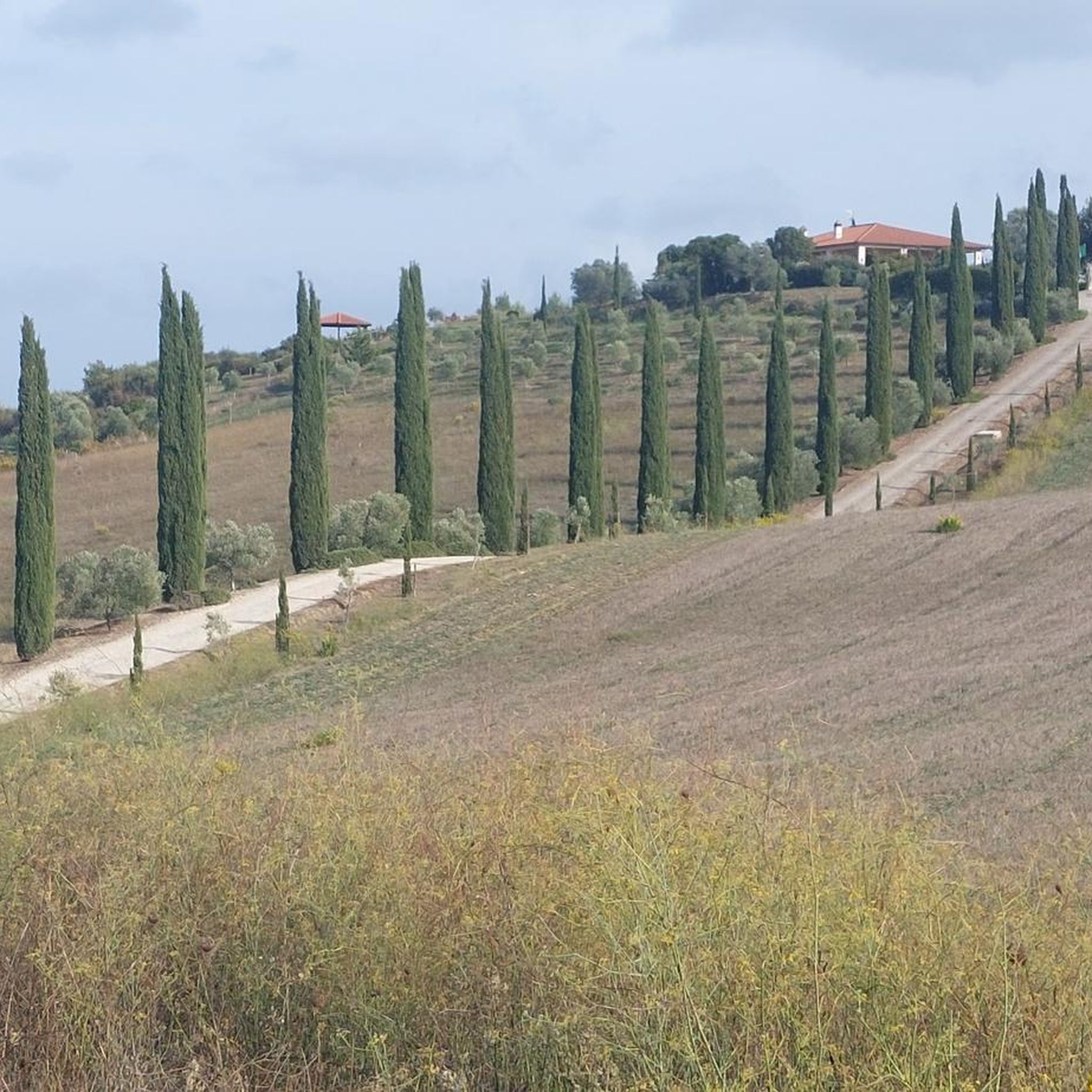
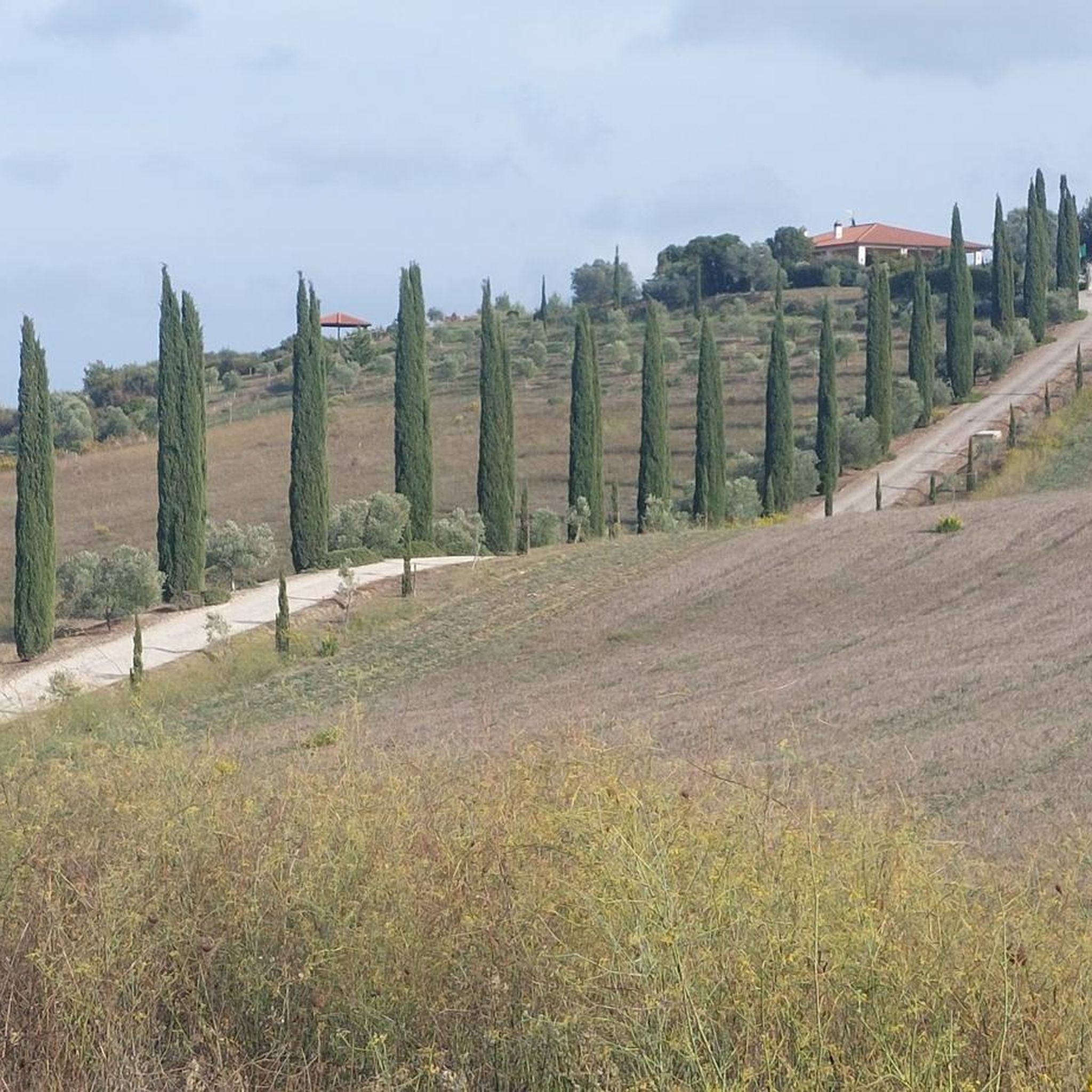
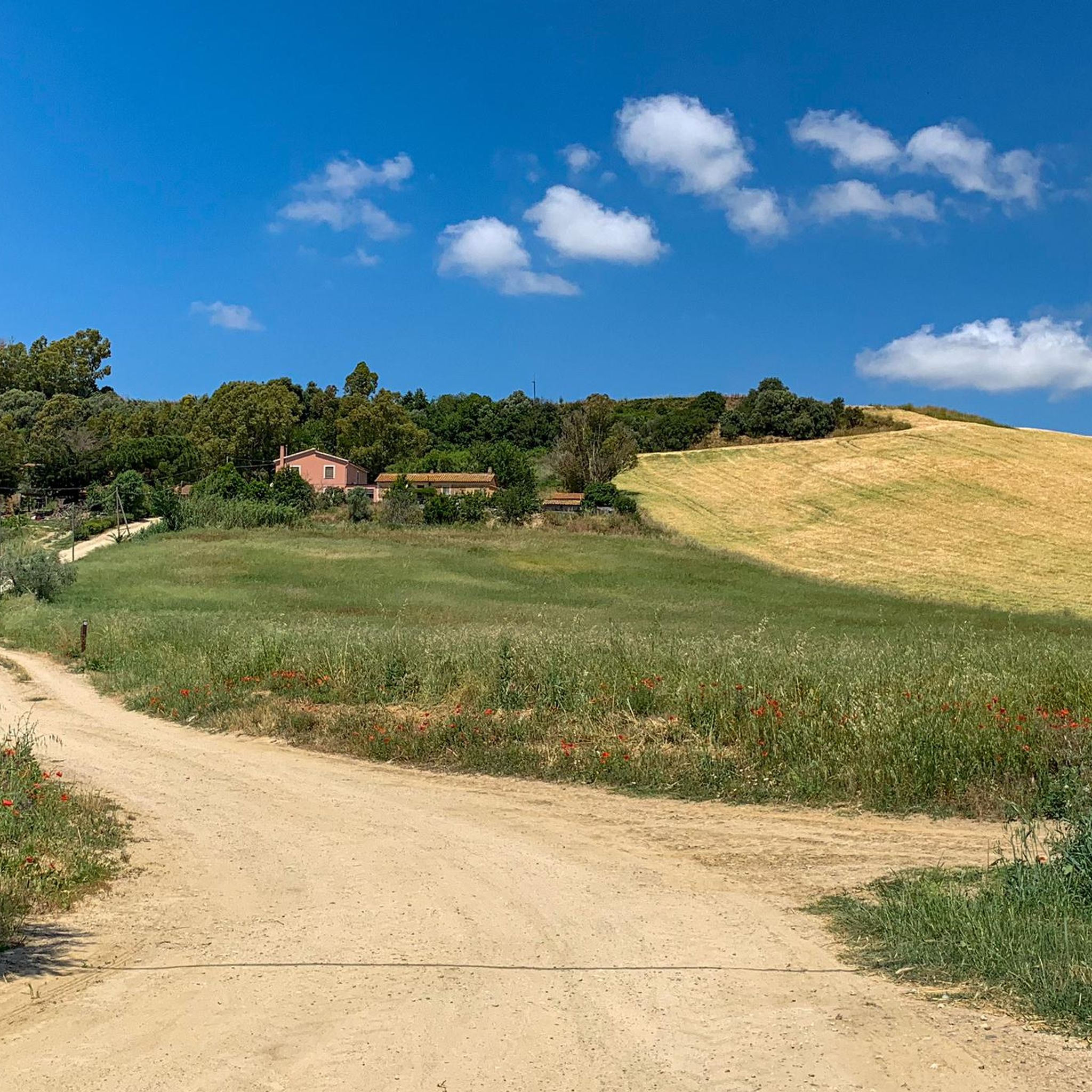
Panoramic viewpoint on the hills adjacent to the city of Tarquinia
0
0

The Rocca Farnese, located in Tuscia, is an imposing 16th-century structure built around a medieval tower, which dominates the historic center of Ischia di Castro. The palace, unfinished for centuries, was recently restored by the new owner, bringing to light ancient forms and a walled Renaissance loggia. Originally built in the 13th century as a fortress, it was transformed into a palace in the 16th century, perhaps designed by Antonio da Sangallo the Younger. It was the residence of the Farnese, lords of the Duchy of Castro, and, after the end of the duchy in 1649, it passed to the Apostolic Chamber and various families.
3
0

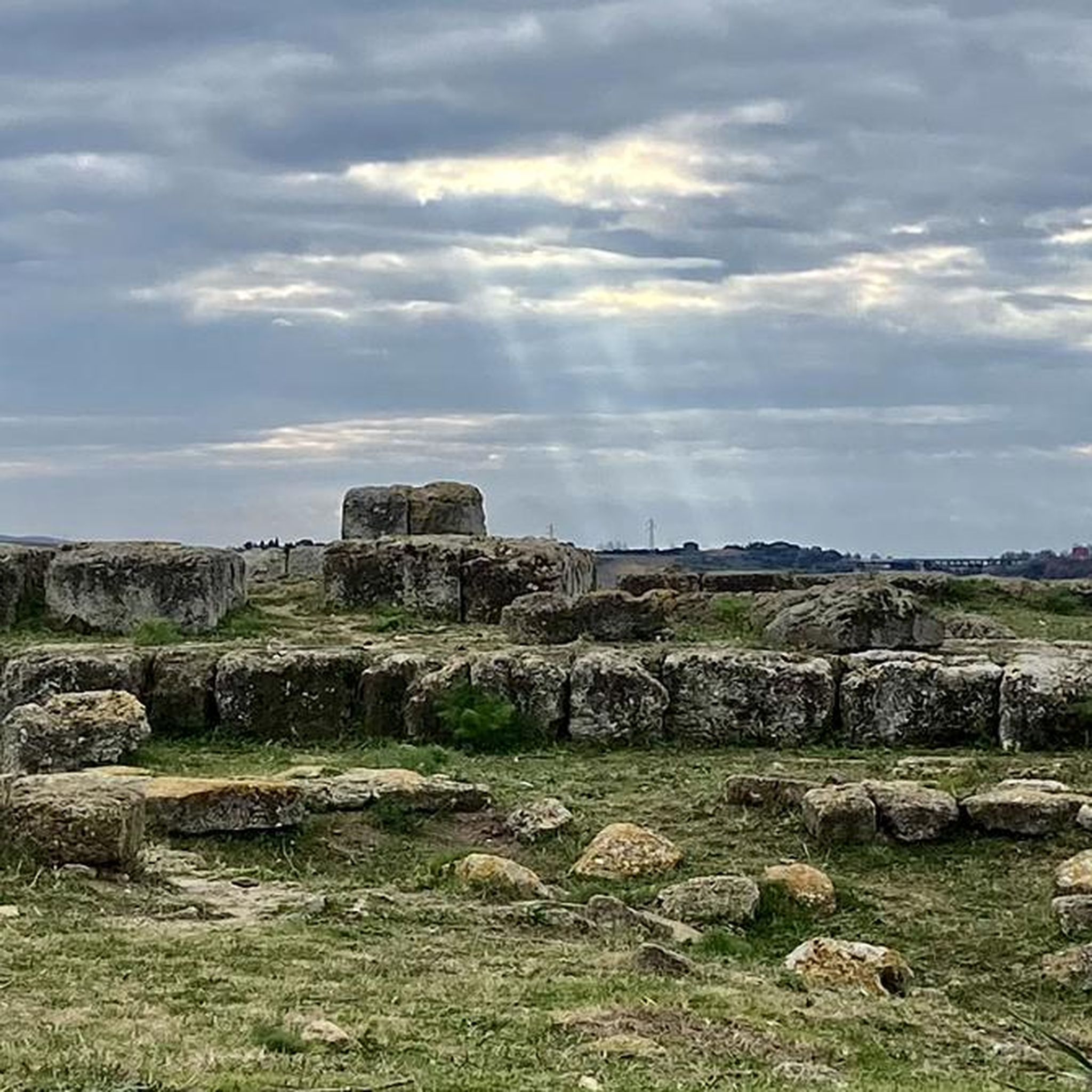
"After crossing the door of the medieval city wall, it will be possible to admire the remains of the Romanesque church of San Pietro and further on the ruins of the Di Vico castle destroyed in the 15th century as well as a columbarium".
0
0

The Castello dell'Abbadia di Vulci was built in the 3rd century BC. to protect a bridge over the Fiora river built by the Romans on the pre-existing foundations of another bridge of the Etruscan people. Walking is an experience that crosses centuries of history.
1
0

The Rocca Farnese di Capodimonte is an imposing octagonal fortress-palace built in 1365 by the Duke of Castro Pier Luigi Farnese. From here you can admire a beautiful panorama of Lake Bolsena and the Bisentina island.
1
0
From Belvedere della Ripa you can enjoy a breathtaking view of Tarquinia and the surrounding Lazio expanses.
1
0

Great view from the old castle, nice streets but the castle is private. You can't go in.
1
0
Frequently Asked Questions
What kind of historical structures can I expect to see around Tuscania?
While Tuscania may not have traditional castles like some other regions, it is rich in impressive fortified structures from its medieval past. You'll find evocative ruins like the Castello del Rivellino, prominent towers such as the Torre di Lavello, and historical palaces like the Palazzo Baronale. The nearby Castello dell'Abbadia di Vulci also offers a glimpse into regional defensive architecture.
Which fortified sites offer the best panoramic views of Tuscania and the surrounding landscape?
For breathtaking views, visit the Belvedere della Ripa, which offers expansive vistas of Tarquinia and the Lazio expanses. The ruins of the Castello del Rivellino also provide magnificent panoramic views of Tuscania's medieval buildings and the churches of San Pietro and Santa Maria Maggiore. Additionally, the Torre di Lavello and its adjacent Parco Torre di Lavello offer an enchanting outlook over the town and the valley below.
Are there any specific medieval ruins worth exploring in Tuscania?
Yes, the Castello del Rivellino, though largely in ruins, is a significant medieval fortification dating back to the 13th century. Its remaining south wall features distinctive Ghibelline merlons and a unique circular corbelled turret. You can also explore the Ruins of the Church of San Pietro and the Castle of the Di Vico, which offer a glimpse into the town's medieval past.
What is the historical significance of the Torre di Lavello?
The Torre di Lavello is a prominent tower in Tuscania's historic center, named after Angelo Broglio da Lavello, a mercenary captain who fortified the town's defenses in the early 15th century. It offers striking views and is situated next to a beautiful park, providing a connection to Tuscania's storied past and its strategic importance.
Can I visit a castle that houses a museum near Tuscania?
Absolutely. The Castello dell'Abbadia di Vulci, located about 13 kilometers from Tuscania, houses the National Archaeological Museum of Vulci. This 12th-century fortress, built over the Fiora River, offers a comprehensive journey through the history of Vulci, from its Etruscan origins to the Roman conquest, showcasing numerous artifacts.
Are there hiking or cycling routes near the castles around Tuscania?
Yes, the area around Tuscania offers various outdoor activities. You can find numerous cycling routes, such as the 'View of Capodimonte – Tuscania loop' or 'View of the Castle of Tuscania – Historic Center of Marta loop'. For mountain biking, explore trails like 'Da Tuscania al Lago di Bolsena lunga la Valle del Marta'. Running enthusiasts can enjoy routes like the 'Ancient Via Clodia Loop'. You can find more details on these routes in the Cycling around Tuscania, MTB Trails around Tuscania, and Running Trails around Tuscania guides.
What do visitors enjoy most about the castles and fortified sites around Tuscania?
Visitors particularly appreciate the profound sense of history offered by sites like the Castello del Rivellino, as well as the magnificent panoramic views of Tuscania's medieval buildings and the surrounding landscape. The unique urban fabric and picturesque setting from vantage points like the Torre di Lavello are also highly valued. The Castello dell'Abbadia di Vulci is praised for its visually striking setting over the ancient bridge and its rich archaeological museum.
Is the Rocca Farnese of Capodimonte accessible to the public?
The Rocca Farnese of Capodimonte is an imposing 16th-century structure that offers great views of the old city center. However, the castle itself is private property and not open for public entry. You can still enjoy the views from its vicinity and explore the narrow roads of the old city center.
What is the best time of year to visit the castles and fortified sites around Tuscania?
The best time to visit is generally during spring (April-May) and autumn (September-October). During these seasons, the weather is pleasant for exploring, with comfortable temperatures for walking and enjoying the outdoor views. Summer can be quite hot, while winter might be cooler and wetter, though still offering a unique atmosphere.
Are there any family-friendly activities or sites among the castles near Tuscania?
Many of the sites, particularly those with open spaces and scenic views, can be enjoyed by families. The Parco Torre di Lavello, adjacent to the Torre di Lavello, offers a natural terrace for relaxation. The Castello dell'Abbadia di Vulci, with its museum and impressive Etruscan-Roman bridge, can be an engaging educational experience for older children interested in history and archaeology.
Are there any hidden gems or less-known fortified structures to explore near Tuscania?
While not a 'hidden gem' in the sense of being unknown, the Palazzo Baronale in Tuscania is a significant civil building that reflects the town's rich urban history alongside its more overtly defensive structures. Its historical context within a fortified medieval town makes it an interesting, perhaps less-frequented, site to explore for those interested in the administrative and residential life of Tuscania's historical elite.
Most popular routes around Tuscania
Most popular attractions around Tuscania

Get inspired with the komoot mobile app


Explore more
Looking for the best castles somewhere else? Discover other guides around Tuscania:
