Top 6 Caves around Monte Romano
Best caves around Monte Romano are primarily found in the surrounding Viterbo province, an area defined by its volcanic landscape and historical significance. This region features a blend of ancient rock-cut settlements and natural cave formations, particularly those carved into tuff stone by the Etruscans. The geological history of the area has led to the creation of numerous cave-like dwellings and passages. These sites offer insights into past civilizations and the natural environment.
Best caves around Monte Romano
- The most…
Last updated: August 9, 2026
Cave and Stream Crossing in the Forest
Highlight • Cave
Translated by Google •
Tip by

Etruscan Cave Dwellings and Pathway to Blera
Highlight • Cave
Translated by Google •
Tip by
Sign up now to discover places like this
Get recommendations on the best single tracks, peaks, & plenty of other exciting outdoor places.
Sign up for free
Grotta Porcina Etruscan Tomb
Highlight • Historical Site
Translated by Google •
Tip by

Ripa Maiale Cliff
Highlight • Natural Monument
Ripa Maiale (313 m a.s.l.) is a volcanic cliff composed of ignimbrite and trachyte, which originated at the end of the Pliocene with the birth …
Translated by Google •
Tip by

Etruscan Necropolis of Castel d'Asso
Highlight • Historical Site
Translated by Google •
Tip by

Sign up for free to discover even more caves around Monte Romano.
Sign up for free
Already have an account?
Start today with a free account
Your next adventure awaits.
Login or Signup

Tips from the Community

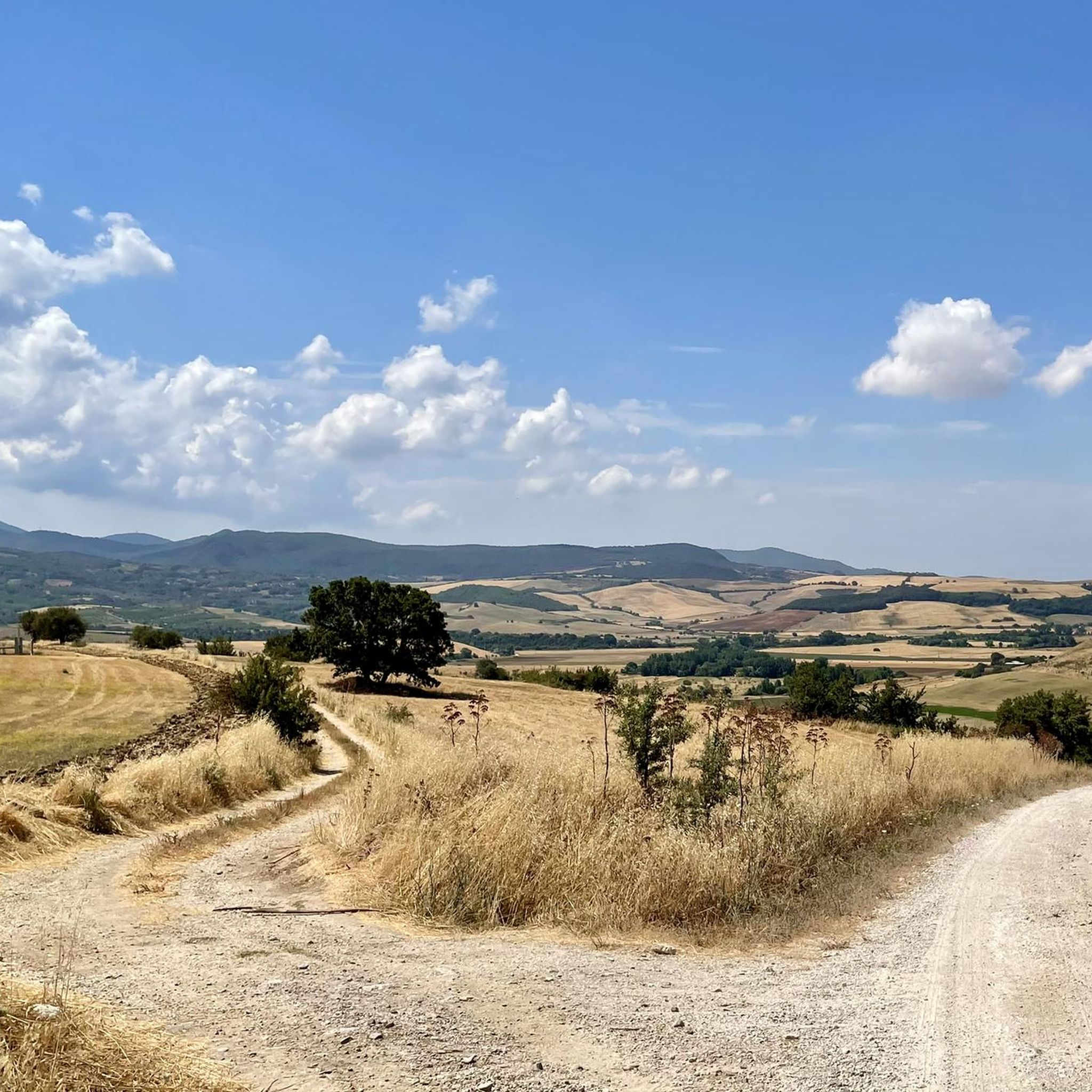
"The Necropolis of Castel d'Asso represents one of the most significant testimonies of Etruscan Civilization. The cube tombs carved into the rocky walls of the gorge follow one another, showing themselves to the visitor with elegant facades characterized by dedicatory engravings, decorative friezes and symbolic motifs such as the door of 'Afterlife, recurring image of Etruscan culture. A first study of the necropolis was made in 1817 by the Viterbo archaeologist Francesco Orioli, who was also responsible for the discovery of the even more imposing necropolis of Norchia near Vetralla.
0
0

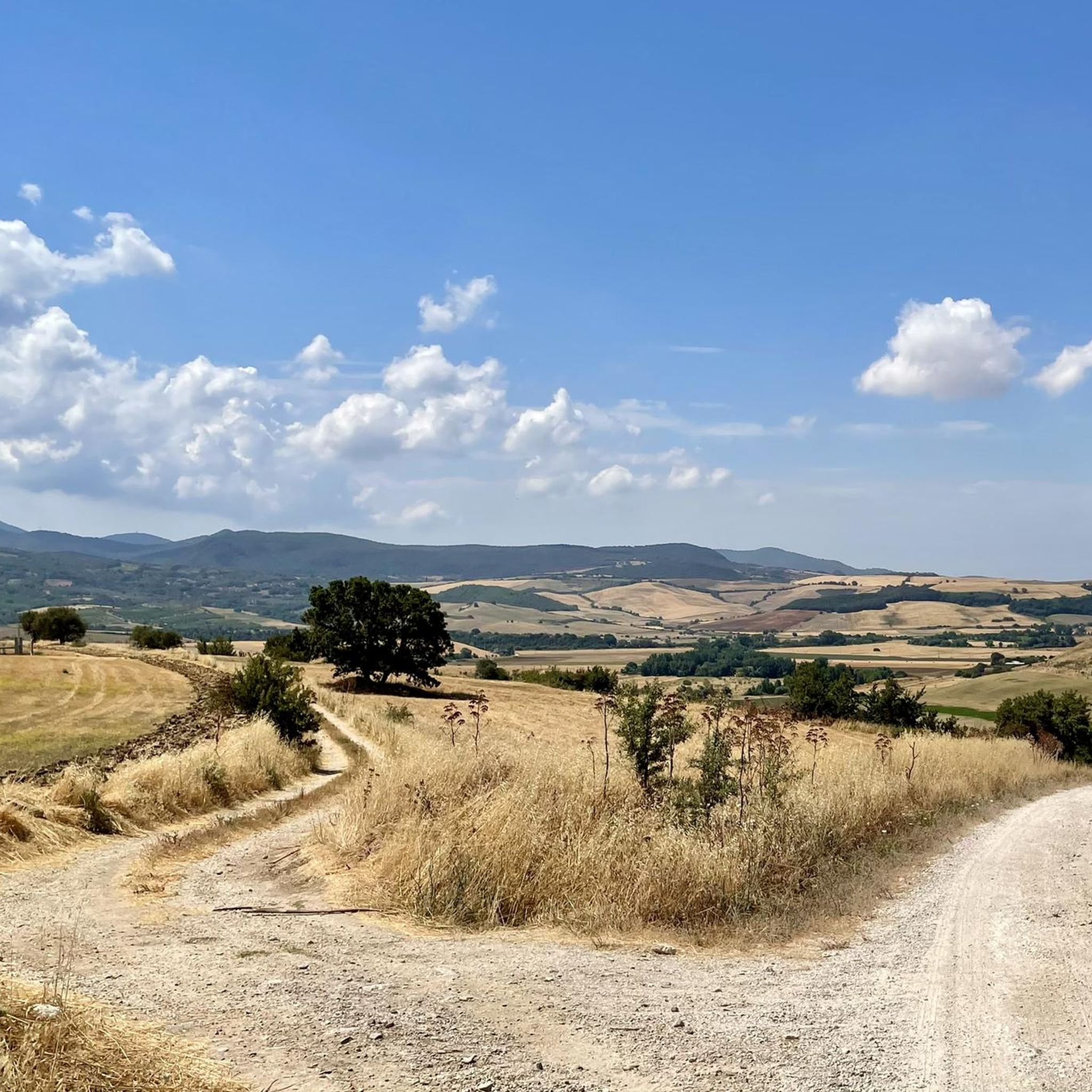
Etruscan tumulus of Grotta Porcina, characterized by rock architecture, with a tomb decorated by an altar with bas-reliefs. The Romans then used the site for the passage of the ancient Via Clodia.
1
0

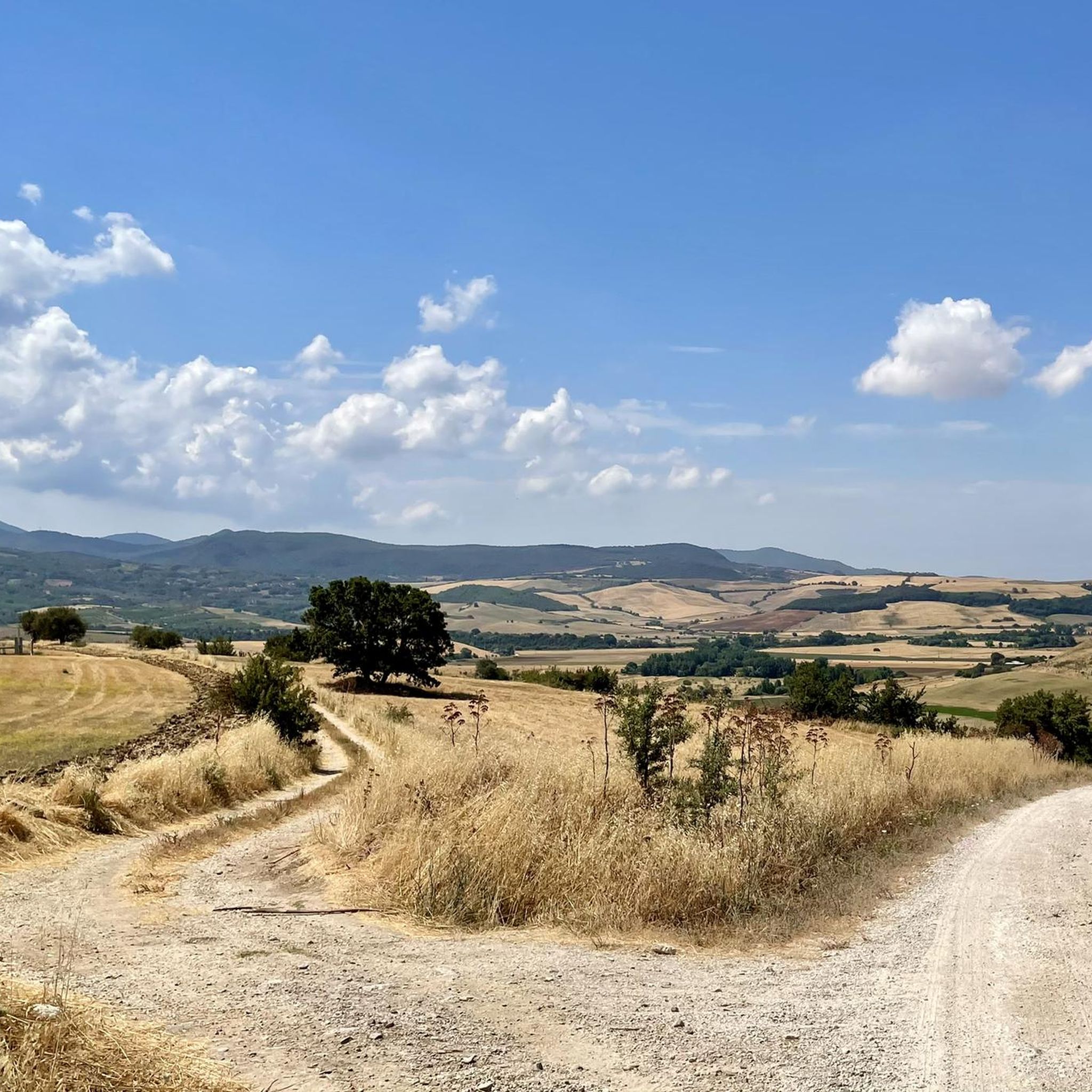
This suggestion has been added because the path is not very clear in this point and in the following one. Pay attention, looking at the map, to the positioning of the river which is on the right in the first ford and on the left in the second. Fortunately, the river bed was quite passable.
1
0
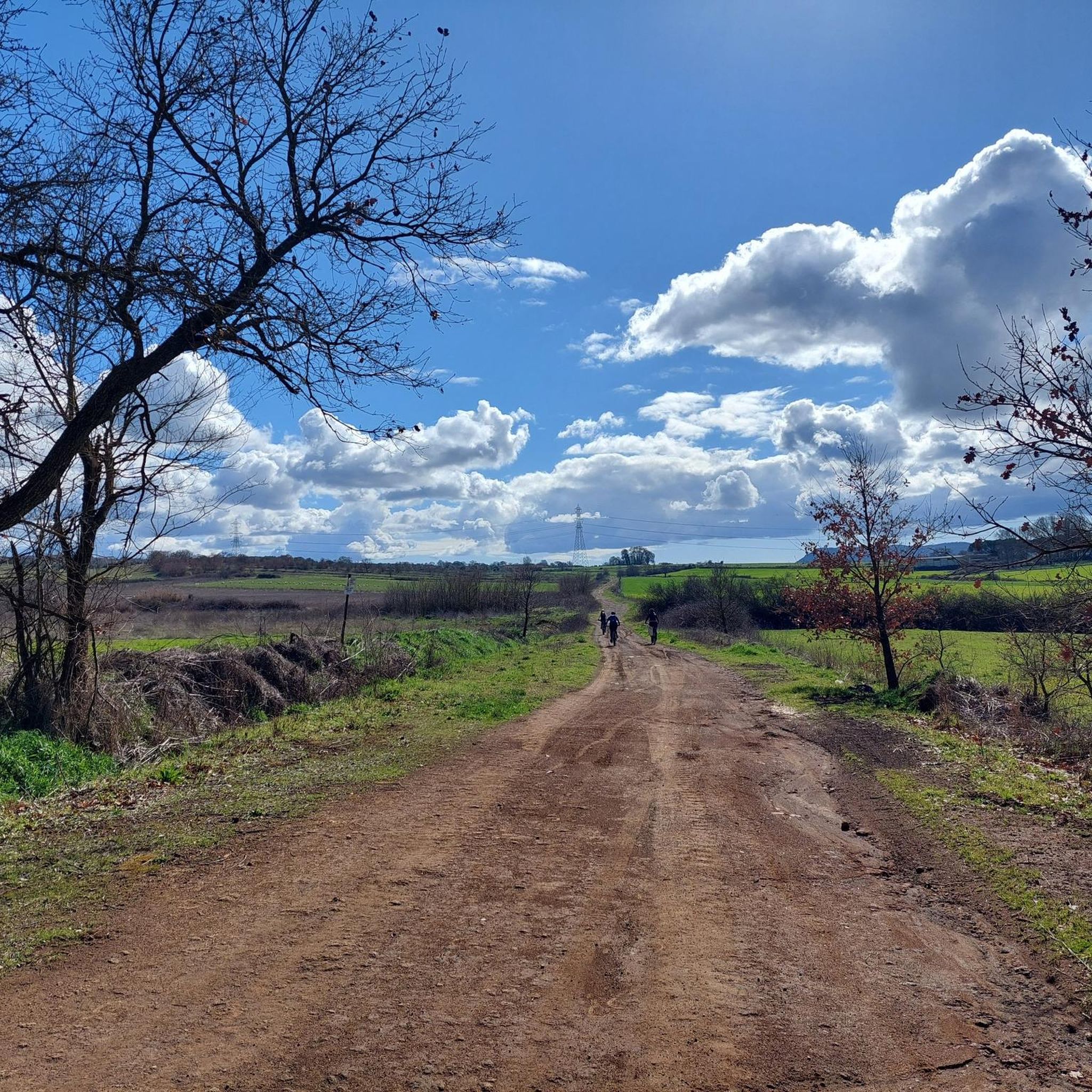
On the way out towards Blera, you can see many caves dug into the tuff. Last climb, last effort and then ... we eat
0
0

Wonderful, moderately difficult gorge hike. Pleasantly cool and shady. You feel like Indiana Jones🤠 in the jungle. Good walking shoes🥾 are an advantage.
3
0
Beautiful, not too steep climb to the city. Flanked by numerous rock cellars
1
0

Information taken from the web: Ripa Maiale (313 m a.s.l.) is a volcanic cliff composed of ignimbrite and trachyte, which originated at the end of the Pliocene with the birth of the Tolfa mountains. Topographically this vertical wall is the final term of the Palano maquis. The area is geologically very interesting due to the presence of marine fossils (bivalve molluscs such as pectinidae and oysters) from the Miocene and volcanic breccias containing leucite crystals. The cliff has natural caves and a perennial source of water, elements that favored human settlement from the end of the Middle Palaeolithic.
2
0
Frequently Asked Questions
What types of caves can I explore around Monte Romano?
The area around Monte Romano, particularly within the Viterbo province, is rich in both ancient rock-cut settlements and some natural cave formations. You'll find impressive Etruscan cave dwellings, tombs carved into tuff stone, and natural geological features. The broader Lazio region also offers natural karst cave systems.
Are there any natural cave systems near Monte Romano?
While Monte Romano itself is more known for man-made rock structures, the broader Lazio region does offer natural cave systems. For example, the Sant'Oreste Caves Regional Park showcases various karst phenomena with stalactites, stalagmites, and gypsum crystals. Further south, the Pastena Cave is one of the longest cave systems in the region, known for its remarkable formations.
Where can I find Etruscan rock-cut settlements and tombs?
The region is particularly rich in Etruscan rock-cut sites. You can explore the Etruscan Cave Dwellings and Pathway to Blera, which features numerous rock cellars and caves dug into the tuff. Another significant site is the Grotta Porcina Etruscan Tomb, characterized by rock architecture and an altar with bas-reliefs. The Etruscan Necropolis of Castel d'Asso also presents cube tombs carved into rocky walls.
Are there any adventurous cave experiences or hikes involving caves?
Yes, for a moderately difficult and adventurous experience, consider the Cave and Stream Crossing in the Forest. This gorge hike offers a cool and shady environment, requiring good walking shoes as you navigate stream crossings. It provides a feeling of exploring a jungle-like setting.
What is the Ripa Maiale Cliff, and does it feature caves?
The Ripa Maiale Cliff is a volcanic cliff composed of ignimbrite and trachyte. It is geologically interesting due to marine fossils and volcanic breccias. This cliff features natural caves and a perennial water source, which historically favored human settlement from the Middle Palaeolithic period.
Are the caves around Monte Romano suitable for families?
Many of the rock-cut settlements and historical sites are accessible and can be interesting for families, offering a glimpse into ancient history and unique landscapes. However, some trails, like the Cave and Stream Crossing in the Forest, are moderately difficult and require good walking shoes, so assess suitability based on your family's experience and children's ages.
What should I wear when visiting caves in this region?
Given the nature of the sites, which often involve walking on uneven terrain, through forests, or even stream crossings, it's highly recommended to wear sturdy walking shoes or hiking boots. Layers of clothing are also advisable as temperatures inside caves or shaded gorges can be cooler than outside.
What outdoor activities can I combine with a visit to the caves?
The Monte Romano area offers various outdoor activities. You can explore gravel biking routes, road cycling routes, or mountain biking trails. These routes often pass through scenic landscapes, allowing you to experience the region's natural beauty and historical sites.
What is the best time of year to visit the caves around Monte Romano?
Spring and autumn generally offer the most pleasant weather for exploring the outdoor cave sites and rock-cut settlements, with milder temperatures ideal for hiking. Summer can be hot, but the shaded areas of gorges and inside caves can provide a welcome respite. Winter visits are possible, but some paths might be muddy or slippery.
Are there other notable historical rock-cut sites in the wider Viterbo province?
Beyond the immediate Monte Romano area, the Viterbo province is home to other significant rock-cut sites. These include the Forre di Corchiano, ancient man-made passages carved into tuff cliffs by the Etruscans, and the Rock-Cut Cave Dwellings of Corviano, which offer a glimpse into early medieval habitation. The Vitozza Rock Complex near Grotte Di Castro also features an extensive network of over two hundred caves hewn into tuff stone, revealing a long history of human occupation.
Are there guided tours available for the caves?
While specific guided tours for every individual cave highlight are not detailed, many archaeological parks and natural monuments in the wider Viterbo and Lazio region offer guided tours to enhance the visitor experience and provide historical context. It is advisable to check with local tourist information centers or the official websites of specific sites for tour availability and booking information.
Most popular routes around Monte Romano
Most popular attractions around Monte Romano

Get inspired with the komoot mobile app


Explore more
Extend your search for the best caves by checking out these guides of the top ones around Monte Romano:
