Top 7 Caves around Süntel
Caves around Süntel are found within a low mountain range in Germany, characterized by its limestone geology and natural subterranean formations. This region features forested hills and natural monuments, providing opportunities to explore unique geological features. The landscape offers insights into the Earth's natural history through its various caves and crevices. Süntel is known for its diverse subterranean features, including stalactite caves and natural fissures.
Best caves around Süntel
- The most popular caves is Schillat Cave, a cave that…
Last updated: May 1, 2026
Schillat Cave
Highlight • Cave
Translated by Google •
Tip by

Oberberg Crevice
Highlight • Cave
Translated by Google •
Tip by

Sign up now to discover places like this
Get recommendations on the best single tracks, peaks, & plenty of other exciting outdoor places.
Sign up for free
Fuchsloch Cave
Highlight • Cave
Translated by Google •
Tip by

Fuchsloch in the Weser Hills
Highlight • Cave
Translated by Google •
Tip by

Wilhelmihöhle (Wesergebirge)
Highlight • Cave
Translated by Google •
Tip by

Sign up for free to discover even more caves around Süntel.
Sign up for free
Already have an account?
Start today with a free account
Your next adventure awaits.
Login or Signup
Popular around Süntel
The National Natural Landscapes in Niedersachsen
Time in the countryside – recharge your batteries in the Weserbergland
Weser Uplands Trail in autumn – out and about with Fräulein Draußen
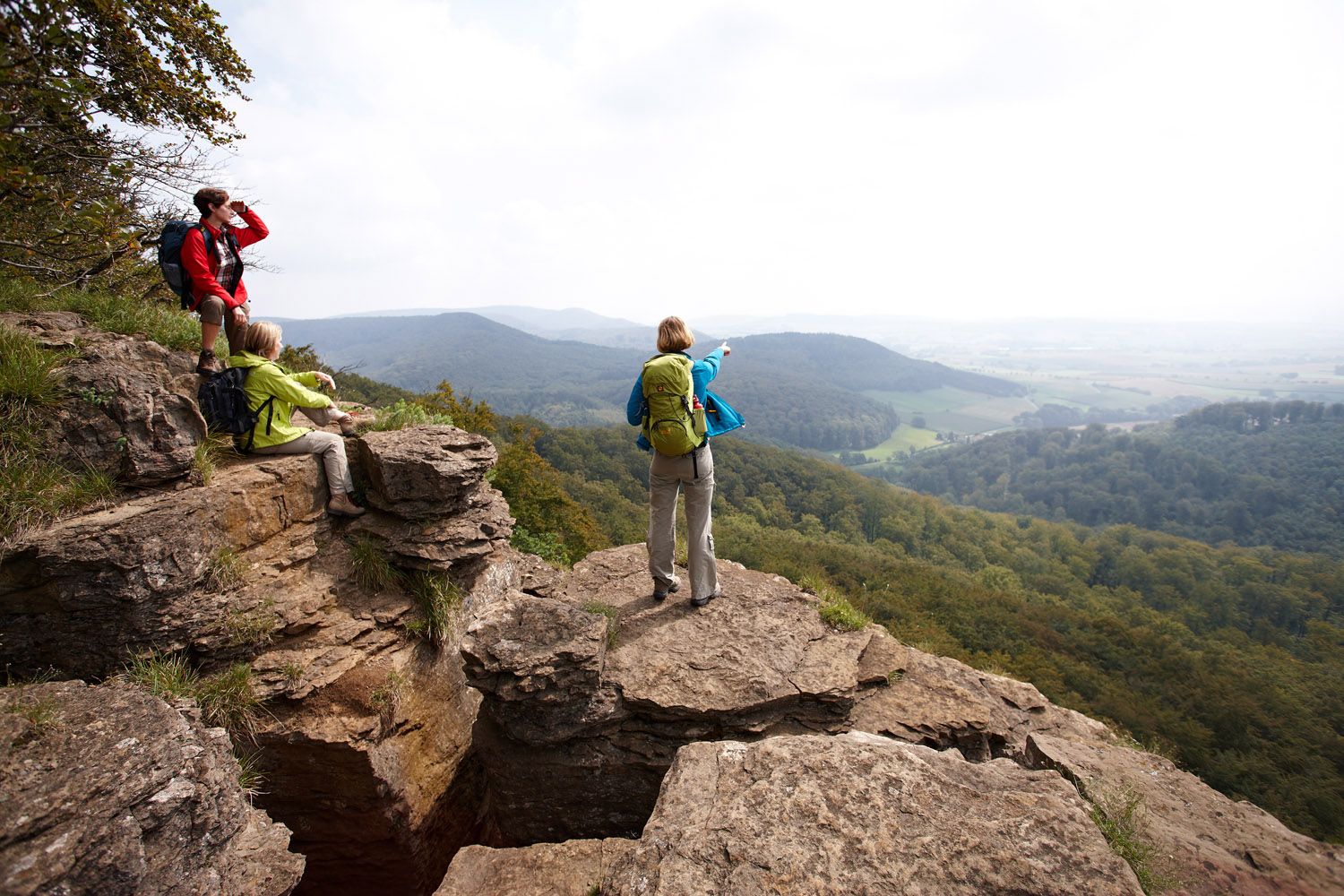
Weser Uplands Extreme – hiking for true adventurers
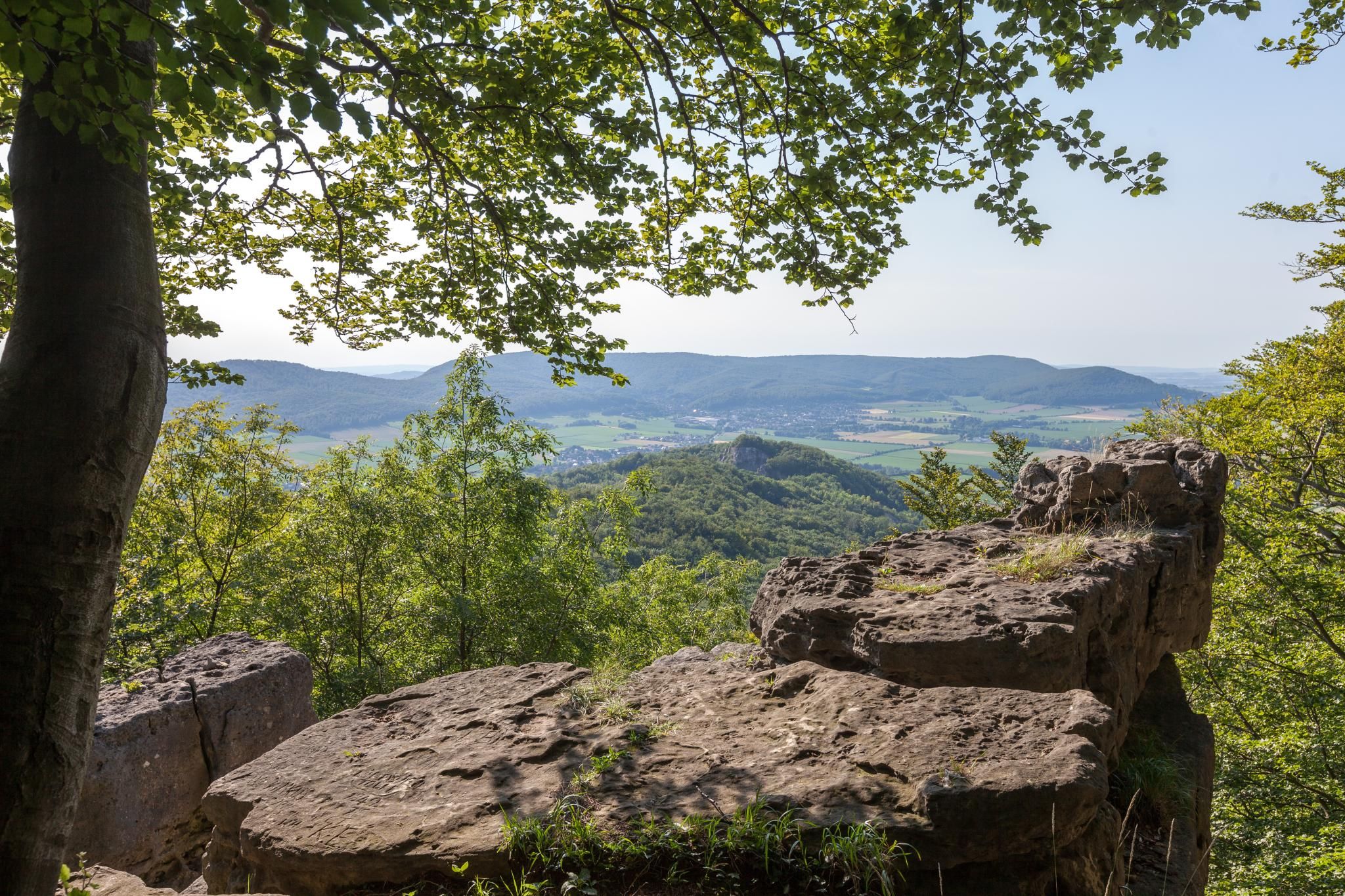
High up on cliffs and viewpoints in the Weserbergland region
Experience nature with all your senses in the Weserbergland
Castles and miners – hike through history in the Weserbergland region
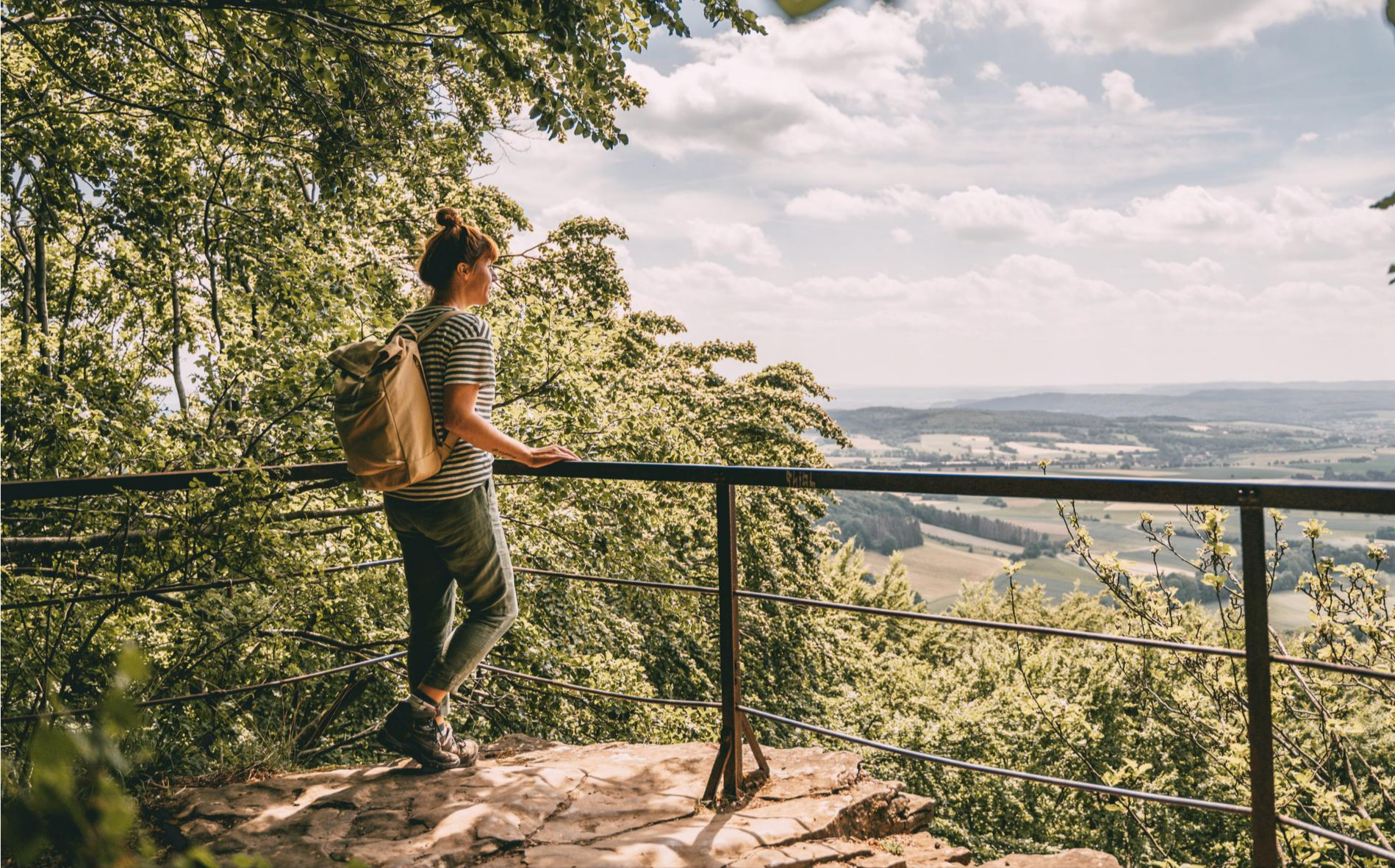
Fabulously scenic – hiking Germany’s Weserbergland Trail
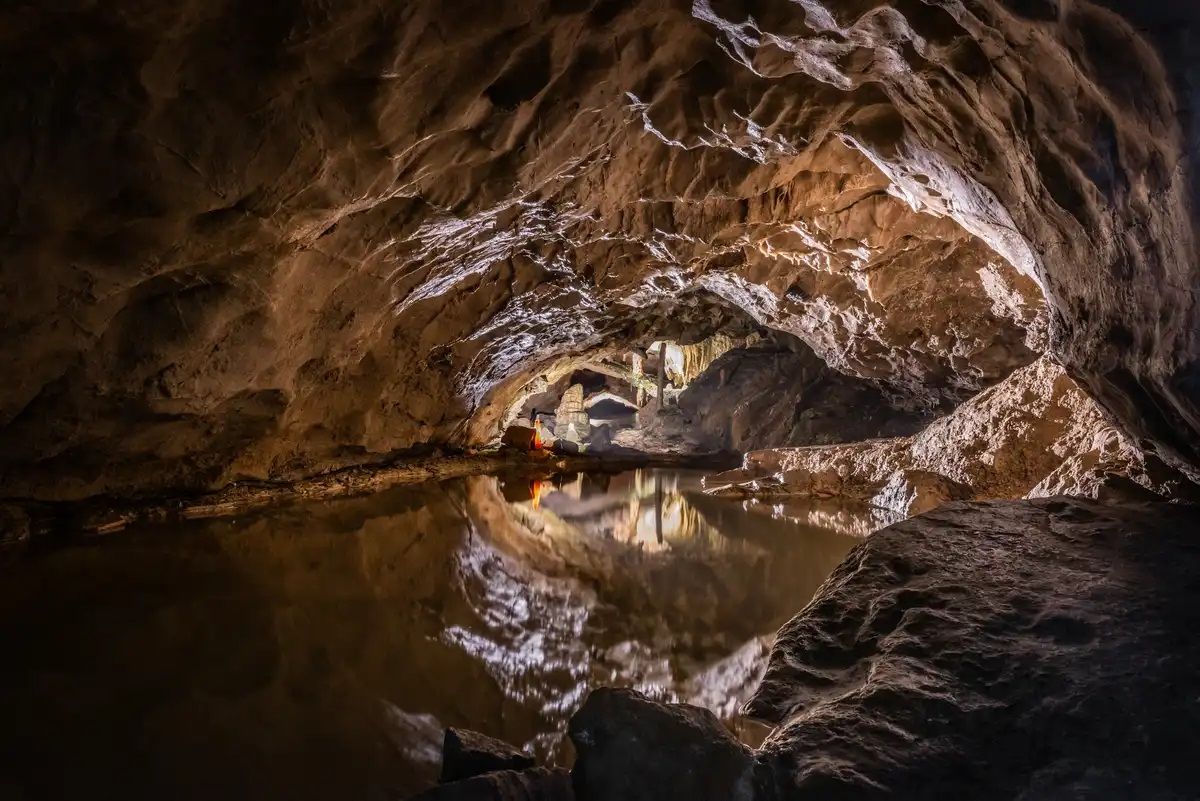
Stalactite caves – magical worlds beneath the surface
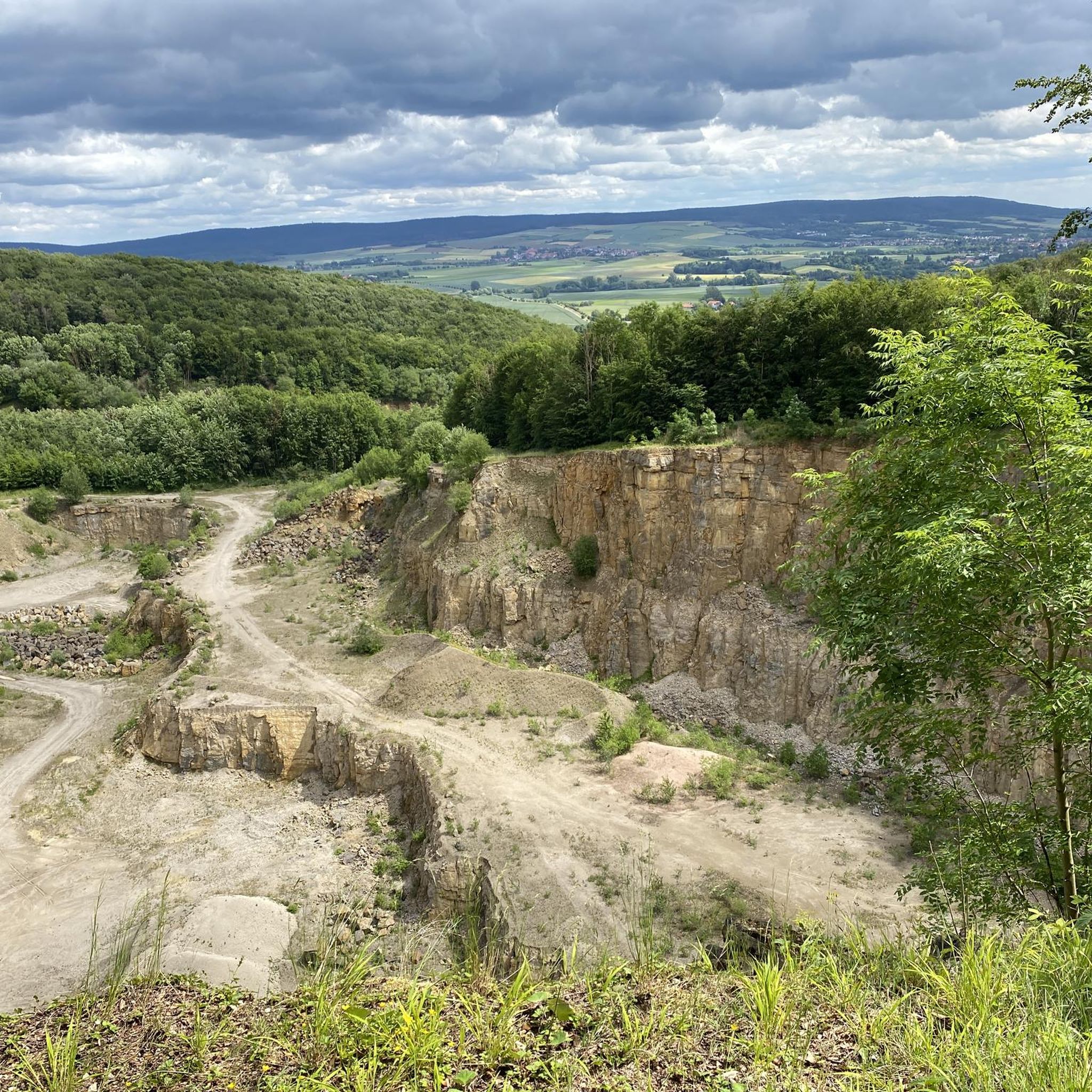
Hiking around Süntel
Other adventures around Süntel


Tips from the Community

The Oberberg fissure in the Weser Uplands is a narrow, natural crevice in the limestone of the Oberberg mountain and is one of the region's geological features. It lies well hidden on a steep slope and resembles a deep, inaccessible crack in the rock less than a cave. Due to its narrow structure, slippery limestone walls, and partially unstable floor, hiking guides advise against entering the fissure. It is precisely this mysterious yet difficult-to-access appearance that makes it such a fascinating place, best viewed from a distance.
0
0

Interesting cave in the middle of the path
0
0

Impressive little cave a little off the beaten track. You have to be careful not to walk past it. But when you stand in front of it, it's impressive to see such a cave and how dark it is inside. Anyone who likes natural phenomena will definitely enjoy this sight. :)
0
0
More of a crevice in the rock than a cave, a little off the path. Be careful, it looks deep and small children could easily fall in. A little further on there is a real cave, which is apparently called the Fox Hole. In any case, it's really cool when something like that suddenly appears on the side of the path!
0
0


The cave is not allowed to be entered from October 1st to March 31st as it serves as a winter quarters for bats.
1
0

Here you can take part in a nice and interesting guided tour for 8 euros. The place is open on weekends from 10 a.m. to 6 p.m. You can also watch a short film afterwards.
5
0
Frequently Asked Questions
What is the most notable cave to visit in the Süntel region?
The most notable cave to visit is Schillat Cave. It is Germany's northernmost stalactite cave, offering guided tours through mystical atmospheres with rock paintings, sparkling crystals, and glowing stones, including its "Fairytale Forest."
Are there guided tours available for the caves in Süntel?
Yes, Schillat Cave can only be visited as part of a guided tour. These tours provide insights into Earth's history, the Ice Age, and feature a 3D slide show of the nearby Riesenberg Cave.
What are the opening hours and admission fees for Schillat Cave?
Schillat Cave is open on Saturdays, Sundays, and public holidays from 10 a.m. to 6 p.m. During the high season (Easter to October), it also opens on Wednesdays from 2 p.m. to 6 p.m. Admission is 8 euros for adults and 4 euros for children.
Is there parking available near the caves?
Yes, a large, free parking lot is available near Schillat Cave, accommodating both cars and buses.
Are there any other interesting geological features besides Schillat Cave?
Yes, the region also features the Schillathöhle Quarry, where the Schillat Cave was discovered, offering insight into the region's geological history. Additionally, there's the Oberberg Crevice, a narrow natural rock fissure, though it's challenging to access and best viewed from a distance.
What is the Fuchsloch Cave like?
The Fuchsloch Cave is described as a small, hidden cave, often inhabited by bats. For this reason, entry is generally not recommended. There is also Fuchsloch in the Weser Hills, which is more of a deep crevice in the rock, requiring caution due to its depth.
What unique geological formations can be seen in the Süntel caves?
In Schillat Cave, you can observe stalactites, rock paintings, sparkling crystals, and glowing stones. The region's limestone geology also contributes to various natural crevices and fissures.
What outdoor activities can I do near the Süntel caves?
The Süntel region offers diverse outdoor activities. You can find numerous easy hikes, as well as cycling routes and MTB trails throughout the area.
Are there family-friendly options for visiting caves in Süntel?
Yes, Schillat Cave is considered family-friendly, offering an engaging experience for children with its mystical atmosphere and educational aspects about Earth's history.
What do visitors enjoy most about the Süntel caves?
Visitors frequently praise the mystical atmosphere of Schillat Cave, especially the 'Fairytale Forest' section. The guided tours are also highly appreciated for being informative and engaging.
When is the best time to visit the Süntel caves?
The high season for visiting Schillat Cave is from Easter to October, when additional opening days are available. However, the cave is open on weekends and public holidays year-round, making it accessible for visits in any season.
Are there any cafes or restaurants near the caves?
Yes, at Schillat Cave, you can find a café and beer garden in the “Huthaus” where you can enjoy regional products after your tour.
Most popular routes around Süntel
Most popular attractions around Süntel

Get inspired with the komoot mobile app


Explore more
Extend your search for the best caves by checking out these guides of the top ones around Süntel:
