Top 6 Caves around Parque Nacional de Picos de Europa
Best caves around Parque Nacional de Picos de Europa offers a diverse subterranean landscape, shaped by its dramatic limestone geology. This region, known for its extensive cave systems, provides opportunities for both general visitors and experienced speleologists. The geological processes, including water dissolution of limestone, have created a rich network of underground formations. The park's caves hold significant natural, historical, and cultural value.
Best caves around Parque Nacional de Picos de Europa
- The most popular caves is Covadonga Sanctuary,…
Last updated: July 12, 2026
Covadonga Sanctuary
Highlight • Religious Site
Translated by Google •
Tip by

Buferrera Mine
Highlight • Structure
Translated by Google •
Tip by

Sign up now to discover places like this
Get recommendations on the best single tracks, peaks, & plenty of other exciting outdoor places.
Sign up for free
Cares Trail Tunnel
Highlight • Trail
Tip by

Peña Castil Ice Cave
Highlight • Cave
Translated by Google •
Tip by
Views of the Picos de Europa National Park
Highlight • Cave
Translated by Google •
Tip by

Start today with a free account
Your next adventure awaits.
Login or Signup
Popular around Parque Nacional de Picos de Europa
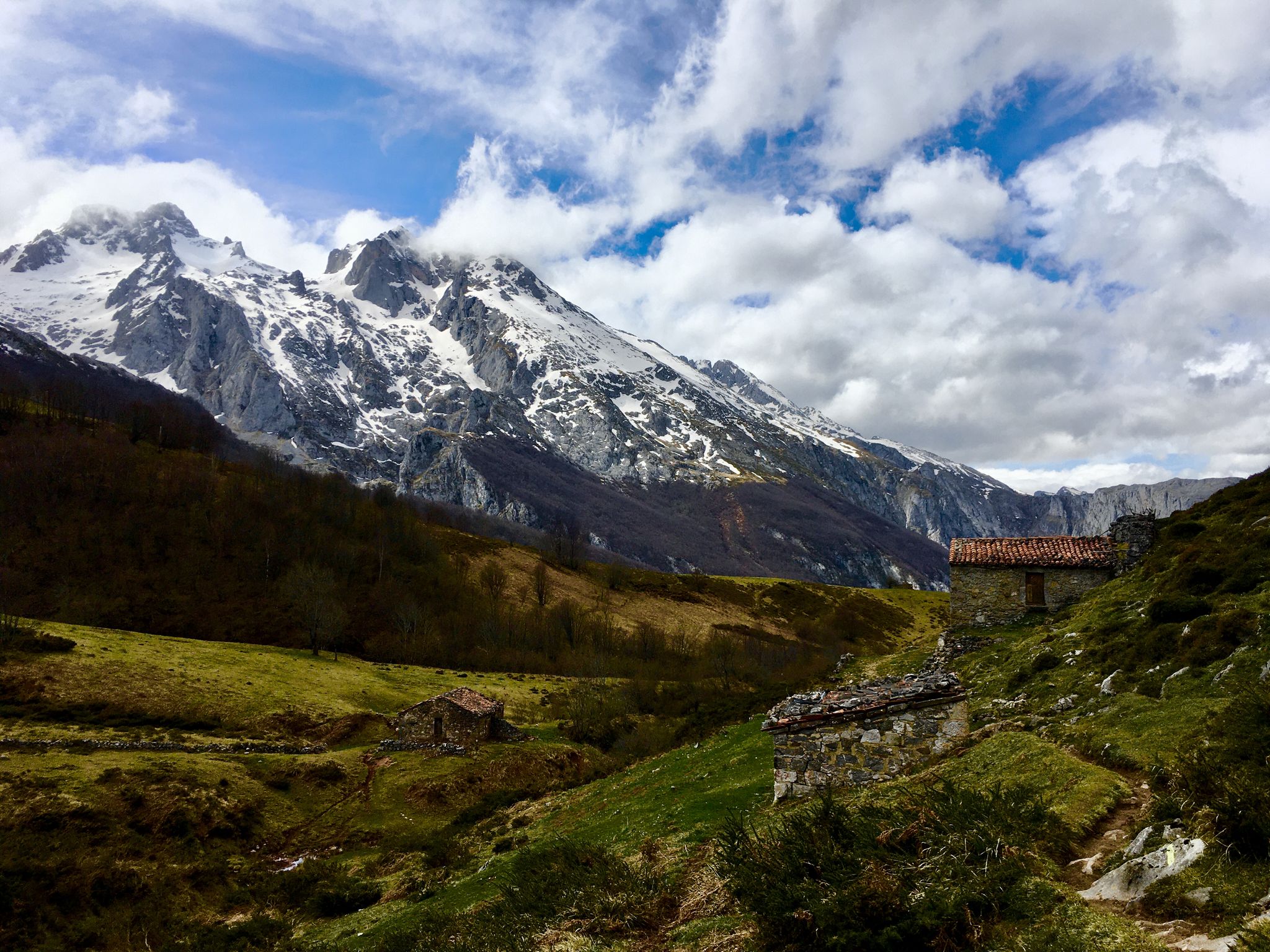
Route of the Reconquest (GR 202) – In the footsteps of an army
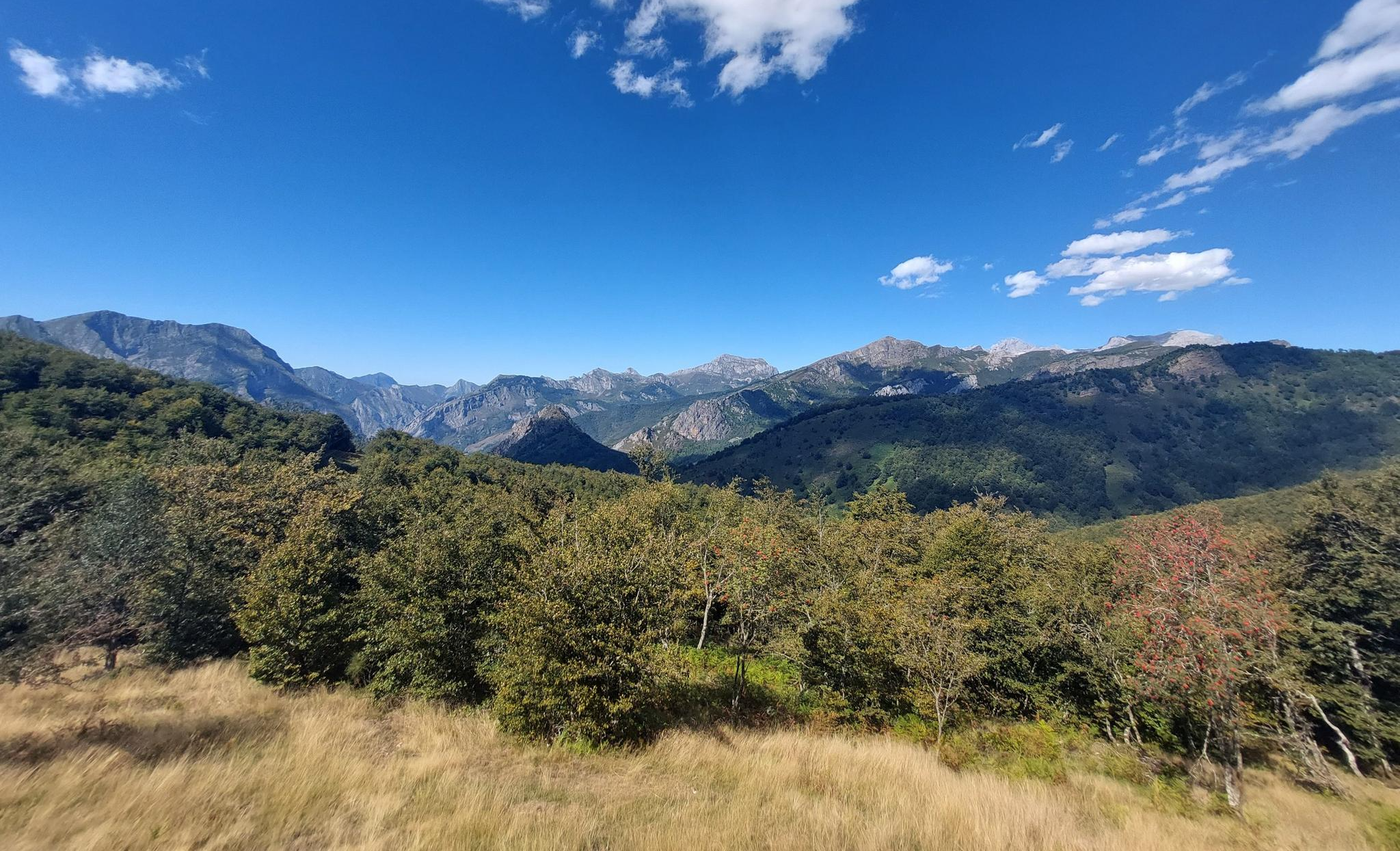
Senda del Arcediano (GR 210) - A historical hike through the Picos del Picos
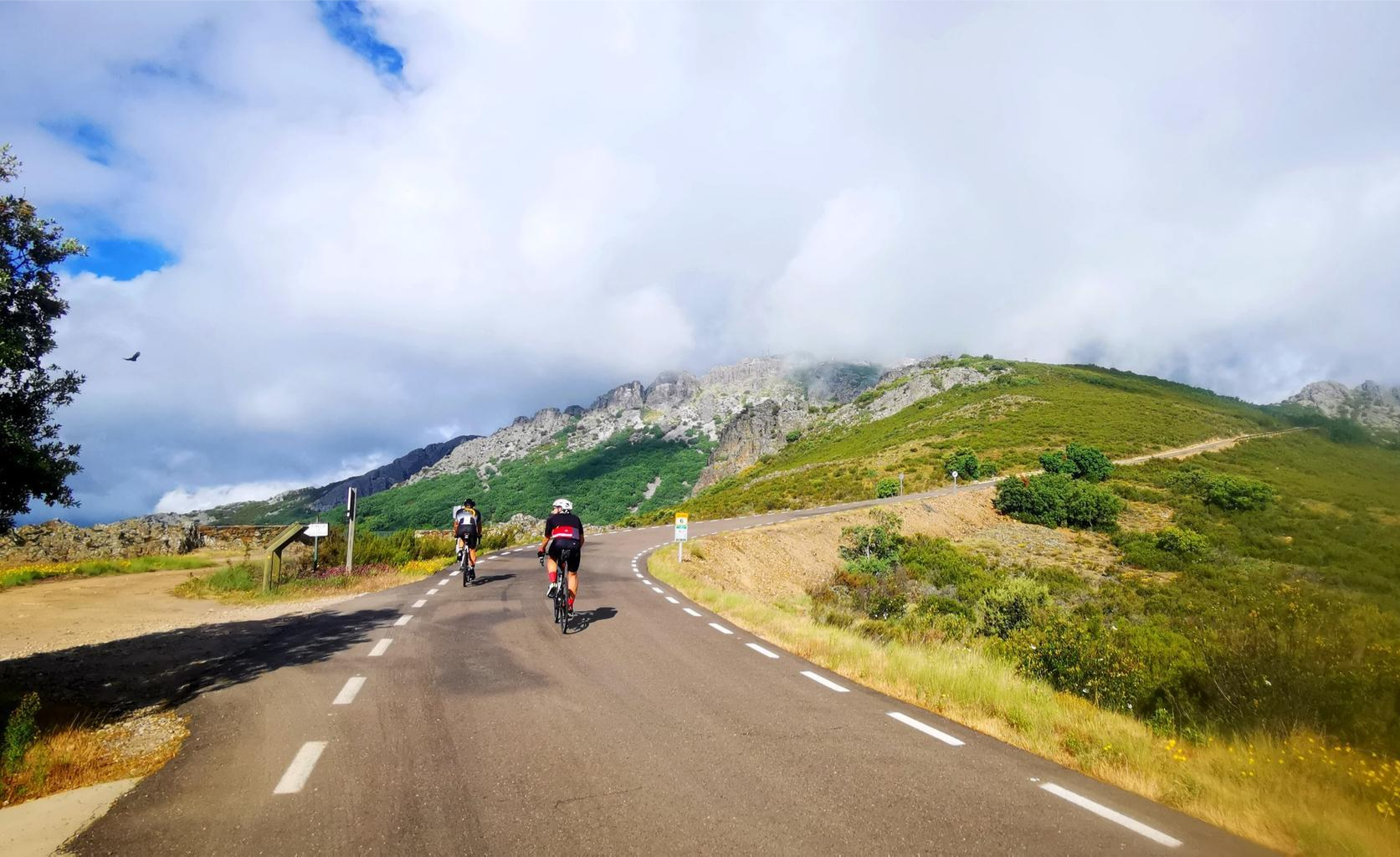
Legendary climbs - Ports of La Vuelta a España
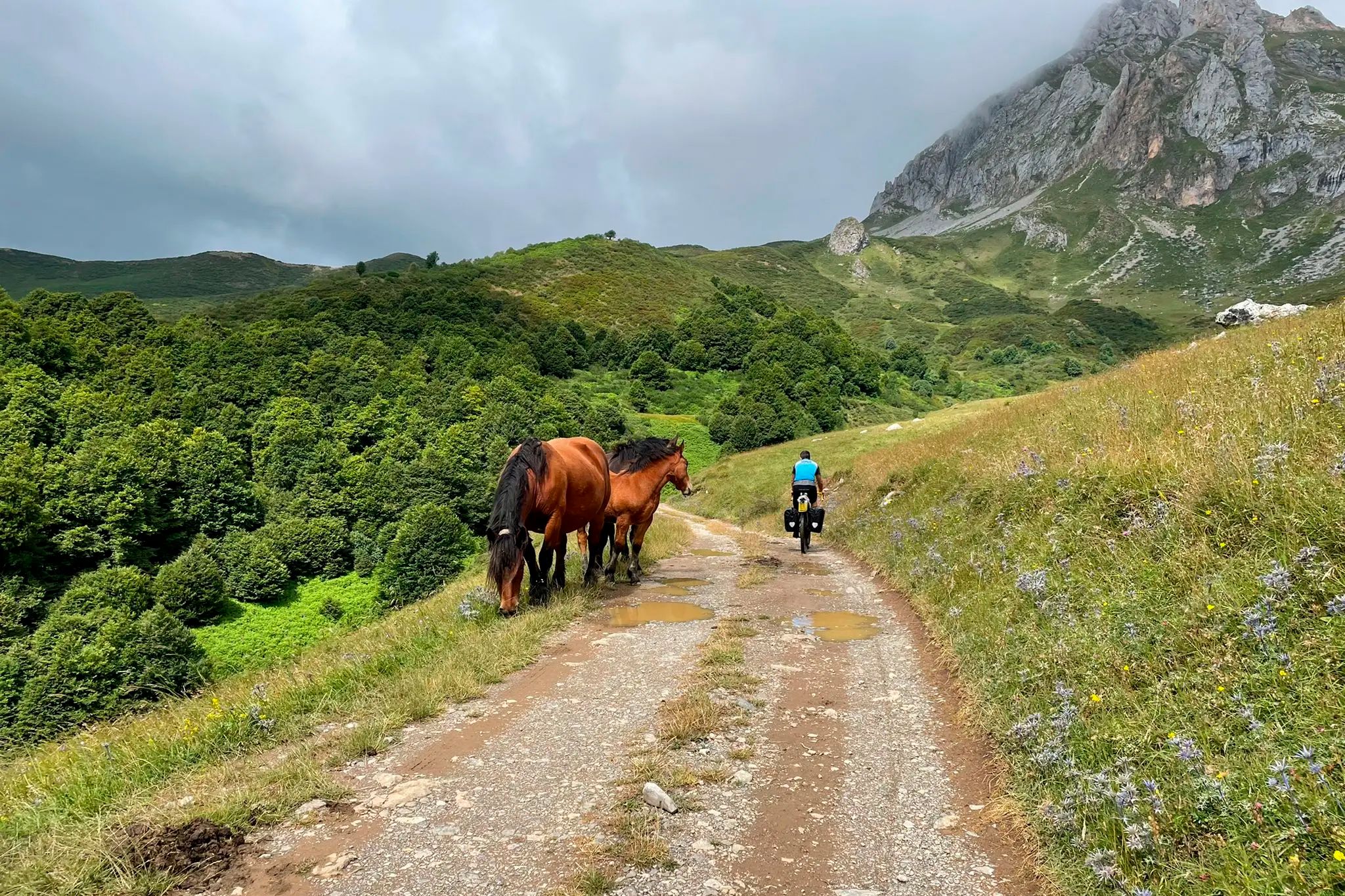
TransCantabrica – Extreme mountain biking in northern Spain
From statue to statue – Reconquista Challenge
A trip through the mountains – Pedales de León MTB
A pilgrimage to the peaks – Camino de los Santuarios
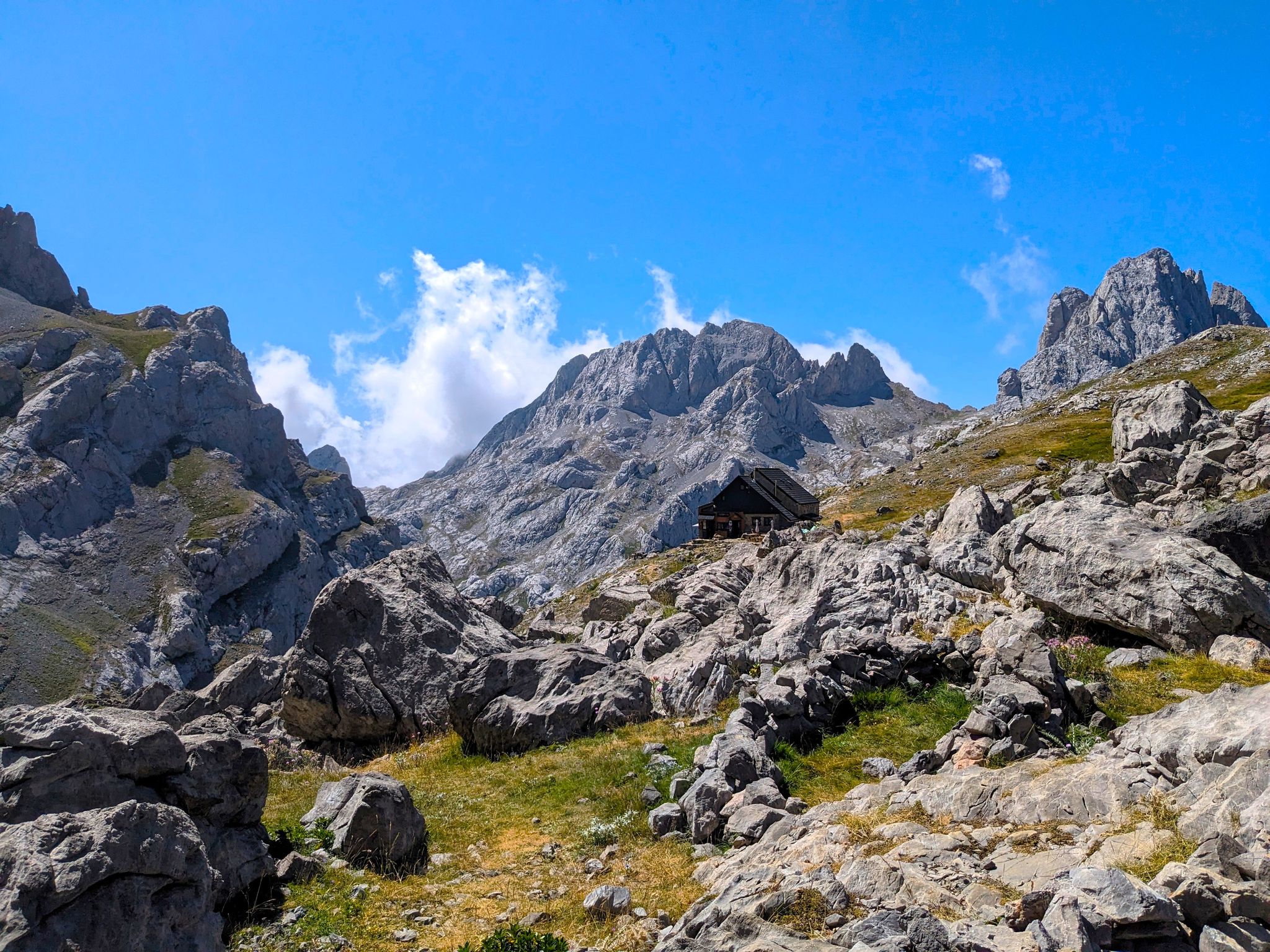
The untamed Collado Jermoso – Picos de Europa
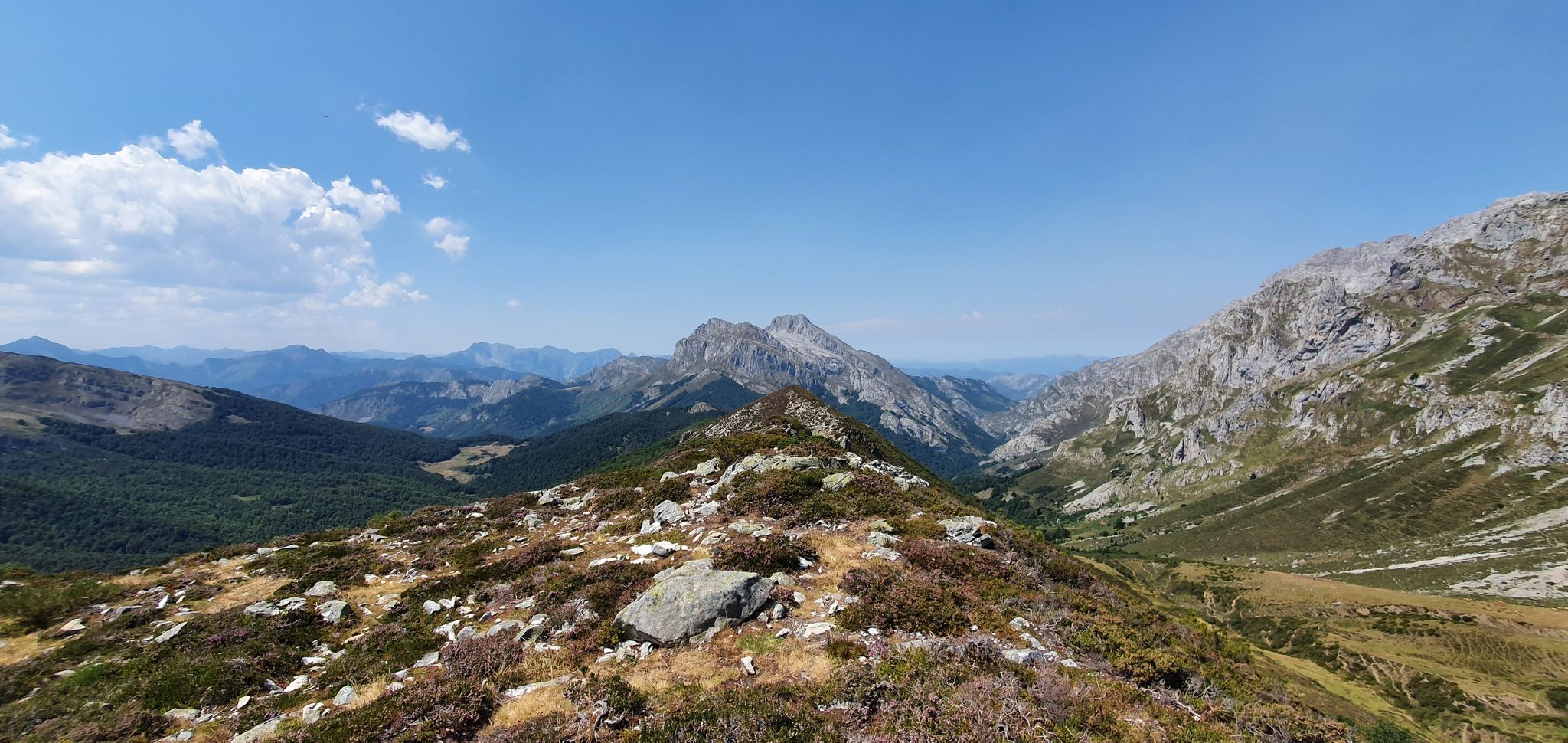
Four days hiking in Spain’s Picos de Europa – Anillo Vindio
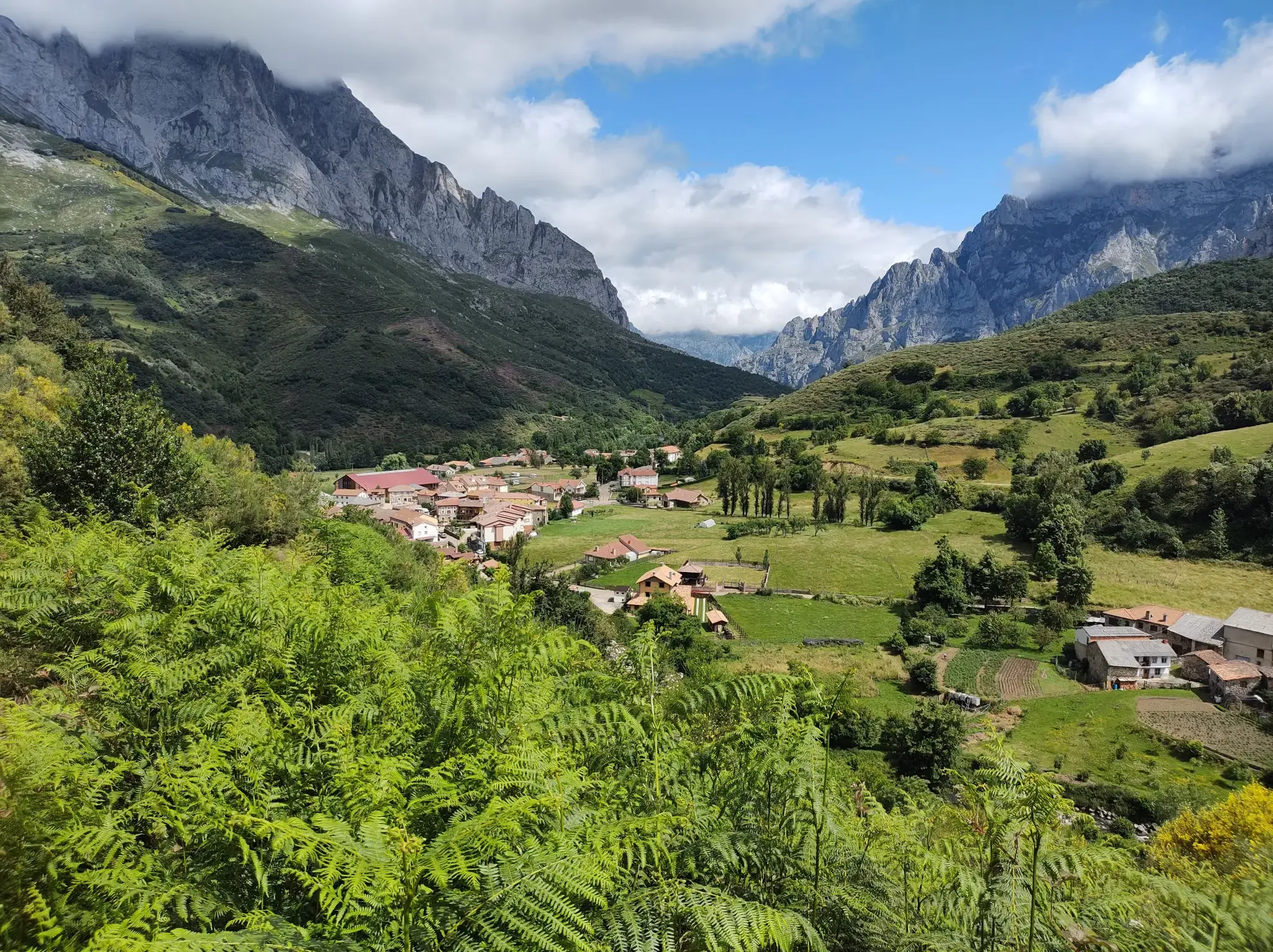
Hike Spain’s Picos de Europa – Ring of Peaks, Three Massifs
Other adventures around Parque Nacional de Picos de Europa


Tips from the Community


This section of the GR 105, very close to the Covadonga Sanctuary, is within the boundaries of the Picos de Europa National Park. Here you can enjoy the typical Asturian landscape, where spectacular mountain views coexist with livestock huts.
0
0

... you have to cross briefly from Cain.
1
1

The tunnels are all so short that you don't need a lamp.
1
1


They are the first tunnels on the Cares route in the section from Poncebos to Cain
2
0

An amazing corner! The cave keeps the ice formed during the winter for practically the whole year.
1
0

A little like we might see the tunnel up in the end of our lifes :-)
2
0
Frequently Asked Questions
What historical or cultural caves can I visit in the Picos de Europa region?
The region offers several caves with significant historical and cultural importance. The Covadonga Sanctuary houses the Santa Cueva, a revered religious site believed to be where the Virgin Mary appeared. You can also explore the Buferrera Mine, which showcases the ruins of an iron and manganese mine, including a recreation of the transport tunnels.
Are there any family-friendly caves suitable for children?
Yes, the Cuevona de Avín offers an engaging experience for families. It features a 500-meter route with life-size reproductions of extinct megafauna like mammoths and woolly rhinoceroses, providing an educational insight into prehistoric life in the area.
What opportunities are there for adventure caving or speleology?
The Picos de Europa is a renowned destination for speleology, with many challenging systems. Caves like Tinganón, known as 'the Cathedral of Speleology,' La Cueva de La Huelga with its internal river, and La Cueva de Pando with its horizontal route offer varied experiences. For experienced speleologists, the region is home to some of the world's deepest caves, including Torca del Cerro and Sima de la Cornisa, which require specialized equipment and guides.
Can I learn about the region's prehistory or geology in a cave?
Absolutely. The Cuevona de Avín provides an educational journey into the glacial period with its megafauna reproductions. For geology enthusiasts, the entire region's limestone caves, carved by water over millions of years, offer a natural classroom to observe intricate formations and understand the geological processes at play.
Are there caves where I can learn about local traditions, like cheese making?
Yes, the Cueva del Queso de Cabrales in Arenas offers a unique cultural experience. Here, you can learn about the traditional production and ripening process of the famous Cabrales blue cheese, which is aged in the natural humid caves of the Picos de Europa. Guided visits often include tastings.
What kind of wildlife, particularly bats, can be found in the caves?
Cueva Huerta, declared a Natural Monument, is particularly important for its bat colonies. It serves as a crucial winter shelter for endangered bat species like *Miniopterus schreibersii*. While access might be restricted to protect these colonies, it highlights the ecological value of the region's subterranean environments.
Are there any accessible caves for visitors with mobility challenges?
The Santa Cueva within the Covadonga Sanctuary is generally accessible, allowing visitors to experience this significant religious and historical site. Its location and infrastructure make it one of the more accessible cave-related attractions in the area.
What are some unique geological features found in the Picos de Europa caves?
The Picos de Europa caves are renowned for their dramatic limestone formations, including stalactites, stalagmites, and vast chambers carved by water. Unique features also include ice caves found above 2,000 meters, such as those in Peña Castil, Veronica, and Altaiz, which maintain permanent ice deposits, ice walls, and cryogenic calcite formations due to consistently sub-zero temperatures.
What outdoor activities or trails can I combine with a cave visit?
You can combine cave visits with various outdoor activities. For hiking, consider routes like the Route of Cares, which features tunnels along its path. If you enjoy mountain biking, there are numerous MTB trails in the region. Road cyclists can explore routes that pass near significant sites like the Holy Cave of Covadonga, as detailed in the road cycling guide.
Are there any specific permits or equipment needed for exploring more challenging caves?
Yes, for challenging caving and speleology, specialized equipment is essential, and often a certified guide is required due to the complexity, vertical drops, and potential for flowing water. Many of the deeper and more technical caves, especially those requiring vertical progression, will necessitate permits and adherence to safety regulations.
What is the best time of year to visit the caves in Picos de Europa?
The best time to visit depends on the type of cave experience you seek. For general tourist caves, spring and autumn offer pleasant weather for exploring the surrounding areas. For adventure caving, conditions can vary, but generally, the warmer months might be preferred for less extreme surface conditions, though underground temperatures remain constant. Ice caves, by their nature, are accessible year-round but present extreme cold challenges.
What should I wear or bring for a cave tour?
For most guided cave tours, comfortable walking shoes with good grip are recommended. Caves maintain a constant cool temperature, so bringing a light jacket or sweater is advisable, even in summer. For adventure caving, specialized gear including helmets, headlamps, harnesses, and appropriate protective clothing is mandatory.
Where can I find trails that include tunnels or cave-like features?
The Cares Trail Tunnel is a notable example. This trail features several short tunnels along the Cares route, particularly in the section from Poncebos to Caín. These tunnels are generally short enough that a lamp is not required for passage, offering a unique hiking experience.
Most popular routes around Parque Nacional de Picos de Europa
Most popular attractions around Parque Nacional de Picos de Europa

Get inspired with the komoot mobile app


Explore more
Extend your search for the best caves by checking out these guides of the top ones around Parque Nacional de Picos de Europa:
