Top 20 Caves around the Maas
Caves around the Maas offer a diverse range of underground experiences, primarily centered along the Meuse River in the Netherlands and extending into the Belgian Ardennes. This region is characterized by extensive man-made marl quarries, a result of centuries of limestone extraction, alongside natural limestone and flint caves. These sites provide insights into geological formations, historical mining practices, and unique ecological habitats. The landscape combines river valleys with hills, creating varied terrain for exploration.
Best caves around the Maas
- The…
Last updated: April 30, 2026
Thier des Vignes Flint Caves
Highlight • Cave
Source: mini-ardenne.be/poi.card.php?id=6036&language=fr
Translated by Google •
Tip by

Thier de Lanaye Underground Quarries
Highlight • Cave
Source: oupeyeinfo.be/Page032.html
Translated by Google •
Tip by
Sign up now to discover places like this
Get recommendations on the best single tracks, peaks, & plenty of other exciting outdoor places.
Sign up for free
Castle cave
Highlight • Cave
Translated by Google •
Tip by

Trou Manto
Highlight • Cave
Translated by Google •
Tip by

Sentier des Meuniers in Réserve Naturelle Heyoule
Highlight (Segment) • Trail
Translated by Google •
Tip by

Schmerling Caves site
Highlight • Cave
Translated by Google •
Tip by
Casino Grotto, Parc de la Chartreuse
Highlight • Cave
Translated by Google •
Tip by

Terra Nova Visitor Center & Underground Tunnels
Highlight • Historical Site
Here you will also find the entrance to the underground corridor system
Translated by Google •
Tip by

Trou Godin
Highlight • Cave
Translated by Google •
Tip by

Greetje's Cave Dwelling
Highlight • Cave
Translated by Google •
Tip by

Sign up for free to discover even more caves around the Maas.
Sign up for free
Already have an account?
Start today with a free account
Your next adventure awaits.
Login or Signup
Popular around Maas
Belgium’s Hoge Kempen and Meuse Valley – Bram Tankink’s best rides
The Meuse Cycle Route - Follow the Meuse from the hills to the harbor
EuroVelo 3 — The adventure in the heart of Belgium
Sentier des abbayes trappistes part 1 – Between nature and gastronomy
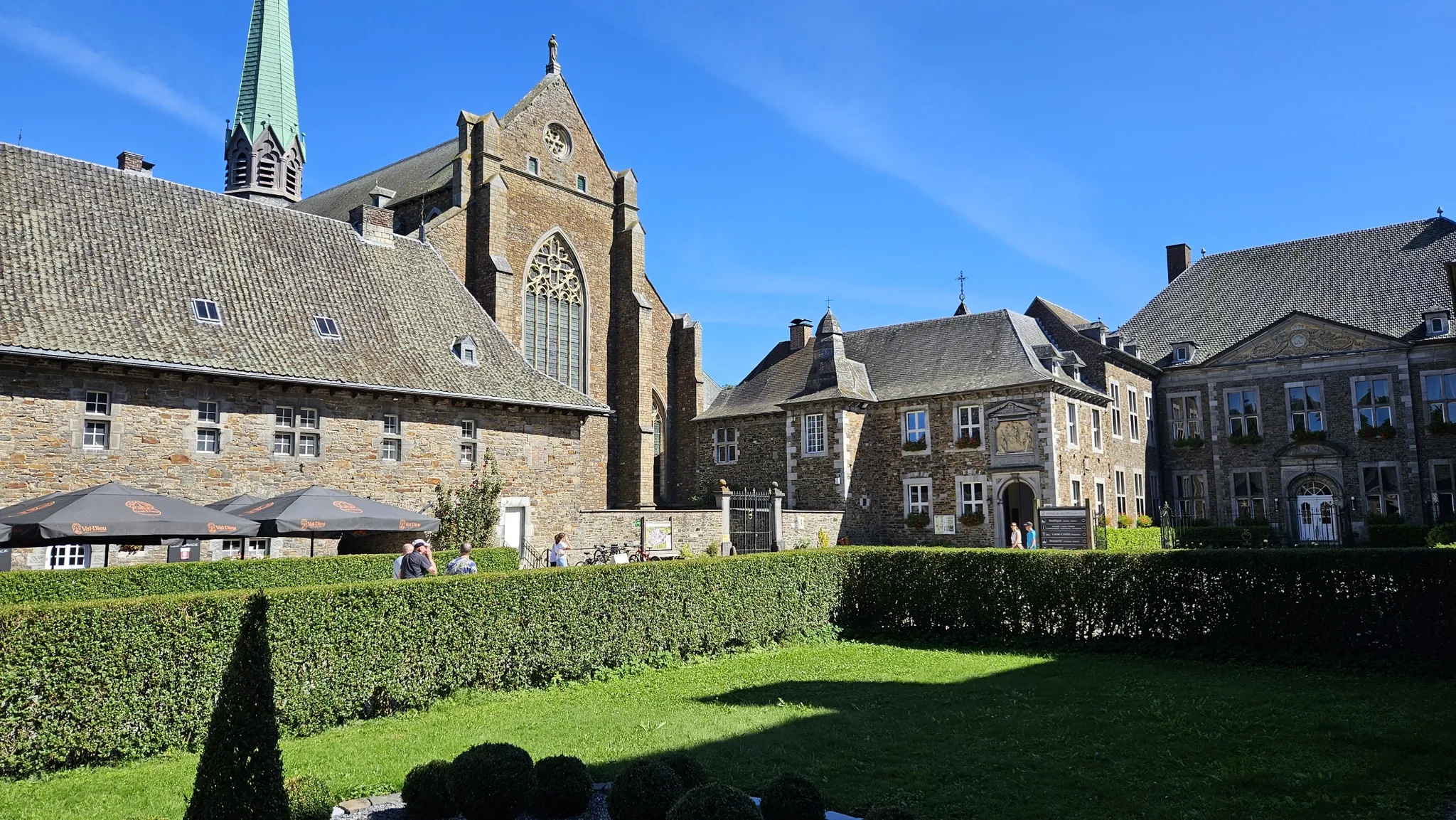
Trappist abbeys cycle route – Between beers and heritage
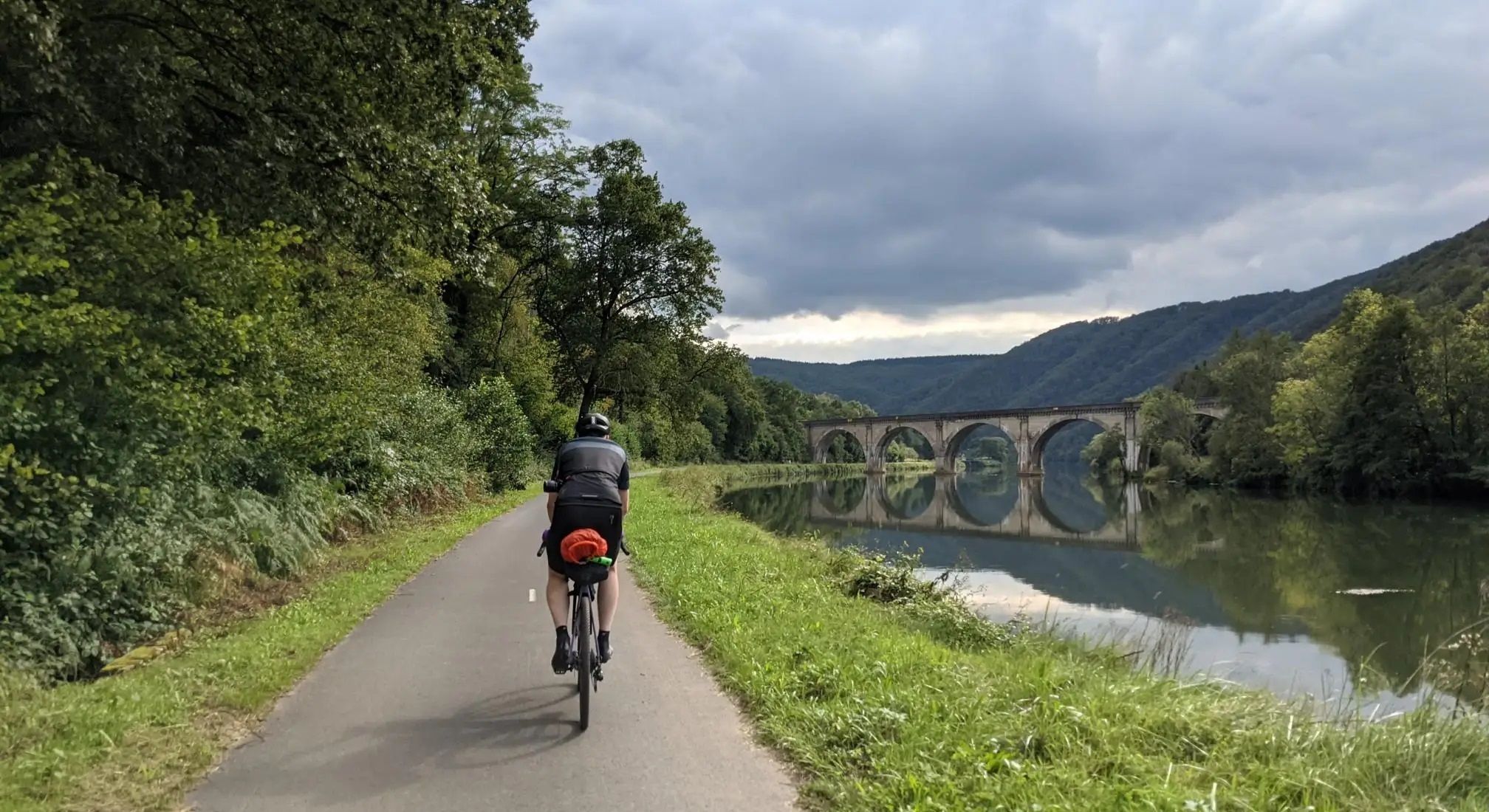
Aachen to Reims – Ardennes, Meuse and Champagne
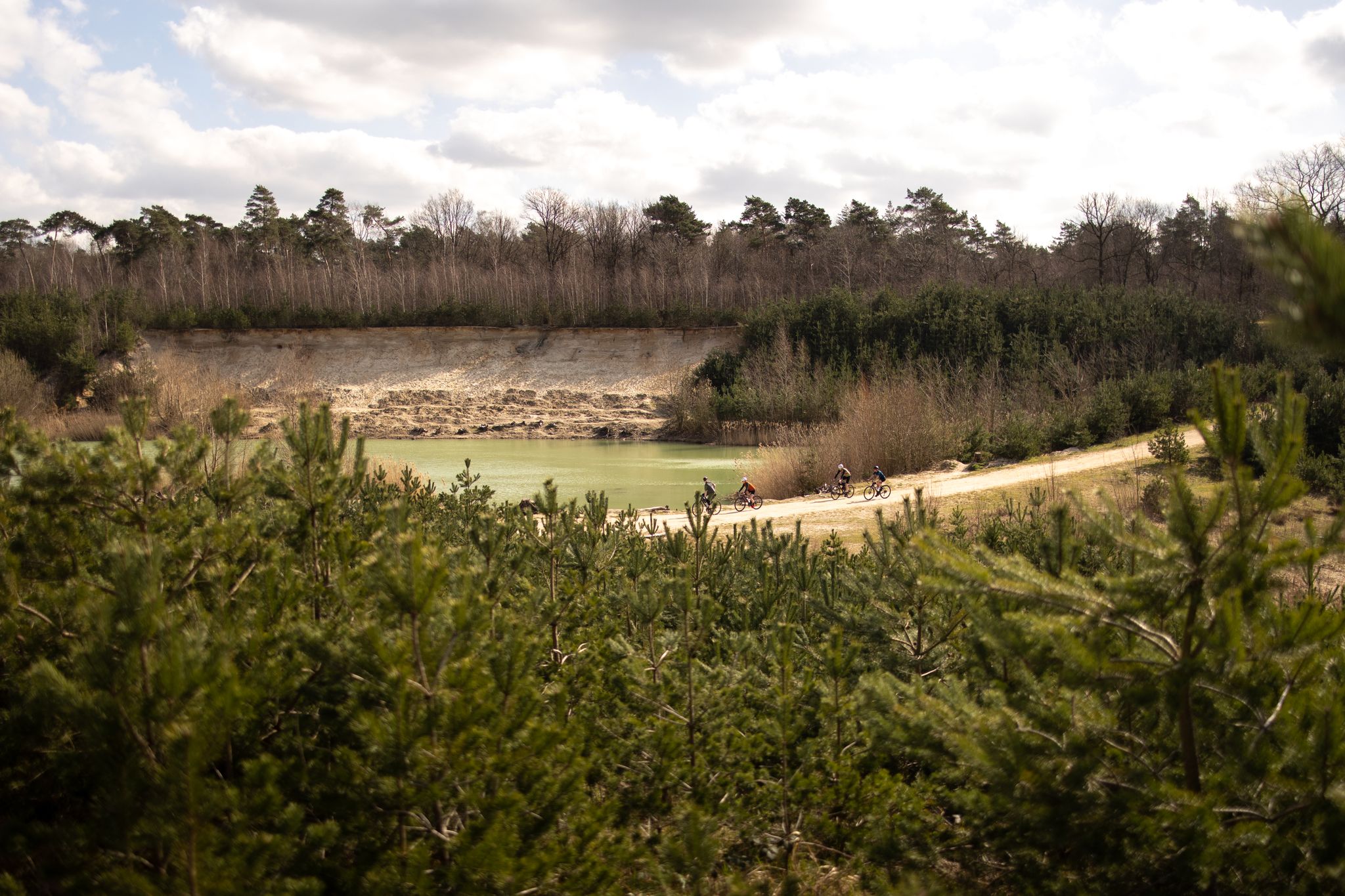
The Pieterpad by bike – From Pieterburen to Sint-Pietersberg
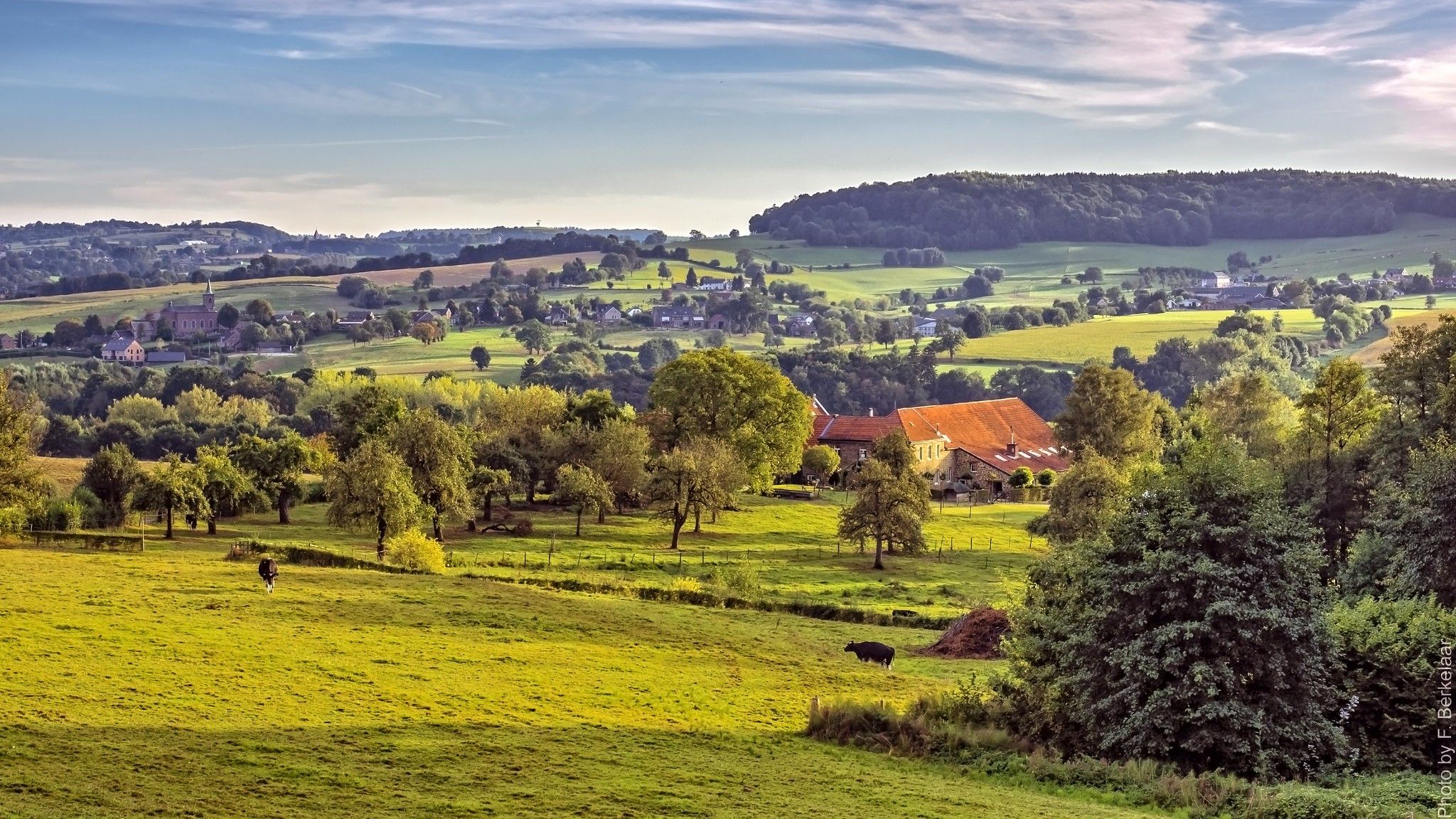
Pilgrim's Way part 2 — s-Hertogenbosch to Maastricht
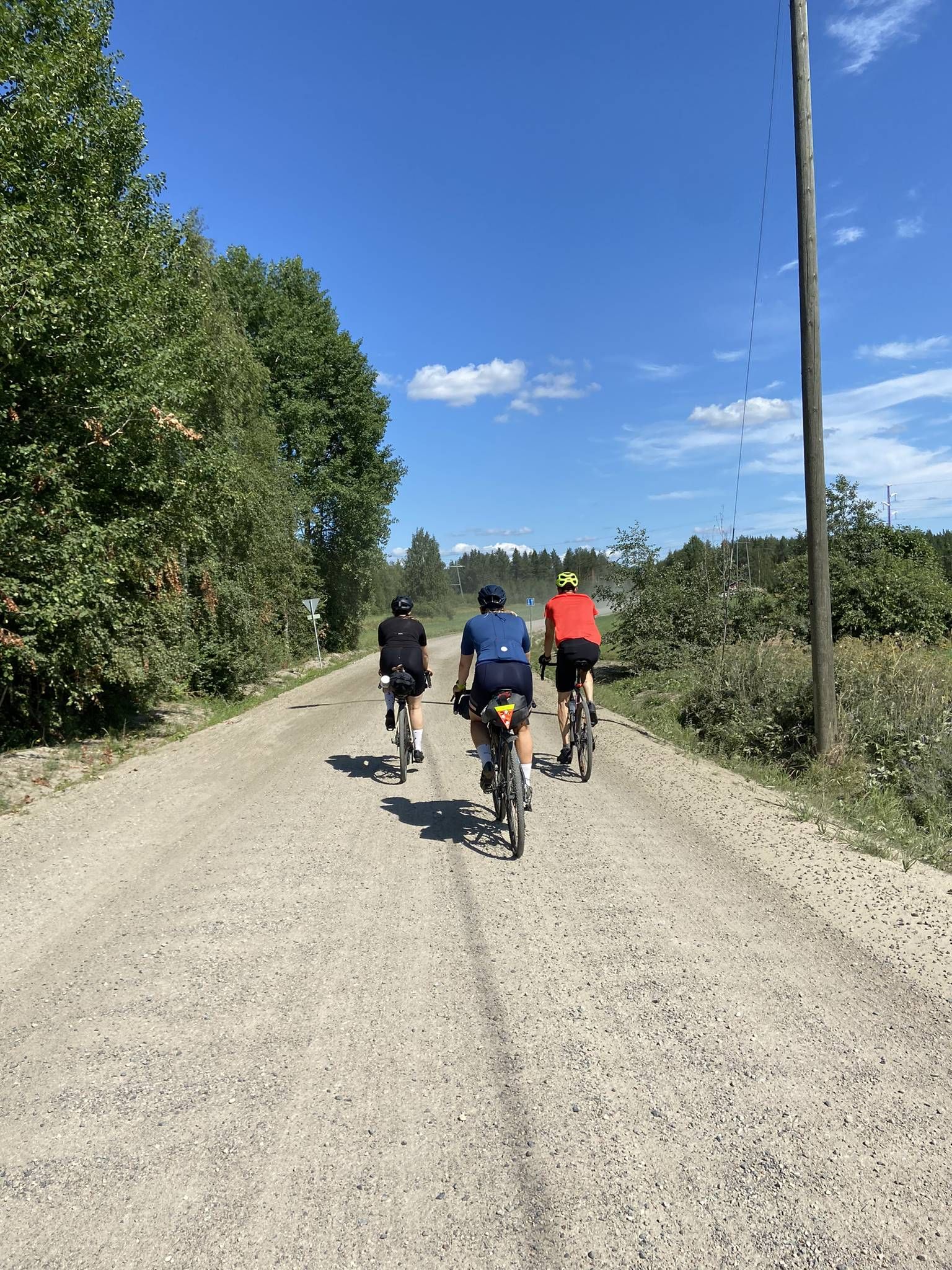
Naples to North Cape — Two friends, one purpose and many scoops of ice-cream
EuroVelo 3 – A cycling pilgrimage from Norway to France
Other adventures around the Maas


Tips from the Community

Beautiful rock formations at Les Awirs with caves and climbing rocks
0
1

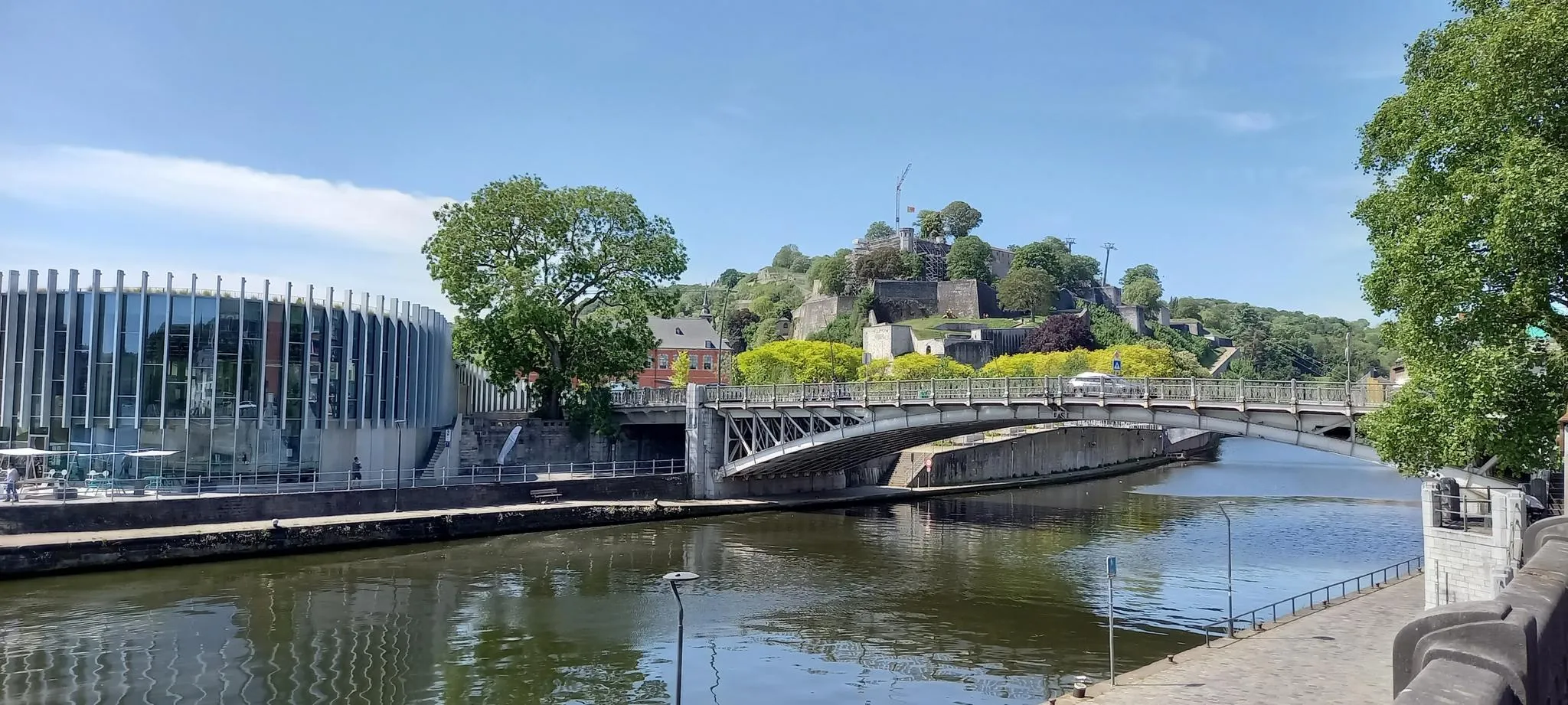
Practical information 🕒 Open: usually daily from 10:00 AM to 6:00 PM (seasonal) 🎟️ Terra Nova: from €6 🎟️ Underground galleries (with guide): from €14 📍 Guided tours at fixed times – reservations recommended A fascinating and diverse stop where heritage, experience, and history converge at the citadel of Namur.
5
0
Terra Nova is the main visitor center of the Citadel of Namur and is the ideal starting point for discovering the history of this impressive fortress. Through models, audiovisual presentations, and interactive displays, you'll gain a clear overview of the strategic role the citadel played for centuries in defending the city and the Meuse Valley. From Terra Nova, you can also descend into the citadel's underground passages. These tunnels were part of the defense system and served for the movement of soldiers, storage, and protection during sieges. The cool, long passages offer a compelling glimpse into military life and are a fascinating addition to the visible heritage above ground. Today, Terra Nova combines heritage, education, and immersion, making it an essential stop to truly understand the scale, complexity, and history of the Citadel of Namur.
5
0

The Castle Cave is a unique place where history, architecture, and nature converge. Often located near or beneath a castle, such as in South Limburg or other historic regions, a castle cave served various purposes: from storing wine or provisions to sheltering or serving as a decorative garden feature within the castle grounds' landscaping. The cave is usually situated in a wooded area or on a slope, where natural rock formations and limestone structures create an impressive backdrop. Winding paths, hills, and viewpoints often surround the cave, making it a haven for hikers and a haven of discovery.
0
0

Located in the Solières valley near Huy, the Trou Manto cave is a limestone cave with a complex network of tunnels. Access is via a steep path supported by a rope. The cave has three levels with magnificent stalactites, a sloping floor with collapses, and twelve large columns supporting the vaults. The entire structure is an impressive karst phenomenon, approximately 600 meters long and 48 meters deep. The cave is protected and fenced off due to vandalism and to protect bats; visits are only possible with a guide or a caving association. The cave is known for its diverse hydrological phenomena and the legend of the Nutons, gnome-like helper beings from folklore. This combination of nature, history, and mythology makes Trou Manto a special place.
3
0
A collection of four caves, two of which are closed off as bat roosts. A steep climb or descent over a rocky path is definitely worth it.
3
0
There are old flint quarries in this area: the “Carrières de silex du Thier des Vignes”.
1
0
The trail leads through sunny chalk grasslands and old sunken roads on Montagne Saint-Pierre, where millers once worked. Along the path, you'll discover rare plants, butterflies, and beautiful views of the Jeker Valley.
1
0
Frequently Asked Questions
What types of caves can I explore around the Maas region?
The Maas region offers a diverse range of underground experiences. You'll find extensive man-made marl quarries, such as the vast networks under Sint Pietersberg in Maastricht, alongside ancient flint caves like the Thier des Vignes Flint Caves, and natural limestone caves featuring impressive geological formations, such as Trou Manto.
Are there any caves around the Maas with historical significance?
Yes, many caves in the Maas region are rich in history. The man-made marl caves of Maastricht Underground, including the North and Zonneberg Caves, were used for centuries for limestone extraction and famously served as shelters and art repositories during World War II. You can find charcoal drawings, inscriptions, and even fossils within them. The Thier des Vignes Flint Caves also show evidence of ancient flint and chalk mining.
Which caves are known for their natural beauty and geological formations?
For natural beauty, Trou Manto in Belgium is a limestone cave featuring magnificent stalactites, a sloping floor with collapses, and twelve large columns. Further afield in the Belgian Ardennes, the Caves of Han-sur-Lesse are renowned for their stunning natural beauty, vast chambers, and impressive stalactites and stalagmites.
Are there family-friendly cave experiences in the Maas region?
The Maastricht Underground caves, particularly the guided tours of the North and Zonneberg Caves, offer an engaging historical experience suitable for families. The Terra Nova Visitor Center & Underground Tunnels is also listed as family-friendly. The Caves of Han-sur-Lesse, while a bit further, provide a comprehensive visitor experience including a tram ride, making them popular for families.
Can I visit caves that are important for wildlife conservation?
Absolutely. The Thier de Lanaye Underground Quarries are a significant wintering habitat for thousands of bats from across Western Europe. Similarly, Trou Manto is protected to safeguard bats, meaning visits are only possible with a guide or caving association.
What are the best ways to explore the underground networks in Maastricht?
The extensive man-made marl caves under Sint Pietersberg in Maastricht are best explored through guided tours. These tours provide insights into their history, from Roman-era mining to their use as WWII shelters, and highlight unique features like charcoal drawings and fossils. The North Caves and Zonneberg Caves are popular choices for guided visits.
Are there any caves that offer a unique experience, like an underground boat trip?
Yes, the Caves of Remouchamps in the Belgian Ardennes offer a unique experience. After exploring vast chambers on foot, the tour includes a nearly kilometer-long boat trip along the underground Rubicon River, providing a serene and captivating return journey.
What kind of outdoor activities can I do near the caves around the Maas?
The region around the Maas offers various outdoor activities. You can find numerous hiking opportunities, including mountain hikes and waterfall hikes. For example, you can explore routes like the 'Fort Sint Pieter – Château Neercanne loop from Maastricht' or 'Les Cascatelles Promenade'. You can find more details on these and other routes in the Mountain Hikes around the Maas, Waterfall hikes around the Maas, and Hiking around the Maas guides.
Are there any challenging caves for experienced explorers?
For those seeking a more challenging experience, Trou Manto is a natural monument with a complex network of tunnels, requiring access via a steep path with rope assistance. Visits are only possible with a guide or caving association due to its protected status. Trou Godin is also categorized as challenging.
What is the best time to visit the caves around the Maas?
The caves maintain a constant cool temperature, typically around 10 degrees Celsius, making them a comfortable escape especially during warmer months. Many caves, particularly those in Maastricht, are open year-round. It's always advisable to check specific opening hours and tour availability for individual cave systems before your visit.
Are there any caves that are less deep or easier to access for a casual visit?
The Thier des Vignes Flint Caves consist of no fewer than 13 cave entrances that are not particularly deep and run along the slope, offering a glimpse into ancient human activity and geology on a smaller, more accessible scale.
Can I find any unique man-made cave structures or historical dwellings?
Yes, the region features unique man-made structures. The Castle cave, often found near historical castles, served various purposes from storage to shelter. You can also find Greetje's Cave Dwelling, offering a glimpse into historical cave living.
Most popular routes around the Maas
Most popular attractions around the Maas

Get inspired with the komoot mobile app


Explore more
Extend your search for the best caves by checking out these guides of the top ones around the Maas:
