The 14 Most Amazing Peaks in the Cordillera Oriental Peru Bolivia
Best mountain peaks in the Cordillera Oriental Peru Bolivia are part of the majestic Andes, offering diverse landscapes and significant cultural heritage. This mountain range is known for its dramatic glacial features, vibrant colored rock formations, and sacred "Apu" mountains revered in Andean cosmovision. The region provides challenging treks and opportunities to experience high-altitude environments, from snowy plateaus to cloud forests. It is a destination for adventurers and those seeking a connection with nature and ancient cultures.
Best mountain peaks…
Last updated: July 11, 2026
Rainbow Mountain (Vinicunca)
Highlight • Natural Monument
The strenuous climb to over 5000m is worth it. - exhausting not because of the steep - but because of the thin air. It is advisable …
Translated by Google •
Tip by

Salkantay Pass
Highlight • Mountain Pass
Translated by Google •
Tip by

Sign up now to discover places like this
Get recommendations on the best single tracks, peaks, & plenty of other exciting outdoor places.
Sign up for free
Huayna Picchu
Highlight (Segment) • Summit
Translated by Google •
Tip by

Climb to Huayna Picchu
Highlight • Summit
Translated by Google •
Tip by

Pico Austria Summit
Highlight • Summit
Translated by Google •
Tip by

View of Salkantay from Soraypampa
Highlight • Viewpoint
Translated by Google •
Tip by
Second Lookout at the Seven-Colored Mountain
Highlight • Viewpoint
Translated by Google •
Tip by

Huayna Potosí (6,088 m)
Highlight • Summit
Translated by Google •
Tip by

Paso Chacoti (5150 m)
Highlight • Mountain Pass
Translated by Google •
Tip by
View of Mount Humantay
Highlight • Viewpoint
Translated by Google •
Tip by

Sign up for free to discover even more peaks in the Cordillera Oriental Peru Bolivia.
Sign up for free
Already have an account?
Start today with a free account
Your next adventure awaits.
Login or Signup
Popular around Cordillera Oriental Peru Bolivia
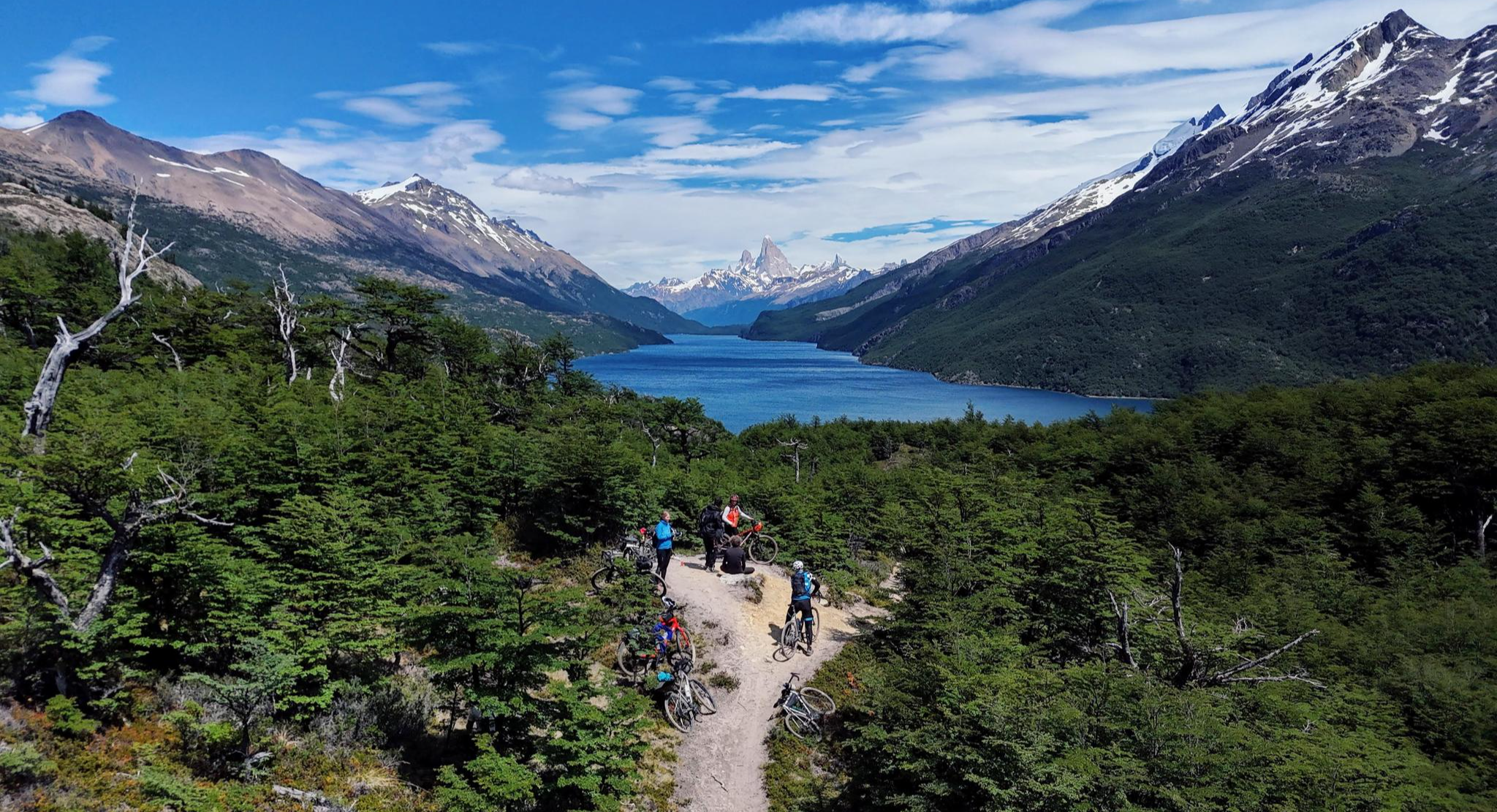
South American Epic — From Cartagena to Ushuaia
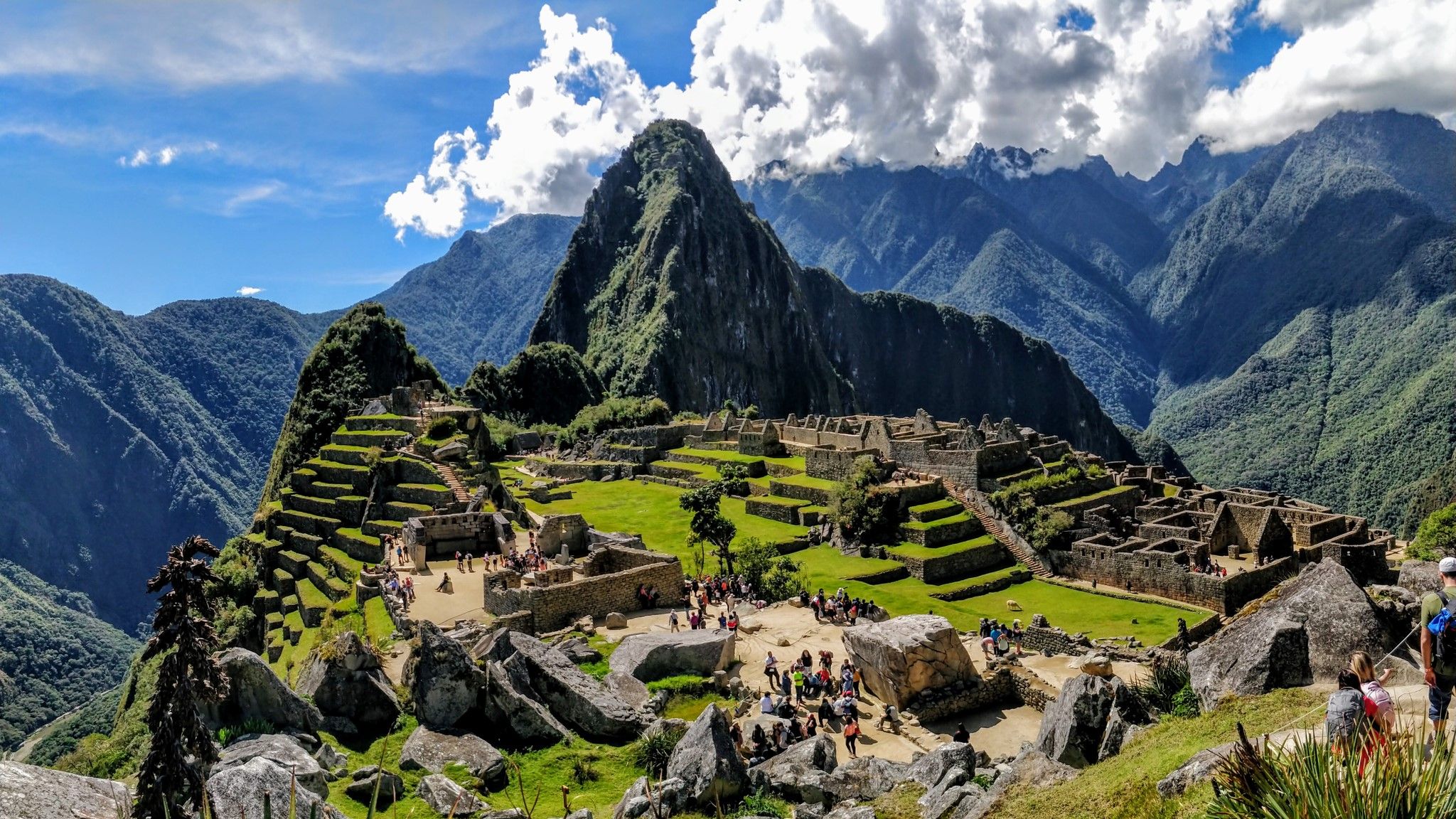
Between snowfields and jungles to Machu Picchu – Salkantay Trek
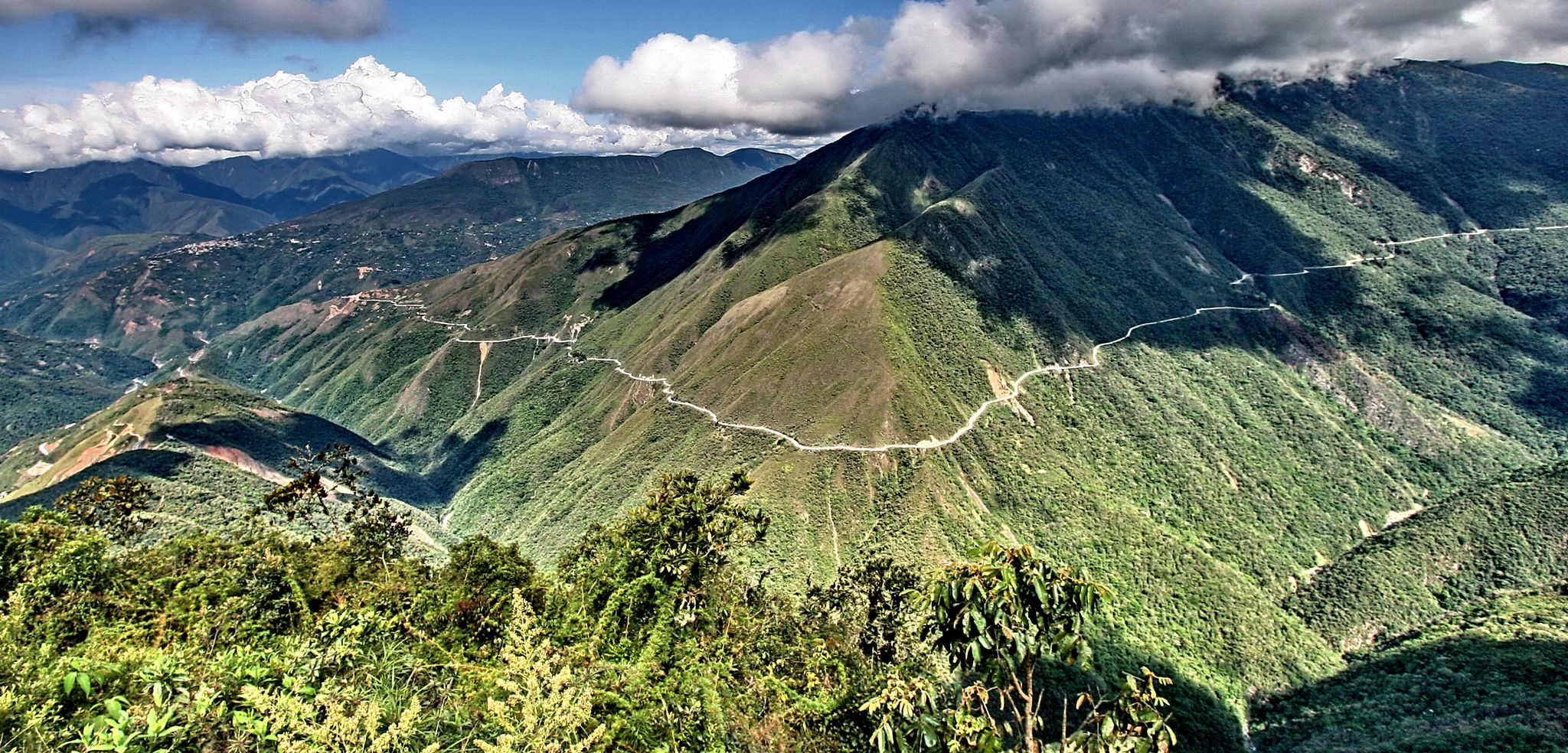
The world's most adventurous cycling passes
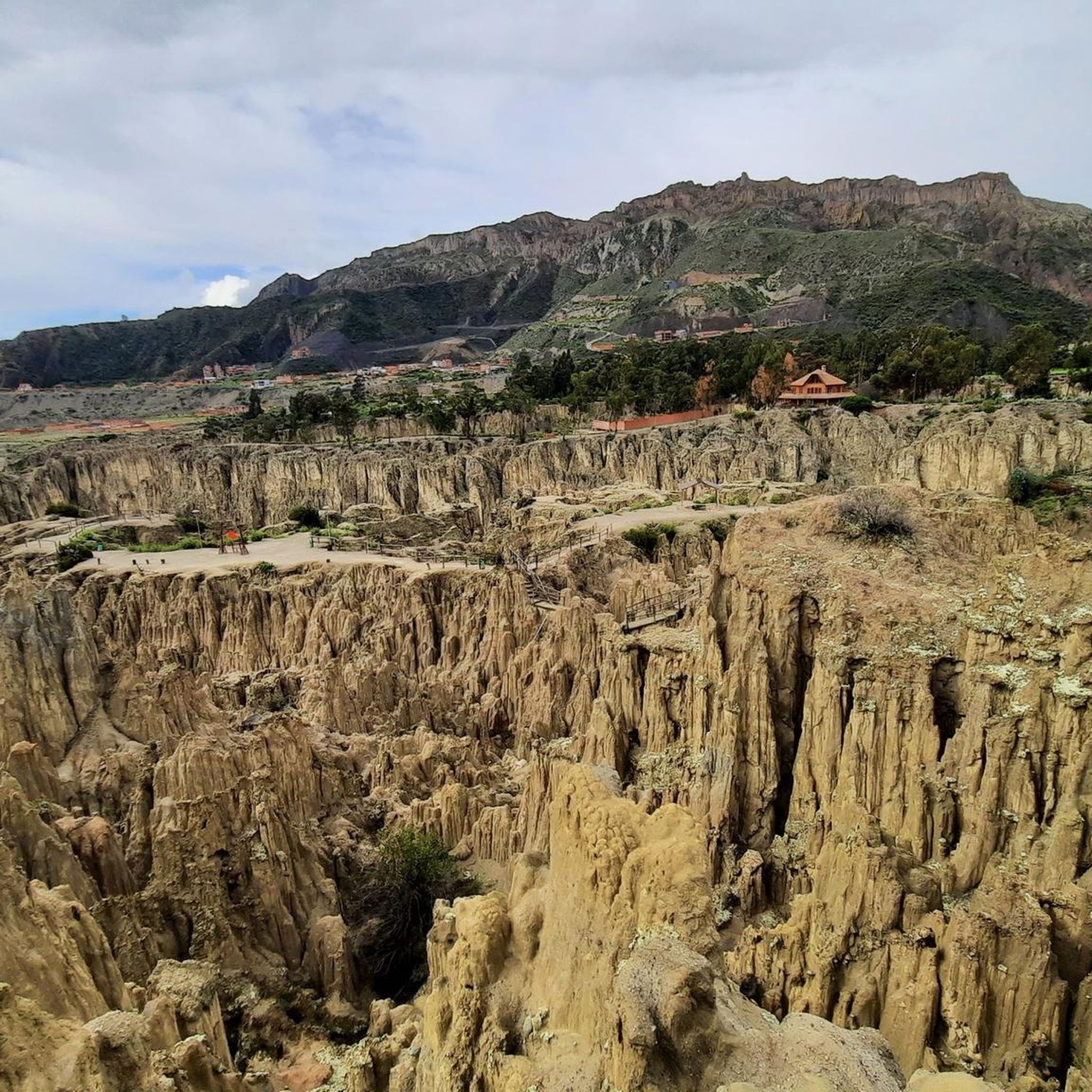
Hiking in the Cordillera Oriental Peru Bolivia
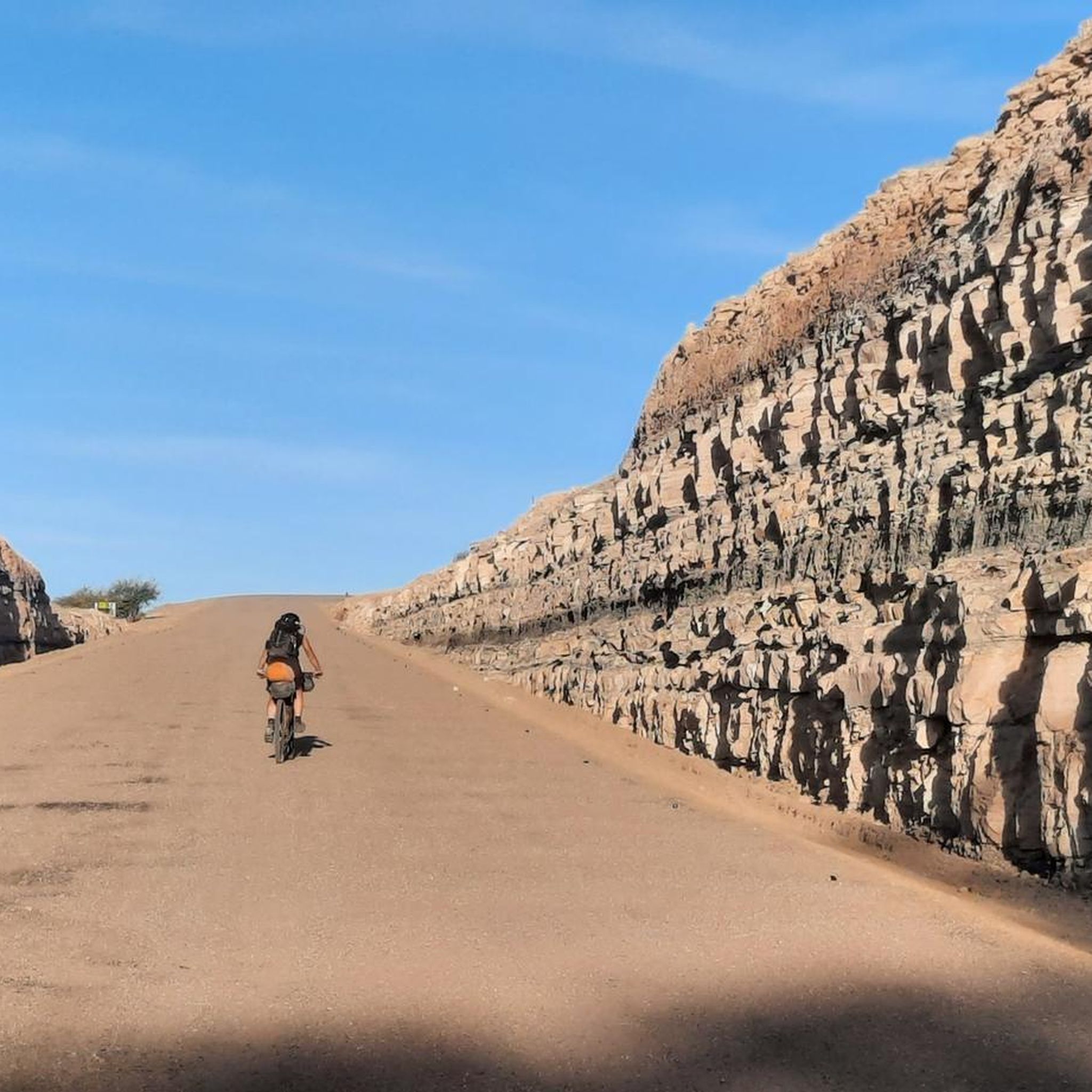
Running Trails in the Cordillera Oriental Peru Bolivia

Mountain Hikes in the Cordillera Oriental Peru Bolivia
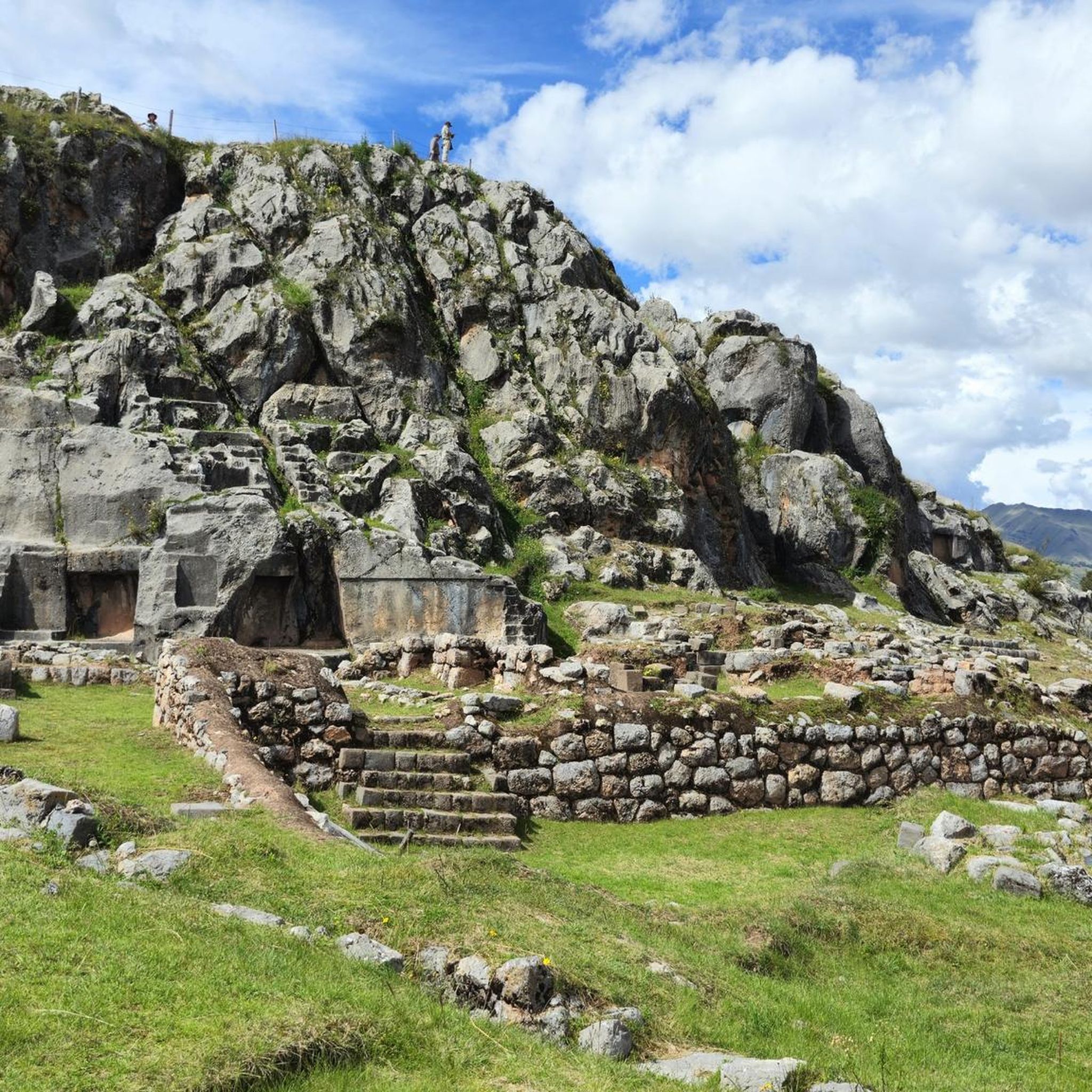
MTB Trails in the Cordillera Oriental Peru Bolivia
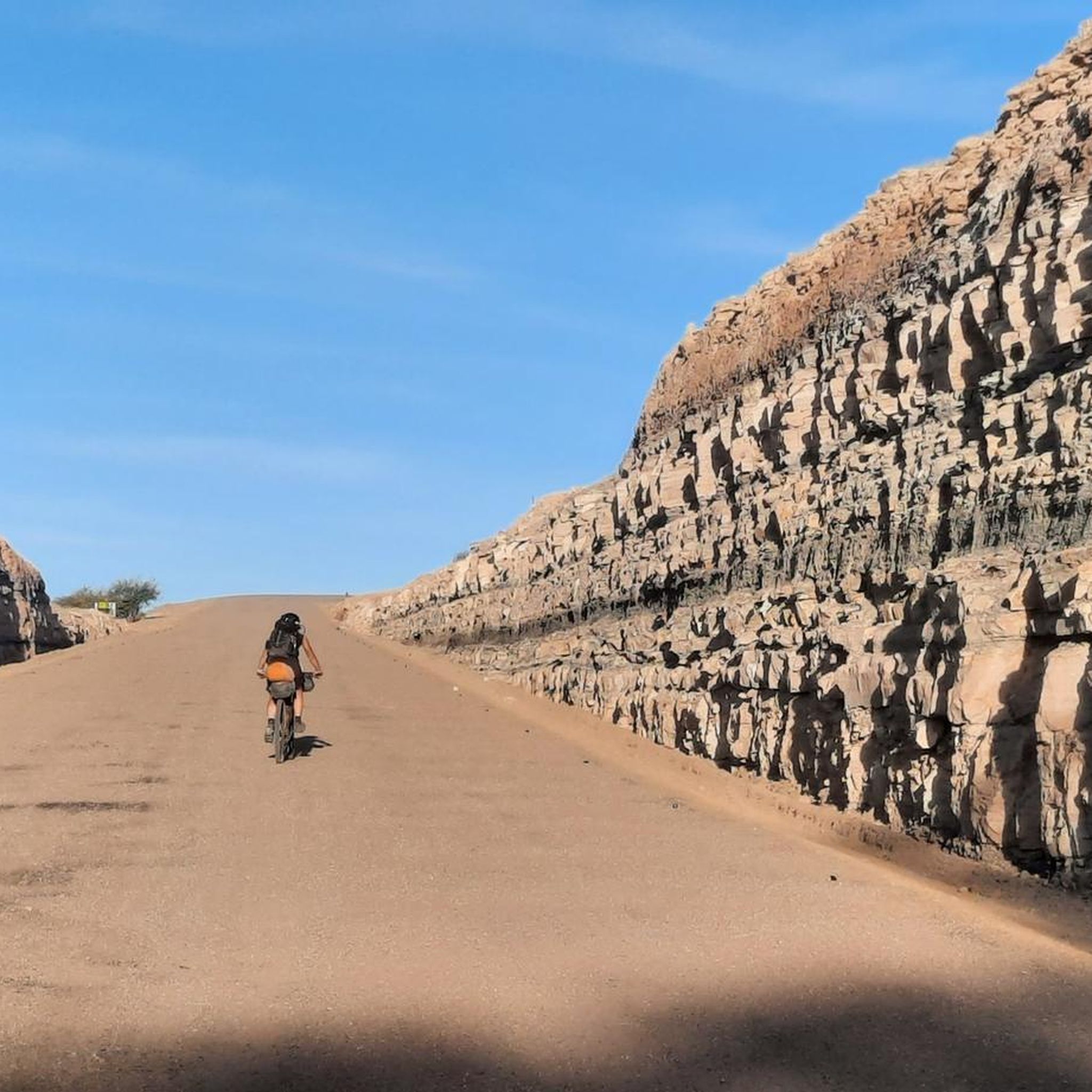
Road Cycling Routes in the Cordillera Oriental Peru Bolivia
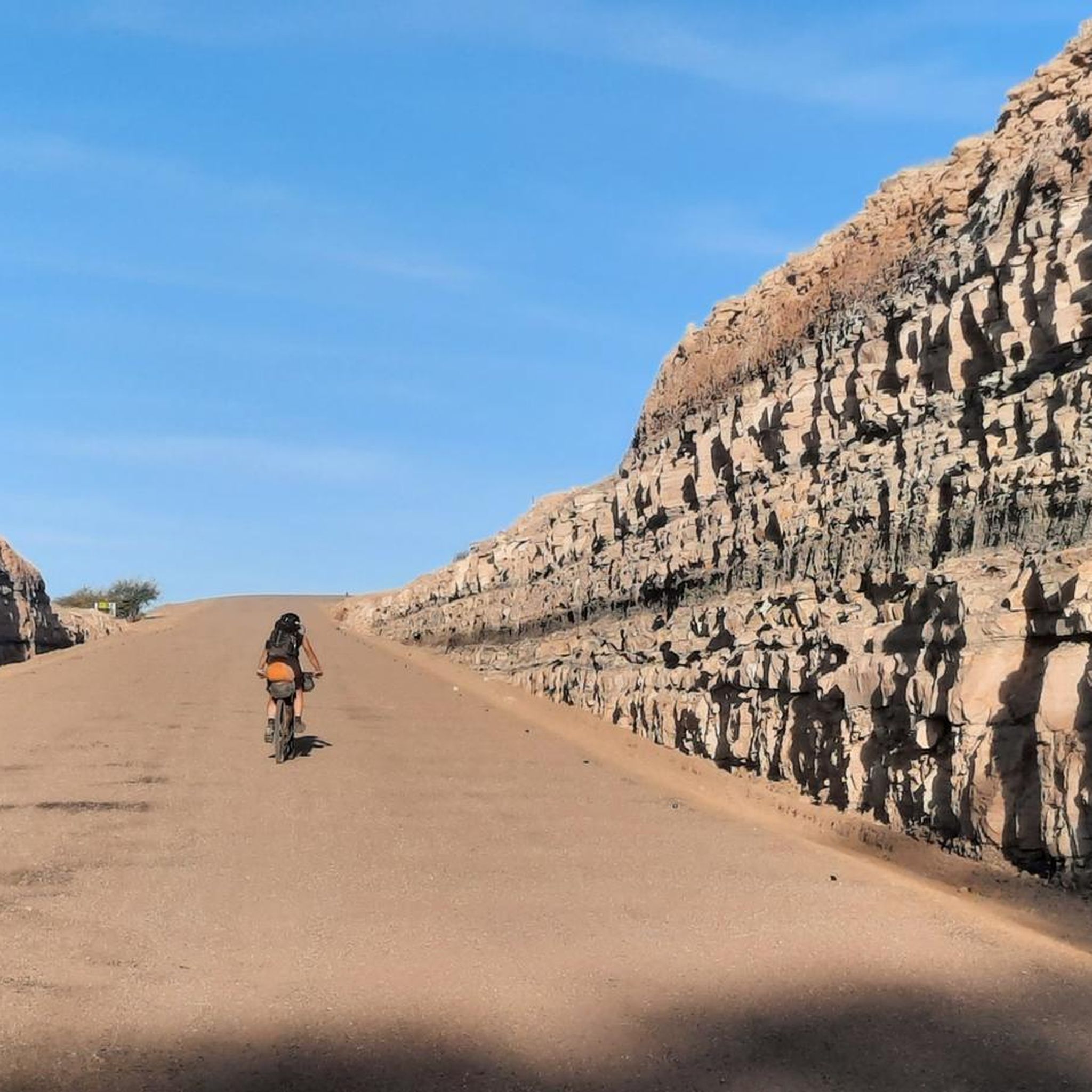
Cycling in the Cordillera Oriental Peru Bolivia
Other adventures in the Cordillera Oriental Peru Bolivia


Tips from the Community

Good physical condition
0
0


Huayna Picchu (Quechua Wayna Pikchu for "young peak") is one of the two peaks between which the ruins of the Inca city of Machu Picchu lie. The peak is known for the classic postcard motif, where the mountain towers above the ruins of Machu Picchu in the background. The peak is accessible to tourists, but the number of visitors is limited to 400 per day. They must register and enter their names at a checkpoint before the climb. There they are also given an approximate return time. The climb takes about an hour, but the demands should not be underestimated. The steepest sections are equipped with steel cables to hold on to, the path sometimes leads through caves, and on the descent you have to crouch under a rock ledge and climb down 40 cm wide stairs, sometimes directly on the slope, without any safety equipment. A head for heights is therefore an absolute prerequisite. The climb can only be started between 8:00 and 10:00 and must be completed by 14:00. Access to the checkpoint is available after crossing the ruins of Machu Picchu. The same access can also be used to climb Huchuy Picchu in a 15-minute climb. Source: https://de.wikipedia.org/wiki/Huayna_Picchu
1
0

Huayna Picchu, also called Wayna Picchu, means "young peak" in Quechua. It is widely believed in the region that the mountain served as a watchtower to protect the sanctuary of Machu Picchu. The Machu Picchu site is located between two mountains - Huayna Picchu and Machu Picchu Mountain. Although both offer exciting hiking routes, there are certain differences between Huayna Picchu and Machu Picchu that you need to be aware of, including altitude, difficulty, and duration. From both mountains, you can enjoy beautiful views of the Machu Picchu ruins and the surrounding mountains. Huayna Picchu is the majestic, cone-shaped mountain that you often see in the background of the most famous photographs and postcards of Machu Picchu. The Huayna Picchu hike is generally considered moderate to difficult, so it can be challenging at times.
0
0

The 5327 m high Pico Austria is a beautiful panoramic peak in the Cordillera Real. From there, if the weather is clear, you can visit Condoriri and its wings and glaciers, Huayna Potosí and some turquoise blue lagoons. The climb is technically easy, but you should definitely acclimatise in advance as the height should not be underestimated. You have to pay 20 Bs for entry to the national park (as of 10/2023), which will be collected in the park by local rangers.
2
0
The pass, at an altitude of 5152 m, lies between the Carro Jallayco and the Pico Austria. Paths lead here from the south from the Laguna Chiar Khota and from the north-west from the Juri Khota lagoon. The further climb to Pico Austria runs towards the south-west.
2
0

Anyone who is up here on Machu Picchu or even further up here on Wayna Picchu is right in the middle of the old dynasty. Because this temple complex is still so well preserved and restored. Can you really imagine how people used to live here? A great experience.
1
0
Very impressive mountain at just over 6000 m in the Cordiella Real. The climb is largely uncomplicated, but should not be underestimated because of the altitude. The view over the mountain range is stunning. It is advisable to set off very early, as the mountain is very well known as the closest 6000m peak to La Paz. On the descent you can take in the impressive glacier landscape a little more and take more time for it. The 20 Bolivianos fee was not collected from us and I did not see a checkpoint on the mountain (as of 10/2023)
2
0
Frequently Asked Questions
Which mountain peaks in the Cordillera Oriental are popular for trekking and offer diverse landscapes?
The Cordillera Oriental offers several iconic peaks for trekking. Nevado Ausangate in Peru is known for its dramatic glacial landscapes, vibrant turquoise lakes, and unique geological formations, including the vividly colored Rainbow Mountain (Vinicunca). The Ausangate Trek is a popular multi-day circuit. Another significant peak is Nevado Salkantay, also in Peru, which features a permanent glacier and transitions from snowy plateaus to warm cloud forests. The Salkantay Trek is a renowned alternative route to Machu Picchu.
Are there any accessible 6,000-meter peaks for mountaineering beginners in the Cordillera Oriental?
Yes, Huayna Potosí in Bolivia is often called one of the most accessible 6,000-meter peaks in the world. Located approximately 25 km north of La Paz, its normal ascent route is a straightforward glacier climb, making it a popular choice for both beginner and experienced mountaineers looking for a high-altitude climb. Expeditions typically last 2-3 days and offer spectacular panoramic views.
What are some challenging climbing opportunities in the Cordillera Oriental?
For those seeking a challenge, Nevado Illimani in Bolivia, the second-highest peak in the country, offers a significant mountaineering objective with its massive glaciated structure and distinctive pyramid-like profile. Its normal climbing route follows the West Ridge, typically a multi-day expedition. Nevado Ancohuma, the third-highest mountain in Bolivia, also presents a strenuous physical challenge with its impressive granite massif covered in glaciers, though its normal route is considered less technical than some other high peaks.
What cultural and historical significance do the mountain peaks in the Cordillera Oriental hold?
Many peaks in the Cordillera Oriental hold deep cultural significance, particularly as "Apus" or mountain deities in Andean cosmovision. Nevado Ausangate is considered a sacred mountain and is central to local communities' ancestral traditions, including the annual Qoyllur Rit'i pilgrimage. Nevado Salkantay was revered by the Incas as a powerful "Apu." Additionally, treks in the area, such as those near Nevado Veronica, often pass by ancient Inca ruins and traditional Andean villages, offering a unique off-the-beaten-path experience.
Where can I find the best panoramic views in the Cordillera Oriental?
For breathtaking panoramic views, consider visiting Pico Austria Summit in Bolivia's Cordillera Real. From its 5327 m high summit, you can see Condoriri, Huayna Potosí, and turquoise lagoons. The strenuous climb to over 5000 meters at Rainbow Mountain (Vinicunca) also offers magnificent views of the colorful mountain and surrounding landscapes. In Peru, Huayna Picchu provides an incredible view of Machu Picchu after a challenging ascent.
Are there multi-day trekking options available in the Cordillera Oriental?
Yes, the Cordillera Oriental is renowned for its multi-day treks. The Ausangate Trek is a popular high-altitude circuit typically lasting 5 to 7 days. The Salkantay Trek is another well-known multi-day journey, usually 5 to 6 days, culminating in a visit to Machu Picchu. For mountaineers, expeditions to peaks like Nevado Illimani and Nevado Ancohuma are also multi-day endeavors, often involving several days of climbing and acclimatization.
What kind of wildlife can I expect to see around the mountain peaks?
The high-altitude environments of the Cordillera Oriental support diverse wildlife. Around Nevado Ausangate, you might spot vicuñas, llamas, alpacas, and various Andean birds. Nevado Illimani supports life across different elevation zones, from puna grasslands with llamas and alpacas to specialized alpine plants and wildlife like the Andean condor and chinchillas.
What is the best time of year to visit the Cordillera Oriental for trekking and climbing?
The dry season, typically from May to September, is generally considered the best time to visit the Cordillera Oriental. During these months, the weather is more stable with clearer skies, making conditions more favorable for trekking and climbing. However, temperatures can still be very cold at high altitudes, especially at night.
What outdoor activities can I do near these mountain peaks?
Beyond peak bagging, the region offers a variety of outdoor activities. You can find numerous hiking trails, including easy hikes like the "Hiking loop from Chillca" or the "Machu Picchu Viewpoint – Machu Picchu loop." For mountain biking enthusiasts, there are MTB trails such as the "View of Laguna Alalay – Trails loop." Running is also popular, with running trails like the "Saqsaywaman – Cristo Blanco loop" available.
What do visitors enjoy most about the mountain peaks in the Cordillera Oriental?
Visitors consistently highlight the breathtaking natural beauty and the sense of accomplishment. For instance, the strenuous climb to Rainbow Mountain (Vinicunca) is described as "absolutely worth the trip" for its magnificent views. The Salkantay Pass is noted for its "breathtaking beauty" and the "pride and satisfaction with one's own achievement." The unique geological formations, vibrant colors, and the profound connection with nature and ancient culture are also frequently praised.
Are there any family-friendly options for exploring the Cordillera Oriental?
While many of the highest peaks involve challenging treks and climbs, there are easier options for families. The region offers easy hikes that allow families to experience the stunning landscapes without extreme difficulty. For example, the "Machu Picchu Viewpoint – Machu Picchu loop" is an easy hike, and exploring the lower valleys and traditional villages can provide a rich cultural experience suitable for families.
What are some unique geological features found in the Cordillera Oriental?
The Cordillera Oriental is famous for its unique geological formations. Nevado Ausangate is particularly known for its vividly colored rock formations due to mineral presence, most famously seen at Rainbow Mountain (Vinicunca). These striking colors are a result of mineral deposits exposed over millions of years, creating a mesmerizing landscape. The region also features dramatic glacial landscapes, deep valleys, and impressive granite massifs.
Most popular routes in the Cordillera Oriental Peru Bolivia
Most popular attractions in the Cordillera Oriental Peru Bolivia

Get inspired with the komoot mobile app


Explore more
See even more amazing summits in the Cordillera Oriental Peru Bolivia with these guides:
