Top 9 Castles in Fermo
Castles in Fermo are situated within Italy's Marche region, an area characterized by rolling hills, a coastline, and historical significance. The province features numerous medieval castles and fortified towns that reflect its past. These sites offer insights into architectural styles and historical events, often providing panoramic views of the surrounding landscape.
Best castles in Fermo
- The most popular castles is Castello di Moresco, a castle that stands on a hilltop overlooking the Aso valley. This medieval stronghold was strategically important for Fermo during conflicts with Ascoli.
- Another must-see spot is Monteurano, a settlement with a historic center featuring a triangular castle layout. It retains narrow cobbled streets and two small squares, preserving its centuries-old character.
- Visitors also love Moresco Historic Village, a historical site with a well-preserved medieval castle. It is characterized by its Heptagonal Tower and Clock Tower, offering historical depth and views from the tower.
- Fermo is known for its medieval castles, fortified villages, and historic towers. The region offers a variety of defensive structures and settlements to explore.
- The castles in Fermo are appreciated by the komoot community, with more than 30 upvotes and 8 photos shared across the highlights.
Last updated: October 14, 2026
Castello di Moresco
Highlight • Castle
The village, completely surrounded by walls, has a triangular shape with the imposing 12th-century heptagonal tower at the top. which is home, especially in the summer, to art and photographic exhibitions.
Translated by Google •
Tip by

Moresco Historic Village
Highlight • Historical Site
IG: instagram.com/gravel_marche
Translated by Google •
Tip by

Sign up now to discover places like this
Get recommendations on the best single tracks, peaks, & plenty of other exciting outdoor places.
Monteurano
Highlight • Settlement
Translated by Google •
Tip by

Ponzano di Fermo Historic Center and Sunflower Fields
Highlight (Segment) • Settlement
Translated by Google •
Tip by

Historic Towers of Rapagnano
Highlight • Historical Site
The toponym derives from the god Janus, to whom a temple was dedicated on the top of the town's hill, where Roman and pre-Roman finds were found. During the Middle Ages it was a castle that depended on Fermo.
The historic centre, with its elliptical shape, has the characteristics of a medieval castle, of which the remains of the fortified walls, three towers and Porta Marina are still visible, once the only access to the castle, dating back to the fourteenth century but which was rebuilt in the form current in 1707
Translated by Google •
Tip by
Historic Center of Montegiorgio
Highlight • Historical Site
There is currently a lot of post-earthquake consolidation work underway.
Translated by Google •
Tip by
Monteleone di Fermo
Highlight • Settlement
Translated by Google •
Tip by

Monsampietro Morico
Highlight • Settlement
Translated by Google •
Tip by
Castello di Magliano in Toscana
Highlight • Castle
Translated by Google •
Tip by
Start today with a free account
Your next adventure awaits.
Popular around Fermo
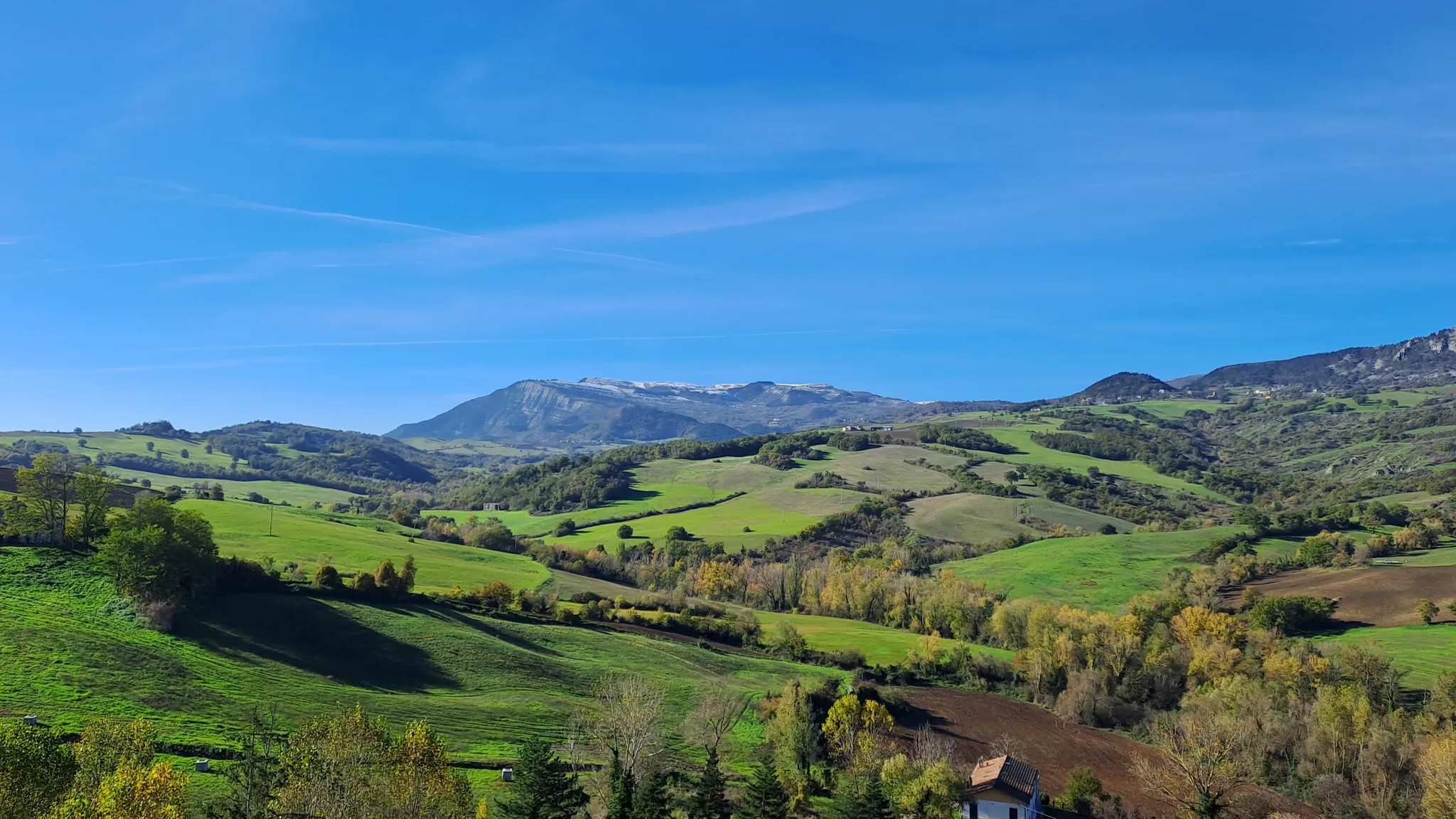
Cycling the Marche – sea to the mountains, among villages and hills
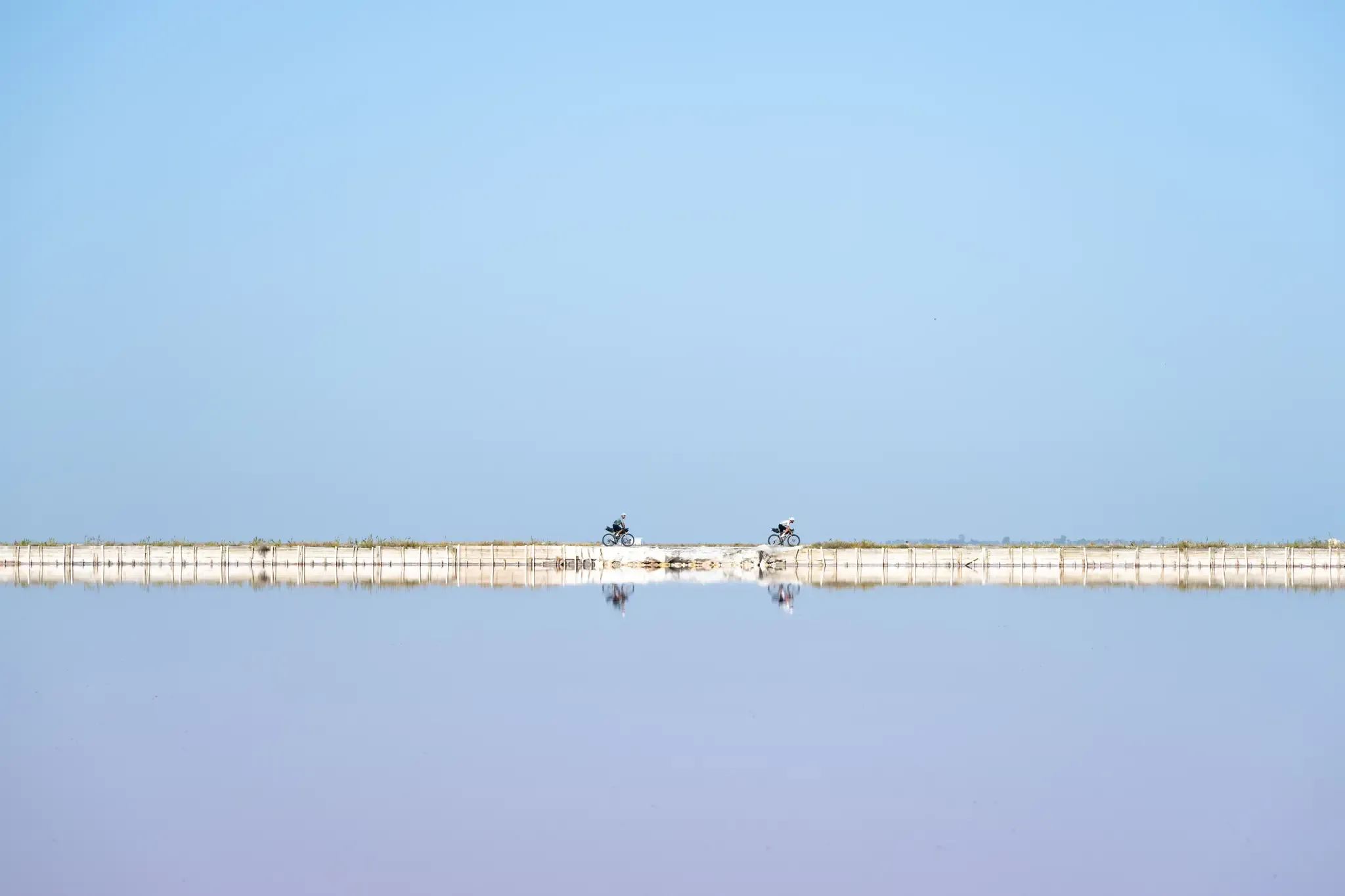
Trieste to Santa Maria di Leuca – the Adriatic Cycle Route
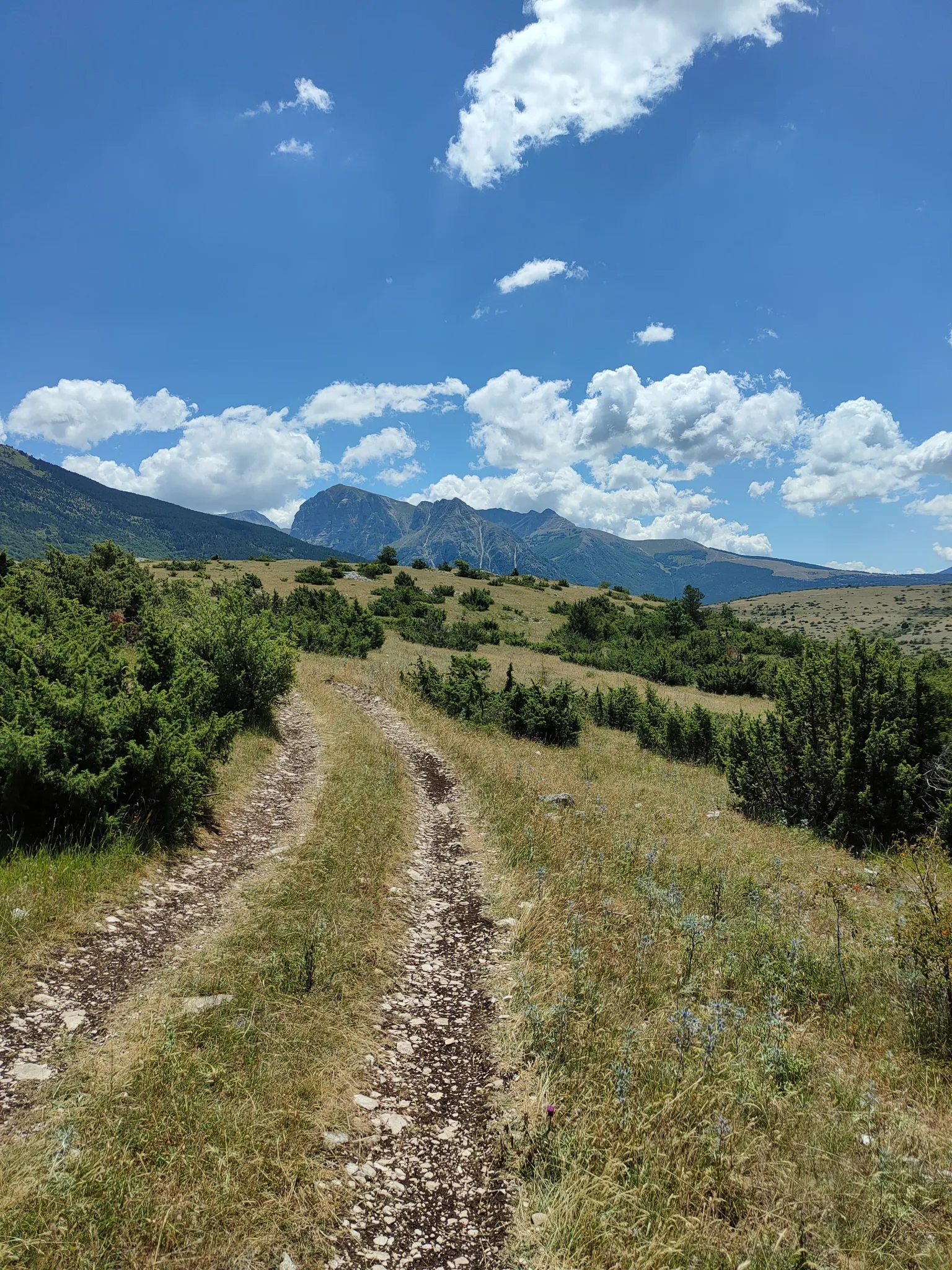
On the trail of the Queen of the Fairies – Grande Anello dei Sibillini
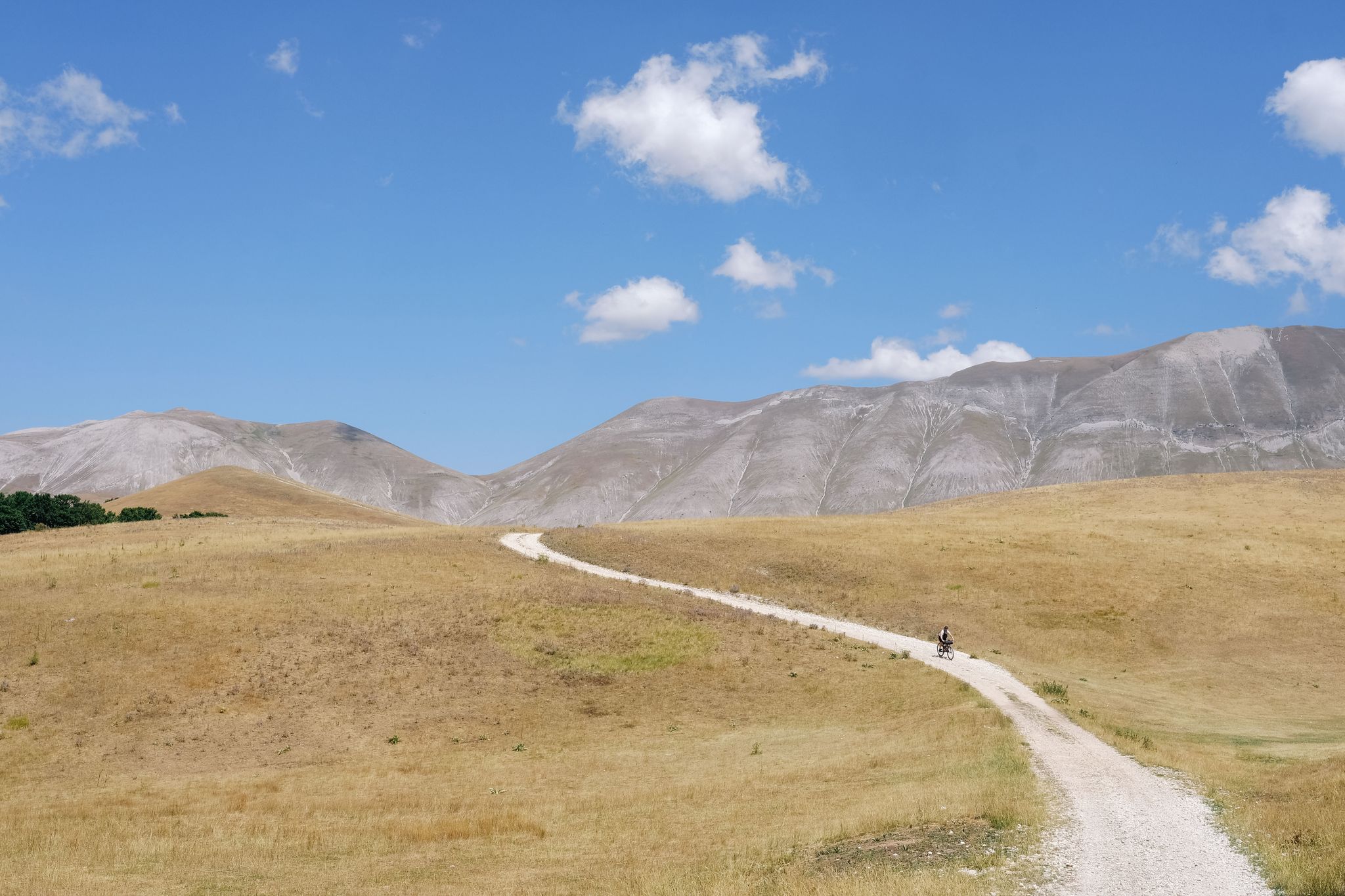
A journey through nature and legend – Great Sibillini Mountain Ring
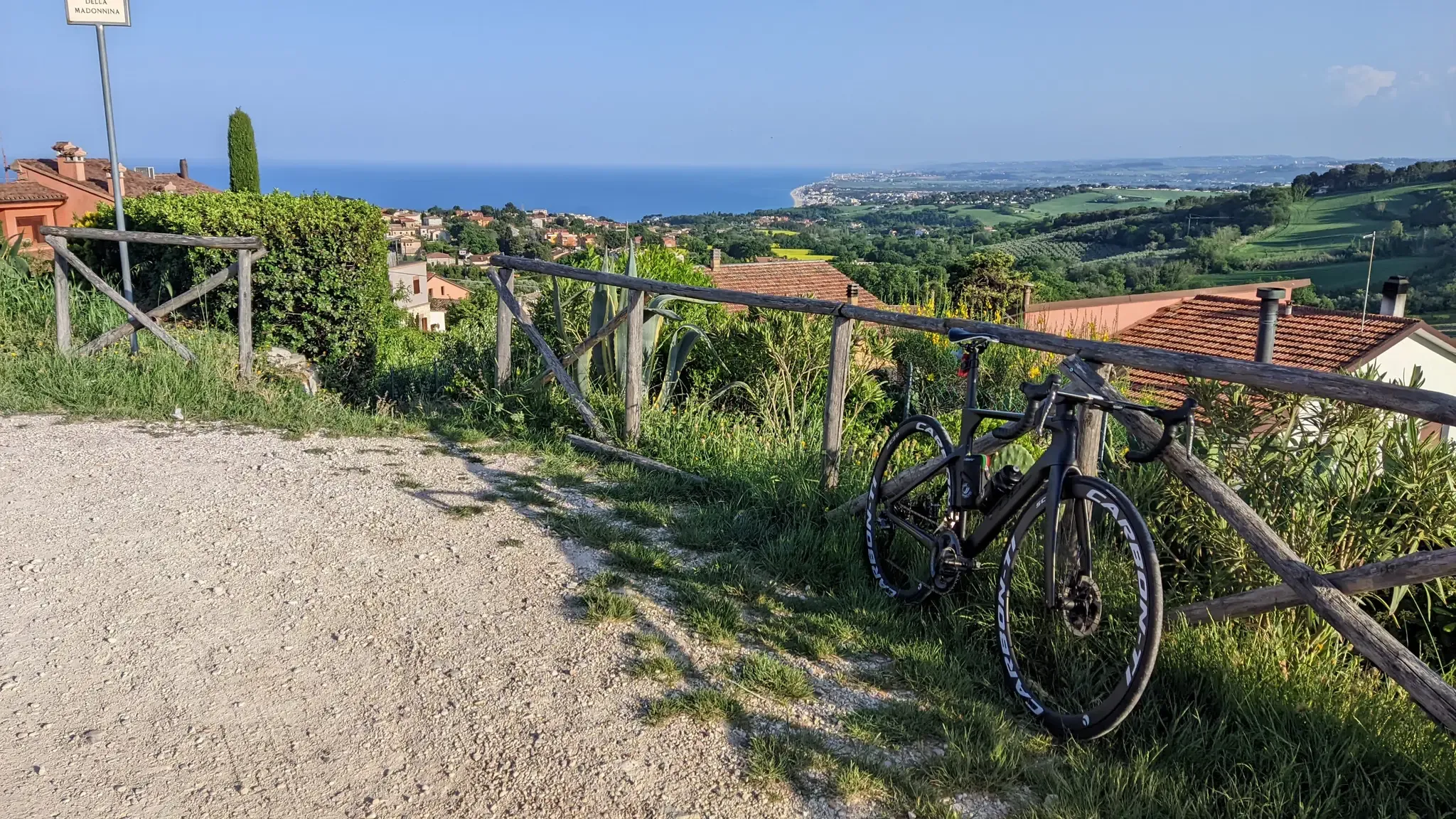
Between mountains and sea — road cycling in Italy’s Marche
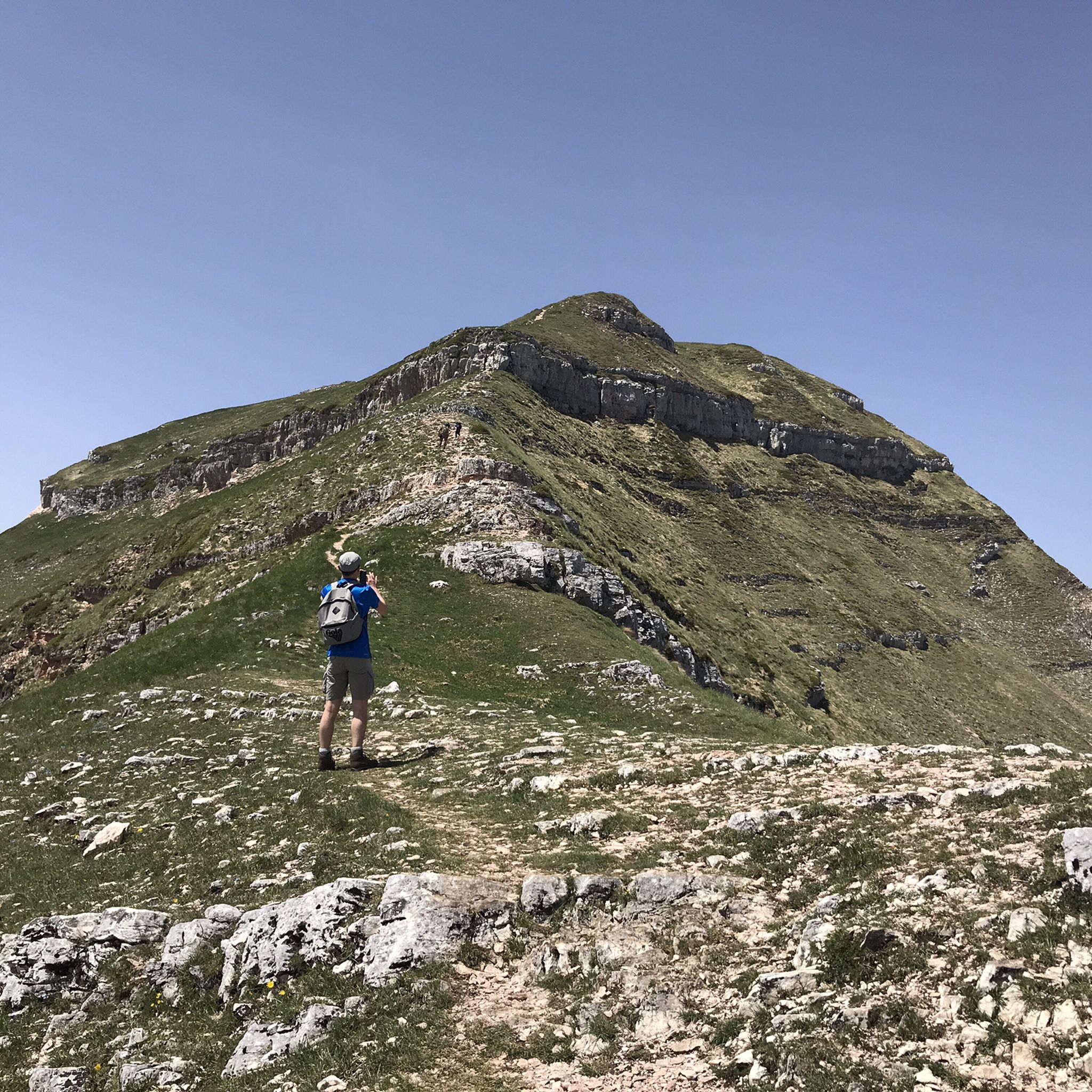
Hiking in Fermo
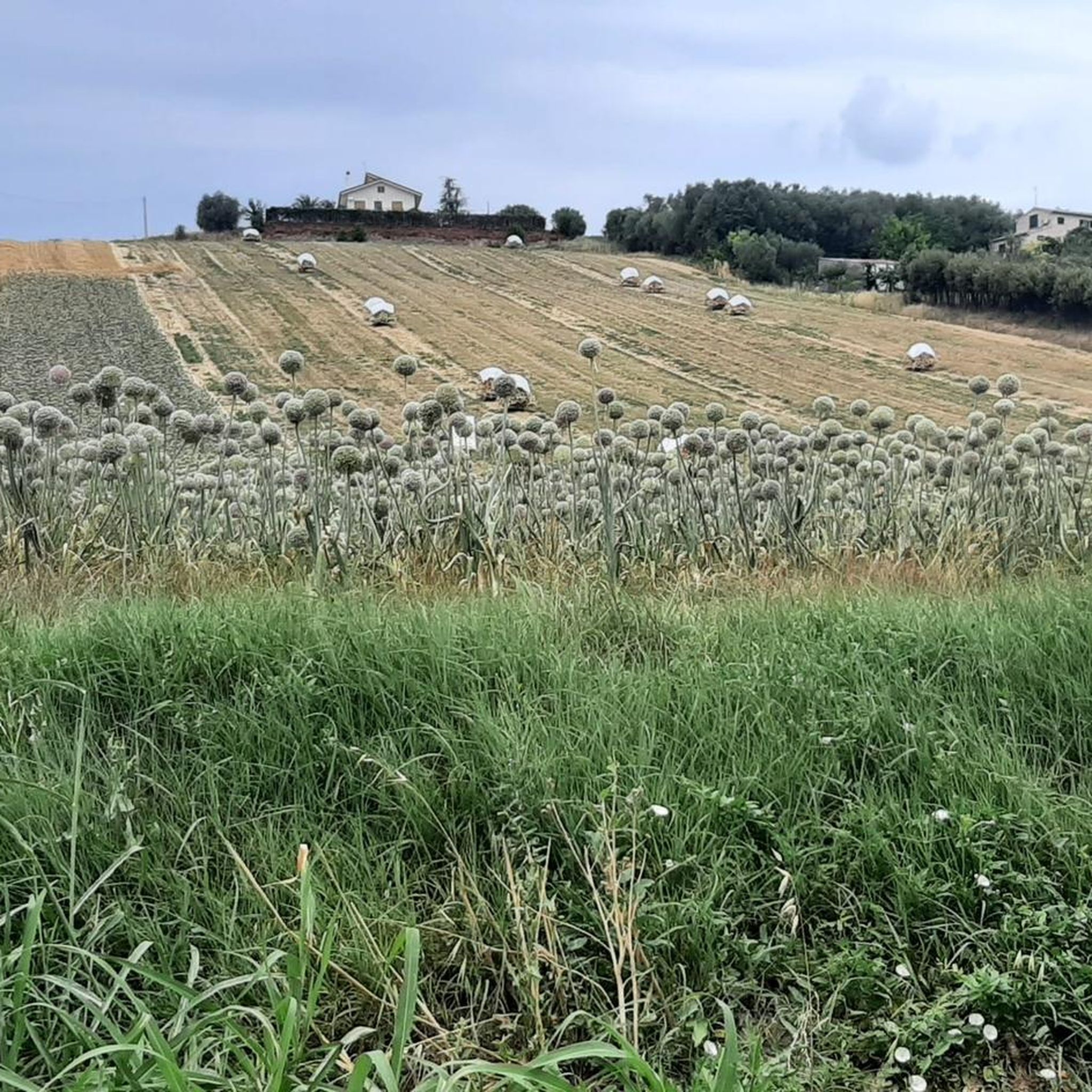
Running Trails in Fermo
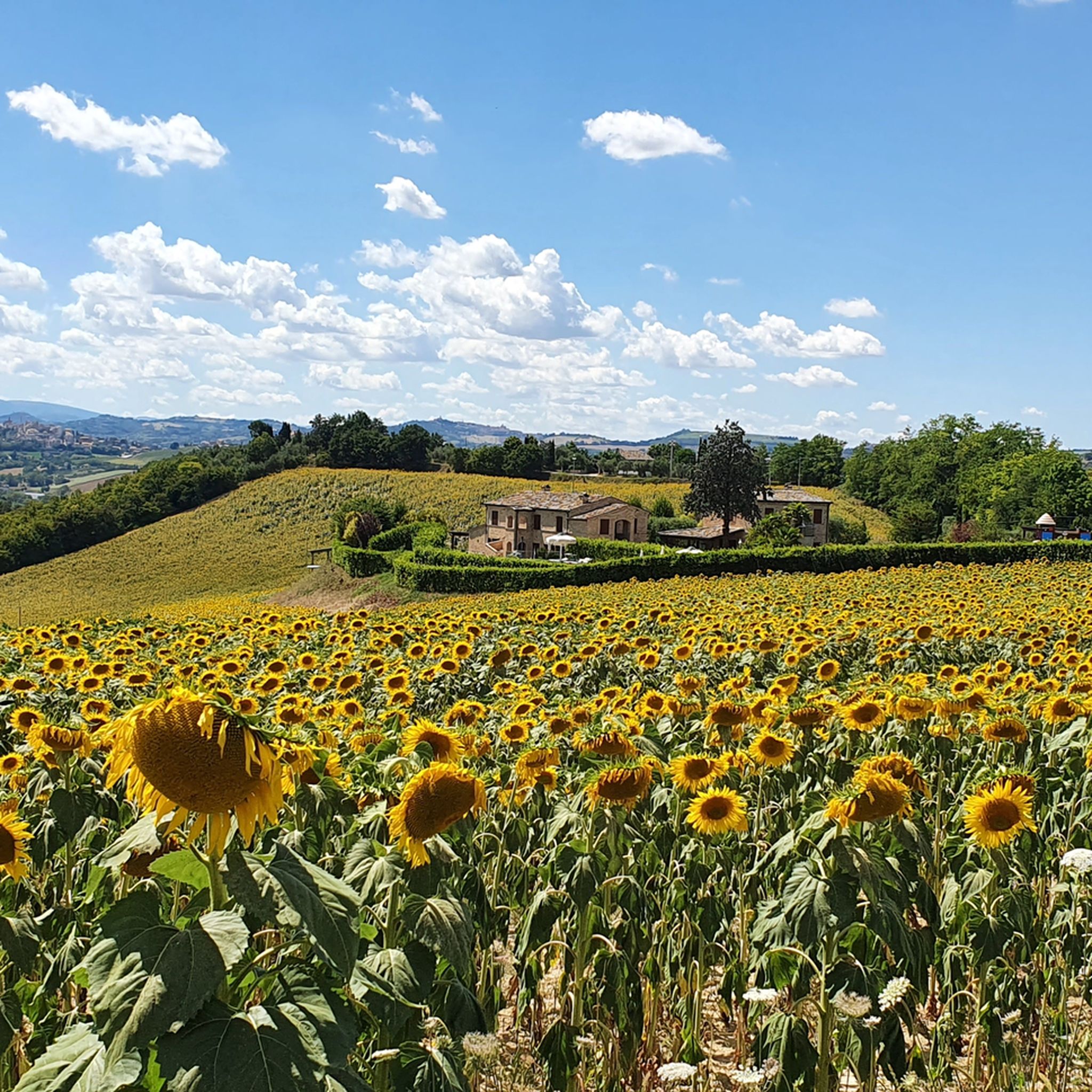
Road Cycling Routes in Fermo
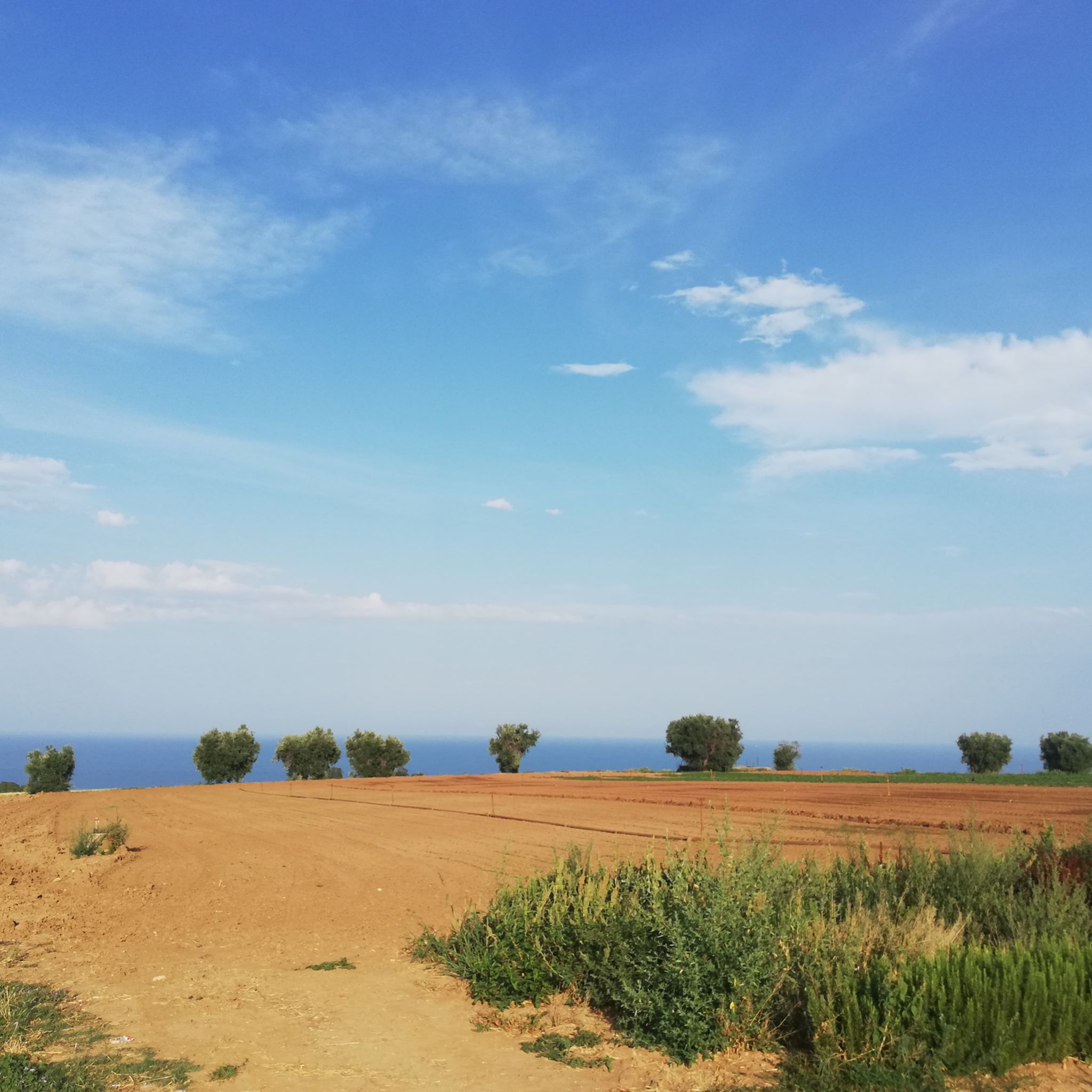
Cycling in Fermo
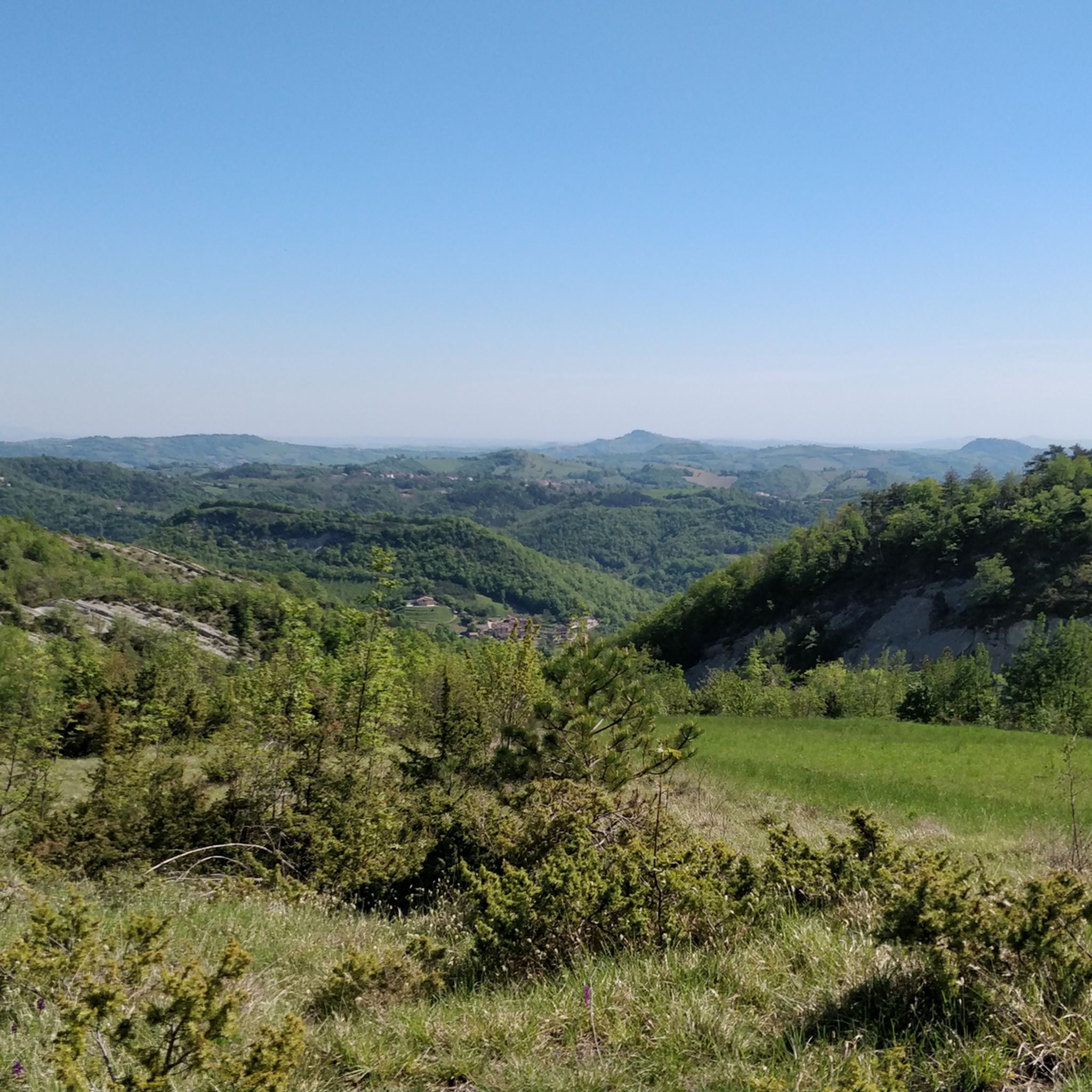
MTB Trails in Fermo
Other adventures in Fermo


Tips from the Community

Monsampietro Morico is known for its medieval castle, which features an imposing 14th-century polygonal tower that once defended the Romanesque gate below. The village also boasts a significant religious and artistic heritage, particularly the 13th-century Romanesque Church of San Paolo and works of art such as a triptych attributed to Vittore Crivelli.
1
0
Monteleone di Fermo is famous for its historic medieval center and panoramic hilltop location. Its most iconic monument is the irregular hexagonal tower (dating back to the 13th-14th centuries), the central element of the ancient castle walls.
0
0

Tradition claims that, around the year 1000, a captain of fortune, named Malleano or Majano, was the founder of the Castle. The ancient structure had six towers but now only two remain, one of which has a hexagonal plan. The circular layout of the fourteenth-century walls reproduces the atmosphere of the ancient historical center.
1
0

Ponzano di Fermo is a little gem that emerges among the rolling hills and the Apennine nature. Between castle and churches it is definitely worth a visit.
0
0
Beautiful village to visit with a very important history and interesting cellars nearby. Beautiful view from the tower. IG: https://www.instagram.com/gravel_marche/
1
0
It is a hilly municipality of very ancient origins, located in the sub-Apennines of the Marche region, in the lower valley of the Tenna river. The toponym derives from the god Janus, to whom a temple was dedicated on the top of the town's hill, where Roman and pre-Roman finds were found. During the Middle Ages it was a castle that depended on Fermo. The historic centre, with its elliptical shape, has the characteristics of a medieval castle, of which the remains of the fortified walls, three towers and Porta Marina are still visible, once the only access to the castle, dating back to the fourteenth century but which was rebuilt in the form current in 1707
0
0
Also known as the "City of the Mediterranean diet", located on a hill at 411 m. above sea level, in an area of ancient Piceno and Roman settlement, as demonstrated by numerous and significant archaeological finds. The urban structure of Montegiorgio dates back to the Middle Ages, when the Benedictine monks settled there in the 9th century, welcoming the first inhabitants of Montegiorgio around the Church of Santa Maria Grande (the current San Francesco with Farfense Chapel) and the Convent. The center of Montegiorgio is positioned on a hilly relief. The city walls encompass the entire historic center which maintains some of the characteristic medieval streets; you can admire the remains of castle walls, with an access portal still equipped with a wooden door, and some narrow alleys on a human scale. There is currently a lot of post-earthquake consolidation work underway.
0
0
A quiet town that has the Piazza della Libertà, the public gardens and the historic walls with the civic tower and clock tower.
0
0
Frequently Asked Questions
Beyond the most popular, what other notable castles can I explore in the Fermo region?
The Fermo region offers several other historically significant castles and fortified sites. You can visit Rocca Tiepolo in Porto San Giorgio, an imposing 13th-century fortress that defended the port. Another well-preserved example is Azzolino Castle in Grottazzolina, known for its enduring structure and medieval layout. Don't miss the unique polygonal stone tower at Monsampietro Morico Castle, or the charming medieval center of Massa Fermana with its Porta Sant'Antonio.
Are there any castles in Fermo that offer panoramic views?
Yes, several castles and fortified towns in the Fermo area provide excellent panoramic views. From Castello di Moresco, you can enjoy spectacular vistas ranging from Monte Conero to the Gran Sasso. The restored Torre da Bora in Magliano di Tenna also offers breathtaking views of the Sibillini mountains and the Adriatic Sea. Additionally, Moresco Historic Village provides great views from its Heptagonal Tower.
What kind of historical architecture can I expect to see at Fermo's castles?
Fermo's castles showcase a range of medieval military architecture. You'll find well-preserved examples like Rocca Tiepolo, a 13th-century fortress, and the distinct crenelated walls and polygonal stone tower of Monsampietro Morico Castle. The town of Monterubbiano features castle walls dating back to 1443 with ancient entrance gates like Porta del Pero and Porta San Basso. Many sites, such as Historic Towers of Rapagnano, retain characteristics of medieval castles with visible remains of fortified walls and towers.
Are there any family-friendly activities or castles suitable for children in the Fermo area?
Exploring the medieval villages and their castles can be a fun and educational experience for families. Children might enjoy walking along the ancient walls of Monterubbiano or discovering the well-preserved medieval layout of Azzolino Castle in Grottazzolina. The historical settings provide an engaging backdrop for imaginative play and learning about the past. Many of these sites are open-air and allow for exploration.
What is the best time of year to visit the castles in Fermo?
The best time to visit the castles in Fermo is generally during the spring (April to June) and early autumn (September to October). During these months, the weather is pleasant for exploring, with comfortable temperatures and less intense heat than mid-summer. This also avoids the peak tourist crowds of July and August, making for a more relaxed experience.
Can I find hiking or cycling routes near the castles in Fermo?
Yes, the Fermo region offers various outdoor activities, including hiking and cycling, often near its historical sites. For cycling, you can find routes like the 'Altidona Historic Center – Castello di Moresco loop' for gravel biking, or the 'Borghi Sospesi (Suspended Villages) Loop from Monteleone di Fermo' for touring bicycles. You can explore more options in the Gravel biking in Fermo, Road Cycling Routes in Fermo, and Cycling in Fermo guides.
Are there any unique fortified towns or 'ideal cities' to visit in the Fermo area?
Yes, Servigliano, also known as Castel Clementino, is a unique site. It's renowned as an 'ideal city' that was rebuilt in the 18th century with a perfectly squared city center and monumental gateways. It offers a different perspective on urban planning and defense compared to traditional castles. You can learn more about visiting Servigliano here.
What are some of the natural features or landscapes surrounding Fermo's castles?
The castles in Fermo are often nestled amidst rolling hills, offering picturesque views of the surrounding landscape. From locations like Castello di Moresco, you can see the Aso valley. The region also features views towards the Apennine mountains and the Adriatic Sea, providing a diverse natural backdrop to these historical sites.
Where can I find accommodation near the castles in Fermo?
Accommodation options are available in and around the various towns and villages where the castles are located. You can find places to stay in Fermo itself, as well as in smaller towns like Porto San Giorgio, Grottazzolina, or Monterubbiano, depending on which castles you plan to visit. Many offer a charming base for exploring the region.
Are there any castles that are particularly well-preserved or offer an authentic medieval experience?
Azzolino Castle in Grottazzolina is considered one of the best-preserved castles in Fermo's province, with its town center retaining its original medieval layout. Moresco Historic Village also offers a well-preserved medieval castle with its distinctive Heptagonal Tower and Clock Tower, providing a strong sense of history.
What do visitors appreciate most about the castles in Fermo?
Visitors frequently appreciate the historical depth and well-preserved nature of the castles and fortified villages. Many enjoy the panoramic views from the towers and hilltops, as well as the opportunity to explore authentic medieval architecture and charming, narrow cobbled streets. The strategic locations and rich history of sites like Castello di Moresco are often highlighted.
Most popular routes in Fermo
Most popular attractions in Fermo

Get inspired with the komoot mobile app


Didn’t find what you were looking for?
Explore Fermo’s best castles region by region:
Explore more
Looking for the best castles somewhere else? Discover other guides in Fermo:
