Top 17 Caves in Naples
Caves in Naples provide a unique exploration of the region's history and natural formations. The city's subterranean landscape includes extensive man-made tunnels, ancient catacombs, and natural grottoes. These sites offer insights into thousands of years of human ingenuity and geological processes. The diverse underground environment reflects Naples' rich cultural and historical layers.
Best caves in Naples
- The most popular caves is Grotta Fissure, a natural monument and viewpoint that features a small entrance under a lava gap. Visitors can explore this gap for about 10 meters and enjoy views of the "Hell's valley."
- Another must-see spot is Matermania Cave, a natural monument and gorge. This cavity is about 30 meters long and 20 meters wide, with an average height of 10 meters, accessible via steep steps below the Arco Naturale.
- Visitors also love Naples Underground, a historical site with man-made tunnels. These tunnels and rooms were created centuries before Christ, offering a journey through thousands of years of history.
- Naples is known for its man-made tunnels, ancient catacombs, and natural sea caves. These include historical underground routes and stunning coastal grottoes.
- The caves in Naples are appreciated by the komoot community, with more than 110 upvotes and over 90 photos shared by users.
Last updated: October 14, 2026
Naples Underground
Highlight • Cave
Translated by Google •
Tip by

Blue Grotto (Grotta Azzurra), Capri
Highlight • Cave
Translated by Google •
Tip by

Sign up now to discover places like this
Get recommendations on the best single tracks, peaks, & plenty of other exciting outdoor places.
Grotta Fissure
Highlight (Segment) • Cave
Translated by Google •
Tip by

Grotta Boscariello
Highlight • Cave
Translated by Google •
Tip by
Matermania Cave
Highlight • Cave
Tip by

Grotta degli Dei from Gino
Highlight • Cave
Translated by Google •
Tip by

Pietra Perciata
Highlight • Natural Monument
Translated by Google •
Tip by

Port of Naples
Highlight • Structure
Translated by Google •
Tip by

Biscuit Cave
Highlight • Cave
Tip by

San Lorenzo Maggiore Underground Roman Ruins
Highlight • Historical Site
Translated by Google •
Tip by

Sign up for free to discover even more caves in Naples.
Already have an account?
Start today with a free account
Your next adventure awaits.
Popular around Naples

Naples to North Cape — Two friends, one purpose and many scoops of ice-cream
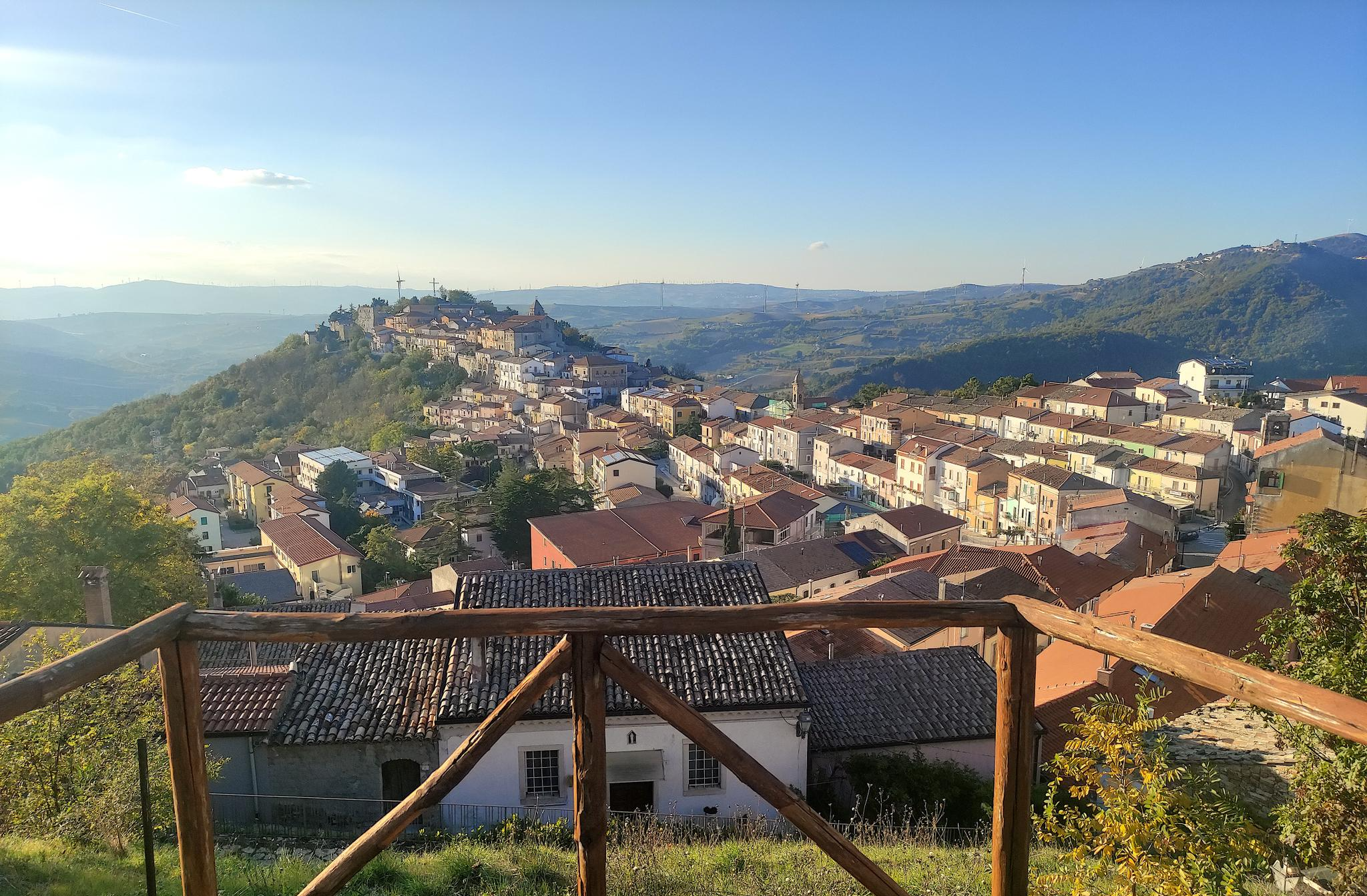
Campania by bike – rides among villages, valleys and water landscapes
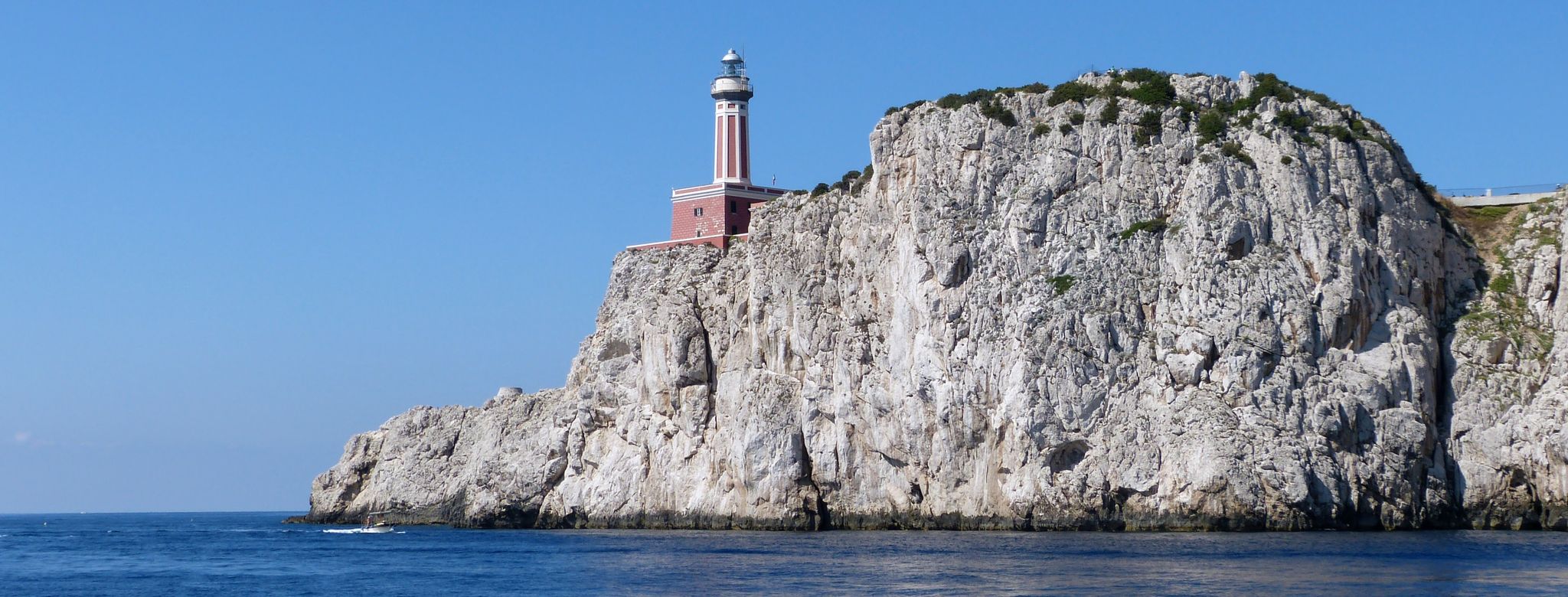
Micro-adventures on the island of Capri – the Amalfi Coast
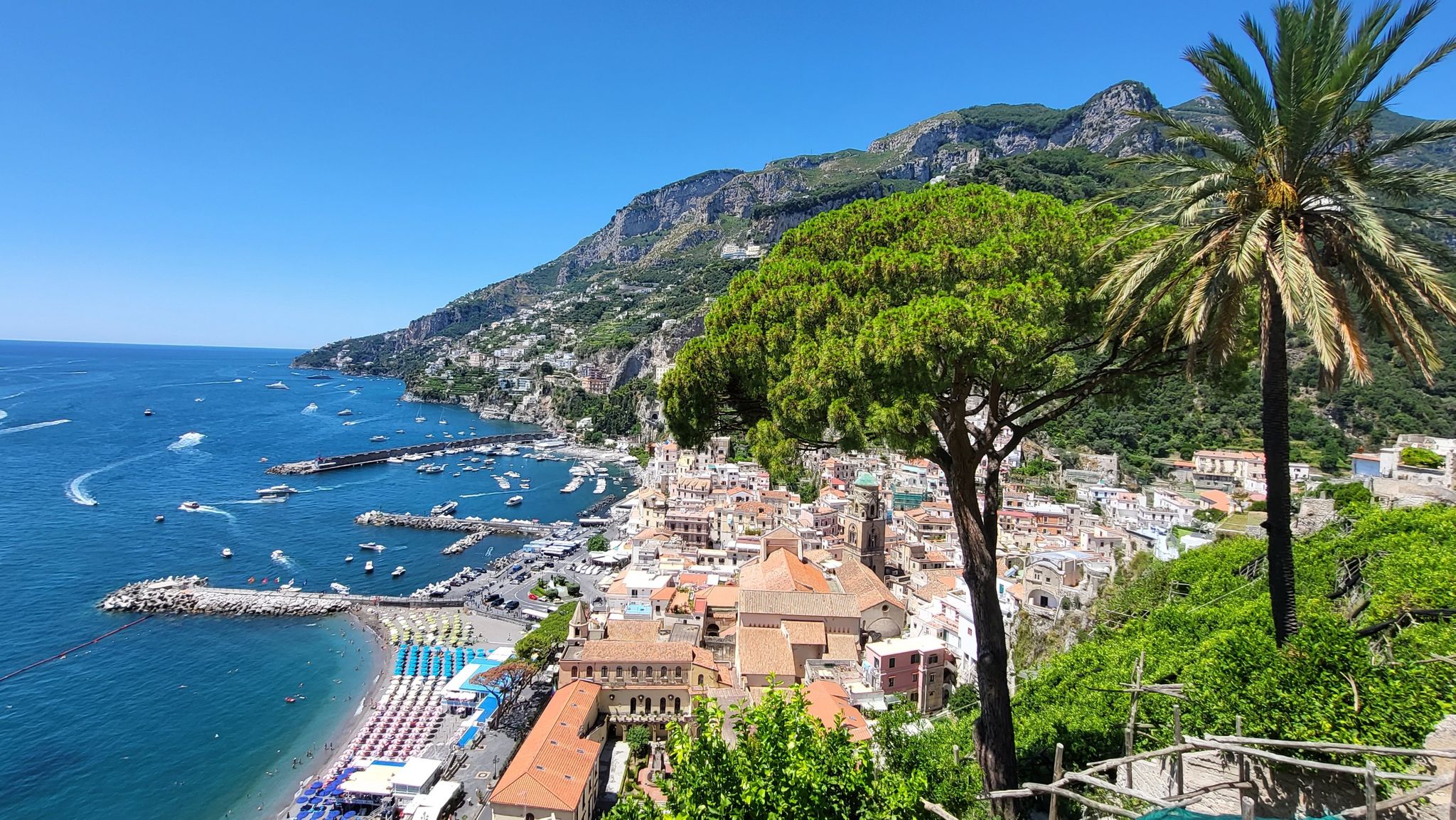
Discovering the Amalfi Coast – four unmissable walks
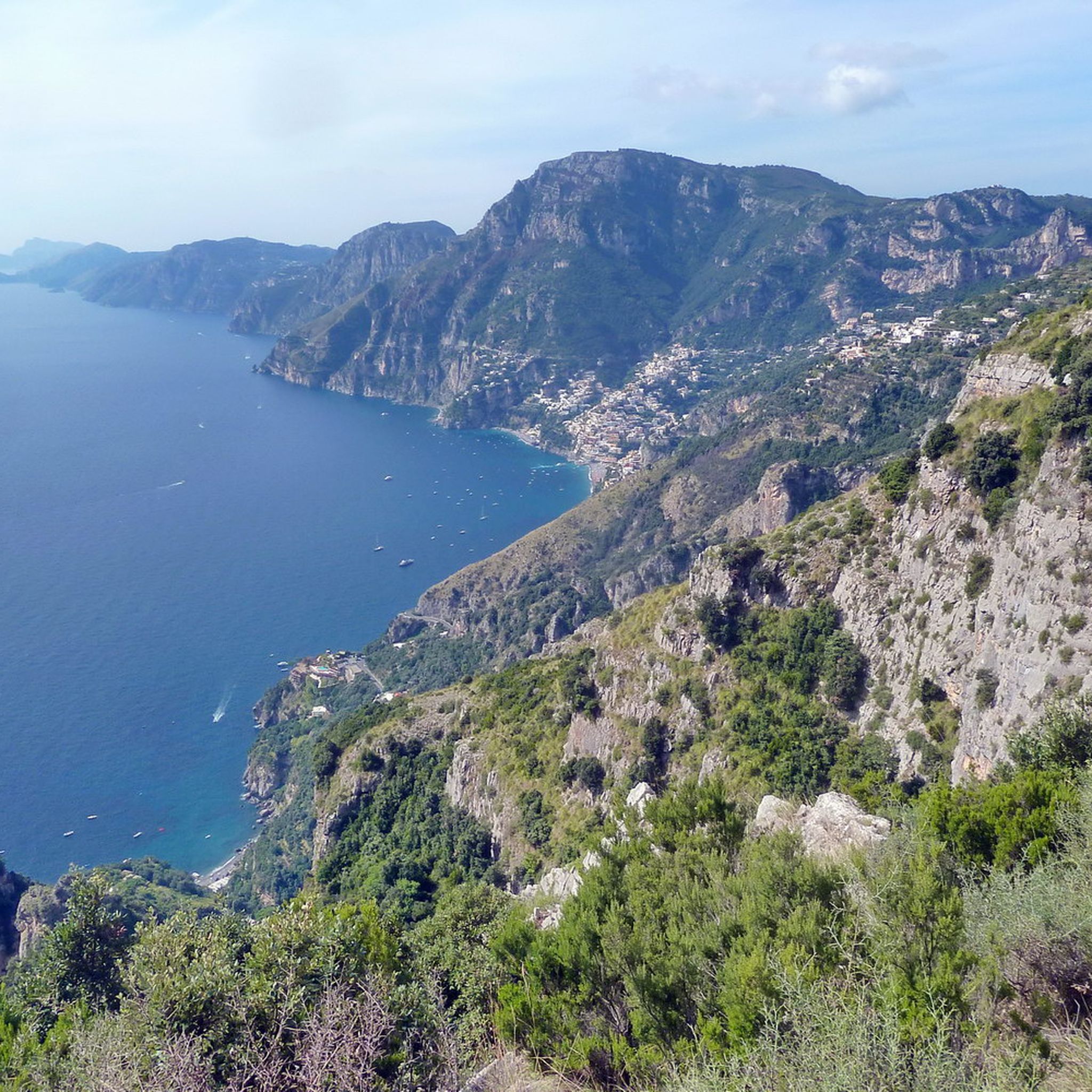
Hiking in Naples
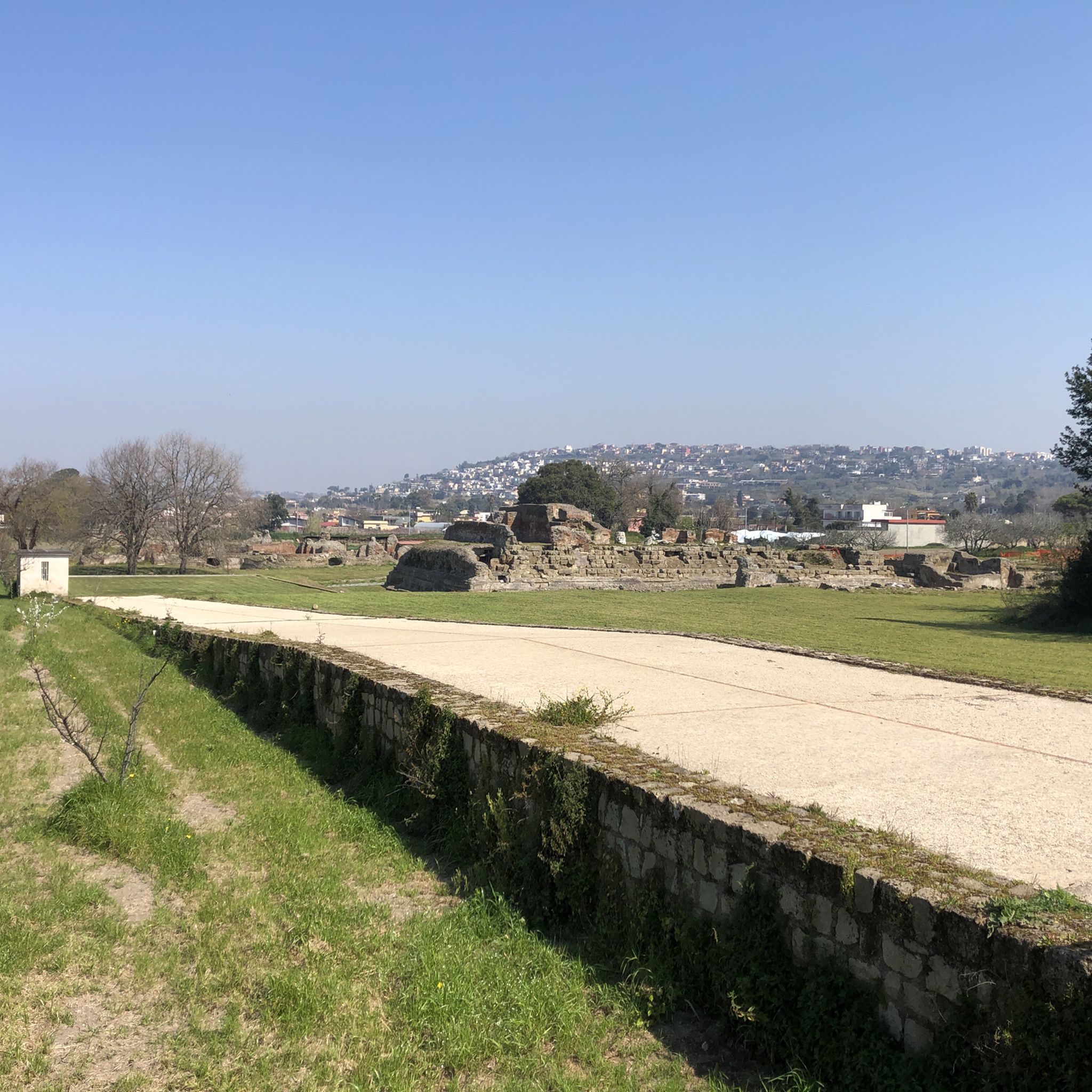
Cycling in Naples
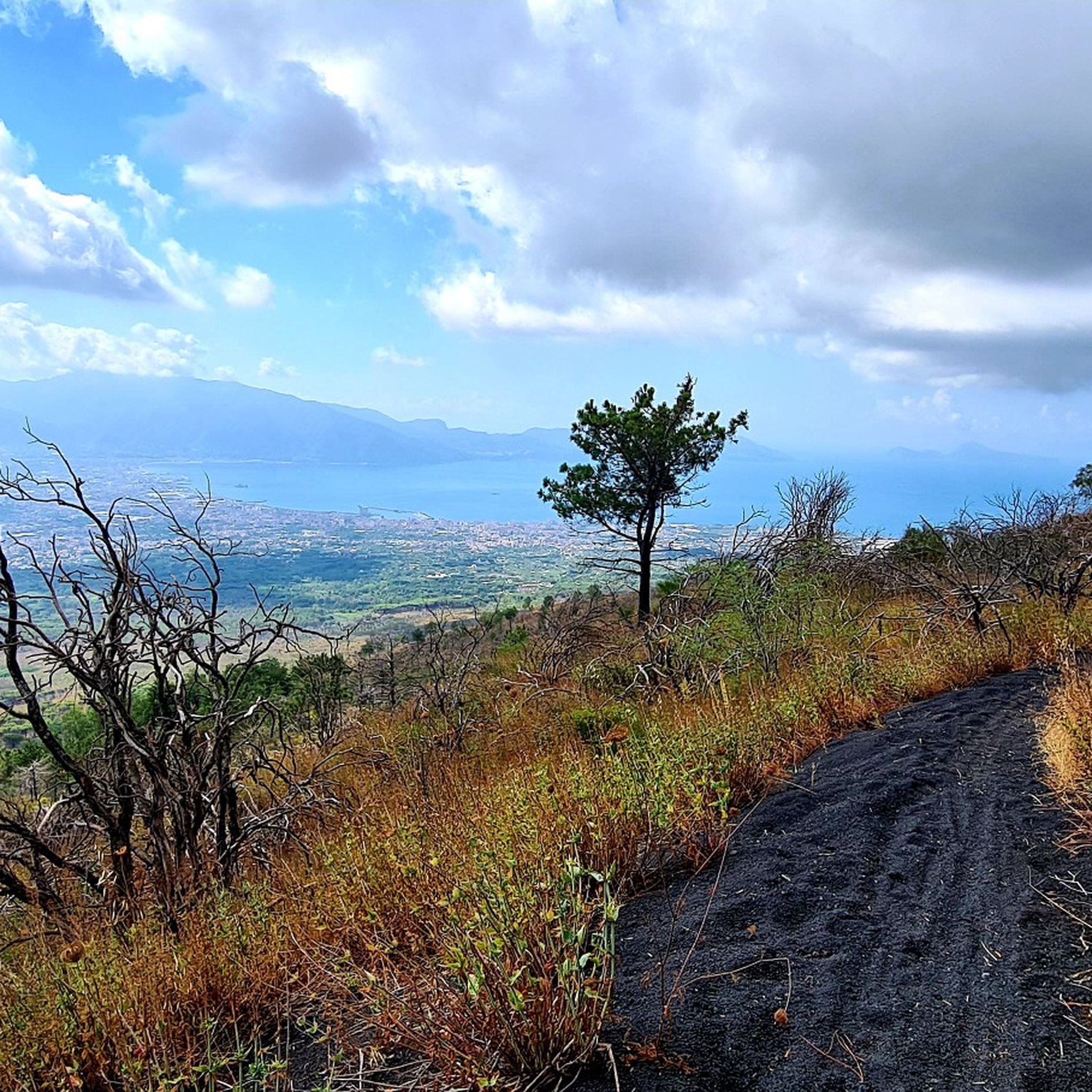
MTB Trails in Naples
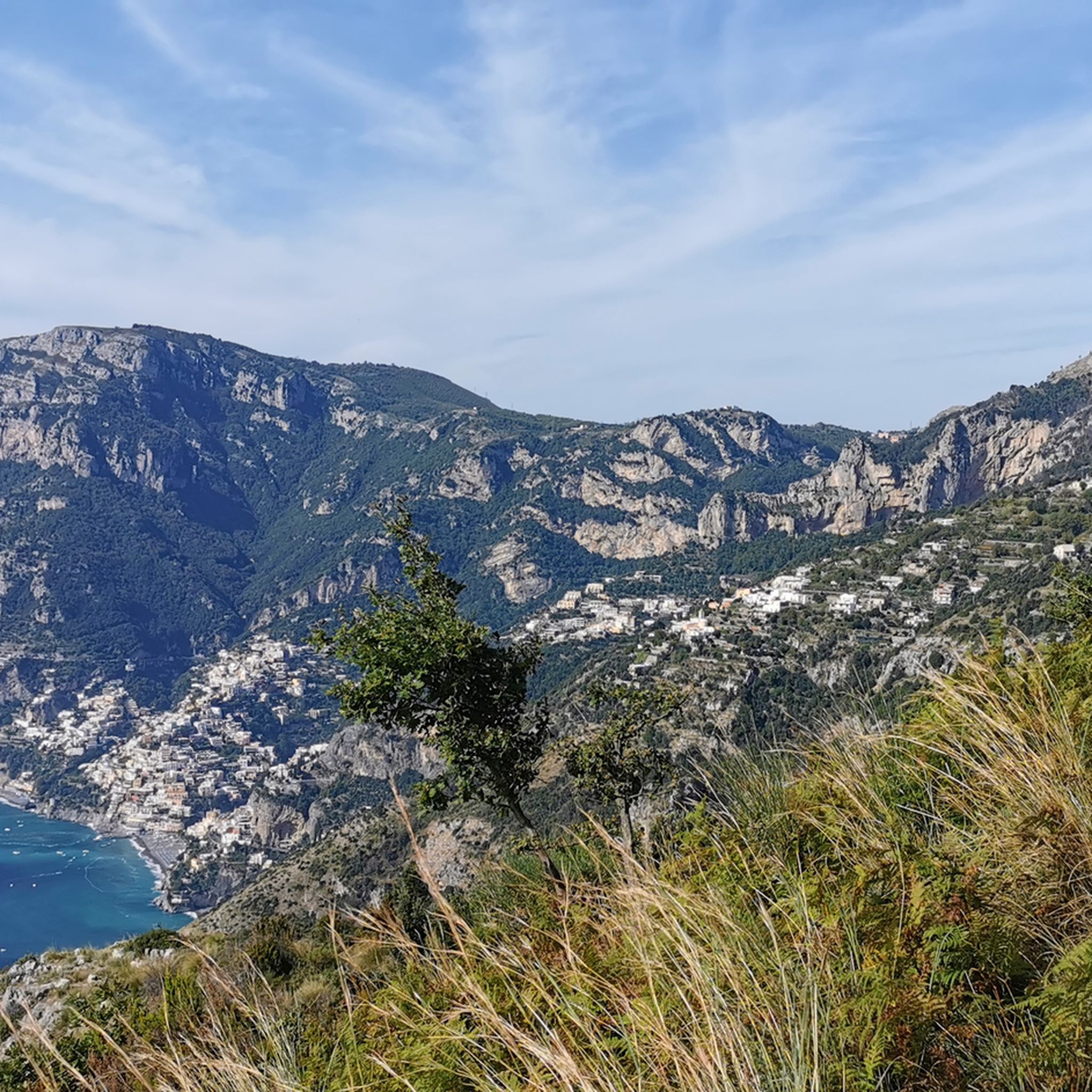
Running Trails in Naples
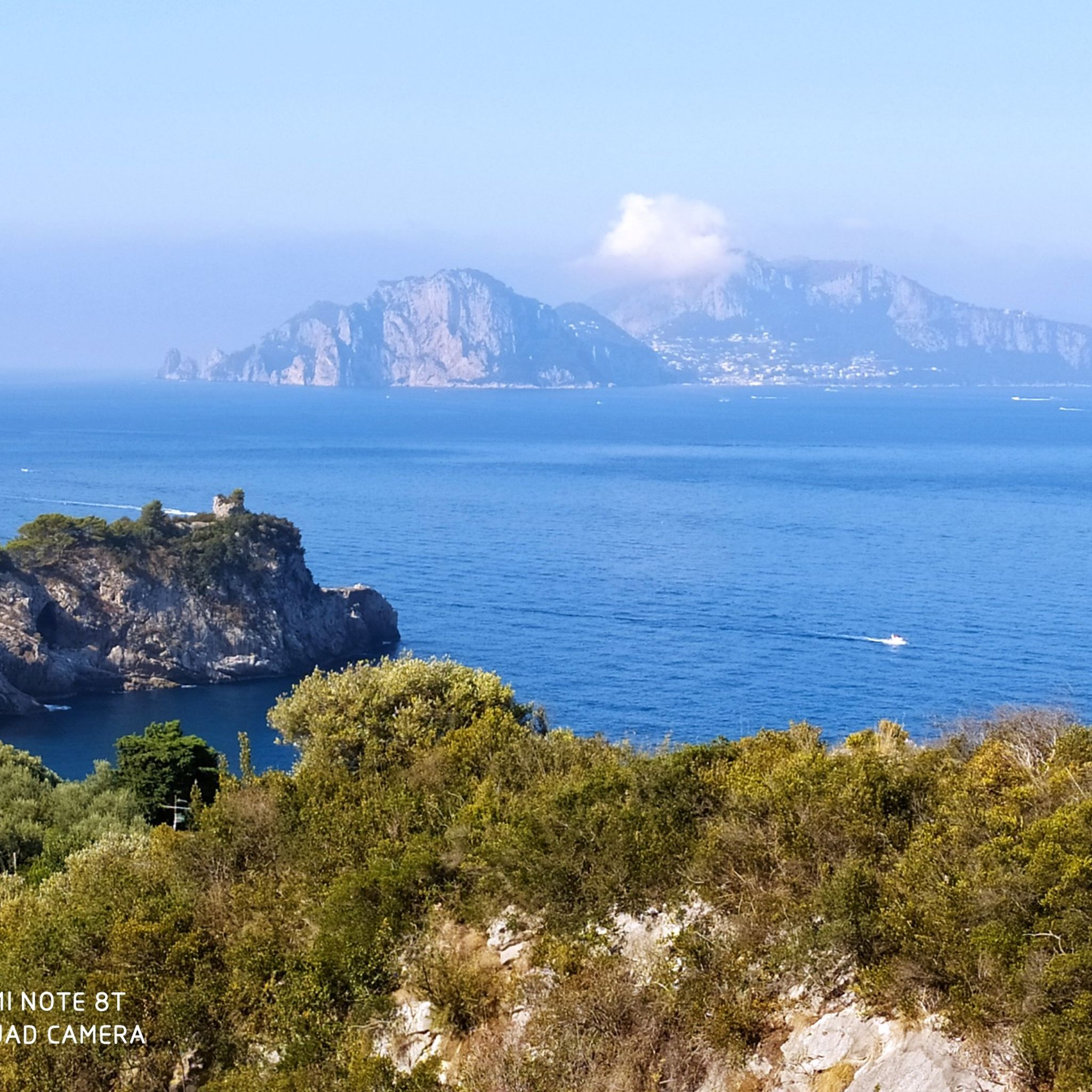
Road Cycling Routes in Naples

Gravel biking in Naples
Other adventures in Naples


Tips from the Community

A route in ancient Neapolis where you can walk along a street from that era with its shops and appreciate the Cryptoporticus and the Macellum. https://www.laneapolissotterrata.it
1
0

Pietra Perciata, meaning perforated, is famous among the local population. Given the considerable distance from the inhabited centers, in the vast territory below the Epomeic peak the farmers found numerous tuff boulders where they could build temporary shelters. The complex of fallen boulders facilitated this purpose by providing the material for the construction of temporary shelters, obtained thanks to a transformation work.
0
0
There is so much to see and visit in Naples; it cannot be explained in a comment
0
0
The port is divided into various parts where hydrofoils, cruise ships, etc. depart. Near the port there is the metro station
0
0
The subsoil of Naples is crossed by a large network of tunnels, galleries, aqueducts and spaces dug and used by man throughout history...
0
0

In the off-season (end of October) I was even able to get a guided tour at 2pm without booking in advance.
2
0


Definitely not accessible by bike, at least not at this time of year. The path is completely overgrown, and even on foot it was barely passable. But the grotto is worth the effort!
0
0
Frequently Asked Questions
What kind of historical underground sites can I explore in Naples?
Naples offers a vast network of man-made subterranean sites. You can delve into 2,400 years of history at Naples Underground, which includes ancient Greek aqueducts and Roman tunnels. Another significant site is the Galleria Borbonica, an unfinished escape route that served as a crucial air-raid shelter during WWII, now a museum. The Catacombs of San Gennaro and San Gaudioso provide insights into early Christian burial practices and art. For Roman engineering marvels, explore the Crypta Neapolitana or the Grotta di Seiano.
Are there any natural sea caves or grottoes near Naples?
Yes, the coastline and nearby islands boast stunning natural grottoes. The world-famous Blue Grotto (Grotta Azzurra) on Capri is renowned for its mesmerizing blue light. On the Amalfi Coast, the Emerald Grotto offers beautiful green reflections and impressive stalactites and stalagmites. For a less crowded experience, Grotta di Capo Bianco on Ponza features striking white rock cliffs and allows swimming.
What are some unique natural cave formations to see in the Naples region?
Beyond the sea caves, the region has fascinating natural cave formations. Grotta Fissure is a natural monument with a small entrance under a lava gap, offering views of the 'Hell's valley'. Matermania Cave, also known as Grotta del Matrimonio, is a large cavity accessible via steep steps below the Arco Naturale. Further south, the Castelcivita Grotto and Pertosa Caves are extensive speleological complexes with impressive stalactites and stalagmites.
Are there family-friendly options for exploring caves in Naples?
Many of Naples' underground attractions are suitable for families. Guided tours of Napoli Sotterranea (Underground Naples) are generally engaging for all ages, showcasing history in an accessible way. The Catacombs of San Gennaro are spacious and well-lit, making them comfortable for children. For natural experiences, boat tours into the Blue Grotto or Emerald Grotto are popular and memorable family activities, though access to the Blue Grotto can be weather-dependent and requires lying down in a small boat.
What is the best time of year to visit the caves and grottoes in and around Naples?
The best time to visit the man-made underground sites in Naples, such as Napoli Sotterranea or the Catacombs, is generally year-round, as their underground nature provides a consistent temperature. For natural sea caves like the Blue Grotto or Emerald Grotto, the spring (April-May) and early autumn (September-October) offer pleasant weather for boat trips and fewer crowds than the peak summer months. Summer (June-August) is also popular but can be very hot and crowded, especially for outdoor activities and boat tours.
What should I wear when exploring caves in Naples?
For underground historical sites like Naples Underground or the Catacombs, comfortable walking shoes are essential, as you'll be on your feet for guided tours. The temperature underground is consistently cooler than outside, so a light jacket or sweater is advisable even in summer. For natural caves, especially those involving boat trips, wear comfortable clothing and be prepared for potential splashes. If exploring more rugged natural caves like Grotta Fissure, sturdy footwear with good grip is recommended.
What outdoor activities can I do near the caves in Naples?
The Naples region offers a variety of outdoor activities. You can find numerous cycling routes, including the 'Ischia Island Loop' or a 'From Pozzuoli to Naples – loop tour', which are detailed in the Cycling in Naples guide. For hikers, there are easy trails like 'The natural nuggets around Monte Tuoro' or the 'Ischia Port to Aragonese Castle Loop' in the Easy hikes in Naples guide. Mountain biking enthusiasts can explore routes such as the 'Grande Traversata del Partenio - Sant'Angelo Loop' or 'Parco Nazionale del Vesuvio – giro ad anello' from the MTB Trails in Naples guide.
How long does it typically take to explore the underground sites in Naples?
The duration varies by site. A guided tour of Naples Underground typically lasts around 50 minutes to an hour. Visits to the Catacombs of San Gennaro or San Gaudioso also usually take about an hour. For sites like the Galleria Borbonica, tours can range from 1 to 1.5 hours depending on the chosen route. Natural grottoes like the Blue Grotto involve shorter boat rides, often around 20-30 minutes once inside, but factor in waiting times and travel to the grotto itself.
Are there any less crowded cave experiences near Naples?
While popular sites like the Blue Grotto can be very busy, you can find less crowded options. The Grotta di Capo Bianco on Ponza, for instance, is a beautiful natural wonder that is generally more tranquil and allows for swimming. For historical sites, while Naples Underground is popular, exploring the San Lorenzo Maggiore Underground Roman Ruins or the Grotta di Seiano might offer a more intimate experience, depending on the time of visit.
What historical insights do the underground sites of Naples offer?
The underground sites of Naples provide a deep dive into the city's layered history. From ancient Greek aqueducts dating back to 400 BCE to Roman tunnels and cisterns, these sites reveal the ingenuity of early inhabitants. Many sections, like the Galleria Borbonica and parts of Napoli Sotterranea, were used as air-raid shelters during WWII, with artifacts and graffiti still visible. The Catacombs of San Gennaro and San Gaudioso showcase early Christian burial practices and art, reflecting the spiritual roots of the city.
Can I find viewpoints or natural monuments related to caves in the Naples area?
Yes, several cave-related sites offer stunning viewpoints or are natural monuments themselves. Grotta Fissure provides a great view of the 'Hell's valley'. Matermania Cave is a natural monument accessible below the Arco Naturale. Blue Grotto (Grotta Azzurra), Capri is a world-renowned natural monument for its unique light effects. Pietra Perciata, meaning perforated stone, is famous among locals for its weathered rock formations.
Are there any caves in Naples that are particularly challenging to explore?
While many popular underground tours are accessible, some natural cave explorations can be more challenging. For instance, accessing Grotta Fissure involves a descent after lava ropes, and entering the gap requires attention to your head. Matermania Cave is reached via steep steps. More extensive speleological complexes like the Castelcivita Grotto, if explored beyond the main tourist paths, can offer more challenging routes for experienced cavers.
Most popular routes in Naples
Most popular attractions in Naples

Get inspired with the komoot mobile app


Didn’t find what you were looking for?
Discover more caves in Naples region by region:
Explore more
Extend your search for the best caves by checking out these guides of the top ones in Naples:
