Top 8 Castles in Brussels
Castles in Brussels and its surrounding areas offer a rich collection of historical sites, providing insight into Belgium's past. The region features a diverse range of architectural styles, from medieval fortresses to opulent palaces. These locations combine historical significance with picturesque scenery, making them notable destinations. There are 8 castles to explore within the Brussels region.
Best castles in Brussels
- The most popular castles is Laeken Castle, a castle that serves as one of the royal residences in Belgium. Built in 1782, it is surrounded by a large 120 ha park and has been the main residence for most Belgian kings.
- Another must-see spot is Halle Gate, a historical site and former city gate. This 1381 structure is the only surviving Brussels city gate and offers panoramic views of Brussels from its top.
- Visitors also love Malou Castle, a neoclassical property built in 1776. This castle is set in a splendid park and now hosts exhibitions and conferences.
- Brussels is known for its medieval fortresses, opulent palaces, and neoclassical châteaux. Visitors can explore a variety of castles, each offering a unique glimpse into different historical periods and architectural styles.
- The castles in Brussels are appreciated by the komoot community, with more than 70 upvotes and 20 photos shared by visitors.
Last updated: October 14, 2026
Laeken Castle
Highlight • Castle
Translated by Google •
Tip by

Halle Gate
Highlight • Historical Site
The Hallepoort is surrounded by a park that bears the name of this building.
Source: Wikipedia
Translated by Google •
Tip by

Sign up now to discover places like this
Get recommendations on the best single tracks, peaks, & plenty of other exciting outdoor places.
The Court of Brussels
Highlight • Castle
Translated by Google •
Tip by

Three Fountains Pond
Highlight • Lake
Translated by Google •
Tip by

St. Lambert Church and Andreae Castle
Highlight • Religious Site
In a display case in the right aisle is a wooden statuette of the Virgin Mary, the work of King Albert I while still a teenager. His sister, Marie-Joséphine of Belgium, a Benedictine nun in Namur, donated it to the church in 1940.
The oldest elements of the church were classified by royal decree dated April 27, 1942.
Restoration work was carried out on the boundary wall and the Sacred Heart of Jesus in 2011, using materials that were respectful of the original (lime mortar, ecological agents) to repair damage due to humidity, pollution, and biological attack.
Translated by Google •
Tip by

Malou Castle
Highlight • Castle
Translated by Google •
Tip by

Schwarzer Turm (Zwarte Toren / Tour Noire)
Highlight • Historical Site
Translated by Google •
Tip by
Start today with a free account
Your next adventure awaits.
Popular around Brussels
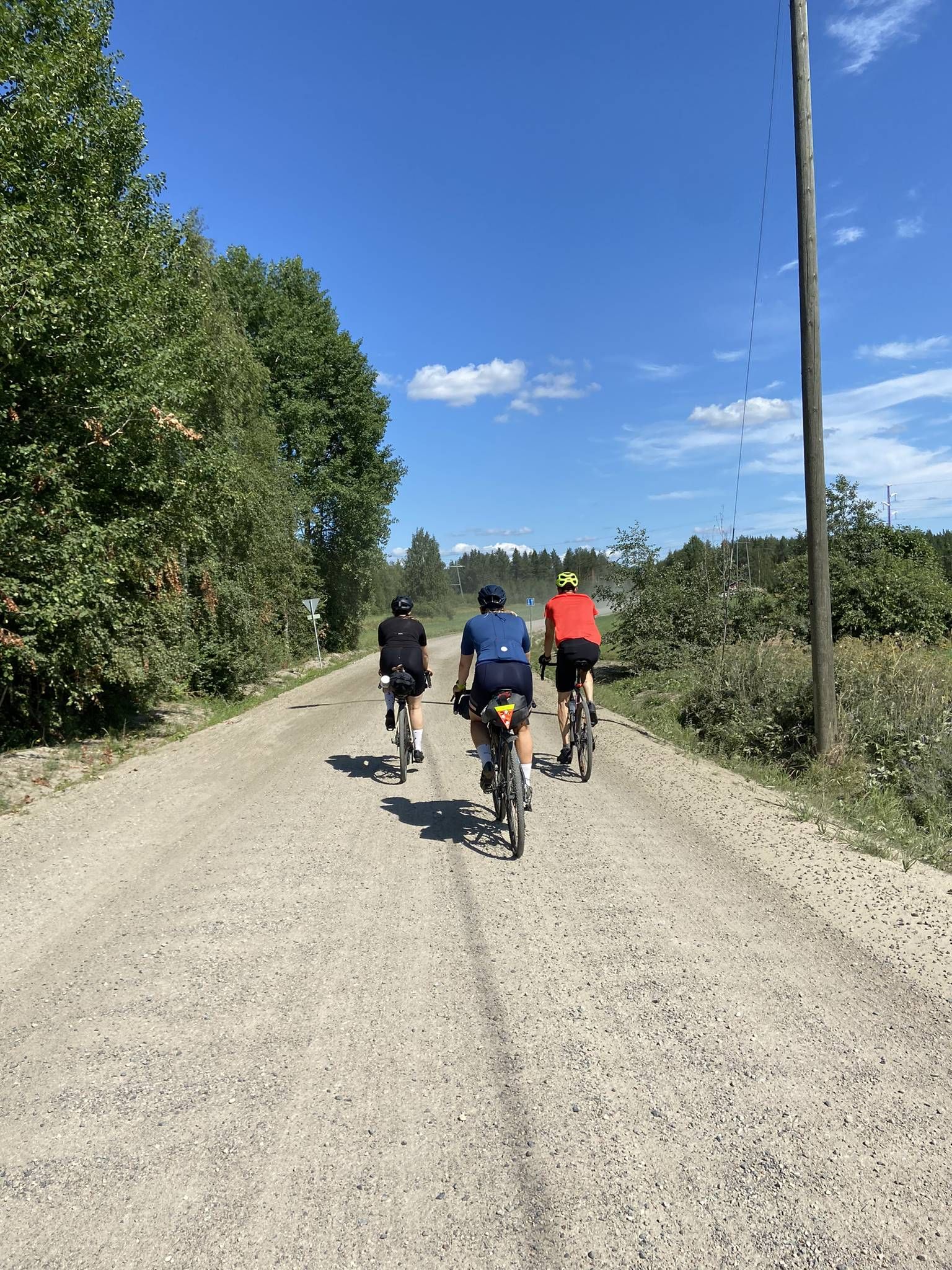
Naples to North Cape — Two friends, one purpose and many scoops of ice-cream
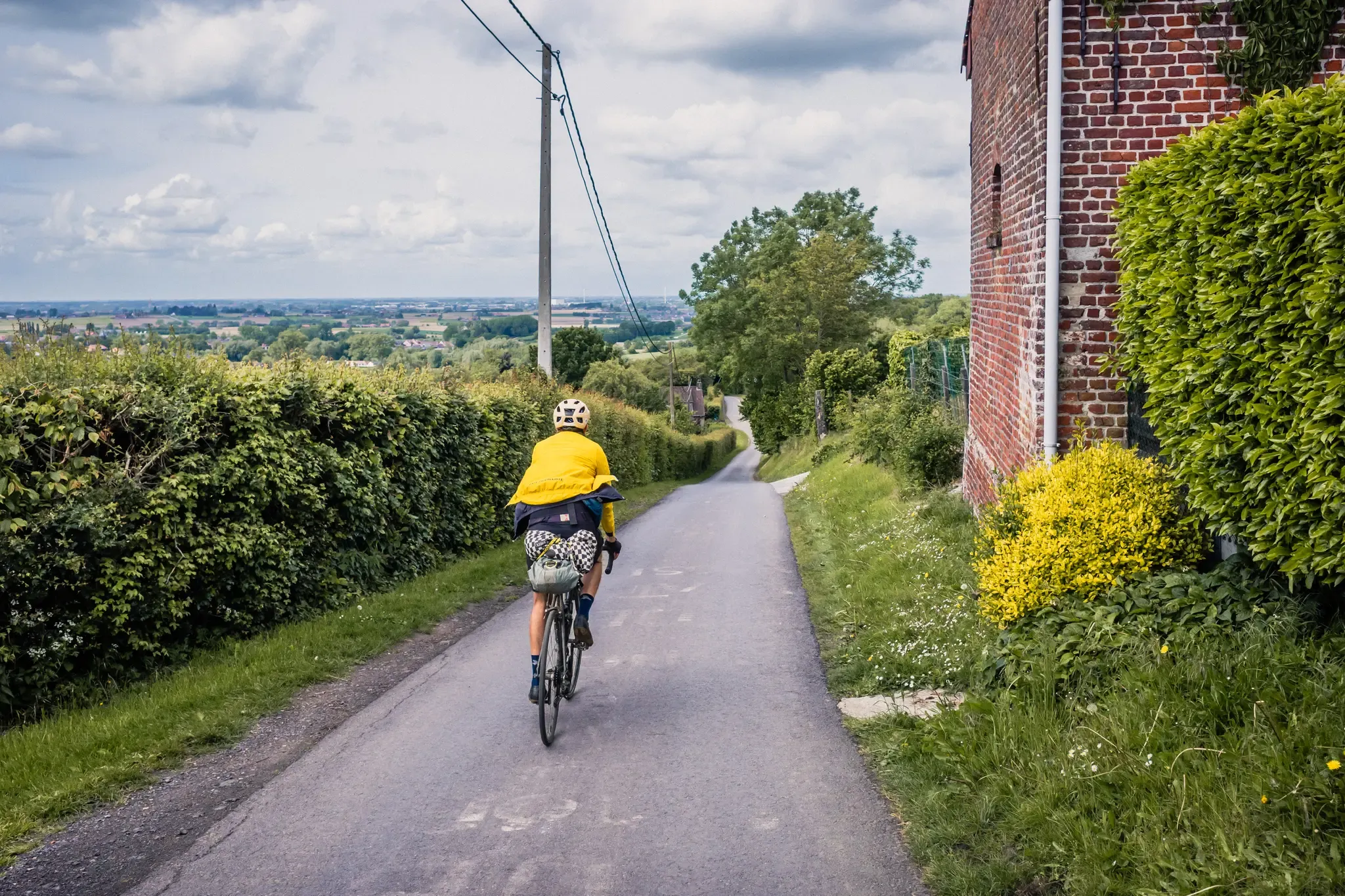
The Hilly Route from Brussels to Poperinge – bikepacking in Flanders
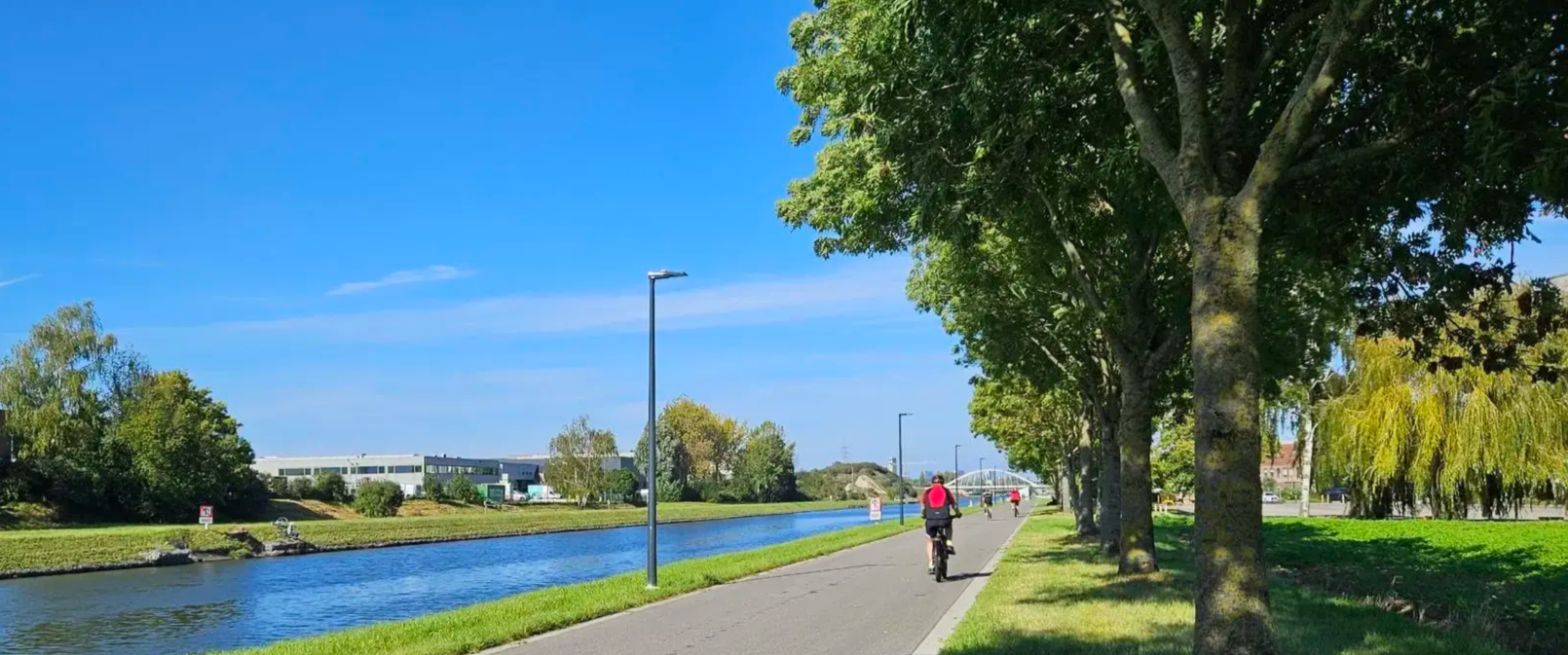
Wallonia by bike — RV1 : Along the water
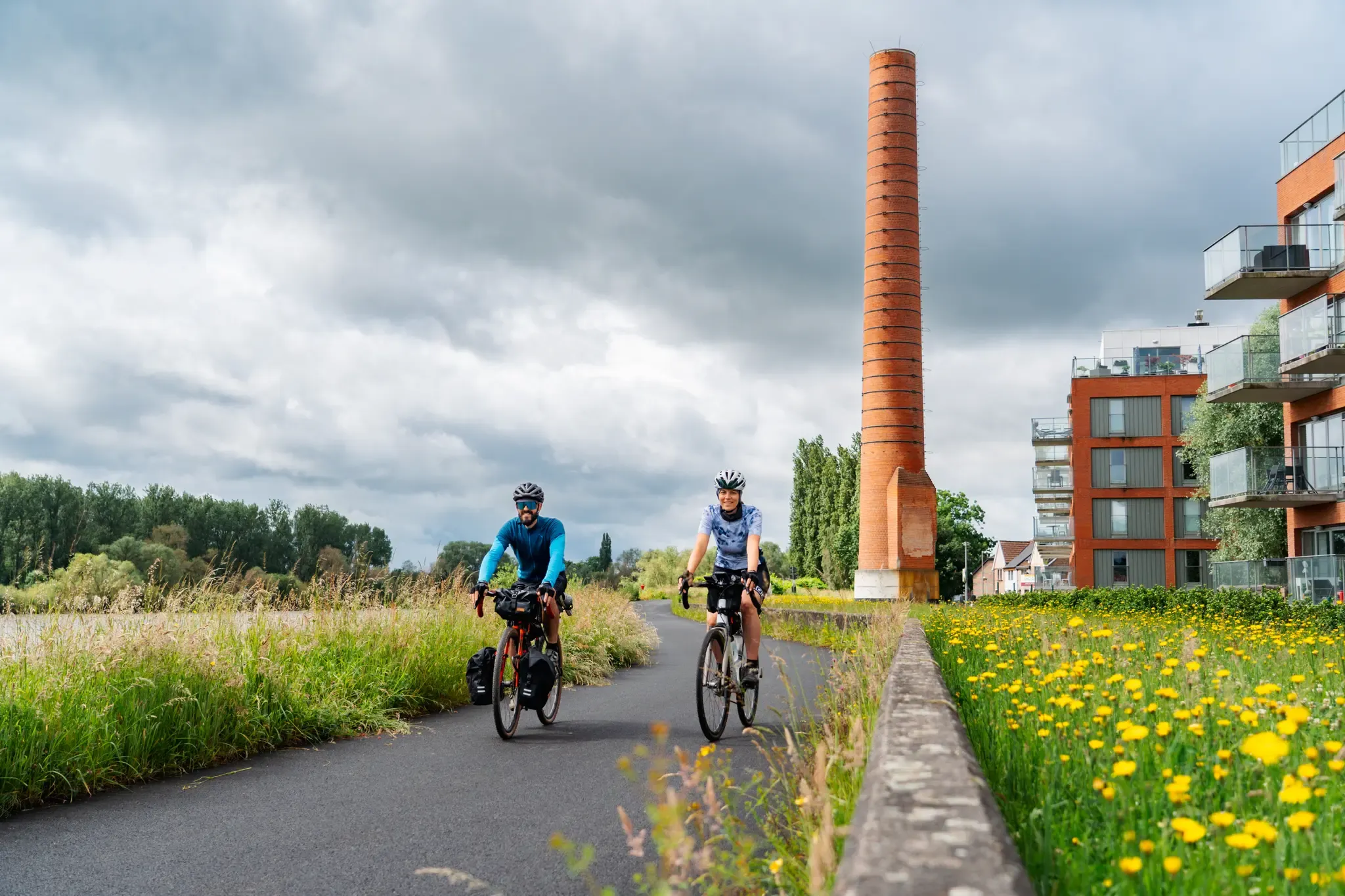
Fries, nature and beer – experience Flanders by bike
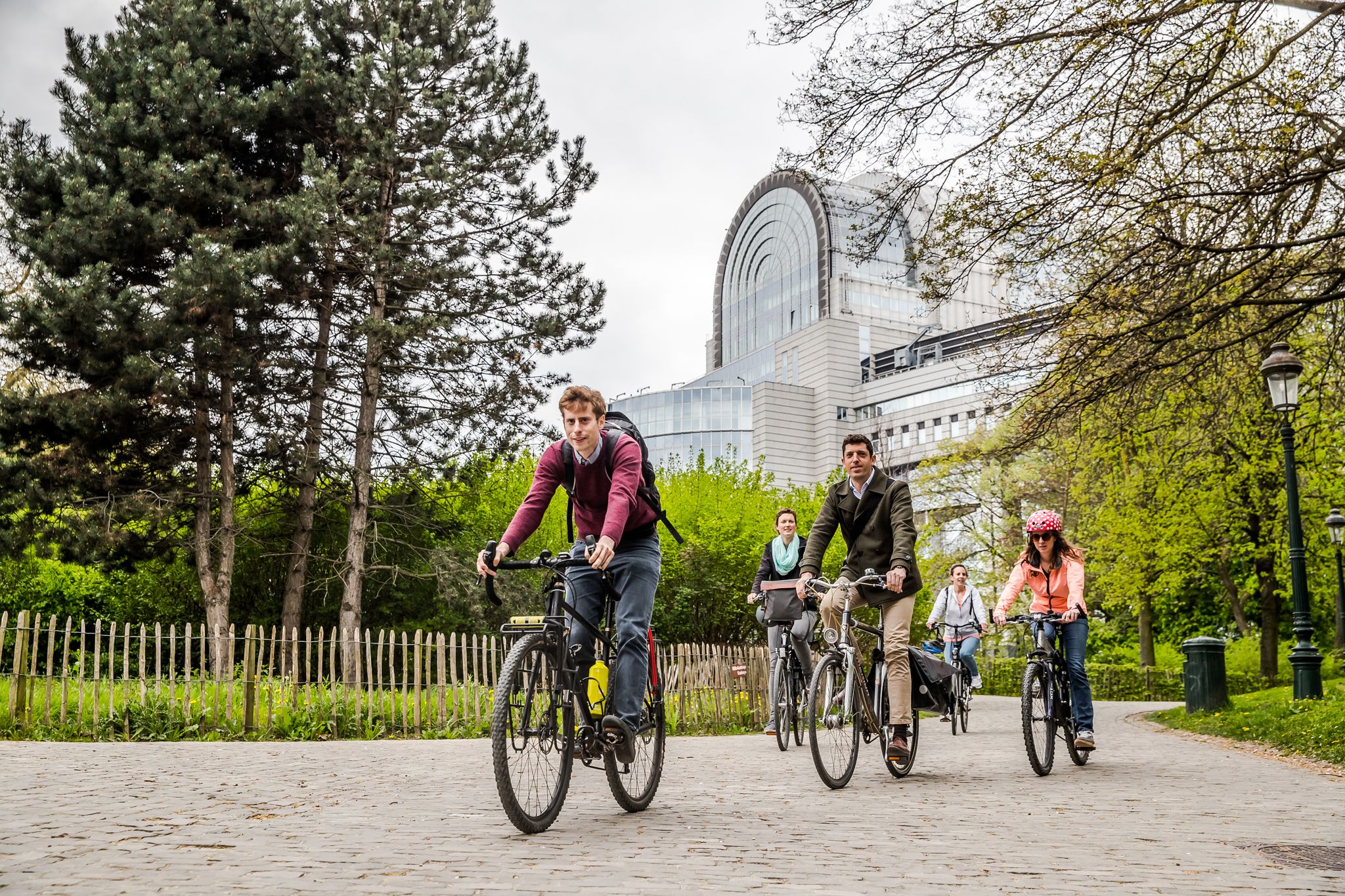
Brussels by bike – 8 themed rides
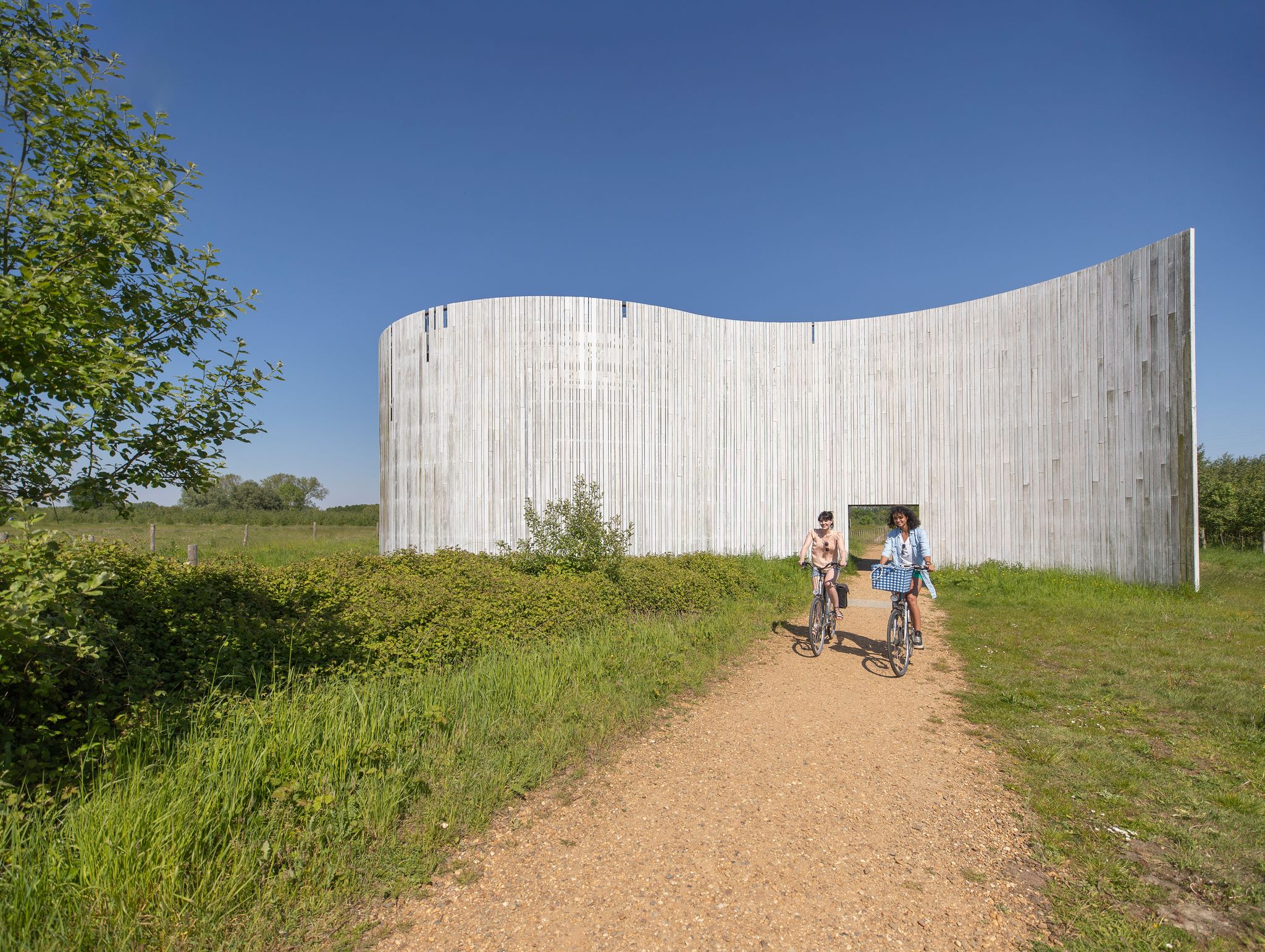
Flanders by bike – the Iconic Cultural Cycle Routes
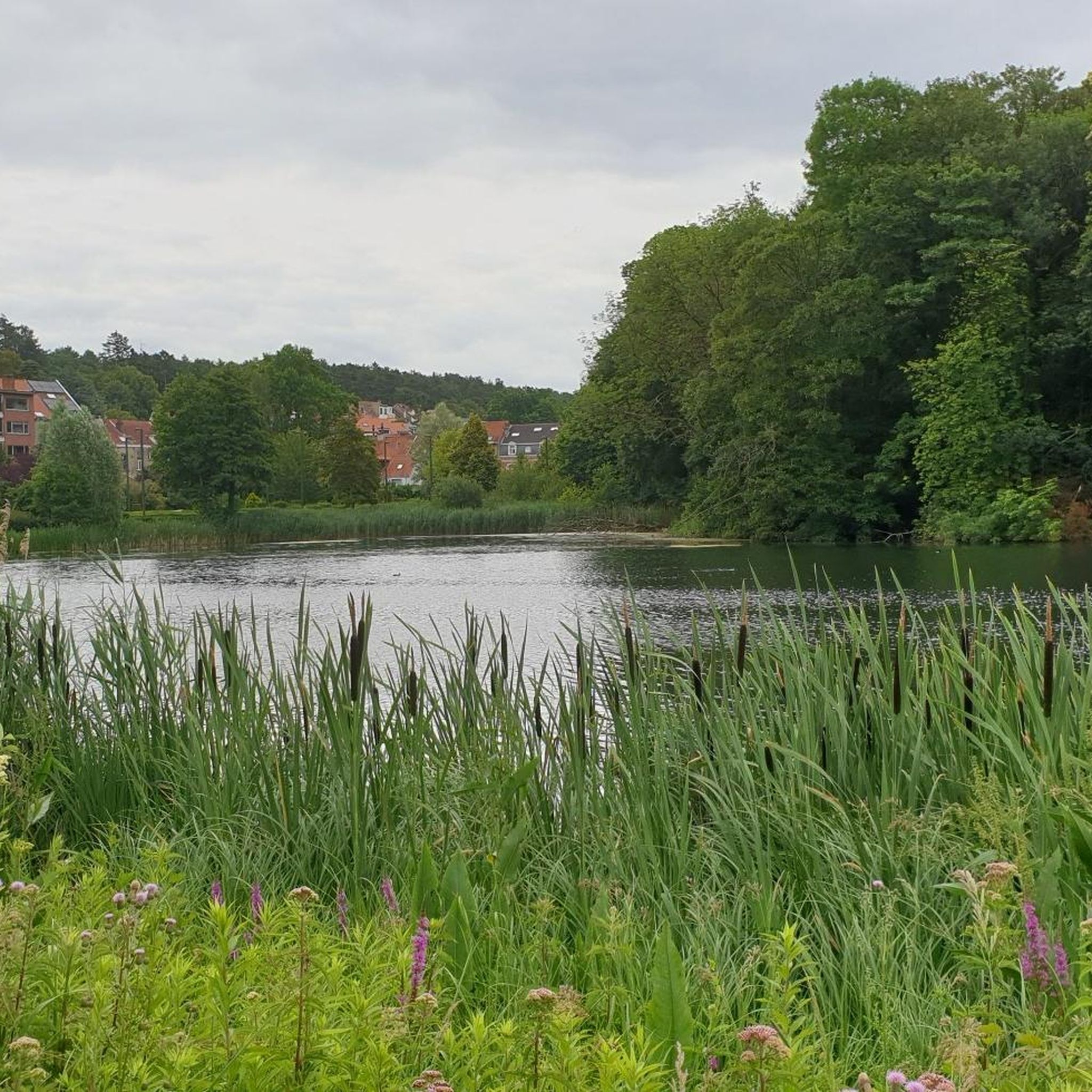
Running Trails in Brussels
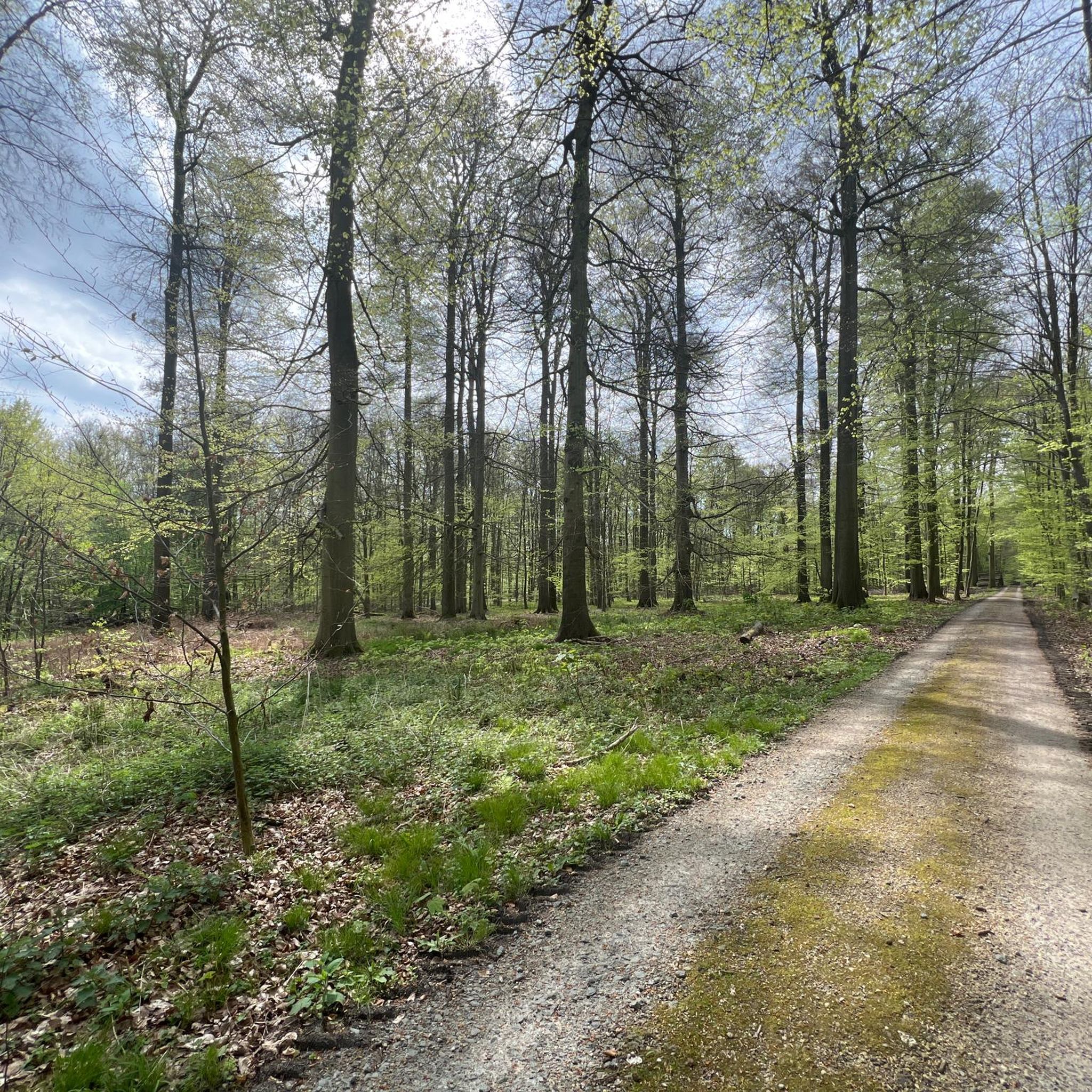
Road Cycling Routes in Brussels
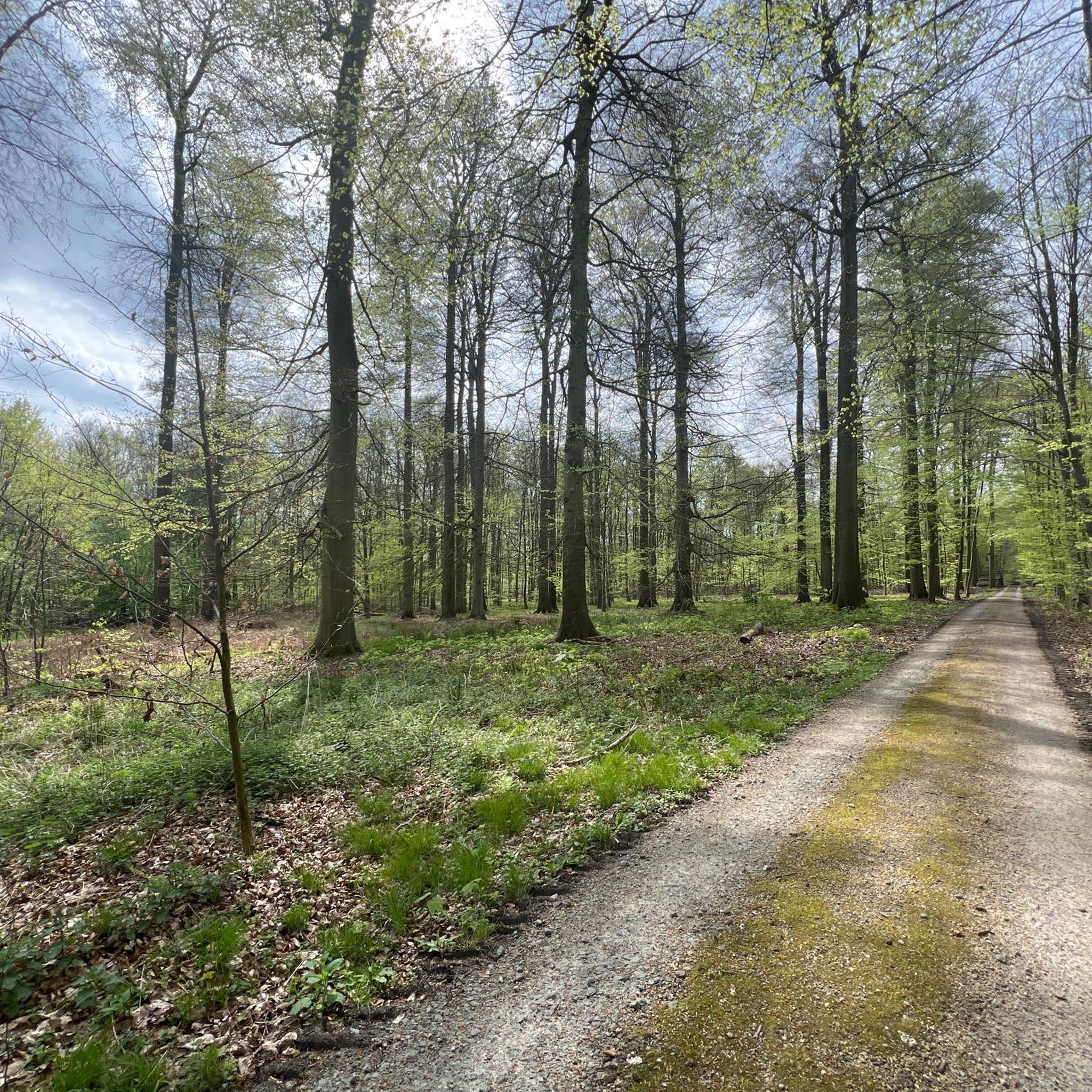
Cycling in Brussels
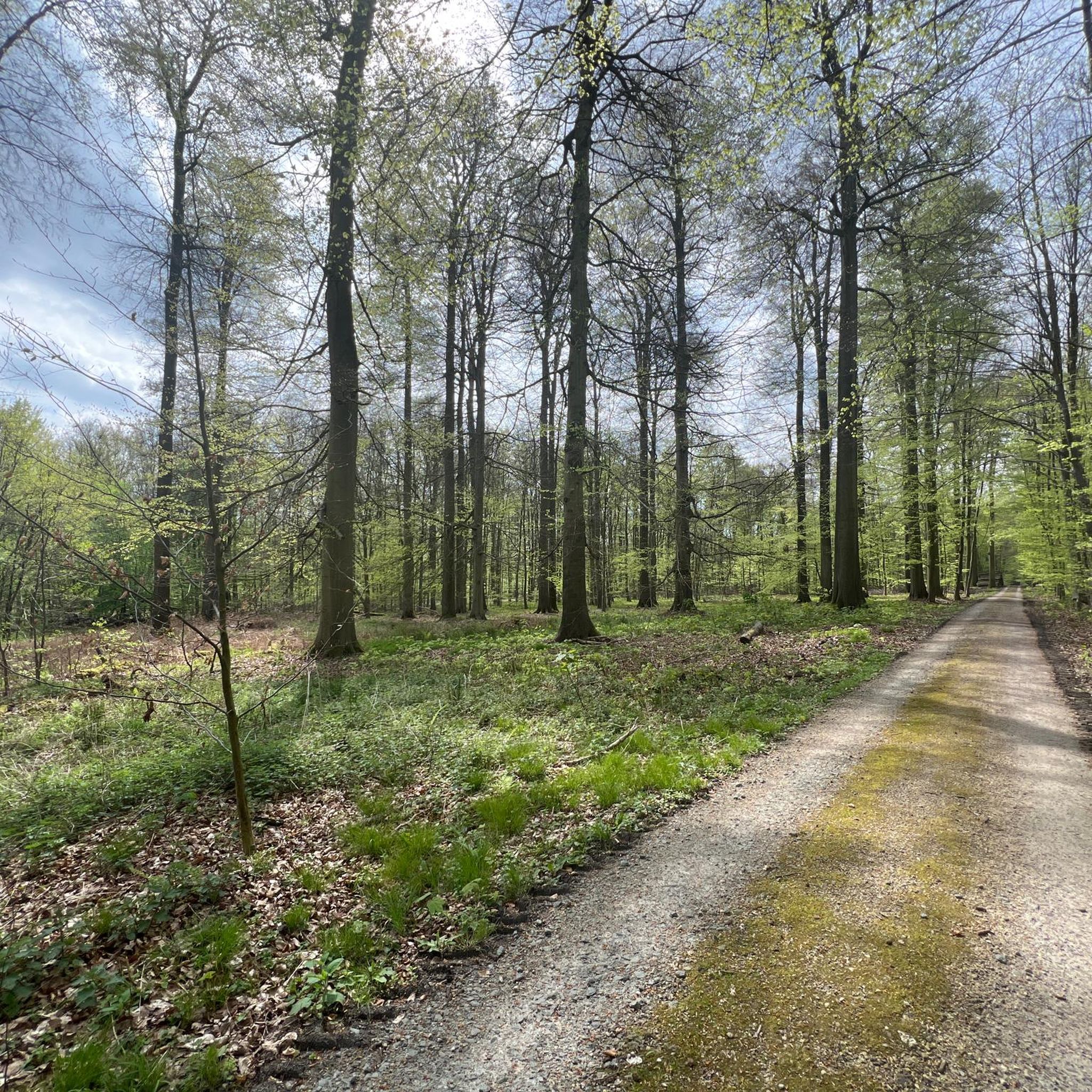
Hiking in Brussels
Other adventures in Brussels


Tips from the Community

't Hof van Brussel is a castle in the Belgian municipality of Sint-Lambrechts-Woluwe in the Brussels-Capital Region. The castle is located at Heilig-Hartplein 10 in the south of the municipality, near the municipal border with Sint-Pieters-Woluwe. North of the castle is the Church of St. Lambert, and about 300 meters south of the castle is the Church of St. Peter in the Centrum district of Sint-Pieters-Woluwe. The castle was built in the 16th century. The castle has been a listed monument since April 28, 1994.
2
0
The church has the oldest known roof structure in the Brussels region, dated between 1195 and 1199 thanks to a tree-ring analysis. In a display case in the right aisle is a wooden statuette of the Virgin Mary, the work of King Albert I while still a teenager. His sister, Marie-Joséphine of Belgium, a Benedictine nun in Namur, donated it to the church in 1940. The oldest elements of the church were classified by royal decree dated April 27, 1942. Restoration work was carried out on the boundary wall and the Sacred Heart of Jesus in 2011, using materials that were respectful of the original (lime mortar, ecological agents) to repair damage due to humidity, pollution, and biological attack.
2
0

Château Malou is a beautiful neoclassical property built in 1776 in a splendid park by the Brussels merchant Lambert de Lamberts. It replaced a small country residence known since the mid-17th century. The castle was owned by Pierre-Louis Van Gobbelschroy, an Orangist minister at the end of the Dutch period (1829). The famous minister and financier Jules Malou (1810-1886) occupied it from 1853 and gave it his name. Municipal property since 1950, it now hosts exhibitions and conferences. Weddings and golden wedding anniversaries are also celebrated there. The park was listed in 1993.
1
0

The Castle of Laeken is one of the royal residences in Belgium. It is located in Laeken, part of the city of Brussels since 1921, in the north of the Brussels region. It is surrounded by a 120-hectare park, which also contains the Royal Greenhouses.
5
1

Great place to start your walk or have a drink, without forgetting its cultural side
1
0

The Trois Fontaines pond is a natural setting with a dungeon right next to it. It is not possible to access it directly but that does not prevent the view and the setting from being very nice!
0
0

The Halle Gate is a former city gate in Brussels that now serves as a museum. The gate is located in the Small Ring of Brussels, at the end of Hoogstraat and the beginning of Waterloosesteenweg. It was built in 1381 and is the only Brussels city gate that has been preserved. This is also the last part of the former second city wall of Brussels that has been preserved. A metro station in the immediate vicinity is named after the gate, see Hallepoort metro station. The Halle Gate is surrounded by a park that bears the name of this building. When the first Brussels city wall gradually became too small for the ever-expanding city, it was decided to start the construction of a new, larger city wall. This wall, the route of which corresponded to the current Brussels inner ring, had seven large city gates: the Schaarbeeksepoort, the Namur Gate, the Leuven Gate, the Anderlechtse Gate, the Lakense Gate, the Flanders Gate, and of course the Halle Gate. At this time, city gates were usually named after the access roads on which they were located. In the case of this gate, the road led to the Brabant city of Halle, from which it also owes its name. The main function of the gate, like the rest of the wall, was military.
2
0
Frequently Asked Questions
Which castles near Brussels are particularly well-preserved medieval fortresses?
For a true medieval experience, Halle Gate is the only surviving medieval city gate in Brussels, offering panoramic views. Just outside the city, Kasteel van Beersel stands as an exceptionally well-preserved 14th-century fortress, complete with a moat, drawbridge, and ramparts, providing a deep dive into military architecture.
Are there castles near Brussels that are known for their beautiful gardens or natural surroundings?
Yes, several castles in the region are set within stunning natural landscapes. Laeken Castle is surrounded by a vast 120-hectare park, including the Royal Greenhouses. Gaasbeek Castle boasts extensive, beautiful gardens, while Groot-Bijgaarden Castle is famous for its annual Floralia exhibition, showcasing over a million flowers in spring. Bouchout Castle is uniquely located within the Meise Botanic Garden, combining history with diverse plant collections.
What castles offer family-friendly activities or attractions?
Many castles in the Brussels area are suitable for families. Halle Gate is a historical site that can be explored by families. Kasteel van Beersel, with its 'fairy-tale' appearance and museum, is often enjoyed by children. Groot-Bijgaarden Castle's Floralia exhibition in spring is also a popular family outing.
What is the best time of year to visit the castles around Brussels?
The spring and summer months are generally ideal. Spring is particularly special for Groot-Bijgaarden Castle, which hosts the annual Floralia flower exhibition. The Royal Palace of Brussels is typically open for free tours from July to September. Visiting during these seasons allows you to enjoy the extensive gardens and parks that many castles offer.
Are there any castles near Brussels that are easily accessible by public transport?
Kasteel van Beersel is conveniently located near Beersel railway station, making it easily accessible from Brussels. Within the city, the Royal Palace of Brussels is centrally located and well-served by public transport. For other castles, checking local transport options in advance is recommended.
Which castles offer a glimpse into royal history or serve as royal residences?
Laeken Castle is one of the primary royal residences in Belgium and has been the main home for most Belgian kings. The Royal Palace of Brussels serves as the administrative residence and workplace for the Belgian royal family, offering free tours in summer to explore its opulent interiors.
Can I find hiking or cycling routes near the castles in the Brussels region?
Yes, the areas around Brussels' castles often feature beautiful natural settings perfect for outdoor activities. For instance, the vast park surrounding Laeken Castle offers opportunities for walks. You can find various easy hikes and moderate hikes in the Brussels region, as well as cycling routes that may pass by or near these historical sites.
Are there any castles that host exhibitions or events?
Malou Castle, a neoclassical property, now hosts exhibitions and conferences. Gaasbeek Castle, after its recent renovation, frequently hosts various exhibitions. Groot-Bijgaarden Castle is renowned for its annual Floralia flower exhibition every spring.
Which castles showcase different architectural styles?
The castles in and around Brussels display a range of architectural styles. Kasteel van Beersel is a prime example of well-preserved medieval military architecture. Gaasbeek Castle features romantic 19th-century architecture with medieval origins. Groot-Bijgaarden Castle is a notable example of Flemish Renaissance style, while Malou Castle and Château de la Hulpe are elegant neoclassical and neo-Renaissance châteaux, respectively.
What are some lesser-known or 'hidden gem' castles near Brussels?
While not as widely known as some others, The Court of Brussels in Woluwe-Saint-Lambert is a 16th-century castle that has been a listed monument since 1994. Karreveld Castle, located close to Brussels, is a charming neo-Renaissance château with beautiful gardens and a pond, offering a serene getaway.
Are there any castles near Brussels that are wheelchair accessible?
While specific accessibility details vary, Schwarzer Turm (Zwarte Toren / Tour Noire) is listed as wheelchair accessible. For other castles, it's advisable to check their official websites or contact them directly for the most up-to-date accessibility information, especially regarding interiors and specific areas.
Most popular routes in Brussels
Most popular attractions in Brussels

Get inspired with the komoot mobile app


Didn’t find what you were looking for?
Explore Brussels’s best castles region by region:
Explore more
Looking for the best castles somewhere else? Discover other guides in Brussels:
