The best hikes from bus stations in Brussels
4.5
(3239)
18,289
hikers
325
hikes
Bus station hiking trails in Brussels offer access to a diverse range of green spaces and natural features within and around the city. The region is characterized by expansive ancient forests like the Sonian Forest, numerous urban parks, and serene river valleys. Rolling landscapes and marshlands contribute to the varied terrain, providing opportunities for outdoor activities. The city's "Green Belt" walking route connects many of these natural areas, making them accessible for exploration.
Best bus station hiking trails in Brussels
…Last updated: August 21, 2026
4.8
(110)
467
hikers
Moderate hike. Good fitness required. Easily-accessible paths. Suitable for all skill levels.
4.5
(23)
117
hikers
14.9km
03:54
120m
120m
Moderate hike. Good fitness required. Easily-accessible paths. Suitable for all skill levels.

Sign up for free
4.7
(29)
152
hikers
11.1km
02:55
90m
90m
Moderate hike. Good fitness required. Easily-accessible paths. Suitable for all skill levels.
4.5
(24)
97
hikers
Moderate hike. Good fitness required. Easily-accessible paths. Suitable for all skill levels.
4.5
(17)
108
hikers
21.2km
05:33
160m
160m
Hard hike. Very good fitness required. Easily-accessible paths. Suitable for all skill levels.
Get access to more routes and recommendations from other explorers.
Sign up for free
Already have an account?
Our route recommendations are based on thousands of hikes, rides, and runs completed by other people on komoot.
Start today with a free account
Your next adventure awaits.
Login or Signup
Popular around Brussels

Hikes from bus stations around Bois de la Cambre - Terkamerenbos

Hikes from bus stations around Bois du Laerbeek - Laarbeekbos
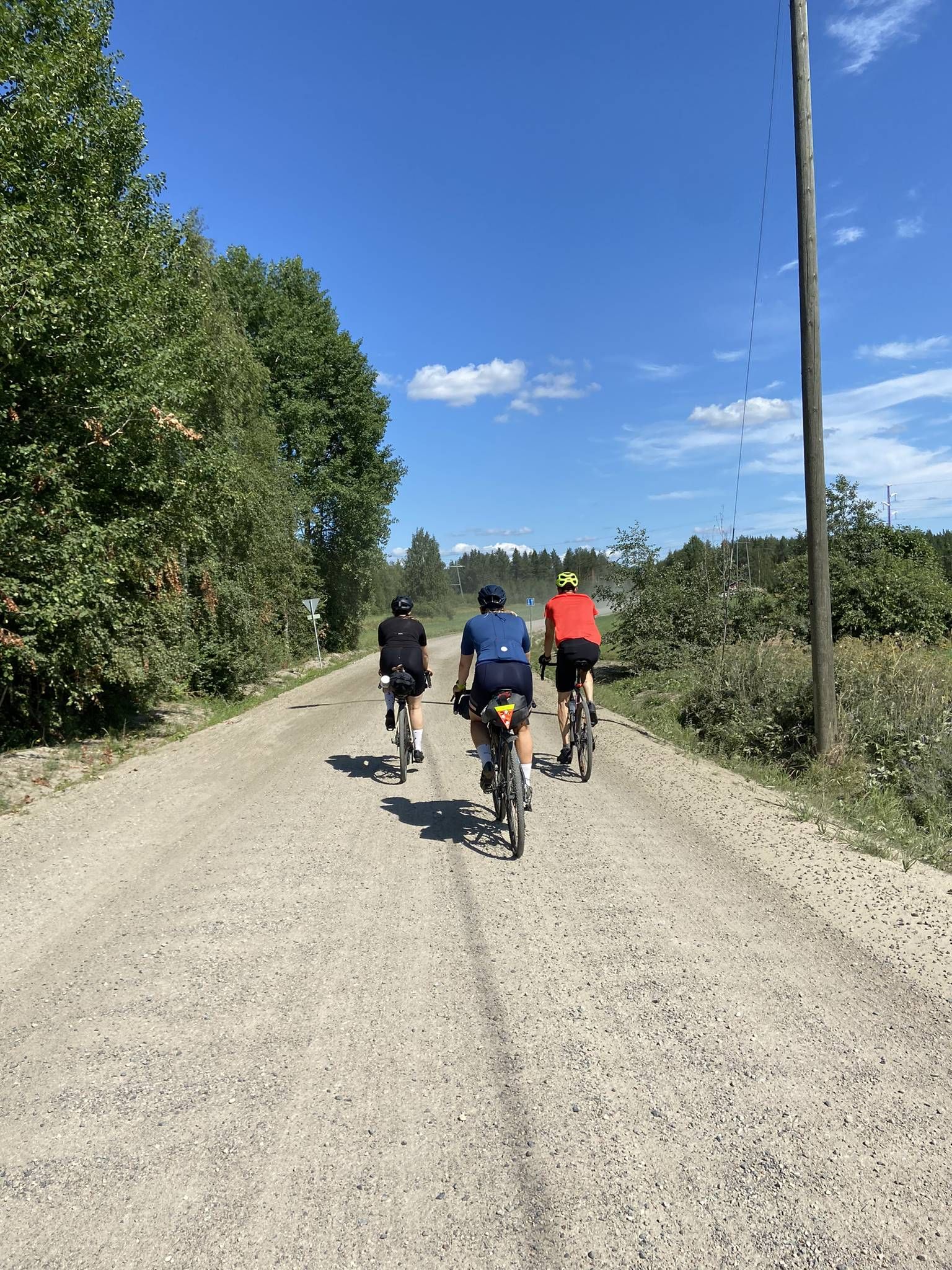
Naples to North Cape — Two friends, one purpose and many scoops of ice-cream
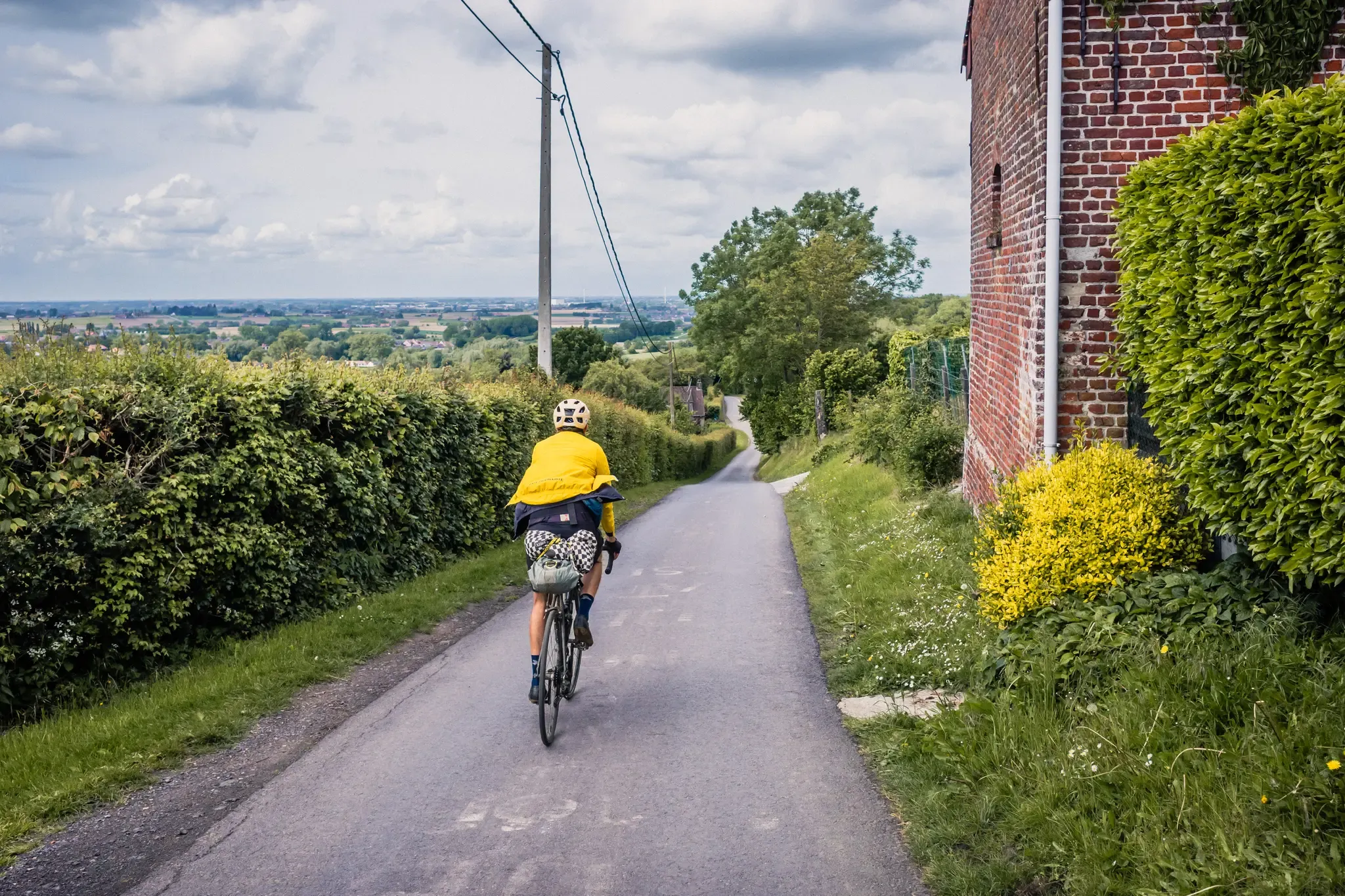
The Hilly Route from Brussels to Poperinge – bikepacking in Flanders
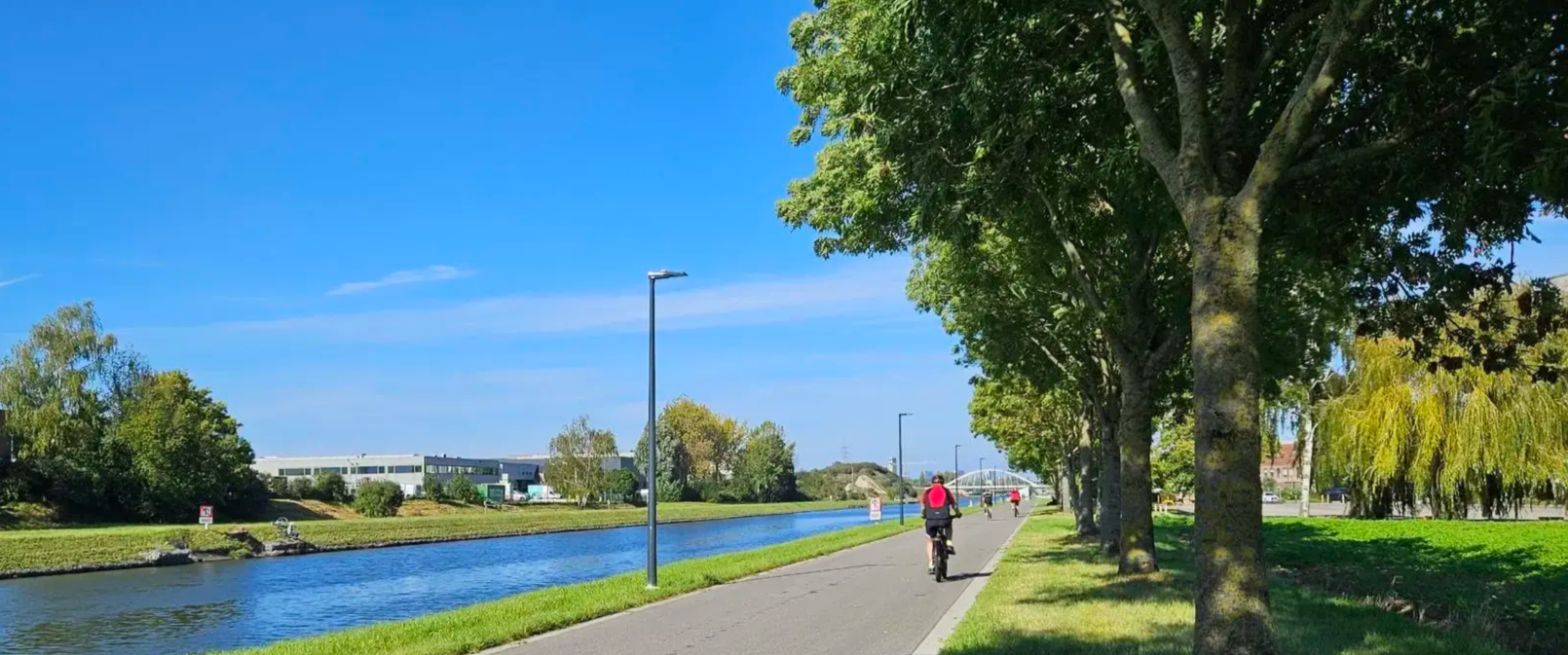
Wallonia by bike — RV1 : Along the water
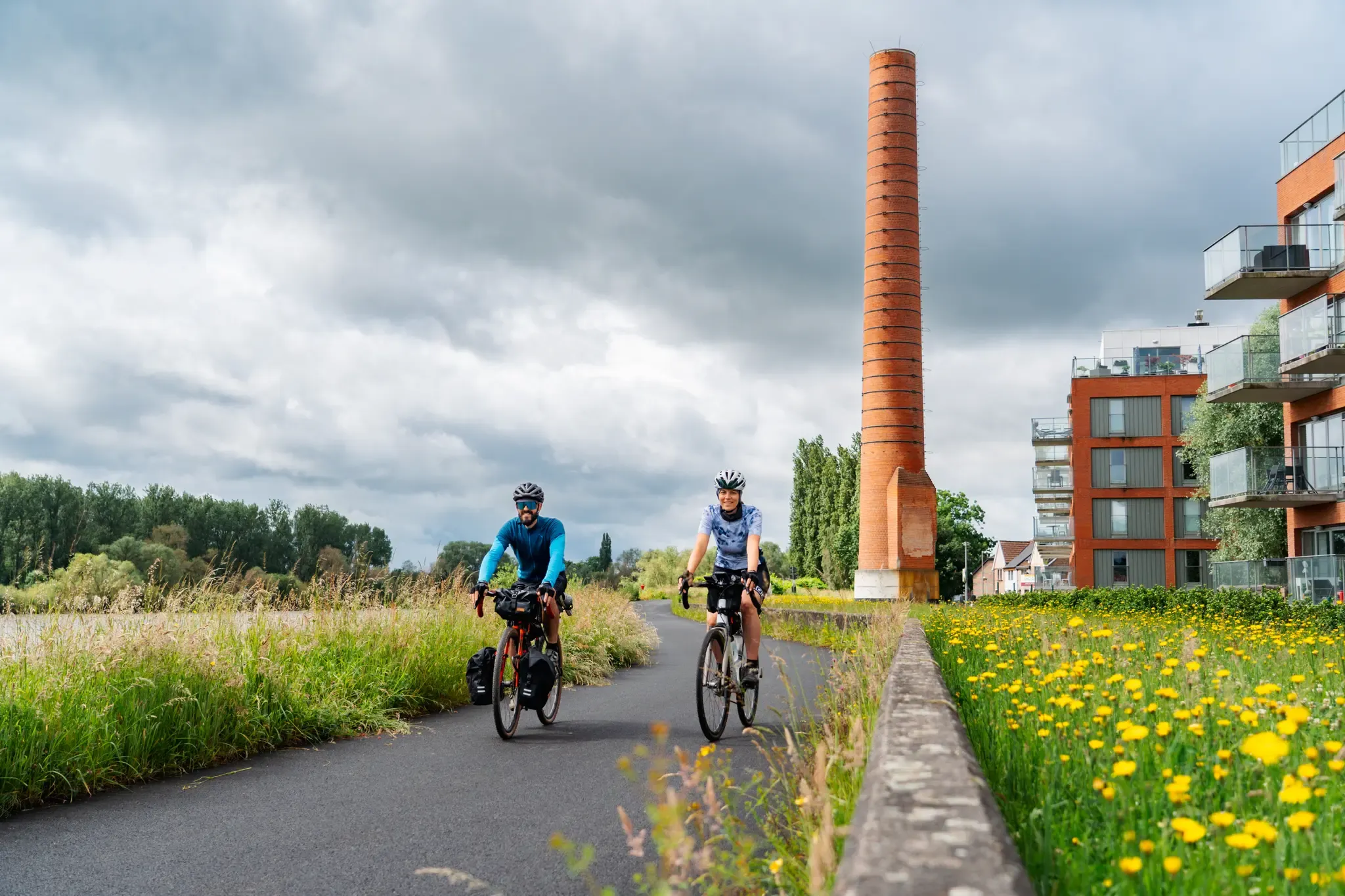
Fries, nature and beer – experience Flanders by bike
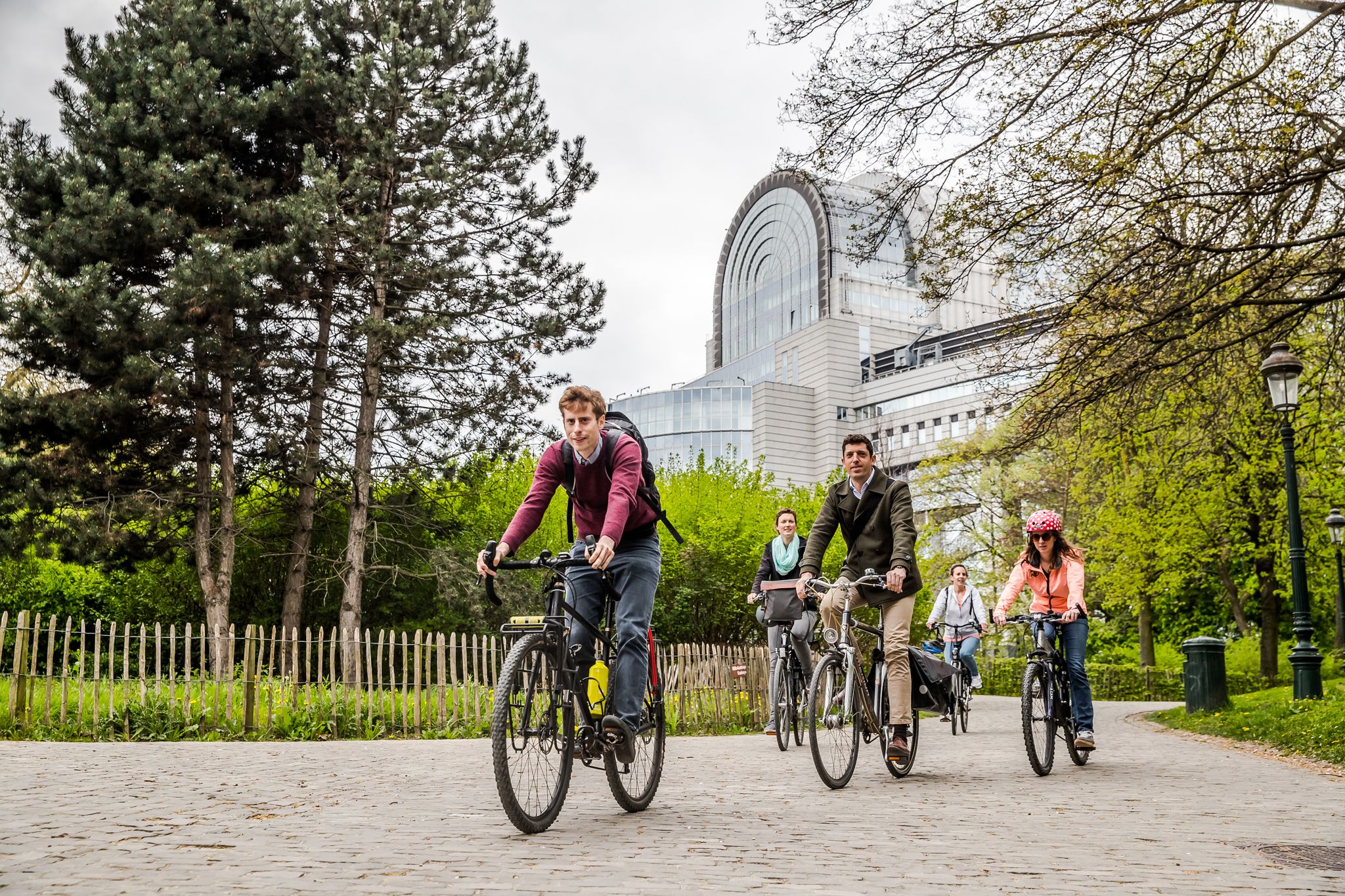
Brussels by bike – 8 themed rides
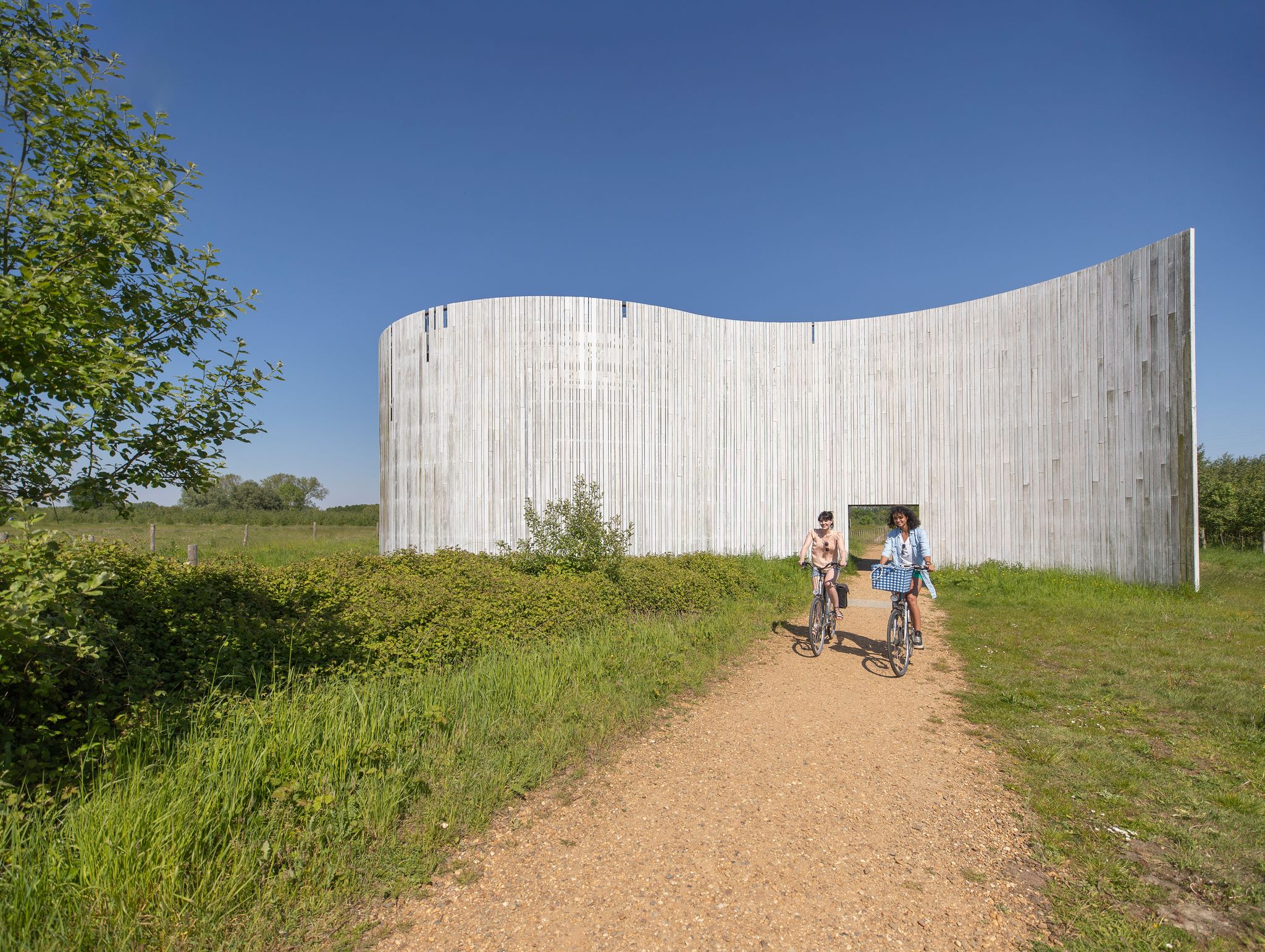
Flanders by bike – the Iconic Cultural Cycle Routes
Other adventures in Brussels


Tips from the Community

A solid wood bridge crosses the Horseshoe Pond, which is thus divided into two parts.
3
0

one of the most beautiful trails in the Soignies forest
0
0

A 1600m long racecourse ideal for interval training. It has a fine gravel surface.
0
0

Here we see a watercourse, which is enough for a beaver. If the beaver builds a dam here, it can become a pond or a lake in two or three years. The animal can change an entire ecosystem, simply because its dam retains water and rain. These natural beaver dams are very efficient in combating floods and droughts, because they regulate the flow of small watercourses. Locally, they can shape the forest through flooding by flooding parts of the forest, causing the tree vegetation to die. When the beavers leave their dam and their beaver pond, a succession from pioneer forest to climax forest can start again after the reservoir has drained.
1
0
A beech tree likes shade in its youth. They can establish themselves in the shade of other more light-loving tree species. Conversely, no tree is able to establish itself under a closed canopy of beeches. We therefore call the beech the climax tree species. It closes off the natural forest succession and can maintain it for a very long time, provided that no large-scale and brutal disturbances disrupt its kingdom. This place is very typical of the forest management of the Sonian Forest: all the trees are the same age and of the same species. In this part you see monospecific forest management, they are all beeches.
1
0
Forests are central to the fight against the triple global crisis of climate change, biodiversity loss, and pollution. They cover nearly a third of the Earth’s land surface and are home to the vast majority of terrestrial biodiversity. Despite efforts to halt deforestation and restore degraded areas, forest cover continues to shrink. Since the end of the last great ice age, about 10,000 years ago, 57% of the Earth’s habitable land was covered by forests. Over the past 10,000 years, a third of the world’s forests have been lost, an area twice the size of the United States. Half of that loss has occurred in the past century. Forests are essential to combating climate change. They contain 662 billion tons of carbon, more than half of the world’s total carbon stock in soils and vegetation. Societies derive significant benefits from forests and are heavily dependent on them. It is estimated that more than half of global gross domestic product is heavily dependent on what ecosystems provide. The forestry sector contributes more than USD 1.52 trillion to global gross domestic product and employs 33 million people. Yet many people living close to forests do not benefit sufficiently from them. Although 75 percent of rural residents live within 1 km of a forest, they have little right to those forests. Nearly three-quarters (73 percent) of all forests are state-owned, while 80 percent of people live in extreme poverty in rural areas. The COVID-19 pandemic had a major impact on forest value chains and trade in early 2020. Most sectors have recovered quickly, but the risk of future pandemics remains. Forest management is well-positioned to play a key role in a green recovery.
1
0
Here, thanks to good forest management, we can see how the ecosystem of a natural forest works: you can see that large branches and dead tree trunks are left here because they are part of the ecosystem. They contain a special biodiversity, such as insects that help break down the wood of the branches and trunks, and many birds, such as woodpeckers, that feed on these insects. In the past, dead or diseased trees were removed because it was thought that this was important for a healthy forest. But preserving these trees as part of the ecosystem actually contributes to the health of the forest. A dead tree in a forest is usually a place with high biodiversity, compared to a forest where all the trees are the same age, all healthy and where all the dead wood has been removed.
1
0
Here we see a stream. For a beaver, that's enough. If the beaver builds a dam here, in two or three years it might be a pond or a lake. The animal can change an entire ecosystem simply because its dam holds back water and rain. These natural beaver dams are very effective in controlling floods and droughts because they regulate the flow of small streams. Locally, they can shape the forest by flooding parts of the forest, which causes the vegetation to die. When the beavers leave their dam and pond, a succession from pioneer forest to climax forest can resume after this reservoir dries up.
1
0
Frequently Asked Questions
How many bus station hiking trails are available in Brussels?
There are over 300 hiking routes accessible directly from bus stations in Brussels. These trails cater to various skill levels, with the majority being easy to moderate, making them suitable for a wide range of hikers.
Are there easy, family-friendly hiking trails accessible by bus in Brussels?
Yes, Brussels offers numerous easy and family-friendly trails. Over 220 routes are classified as easy, often passing through parks and green spaces like the Bois de la Cambre or sections of the Sonian Forest. These routes typically have gentle terrain and are perfect for a leisurely outing with children.
Can I find circular hiking routes from bus stations in Brussels?
Absolutely. Many of the trails accessible by bus are circular, allowing you to start and end your hike at the same point, often conveniently near a bus stop. An example is the moderate Drowned Children's Ponds – Vuilbeek Valley loop from Kauwberg, which offers a scenic return to your starting point.
What kind of natural features can I expect to see on these bus-accessible hikes?
Brussels' bus-accessible hikes lead through diverse natural landscapes. You can explore ancient forests like the Sonian Forest, known for its majestic beech and oak trees, or discover serene lakes such as the Drowned Children Ponds and Boitsfort Ponds. The region also features marshlands, rolling hills, and manicured parks.
Are there any challenging hiking trails reachable by bus from Brussels?
While most trails are easy to moderate, there are a few more challenging options for experienced hikers. For instance, the Drohmepark Forest Path – Eikendalvoetweg loop from Auderghem - Oudergem is classified as difficult, covering over 21 kilometers with significant elevation changes, offering a more strenuous adventure.
What are some notable landmarks or points of interest along bus station hiking trails?
Many trails pass by interesting landmarks. You might encounter historical sites like the Red Cloister Abbey or the Red Monastery (Rouge-Cloître). Other routes offer views of charming castles, such as those near the Château de la Solitude – Eikendalvoetweg loop, or lead through unique forest sections like the Hendrickxdreef Forest Path.
When is the best time of year to go hiking from Brussels bus stations?
Spring (April-May) is particularly enchanting, especially if you visit Hallerbos, known for its stunning bluebell carpet. Autumn offers beautiful foliage in the Sonian Forest. Summer is ideal for longer hikes, while winter can provide peaceful, crisp walks, though some paths might be muddy. Always check local weather conditions before heading out.
Are the hiking trails near Brussels bus stations dog-friendly?
Many of the green spaces and forest trails around Brussels are dog-friendly, often allowing dogs on a leash. The Sonian Forest, for example, has designated areas where dogs are permitted. It's always best to check specific trail regulations or local signage for the most up-to-date information on dog access.
What do other hikers say about the bus-accessible trails in Brussels?
The komoot community highly rates the hiking experience in Brussels, with an average score of 4.5 out of 5 stars from over 2,700 ratings. Reviewers often praise the accessibility of nature from the city, the well-maintained paths, and the surprising tranquility found so close to an urban center.
Are there any trails that feature lakes or water bodies?
Yes, several routes incorporate beautiful lakes and ponds. For example, the Hoefijzervijver – Drowned Children's Ponds loop from Ixelles - Elsene takes you past picturesque water features. You can also explore areas around the Étang Sec (Sonian Forest), offering tranquil waterside walks.
Are there options for longer, moderate hikes from bus stations?
Certainly. There are 78 moderate routes available, many of which are longer. For instance, the Kleine Flos – Three Fountains Pond loop from Auderghem - Oudergem is a moderate 11-kilometer hike, providing a good balance of distance and manageable terrain for a rewarding day out.
Most popular routes in Brussels
Most popular attractions in Brussels

Get inspired with the komoot mobile app


Didn’t find what you were looking for?
Check out more Hikes throughout Brussels below and find the perfect route in your destination.
