Top 13 Castles in Brașov
Best castles in Brașov are situated in a region known for its diverse landscapes, from the Carpathian Mountains to historical plains. This area offers a blend of natural beauty and significant historical architecture. The castles and fortresses provide insight into Transylvania's past and its strategic importance. Visitors can explore various types of fortifications, each with distinct historical roles and architectural styles.
Best castles in Brașov
- The most popular castles is Bran Castle (Dracula’s Castle), a castle initially built as…
Last updated: October 14, 2026
Bran Castle (Dracula’s Castle)
Highlight • Castle
Translated by Google •
Tip by

Viscri Fortified Church
Highlight • Historical Site
Translated by Google •
Tip by
Sign up now to discover places like this
Get recommendations on the best single tracks, peaks, & plenty of other exciting outdoor places.
Weavers' Bastion
Highlight • Historical Site
Tip by

Râșnov Fortress
Highlight • Castle
Translated by Google •
Tip by

Graft Bastion (Romanian: Bastionul Graft)
Highlight • Historical Site
Translated by Google •
Tip by
Prejmer Fortified Church
Highlight • Religious Site
Translated by Google •
Tip by

Făgăraș Fortress
Highlight • Castle
Showing Translation
Tip by

Sükösd-Bethlen Castle
Highlight • Castle
Translated by Google •
Tip by
View of Bran Castle and the Carpathian Mountains
Highlight • Viewpoint
Translated by Google •
Tip by
Start today with a free account
Your next adventure awaits.

Tips from the Community

The castle, with its moat, looks like something out of a picture book, with a turbulent history hidden behind its thick walls. Here you will find magnificent halls, (new) old furniture and furnishings, old icons, glassware from different eras, and much more.
1
0

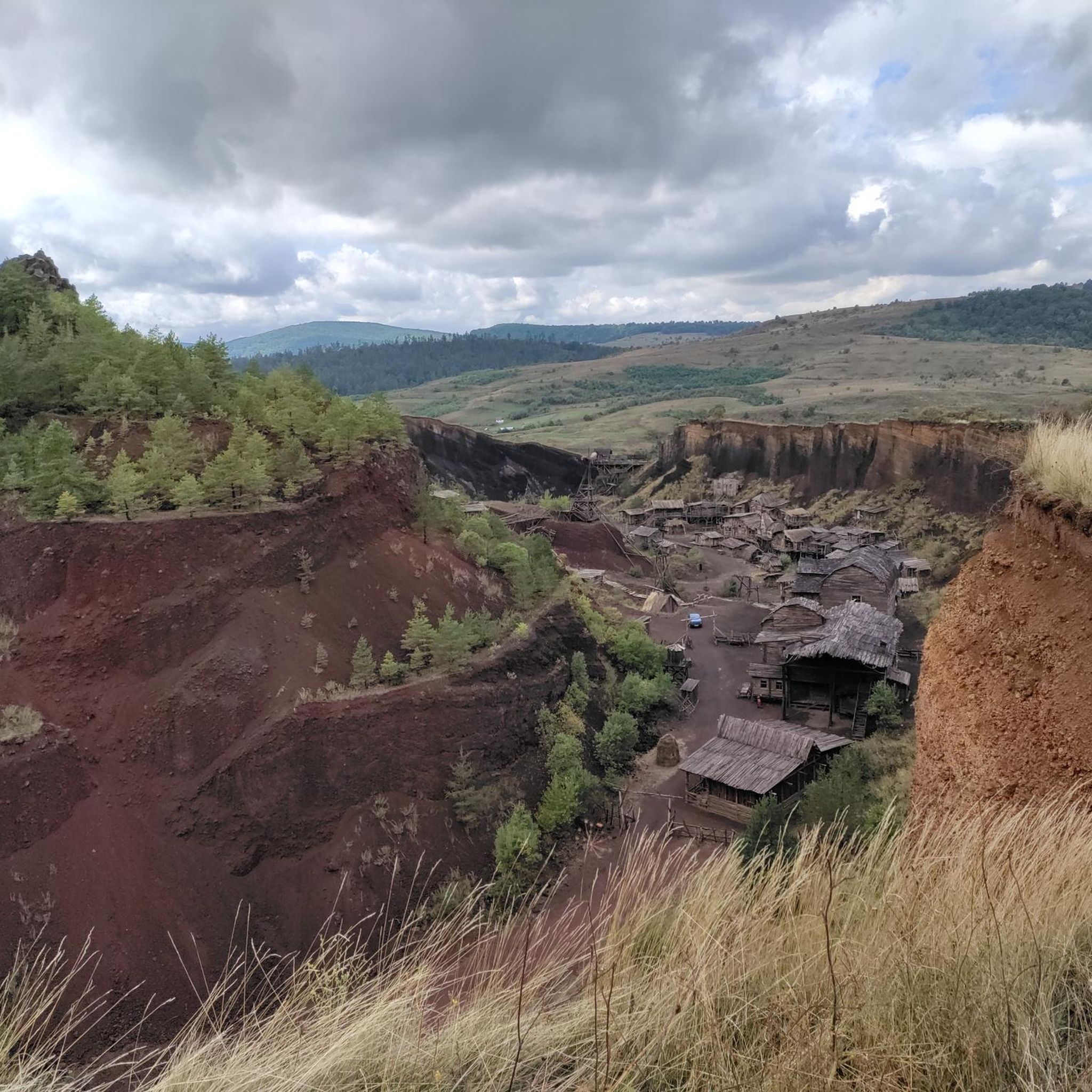
The medieval Sükösd-Bethlen Castle has been documented since 1636. During the communist era, it was managed by the municipality's CAP (Communal Works Association), used as a stable and grain store, and partially demolished to allow access for machinery. The castle was partially restored in the 1990s. Although the exterior appears to be in good condition, the interior remains unusable; entry is at your own risk. The building is managed by a local family; tours are available by calling the telephone number posted at the castle gate.
10
0
The origins of Bran Castle (German: Törzburg) date back to the early 13th century, when it was initially built as a wooden fortress called Dietrichstein by the Teutonic Knights under the patronage of King Andrew II of Hungary to defend the strategically important pass between Transylvania and Wallachia against invading troops. In 1377, the Transylvanian Saxons of Kronstadt (Brașov) were granted the privilege of building a stone castle. This example of medieval architecture underwent numerous alterations and expansions over the centuries. In the 1920s, the castle became the residence of Queen Marie of Romania, who significantly altered and modernized its interior. Bran Castle's connection to the Dracula legend is a fascinating blend of history, literature, and folklore. Largely a product of the 20th century, this connection owes much to the atmospheric descriptions in Bram Stoker's 1897 novel "Dracula." Although Stoker never visited Romania, his depiction of Dracula's castle was inspired by descriptions of Eastern European castles—and Bran Castle, with its dramatic location and menacing appearance, fits this vision remarkably well.
13
0
The Graft Bastion (Bastionul Graft), known in German as the "Gate Bastion" because of its shape, was part of the Brașov Fortress and was built between 1515 and 1521. The Saddlers' Guild was responsible for its maintenance and defense. The bastion was intended to connect the fortress's soldiers with the White Tower, located in front of the city walls. Access to the tower was provided by a bridge leading up the slope to its entrance. A severe flood on August 24, 1809, severely weakened the outer enclosure wall, so in 1822 it was given three supporting arches over the stream. In the 20th century, the wall was breached, and two of the arches and part of the wall disappeared. Today, the bastion houses a section of the Historical Museum. The path to the White Tower has been rebuilt over a series of steps leading steeply up the slope of Warta Hill.
9
0

You can lose a good hour getting in here because there are so many tourists. There are also scammers who sell skip-the-line tickets for higher prices. Such a thing does not exist...
6
0
You can find this monument in the castle courtyard and you can see what the castle used to look like. There are also many places where you can learn about its history.
6
0
There are a few places where you can get a good view of the castle and the courtyard. The place is good for taking some pictures. If there are a lot of people, you might have to wait.
5
0
The church fortress stands picturesquely on the hill above the village, surrounded by a ring wall. The west tower, which is purely a defensive tower, can be climbed via narrow wooden stairs. The history of the church probably goes back to the Hungarian Szeklers; they were the first to settle here in the Middle Ages. The interior is made entirely of wood.
13
0
Frequently Asked Questions
What are the most historically significant castles to visit near Brașov?
Brașov and its surroundings are rich in history. You can explore the medieval Bran Castle (Dracula’s Castle), originally built by the Teutonic Knights in the early 13th century. Another significant site is Râșnov Fortress, a 14th-century peasant fortress that controlled access to Transylvania. For a glimpse into royal opulence, Peleș Castle, though not listed as a highlight in this guide, is a renowned architectural masterpiece commissioned by King Carol I.
Are there any family-friendly castles or historical sites in the Brașov area?
Yes, several sites are suitable for families. Viscri Fortified Church is a great option, offering a glimpse into Transylvanian military architecture and a chance to climb its defensive tower. Făgăraș Fortress is also noted as family-friendly. Râșnov Fortress provides an engaging experience with its well-preserved medieval village layout and panoramic views, and even modern additions like a suspension bridge and zipline.
What is the best time of year to visit the castles near Brașov?
The best time to visit the castles near Brașov is generally during the spring (April-May) and autumn (September-October) months. The weather is pleasant for exploring, and the landscapes are particularly scenic. Summer (June-August) is also popular, but can be crowded, especially at sites like Bran Castle. Winter offers a magical, snow-covered experience, but some roads or attractions might have limited access or hours, so it's advisable to check in advance.
How can I get to the castles from Brașov using public transport?
Public transport options are available for some castles. For example, you can typically reach Bran Castle and Râșnov Fortress by bus from Brașov. For Peleș Castle, located in Sinaia, trains and buses run regularly from Brașov. It's always recommended to check local bus and train schedules for the most current information on routes and timings.
Are there hiking opportunities near the castles in Brașov?
Yes, the region around Brașov offers various outdoor activities. While specific hiking trails directly from every castle are not detailed here, you can find numerous hiking routes in the broader Brașov area. For example, you can explore waterfall hikes in Brașov, with routes like the 'Seven Ladders Canyon' loop. These routes offer diverse terrain and difficulty levels, allowing you to combine castle visits with nature exploration.
What are the parking options at Bran Castle?
Parking is available near Bran Castle. There are several paid parking lots in the village of Bran, within walking distance of the castle entrance. During peak season, these can fill up quickly, so arriving early is advisable.
What kind of views can I expect from the castles in the Brașov region?
Many castles in the Brașov region offer stunning panoramic views due to their strategic hilltop locations. From Râșnov Fortress, you can enjoy breathtaking 360-degree views of the Bucegi and Piatra Craiului mountains. Similarly, View of Bran Castle and the Carpathian Mountains provides an excellent vantage point to appreciate the dramatic setting of Bran Castle amidst the surrounding peaks.
Are there any less crowded historical sites or castles to visit near Brașov?
While Bran Castle and Râșnov Fortress can be popular, you might find Viscri Fortified Church to be a more tranquil experience, especially outside of peak tourist hours. The Weavers' Bastion in Brașov also offers a unique historical perspective without the same level of crowds as the major castles.
Can I find places to eat or drink near the castles?
Yes, most major castle sites have amenities nearby. Around Bran Castle, you'll find numerous cafes, restaurants, and souvenir shops catering to visitors. The area around Râșnov Fortress also offers dining options. For Peleș Castle, the town of Sinaia provides a variety of restaurants and cafes.
What other outdoor activities are available in the Brașov region besides visiting castles?
Beyond castles, the Brașov region is excellent for outdoor enthusiasts. You can explore gravel biking routes or enjoy road cycling through scenic landscapes. The Carpathian Mountains offer extensive opportunities for hiking, with trails ranging from moderate to difficult, allowing you to immerse yourself in the natural beauty of Transylvania.
What is the significance of the fortified churches in the Brașov area?
Fortified churches like Viscri Fortified Church and Prejmer Fortified Church are unique to Transylvania. They served not only as places of worship but also as defensive structures, providing refuge for entire communities during invasions. They showcase remarkable medieval military architecture, often featuring thick ring walls, defensive towers, and storage facilities within their compounds.
Are there any castles with a direct connection to the Dracula legend?
While Bram Stoker's Dracula is a fictional character, Bran Castle (Dracula’s Castle) is famously associated with the legend. Its dramatic Gothic architecture and imposing location perfectly fit the descriptions in Stoker's novel, making it a primary draw for those interested in the folklore, even though its historical connection to Vlad the Impaler is tenuous.
Most popular routes in Brașov
Most popular attractions in Brașov

Get inspired with the komoot mobile app


Explore more
Looking for the best castles somewhere else? Discover other guides in Brașov:
