Top 7 Castles in California
Castles in California offer a blend of architectural grandeur and historical intrigue. The state's diverse landscape, from coastal bluffs to wine country and remote deserts, provides unique settings for these structures. California's castles reflect various architectural styles and historical periods, showcasing both opulent estates and distinctive folk art creations. These sites contribute to the region's cultural significance, providing insights into different eras of its development.
Best castles in California
- The most popular castles is Vikingsholm Castle, a castle that…
Last updated: October 14, 2026
Vikingsholm Castle
Highlight • Castle
Tip by

Winehaven castle
Highlight • Castle
Tip by

Sign up now to discover places like this
Get recommendations on the best single tracks, peaks, & plenty of other exciting outdoor places.
Winehaven Castle 🍷🏰 Former Navy Base
Highlight • Castle
Tip by

Latopie Lake
Highlight • Lake
Tip by
Hearst Castle
Highlight • Castle
Tip by

Start today with a free account
Your next adventure awaits.
Popular around California

Triathlon 360 – my journey around the world
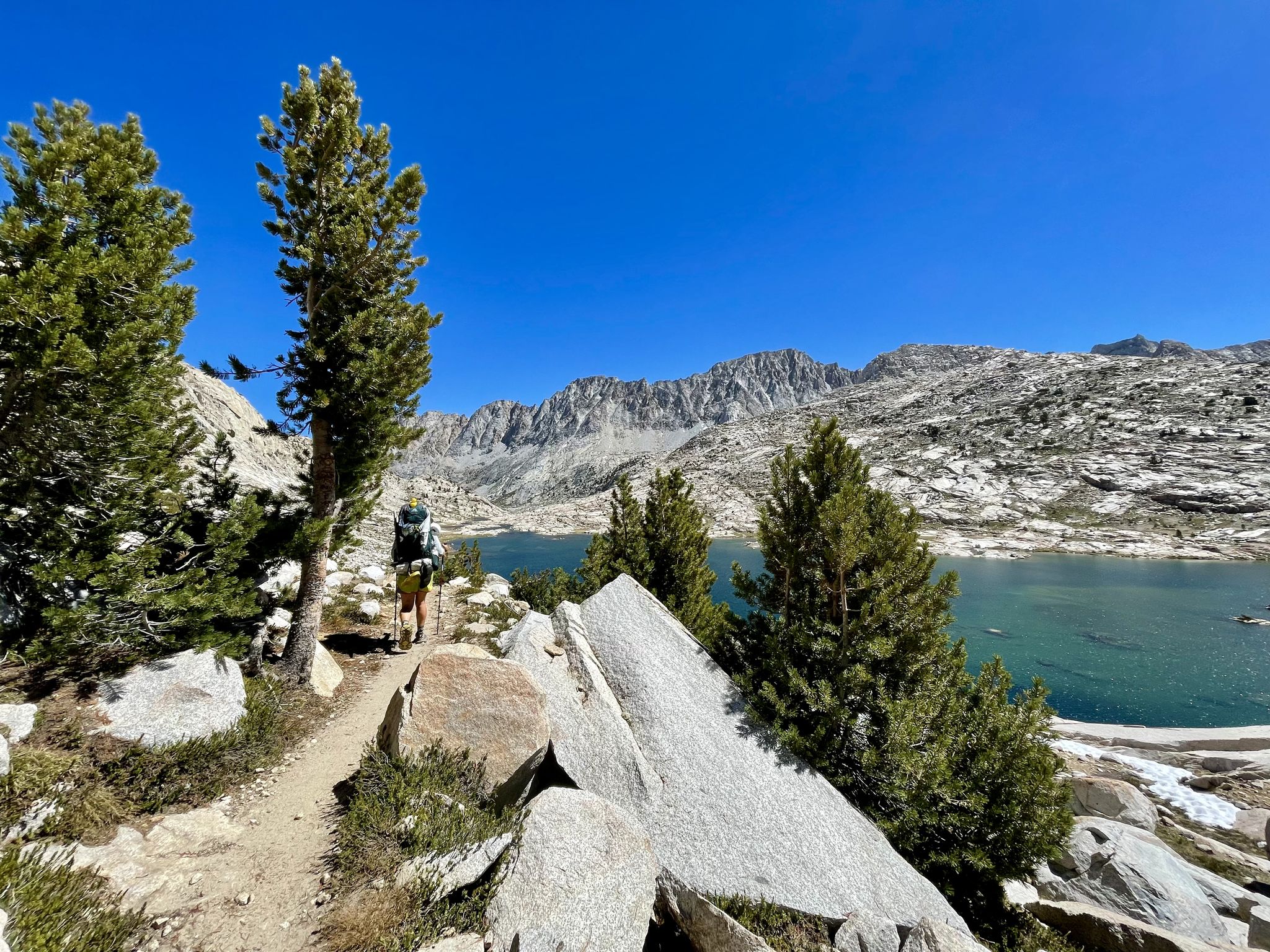
John Muir Trail – Along the legendary trail through the magical Sierra Nevada
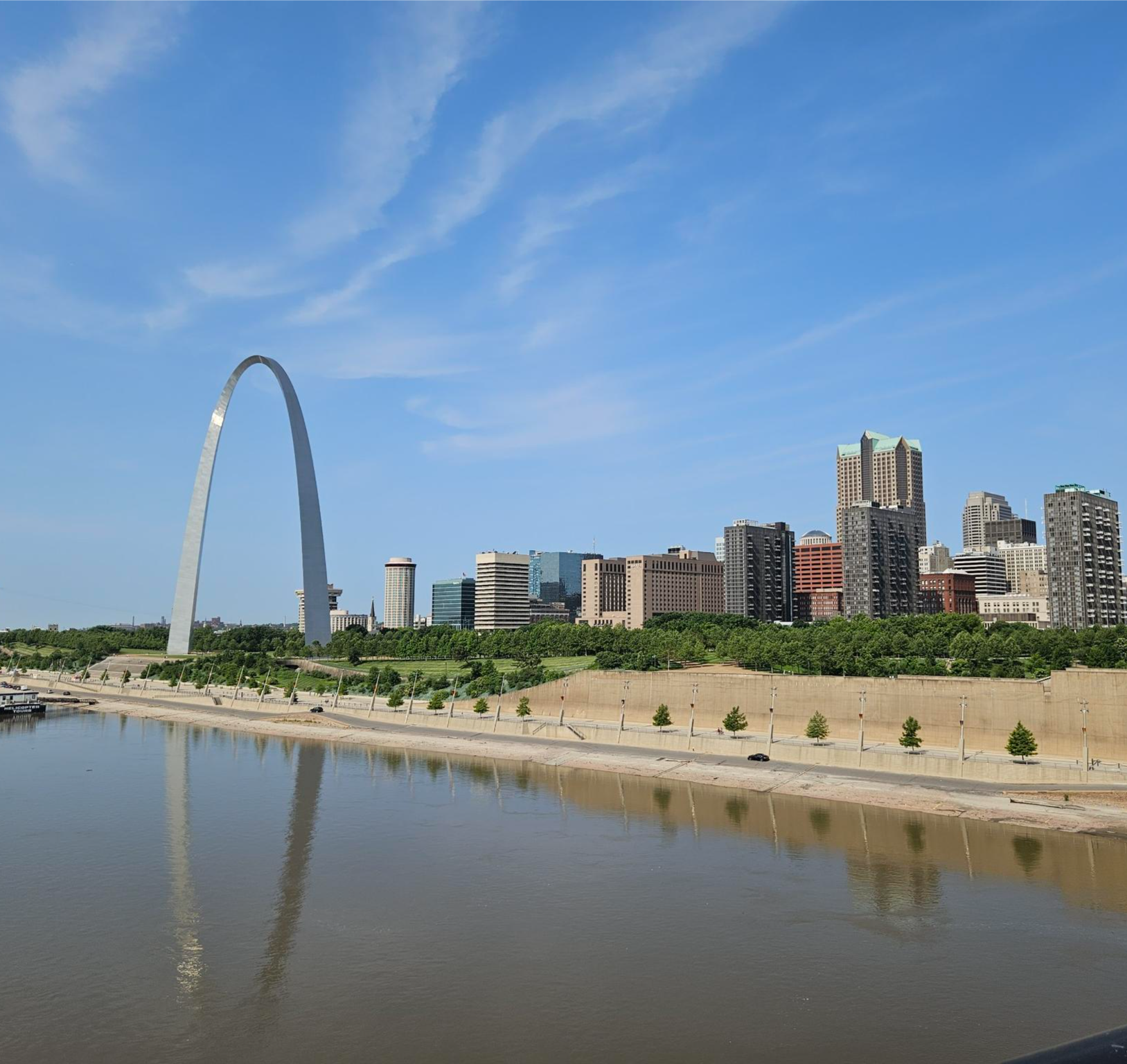
American Discovery Trail — Walking from sea to shining sea
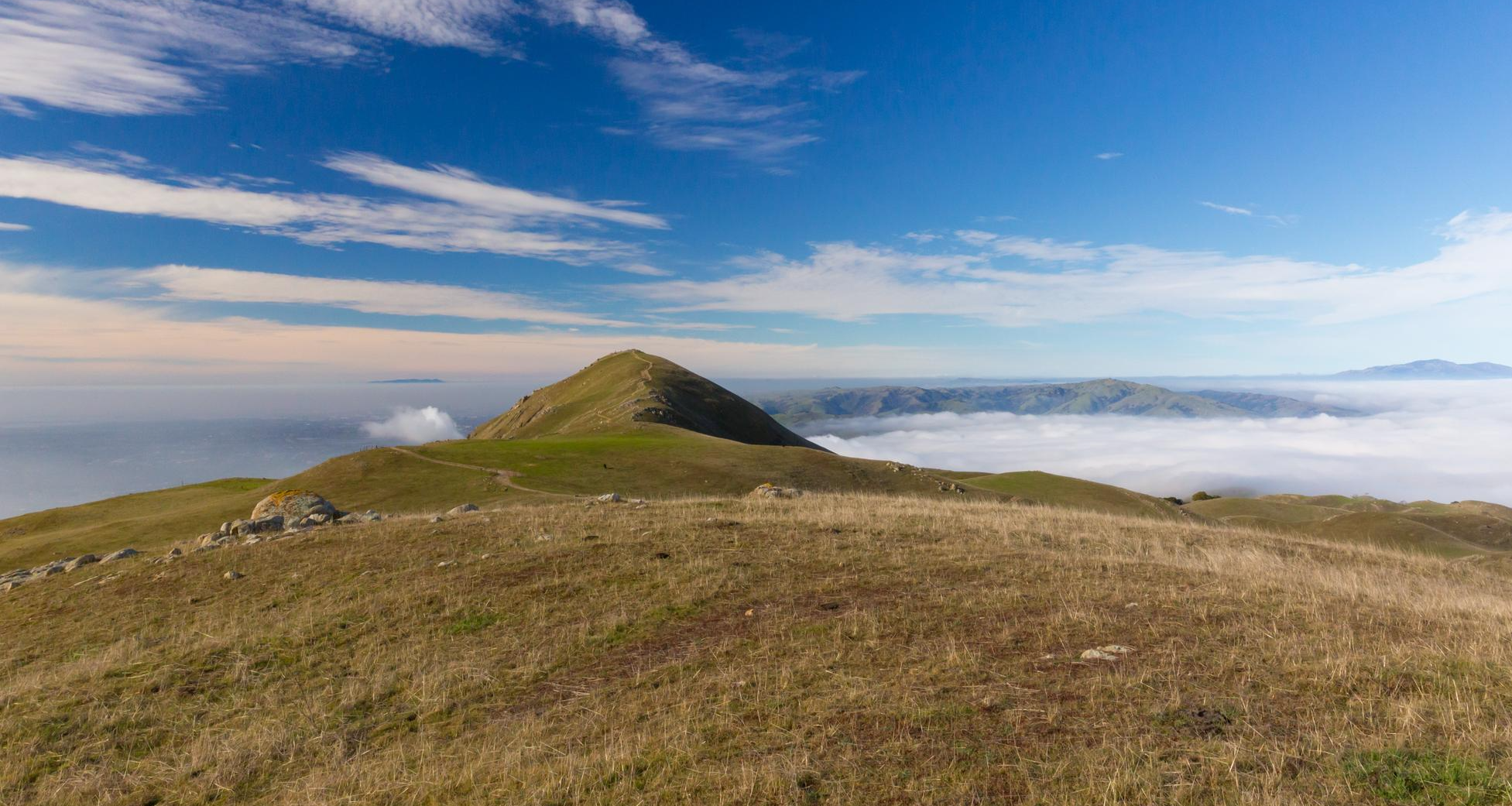
Bay Area Ridge Trail — Circumnavigating the San Francisco Bay
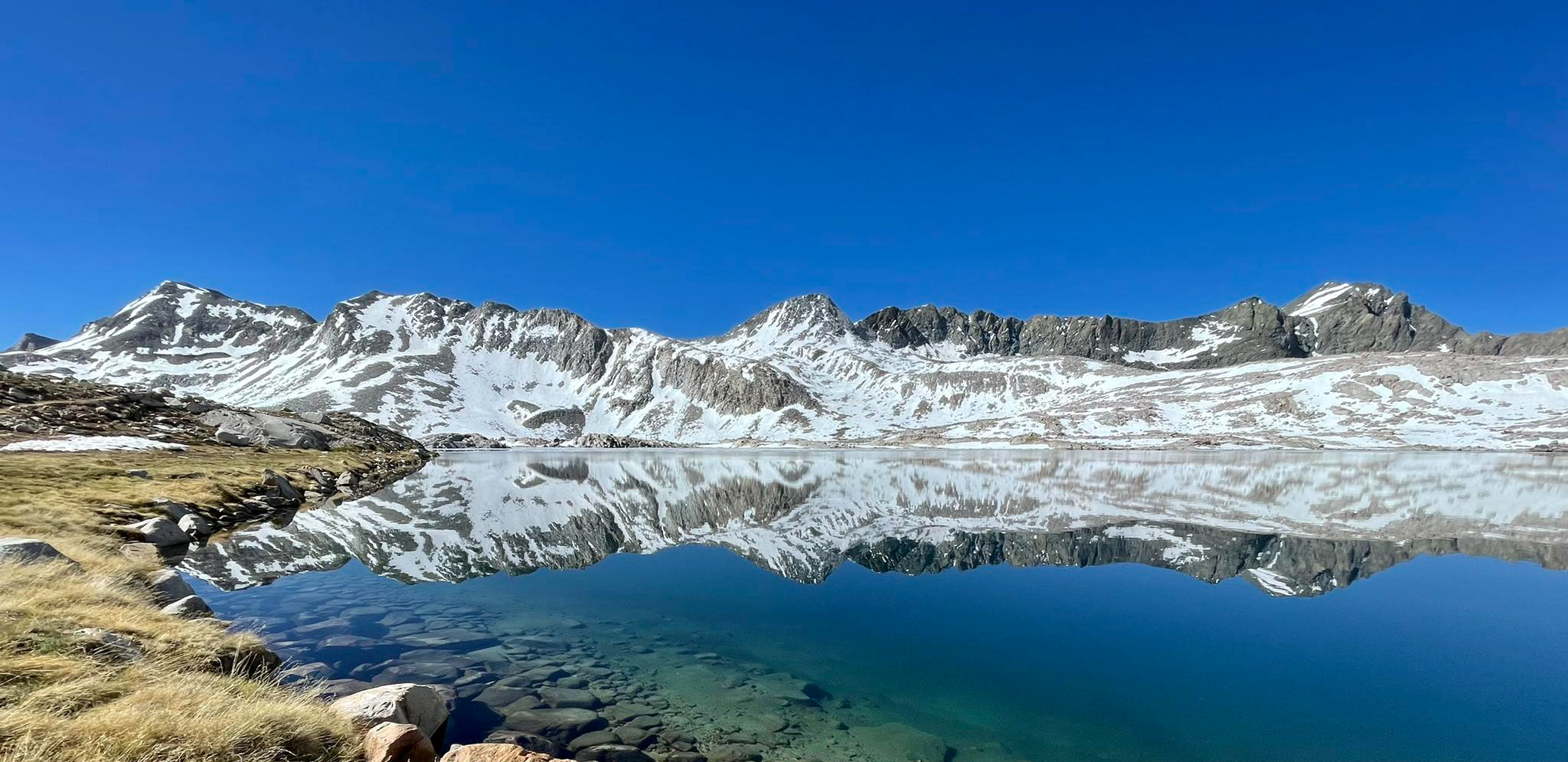
The Sierra High Route — Solitude in California's alpine country
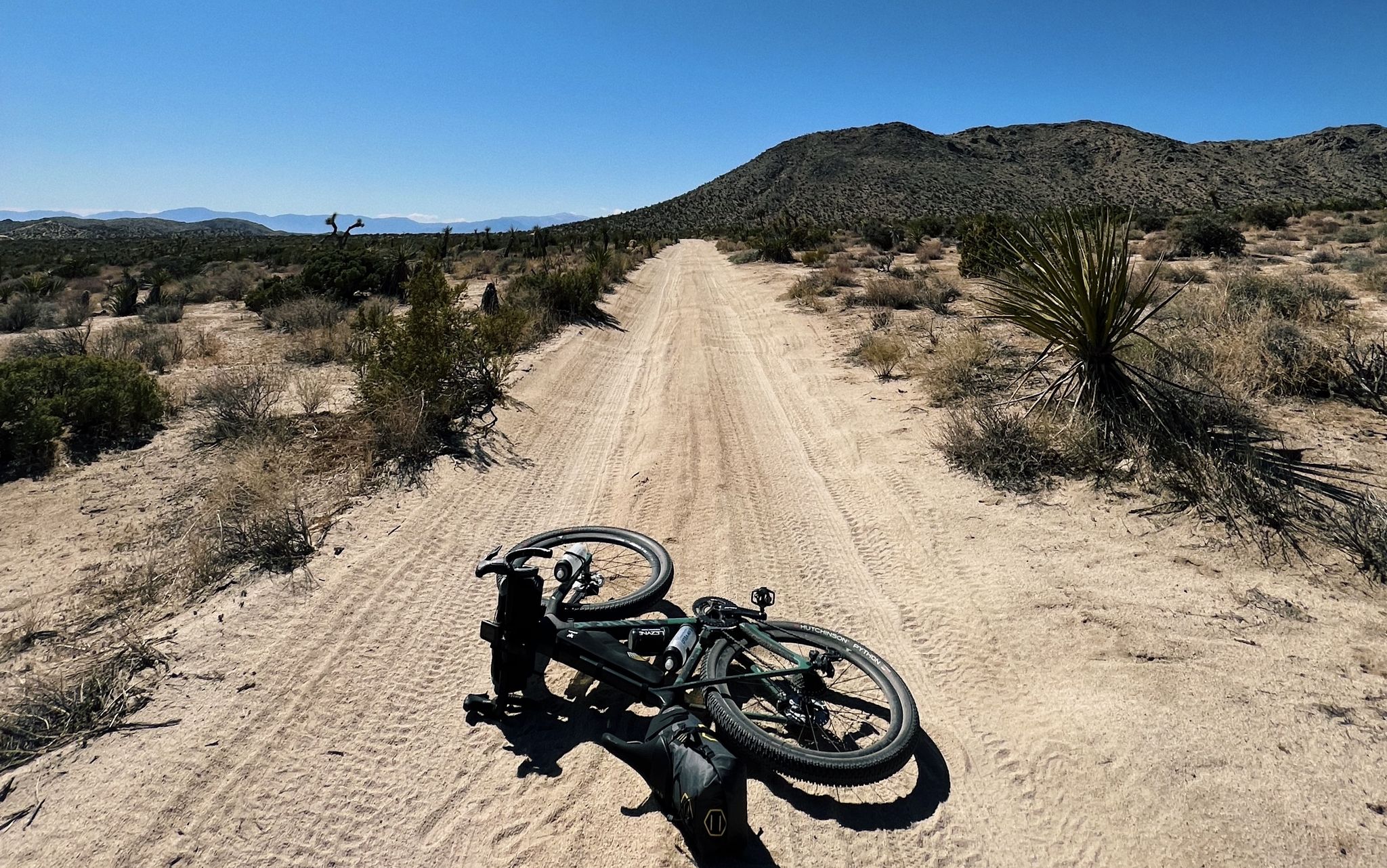
Bikepacking California — Into The Desert
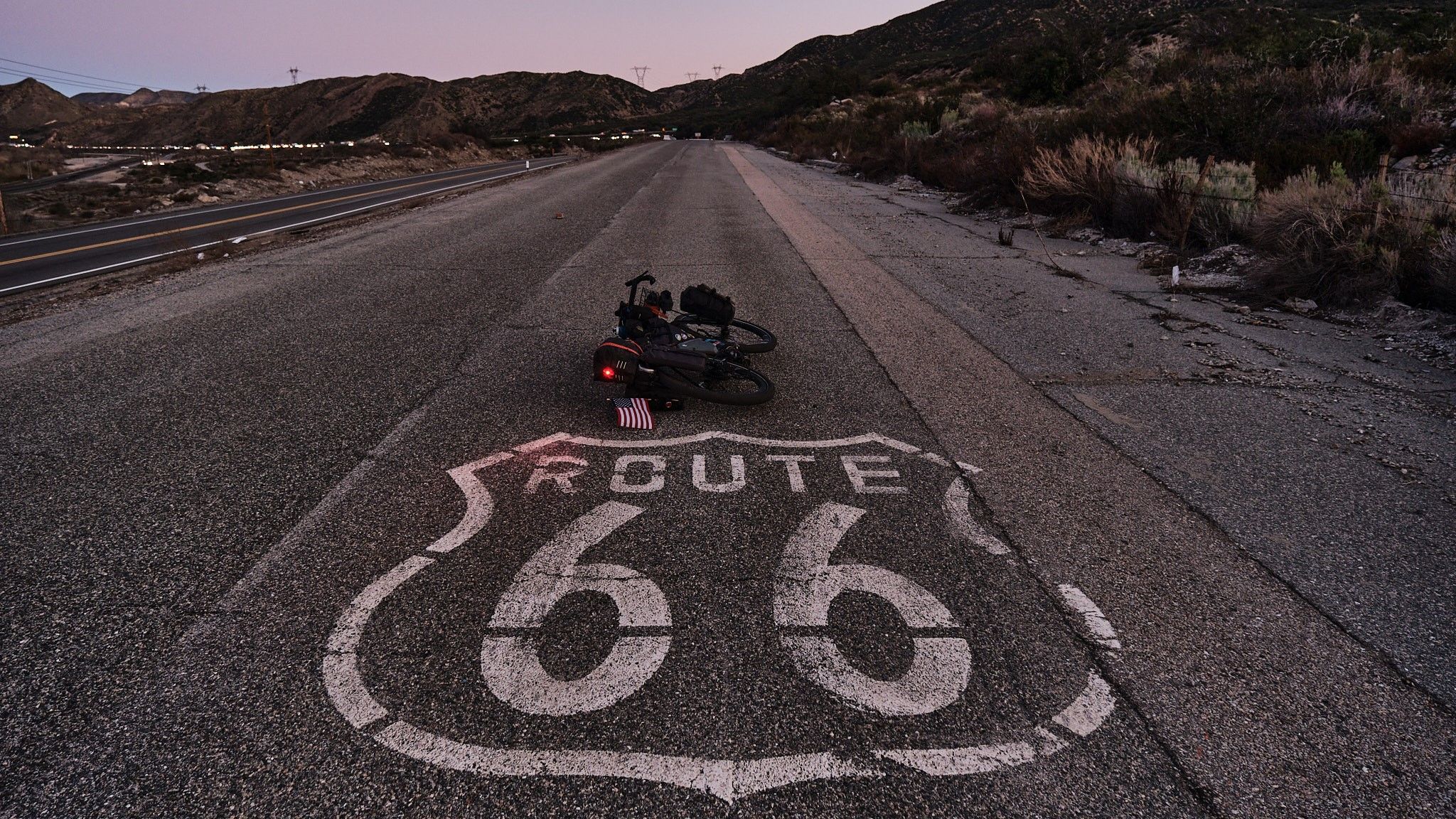
Adventure Cycling Association's Bicycle Route 66 — LA to Chicago
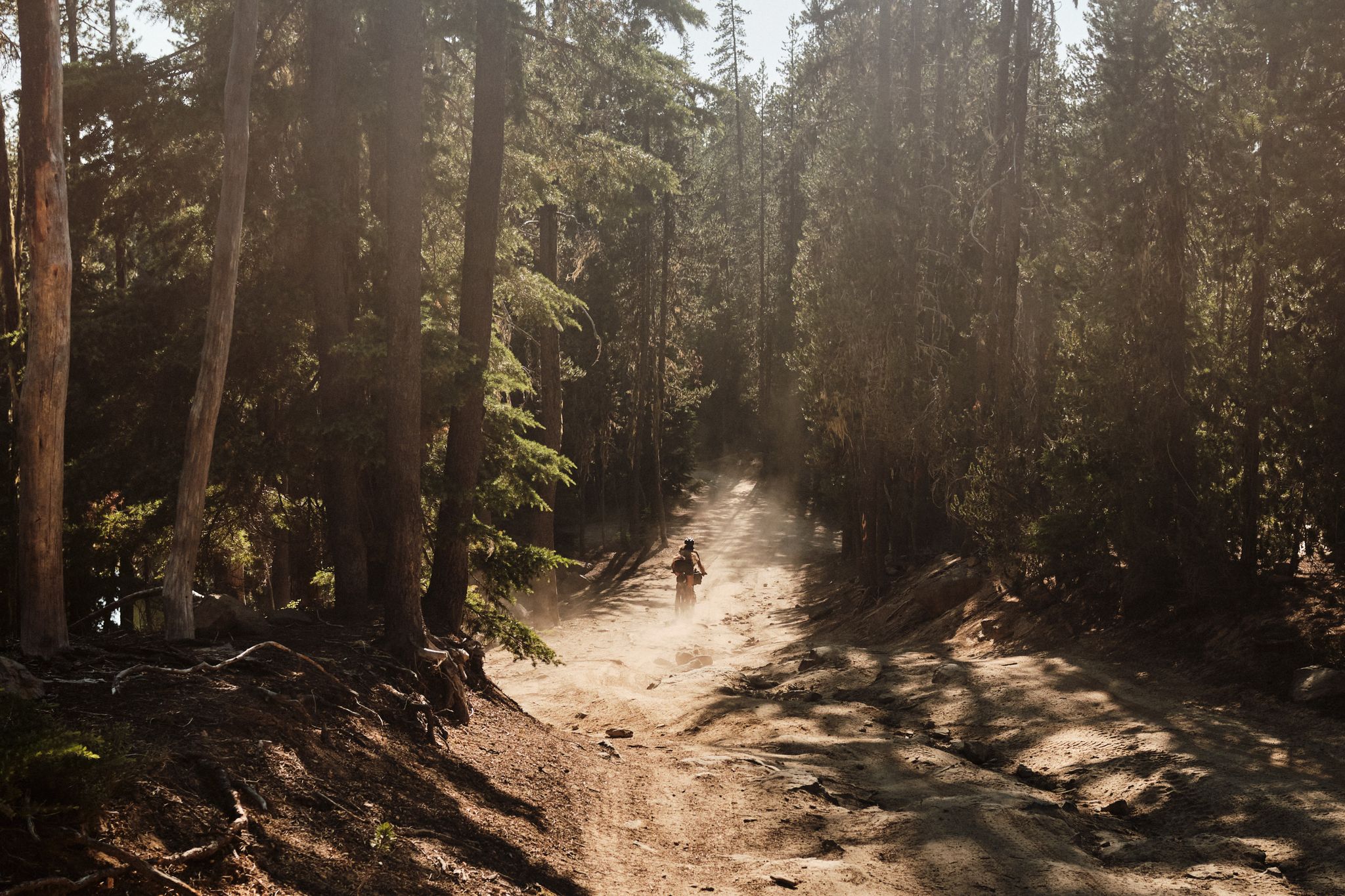
Oregon Timber Trail — High heat

Pacific Crest Trail from Mexico to Canada – 4,200 kilometres of wilderness
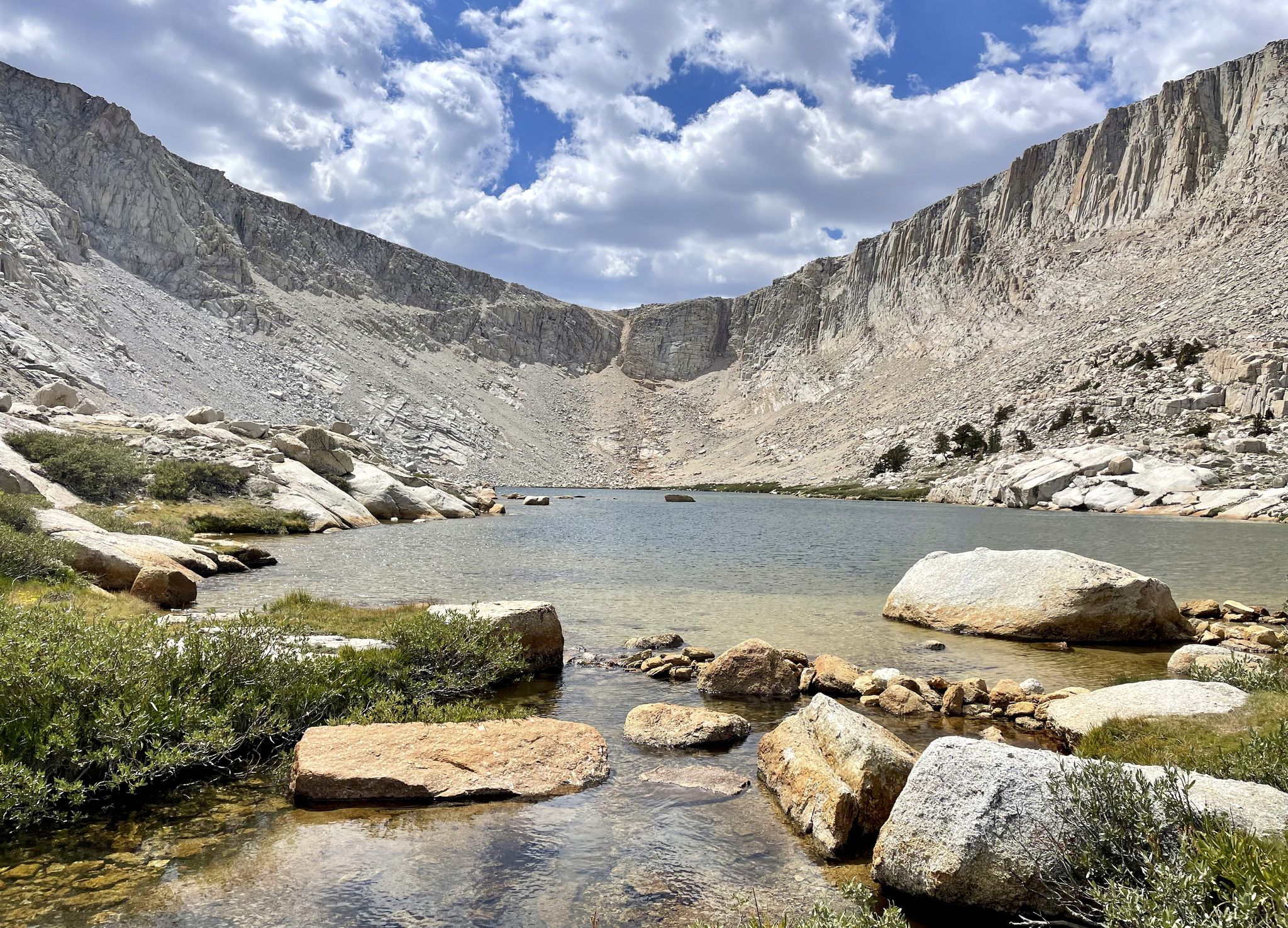
Cottonwood Lakes Loop — Exploring the Golden Trout Wilderness
Other adventures in California


Tips from the Community

Hearst Castle, once an impressive home to businessman William Randolph Hearst, is now a museum with sweeping views of the Santa Lucia Mountains and the Pacific Ocean. There is a road leading up to the mansion, with an observation deck on its east end, worthy of a stop to take in the incredible views.
0
0

Looking to rebuild after the San Francisco Earthquake of 1906, California's wine industry constructed Winehaven the very next year. This was the largest wine distribution center in the world until 1919, and was taken over by the U.S. Navy during WWII. Winehaven has been closed since 1995 but the original buildings from its winery days, including the castle, remain largely preserved.
1
0

Vikingsholm is situated at the head of Emerald Bay in Lake Tahoe, and is renowned for its Scandinavian architectural style and stunning natural surroundings. Built in 1929 by Lora Josephine Knight, who was inspired by Scandinavian fjords, the estate is considered one of the finest examples of such architecture outside the Nordic countries. The property spans 232 acres, including Lake Tahoe's only island and a unique waterfall flowing directly into the lake. After Knight's death in 1945, the estate was sold to Lawrence Holland and later to Harvey West, who donated it to the State of California in 1953. Now part of the Harvey West Unit of Emerald Bay State Park, Vikingsholm is open for tours from June to September, accessible via a one-mile trail or by boat. There is a visitor center, beach access, hiking trail access at this spot.
0
0

A small paradise at this glacial kar lake, a remnant from a hanging glacier. In summer, and in winter in snow, this is a good spot to camp, protected from the wind that can blow fiercely a little higher along the PCT trail and on Leavitt Mountain. In summer, a diverse variety of wild flowers blossom in this sheltered location, close to water.
1
0
Now just a storage facility, it was built as a winery by an enthusiastic entrepreneur in the early 20th century.
0
0
Currently just used as storage, also the old baracks stand abandoned, despite the lack of housing in the bay area. Winehaven was a winery and town in Richmond, California, that held the title of "world's largest winery" for 12 years (1907–1919). It later became a fuel depot for the United States Navy. After the 1906 San Francisco earthquake left the city in ruins, the California Wine Association moved to Point Molate, a promontory on the east shore of San Pablo Bay, and began construction of Winehaven. At the peak of the season, as many as 400 workers lived here, as all of the California Wine Association's shipments to foreign, coastal and New York markets sailed from the Winehaven dock—shipment capacity was 500,000 gallons (1,892,705 liters) a month, and 40 ships sailed annually for New York alone. The winery was shut down by Prohibition in 1919, and the company sold off its assets to avoid bankruptcy. Winehaven went mostly unused from about 1920 until the late 1930s. A post office operated at Winehaven from 1910 to 1925. The Navy bought the 412 acres (167 ha) site in 1941, moved into the winery buildings, and constructed 20 large concrete tanks on the hillsides above for a fuel depot. Thousands of drums of fuel were stored in huge buildings, pipelines were laid, a new pier was built and the old one was eventually removed. The old Winehaven Hotel was pressed into service for a period as barracks and mess hall, and the workers' houses were renovated for the use of naval personnel. The Commanding Officer of the Naval Fuel Depot was assigned the largest house on the bluff overlooking the others, which previously had been the home of the winery superintendent. Despite the switch from wine to fuel, the historic district remains virtually unaltered from its days as a winery. There are 35 buildings in the National Register historic district built between 1907 and 1919, the most notable being the castle-like Winehaven Building adorned with crenellated parapet and corner turrets. Also within the district is the Winemaster's House (Building 60), which became the Commanding Officer's residence, and the Village of Point Molate, a row of turn-of-the-century cottages used to house Winehaven and military families. The Navy continued to operate the fuel depot during the Korean War and Vietnam War until it was decommissioned in 1995. https://en.wikipedia.org/wiki/Winehaven,_California
0
0
Winehaven was a winery and town in Richmond, California, that held the title of "world's largest winery" for 12 years (1907–1919). It later became a fuel depot for the United States Navy. After the 1906 San Francisco earthquake left the city in ruins, the California Wine Association moved to Point Molate, a promontory on the east shore of San Pablo Bay, and began construction of Winehaven. At the peak of the season, as many as 400 workers lived here, as all of the California Wine Association's shipments to foreign, coastal and New York markets sailed from the Winehaven dock—shipment capacity was 500,000 gallons (1,892,705 liters) a month, and 40 ships sailed annually for New York alone. The winery was shut down by Prohibition in 1919, and the company sold off its assets to avoid bankruptcy. Winehaven went mostly unused from about 1920 until the late 1930s. A post office operated at Winehaven from 1910 to 1925. The Navy bought the 412 acres (167 ha) site in 1941, moved into the winery buildings, and constructed 20 large concrete tanks on the hillsides above for a fuel depot. Thousands of drums of fuel were stored in huge buildings, pipelines were laid, a new pier was built and the old one was eventually removed. The old Winehaven Hotel was pressed into service for a period as barracks and mess hall, and the workers' houses were renovated for the use of naval personnel. The Commanding Officer of the Naval Fuel Depot was assigned the largest house on the bluff overlooking the others, which previously had been the home of the winery superintendent. Despite the switch from wine to fuel, the historic district remains virtually unaltered from its days as a winery. There are 35 buildings in the National Register historic district built between 1907 and 1919, the most notable being the castle-like Winehaven Building adorned with crenellated parapet and corner turrets. Also within the district is the Winemaster's House (Building 60), which became the Commanding Officer's residence, and the Village of Point Molate, a row of turn-of-the-century cottages used to house Winehaven and military families. The Navy continued to operate the fuel depot during the Korean War and Vietnam War until it was decommissioned in 1995. https://en.wikipedia.org/wiki/Winehaven,_California
0
0
Frequently Asked Questions
Which castles in California offer unique architectural styles?
California's castles showcase a diverse range of architectural styles. For instance, Vikingsholm Castle at Lake Tahoe is a remarkable example of Scandinavian architecture. Hearst Castle in San Simeon is a grand Mediterranean Revival estate. In Napa Valley, Castello di Amorosa is an authentic medieval Tuscan-style castle and winery, while Rubel Castle in Glendora is a unique 'Folk Art Castle' built from scavenged materials.
Are there family-friendly castles to visit in California?
Yes, several castles offer experiences suitable for families. Hearst Castle is categorized as family-friendly and offers various tours. Castello di Amorosa in Napa Valley provides tours and winemaking classes that can be engaging for older children and adults. The unique architecture of places like Rubel Castle can also spark imagination.
What historical insights can I gain from visiting California's castles?
California's castles offer glimpses into different eras. Hearst Castle provides insight into early 20th-century American opulence and the life of William Randolph Hearst. Winehaven castle, once the world's largest wine distribution center, tells a story of California's wine industry and its later use as a naval fuel depot. Scotty's Castle in Death Valley reveals an intriguing history tied to its eccentric inhabitants and advanced early 20th-century technology.
Are there hiking opportunities near California's castles?
Yes, some castles are situated near scenic trails. For example, Vikingsholm Castle is accessible via a one-mile trail and offers hiking trail access within Emerald Bay State Park. While not directly adjacent to all castles, California offers numerous hiking opportunities. You can explore various trails, including easy hikes, by checking out the Easy hikes in California guide.
What kind of natural features can I expect to see around these castles?
Many castles are set amidst stunning natural landscapes. Vikingsholm Castle is nestled at the head of Emerald Bay in Lake Tahoe, featuring a unique waterfall flowing directly into the lake and Lake Tahoe's only island. Hearst Castle offers sweeping views of the Santa Lucia Mountains and the Pacific Ocean. Scotty's Castle is located in the remote Grapevine Canyon of Death Valley, providing a desert landscape backdrop.
What is the best time of year to visit California castles?
The best time to visit depends on the castle's location and your preferences. Coastal castles like Hearst Castle can be pleasant year-round, though summer is popular. For Vikingsholm Castle, tours are typically available from June to September due to its Lake Tahoe location. Scotty's Castle in Death Valley is best visited in cooler months, as summer temperatures can be extreme. Always check specific castle operating hours and seasonal availability before planning your trip.
Are there any castles in California that are also wineries?
Yes, Castello di Amorosa in Napa Valley is a unique medieval Tuscan-style castle that also functions as an operational winery. Visitors can enjoy tours of the castle, wine tasting, and even winemaking classes, combining historical exploration with California's renowned wine culture.
Can I visit Scotty's Castle in Death Valley?
Scotty's Castle is currently closed for repairs due to severe flood damage from 2015, with an anticipated reopening in 2025. While physical visits are not possible at this time, virtual reality tours are available to explore this fascinating site and its intriguing history.
What kind of outdoor activities can I do near California's castles?
Beyond castle tours, California offers a wide range of outdoor activities. Near castles like Vikingsholm Castle, you can enjoy hiking and exploring the natural beauty of Lake Tahoe. For more general outdoor pursuits, you can find various Running Trails in California or explore MTB Trails in California across the state.
Are there any castles in California known for their unique construction or materials?
Rubel Castle in Glendora stands out for its unique construction. It's a 'Folk Art Castle' built over 25 years by Michael Rubel, using donated labor and materials, rocks from the Azusa foothills, and scavenged items like cannonballs, wheels, bottles, and railway ties. This makes it a distinctive and quirky example of personal architectural vision.
How can I learn more about visiting Hearst Castle?
For detailed information on visiting Hearst Castle, including tour options, accessibility, and current operating hours, it's best to consult the official tourism site for the area. You can find more information at visitsansimeonca.com.
What makes Winehaven castle significant?
Winehaven castle, located in Richmond, was once the world's largest wine distribution center, established after the 1906 San Francisco earthquake. Its original buildings, including the castle-like structure, remain largely preserved despite its later conversion into a U.S. Navy fuel depot. It represents a unique piece of California's industrial and military history.
Most popular routes in California
Most popular attractions in California

Get inspired with the komoot mobile app


Explore more
Looking for the best castles somewhere else? Discover other guides in California:
