Top 8 Caves around Golmsdorf
Best caves around Golmsdorf are found in a region characterized by diverse geological formations and historical significance. The area features karst caves, rock caves, and unique man-made historical caves. These natural attractions offer insights into the local geology and past human activities. Exploring the caves provides a direct connection to the natural landscapes surrounding Golmsdorf.
Best caves around Golmsdorf
- The most popular caves is Muschelkalk Rock Formations and Cave, a cave and natural monument featuring shell limestone formations. Visitors…
Last updated: June 27, 2026
Teufelslöcher Caves (Jena)
Highlight • Cave
Translated by Google •
Tip by

Klausloch Cave on the Saale
Highlight (Segment) • Cave
Translated by Google •
Tip by

Sign up now to discover places like this
Get recommendations on the best single tracks, peaks, & plenty of other exciting outdoor places.
Sign up for free
Klausloch Cave
Highlight • Cave
Translated by Google •
Tip by

Cistern at Kirchberg Königshof
Highlight • Structure
A total of four castles stood one after the other on the local hill. Two of them, to confuse us later generations, had the same name.
Translated by Google •
Tip by

Muschelkalk Rock Formations and Cave
Highlight • Cave
Translated by Google •
Tip by

Sign up for free to discover even more caves around Golmsdorf.
Sign up for free
Already have an account?
Start today with a free account
Your next adventure awaits.
Login or Signup
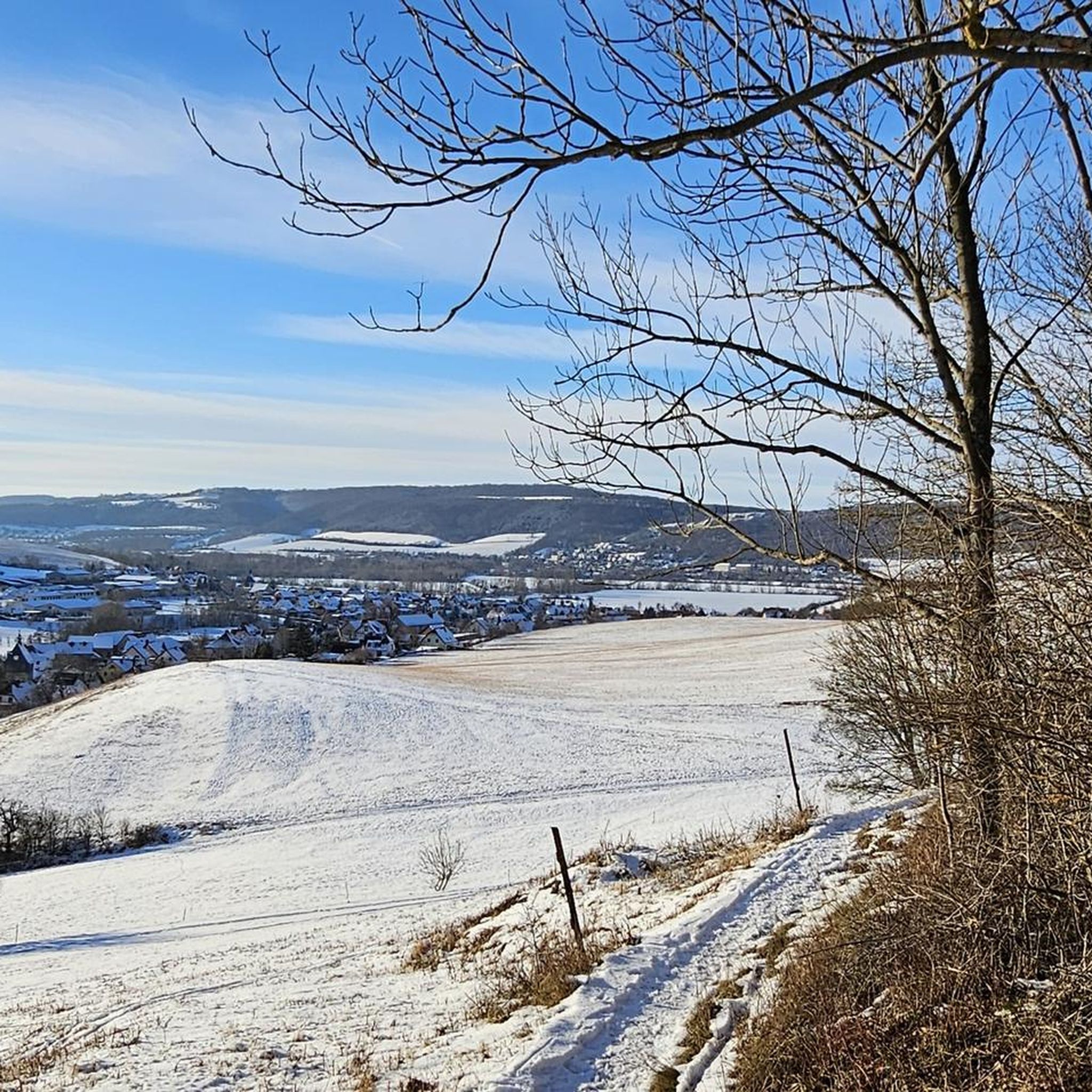
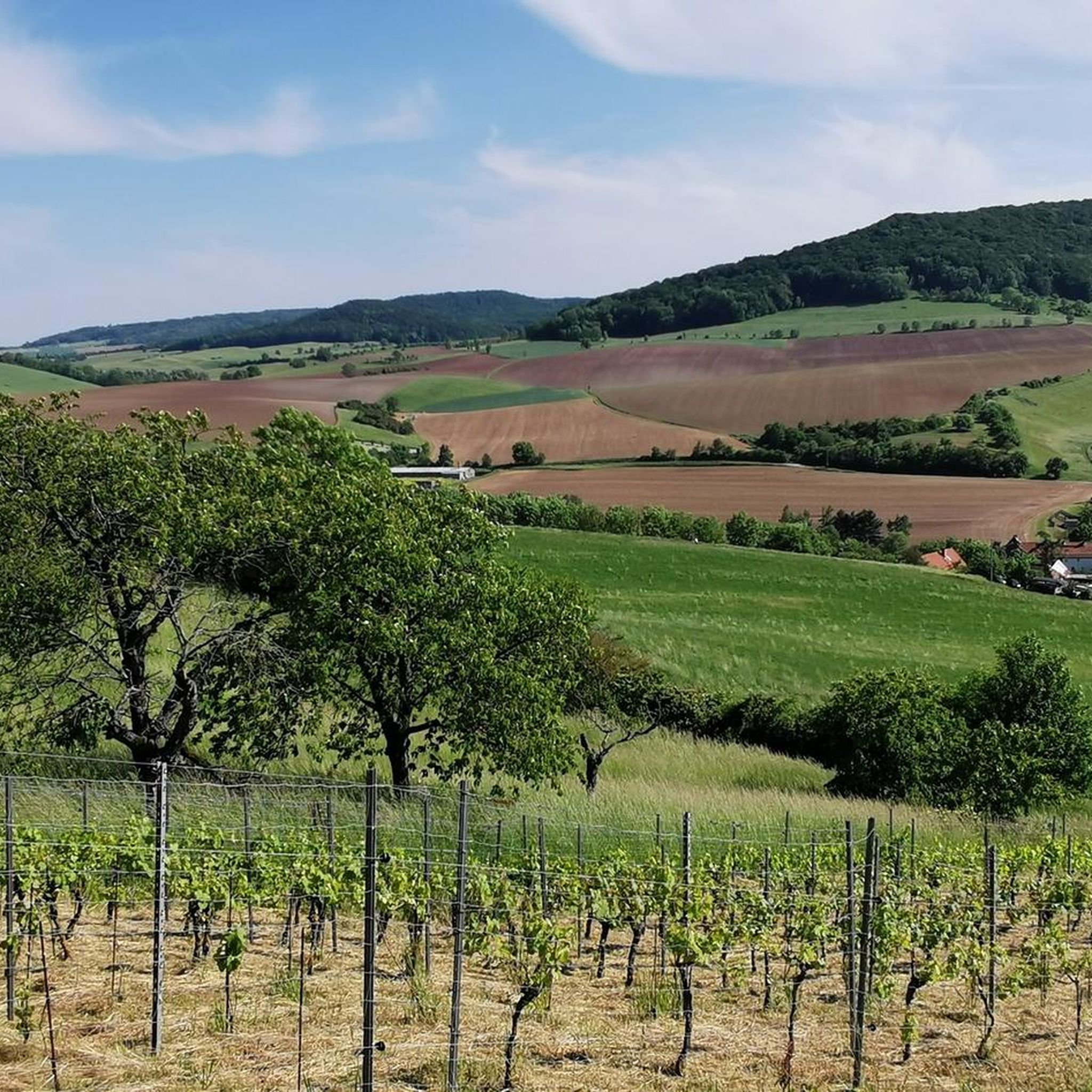
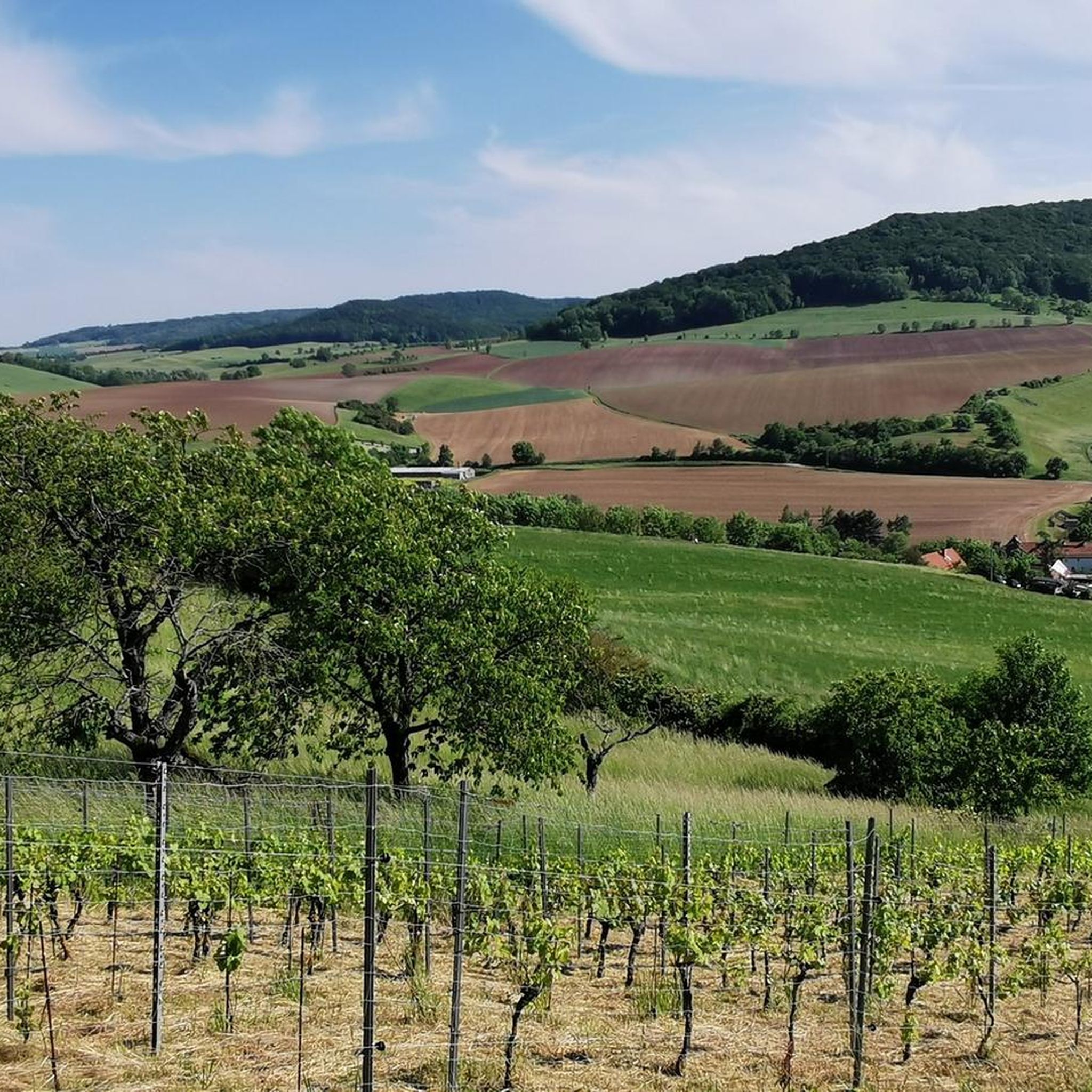
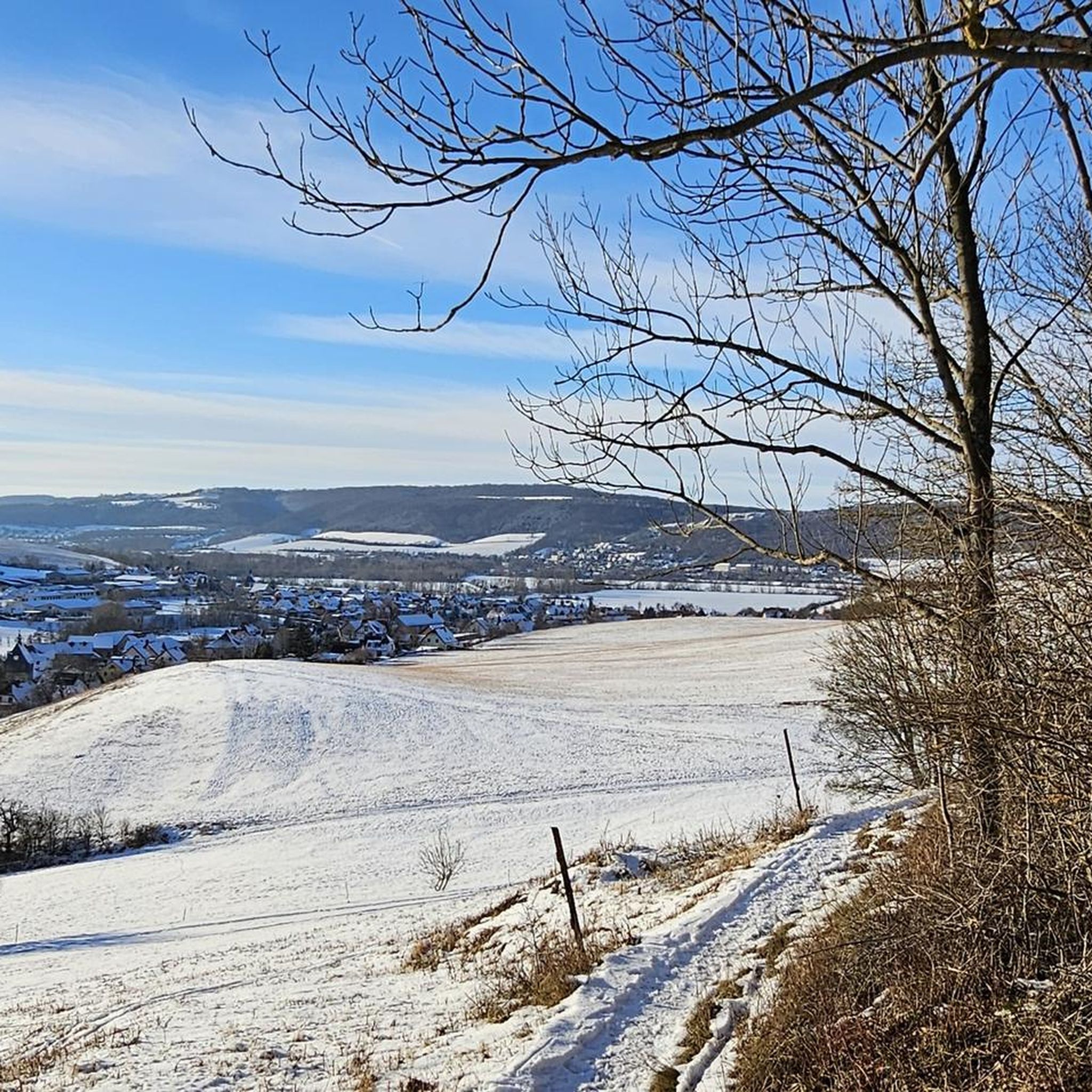

Tips from the Community

The narrow path along the rock edge is also passable with a gravel bike.
1
0

The opening hours of the Fuchsturm depend on the opening hours of the Fuchsturmrestaurant
1
0

First mentioned in the early 14th century, the Teufelslöcher (Devil's Holes) are among the oldest documented caves in Germany. These are karst caves that have since been sealed. Several benches are located at the Teufelslöcher, and Jena's local history trail begins here, leading from here across the central Kernberg horizontal. You can find more information here: https://www.entdecke-jena.de/jena/teufelsloecher.htm.
3
0

About the Klausloch: on the way from Camburg to Tümpling a hermit lived in a cave. In the front part of the cave he created a small chapel with an altar niche that is still recognizable, and in the back part he created the "hermit's" living space. In the hermitage the hermit prayed, ate the fruits of the forest and lived in harmony with nature.
1
0


The path from Camburg to Tümpling becomes very narrow at one point; On the left, the slope covered with dense bushes falls almost vertically down to the Saale and on the right, limestone cliffs rise steeply. At this place you pass a cave carved into the rock, the Klause, also called Klausloch, from Romanesque times. The visitor has to climb some steps cut into the rock to reach the cave, which is divided into two rooms. The front room with a still recognizable altar niche was apparently used as a chapel by the hermit who lived here in the early Middle Ages. The rear room probably served as a living room. Source:https://dornburg-camburg.de/ortschaften/camburg/die-klause/
0
0

Imposing rocky path along the Saale. The rocks are made of shell limestone. The calcareous soils mean that you can discover a lot of snails.
3
0
the tram stop on Schillstraße is about 1.5 km away..... The exposure there has nothing to do with the devil's holes.
4
0
Frequently Asked Questions
What types of caves can I explore around Golmsdorf?
The region around Golmsdorf offers a variety of geological formations, including natural karst caves, rock caves, and historical man-made caves. These provide insights into both local geology and past human activities.
Are there any historical caves in the area?
Yes, the Teufelslöcher Caves (Jena) are a significant historical natural monument, first mentioned in the early 14th century. These are now sealed karst caves and are part of a nature reserve, marking the beginning of Jena's local history trail. Additionally, the Wogau Geological Outcrop features a medieval scouring sand cave, used historically for sand removal.
Which caves are suitable for families?
Both the Teufelslöcher Caves (Jena) and Klausloch Cave on the Saale are categorized as family-friendly. The Teufelslöcher area has rest benches and is part of a history trail, while the Klausloch Cave offers an exciting narrow path along the rocky cliffs of the Saale.
Can I find fossils in any of the caves?
Yes, at the Muschelkalk Rock Formations and Cave, you might find beautiful fossils of shells. The rock formations there are made of shell limestone.
Are there any caves that are dog-friendly?
The Klausloch Cave on the Saale is listed as dog-friendly, making it a good option for exploring with your canine companion.
What kind of geological features can I expect to see?
You can observe diverse geological features, including shell limestone formations at Muschelkalk Rock Formations and Cave, and karst formations at the Teufelslöcher Caves (Jena). The Wogau Geological Outcrop also showcases a transition zone between different types of sandstone.
Are there viewpoints near the caves?
Yes, the area around the Klausloch Cave on the Saale offers scenic views along the rocky path. Additionally, above the Rothenstein Rock Caves, you can find the Bastei viewpoint, which includes the Trompeterfelsen rock.
What outdoor activities can I do near the caves?
The region around Golmsdorf offers various outdoor activities. You can find numerous hiking trails, including routes like the 'Alpine trail from Zietschkuppe – Hunter's Club Hut loop from Golmsdorf' or 'Peony and Orchid Meadow loop from Golmsdorf'. For cycling enthusiasts, there are gravel biking and mountain biking routes available. You can explore more options on the Hiking around Golmsdorf, Gravel biking around Golmsdorf, and MTB Trails around Golmsdorf guide pages.
Is there a cave I can climb into?
The Klausloch Cave is described as an interesting mini cave to climb into, offering a unique adventure.
What is the Cistern at Kirchberg Königshof?
The Cistern at Kirchberg Königshof is a historical site, representing the cistern or well of the old Kirchberg Castle. It's a man-made monument and a challenging spot to reach, offering a glimpse into the region's past.
What do visitors enjoy most about the caves around Golmsdorf?
Visitors appreciate the diverse geological formations, the historical significance of sites like the Teufelslöcher, and the scenic trails that often accompany the caves, such as those along the Saale river. The opportunity to find fossils and explore unique natural monuments is also highly valued.
Most popular routes around Golmsdorf
Most popular attractions around Golmsdorf

Get inspired with the komoot mobile app


Explore more
Extend your search for the best caves by checking out these guides of the top ones around Golmsdorf:
