Top 15 Huts and Cabins in the Japanese Alps
Best huts in the Japanese Alps are integral to exploring this region, which comprises the Northern, Central, and Southern ranges. These mountains feature an extensive network of mountain huts, known as yamagoya, that provide essential shelter and services. The huts offer a cultural immersion into Japanese mountaineering, ranging from rustic shelters to more developed lodges. They are strategically located to support hikers on remote trails and high peaks.
Best huts in the Japanese Alps
- The most popular huts is Mount Fuji 5th Station, a facilities point that serves as the highest car-accessible point on Mount Fuji. It is the starting and ending point for the northernmost route to the summit of Mount Fuji, offering food, toilets, and views.
- Another must-see spot is Nishihō Mountain Hut, a hut that remains open all year round. This is notable as most mountain lodges in the Hotaka range are closed during winter.
- Visitors also love Ichiroku Tochi Tateba Chaya, a cafe where visitors can rest and enjoy tea. It provides a welcoming stop for hikers.
- Japanese Alps is known for various types of huts, including rustic shelters and more developed lodges. These range from basic refuges to facilities offering hot meals and amenities.
- The huts in the Japanese Alps are appreciated by the komoot community, with over 70 upvotes and 20 photos shared.
Last updated: July 14, 2026
Mount Fuji 5th Station
Highlight • Rest Area
Translated by Google •
Tip by

Ichiroku Tochi Tateba Chaya
Highlight • Cafe
Tip by

Sign up now to discover places like this
Get recommendations on the best single tracks, peaks, & plenty of other exciting outdoor places.
Sign up for free
Nishihō Mountain Hut
Highlight • Mountain Hut
Tip by

Mountain Hut in Fuji-Hakone-Izu National Park
Highlight • Mountain Hut
Tip by

Mt. Fuji 7th Station Torii-so Mountain Hut
Highlight • Mountain Hut
Tip by

Dakesawa Hut
Highlight • Mountain Hut
Translated by Google •
Tip by

Ryokan Yamakyu
Highlight • Mountain Hut
Translated by Google •
Tip by

Akaishi Onsen Shirakabaso
Highlight • Mountain Hut
Translated by Google •
Tip by

Senninburo Kanaya Ryokan
Highlight • Mountain Hut
Tip by

Goshikigahara Hut
Highlight • Mountain Hut
Also be aware that the Goshikigahara
hut does not serve lunch and water needs to be purchased. However they sell some snacks and water, obviously.
Dinner is at 5pm. 🍜 Breakfast at 5am. 🍙
Tip by

Sign up for free to discover even more huts and cabins in the Japanese Alps.
Sign up for free
Already have an account?
Start today with a free account
Your next adventure awaits.
Login or Signup
Popular around Japanese Alps


Tips from the Community

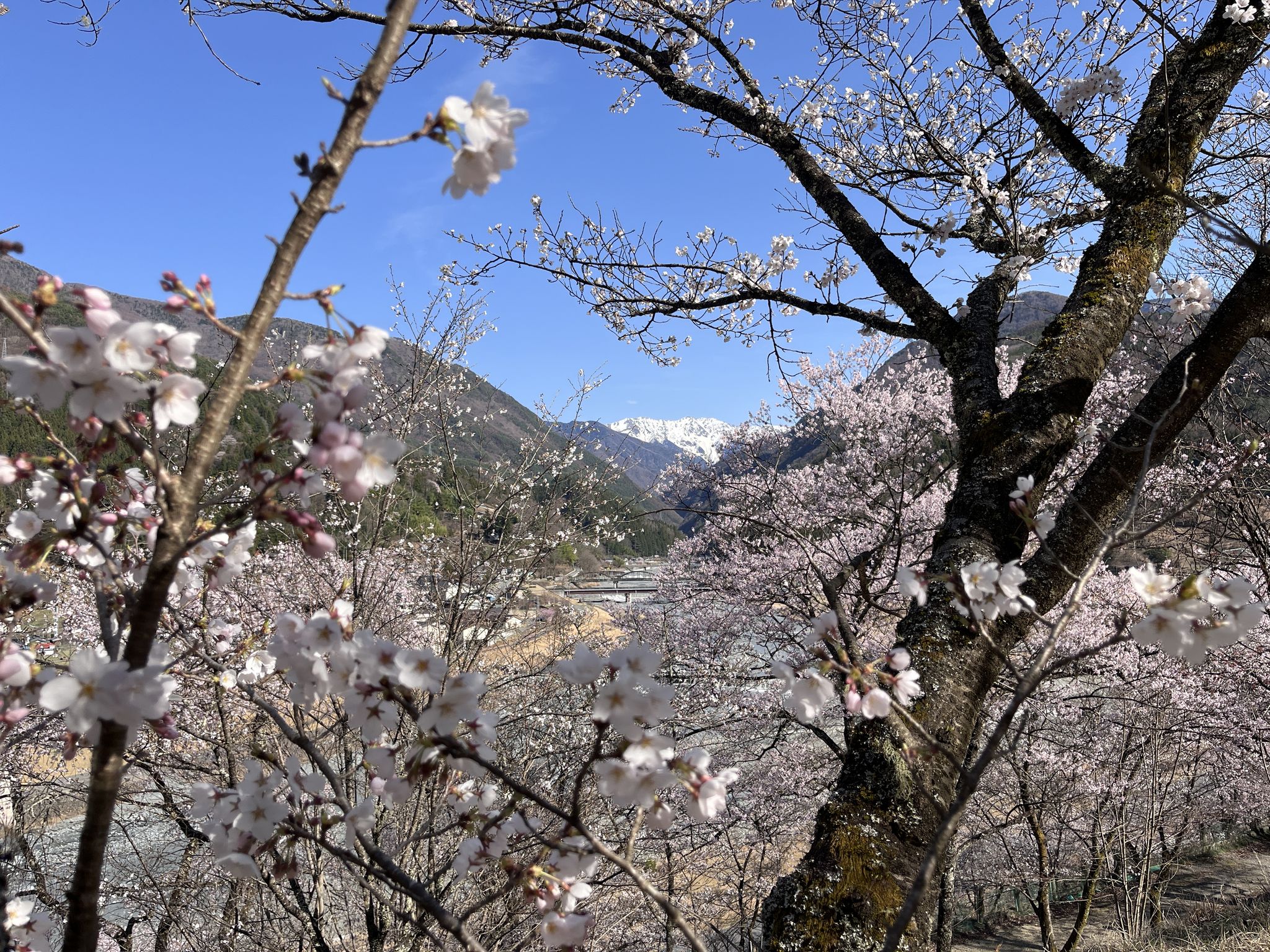
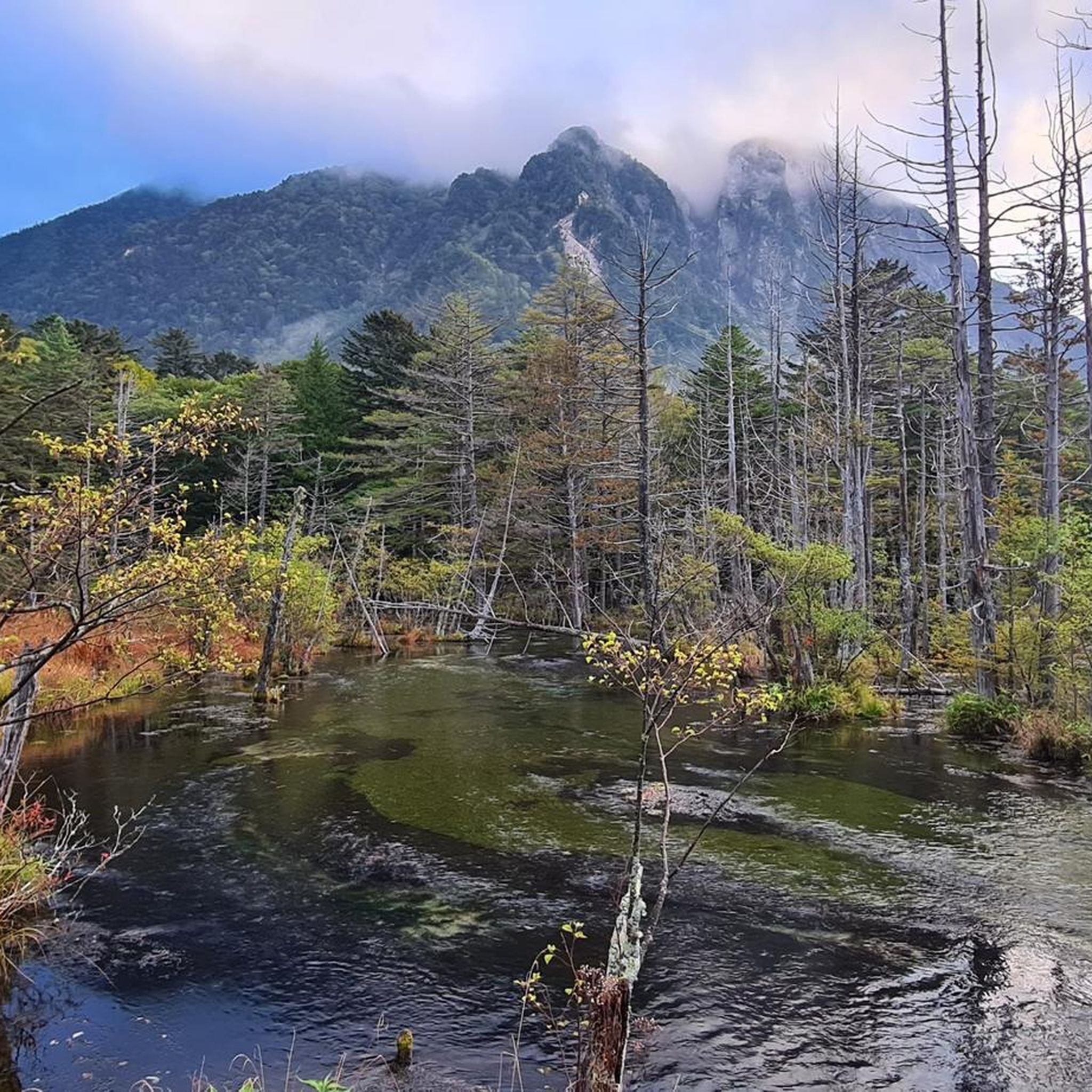
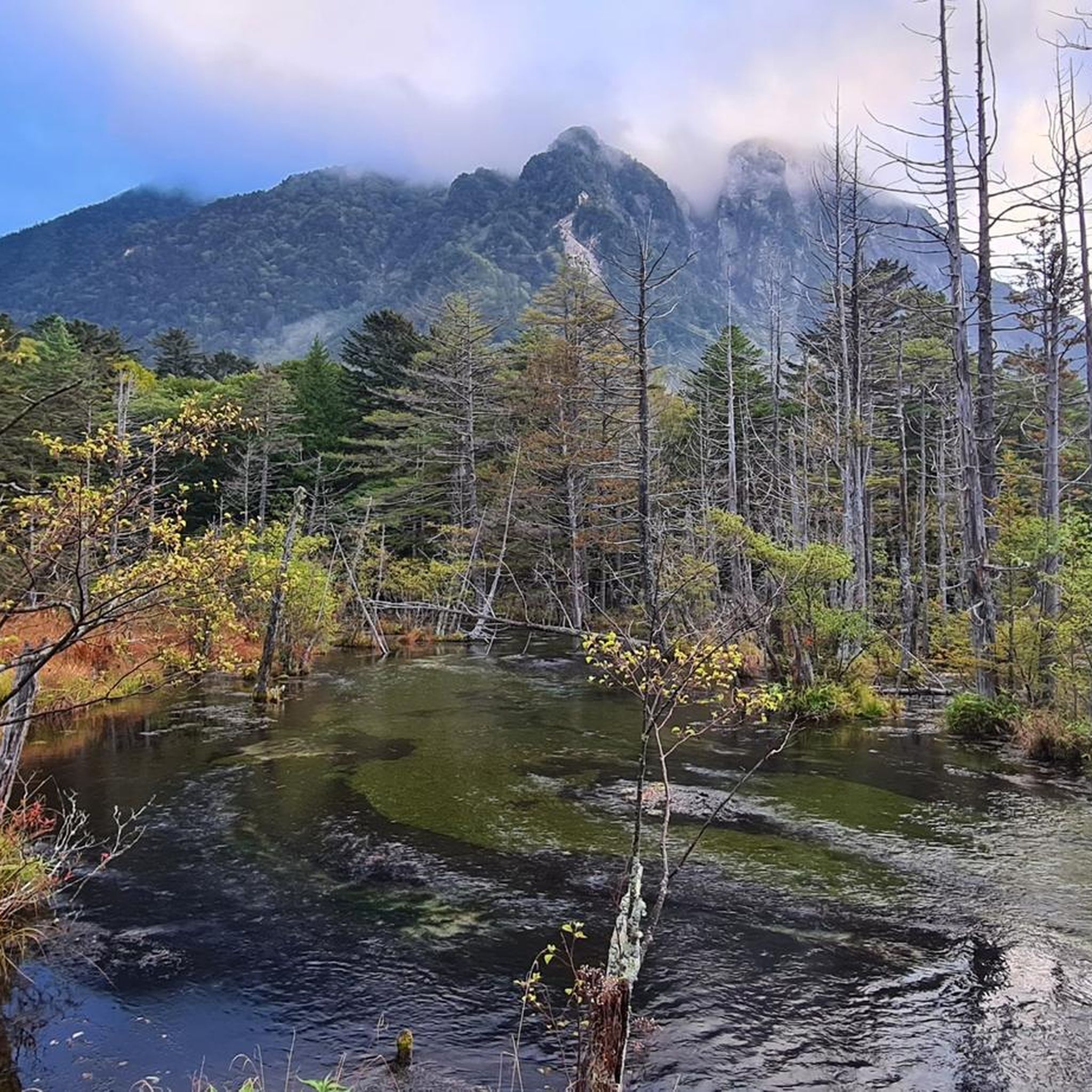
Most mountain lodges in the Hotaka mountain range are closed during the winter, but this lodge is open all year round.
0
0

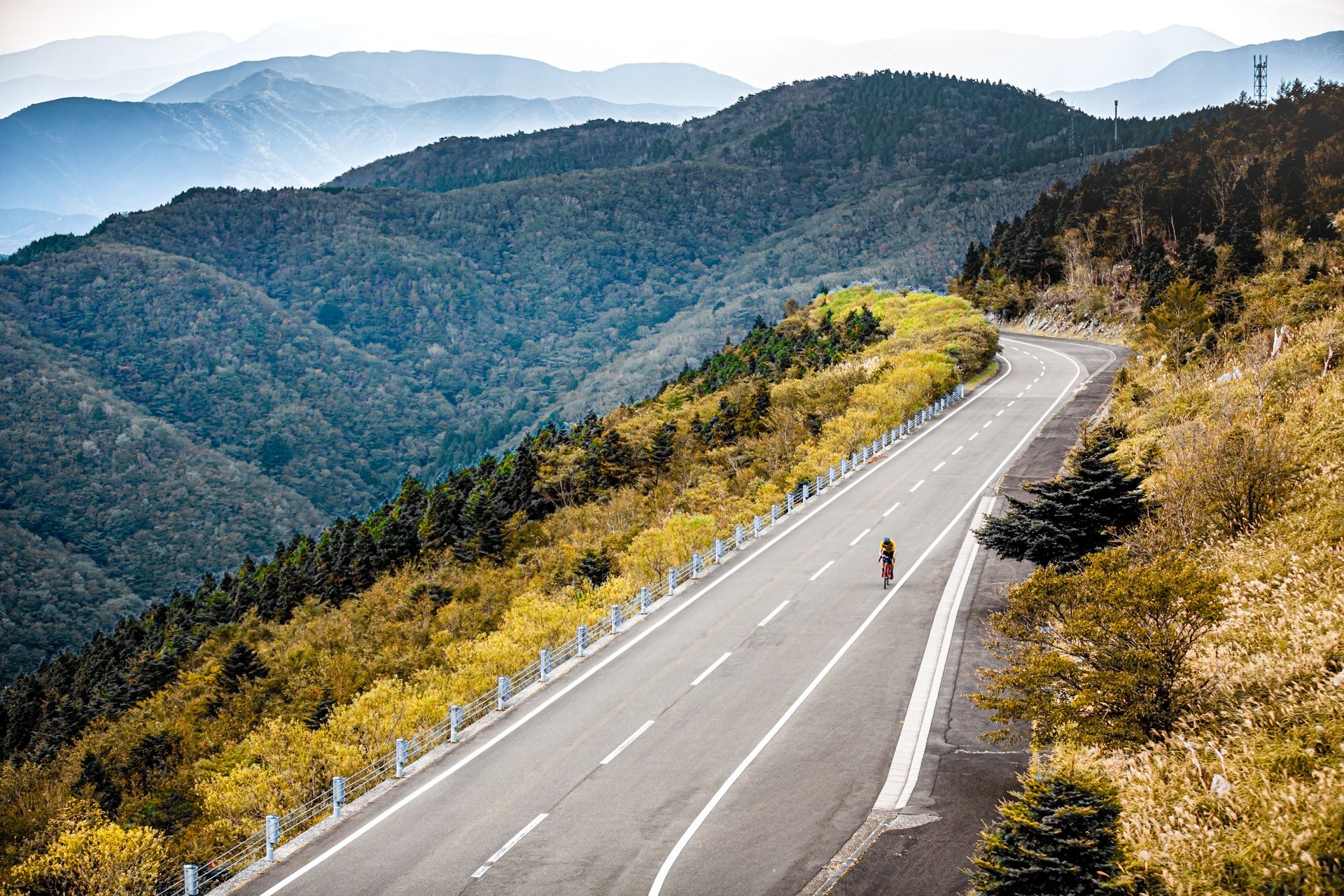
This refuge provides drinking water and refreshments. Perfect before embarking on the big climbs.
1
0

This mountain hut serves hot and cold drinks, food (including hot noodles, miso soup, and oden), plus souvenirs and some hiking equipment.
0
0

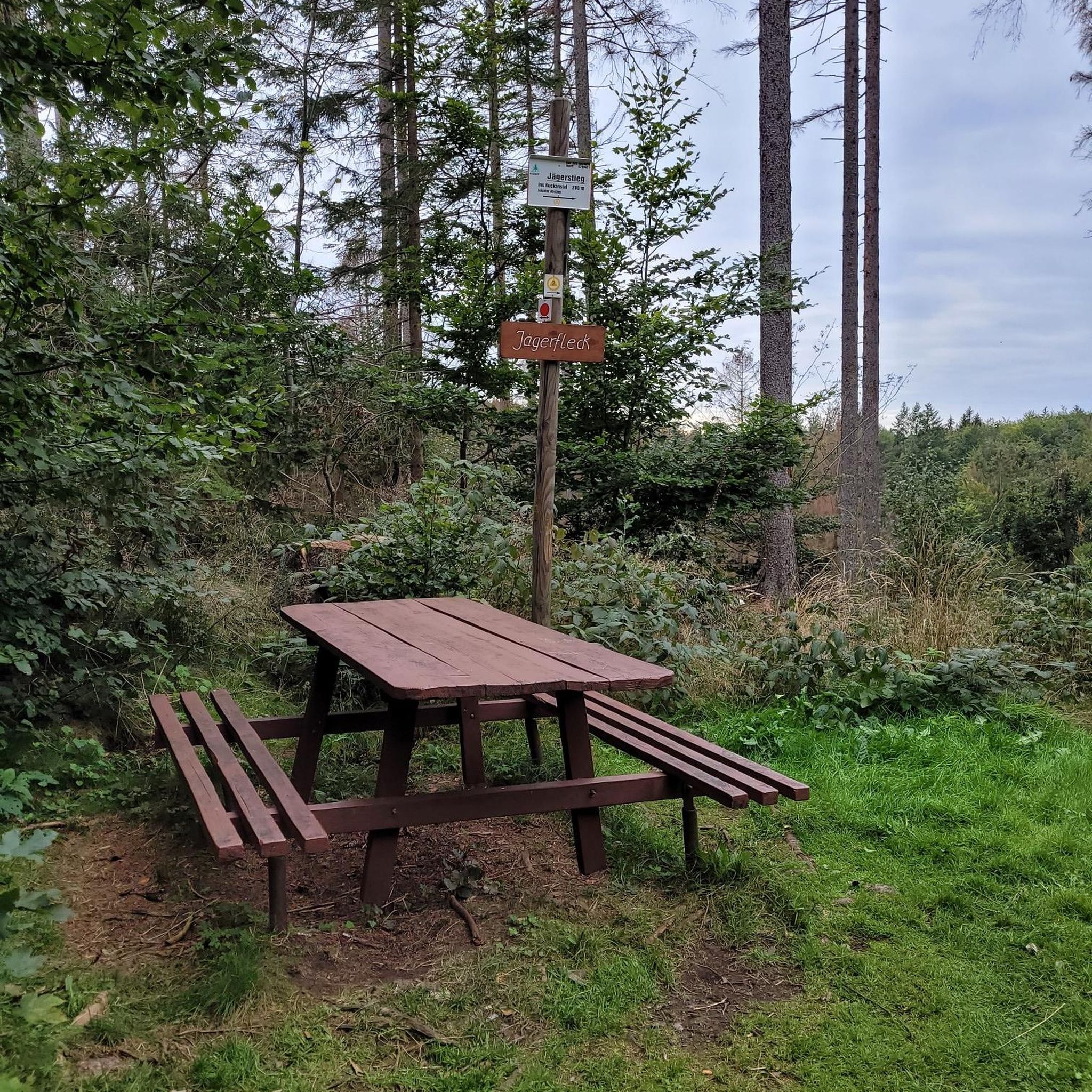
If you want to stay make sure to have a reservation. They are not always happy if people show up unannounced - especially after 1pm since they carefully prepare food in respect to the exact amount of people they are hosting. Also be aware that the Goshikigahara hut does not serve lunch and water needs to be purchased. However they sell some snacks and water, obviously. Dinner is at 5pm. 🍜 Breakfast at 5am. 🍙
0
0

Magnificent onsen, remember if you also book for the night to ask to be placed in the old part.
0
0

Indoor onsen for 1000 yen (300 to rent a large towel).
0
0

Traditional Japanese ryokan (travel inn) with incredibly delicious food and warm hospitality.
2
0

Hotel with hot spring (onsen). Restaurant and shop with snacks and local specialties. The perfect end to the tour. The hotel staff is very helpful. WiFi.
0
0
Frequently Asked Questions
What kind of hiking experiences can I expect around the huts in the Japanese Alps?
The Japanese Alps offer a wide range of hiking experiences, from challenging multi-day treks to more accessible trails. Huts like Yarigatake Sanso serve as crucial bases for summiting iconic peaks like Mount Yarigatake, while others like Karasawa Hütte are popular for their stunning autumn foliage and serve as bases for ascents of the Hotaka range. Many huts are strategically located to provide shelter and support on remote trails and high peaks, making challenging routes more manageable. For easier options, you can find trails like the Kamikochi River Bend loop, which is rated as easy. You can explore various hiking routes in the region, including easy hikes in the Japanese Alps.
When is the best time to visit the huts in the Japanese Alps?
Most mountain huts in the Japanese Alps operate seasonally, typically from late April or mid-May to early November. For example, Enzan-so Lodge is usually open from mid-April to late November, and Yarigatake Sanso from late April to early November. However, some huts, like Nishihō Mountain Hut, are notable for remaining open all year round, even during winter when most other lodges in the Hotaka range are closed. Autumn is particularly popular for its stunning foliage, especially around areas like Karasawa Cirque.
Do I need to book mountain huts in the Japanese Alps in advance?
Yes, advance booking is often essential, especially during peak seasons. Huts can fill up quickly, so securing your spot beforehand is highly recommended. For some huts, like Mt. Fuji 7th Station Torii-so Mountain Hut, online booking in advance is required.
What amenities can I expect at mountain huts in the Japanese Alps?
Amenities vary, but most huts offer basic necessities and some comforts. Generally, you can expect dormitory-style sleeping arrangements with futons, pillows, and blankets. Many provide hot meals, typically dinner and breakfast, often featuring local dishes like curry or ramen. Some huts, like Mountain Hut in Fuji-Hakone-Izu National Park, serve hot and cold drinks, food, and souvenirs. Basic facilities usually include drying rooms and toilets (sometimes for a small fee). More developed lodges might offer small luxuries like cake sets, draft beer, or even natural hot springs (onsen) for tired muscles.
Are there family-friendly huts in the Japanese Alps?
Yes, several huts and accommodations in the Japanese Alps are considered family-friendly. For instance, Ichiroku Tochi Tateba Chaya is a cafe where families can rest and enjoy tea. Other options like Ryokan Yamakyu and Akaishi Onsen Shirakabaso are also categorized as family-friendly, offering facilities and services suitable for visitors with children.
Which huts in the Japanese Alps offer the best scenic views?
Many huts are strategically placed for breathtaking vistas. Enzan-so Lodge, known as the 'Queen of the Northern Alps,' offers panoramic views including sunsets over Mount Yari and, on clear days, Mount Fuji and the Southern Alps. Yarigatake Sanso, located just below the summit of Mount Yarigatake, provides sweeping views of the entire Hotaka range and Tateyama massif. Komaho Hut, just below the summit of Mount Utsugi, boasts a great terrace ideal for spectacular sunrise breakfasts. Their strategic locations ensure unparalleled vistas of the surrounding peaks.
What are some historically significant huts in the Japanese Alps?
The Japanese Alps are home to many historic huts that have served mountaineers for decades. Enzan-so Lodge, opened in 1921, is one of Japan's most popular and well-known lodges. Yarigatake Sanso was officially founded in 1926, and Karasawa Hütte dates back to the mid-1920s. Mitsumata Lodge, built in 1926, is located in a remote area considered one of the region's 'last frontiers.' These huts offer a glimpse into the rich history of Japanese mountaineering.
What outdoor activities can I do near the huts in the Japanese Alps?
Beyond hiking, the Japanese Alps offer various outdoor activities. You can find MTB trails with routes ranging from easy to difficult, such as the 七国峠 loop. For runners, there are numerous running trails, including challenging routes like the Yagizaki Park – Kajiwara Kagetoki Statue loop. Many huts serve as excellent starting points or resting spots for exploring the diverse landscapes of the region.
Are there any unique or 'hidden gem' huts in the Japanese Alps?
While many huts are well-known, some offer a more rustic or secluded experience. Kurobe Goro Hut is described as a rustic refuge in the deep Alps, providing a chance to disconnect and appreciate raw nature, with hut keepers sharing knowledge of local flora, fauna, and mountain conditions. Mitsumata Lodge, situated in a remote area, is known for being in one of the region's 'last frontiers' and offers good coffee for climbers.
What is the cultural significance of mountain huts in the Japanese Alps?
Japanese mountain huts, or yamagoya, are more than just places to sleep; they are cultural artifacts and essential infrastructure. They provide critical shelter, especially from sudden weather changes, and reduce the need for heavy packs, making challenging areas accessible. Staying in a hut offers a chance to connect with fellow hikers and experience a unique communal atmosphere, often with shared meals and early morning routines. Hut operators frequently possess deep knowledge of the local environment and trails, passed down through generations, enriching the cultural immersion into Japanese mountaineering.
Can I find cafes or places to rest along the trails in the Japanese Alps?
Yes, you can find cafes and resting spots. For example, Ichiroku Tochi Tateba Chaya is a cafe where visitors can rest and enjoy tea, providing a welcoming stop for hikers. Many huts also offer lunch menus, snacks, and drinks, serving as convenient places to refuel and relax during your trek.
What are the payment methods accepted at Japanese Alps mountain huts?
Payments at Japanese Alps mountain huts are typically made in cash. It is advisable to carry sufficient Japanese Yen, especially in more remote locations, as card facilities may not always be available.
Most popular routes in the Japanese Alps
Most popular attractions in the Japanese Alps

Get inspired with the komoot mobile app


