Top 6 Lakes around Elisabeth-Sophien-Koog
Best lakes around Elisabeth-Sophien-Koog are primarily bodies of water formed through historical land reclamation and coastal protection efforts within the Wadden Sea National Park. This municipality, located on the Nordstrand peninsula in Schleswig-Holstein, Germany, is characterized by its coastal landscape and extensive dike systems. The area's unique geography means that many of its "lakes" are either saltwater lagoons or freshwater ponds created by human intervention, offering distinct ecosystems.
Best lakes around Elisabeth-Sophien-Koog
- The most popular lakes is Lüttmoorsee Saltwater Lagoon…
Last updated: July 11, 2026
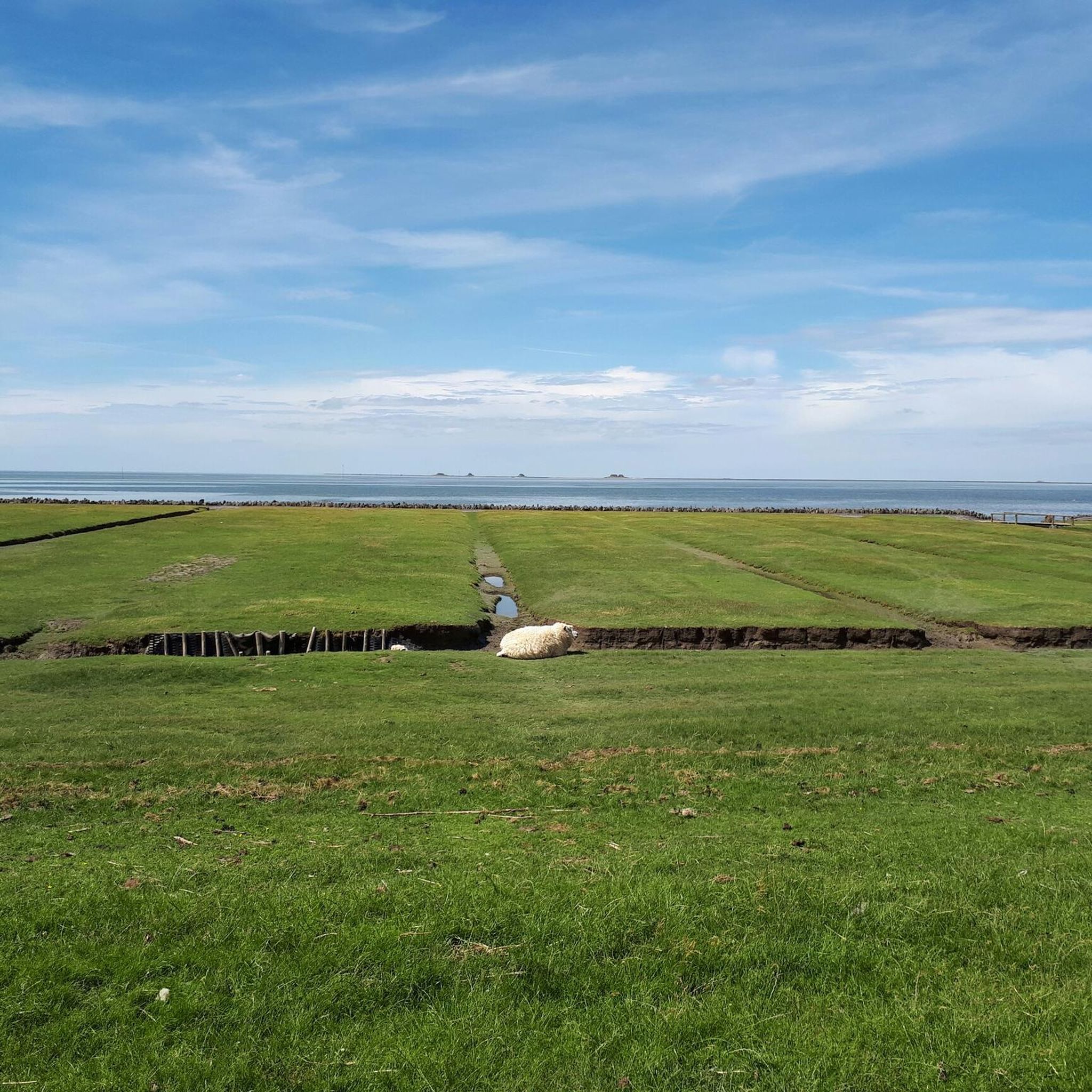
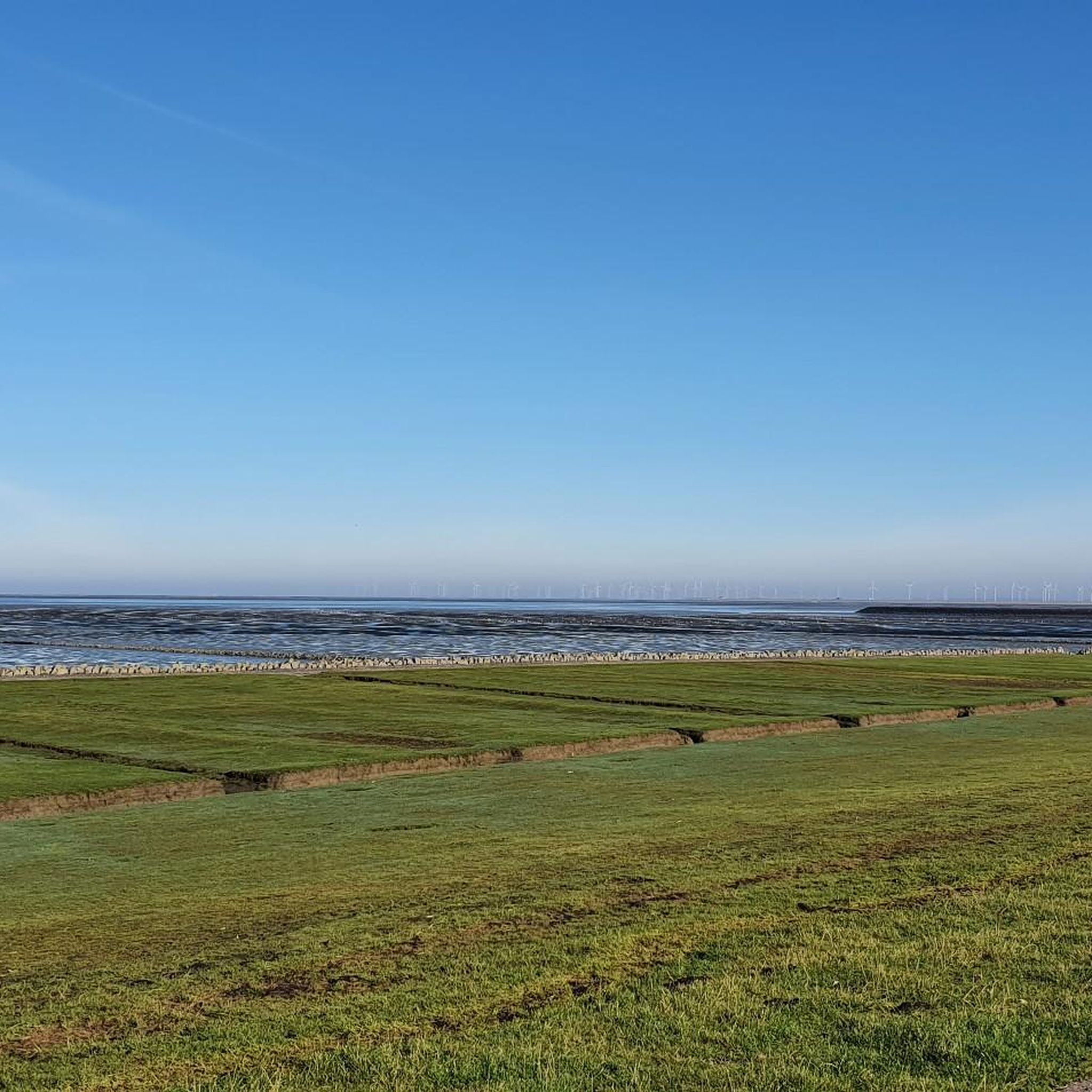
Salt marshes in Beltringharder Koog
Highlight • Natural
Translated by Google •
Tip by

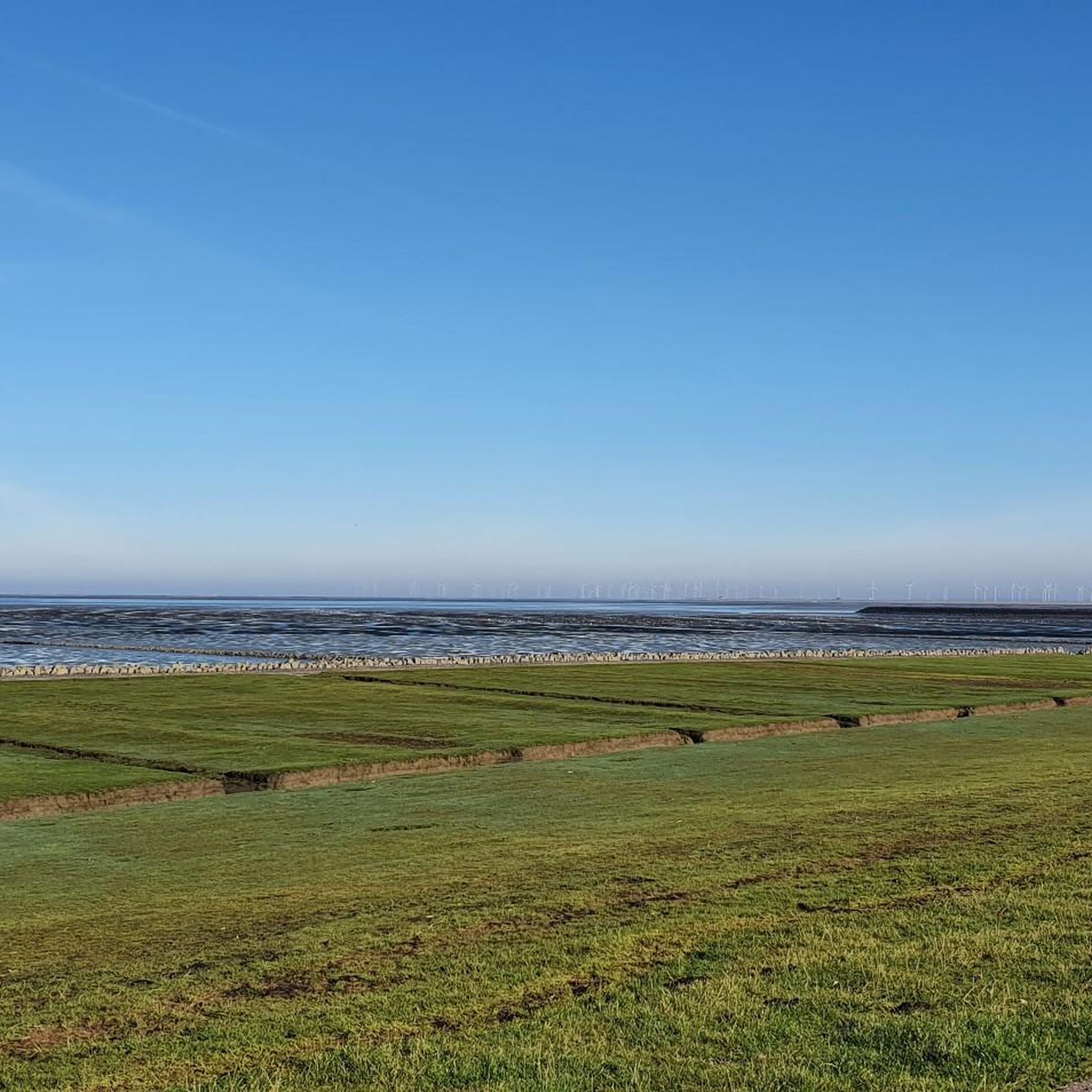
Beltringharder Koog Nature Reserve
Highlight • Natural Monument
Translated by Google •
Tip by

Sign up now to discover places like this
Get recommendations on the best single tracks, peaks, & plenty of other exciting outdoor places.
Sign up for free
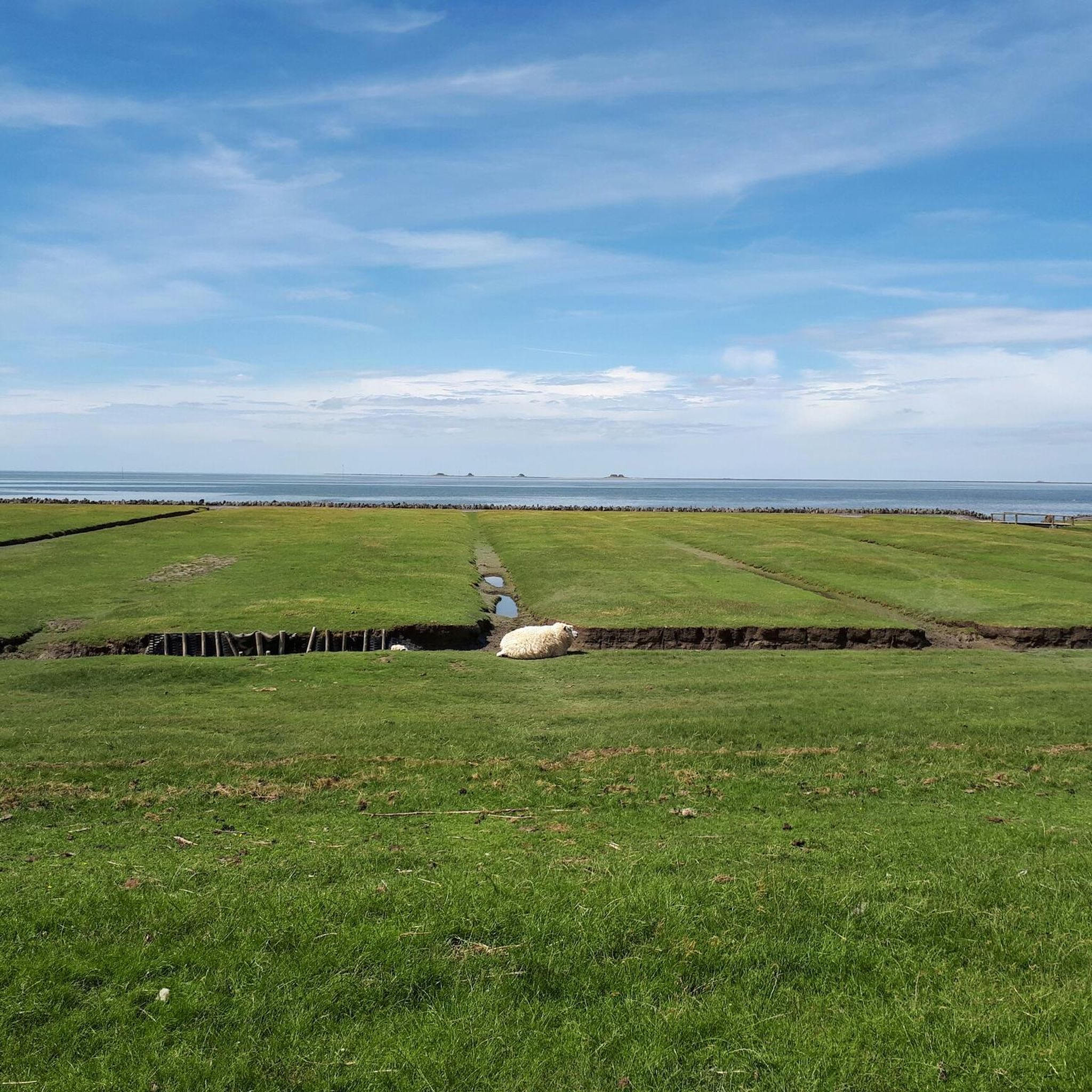
Wester-Spätinge Nature Reserve
Highlight • Natural Monument
the current outer dike was built in 1579 to protect against storm surges and land reclamation.
The dike …
Translated by Google •
Tip by

Wester-Spätinge Nature Reserve
Highlight • Natural Monument
The history of Wester-Spätinge dates back to the 16th century. For protection
the current …
Translated by Google •
Tip by
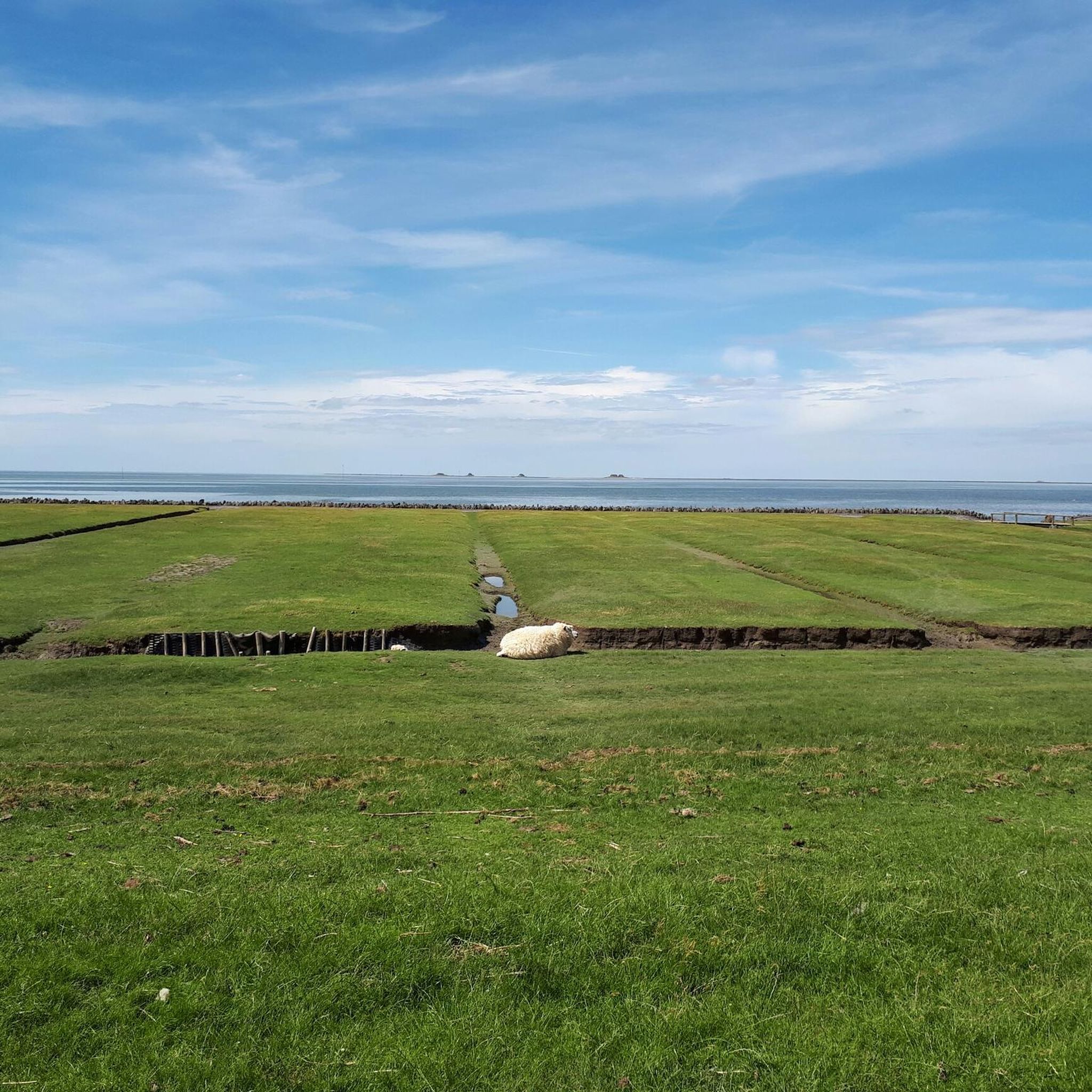
Lüttmoordamm Birdwatching Hide
Highlight • Viewpoint
Translated by Google •
Tip by

Sign up for free to discover even more lakes around Elisabeth-Sophien-Koog.
Sign up for free
Already have an account?
Start today with a free account
Your next adventure awaits.
Login or Signup
Tips from the Community

Don't forget your binoculars for bird watching
0
0

Very nice viewing hut. Overlooks a headland in the water near the hut, so if you sit for a while you can see all kinds of waders passing by. Also seen and special ducks. Also after the hut, towards the mudflats, there is water on the right with land nearby, giving you a good view of various birds from the road. Eagle also seen. In July...
1
0

The Beltringharder Koog is the largest nature reserve on the mainland of Schleswig-Holstein and covers around 3,350 hectares. It is located near the Nordstrand Bay and was dammed in 1987 as part of a coastal protection project. Originally designed as a retention area for floods, the Koog has developed into an important habitat for many bird species and is now a true paradise for nature lovers and ornithologists. The diverse landscape of the Beltringharder Koog includes saltwater lagoons, wet meadows and wilderness areas. These different biotopes provide an ideal habitat for numerous plant and animal species. Countless waders and water birds can be observed here, especially during the migration periods in spring and autumn. There are numerous ways for visitors to explore the Beltringharder Koog. Well-developed walking and hiking trails lead through the area and provide impressive views of nature. There are also bird watching huts that offer an undisturbed view of the wildlife. The West Coast Integrated Station also offers informative exhibitions and guided tours that provide deeper insights into nature conservation and the ecology of the region. The Beltringharder Koog is an outstanding example of successful coastal and nature conservation in Germany. It not only offers valuable protection from storm surges, but also an important refuge for endangered animal and plant species. For nature lovers and bird watchers, the Koog is a worthwhile destination that offers unique nature experiences.
0
0
The salt marshes in the Beltringharder Koog are an important nature reserve in Schleswig-Holstein. The Koog, embanked in 1987, covers an area of around 3,350 hectares and is the largest nature reserve on the Schleswig-Holstein mainland. Originally part of the Wadden Sea, the Koog was embanked to reclaim land and provide coastal protection. The entire area has been a nature reserve since 1991, with a particular focus on preserving and promoting the native flora and fauna. The salt marshes in the Beltringharder Koog offer a unique habitat for numerous species of birds and other animals. These zones are particularly important for breeding birds such as bitterns, rails and reed warblers. Rare species such as whinchats, bluethroats and bearded tits also find ideal conditions here. The salt marshes are formed by sediment deposits that are washed into the mudflats by the tides. Over time, plants such as glasswort and sea lavender grow, which characterize the salt marshes. For visitors, the Beltringharder Koog offers numerous hiking and cycling trails that lead through the varied landscape. There are observation huts along the Lüttmoor dam from which you can observe the wildlife. The Koog is also a popular destination for bird watchers, especially during the migration periods in spring and autumn. The Beltringharder Koog is therefore not only an important place for nature conservation, but also an attractive destination for nature lovers and those seeking relaxation who want to experience the diverse landscape and rich wildlife of the Wadden Sea.
1
0

Birds can be observed here
2
0

beautiful view of the Wadden Sea
4
2

The wide view is indescribably beautiful!
7
4
Frequently Asked Questions
What kind of 'lakes' can I expect to find around Elisabeth-Sophien-Koog?
The 'lakes' in Elisabeth-Sophien-Koog are primarily unique bodies of water formed through historical land reclamation and coastal protection efforts. You'll find saltwater lagoons, freshwater ponds created by human intervention (like clay extraction for dike building), and reclaimed wetland areas, rather than traditional natural lakes. These areas offer distinct ecosystems and are often significant bird sanctuaries.
Are there any family-friendly 'lakes' or natural areas to visit?
Yes, several areas are suitable for families. The Beltringharder Koog Nature Reserve and Lüttmoorsee Saltwater Lagoon are both marked as family-friendly. The Wester-Spätinge Nature Reserve, with its flat ponds, also offers a chance to observe nature. These locations provide opportunities for gentle walks and birdwatching.
What natural features are prominent around these 'lakes'?
The prominent natural features are the coastal landscape, extensive dike systems, and the unique ecosystems of the Wadden Sea National Park. You'll encounter diverse habitats including salt and freshwater areas, floodplains, swamps, and wetlands. These areas are crucial for a variety of flora and fauna, especially wading and water birds.
What is the best time to visit the 'lakes' and natural reserves?
The region is beautiful year-round, but spring and autumn are particularly good for birdwatching due to migration. Summer offers pleasant weather for walking and cycling along the dikes. Even in winter, the coastal landscape has a unique charm, though some facilities might have reduced hours.
Can I go birdwatching near the 'lakes'?
Absolutely, birdwatching is a major attraction. The Lüttmoorsee Saltwater Lagoon is a significant bird sanctuary. You can also visit the Lüttmoordamm Birdwatching Hide, one of several freely accessible hides in the area, to observe the diverse birdlife in the Beltringharder Koog. The Wester-Spätinge Nature Reserve is also an important breeding and resting area for birds.
Are there walking or cycling routes near these 'lakes'?
Yes, the dikes and coastal areas offer excellent opportunities for walking and cycling. You can find various routes, such as easy cycling tours like the 'View of Lorendamm Causeway – Wattenmeer Information Board loop' or running trails like the 'Beltringharder Koog Seaside loop'. For more options, explore the Cycling around Elisabeth-Sophien-Koog or Running Trails around Elisabeth-Sophien-Koog guides.
What is the historical significance of the 'lakes' in this region?
The history of these 'lakes' is deeply tied to land reclamation and coastal protection. For example, the Wester-Spätinge Nature Reserve's flat ponds were created from clay extraction for dike building in the 16th century. The Wehlen Ponds of Uelvesbüll are 'Wehlen' – bodies of water formed by storm surges that breached dikes. These features tell the story of human interaction with the sea.
What do visitors enjoy most about the Elisabeth-Sophien-Koog area?
Visitors appreciate the quiet, idyllic North Frisian landscape, the expansive views of the North Sea and Halligen, and the unique natural environment of the Wadden Sea National Park. Many enjoy the opportunities for birdwatching, gentle hikes, and cycling along the dikes, often encountering grazing sheep, cows, and goats. The sense of pure relaxation and the distinct coastal charm are frequently highlighted.
Are there any 'hidden gems' among the 'lakes' or natural areas?
While not exactly 'hidden,' the Wehlen Ponds of Uelvesbüll offer a particularly idyllic setting with picturesque thatched cottages and a unique history tied to storm surges, providing a tranquil experience away from more prominent birdwatching spots.
What kind of wildlife can I expect to see?
The region is rich in wildlife, especially birds. You can expect to see a wide variety of wading and water birds, as the areas serve as important breeding and resting grounds. Beyond birds, the diverse habitats support a unique animal and plant world adapted to both saltwater and freshwater environments.
Are there opportunities for road cycling near the 'lakes'?
Yes, the flat terrain and well-maintained dikes make the area suitable for road cycling. You can find routes like the 'Old Windmill Nordstrand – Fuhlehörn Beach and Viewpoint loop'. For more detailed routes, refer to the Road Cycling Routes around Elisabeth-Sophien-Koog guide.
Most popular routes around Elisabeth-Sophien-Koog
Most popular attractions around Elisabeth-Sophien-Koog

Get inspired with the komoot mobile app


Explore more
Still not found your perfect lake around Elisabeth-Sophien-Koog? Check out the guides of these regions to see even more beautiful places.
