Top 5 Caves around Ellscheid
Best caves around Ellscheid are found within the Vulkaneifel region, characterized by its volcanic lakes and extensive geological history. This area features a diverse range of subterranean sites, including natural karst formations and man-made lava cellars and millstone caves. These caves offer insights into the region's volcanic past, historical mining activities, and prehistoric human presence. Visitors can explore these unique geological features near Ellscheid.
Best caves around Ellscheid
- The most popular caves is Falkenlay Stone Age Caves, a cave…
Last updated: October 13, 2026
Falkenlay Stone Age Caves
Highlight • Cave
Showing Translation
Tip by

The old Lippi
Highlight • Structure
Translated by Google •
Tip by

Sign up now to discover places like this
Get recommendations on the best single tracks, peaks, & plenty of other exciting outdoor places.
Kobesloch Hut – View over the Lieser Valley
Highlight • Mountain Hut
Translated by Google •
Tip by
Goldglück Former Lead Mine
Highlight • Historical Site
Niederstadtfeld, Niederstadtfeld municipality
description
[...] The mine that was operated in the previous century should not go unmentioned. The field names "Am Bleiofen" and "An der Bleireinigung" …
Translated by Google •
Tip by

Gillenfeld Mariengrotte
Highlight • Religious Site
Translated by Google •
Tip by

Start today with a free account
Your next adventure awaits.
Popular around Ellscheid
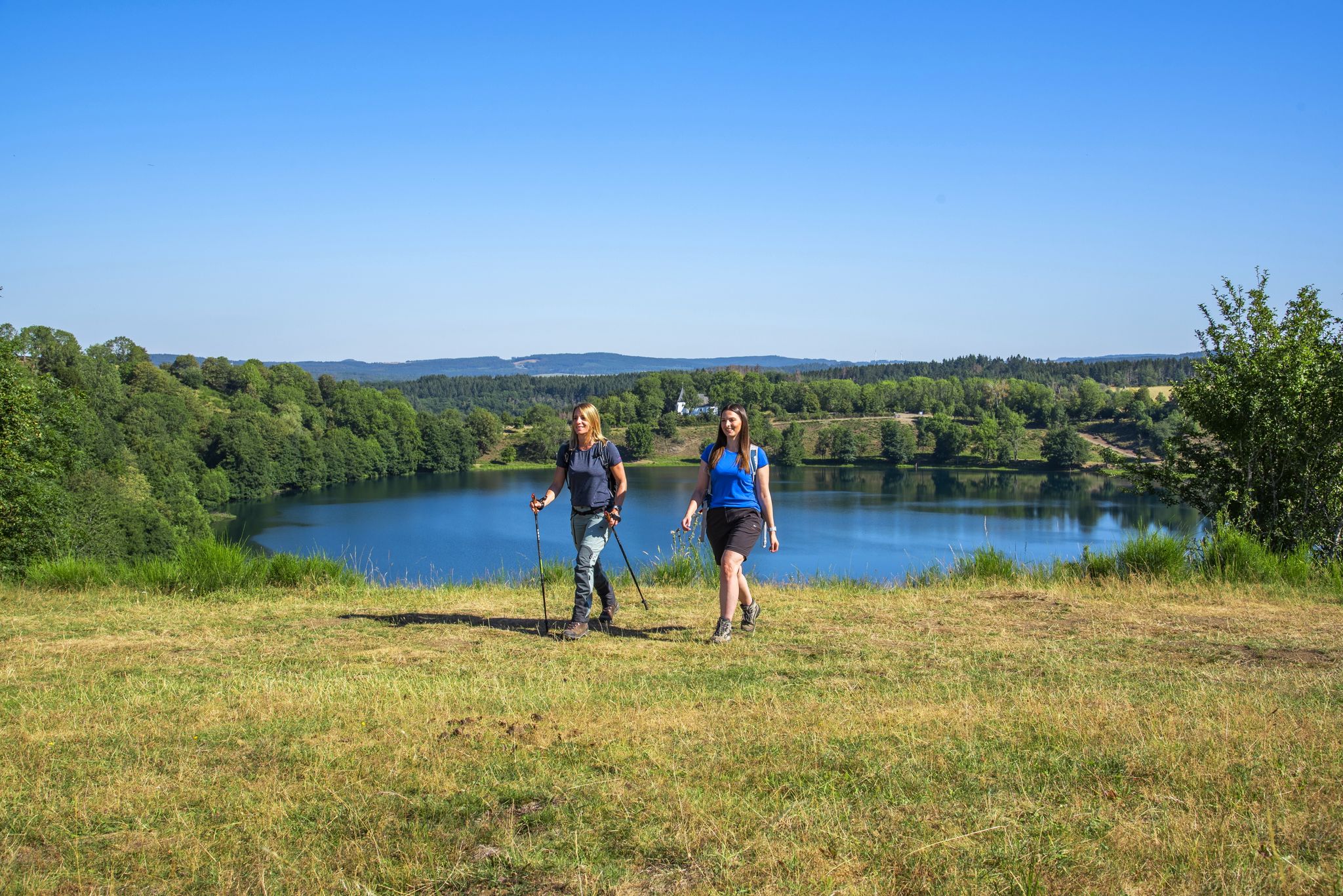
Excellent paths in the Vulkaneifel – Explore the HeimatSpuren
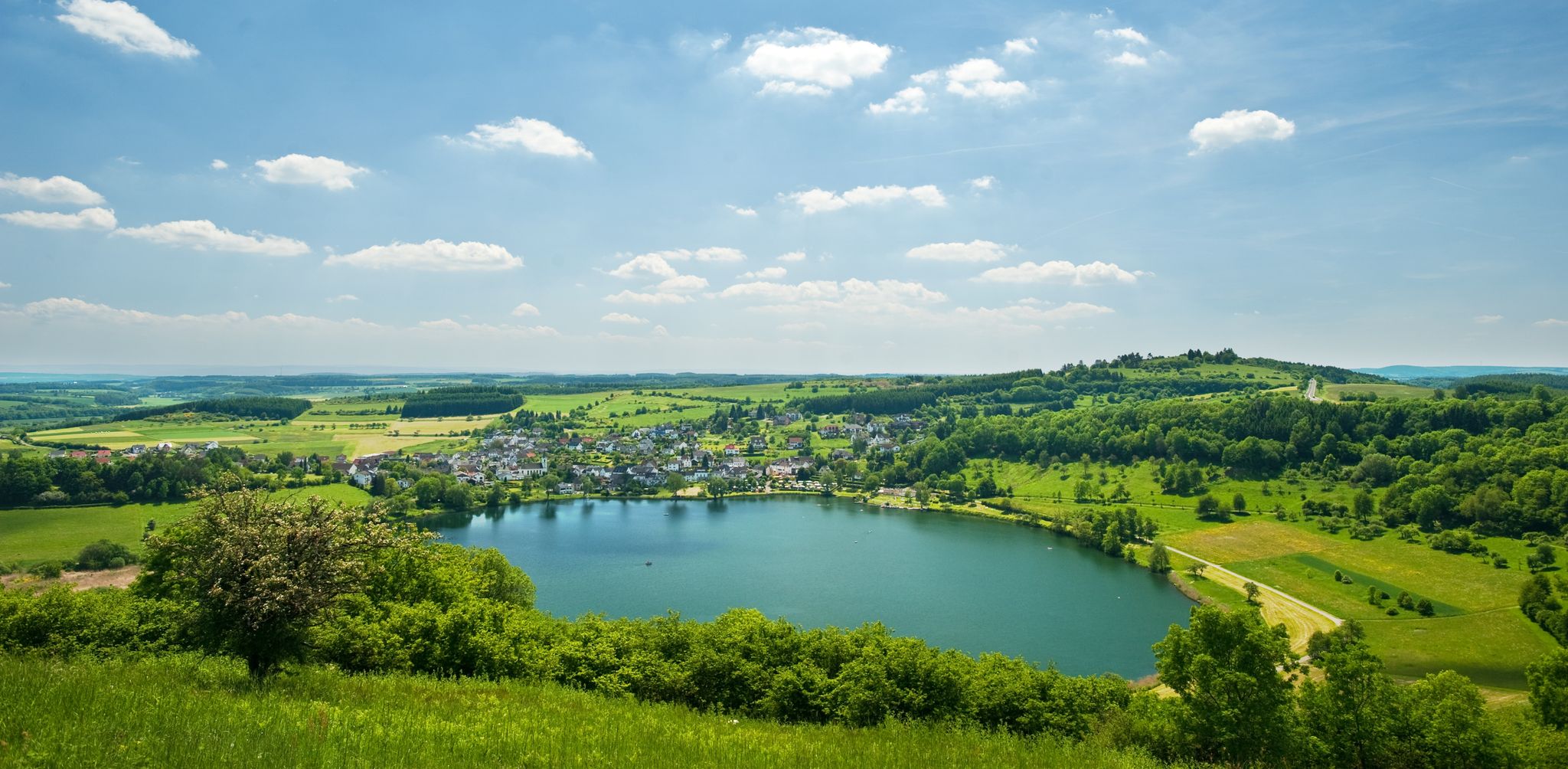
Lava pits & fairytale lakes – hiking through Vulkaneifel in Germany
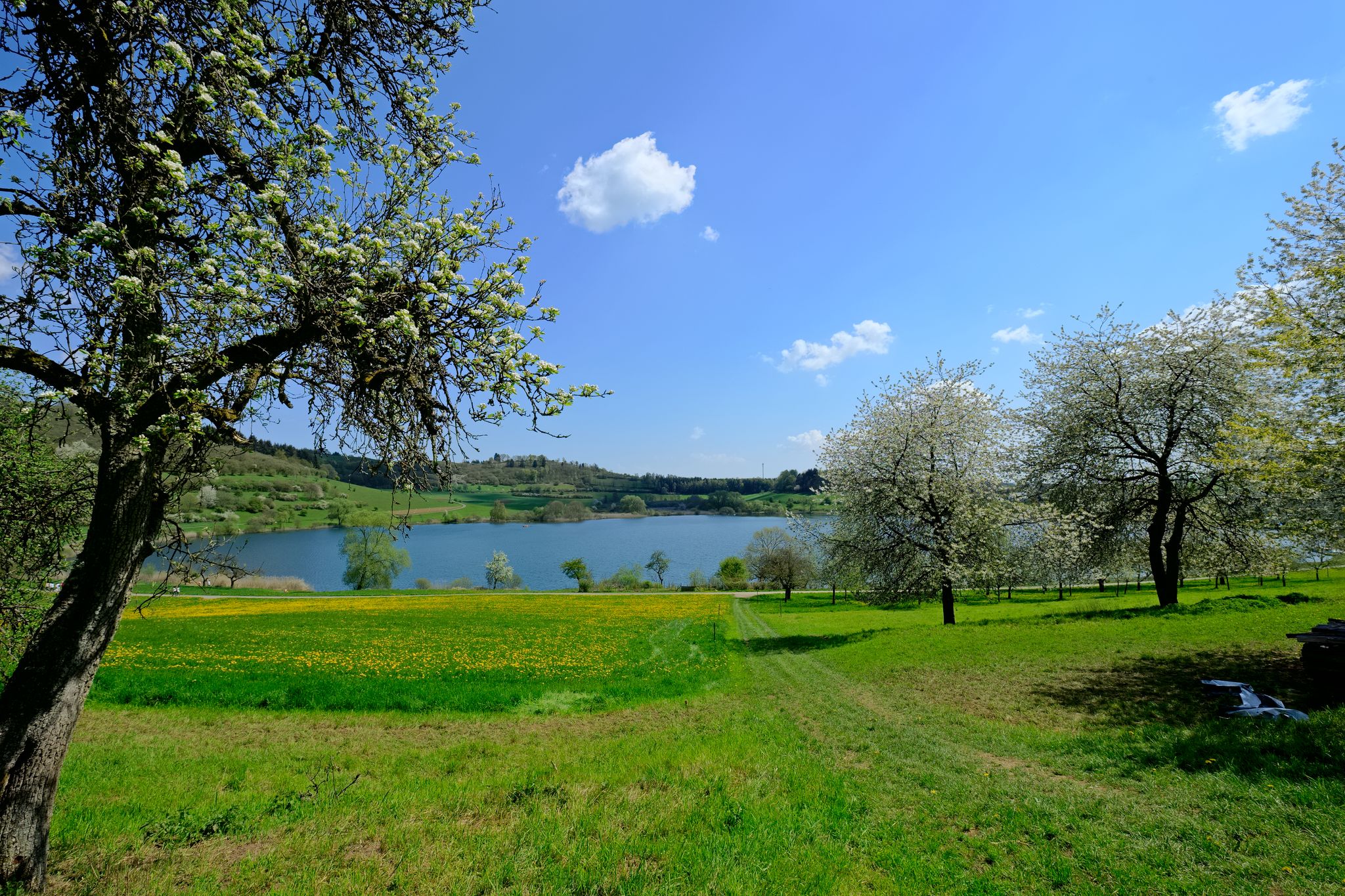
4 days of pure geological history — a tour through the Volcanic Eifel
Hiking around Ellscheid
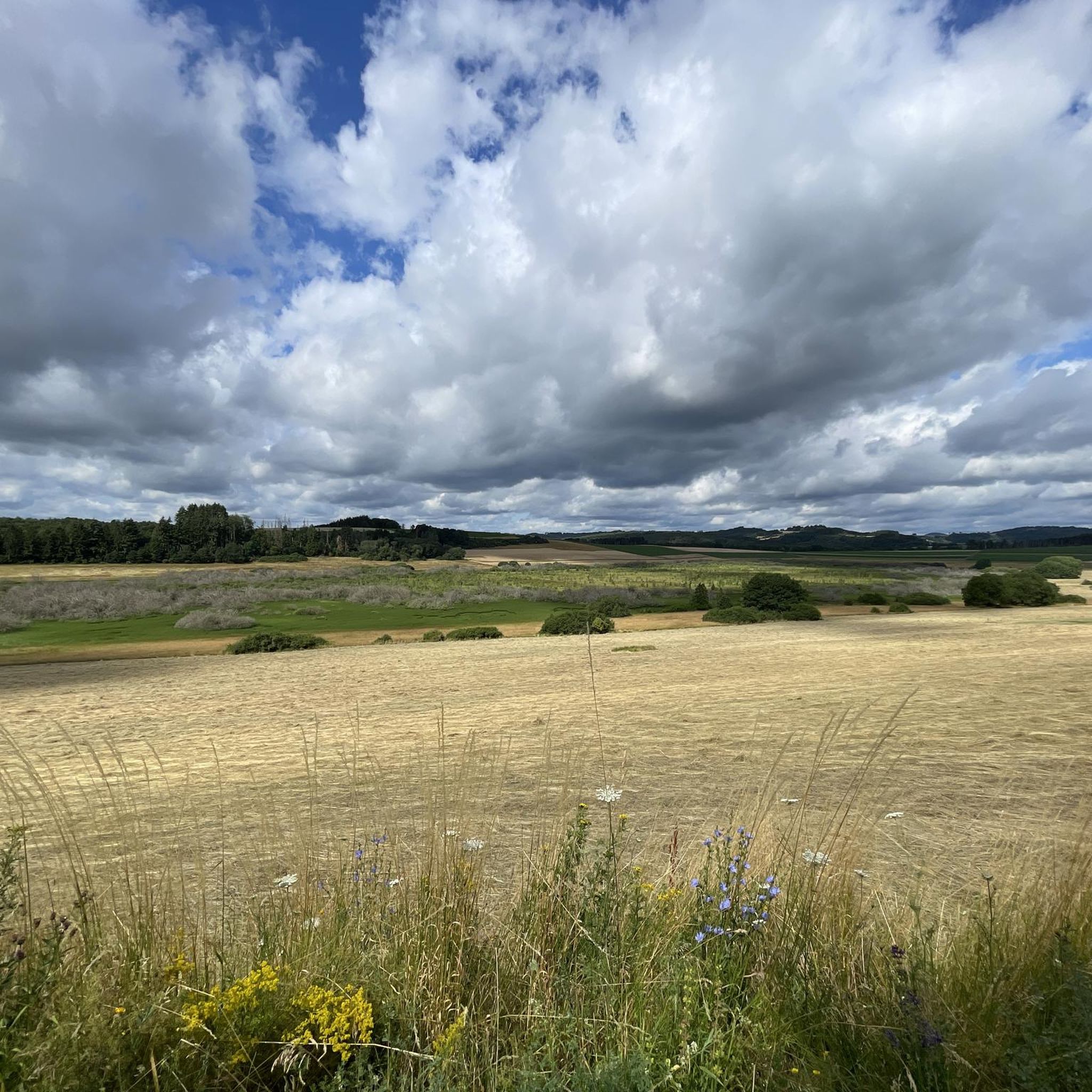
Cycling around Ellscheid
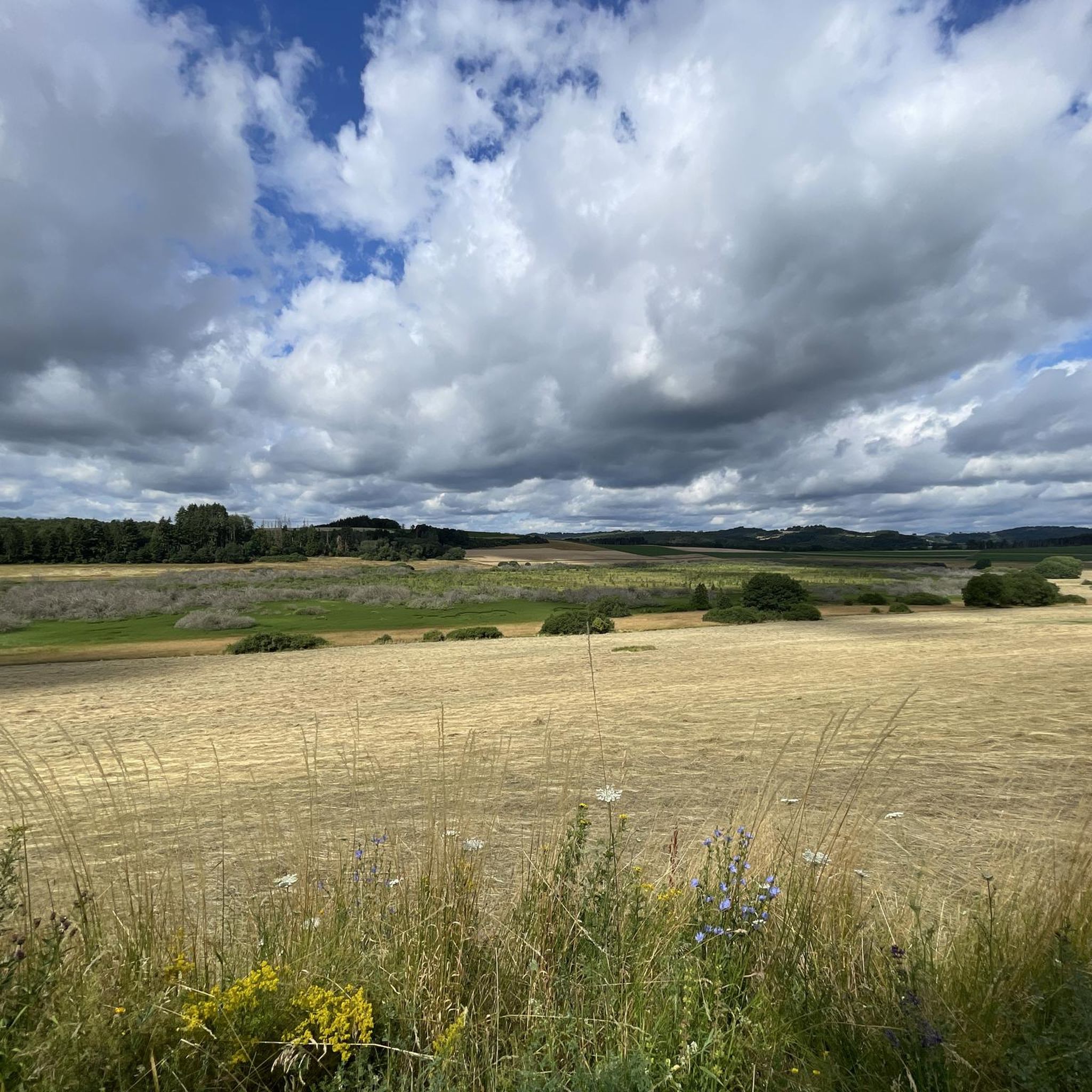
Road Cycling Routes around Ellscheid
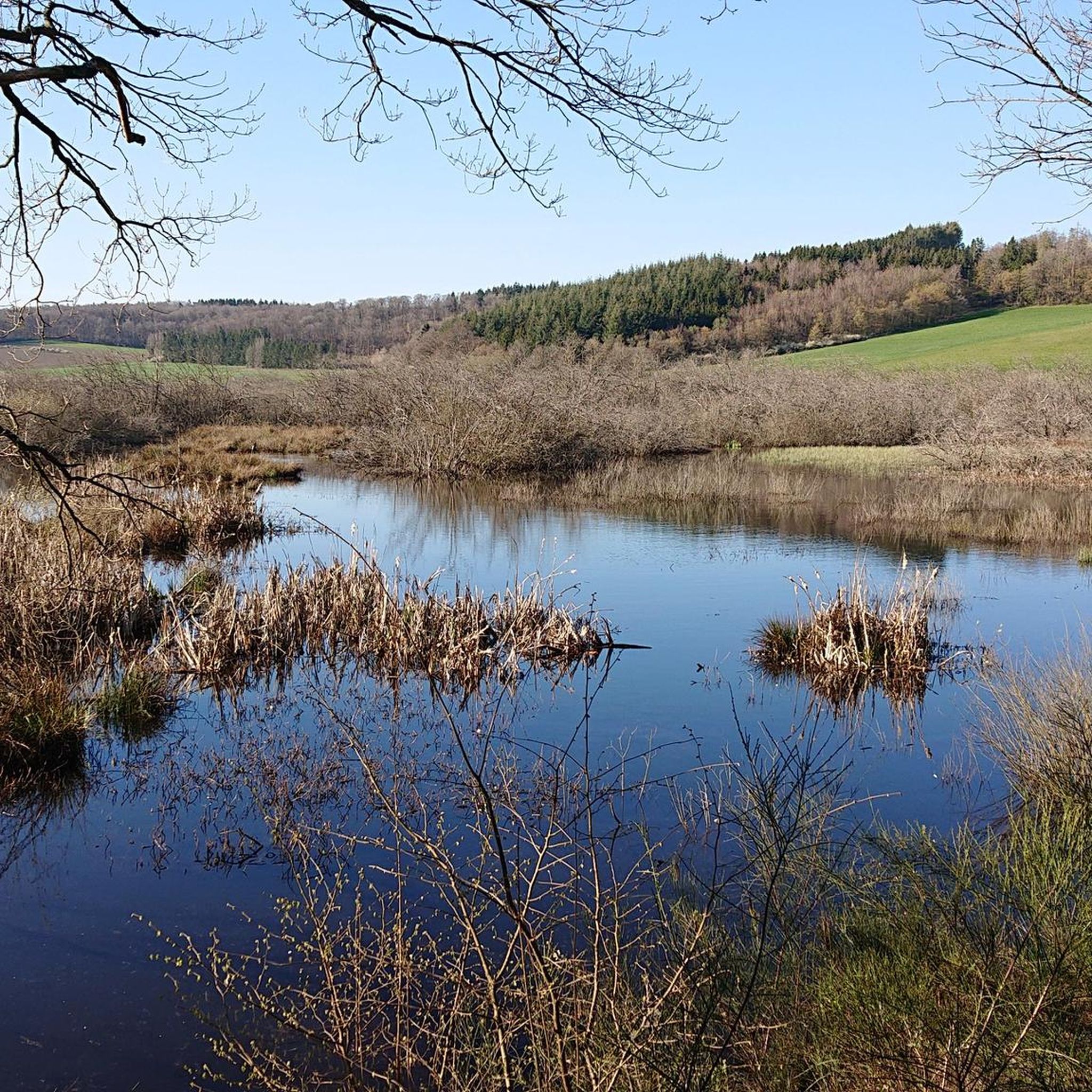
MTB Trails around Ellscheid
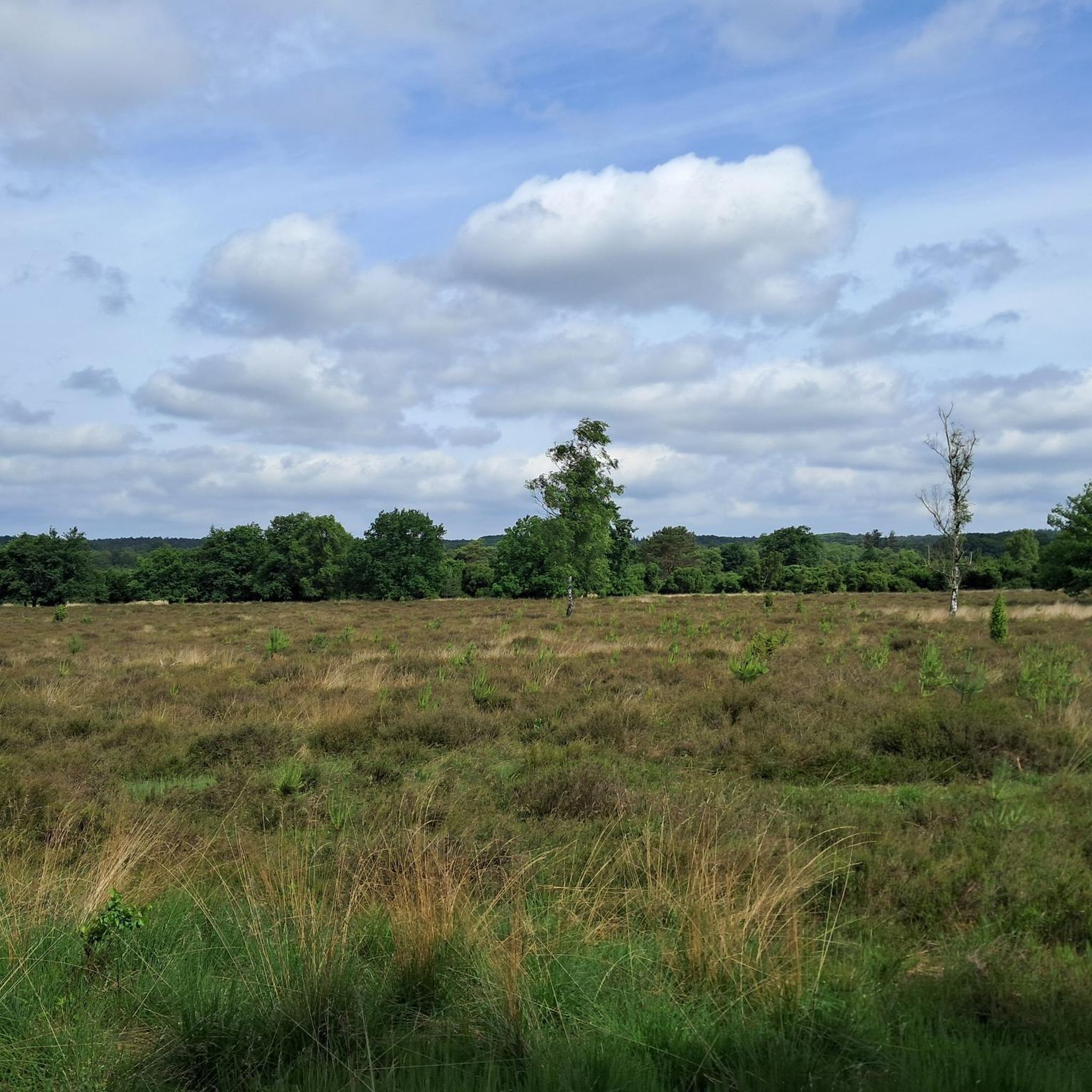
Gravel biking around Ellscheid
Running Trails around Ellscheid
Mountain Hikes around Ellscheid
Other adventures around Ellscheid


Tips from the Community

The success of the film "Tatort Falkenlay" inspired the idea of building a concrete replica of the main character, the old Lippi, for the film crew, the community, and guests. Apparently, it's located in the cave of events, and so the idea was born! What should it look like? He prefers to indulge in his favorite pastime: relaxing around the campfire! A friendly neighbor lent his face and hands to create lifelike casts. They constructed the upper body skeleton from strong wire. The legs were made from plumbing pipes and attached to the body. Now the hard work began. Everything had to be filled with scrap paper, wrapped several times, and then rewired. After dressing Lippi in old pants, they could begin the concrete work. Now the fine details of the body were modeled. The head, face, hands, and feet, which had been pre-cast, were placed in their designated places. The masterpiece was complete! With the kind support of the Kennfus volunteer fire department, Lippi then moved to his cave beneath the Falkenlay!
1
0


There is so much to discover on this section
1
1

If you want to enjoy a very personal view, you can take a small, secured steep path to the left of the hut to the actual Kobesloch. The path is not long, but you should be sure-footed and not afraid of heights. A must for climbing enthusiasts.
3
0

The Kobesloch and the associated hut give us the last kick: A steep, steel cable-secured path leads to the Kobesloch - space for two - that's all the path and the hole offers. This change is just great.
5
0

Caves and a nice rest area with information board
2
0

Beautiful and wide panoramic view
5
0

I really liked the story of the cave under the Kobeslochhütte. I haven't looked at the cave, but I find it very exciting.
2
0
Frequently Asked Questions
What types of caves can I explore in the Vulkaneifel region near Ellscheid?
The Vulkaneifel region offers a diverse range of subterranean sites. You can find natural karst caves like the Buchenloch Cave in Gerolstein, man-made lava cellars from basalt mining such as the Lava Cellars in Mendig, and historical millstone caves like the Millstone Cave at Nerother Kopf. There are also Stone Age caves, such as the Falkenlay Stone Age Caves, which show evidence of ancient human habitation.
Are there any caves with historical significance in the area?
Yes, several caves have significant historical value. The Falkenlay Stone Age Caves were inhabited by Stone Age hunters between 4000 and 2000 BC. The Lava Cellars in Mendig were used for centuries for basalt mining and later for beer storage. The Millstone Cave at Nerother Kopf showcases medieval millstone quarrying, and the Buchenloch Cave in Gerolstein has archaeological findings from Neanderthals and served as a WWII shelter. Additionally, the Goldglück Former Lead Mine has Roman origins and was also used as a bunker during wartime.
Which caves are suitable for families with children?
The Falkenlay Stone Age Caves are noted as family-friendly, with several smaller caves inviting exploration. The Kobesloch Hut – View over the Lieser Valley also features a cave and is a nice spot for a family break. The Gillenfeld Mariengrotte is another family-friendly site.
What unique geological features can I expect to see in these caves?
The region's volcanic history means you'll encounter caves formed from basalt mining, like the Lava Cellars in Mendig, which maintain a consistently cool temperature due to a 'cold trap effect.' The Millstone Cave at Nerother Kopf and the Birresborn Ice Caves are known as 'ice caves' because they can preserve ice and icicles well into summer. The Buchenloch Cave in Gerolstein, a natural karst cave, features impressive rock formations, including calcite and dolomite deposits.
Are there any 'ice caves' near Ellscheid?
Yes, the Vulkaneifel region features several 'ice caves.' The Millstone Cave at Nerother Kopf and the Birresborn Ice Caves are known for their consistently low temperatures (between -1°C and +6°C) that can preserve ice and icicles even in warmer months. These are man-made tunnels resulting from historical basalt and millstone quarrying.
Can I visit the Birresborn Ice Caves year-round?
No, the Birresborn Ice Caves are closed during the bat protection period, which typically runs from October to March. This closure protects various bat species that use the caves as a vital winter habitat. Visitors should check local information for exact opening times outside of this period.
What should I wear or bring when visiting caves in the Vulkaneifel region?
Due to the consistently cool temperatures inside many of the caves, even in summer, it's advisable to wear warm clothing. Sturdy shoes are recommended for walking on uneven terrain. A torch or flashlight is also highly recommended for better visibility, especially in less illuminated areas like the Millstone Cave at Nerother Kopf or the Buchenloch Cave.
Are there hiking opportunities near the caves?
Yes, many caves are accessible via hiking trails. For example, the Falkenlay Stone Age Caves can be reached via the 'Geo-Route Bad Bertrich' hiking trail. The Buchenloch Cave in Gerolstein is accessible via trails like the 'Gerolsteiner Felsenpfad' and the Eifelsteig. For more hiking options in the broader area, you can explore Mountain Hikes around Ellscheid or Running Trails around Ellscheid.
What other outdoor activities can I do near these caves?
Beyond hiking, the Vulkaneifel region offers various outdoor activities. You can find numerous mountain biking trails, such as those detailed in MTB Trails around Ellscheid. The volcanic landscape also provides opportunities for exploring maars (volcanic lakes) and scenic viewpoints, often integrated into hiking or cycling routes.
What is 'The old Lippi' and where can I find it?
The old Lippi is a unique man-made installation within a cave, featuring a concrete replica of a local character depicted around a campfire scene. It was created as a tribute to a film crew and is located beneath the Falkenlay, offering a quirky and memorable discovery for visitors.
Are there any caves that are particularly good for photography?
The Lava Cellars in Mendig, with their cathedral-like halls and historical basalt mining structures, offer dramatic photographic opportunities. The Buchenloch Cave in Gerolstein, with its natural rock formations and varying light, can also be very photogenic. The 'ice caves' like the Millstone Cave at Nerother Kopf provide unique subjects when ice formations are present.
Most popular routes around Ellscheid
Most popular attractions around Ellscheid

Get inspired with the komoot mobile app


Explore more
Extend your search for the best caves by checking out these guides of the top ones around Ellscheid:
