Top 20 Lakes around Teuschnitz
Best lakes around Teuschnitz are primarily found within the surrounding Franconian Forest region, offering diverse aquatic experiences. The area is characterized by forested hills and valleys, with notable bodies of water serving as both drinking water reservoirs and recreational spots. These lakes contribute to flood protection and provide opportunities for hiking, cycling, and family-friendly activities. The region's natural features make it a destination for outdoor enthusiasts seeking tranquility and natural beauty.
Best lakes around Teuschnitz
- The most popular lakes is…
Last updated: June 27, 2026
Göpelschacht Shaft Complex, Lehesten
Highlight • Monument
The Göpel shaft system was …
Translated by Google •
Tip by

Lehesten Slate Quarry Industrial Heritage Site
Highlight • Monument
Translated by Google •
Tip by
Sign up now to discover places like this
Get recommendations on the best single tracks, peaks, & plenty of other exciting outdoor places.
Sign up for free
Ködel Reservoir Water Intake Tower
Highlight • Monument
Translated by Google •
Tip by

Ködel Reservoir
Highlight • Lake
Translated by Google •
Tip by

Ködel Dam
Highlight • Lake
Translated by Google •
Tip by

Sign up for free to discover even more lakes around Teuschnitz.
Sign up for free
Already have an account?
Start today with a free account
Your next adventure awaits.
Login or Signup


Tips from the Community

This is the former Lehesten roofing slate opencast mine. Its dimensions alone are impressive; along with the nearby Oertelsbruch, it was one of the largest slate quarries on the continent (approximately 800 m long, 300 m wide, and up to 80 m deep). Source: Wikipedia
10
1

A beautiful region 🤩 If you like, you can also take a detour to the Alvater Tower.
20
2

In the "Land of Blue Gold," as the slate is called here because of its distinctive color, the tradition of Thuringian-Franconian slate mining can still be experienced today. This extraordinary industrial complex, located at what was once one of Europe's largest open-cast slate mines, provides a hands-on experience of the history and processing of slate. The entire Staatsbruch Slate Park area is a nature reserve. 170 Red List species have now been confirmed to have settled in this partially inaccessible area.
23
1
The Göpel shaft system, unique in Europe, is the heart of the “Historic Lehesten Slate Mining” monument ensemble and the trademark of the slate park. The Göpel shaft system was built around 1850, five years after the open-cast mine opened. On the north-west edge of the now closed and flooded roofing slate open-cast mine, the Göpel shaft was used to lift mined slate rock and thus stabilize the production flow. The rock was transported to the adjacent double-slitting hut and processed.
23
1

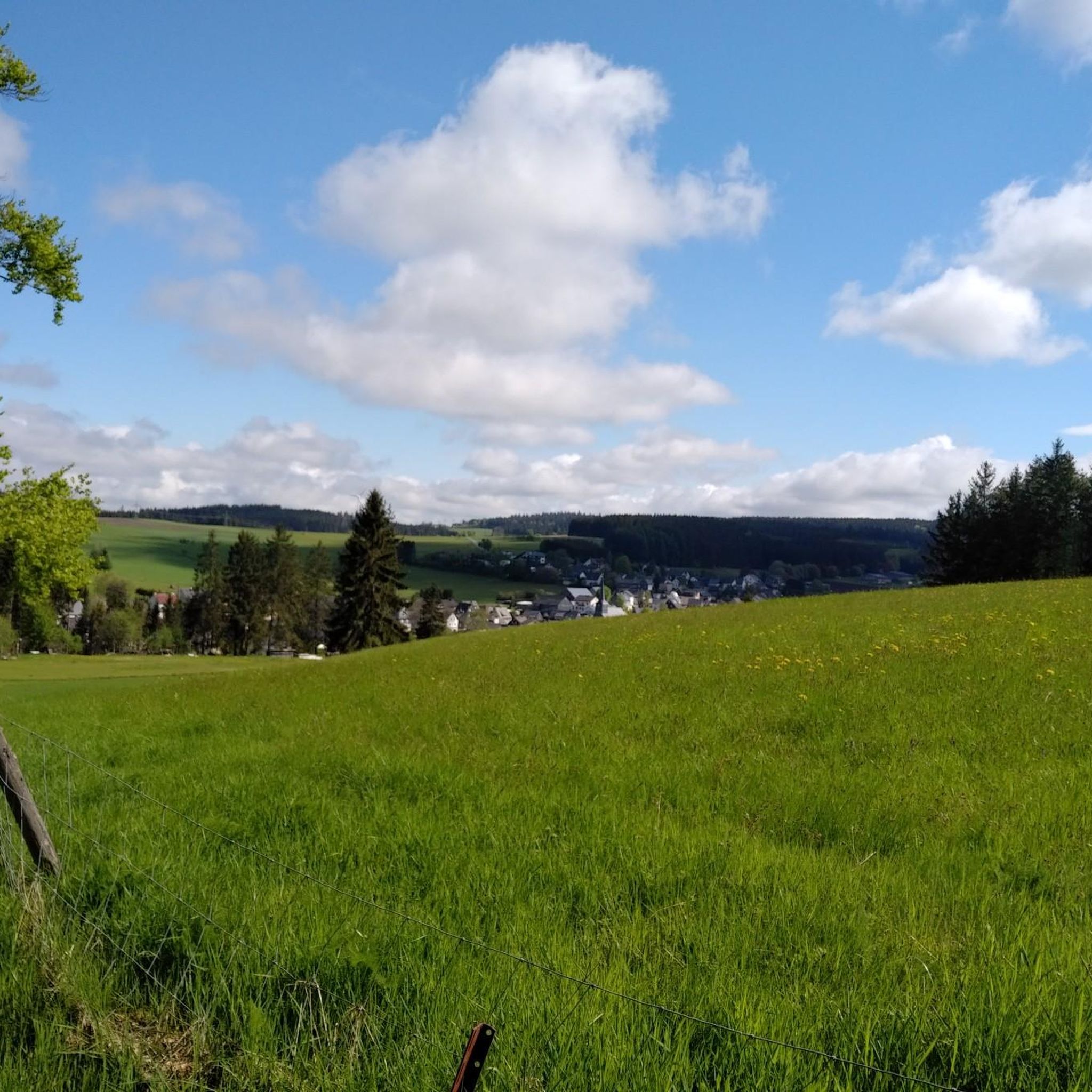
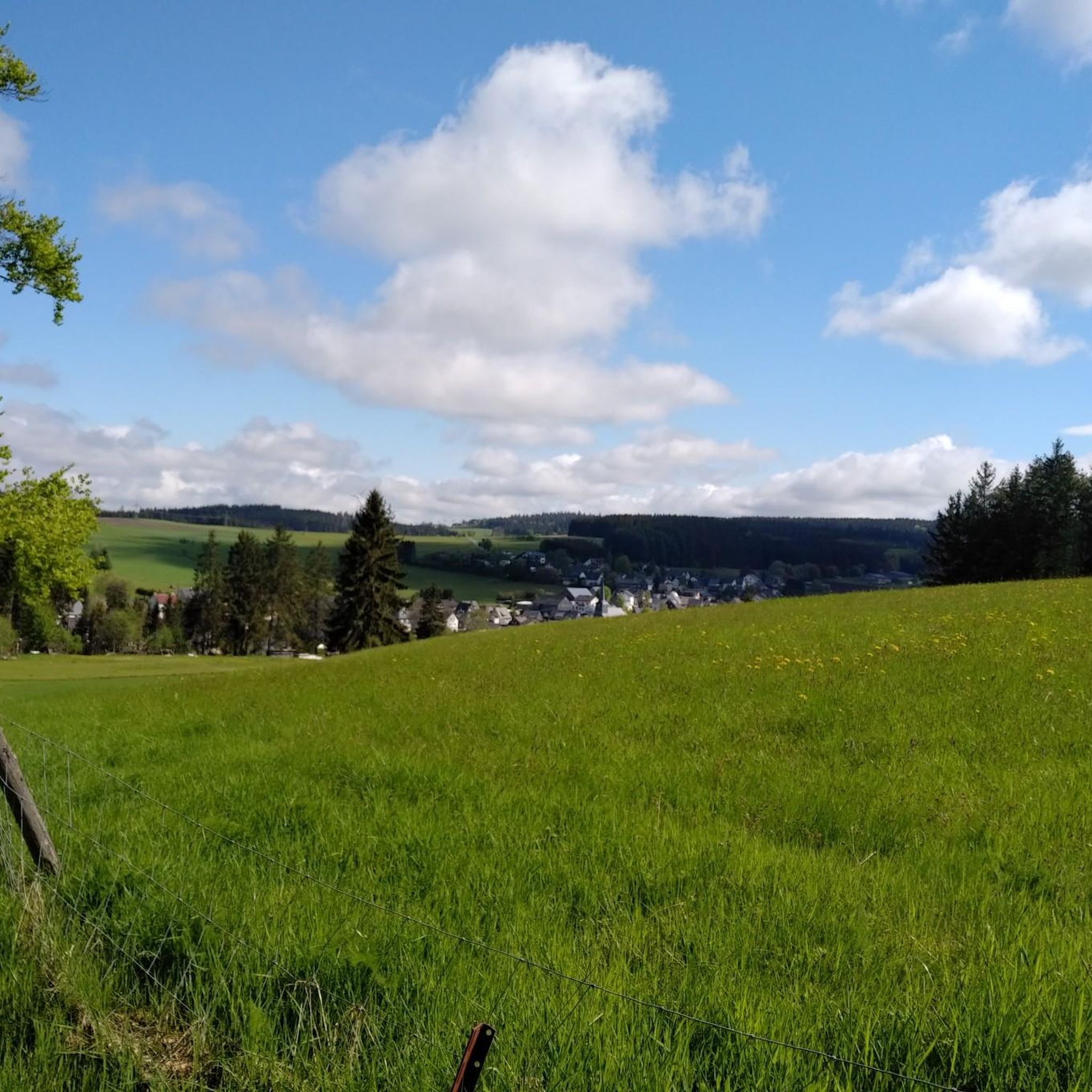
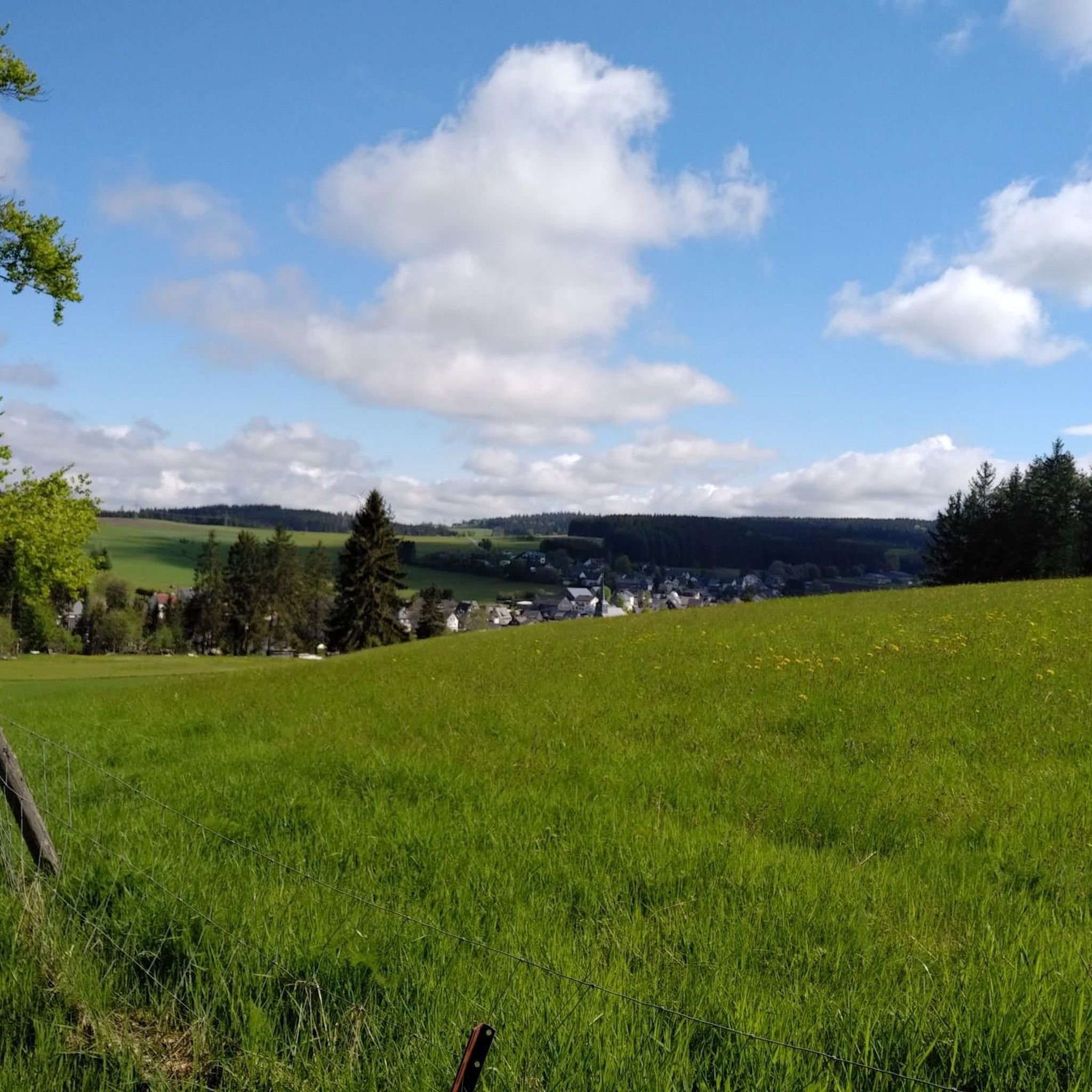
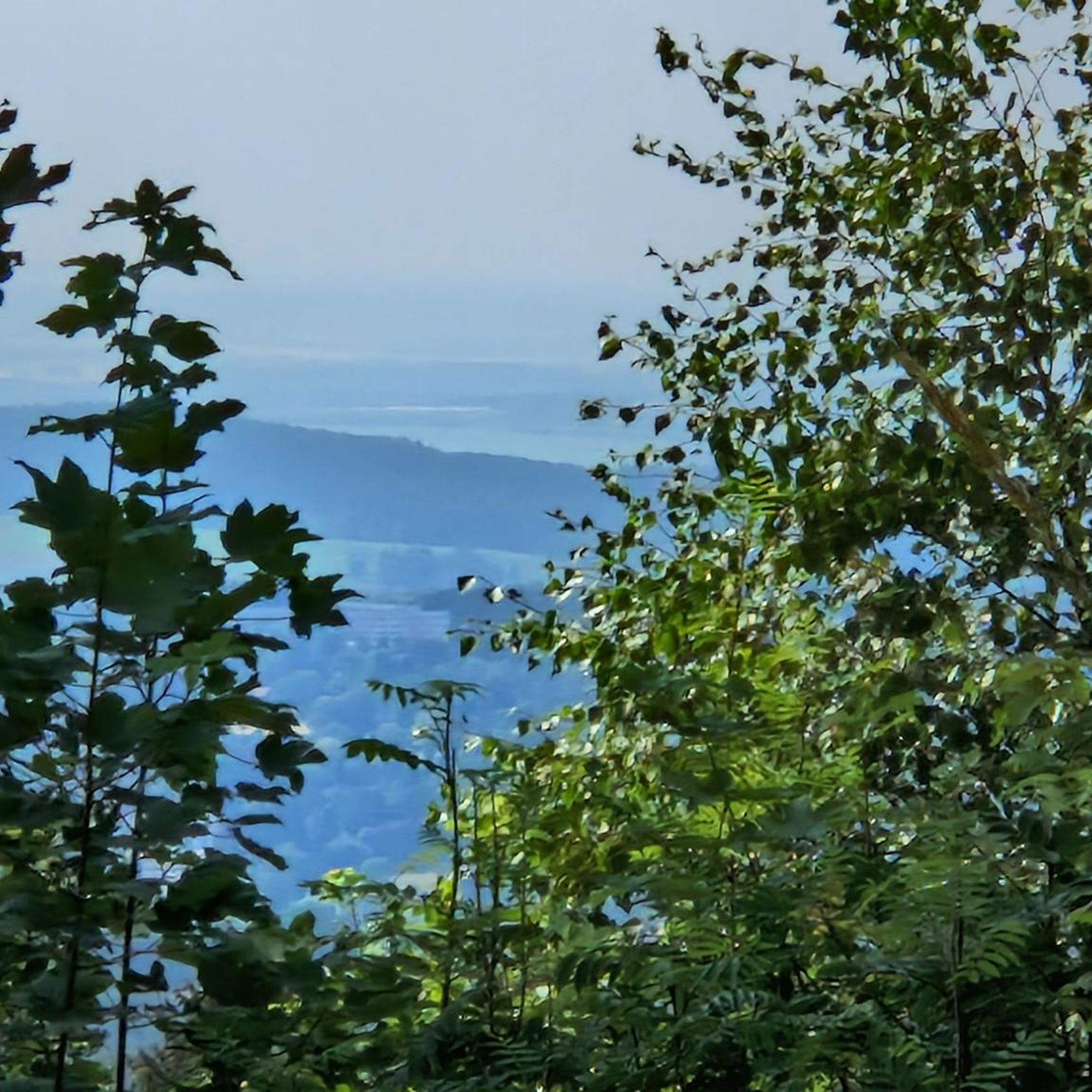
Beautiful views around the dam.
3
1

Be sure to visit and take enough time with you.
10
1

The drinking water dam Mauthaus - called "Ködeltalsperre" - is one of the largest of its kind in Bavaria. Around the "Frankenwaldfjord" leads an approx. 11.5 km long paved path, which is ideal for hiking, cycling or inline skating. The drinking water dam Mauthaus is located in the valley of the Nurner Ködel, a tributary to the Rodach, about 20 kilometers northeast of Kronach. It was built from 1968 to 1972 to supply drinking water. As a secondary purpose, it serves to protect against flooding, raise low water levels and generate electricity from hydropower. It was put into operation in 1975 and was thus the first Bavarian drinking water dam. The body of water may not be used for water sports, which contributes significantly to the quality of drinking water. A bicycle rental is located in the Oberes Rodachtal tourist office in Steinwiesen, Kronacher Straße 75.
3
0

The blue water is simply magnificent. You have to go there at least once. Plan on ten kilometers for a walk around the dam! There are only a few short, gentle climbs along the route. The rest of the loop is fairly flat. 🤗
1
0
Frequently Asked Questions
What types of lakes can I find around Teuschnitz?
The region around Teuschnitz features diverse lakes. You'll find large drinking water reservoirs like the Ködeltalsperre, known for its scenic beauty and engineering, and smaller, family-friendly bathing lakes such as the Ölschnitzsee, which is ideal for recreation.
Are there family-friendly lakes in the Teuschnitz area?
Yes, the Ölschnitzsee is particularly family-friendly. It offers safe bathing areas, a large adventure playground, minigolf, and extensive sunbathing lawns. The Ködel Reservoir Water Intake Tower and Ködel Reservoir also have family-friendly paths suitable for walks.
What outdoor activities can I do around the lakes near Teuschnitz?
You can enjoy a variety of activities. The Ködeltalsperre has an 11.5-kilometer asphalt path perfect for hiking, cycling, and inline skating. At Ölschnitzsee, you can swim, pedal boat, play minigolf, or relax on the sunbathing lawns. For more extensive outdoor options, explore the many hiking trails and road cycling routes around Teuschnitz.
Are there specific hiking trails around the lakes?
Yes, the Ködeltalsperre features an approximately 11.5-kilometer-long asphalt path that encircles the reservoir, offering picturesque views and an easy-to-manage circular tour. The Ölschnitzsee also has round paths that allow visitors to enjoy the surrounding nature. For more hiking, consider the FrankenwaldSteigla Arnica Trail or the Teuschnitz-Aue Nature Trail.
What historical or cultural sites are near the lakes?
Near the lakes, you can visit the Lehesten Slate Quarry Industrial Heritage Site, a former open-cast slate mine that is now a nature reserve. It showcases the history of Thuringian-Franconian slate mining. Another significant site is the Göpelschacht Shaft Complex, Lehesten, a unique European monument from the slate mining era.
Is the Ködeltalsperre accessible for visitors?
Yes, the Ködeltalsperre is accessible. There is free parking available at the Mauthaus access point. The 11.5 km asphalt path around the reservoir is well-maintained and suitable for various activities, including cycling and inline skating, making it accessible for many visitors. The Ködel Reservoir Water Intake Tower is also noted as wheelchair accessible.
What amenities are available at Ölschnitzsee?
The Ölschnitzsee offers a range of amenities, including modern facilities with showers, changing rooms, and toilets. There's a lakeside hut ("Seehütte") providing drinks, snacks, and meals, along with a cocktail bar and terrace. You'll also find a natural Kneipp facility, e-bike charging stations, and free motorhome parking spaces. The area boasts barrier-free access to the lake.
Can I bring my dog to the lakes around Teuschnitz?
While the guide doesn't specify dog rules for every lake, it's generally advisable to check local regulations. For the Ködeltalsperre, as a drinking water reservoir, water sports and swimming are prohibited, and dogs might have restrictions. For other trails and areas, look for signage regarding leash rules, especially within the Frankenwald Nature Park.
What are the best viewpoints around the lakes?
The Ködel Reservoir Water Intake Tower offers a great viewpoint to observe the engineering of Bavaria's largest drinking water reservoir. The path around the Ködel Reservoir itself provides picturesque views of the "Frankenwaldfjord" and the surrounding forested hills. The Göpelschacht Shaft Complex, Lehesten also offers incredible views of the former slate quarry.
Is parking available at the lakes?
Yes, parking is available. For the Ködeltalsperre, free parking is offered at the Mauthaus access point. The Ölschnitzsee also provides free motorhome parking spaces, and general parking is available for visitors.
When is the best time to visit the lakes around Teuschnitz?
The lakes are generally enjoyable throughout the year. The Ölschnitzsee is considered a destination worth visiting year-round, offering bathing in warmer months and scenic walks in cooler seasons. The Ködeltalsperre's circular path is suitable for hiking and cycling from spring to autumn, and even in winter, if conditions allow, you might experience a fascinating soundscape of ice breaking.
What makes the Lehesten Slate Quarry Industrial Heritage Site unique?
The Lehesten Slate Quarry Industrial Heritage Site is unique because it's a former open-cast slate mine that has transformed into a nature reserve. It allows visitors to experience the history of Thuringian-Franconian slate mining firsthand, with clear water and diverse flora and fauna. It's also home to 170 Red List species, making it a significant ecological site.
Most popular routes around Teuschnitz
Most popular attractions around Teuschnitz

Get inspired with the komoot mobile app


Explore more
Still not found your perfect lake around Teuschnitz? Check out the guides of these regions to see even more beautiful places.
