Top 5 Caves around Weißdorf
Best caves around Weißdorf are found in a municipality located in Upper Franconia, Bavaria, Germany. Situated on the Saale River, Weißdorf lies at the northern edge of the Fichtel Mountains. This region offers a landscape characterized by its riverine setting and mountainous proximity, providing a backdrop for various natural and historical sites.
Best caves around Weißdorf
- The most popular caves is Quarkloch Cave, a cave that is either a rock crevice or the beginning of a mining tunnel. The…
Last updated: June 27, 2026
Quarkloch Cave
Highlight • Cave
Translated by Google •
Tip by

Rock cellars at Kellerhügel Großwendern
Highlight • Cave
Translated by Google •
Tip by
Sign up now to discover places like this
Get recommendations on the best single tracks, peaks, & plenty of other exciting outdoor places.
Sign up for free
Felsenkeller Meierhof
Highlight • Cave
Translated by Google •
Tip by
Start today with a free account
Your next adventure awaits.
Login or Signup
Tips from the Community

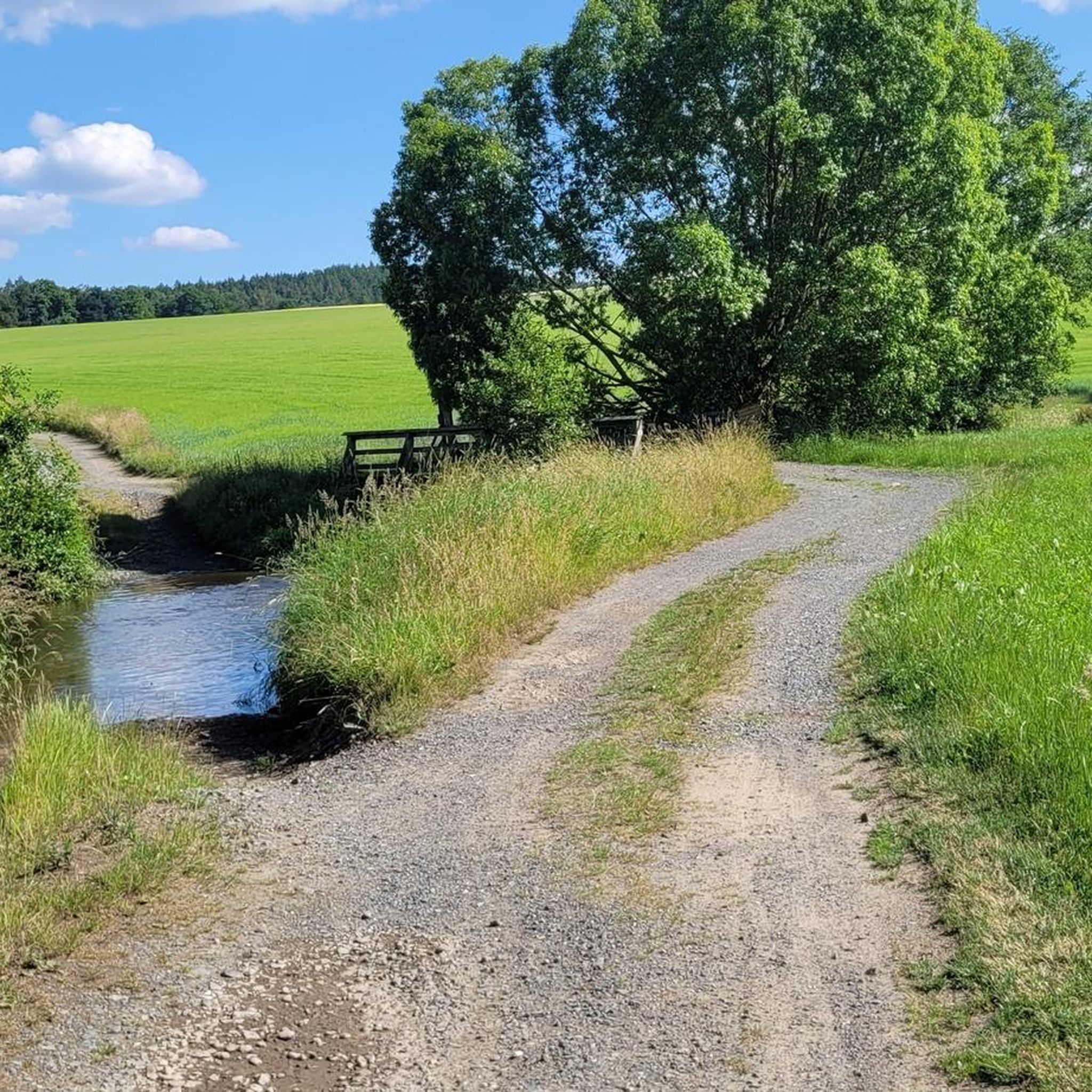
According to legend, the Querkela lived in the Quarkloch. To this day, it is not clear whether the Quarkloch is a crevice in the rock or the beginning of a mining tunnel. The entrance is still clearly visible, but after five meters the cave is blocked by rubble and earth. There have been repeated attempts to uncover the cave, but this has not happened to date. The Quarkloch has managed to preserve its mystical existence.
16
1

The quark hole is located vertically above the information board. The path zigzags upwards. The 50 m sign has fallen off at the bend. Go left there.
1
1
The Quarklock is vertically above the information board. The path zigzags upwards. The 50 m sign has fallen off at the bend. Go left there.
1
1

In the meantime, the Querkala has been painted in bright colors. There are some pictures of the quarry next door in the gallery, which is wrong.
1
1
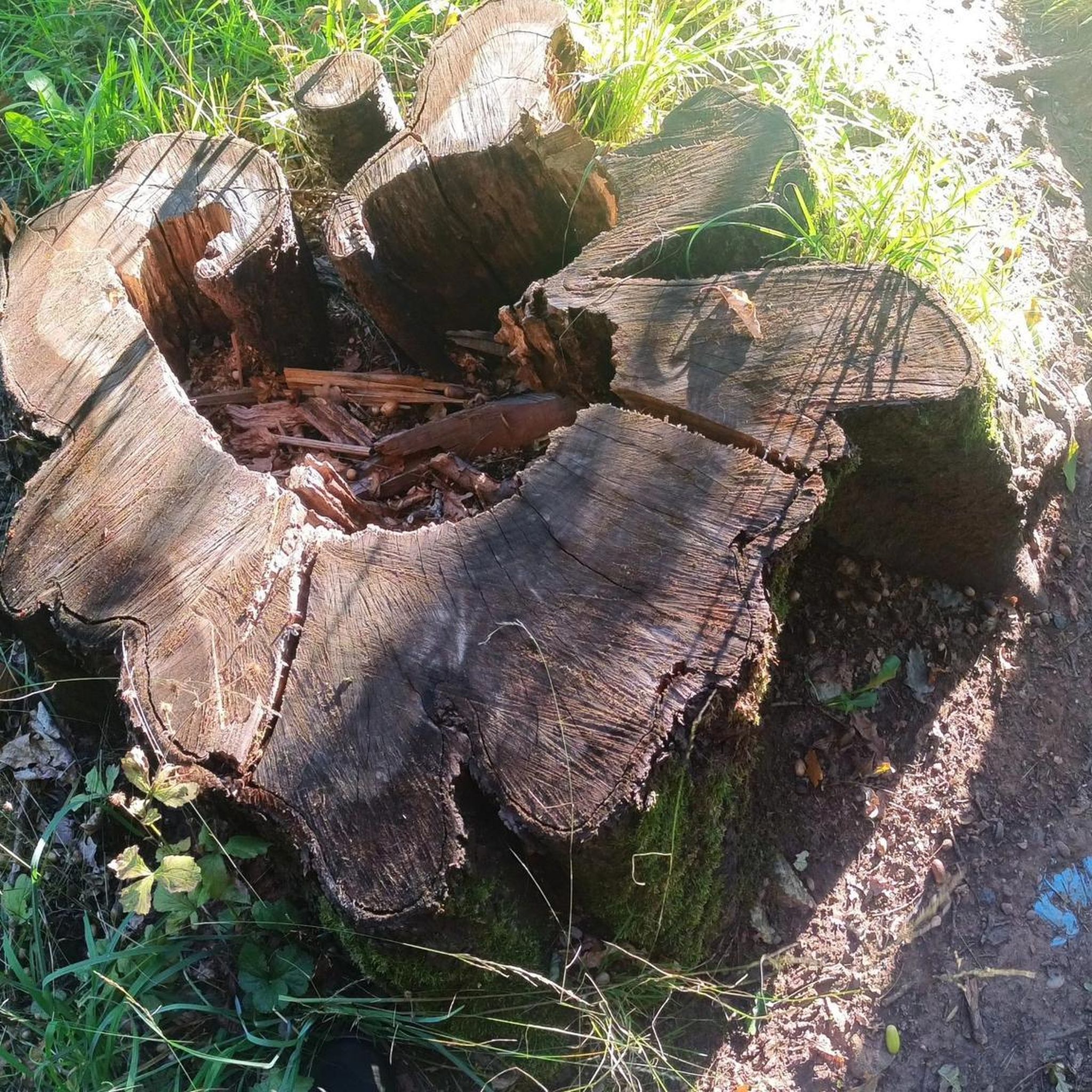
Earth and rock cellars were built in the Fichtel Mountains to store potatoes, turnips, beer and meat. The cellars are important ecological structural elements of nature conservation, but also symbols of building tradition and stonemasonry. In addition, as artificially created caves, they bear witness to the geological conditions in the rocky landscape of the Fichtelgebirge.
3
0
The Cellar Hill and a Cellar Hollow contain several 19th-century rock cellars. The earth and rock cellars are important ecological structural elements of nature conservation, but also symbols of local building tradition and stonemasonry. In addition, as artificially created caves, they bear witness to the geological conditions in the rocky landscape of the Fichtelgebirge. Rock cellars were of great importance for storing food, such as potatoes. They are mostly abandoned, partly dilapidated monuments of the agricultural landscape. Barely used cellars are well-known habitats for animals (winter quarters of bats) and small biotopes in near-natural surroundings.
5
0

Definitely recommended for little explorers.
1
0

Have set up garden gnomes everywhere on the way there and it is nice to hike, - but the quark hole is only a small hole (I guess it was filled up). According to the legend, the cave should be really big and I wanted to get in there "sometime" (with equipment), - but after 2 m it is already done ...
1
0
Frequently Asked Questions
What types of caves can I explore around Weißdorf?
The Weißdorf area features a mix of natural formations and historical man-made structures. You can find legendary natural caves like Quarkloch Cave, which is either a rock crevice or a mining tunnel, alongside historical rock cellars such as the Rock cellars at Kellerhügel Großwendern and Felsenkeller Meierhof, which were used for storage.
Are there any family-friendly cave options near Weißdorf?
Yes, Quarkloch Cave is categorized as family-friendly. It features an information board and a bench, with access made easier by marked paths, making it suitable for a visit with children.
What is the historical significance of the rock cellars around Weißdorf?
The rock cellars, like those at Kellerhügel Großwendern and Meierhof, are 19th-century structures. They were crucial for storing food items such as potatoes, turnips, beer, and meat. These cellars also serve as important ecological elements, providing winter quarters for bats.
What unique natural features can be found in the caves near Weißdorf?
Quarkloch Cave is a natural monument, shrouded in local legends about the 'Querkela' and serving as a shelter from robbers. While its interior is blocked, the site itself offers a glimpse into local folklore and natural rock formations within a forest setting.
What outdoor activities can I combine with a visit to the caves?
The region around Weißdorf, situated at the northern edge of the Fichtel Mountains, offers various outdoor activities. You can find numerous MTB Trails, Mountain Hikes, and Cycling routes. These activities allow you to explore the scenic landscape of Upper Franconia.
Are there hiking trails near the caves in Weißdorf?
Yes, the area is well-suited for hiking. For instance, the Querkela trail OS12 was newly signposted in spring 2020, leading to Quarkloch Cave. You can also explore various Mountain Hikes around Weißdorf, including routes around Lake Weißenstadt or to the Great Waldstein.
What do visitors appreciate most about the caves around Weißdorf?
Visitors appreciate the blend of natural mystery and historical significance. The legendary tales surrounding Quarkloch Cave and the ecological importance of the historical rock cellars, which serve as bat winter quarters, are often highlighted. The komoot community has contributed 96 photos and 133 upvotes, indicating a strong interest in these unique sites.
Are the caves around Weißdorf natural or man-made?
The caves around Weißdorf are a mix of both. Quarkloch Cave is considered a natural rock crevice or the beginning of a mining tunnel. In contrast, the Rock cellars at Kellerhügel Großwendern and Felsenkeller Meierhof are historical, artificially created earth and rock cellars.
Can I visit the caves year-round, or is there a best time to visit?
Information on specific opening times for all sites is not available, but generally, natural outdoor sites like Quarkloch Cave are accessible year-round, weather permitting. For the rock cellars, which serve as bat winter quarters, it's advisable to be mindful during colder months to avoid disturbing the animals.
What is the difficulty level for exploring the caves around Weißdorf?
The listed caves are generally considered intermediate in difficulty. For Quarkloch Cave, while the entrance is visible, the cave itself is blocked after five meters, meaning extensive caving is not possible. The rock cellars are more about historical exploration than challenging caving.
Are there any specific legends associated with the caves?
Yes, Quarkloch Cave is steeped in local legend. It's said that the 'Querkela' lived there, and it served as a refuge from robbers. One tale recounts villagers fleeing into the Quarkloch with geese, only for both robbers and geese to disappear, leading to a legend of an underground passage to Ahornberg.
What kind of wildlife might I encounter near the caves?
The historical rock cellars, such as those at Kellerhügel Großwendern, are known to provide important winter quarters for bats. These cellars are recognized as significant ecological structural elements and small biotopes in their near-natural surroundings.
Most popular routes around Weißdorf
Most popular attractions around Weißdorf

Get inspired with the komoot mobile app


Explore more
Extend your search for the best caves by checking out these guides of the top ones around Weißdorf:
