Top 5 Castles around Hohenau
Best castles around Hohenau are found in the Freyung-Grafenau district of Bavaria, Germany, a region characterized by its forested landscapes and river valleys. This area offers a blend of natural beauty and historical significance, with numerous medieval castle ruins and sites. Many of these historical structures are situated on strategic elevations, overlooking rivers like the Wolfsteiner Ohe and Ilz. Exploring these sites provides insight into the region's past as a defensive and administrative hub.
Best castles around Hohenau
- The most…
Last updated: October 13, 2026
Dießenstein Castle Ruins
Highlight • Castle
Translated by Google •
Tip by

Kaltenstein Castle Ruins
Highlight • Castle
Translated by Google •
Tip by

Sign up now to discover places like this
Get recommendations on the best single tracks, peaks, & plenty of other exciting outdoor places.
Neuenbuchberg Castle Ruins
Highlight • Castle
Translated by Google •
Tip by

Haus im Wald Castle
Highlight • Castle
Translated by Google •
Tip by

Wolfstein Castle and Wolfstein Museum
Highlight • Castle
Translated by Google •
Tip by

Sign up for free to discover even more castles around Hohenau.
Already have an account?
Start today with a free account
Your next adventure awaits.
Popular around Hohenau
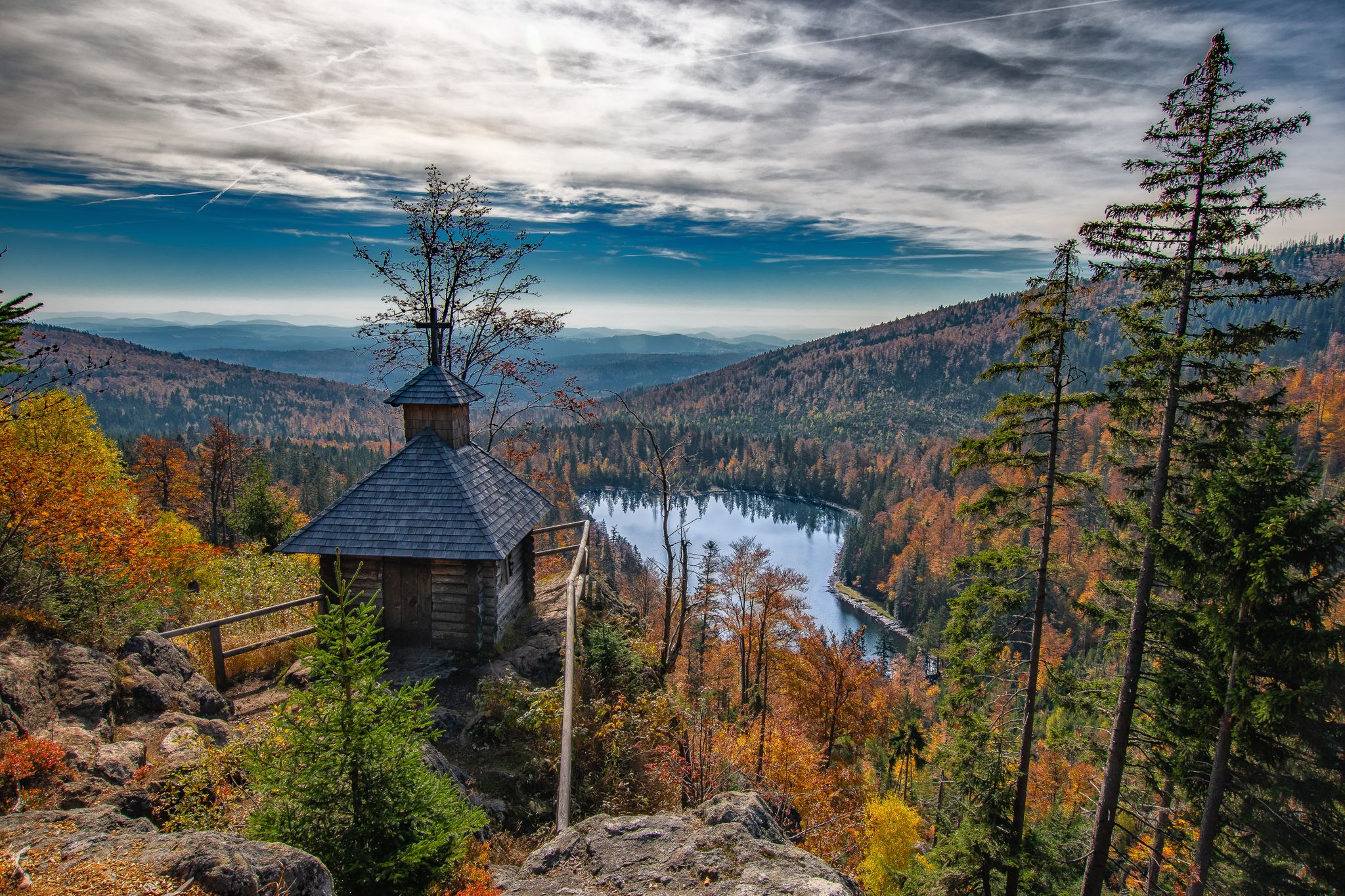
Diverse hiking in the Bavarian Forest National Park
Peak tour through Germany: the highest pass and mountain roads
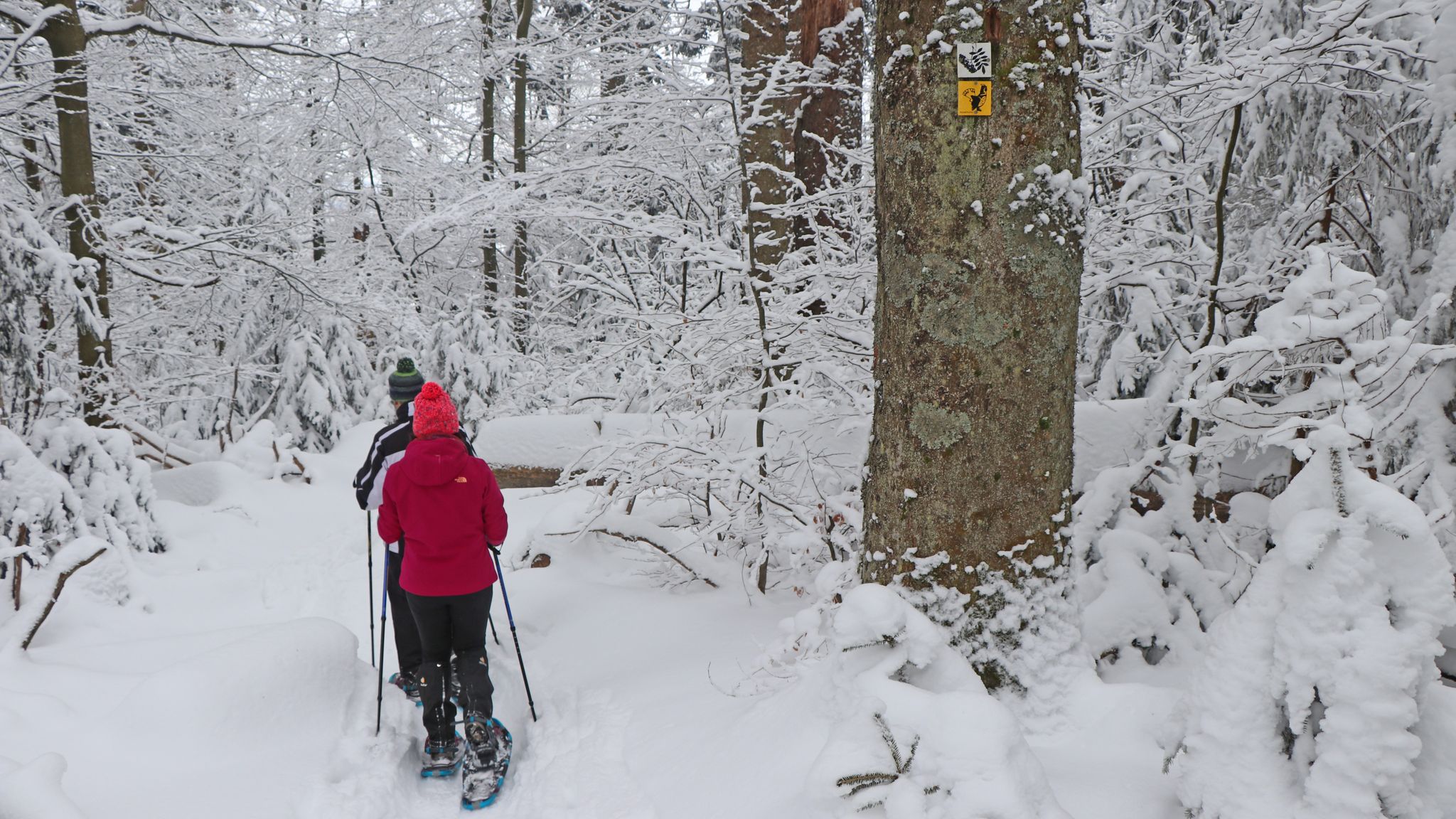
On snowshoes in the Bavarian Forest National Park
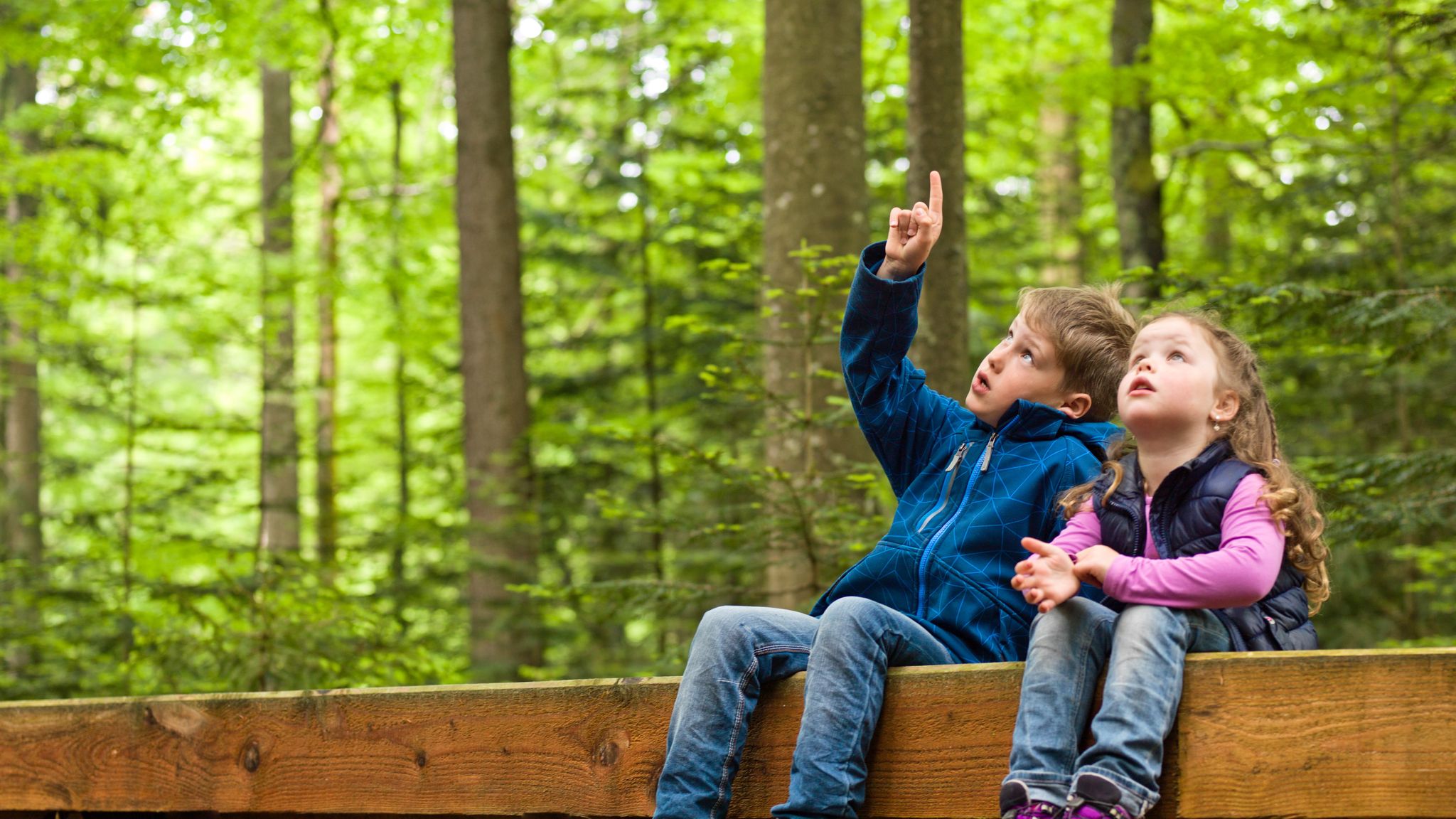
Family-friendly hikes in the Bavarian Forest National Park
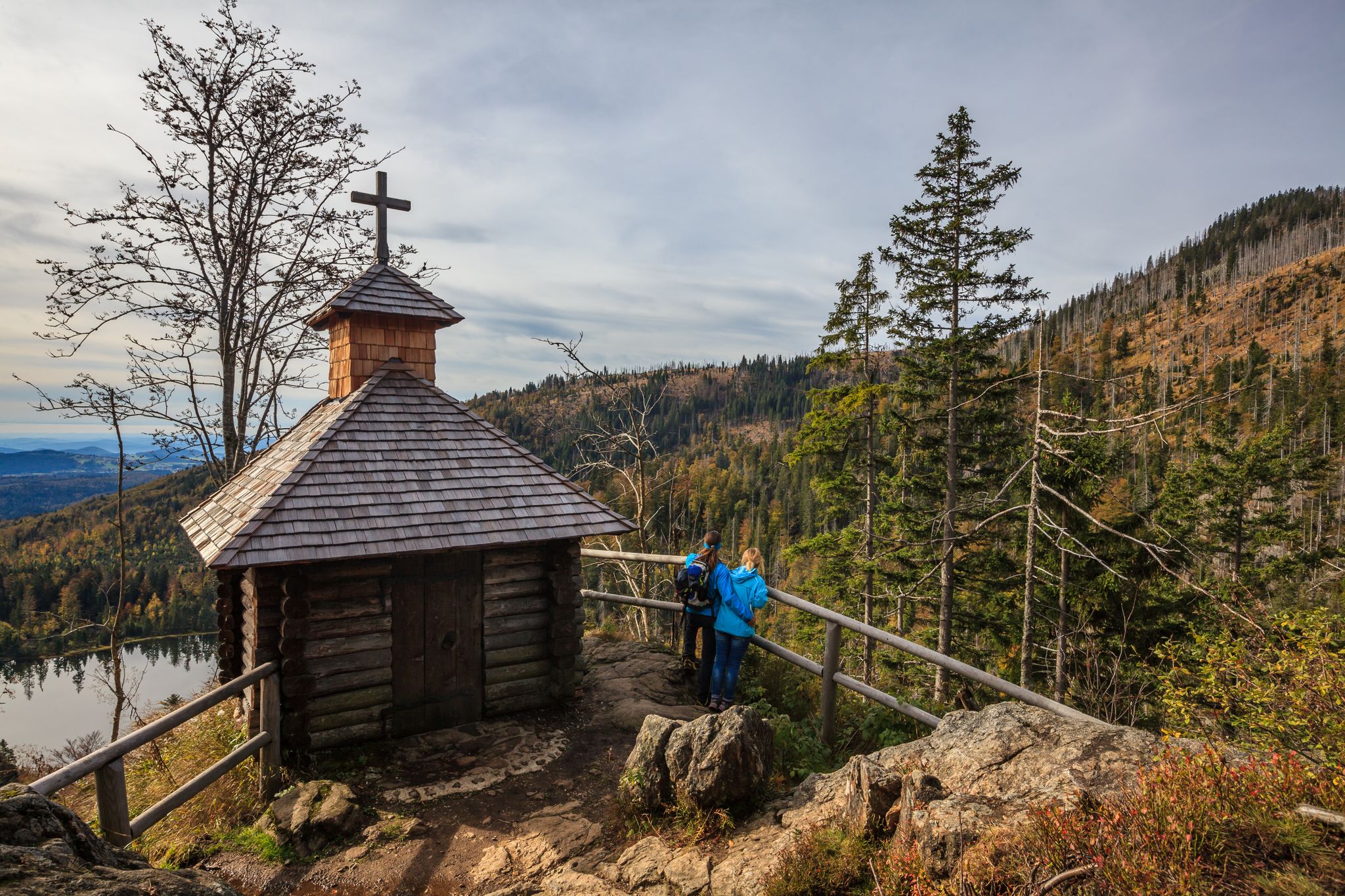
Lovely hikes in the Bavarian Forest National Park
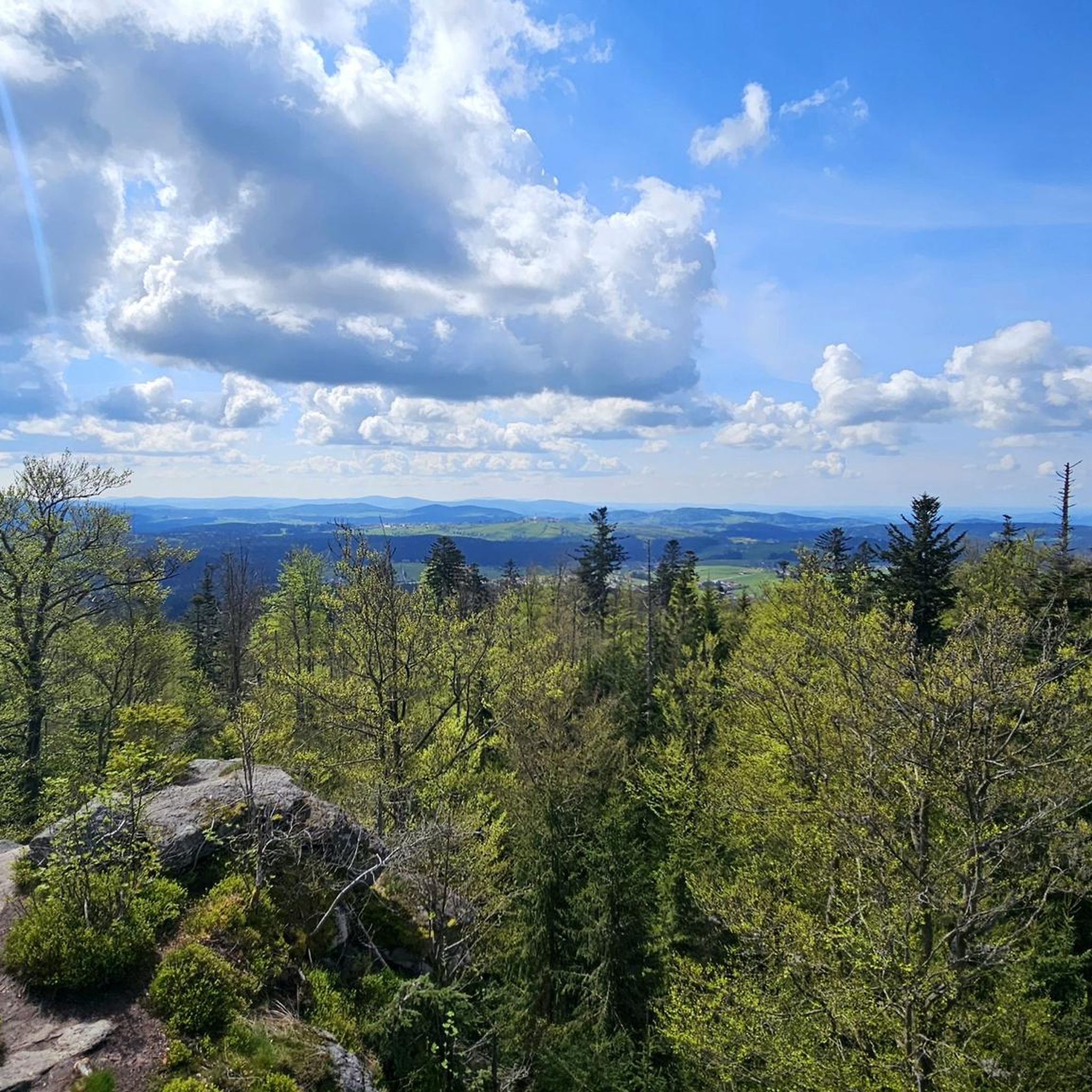
Hiking around Hohenau
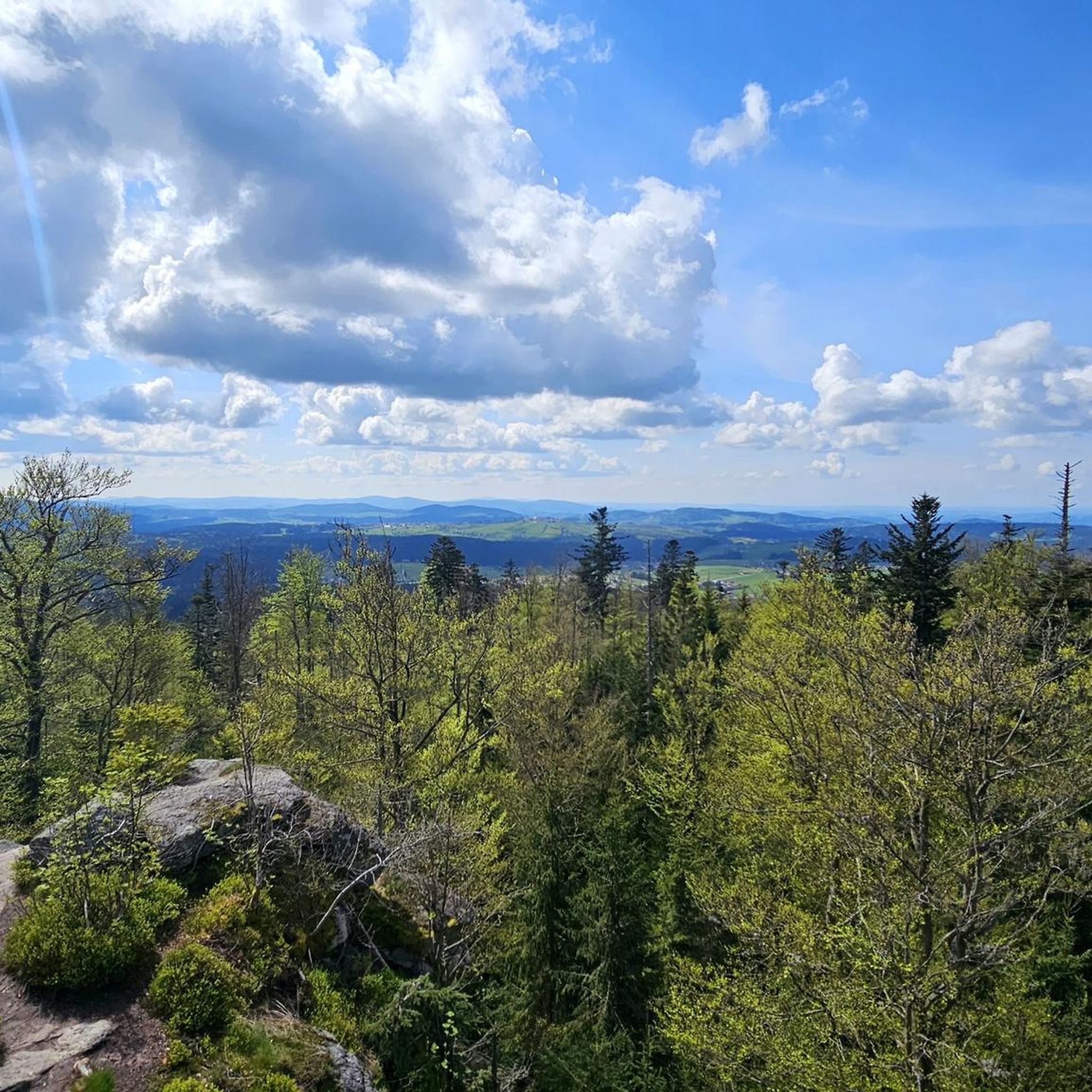
Cycling around Hohenau
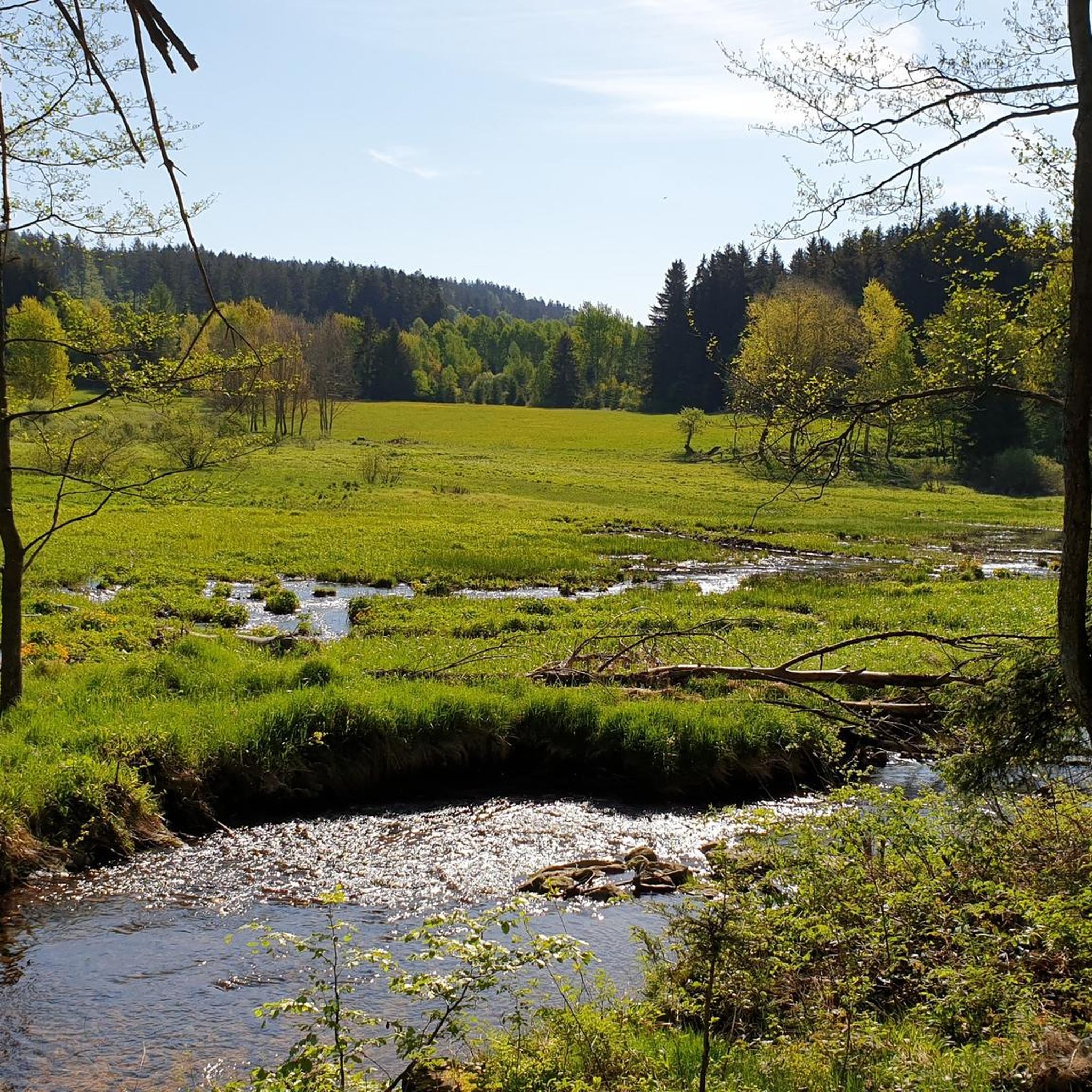
MTB Trails around Hohenau
Road Cycling Routes around Hohenau
Gravel biking around Hohenau
Other adventures around Hohenau


Tips from the Community

The castle grounds also include a small chapel of thanksgiving. It was built by the people of Freyung as thanks for a favorable end to the Second World War for the town.
0
0

belongs to the construction company Bachl
0
0
owned by construction company Bachl
0
0

Wolfstein Castle, built around 1200 by the Bishop of Passau, Wolfger von Erla, served as a fortification, administrative seat, and episcopal hunting lodge. Today, the most important architectural monument in the Freyung-Grafenau district primarily served to protect the new settlements and the northern border of the former abbey lands. The town's landmark houses the extensively modernized Hunting-Land-River Museum, which reopened in October 2014. An information center for the major protected areas of the Bavarian Forest and Bohemian Forest National Parks, the Bavarian Forest Nature Park, and the Sumava Landscape Conservation Area has also been established. Touching and trying things out is permitted at the Hunting-Land-River Museum: Slip into princely robes and become the lord of the castle yourself, escape a hawk hunting you, see like an owl in the night, and compete in the long jump with the forest animals. The museum presents the themes of nature, ecology, and cultural history in a modern and interactive way, captivating visitors across the board. The Hunting-Land-River Museum is a highlight of the cultural landscape of the Bavarian Forest and Bohemian Forest – and it's located in the heart of Freyung! The National Park and Nature Park Information Center displays, among other things, a large model of the Bavarian Forest and Bohemian Forest. https://www.freyung.de/de/kultur-und-kulinarik/sehenswertes/schloss-wolfstein-mit-museum.html
2
0

Definitely worth a detour. The castle stands on a wooded hill, and you only notice it when you're standing right in front of it. Very well hidden...
0
0
former castle, now part district office and part museum
0
0

The well-known local poet Emerenz Meier wrote the dark and depressing poem "The Last Lord of Kaltenstein" about this place: Evening falls on Kaltenstein. A little star twinkles above the battlements. The mist rolls around the tower, which has already defied many a storm. The dark green circle of the firs Rusts its eternally serious melody, which gently penetrates the hall, to the last Lord of Kaltenstein. And down by the row of elms the golden path leads narrowly past. Many hikers pass there, they hurry to their destination of rest. There are many who stop their course and look questioningly up at the castle. No friendly light invites you to the last Lord of Kaltenstein. The forest is large and wild and wide. The maiden asks for an escort. Will no knight then capture her through the dreaded territory? The Kaltensteiner is named in a word, who was once a strong refuge for the weak. She knocks and begs, and then she hears “No!” In the gloomy hall of Kaltenstein. “All of you wanderers, leave me in peace! Go, maiden, without a guide. My castle is rotten, my arm is weak, my heart broke years ago. My family was famous and great, then decay became its bitter fate. Now the last Lord of Kaltenstein dies, forgotten and alone!”
0
0

Very nice restored castle near Röhrnbach. Unfortunately you cannot visit it from the inside
0
0
Frequently Asked Questions
What are some of the most historically significant castles around Hohenau?
The region around Hohenau in Bavaria, Germany, is rich in historical castle sites. Notable examples include Wolfstein Castle, built around 1200 by the Bishop of Passau, which served as a fortification and administrative seat. Haus im Wald Castle, originally a 12th-century residence, has a long history of ownership changes and even served as a school. The Dießenstein Castle Ruins, built in 1347, were strategically important for monitoring trade routes and river crossings.
Are there any well-preserved castle ruins to visit near Hohenau?
Yes, the Kaltenstein Castle Ruins are considered well-preserved and are a popular historical site. While you cannot visit the inside, the ruins are known for inspiring local poetry and offer a clear glimpse into medieval history. The Neuenbuchberg Castle Ruins also offer visible remains of a spur castle in a scenic location.
What kind of historical insights can I gain from visiting castles in the Hohenau region?
Visiting the castles and ruins around Hohenau offers insights into medieval architecture, regional power struggles, and the lives of nobility. For example, Wolfstein Castle now houses the Hunting-Land-River Museum, which presents the themes of nature, ecology, and cultural history in a modern and interactive way, detailing the region's past as a defensive and administrative hub.
Are there hiking opportunities near the castles around Hohenau?
Absolutely. Many castle sites in the Hohenau region are situated in scenic natural settings, making them ideal for combining with hikes. For instance, the Neuenbuchberg Castle Ruins are located in the Buchberger Leite, surrounded by the Wolfsteiner Ohe river, offering picturesque routes. You can find various hiking trails in the area, including those listed in the Hiking around Hohenau guide.
What are some of the natural features surrounding the castles in this region?
The castles around Hohenau are often nestled within the forested landscapes and river valleys of the Freyung-Grafenau district. You'll find sites like the Neuenbuchberg Castle Ruins on a mountain tongue surrounded by the Wolfsteiner Ohe river, and Haus im Wald Castle overlooking the Ilz valley. These locations provide beautiful views and opportunities to explore the natural beauty of the Bavarian Forest.
Are there family-friendly castles or activities for children?
Yes, Wolfstein Castle and Wolfstein Museum is particularly family-friendly. The Hunting-Land-River Museum offers interactive exhibits where children can slip into princely robes, learn about local wildlife, and engage with the region's history and nature in a captivating way.
What should I consider regarding accessibility when visiting castle ruins?
Many castle ruins, by their nature, involve uneven terrain, steep paths, and historical structures that may not be fully accessible. For example, visiting the Dießenstein Castle Ruins requires sturdy shoes due to steep climbs and the remnants being secured with beams. It's always recommended to check specific site conditions and wear appropriate footwear.
What is the best time of year to visit the castles around Hohenau?
The spring, summer, and early autumn months generally offer the most pleasant weather for exploring the castle ruins and their surrounding natural areas. During these seasons, hiking trails are more accessible, and the natural scenery is at its best. Winter visits might offer a unique, snow-covered landscape, but some paths could be challenging, and certain facilities might have reduced hours.
Are there any specific recommendations for footwear when exploring the castle ruins?
Given that many castles in the region are ruins and often located on elevated or forested terrain, sturdy shoes are highly recommended. For instance, visitors to the Dießenstein Castle Ruins are specifically advised to wear good footwear due to steep climbs and potentially uneven surfaces.
How long does it typically take to visit a castle site near Hohenau?
The duration of a visit can vary. For a site like the Wolfstein Castle and Wolfstein Museum, you might spend 1-2 hours exploring the museum and castle grounds. For ruins like Kaltenstein Castle Ruins or Dießenstein Castle Ruins, the visit itself might be shorter (30-60 minutes), but often involves a hike to reach them, extending the overall experience.
Can I find cafes or pubs near the castles for refreshments?
While some castle sites are in more remote natural areas, others, particularly those closer to towns or villages, may have nearby dining options. For example, Wolfstein Castle is located in Freyung, which offers various amenities. It's advisable to check local listings for specific castles if you plan to combine your visit with a meal or drink.
What are some lesser-known or 'hidden gem' castle sites in the Hohenau area?
While not extensively detailed, the site of Wildenstein Castle, near the Neuenbuchberg Castle Ruins, dates back to around 1200. Although not much may remain, its historical connection to the region's defensive network makes it an interesting, perhaps less-visited, historical point for those keen on deeper exploration.
Most popular routes around Hohenau
Most popular attractions around Hohenau

Get inspired with the komoot mobile app


Explore more
Looking for the best castles somewhere else? Discover other guides around Hohenau:
