Top 14 Gorges around Sandhausen
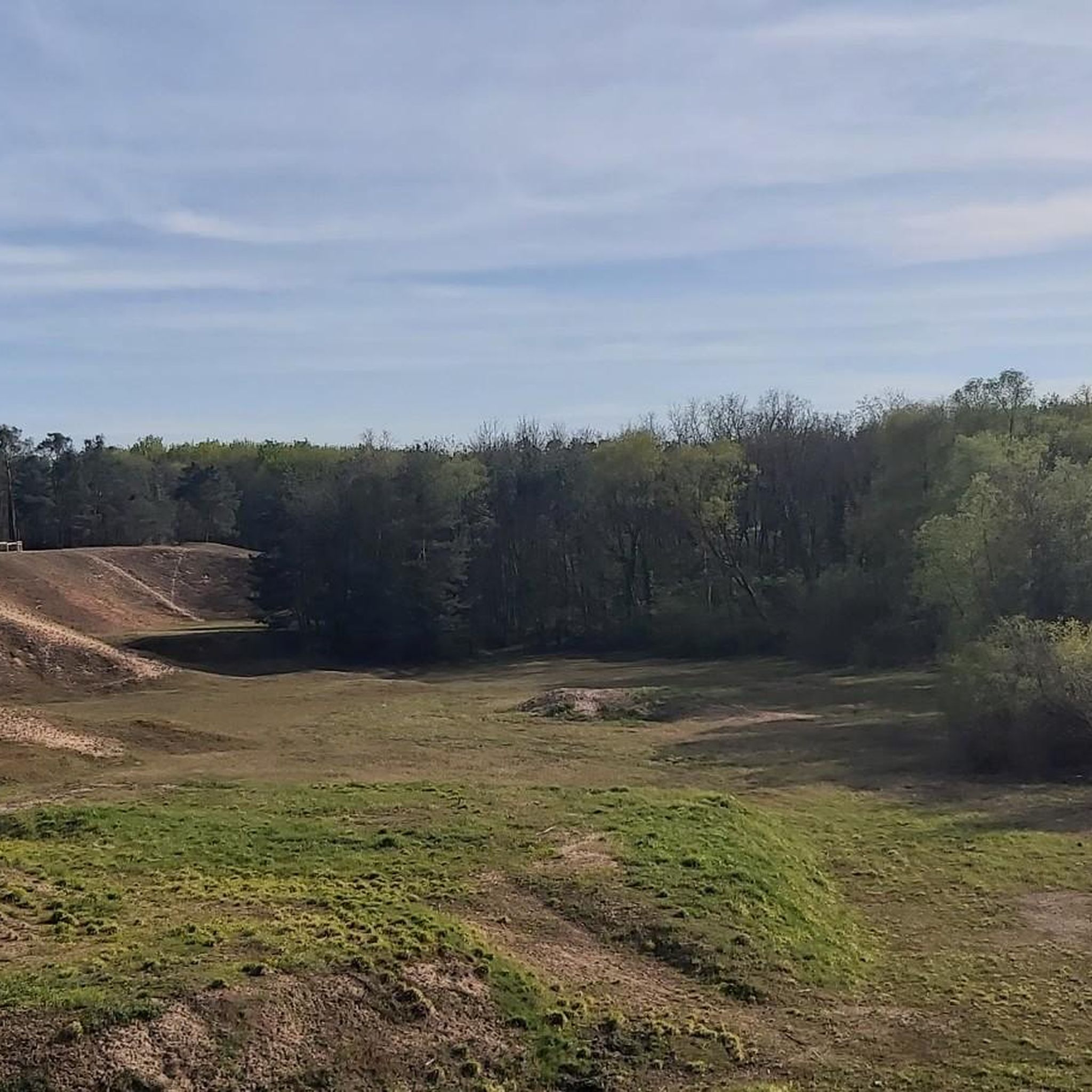
Best canyons around Sandhausen are characterized by unique geological features rather than deep rock gorges. The region features prominent sand dunes, protected forests, and riverine landscapes. These natural areas offer diverse hiking opportunities, including trails through loess gorges and historical sunken lanes. Sandhausen's natural environment provides a rich context for exploring local biodiversity and geological interests.
Best canyons around Sandhausen
- The most popular canyons is Weiße Hohle, a gorge featuring impressive loess walls. Visitors experience a tunnel-like atmosphere when…
Last updated: October 13, 2026
Weiße Hohle
Highlight (Segment) • Gorge
If you want to witness the natural spectacle and come out of the corner, you should just drop by here every few months.
Translated by Google •
Tip by

Dachsenfranz Cave
Highlight • Cave
After a later understanding …
Translated by Google •
Tip by

Sign up now to discover places like this
Get recommendations on the best single tracks, peaks, & plenty of other exciting outdoor places.
Sunken Lane between Mühlhausen and Tairnbach
Highlight (Segment) • Gorge
Translated by Google •
Tip by

Tairnbach Hollow Way
Highlight • Gorge
The typical sunken paths of the Kraichgau originated from field and community connecting paths, along which farmers used to travel with oxen and horse-drawn carts. As …
Translated by Google •
Tip by

Botanical Garden of Heidelberg University
Highlight • Natural
Translated by Google •
Tip by

Sign up for free to discover even more gorges around Sandhausen.
Already have an account?
Start today with a free account
Your next adventure awaits.


Tips from the Community

A small but nice garden to recharge your batteries, whether from everyday life or hospital life, I was very happy to walk through it and enjoyed it very much
6
1

The Botanical Garden of the University of Heidelberg is one of the oldest and most diverse botanical gardens in the world. It was founded in 1593 and is located on the Im Neuenheimer Feld campus. The garden covers an area of three hectares and is home to over 14,000 plant species from all over the world. Visitors can admire tropical orchids, bromeliads and succulents in the greenhouses. In the open air there is a fern gorge, an alpine garden and a heath area.
10
1

an oasis of calm in the middle of the clinics https://www.botgart.cos.uni-heidelberg.de/de
4
0

unusual plants
6
2

There are around 14,000 plant species in the botanical garden. The focus of the collection in the garden is in the greenhouses. The following 9 special collections form the heart of this: Succulents, tropical orchids, bromeliads (pineapple family), cycads (cycads), insectivores, tropical ferns, Aristolochiaceae (muddy pheasant), Cyclanthaceae (diskflower), Mediterranean geophytes
10
0

The Tairnbach Cave Paths The typical sunken paths of the Kraichgau originated from field and community connecting paths, along which farmers used to travel with oxen and horse-drawn carts. As a result, the loess soil loosened and was able to sink by several meters in some cases due to erosion, mainly due to the effects of rainwater. Sunken roads are biotopes of a very special kind with sometimes extreme environmental conditions.
4
0

In the park you can reach the Cafe Flaschen very well
4
1

Very informative botanical garden
8
3
Frequently Asked Questions
What kind of natural features are referred to as 'canyons' around Sandhausen?
Around Sandhausen, the term 'canyons' refers to unique geological features rather than deep rock gorges. You will find prominent sand dunes, impressive loess gorges (also known as sunken lanes), and protected forest areas. These landscapes offer diverse hiking opportunities and a rich context for exploring local biodiversity.
What are some of the most popular natural attractions or 'canyons' to visit near Sandhausen?
Visitors particularly enjoy exploring Weiße Hohle, a gorge known for its impressive loess walls that create a tunnel-like atmosphere. Another popular spot is the Tairnbach Hollow Way, a deep ravine formed by typical sunken paths of the Kraichgau, showcasing significant erosion of loess soil.
Are there any historical or cultural sites within the 'canyons' or natural areas of Sandhausen?
Yes, you can visit the Dachsenfranz Cave, a reconstructed cave set within a forest. This site is connected to regional folklore about Francesko Regali, known as Dachsenfranz, who lived in self-dug earth caves in the 19th century. It offers a glimpse into historical living conditions and is part of the Kraichgau's rich history.
Are the natural areas and 'canyons' around Sandhausen suitable for families with children?
Many of the natural areas and 'canyons' around Sandhausen are family-friendly. For instance, Weiße Hohle, Dachsenfranz Cave, and the Sunken Lane between Mühlhausen and Tairnbach are all categorized as suitable for families. The unique landscapes, like the sand dunes and loess walls, can be an engaging experience for children.
What is the best time of year to visit the natural areas and 'canyons' near Sandhausen?
The natural areas around Sandhausen, including the sand dunes and loess gorges, are generally pleasant to visit during spring, summer, and autumn. Spring brings blooming flora, summer offers warm weather for longer explorations, and autumn provides beautiful foliage. Winter hiking is also possible, but trails might be muddy or icy, especially in the deeper ravines.
What outdoor activities can I do near the 'canyons' of Sandhausen?
The region around Sandhausen is excellent for various outdoor activities. You can enjoy extensive hiking through forests and unique dune landscapes, with routes like the 'Sandhausen Dunes Pferdstrieb' loop. There are also opportunities for mountain hikes and gravel biking in the broader region.
Are there any easy hiking trails suitable for beginners or casual walkers in the Sandhausen 'canyon' areas?
Yes, there are several easy trails. For example, the 'Sandhausen Dunes Pferdstrieb – Zugmantel-Bandholz Viewpoint loop' is an easy 4.3 km hike. The unique sand dunes themselves, such as the Sandhausen Dunes, offer easily accessible paths suitable for various fitness levels, allowing for casual walks and nature observation.
Where can I find unique plant species or a diverse natural environment near Sandhausen?
For a diverse natural environment, explore the Sandhausen Dunes and the surrounding Landscape Conservation Area, which boast distinct flora and fauna. Additionally, the Botanical Garden of Heidelberg University, though not a 'canyon' itself, features around 14,000 plant species, including a fern gorge and various special collections in its greenhouses.
What are some notable viewpoints or scenic spots in the Sandhausen area?
The Landscape Conservation Area, which encompasses the Sandhausen Dunes, offers scenic views. A popular route is the 'View of Königstuhl loop from Sandhausener Düne, Pflege Schönau-Galgenbuckel'. The Botanical Garden of Heidelberg University also provides a viewpoint within its diverse plant collections.
Are dogs allowed on the trails in the natural areas and 'canyons' around Sandhausen?
Generally, dogs are welcome on trails in the natural areas around Sandhausen, including the sand dunes and forest paths. However, it's always recommended to keep them on a leash, especially in protected areas or near wildlife, and to check for any specific local regulations or signage at trailheads.
What makes the loess gorges and sunken lanes around Sandhausen unique?
The loess gorges and sunken lanes, such as Tairnbach Hollow Way, are unique because they were formed by centuries of erosion on loess soil, often by old field and community paths. This process caused the soil to sink by several meters, creating deep, ravine-like structures. They are special biotopes with distinct environmental conditions and are a characteristic feature of the Kraichgau region.
Is there parking available near the hiking trails and natural attractions in Sandhausen?
Yes, parking is generally available near popular hiking trails and natural attractions in Sandhausen. Specific parking information can often be found on local trail maps or by checking the starting points of routes on komoot. Many trailheads, especially those leading to the Sandhausen Dunes or protected forest areas, have designated parking spots.
What is the geological significance of the Sandhausen Dunes?
The Sandhausen Dunes are remnants of a past geological era, making them a significant natural feature. They represent a unique sandy landscape that provides a habitat for distinct flora and fauna, differing from the typical forest or riverine environments. Exploring them offers insight into the region's geological history and ecological diversity.
Most popular routes around Sandhausen
Most popular attractions around Sandhausen

Get inspired with the komoot mobile app


Explore more
Already discovered everything in this region? See additional gorges around Sandhausen for your next adventure:
