Top 5 Caves around Güllesheim
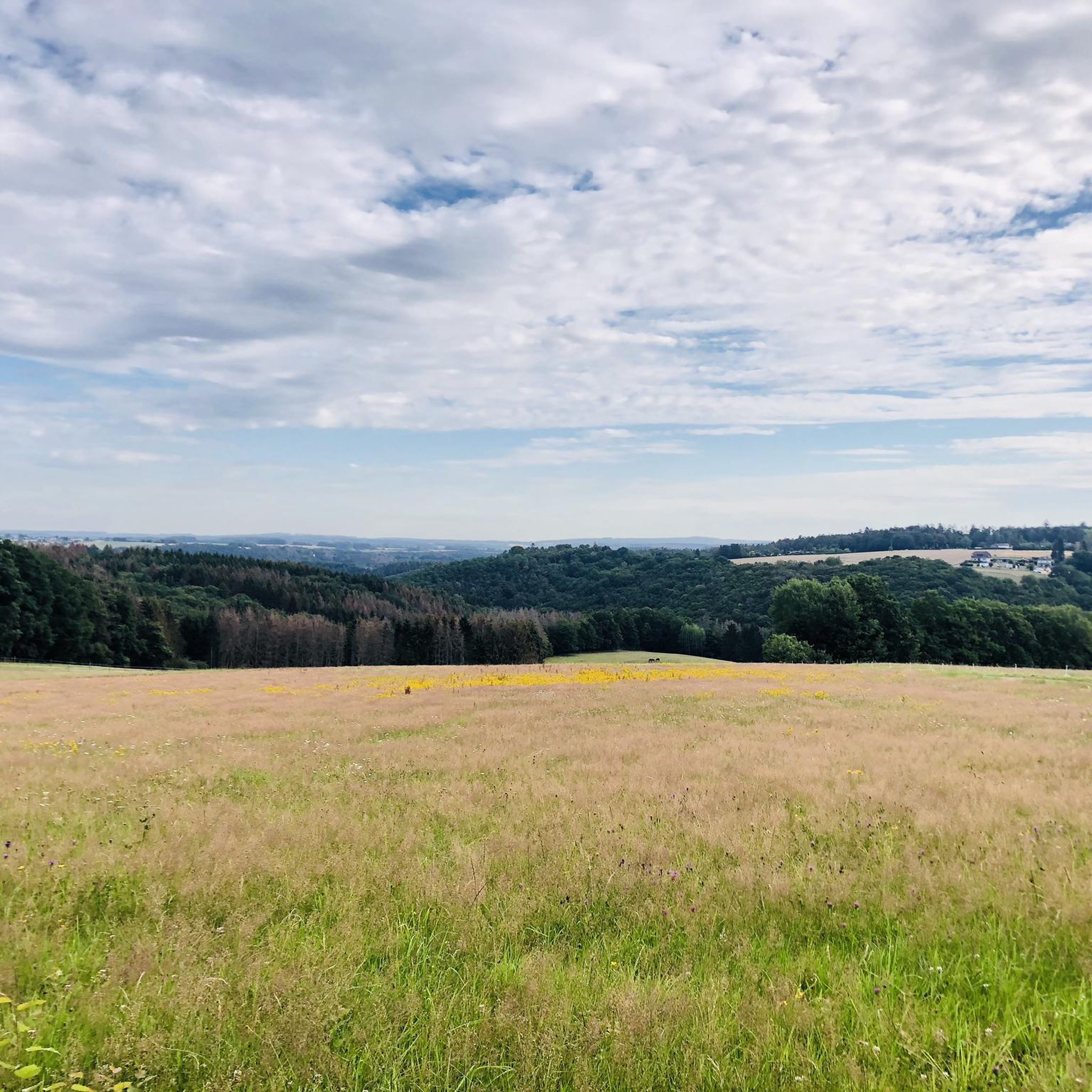
Best caves around Güllesheim are primarily historical mining tunnels rather than natural geological formations. Güllesheim, situated in Rhineland-Palatinate, Germany, is characterized by its scenic landscape of rolling hills and dense forests. The region's underground features offer insight into its rich iron ore mining history. These man-made structures provide an intriguing experience for visitors interested in industrial heritage.
Best caves around Güllesheim
- The most popular caves is Lammerichskaule Mine Tunnel, a historical site that was part of the ore hiking…
Last updated: June 26, 2026
Alvenslebenstollen
Highlight • Historical Site
Translated by Google •
Tip by

The Gold Hole and the Boller-Mosch
Highlight • Cave
around the year 1750 were up to mischief.
Allegedly a ghost who hits trees with a club and screams mosch, …
Translated by Google •
Tip by

Sign up now to discover places like this
Get recommendations on the best single tracks, peaks, & plenty of other exciting outdoor places.
Sign up for free
Lammerichskaule Mine Tunnel
Highlight • Historical Site
Translated by Google •
Tip by

Narrow Rock Tunnel
Highlight • Cave
Translated by Google •
Tip by

Otto Tunnel
Highlight • Cave
Translated by Google •
Tip by

Sign up for free to discover even more caves around Güllesheim.
Sign up for free
Already have an account?
Start today with a free account
Your next adventure awaits.
Login or Signup
Tips from the Community

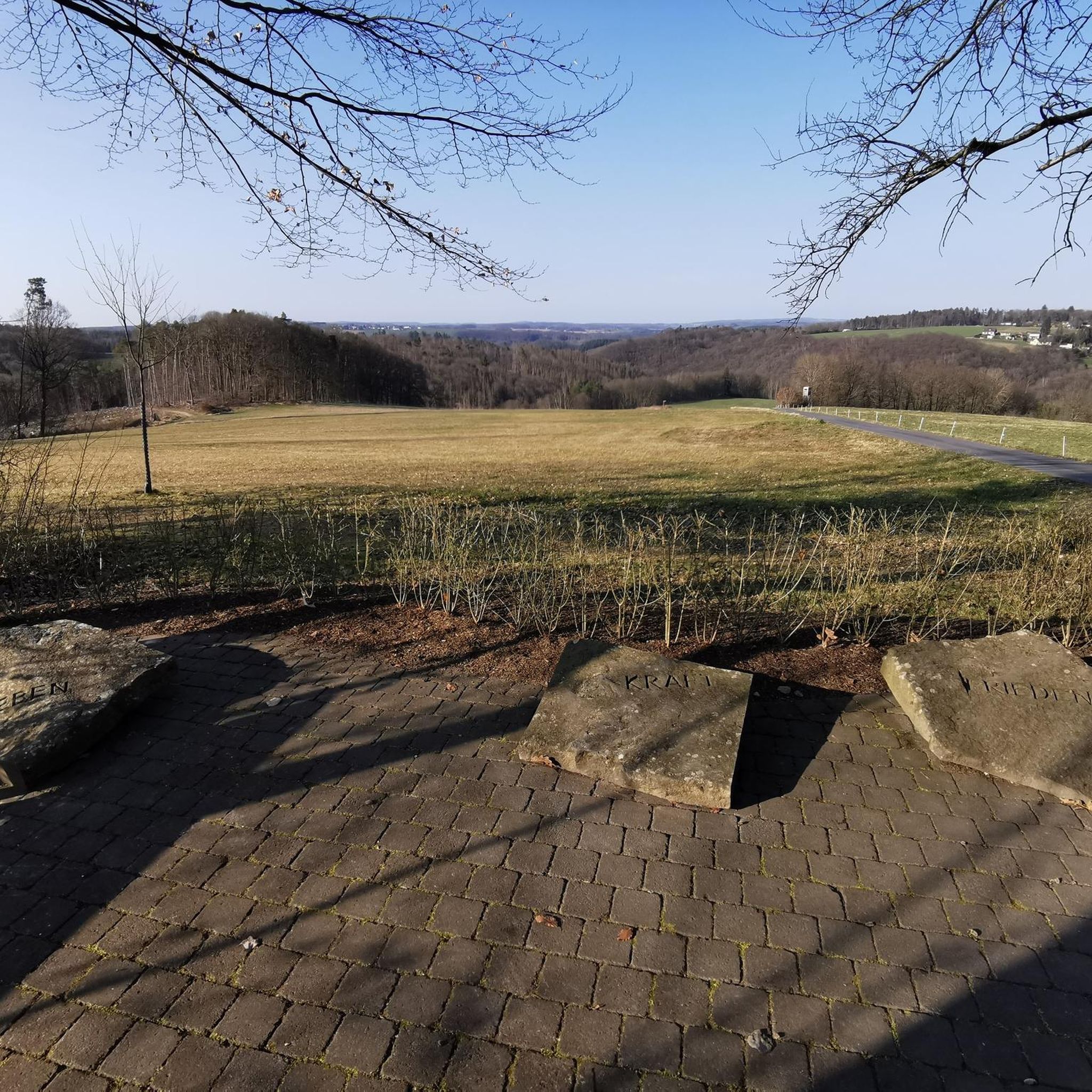
Possibility of rest and view of the tunnel and the castle
1
0

The tunnel addresses the history of mining. The last time I visited the tunnel, there were lots of small bats living there. The history is also explained in detail on site.
0
0

The tunnel was named after Otto von Bismarck. You can find more detailed information on the information boards on site.
1
0

Unfortunately I didn't have time to visit the tunnel.
0
0

interesting tunnel. very wet at this time of year (31.12.) and you can't see the exit.
1
0

Unfortunately too small to explore it.😉
1
0

What is hidden inside? Feel free to write it as a comment. I don't fit in...
1
0
Frequently Asked Questions
What kind of "caves" can I expect to find around Güllesheim?
The region around Güllesheim is primarily known for its historical mining tunnels, rather than natural caves. These man-made structures, remnants of the area's rich iron ore mining history, offer a unique underground experience and insight into industrial heritage.
Which historical mining tunnels can I visit near Güllesheim?
You can visit several historical mining tunnels. Notable ones include the Alvenslebenstollen, part of the former Grube Louise, and the Lammerichskaule Mine Tunnel, which is integrated into an ore hiking trail. Another interesting site is The Gold Hole and the Boller-Mosch, known for its local folklore.
Can I explore the Alvenslebenstollen of the Grube Louise?
Yes, the Alvenslebenstollen, a 1546-meter long adit of the Grube Louise, can be viewed by appointment. Approximately 400 meters of the gallery are accessible to visitors. Contact the Tourist Information of VG Flammersfeld for arrangements.
What is unique about the Lammerichskaule Mine Tunnel?
The Lammerichskaule Mine Tunnel is a historical site from 1850. It's part of an ore hiking trail, and information boards along the trail describe its history and significance, offering an educational experience.
What is "The Gold Hole and the Boller-Mosch"?
The Gold Hole and the Boller-Mosch is a historical site in the Mehrbachtal, associated with local folklore. It tells the tale of a miner and a ghost, adding a mysterious element to the region's mining history.
Are there any challenging underground passages to explore?
Yes, some passages, like the Narrow Rock Tunnel, can be quite challenging due to their size. For instance, the Cave tunnel in Naturpark Rhein-Westerwald is approximately 10 meters long and requires crawling, so you might need to remove your backpack to fit through.
Are the mining tunnels around Güllesheim suitable for families?
Many of the historical sites, such as the Alvenslebenstollen, are considered family-friendly, especially when viewed by appointment. However, some passages, like the Narrow Rock Tunnel, might be too small or challenging for young children or those with mobility issues.
Do I need to book guided tours for any of the mining tunnels?
Yes, for sites like the Alvenslebenstollen, viewing is possible by prior appointment. It's advisable to check with local tourist information for specific booking requirements and availability for guided experiences.
What should I consider bringing when visiting these underground sites?
When visiting the mining tunnels, especially those requiring crawling or with potentially wet conditions, it's recommended to wear sturdy shoes and clothing that you don't mind getting dirty. A headlamp or flashlight can also be useful for darker sections.
What is the best time of year to visit the mining tunnels near Güllesheim?
The historical mining tunnels can generally be visited year-round, though access might depend on specific opening hours or appointment availability. The surrounding hiking trails are particularly pleasant in spring, summer, and autumn.
Are there hiking trails that incorporate these historical mining sites?
Yes, the region offers several hiking opportunities that connect with the mining history. For example, the Lammerichskaule Mine Tunnel is located along an ore hiking trail with information boards. You can find more hiking options in the area by exploring Hiking around Güllesheim.
What other outdoor activities can I do near Güllesheim's mining tunnels?
Beyond exploring the mining tunnels, the Güllesheim region offers a variety of outdoor activities. You can find numerous trails for hiking, running, and gravel biking through the scenic landscape of rolling hills and dense forests.
Is there parking available near these historical mining tunnels?
Parking information for specific mining tunnels can vary. It's best to check local signage or contact the relevant tourist information office for details on parking facilities near the sites you plan to visit.
Can I bring my dog to the mining tunnels or nearby trails?
While dogs are generally welcome on many outdoor trails around Güllesheim, access to specific underground mining tunnels may be restricted. It's advisable to check with the site operators or local tourist information regarding pet policies for indoor or confined areas.
Most popular routes around Güllesheim
Most popular attractions around Güllesheim

Get inspired with the komoot mobile app


Explore more
Extend your search for the best caves by checking out these guides of the top ones around Güllesheim:
