The best walks and hikes around Güllesheim
4.6
(5956)
20,672
hikers
963
hikes
Hiking around Güllesheim offers diverse landscapes within the Westerwald-Sieg region and the Rhine-Westerwald Nature Park. The area features a mix of wooded hilltops, expansive fields, and river valleys such as the Grenzbachtal and Wied valley. Hikers can find routes with panoramic views and varied terrain. The region provides a network of trails suitable for different preferences.
Best hiking trails around Güllesheim
- The most popular hiking route is Hölderstein via ferrata – Grenzbach Stream loop from Breitscheid, a 8.7 miles…
Last updated: June 21, 2026
4.8
(8)
32
hikers
14.1km
04:03
330m
330m
Hard hike. Good fitness required. Sure-footedness, sturdy shoes and alpine experience required.
4.5
(34)
105
hikers
7.98km
02:12
130m
120m
Hard hike. Good fitness required. Sure-footedness, sturdy shoes and alpine experience required.

Sign up for free
4.4
(21)
49
hikers
7.44km
02:04
130m
130m
Moderate hike. Good fitness required. Easily-accessible paths. Suitable for all skill levels.
4.7
(10)
28
hikers
3.56km
01:02
90m
90m
Hard hike. Great for any fitness level. Sure-footedness, sturdy shoes and alpine experience required.
4.8
(9)
32
hikers
15.1km
04:14
280m
280m
Hard hike. Good fitness required. Sure-footedness, sturdy shoes and alpine experience required.
Get access to more routes and recommendations from other explorers.
Sign up for free
Already have an account?
Our route recommendations are based on thousands of hikes, rides, and runs completed by other people on komoot.
Start today with a free account
Your next adventure awaits.
Login or Signup
Tips from the Community

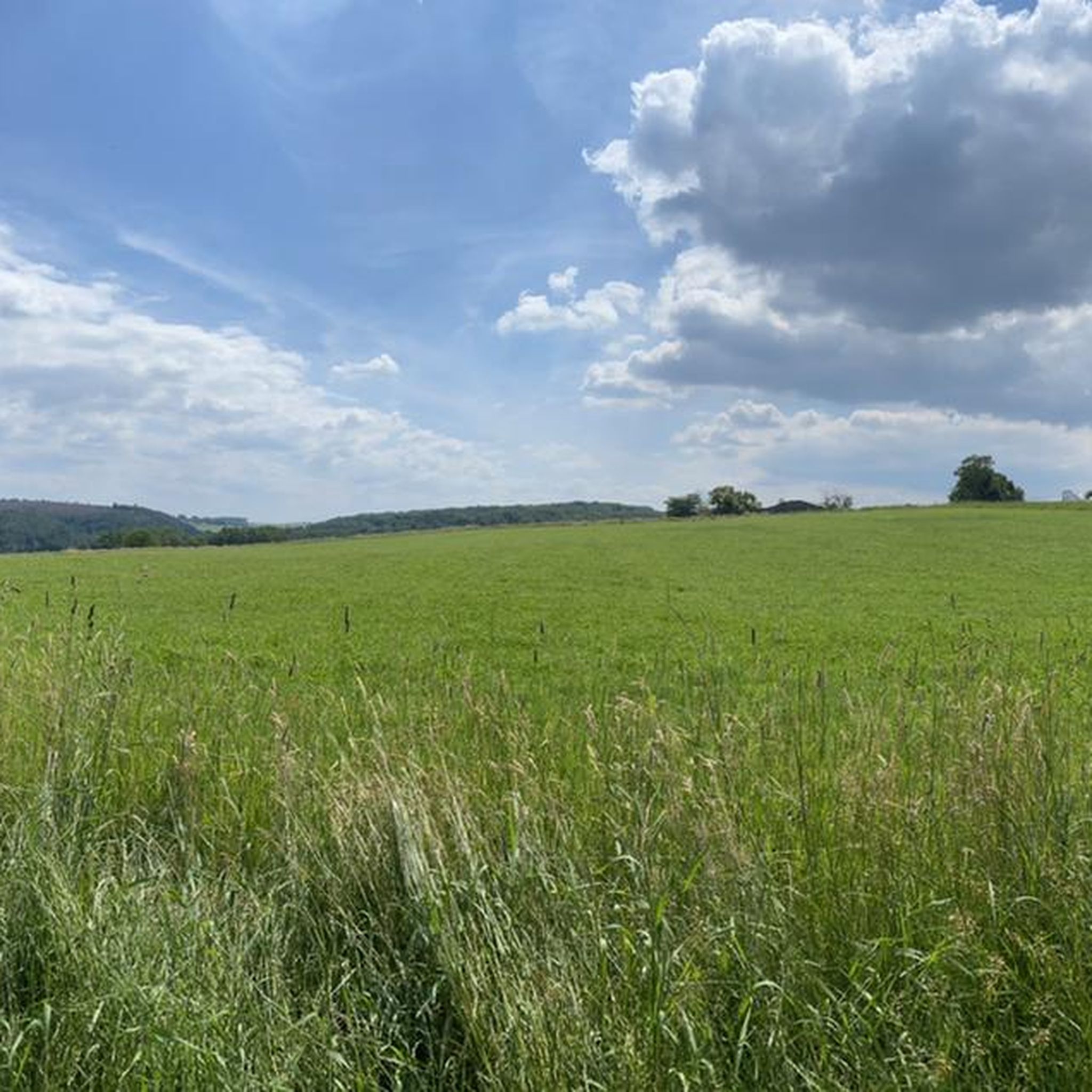
A very nature-oriented route in the beautiful Westerwald region.
0
0

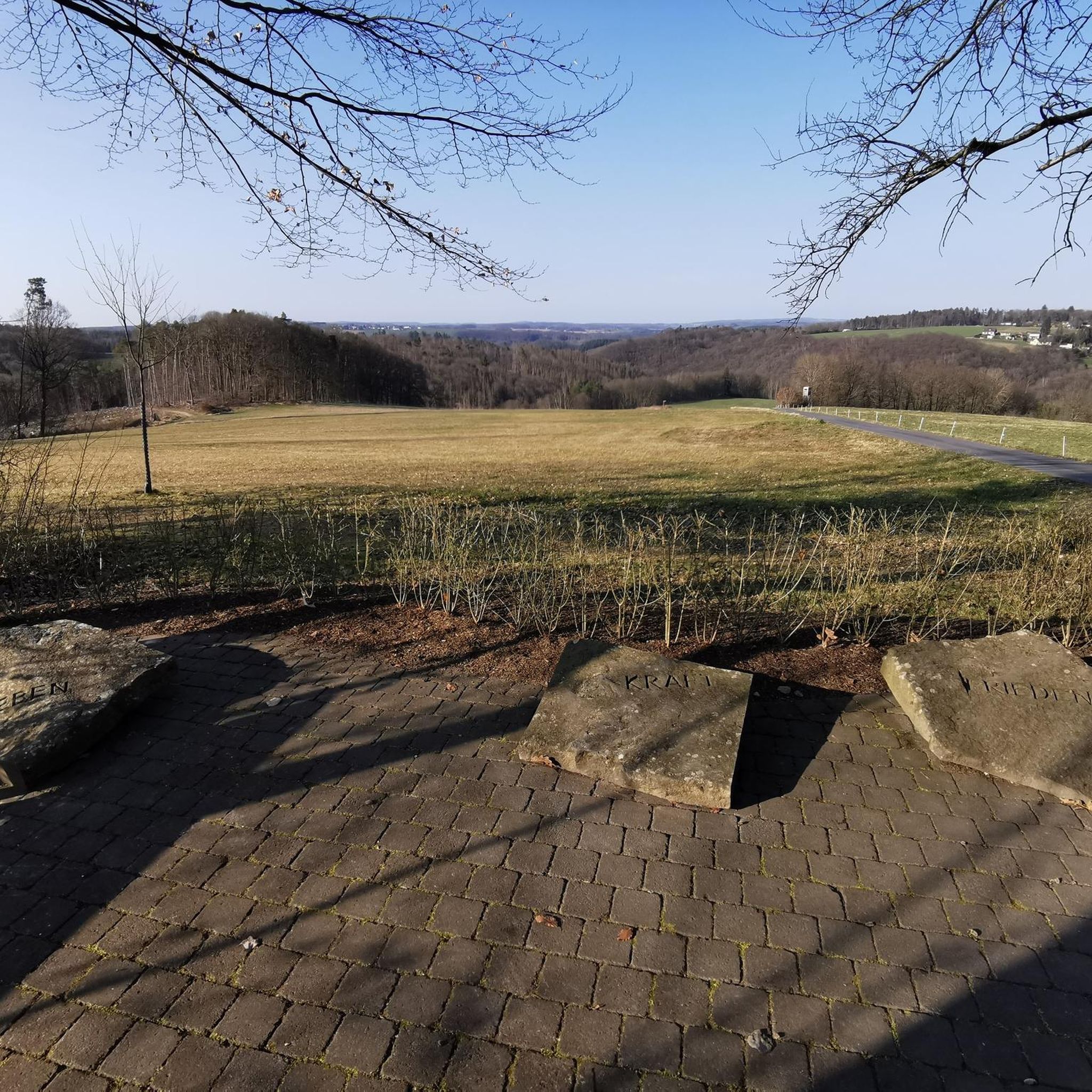
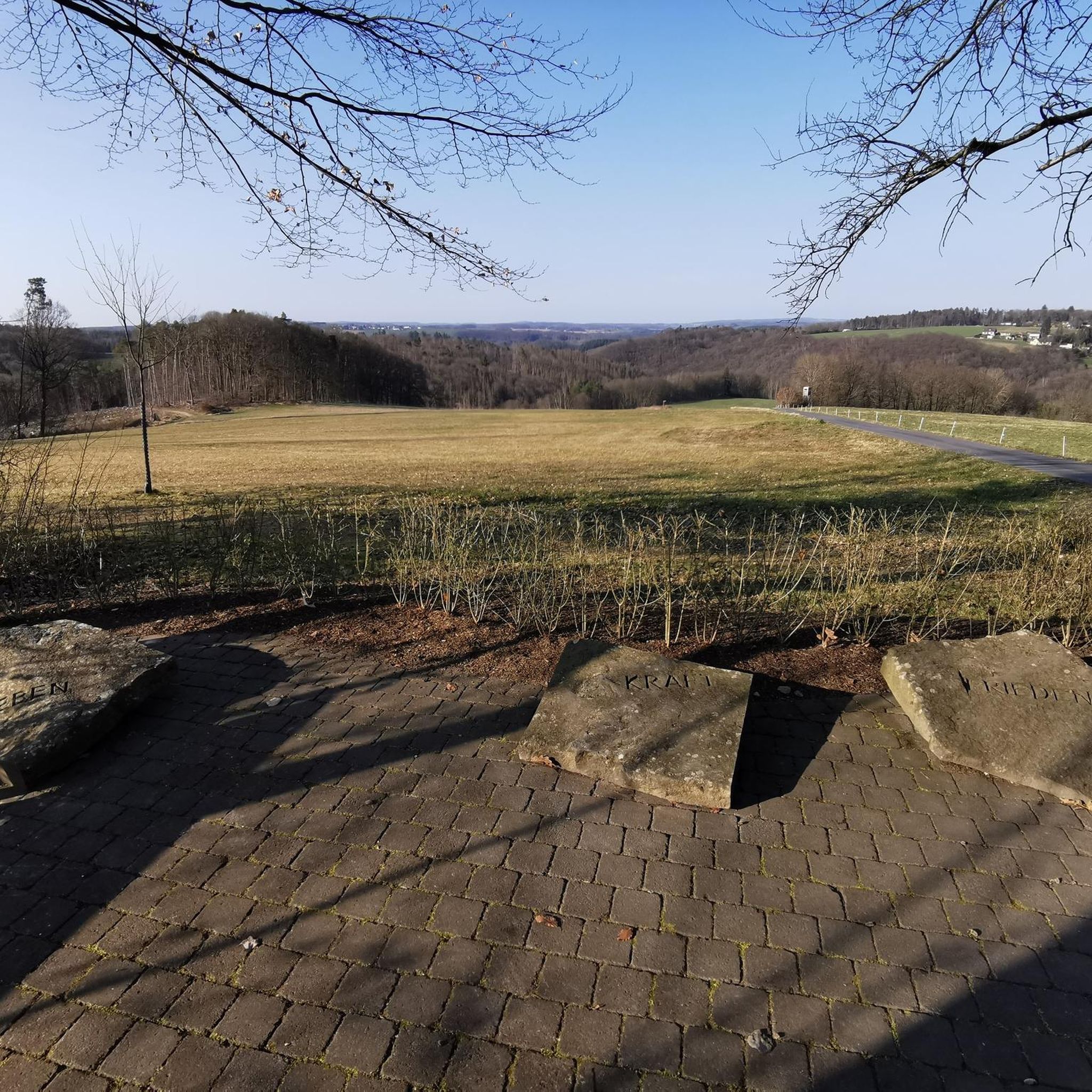
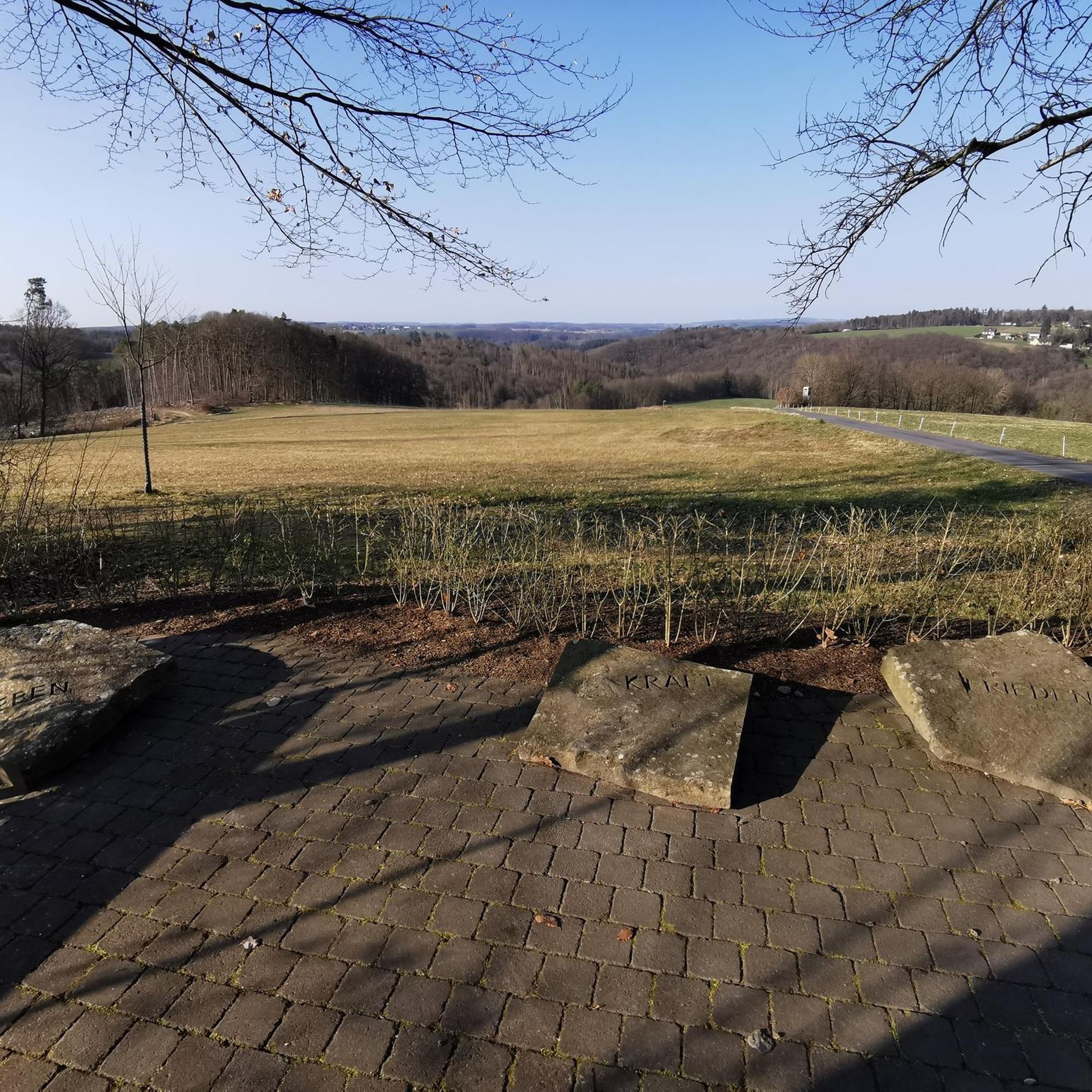
"... In 1945, he completed his habilitation in Freiburg im Breisgau. Höffner subsequently became Professor of Pastoral Theology and Christian Social Teaching in Trier. From 1951, he succeeded Franz Hitze and Heinrich Weber as Professor of Christian Social Sciences at the University of Münster. In the same year, he founded the Institute for Christian Social Sciences. Höffner's teaching and research were closely linked to his duties as a scientific policy advisor to the Federal Ministries for Family and Youth Affairs, for Housing, and for Labor and Social Order. In this capacity, he had a decisive influence on the further development of social policy and on the reorganization and expansion of social insurance during the Adenauer era. On September 14, 1962, Joseph Höffner was consecrated Bishop of Münster by the Bishop of Trier, Matthias Wehr. On January 6, 1969, he was appointed Coadjutor Archbishop of the almost blind Archbishop of Cologne, Cardinal Joseph. Frings was appointed Archbishop of Cologne and simultaneously Titular Archbishop of Aquileia. On February 23, 1969, he succeeded Frings as Archbishop of Cologne; on April 28 of the same year, Pope Paul VI created him a cardinal priest with the titular church of Sant'Andrea della Valle in the College of Cardinals. From 1976 to 1987, like his predecessor, Cardinal Joseph Frings, he served as President of the German Bishops' Conference. He resigned from the office of Archbishop of Cologne on September 14, 1987, one month before his death, after Pope John Paul II had rejected his repeated offer of resignation on his eightieth birthday. He died in Cologne's St. Hildegardis Hospital from an incurable brain tumor discovered only a few months earlier. Cardinal Joseph Ratzinger presided over the funeral mass. Cardinal Höffner found his final resting place in the archbishop's crypt in the Cologne Cathedral. Cardinal Joachim Meisner succeeded him in February 1989. (Wikipedia) https://www.domradio.de/person/joseph-kardinal-hoeffner
0
0
" Joseph Höffner was born on December 24, 1906, in the Westerwald region, the eldest of seven children. He attended high school in Montabaur, and from 1922, the humanistic Friedrich-Wilhelm-Gymnasium in Trier, where he graduated in 1926. From 1926 to 1934, Höffner studied at the Pontifical Gregorian University in Rome, where he received his first doctorate (Dr. phil.) in 1929. He was ordained a priest on October 30, 1932. In 1934, Höffner earned his second doctorate (Dr. theol.) in Rome. His dissertation was entitled "Social Justice and Social Love." From 1935 to 1936, Höffner was a chaplain at the Saarbrücken parish church of St. John. After this brief period in pastoral work, Höffner studied in From 1937 to 1939, he studied in Freiburg im Breisgau. There, he received another doctorate in theology in 1938, as the Nazi regime did not recognize his Italian doctorate. In 1939, he received a diploma in economics. In 1940, he received his doctorate in political science. Until his death in 1987, he was one of the few Germans known to have received four doctorates. ... "
0
0
"The Grenzbach stream, originally called "Waldbach," forms the border between the districts of Altenkirchen and Neuwied. Extensive renaturation measures were carried out here a few years ago. Large-scale spruce clearing (13 hectares) was carried out to promote light and natural vegetation. New, animal-friendly stream crossings were created, stream piping and small weirs were removed, and new bridges were built. Galloway and Heck cattle graze the areas year-round, keeping them free from reforestation. The section between Willroth and Linkenbach is grazed by Galloways. Another section, between Pleckhausermühle and the Wied near Döttesfeld, is grazed by a backbred aurochs, the so-called Heck cattle. Valuable ecological structures and wetlands have since formed and provide a valuable refuge for fauna and flora..." FURTHER INFORMATION: https://www.hachenburger-westerwald.de/d/grenzbachtal-jr7k0ool/
0
0

Very nice small via ferrata, good for beginners
4
0

The old wooden steps have been largely replaced with alpine irons, making it easier to ascend and descend
0
0

A shelter with all kinds of useful information about the Grenzbach Valley.
0
0

Frequently Asked Questions
How many hiking trails are available around Güllesheim?
The Güllesheim area offers a wide selection of routes, with over 900 hiking trails to explore. These range from easy strolls to more challenging treks, catering to various preferences and fitness levels.
What kind of landscapes can I expect to see while hiking near Güllesheim?
Hiking around Güllesheim, situated within the Rhine-Westerwald Nature Park, offers a diverse landscape. You'll encounter wooded hilltops, expansive fields, and romantic river valleys like the Grenzbachtal and Wied valley. Many routes provide impressive panoramic views, showcasing the natural beauty of the Westerwald-Sieg region.
Are there any challenging hiking routes in the Güllesheim area?
Yes, for those seeking a challenge, there are 63 difficult routes around Güllesheim. A notable option is the Hölderstein via ferrata – Grenzbach Stream loop from Breitscheid, which is a 14 km trail featuring a via ferrata section and following the Grenzbach Stream.
Can I find family-friendly hiking options around Güllesheim?
Güllesheim is a great destination for families. The region offers a dedicated Children's Hiking Trail with various stations for playing and learning. Additionally, there are over 500 easy routes available, providing plenty of gentle options suitable for all ages.
Are dogs allowed on the hiking trails near Güllesheim?
Generally, dogs are welcome on the hiking trails around Güllesheim. The diverse landscapes, including wooded areas and open fields, provide excellent opportunities for walks with your canine companion. However, it's always advisable to keep dogs on a leash, especially in nature protection areas or near livestock, and to clean up after them.
What is the best time of year to go hiking in Güllesheim?
The Güllesheim region is beautiful throughout the year, but spring and autumn are particularly vibrant. In spring, you'll see colorful flower meadows, while autumn brings bright yellow deciduous trees. These seasons offer pleasant temperatures and stunning natural displays, making them ideal for hiking.
Are there circular hiking routes available in Güllesheim?
Yes, circular routes are a popular option in Güllesheim. The village itself features the Güllesheimer Rundweg, an approximately 10-kilometer circular route offering wonderful views. Many other trails, such as the View of Grenzbachtal – Grenzbachtal near Horhausen loop from Horhausen, are also designed as loops, allowing you to start and end at the same point.
What are some notable natural attractions or landmarks to look out for?
The region boasts several natural highlights. You can explore the scenic Wied Valley and the picturesque Grenzbach Valley. Keep an eye out for the Mettelshahner Schweiz Rock Formation, a unique natural monument, and various shelters like the Heiligenstock Shelter, which offer resting spots along the way.
How can I get to the hiking trails around Güllesheim using public transport?
While Güllesheim is a rural village, public transport options exist to reach the broader Westerwald-Sieg region. It's recommended to check local bus schedules for connections to Güllesheim or nearby towns that serve as trailheads. Planning your route in advance using public transport apps will help ensure a smooth journey to your chosen hiking starting point.
Is there parking available near the trailheads in Güllesheim?
Yes, parking is generally available near popular trailheads and in the village of Güllesheim. Many routes, especially circular ones, often have designated parking areas at their starting points. Look for signs indicating 'Wanderparkplatz' (hiking parking) when planning your trip.
What do other hikers say about the trails in Güllesheim?
The hiking trails in Güllesheim are highly regarded by the komoot community, with an average rating of 4.6 stars from over 5,500 reviews. Hikers often praise the varied terrain, the well-maintained paths, and the beautiful panoramic views found throughout the region.
Are there places to eat or stay overnight near the hiking trails?
Güllesheim and the surrounding villages offer options for refreshments and accommodation. You can find local cafes and pubs for a break during or after your hike. For overnight stays, there are guesthouses and hotels in the wider Westerwald-Sieg region. Some routes may also pass by huts or shelters, such as the Laubach Hut or Niederhofen Barbecue Hut, which can be useful for longer excursions.
What should I bring for a hike in the Güllesheim region?
For hiking in Güllesheim, it's advisable to bring appropriate footwear, such as sturdy hiking boots, especially for routes with varied terrain or potential for mud. Pack enough water and snacks, and consider layers of clothing suitable for changing weather conditions. A map or GPS device is also recommended, along with sun protection and a first-aid kit.
Most popular routes around Güllesheim
Most popular attractions around Güllesheim

Get inspired with the komoot mobile app


Explore more
Browse the best Hikes in other regions.
