Top 20 Lakes around Lippetal
Best lakes around Lippetal are found within the municipality's varied landscape of fields and forests, situated in the Soest district of North Rhine-Westphalia. The region is characterized by its riverine features, including the Lippe and Quabbe rivers, alongside numerous smaller water bodies. While large natural lakes are less common directly within Lippetal, the area offers smaller, often fishing-oriented water bodies and scenic river landscapes. These natural features provide opportunities for outdoor activities, complementing the broader region's recreational offerings.
Best lakes…
Last updated: October 13, 2026
Beckum Blue Lagoon
Highlight • Lake
Translated by Google •
Tip by

Old Stone Weir, Lippstadt
Highlight • Monument
Translated by Google •
Tip by

Sign up now to discover places like this
Get recommendations on the best single tracks, peaks, & plenty of other exciting outdoor places.
NSG Lippeaue between Goettingen and Cappel
Highlight (Segment) • Viewpoint
Translated by Google •
Tip by

Tuttenbrocksee
Highlight • Lake
Translated by Google •
Tip by

Maximilianpark
Highlight • Structure
Translated by Google •
Tip by

Sign up for free to discover even more lakes around Lippetal.
Already have an account?
Start today with a free account
Your next adventure awaits.
Popular around Lippetal
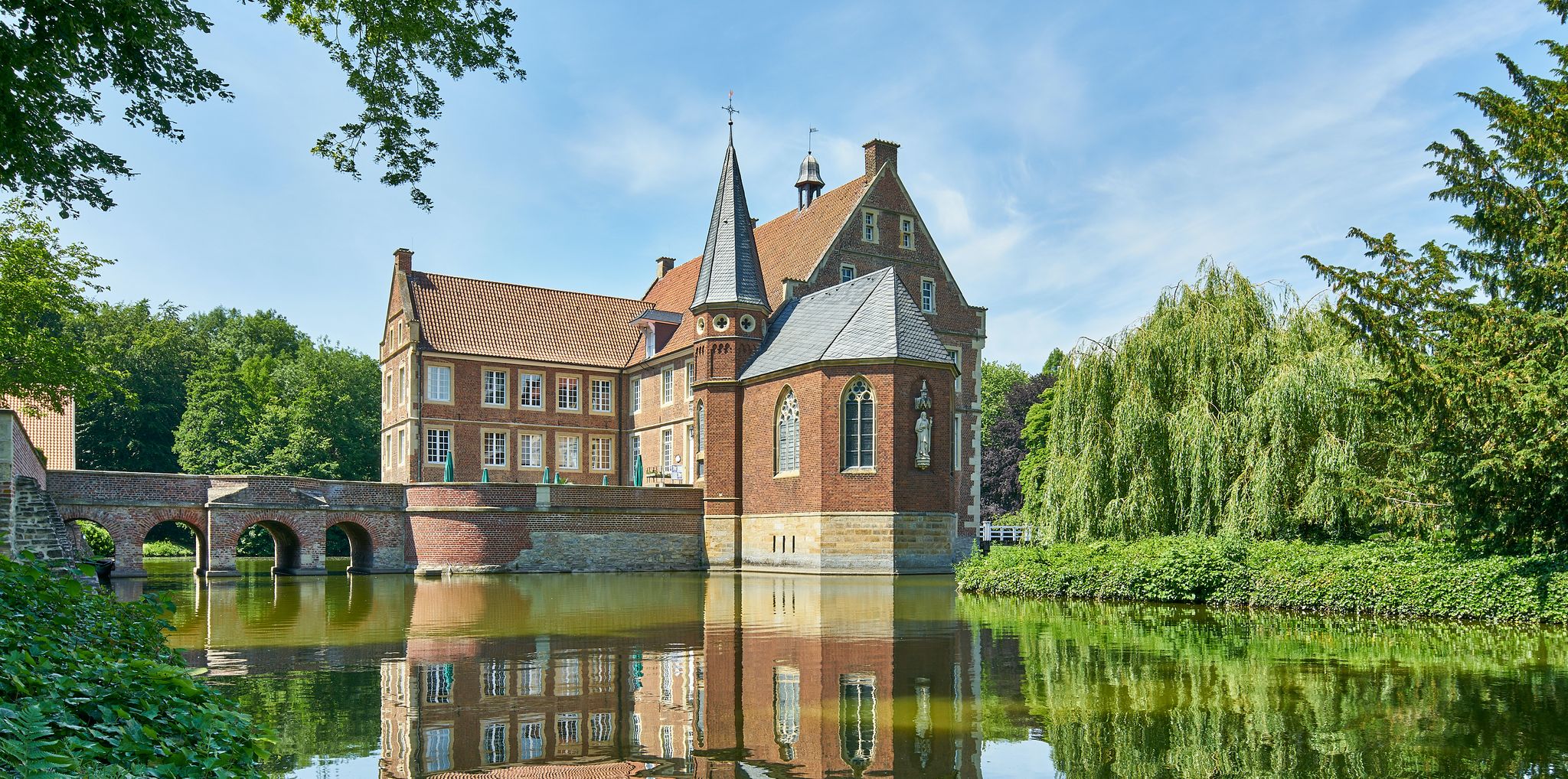
100 Castles Route – Discover the historical treasures of Münsterland by bike
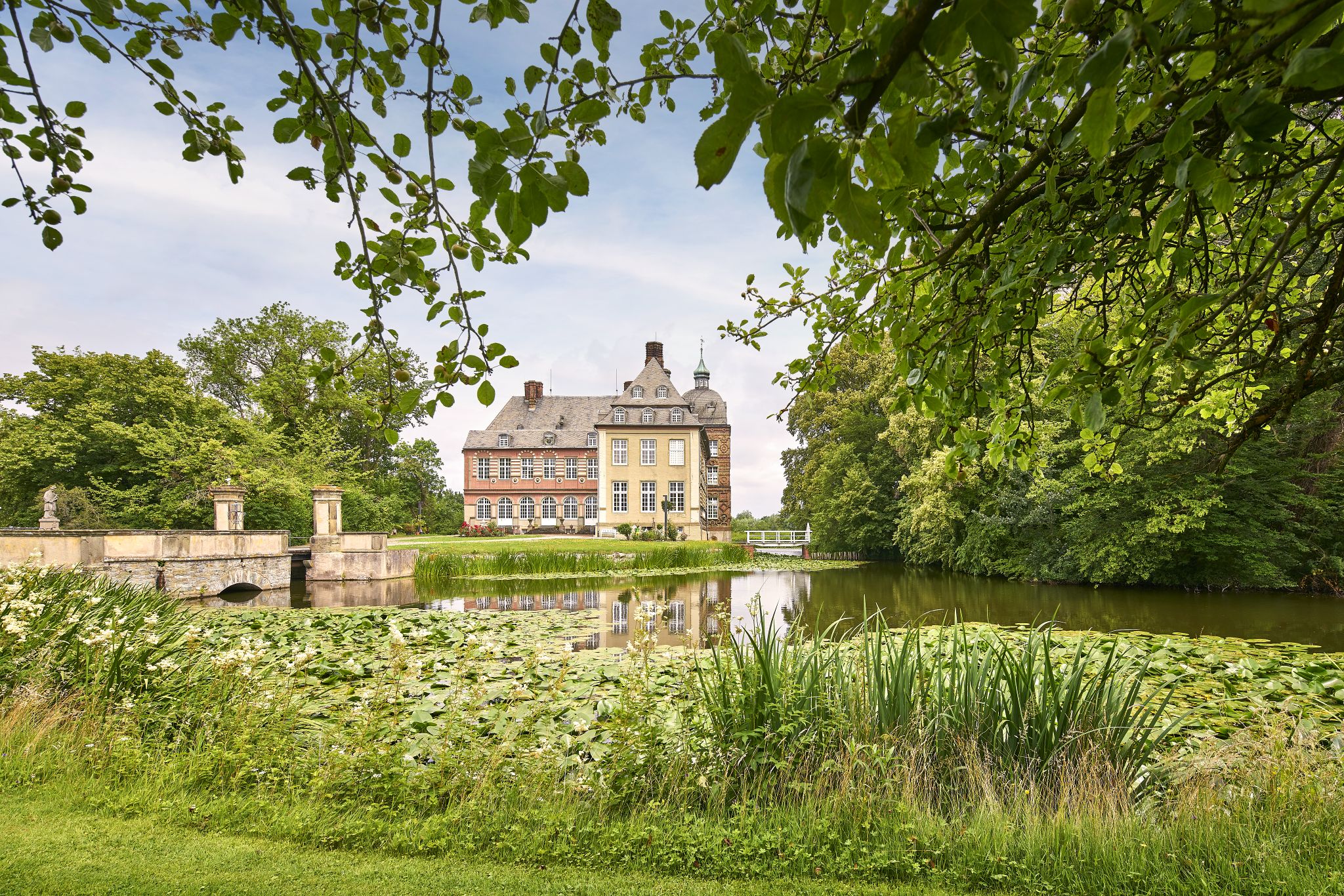
Castles, Fortresses & Nature – cycling in the Warendorf’s parkland
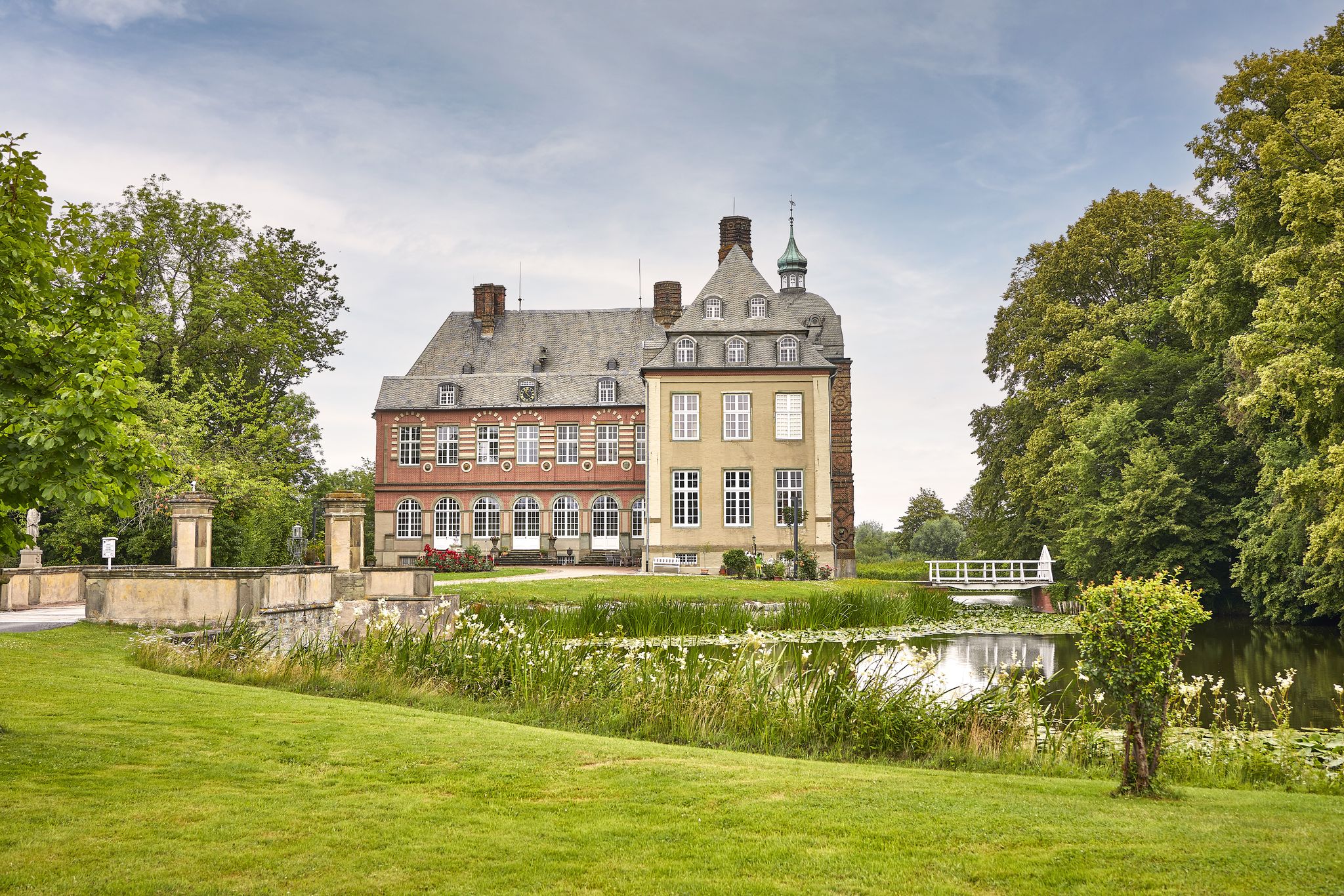
Hellweg Börde Cycling Region – premium rides in Westphalia's heart
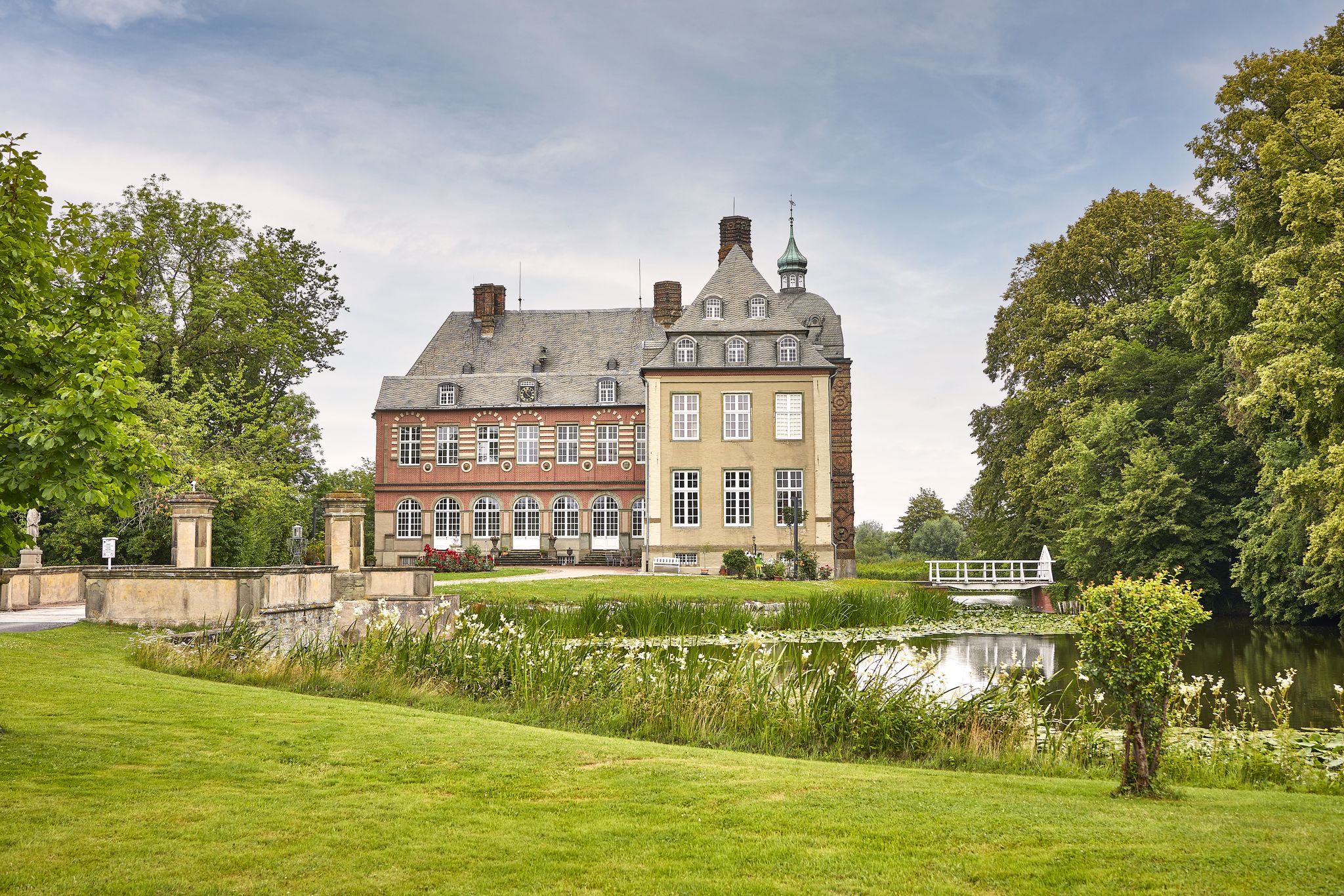
Wonderful cycling Tours in Warendorf’s park landscape
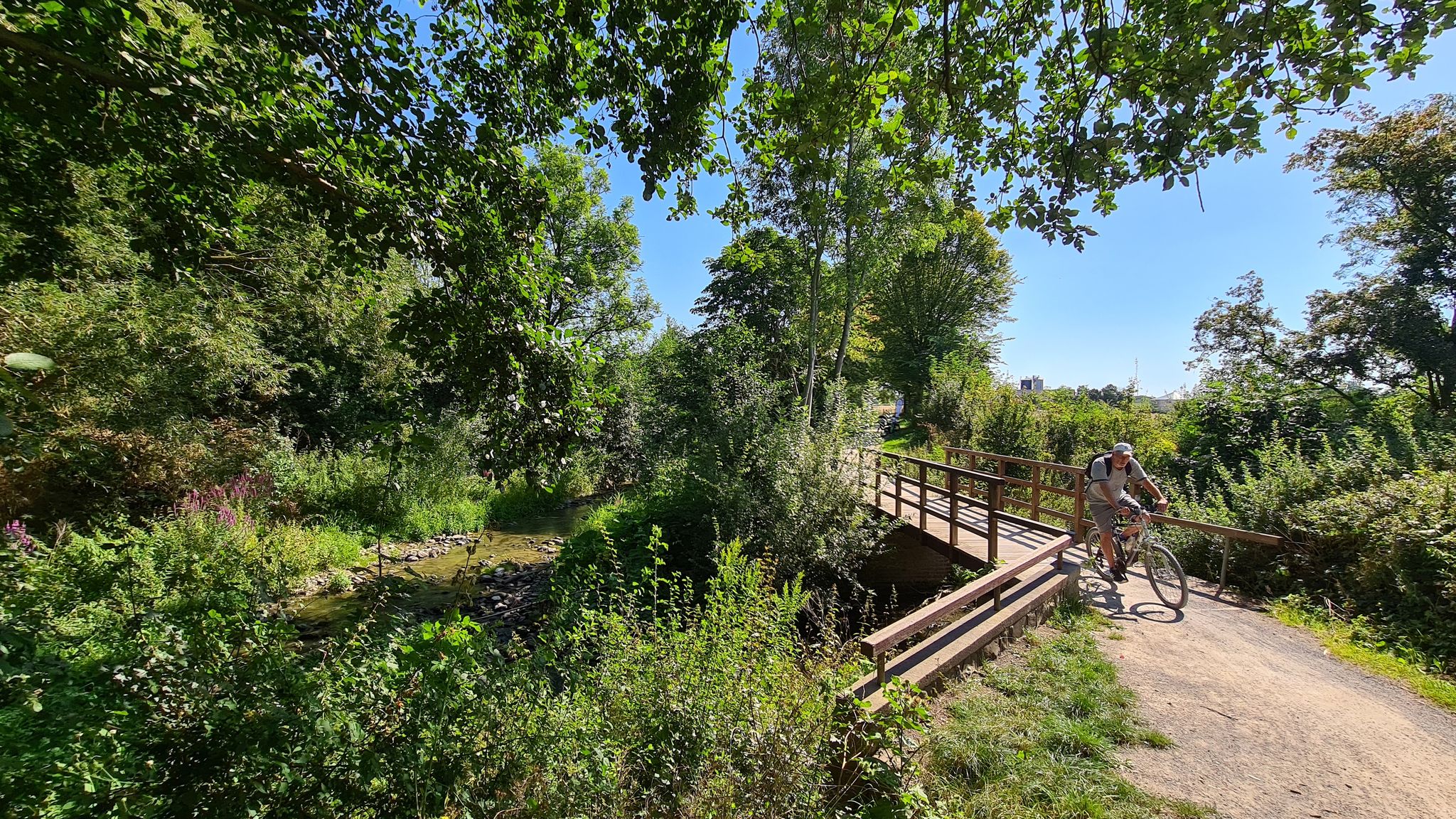
From nobility to industrial sights – culture and nature in Münsterland
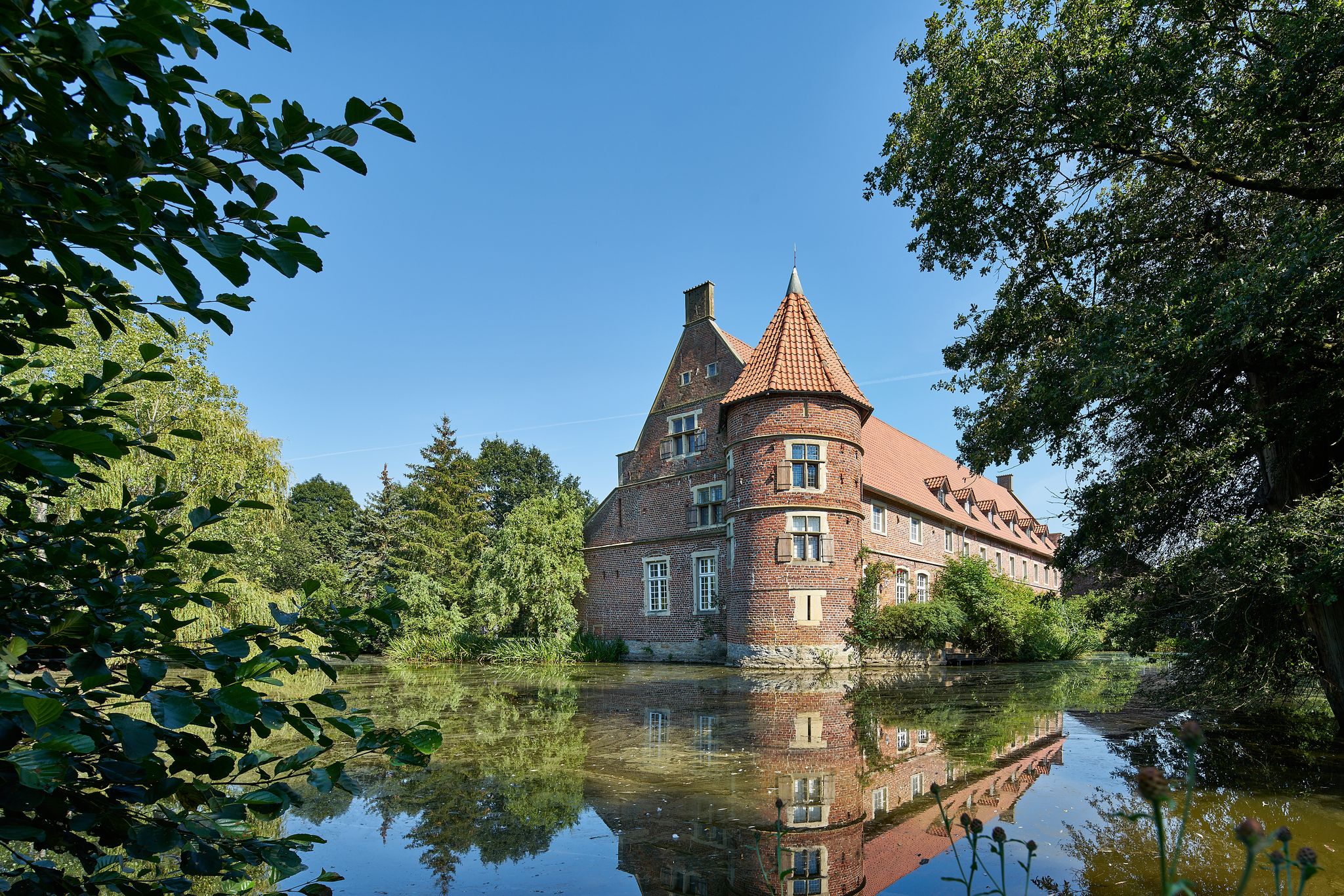
Romantic Münsterland – short trips to castles and palaces
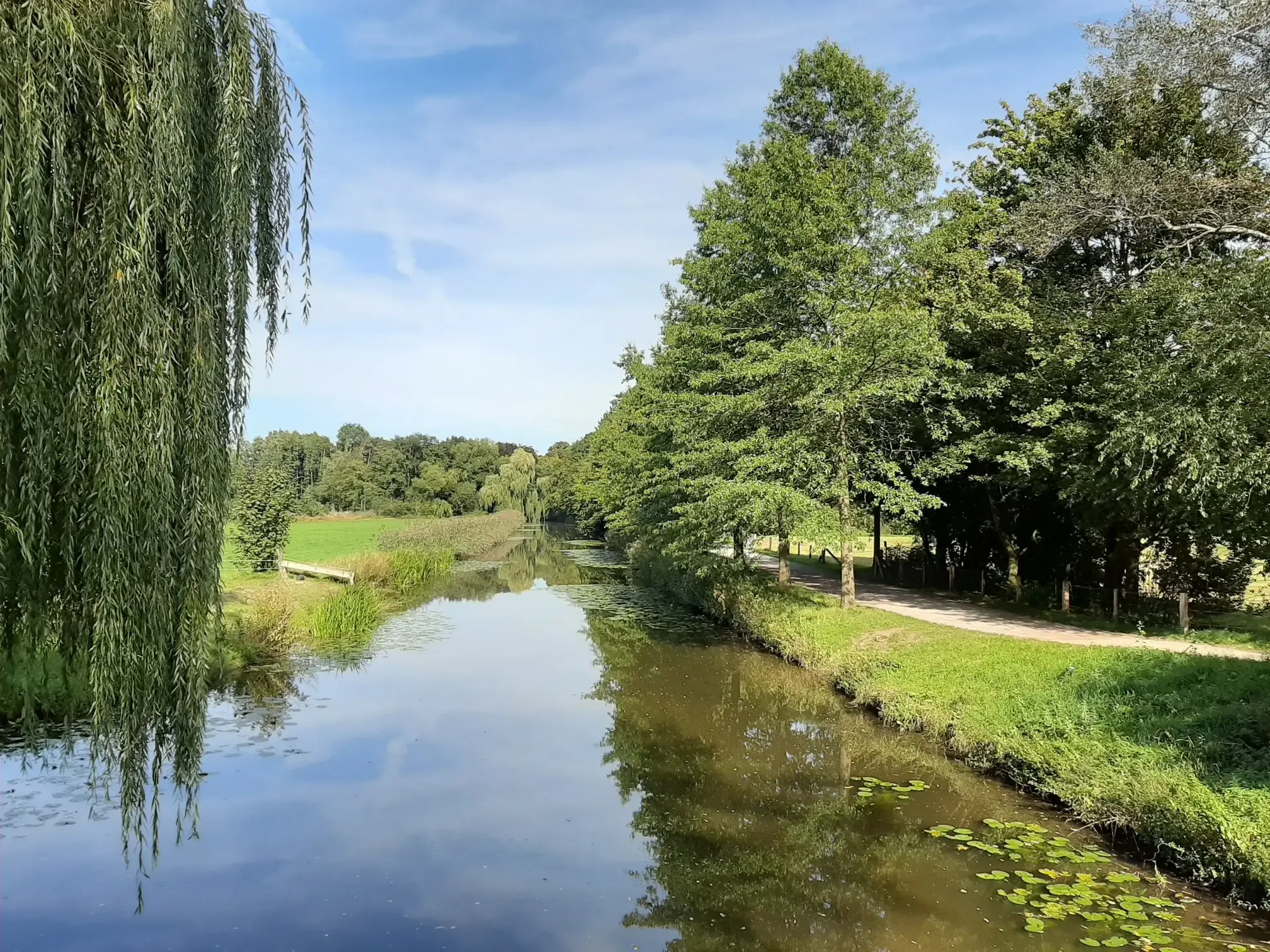
Schlösser, Städte und ganz viel Natur – Radtouren im Münsterland
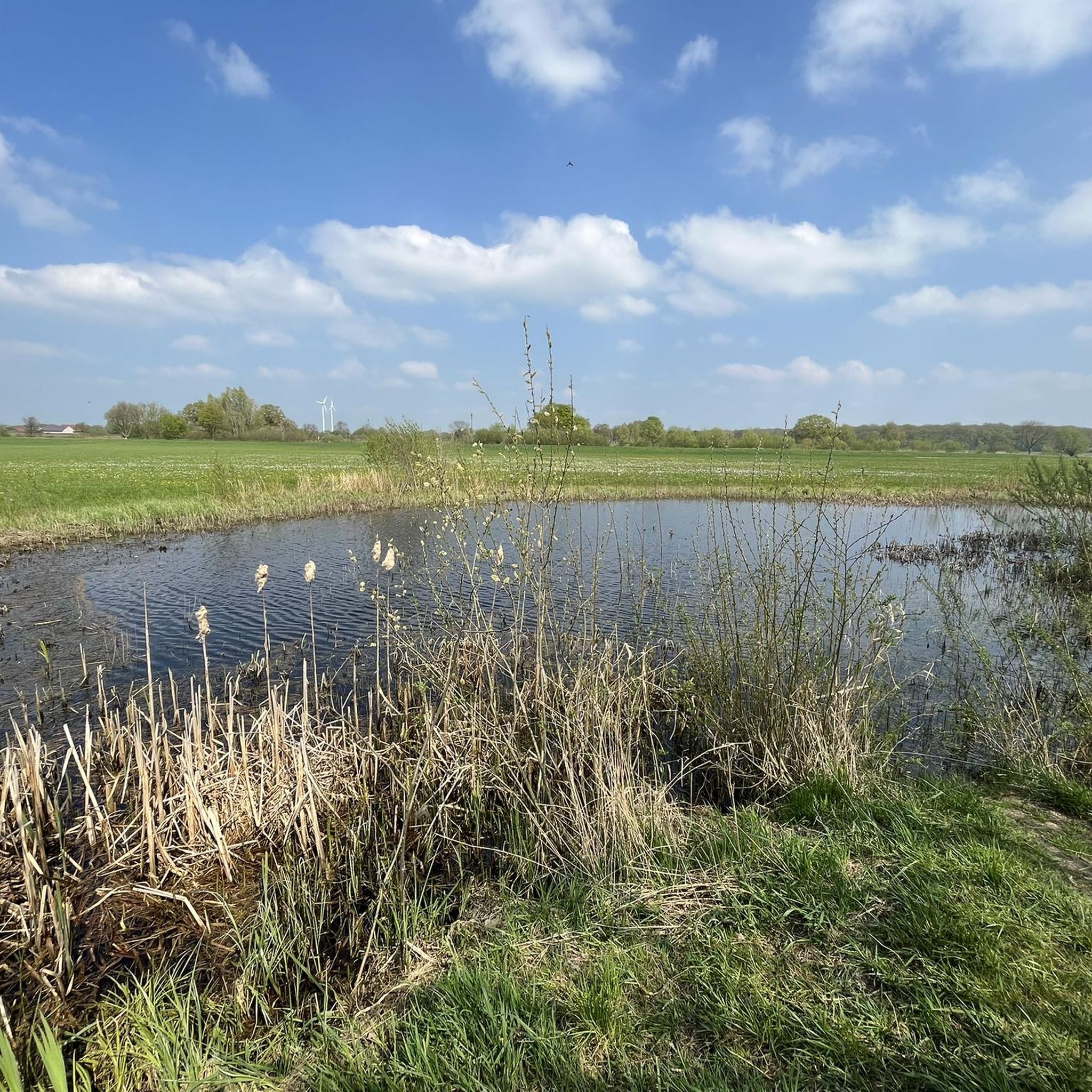
Cycling around Lippetal
Hiking around Lippetal
Road Cycling Routes around Lippetal
Other adventures around Lippetal


Tips from the Community

Right next door is a very nice excursion café.
1
0

Also on the Schelhasseweg you will find a lookout tower that can only be reached by stairs. In order to create better observation opportunities, especially for water birds, a large still body of water with an island was created as part of the project.
3
0
The old stone weir from 1711/12 is one of the few visible remains of the former fortifications.
5
0

Nice to look at. It's packed here on Sundays
7
2

Junction-related signage A junction-related signage (also known as a junction system) helps cyclists plan their tours and originally comes from Belgium. The so-called Fietsrouten network was created in Belgian Limburg in 1995, after which it quickly expanded throughout Flanders and cross-border to the Netherlands and later to Germany and Wallonia. https://de.wikipedia.org/wiki/Knotenpunkt relate_Wegweisung In today's "digitized world", I think this information system is more than overdue.
4
0

The city of Beckum has imposed restrictive residence restrictions for the Blue Lagoon for several years, particularly in the months of April to October. Please note! Details can be read here: https://www.dein-beckum.de/news/lokales/bade--und-haltsban-in-der-blauen-lagune-ab-13-juni
9
2

Where the site of the closed Maximilian colliery used to be, the state horticultural show was held in 1984 and the Maximilianpark was created on this basis. There is a children's playland, a butterfly house, many walking paths and a rich program of events. You can also see Hamm's landmark, the glass elephant, in the park. You can find more information about the park here: https://www.maximilianpark.de/ attraction/der-park.
6
0

The Maximilian Halle is the main entrance to Maximilianpark in Hamm and also the largest building there. There are also various tours. There are also many events for young and old. You can also have a civil wedding in the glass elephant.
4
0
Frequently Asked Questions
What types of water bodies are characteristic of Lippetal?
Lippetal is primarily characterized by its riverine features, including the Lippe and Quabbe rivers, along with numerous smaller water bodies such as pond facilities like Teichanlage Hovestadt and various old river arms. While large natural lakes are less common directly within the municipality, these smaller, often fishing-oriented water bodies and scenic river landscapes offer diverse natural settings.
Are there any lakes suitable for family outings in Lippetal?
Yes, several spots are family-friendly. For instance, the View of the Kurpark Pond is located within a well-maintained spa park, offering easy accessibility and opportunities to observe animals like water birds and nutrias. The Maximilianpark also features a pond area, along with a children's playland and butterfly house, making it ideal for families.
Where can I find trails for walking or cycling near the water in Lippetal?
The region offers various trails. The NSG Lippeaue between Goettingen and Cappel provides a beautiful section along the Römer-Lippe route, ideal for both cycling and walking. The Beckum Blue Lagoon is also located near the Werse Cycle Path, making it a notable detour for cyclists. Additionally, Tuttenbrocksee features a loop trail around the lake with benches for scenic views.
Are there any wheelchair-accessible paths near water features in Lippetal?
Yes, the Maximilianpark is known for its accessibility, offering paths that are suitable for wheelchairs. This park includes a pond and swamp area, allowing visitors to enjoy nature comfortably.
Can I go wild swimming in the lakes around Lippetal?
While some water bodies might appear inviting, bathing is generally not permitted in many of the former quarries or natural areas for safety and environmental reasons. For example, bathing has been forbidden at the Beckum Blue Lagoon.
What kind of wildlife can I observe near the water in Lippetal?
The natural areas around Lippetal's rivers and ponds are rich in wildlife. At the NSG Lippeaue between Goettingen and Cappel, you can observe various animals and birds, making it a popular spot for ornithologists. The Kurpark Pond is also home to water birds and nutrias, which can be easily observed.
Are there places to eat or relax near the lakes?
Yes, some locations offer amenities. Tuttenbrocksee has a restaurant on-site, and you'll find benches with beautiful views of the lake. The Maximilianpark also features cafes and seating areas, particularly around the artificially created Maximiliansee.
What outdoor activities can I do near the lakes and rivers in Lippetal?
Beyond exploring the water bodies themselves, Lippetal offers various outdoor activities. You can find numerous easy hiking trails, such as those around the Lippe Floodplains. For cyclists, there are road cycling routes, including sections of the Römer-Lippe route. Additionally, running trails are available, like those near the Quabbe river.
Is fishing permitted in the water bodies of Lippetal?
Fishing is a popular activity in Lippetal's water bodies. The Lippe River, Teichanlage Hovestadt, and various old river arms are known fishing spots, with species like perch, pike, carp, and chub. However, access for angling, especially in smaller streams like the Quabbe, is often managed by local fishing clubs, and guest tickets may not be readily available.
What is the best time to visit the lakes and natural areas in Lippetal?
The natural areas around Lippetal are enjoyable throughout much of the year. Spring and summer offer lush greenery and pleasant temperatures for hiking and cycling. Autumn brings beautiful foliage, while winter can provide opportunities for peaceful walks, though specific lake activities might be limited by weather conditions.
Are there any nature reserves or protected areas around Lippetal's water features?
Yes, the region includes protected natural areas. The NSG Lippeaue between Goettingen and Cappel is a nature reserve along the Lippe River, known for its ecological significance and birdwatching opportunities. The Quabbe River also flows through the nature reserve Quabbeaue / Berkenkamp.
Where can I find parking when visiting these water bodies?
Parking availability varies by location. For larger attractions like the Maximilianpark, dedicated parking facilities are available. For smaller, more natural spots, parking might be found in nearby villages or designated areas, but it's advisable to check specific location details beforehand.
Most popular routes around Lippetal
Most popular attractions around Lippetal

Get inspired with the komoot mobile app


Explore more
Still not found your perfect lake around Lippetal? Check out the guides of these regions to see even more beautiful places.
