Top 7 Caves around Puchenstuben
Caves around Puchenstuben are located within the Ötscher-Tormäuer Nature Park, an area known for its diverse natural landscapes and geological formations. This region features notable underground environments, including dripstone caves and natural grottos. Puchenstuben provides access to these subterranean features, offering various exploration opportunities. The geological characteristics of the park contribute to a varied outdoor experience.
Best caves around Puchenstuben
- The most popular cave is Ötscher Stalactite Cave, a natural monument known for its impressive formations. Visitors can experience…
Last updated: June 26, 2026
Innerebengrotte
Highlight • Cave
Translated by Google •
Tip by

Trockenes Loch Cave
Highlight • Cave
Translated by Google •
Tip by

Sign up now to discover places like this
Get recommendations on the best single tracks, peaks, & plenty of other exciting outdoor places.
Sign up for free
Bivouac Cave
Highlight • Cave
Translated by Google •
Tip by

Ötscher Stalactite Cave
Highlight • Cave
Translated by Google •
Tip by

Taubenloch Cave (Specially Protected Cave)
Highlight • Cave
Translated by Google •
Tip by
Sign up for free to discover even more caves around Puchenstuben.
Sign up for free
Already have an account?
Start today with a free account
Your next adventure awaits.
Login or Signup
Popular around Puchenstuben
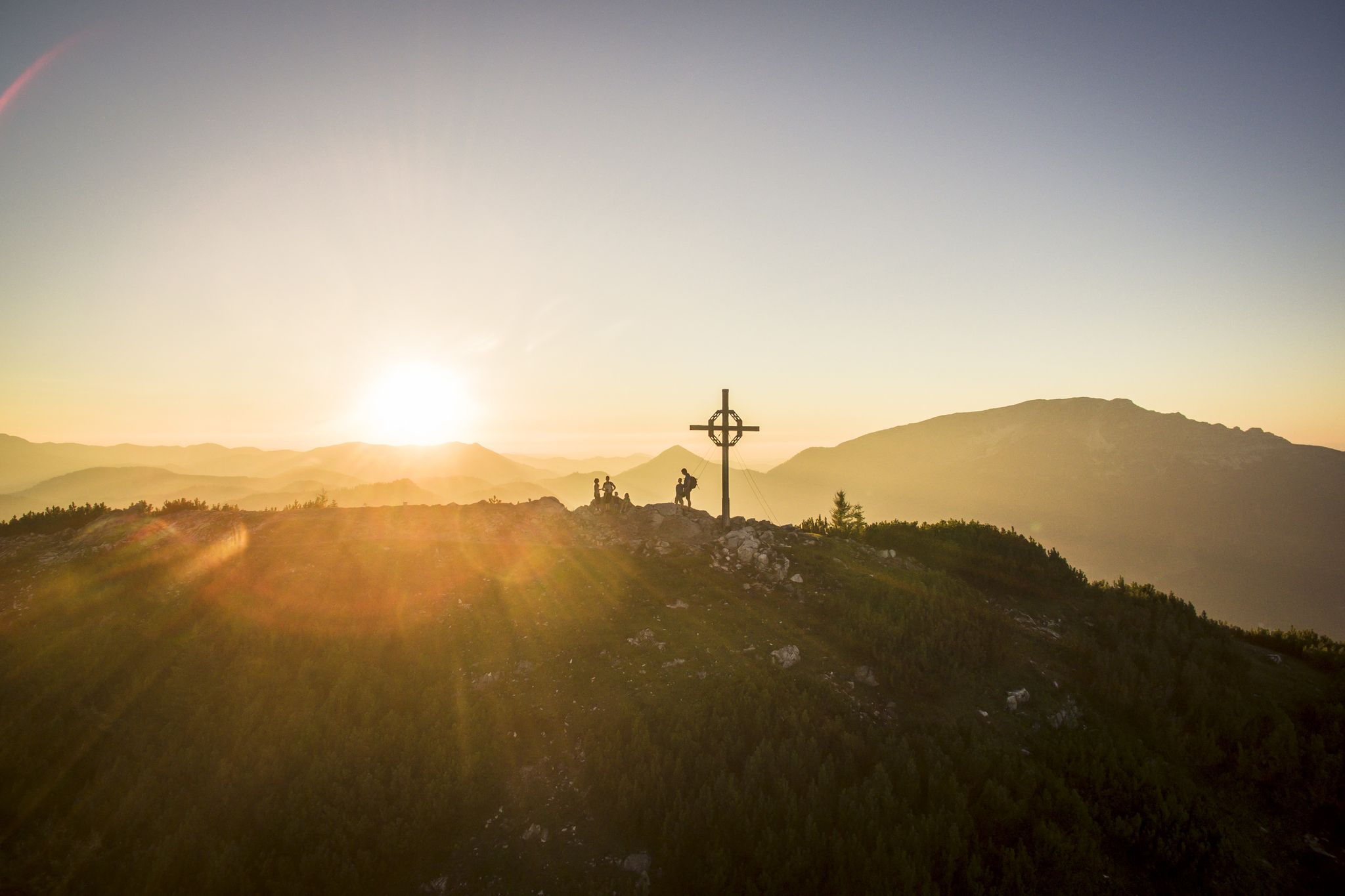
Hiking with a view – certified hiking villages in Lower Austria
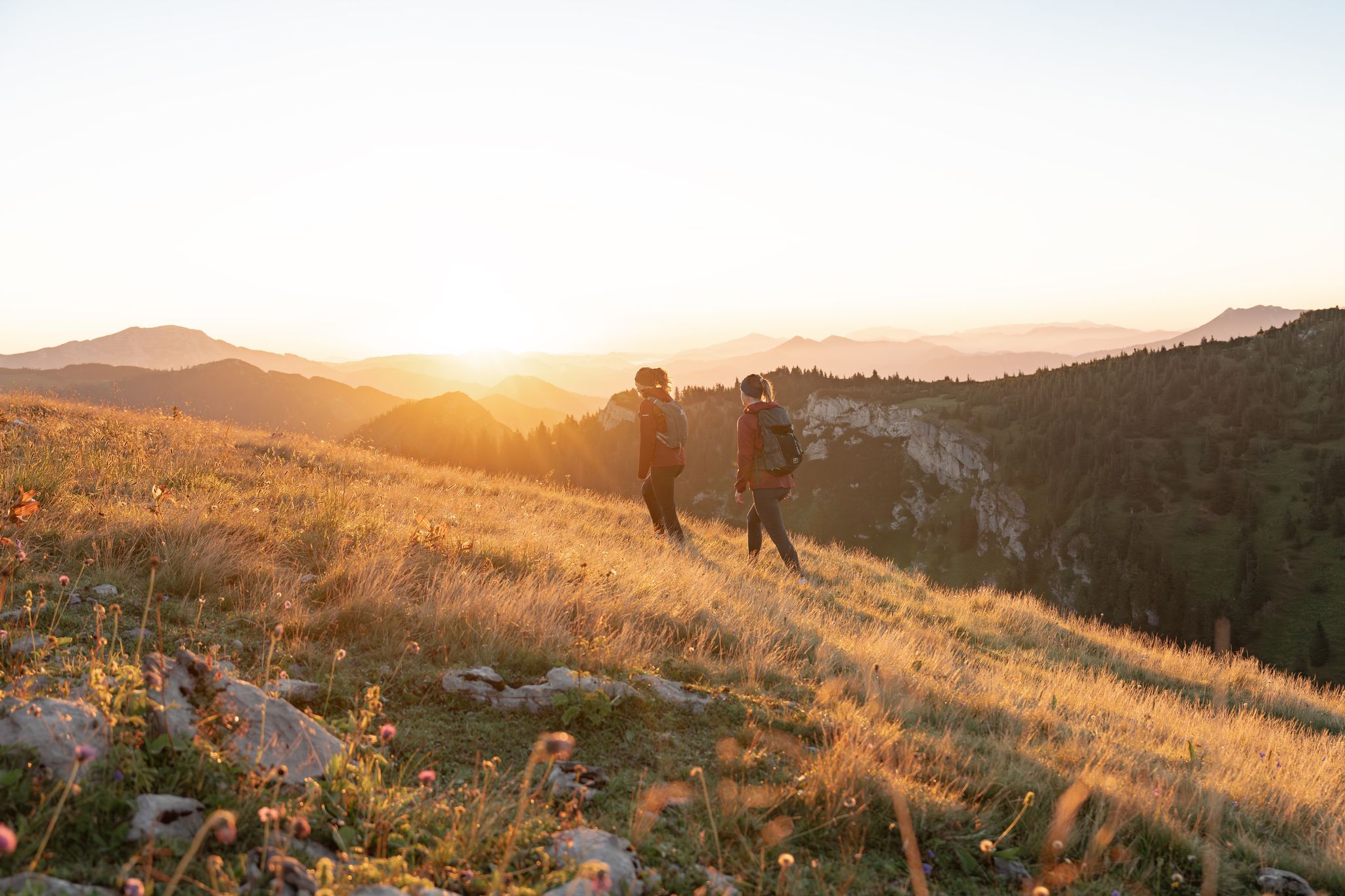
Get away from it all – experience the Mostviertel's six most beautiful hikes
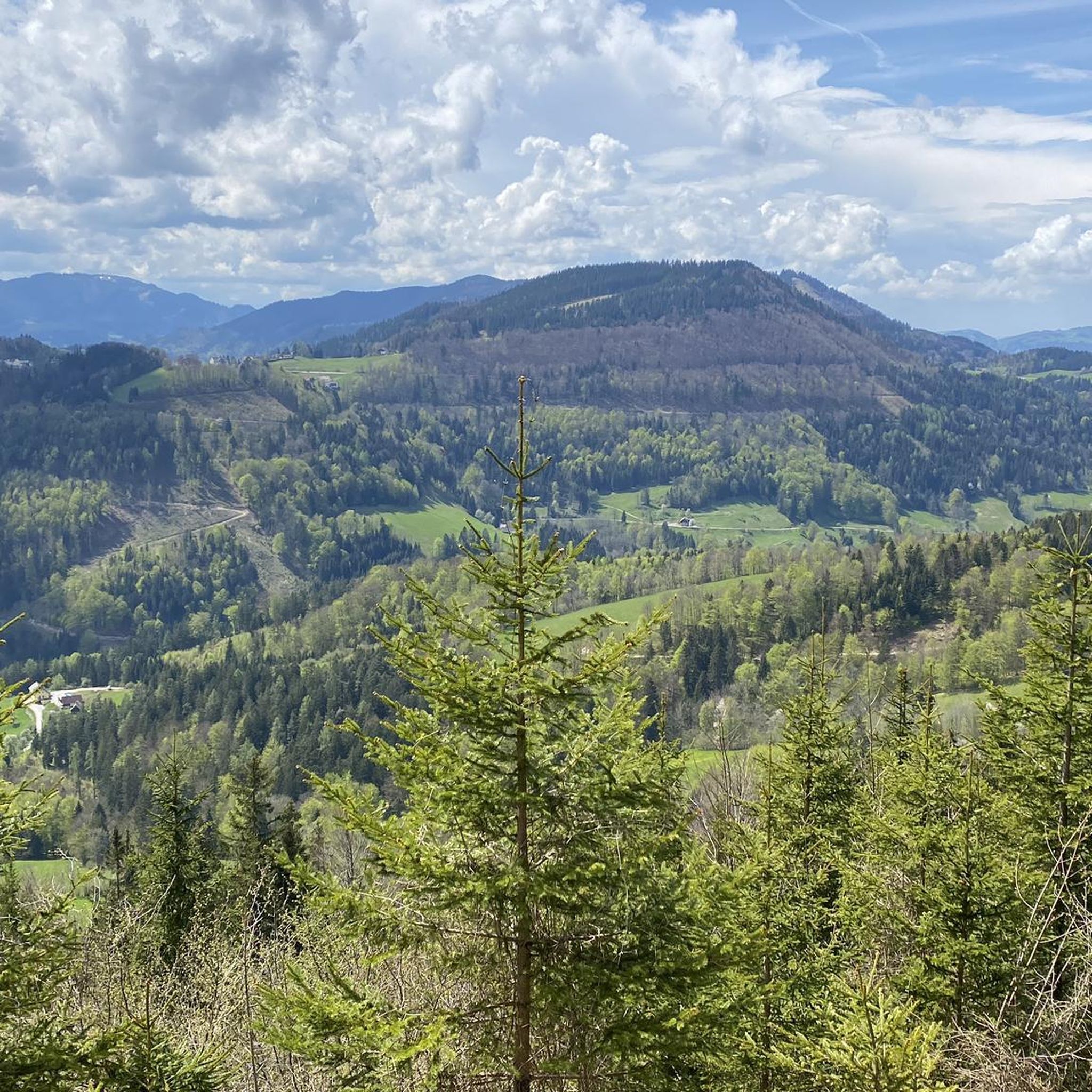
Hiking around Puchenstuben
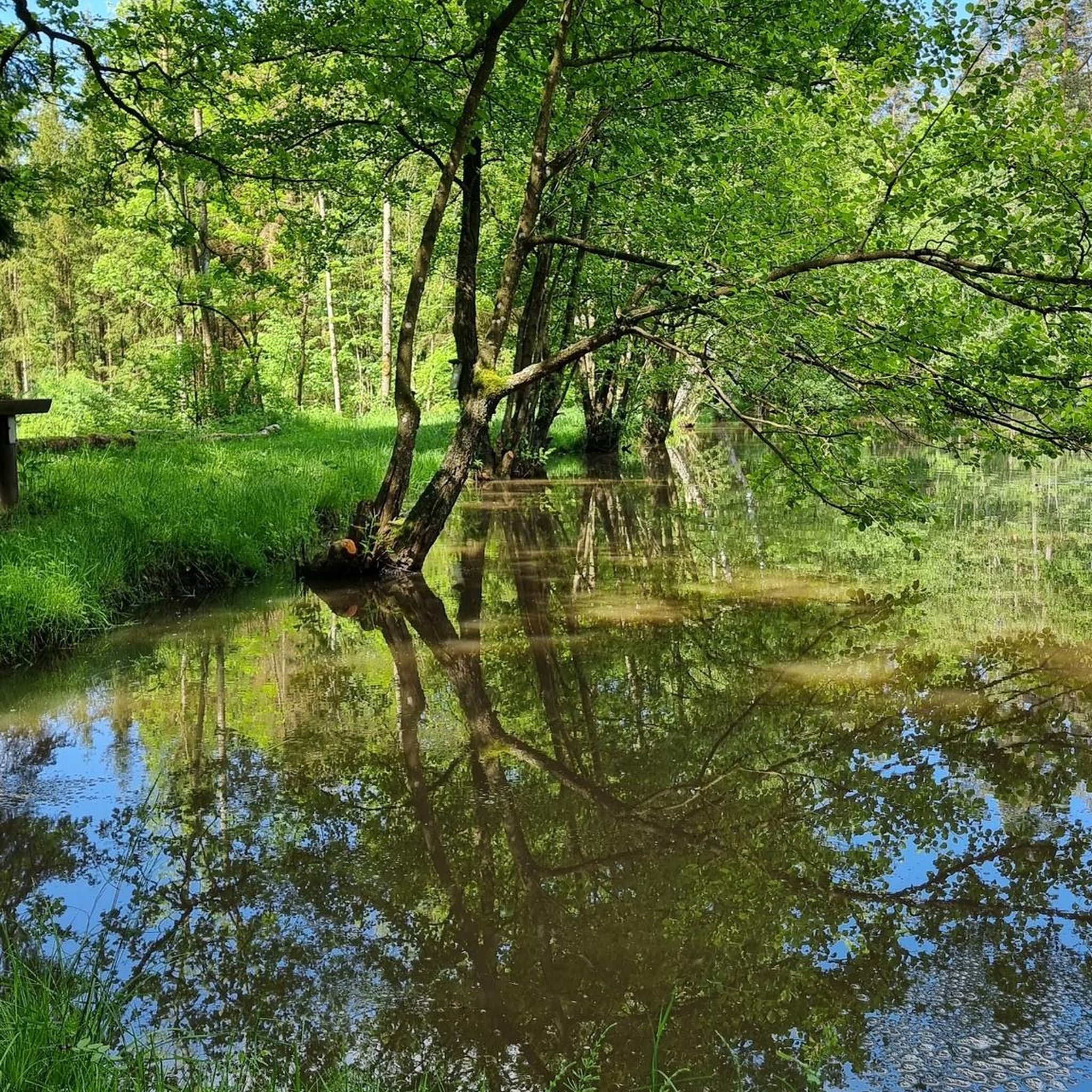
Mountain Hikes around Puchenstuben
Road Cycling Routes around Puchenstuben
Cycling around Puchenstuben
MTB Trails around Puchenstuben
Running Trails around Puchenstuben

Gravel biking around Puchenstuben


Tips from the Community

Very nice cave, beautiful to look at. We were lucky that it was also very humid, just as you would expect in a cave like this.
0
0

Beautiful ascent via the adventure trail from the Schindlhütte
0
0

The Dry Hole is a large cave, located right next to the Wet Hole, and is perfect for exploring. Be sure to bring a flashlight or headlamp.
3
0

Only in the unusual case that bad weather surprises you, here you will find a small "cave" where you can wait and see something protected
0
0
A "particularly protected cave" and natural monument, with a very interesting antechamber and at the back it continues down. With a commemorative plaque for a Hungarian speleologist who died in an accident. The money hole is the entrance to the 26,000 meter long cave system on the Ötscher.
0
0

The “Innerebengrotte” natural monument is on the right before the entrance to the gorge. It is a grotto with a width of approx. 12 m, a depth of approx. 8 m and a height of 8 m. A water-bearing spring rises all year round at a height of approx. The water falls to the bottom of the grotto in free fall.
0
1

The natural monument "Inner Grotto" is located in front of the entrance of the Faklenschlucht on the right. It is a grotto with a width of about 12 m, a depth and a height of about 8 m. At about 5 m altitude springs a year-round source of water. The water crashes in freefall to Grottensohle.
7
0
Frequently Asked Questions
Which caves near Puchenstuben offer guided tours?
The most prominent cave offering guided tours in the region is the Ötscher Stalactite Cave (Ötscher Dripstone Cave). It can only be visited with a guide and is open from May to October. For booking and current information, you can check the official Lower Austria tourism site: lower-austria.info.
Are there family-friendly cave experiences around Puchenstuben?
Yes, the Ötscher Stalactite Cave is considered family-friendly, offering a captivating expedition into a subterranean world. For a more adventurous family, the Maria-Theresia Schurf Cave is described as very adventurous for children, though it has a small, hidden entrance and requires torches.
What natural features can I expect to see in the caves near Puchenstuben?
The caves in the Ötscher-Tormäuer Nature Park, particularly the Ötscher Stalactite Cave, are known for impressive dripstone formations like stalagmites and stalactites. This cave also features an underground lake spanning over 100 square meters. The Innerebengrotte is notable for a year-round spring that crashes in freefall to the grotto floor.
What is the best time of year to visit the caves around Puchenstuben?
The Ötscher Stalactite Cave is typically open from May to October. This period generally offers favorable weather for hiking to the cave entrances and exploring the surrounding Ötscher-Tormäuer Nature Park.
How accessible are the caves near Puchenstuben, and do they require hiking?
Many caves in the region, including the Ötscher Stalactite Cave, require hiking to reach. From Gaming, a walk from the Schindlhütte snack station takes approximately 45 minutes. From Lackenhof/Raneck, the hike is about 1.5 hours. The Trockenes Loch Cave is also part of a hiking route.
Are there any caves near Puchenstuben that offer shelter?
Yes, the Bivouac Cave is a small cave that can offer shelter in unexpected bad weather conditions, providing a protected space.
What outdoor activities can I combine with a cave visit near Puchenstuben?
The Ötscher-Tormäuer Nature Park offers various outdoor activities. You can find numerous running trails, such as the 'Erlauf riverside – Trefflingfall loop from Ötscher-Tropfsteinhöhle' or 'Urmannsau Gorge Scenic Route loop from Ötscher-Tropfsteinhöhle'. For more running options, explore the Running Trails around Puchenstuben guide. There are also waterfall hikes, including routes like 'Gösing station – Hintere Tormäuer – Lassingfall – Wienerbruck' which you can find in the Waterfall hikes around Puchenstuben guide.
What should I bring when exploring caves near Puchenstuben?
For caves like the Trockenes Loch Cave or the Maria-Theresia Schurf Cave, a flashlight or headlamp is absolutely necessary due to the dark conditions. For guided tours in the Ötscher Stalactite Cave, appropriate clothing for cool, damp conditions is recommended.
Are there any caves that are more challenging to access or explore?
The Bivouac Cave is categorized as challenging. The Maria-Theresia Schurf Cave has a very hidden, small entrance which can be uncomfortable for getting in and out, and the interior can be slippery, making it more adventurous.
What do visitors appreciate most about the <a href="https://www.komoot.com/highlight/4900385" target="_blank" rel="noopener">Ötscher Stalactite Cave</a>?
Visitors appreciate the beautiful ascent via the adventure trail from the Schindlhütte and the cave's visual appeal. Many find it a very nice cave, especially when it's humid, which adds to the authentic cave experience.
Where can I find information about parking or public transport to the caves?
For the Ötscher Stalactite Cave, you can typically reach the starting points for the hikes (e.g., Schindlhütte or Lackenhof/Raneck) by car. Specific parking details are often available on local tourism websites. Public transport options in the wider Ötscher-Tormäuer Nature Park area may include bus services or the Mariazellerbahn, depending on your exact destination.
What is the geological significance of the caves in the Ötscher-Tormäuer Nature Park?
The Ötscher-Tormäuer Nature Park is known for its diverse geological formations, including karst caves. The Ötscher Stalactite Cave, for instance, is geologically significant, with measurements indicating its age to be between 12,000 and 1.8 million years, showcasing a long history of natural artistry and formation.
Most popular routes around Puchenstuben
Most popular attractions around Puchenstuben

Get inspired with the komoot mobile app


Explore more
Extend your search for the best caves by checking out these guides of the top ones around Puchenstuben:
