Top 20 Huts and Cabins in Ireland
Huts in Ireland offer a diverse range of accommodations, from ancient dry-stone structures to modern glamping experiences. The country's varied landscapes, including its coastlines, mountains, and forests, provide numerous settings for these retreats. Many huts blend rustic charm with contemporary amenities, catering to different preferences. Ireland's natural beauty and cultural heritage are accessible through these unique overnight options.
Best huts in Ireland
- The most popular huts is Harry's Café, a cafe that offers hot drinks and homemade treats in a stone cottage. This spot is known for its unique confidence-based payment system and warm welcome.
- Another must-see spot is Mucklagh Hut, a hut providing a shady place for a break and protection from rain. It offers space for a two-man tent, a picnic table, and two firepits.
- Visitors also love Fahan Beehive Huts, a historical site consisting of dry-stone beehive huts. These structures were inhabited over 3000 years ago and are well-preserved on the Dingle Peninsula.
- Ireland is known for its variety of hut types, including historical beehive huts, basic shelters for hikers, and luxurious glamping options. Visitors can explore ancient structures, find simple overnight stays, or enjoy modern eco-friendly retreats.
- The huts in Ireland are appreciated by the komoot community, with over 30 upvotes and more than 20 photos shared across various highlights.
Last updated: October 12, 2026
Mucklagh Hut
Highlight • Mountain Hut
Translated by Google •
Tip by

Fahan Beehive Huts
Highlight • Historical Site
Showing Translation
Tip by

Sign up now to discover places like this
Get recommendations on the best single tracks, peaks, & plenty of other exciting outdoor places.
Brushers Gap Hut
Highlight • Mountain Hut
Tip by

Black Valley Hostel
Highlight • Mountain Hut
More info at blackvalleyhostel.com
Translated by Google •
Tip by

The Largest Clochán (Beehive Hut)
Highlight • Historical Site
Tip by

Brogan Carroll Bothy
Highlight • Mountain Hut
Tip by

Knockree Hostel
Highlight • Mountain Hut
No dinner, no packed lunch. (Pizza can be ordered.) Private kitchen available.
Translated by Google •
Tip by

Green Shed Picnic Area on the Wicklow Way
Highlight • Rest Area
Translated by Google •
Tip by

Harry's Café
Highlight • Cafe
Tip by

Old Coastal Lookout Hut
Highlight • Mountain Hut
Tip by

Sign up for free to discover even more huts and cabins in Ireland.
Already have an account?
Start today with a free account
Your next adventure awaits.
Popular around Ireland
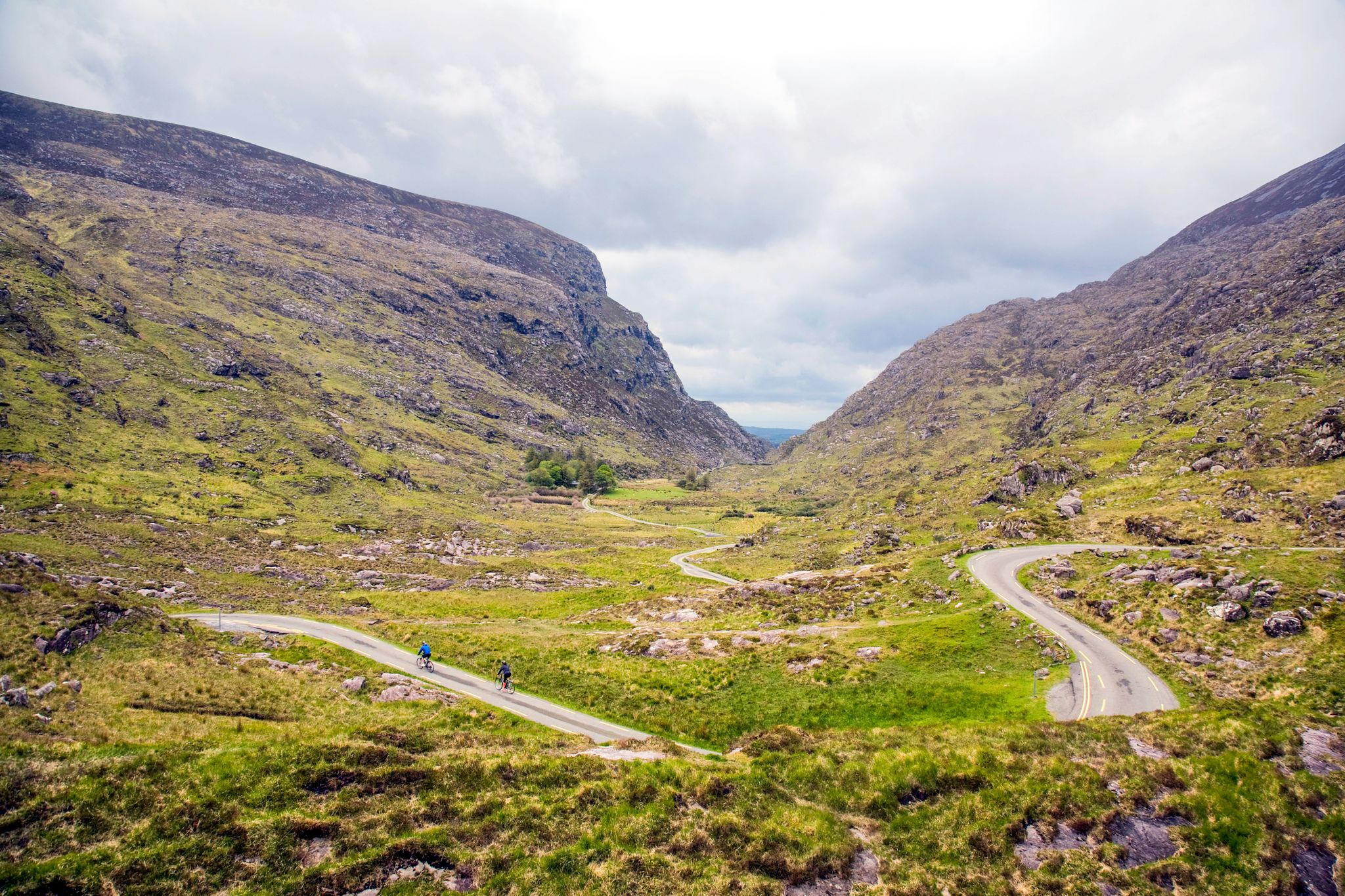
Incomparable Ireland Challenge: Reeks District Big Five
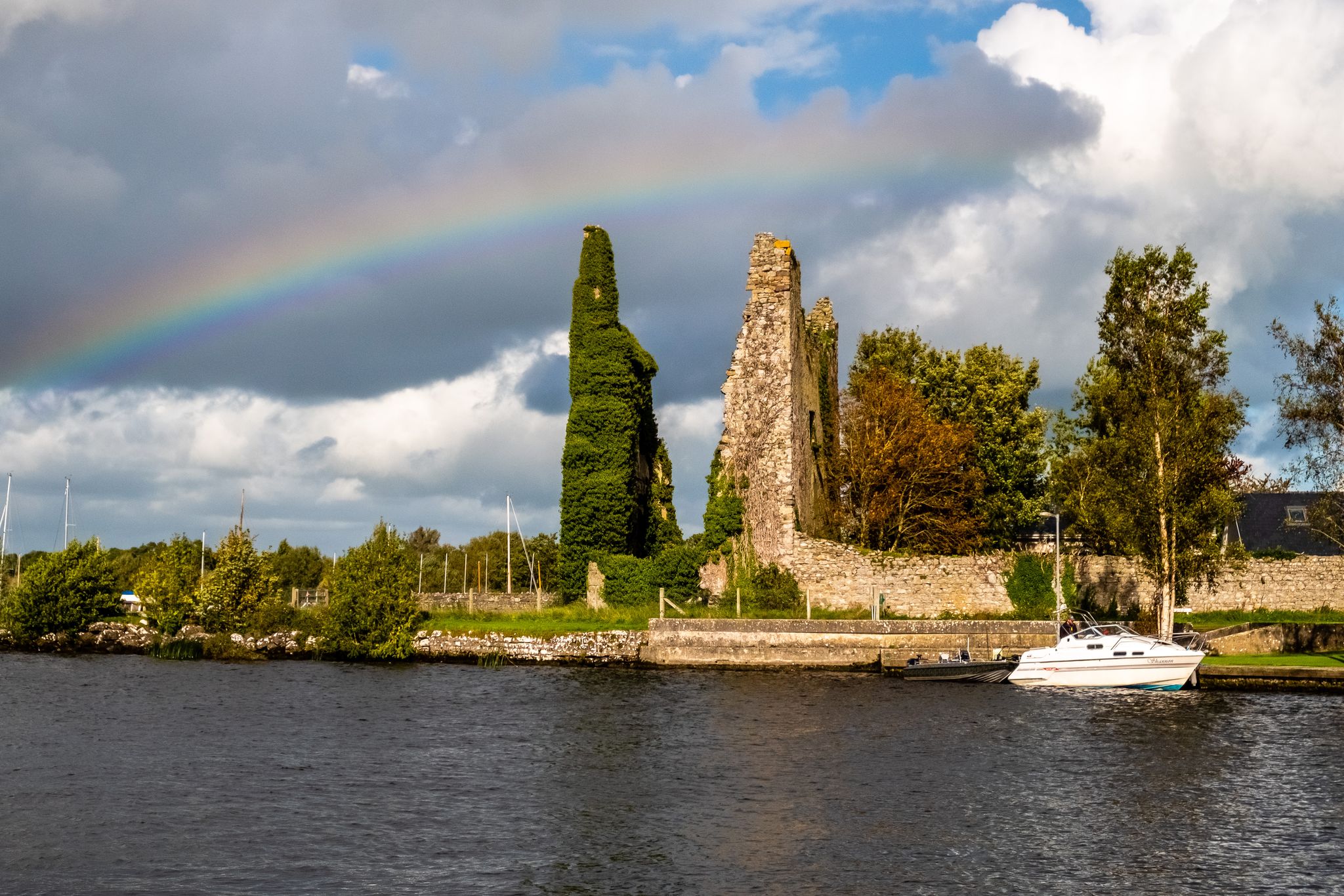
Lough Derg Way
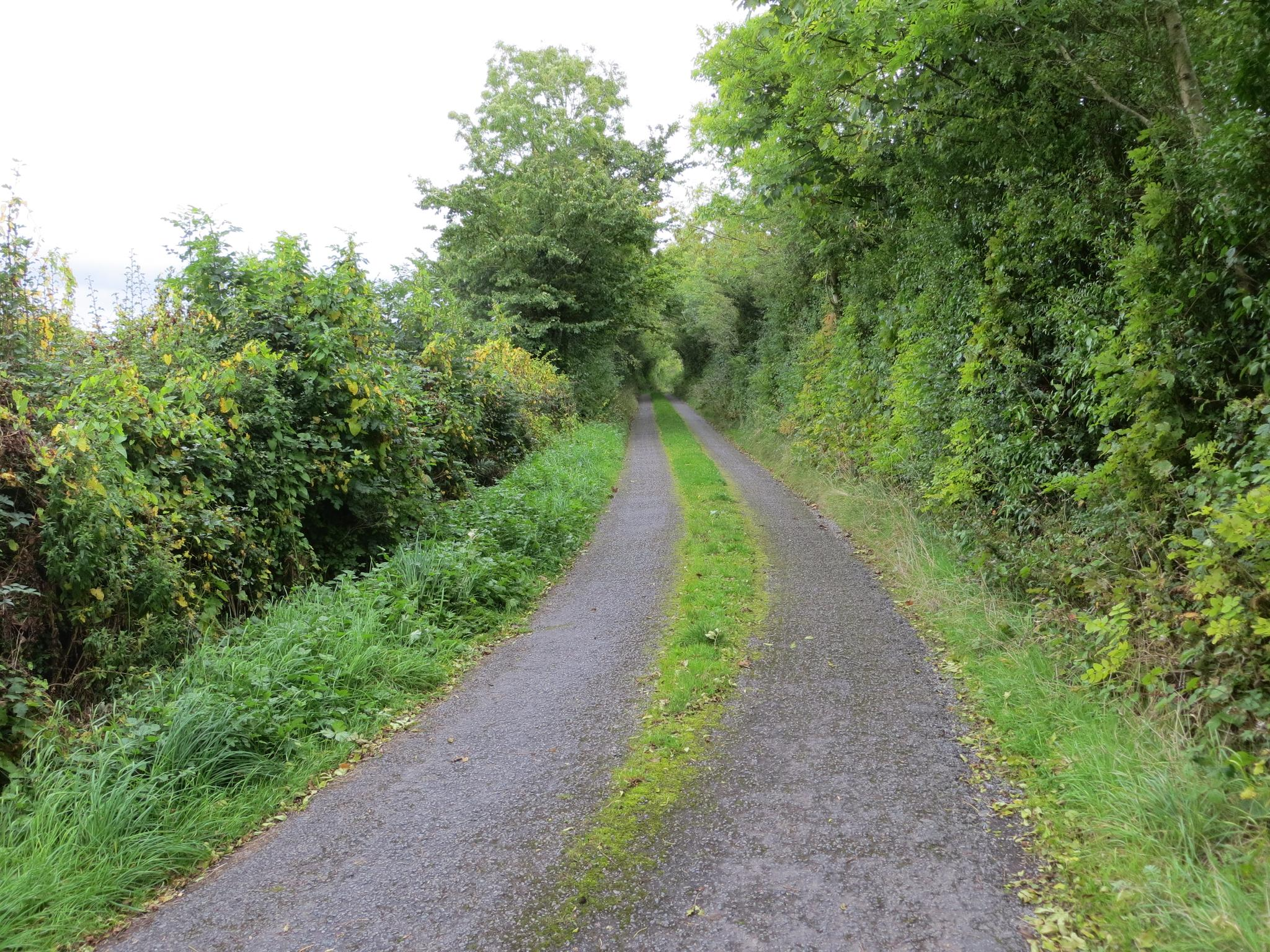
Suck Valley Way — Castles, Rivers & Rural Ireland
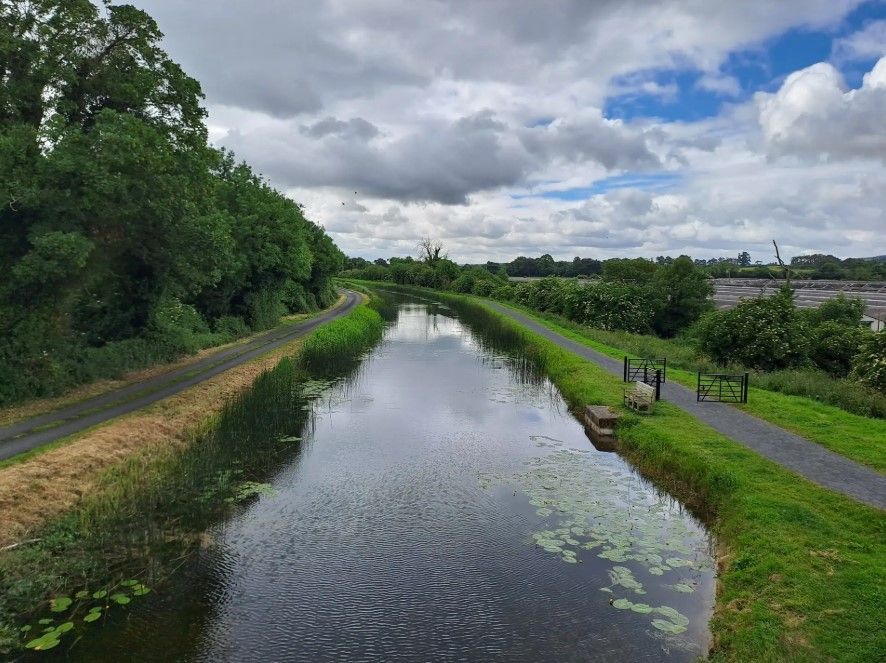
The Barrow Way — Walking Beside Quiet Waters
East Clare Way – exploring Ireland’s hidden heart
East Munster Way – Hiking the beautiful Suir, woodland and historic foothills
Running the Wicklow Way – From the city to the mountains
Run the Kerry Way – Around the rugged west coast of Ireland
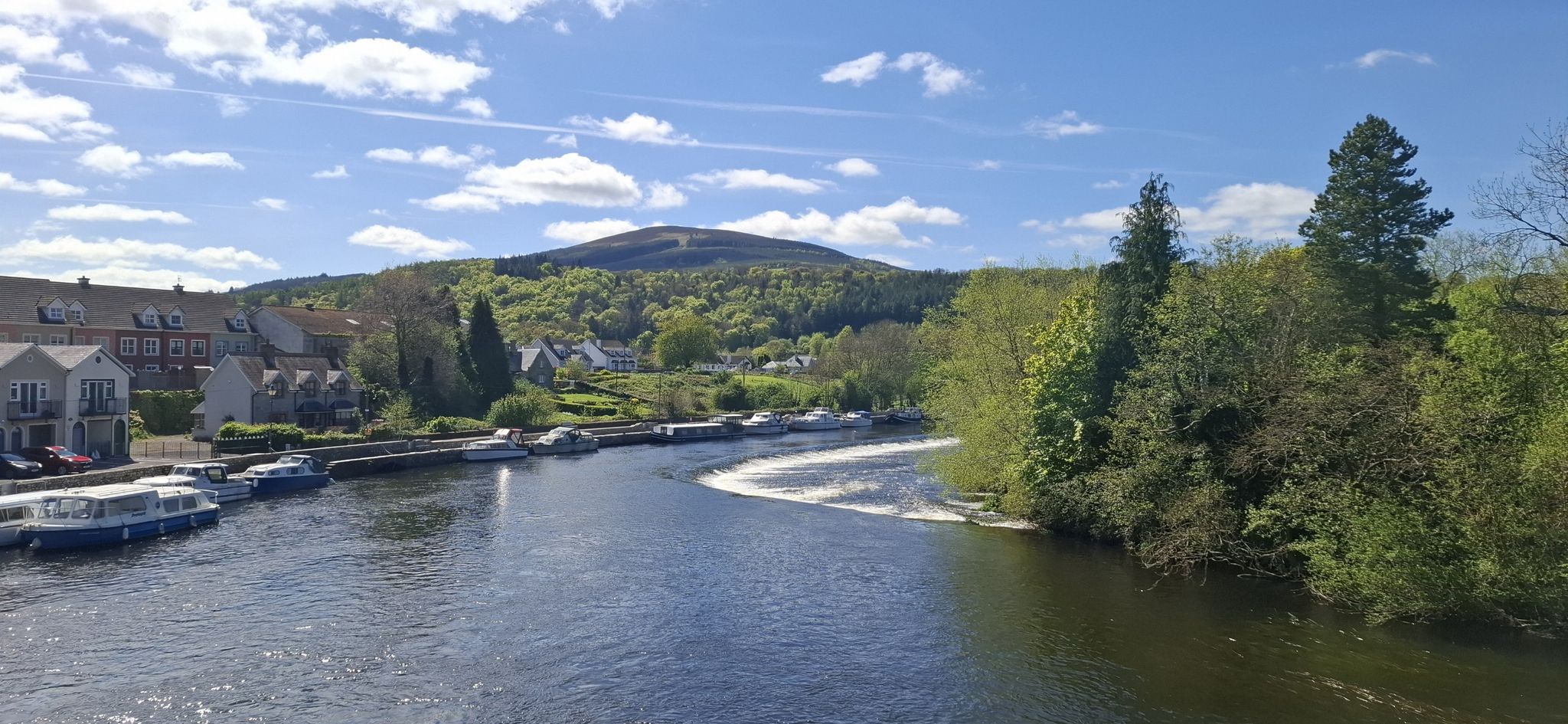
South Leinster Way – It's a long way to Tipperary
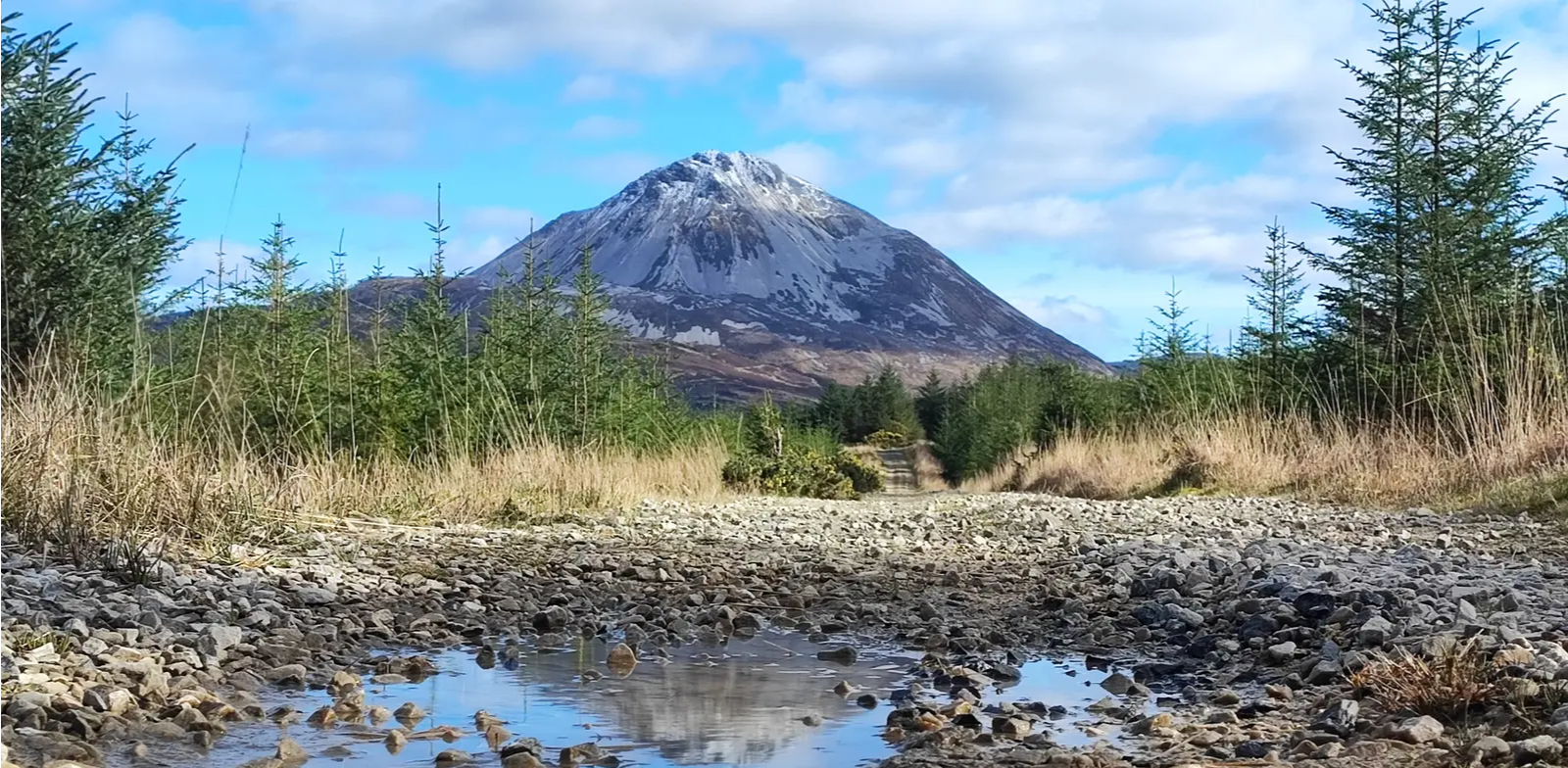
Slí An Earagail – An adventure between the Atlantic and Errigal
Other adventures in Ireland


Tips from the Community

The "hut" is an architectural eyesore. The view phenomenal!
0
0

The place called Fahan brings together more than 400 dry stone huts, gathered in small groups, circular forts and underground passages. These beehive-shaped huts are called clochán in Gaelic. Their origin, still mysterious, probably dates back to the end of the Palen period or the very beginning of Christianity. Given their size, it is assumed that their inhabitants were small. They must also have shown organizational skills, according to these multi-chambered dwellings, well defended by mountains and cliffs, close to the ocean and thus to resources. The whole could have been a kind of town or, at least, an extensive community. Other groups of clochán mark the route to the point. To visit them, park at one of the road widenings, where local owners have placed signs. Many other remains are visible from the road, a little further on.
6
0

They have delicious cakes and coffee here.
1
0

A stop not to be missed. Great confidence. The door is open. Prices are free. The coffee and cakes are very good. You just have to wait. Harry arrives from his fields.
1
0
The Mucklagh Hut is one of three purpose-built shelters on the Wicklow Way long-distance trail. It's a little off the main route but worth the detour, especially in bad weather. The hut provides basic but comfortable shelter for a break or overnight.
0
0

One of the three shelters on the Wicklow Way, and perhaps the most beautifully situated: with a view. Otherwise: square, practical, and good. With a fire pit and bench in front, and a rainwater collector. 👍🏻
1
0
One of the three shelters on the Wicklow Way: square, practical, and good. With a fire pit and bench. A good shelter from the rain and a good place to spend the night.
0
0
A highly recommended hostel on the Wicklow Way, in the style of a youth hostel: clean and very friendly. Breakfast is continental but very plentiful. No dinner, no packed lunch. (Pizza can be ordered.) Private kitchen available.
0
0
Frequently Asked Questions
What types of huts and cabins can I find in Ireland?
Ireland offers a diverse range of hut accommodations. You can find ancient dry-stone structures like the Fahan Beehive Huts on the Dingle Peninsula, basic shelters for hikers such as Mucklagh Hut and Brushers Gap Hut on the Wicklow Way, and luxurious glamping options. These range from unique bubble domes for stargazing to eco-friendly shepherd's huts and modern cabins with amenities like hot tubs and private balconies.
Are there family-friendly huts or accommodations in Ireland?
Yes, many huts and cabins in Ireland are suitable for families. For example, Black Valley Hostel and Knockree Hostel are noted as family-friendly options. Additionally, some glamping sites like Wildlands in County Galway offer family-sized cabins, and the Green Shed Picnic Area on the Wicklow Way provides a convenient spot for families to rest.
What historical huts can I visit in Ireland?
Ireland is home to fascinating historical huts, most notably the ancient dry-stone beehive huts (clocháns). The Fahan Beehive Huts on the Dingle Peninsula are well-preserved examples, inhabited over 3000 years ago. Another significant historical site is The Largest Clochán (Beehive Hut) on Skellig Michael, offering a glimpse into early Irish heritage.
Are there huts available for hikers on long-distance trails like the Wicklow Way?
Yes, the Wicklow Way features purpose-built shelters for hikers. Mucklagh Hut and Brushers Gap Hut are examples of basic but comfortable shelters providing protection from the elements. These huts often include space for tents, picnic tables, and firepits, making them ideal for overnight stays or breaks during your hike.
What kind of facilities can I expect at basic shelters or bothies in Ireland?
Basic shelters and bothies in Ireland, such as Mucklagh Hut, typically offer a place to rest and protection from rain. They often provide space for a two-man tent, a picnic table, and firepits. While basic, they serve as essential stops for hikers on long trails. Hostels like Knockree Hostel offer more extensive facilities, including clean rooms, breakfast, and private kitchens.
Do I need a permit to stay in bothies or basic shelters in Ireland?
Generally, basic shelters and bothies in Ireland do not require a permit for use. They are often maintained by volunteer organizations for the benefit of hikers. However, it's always advisable to check local guidelines or the specific trail information for any updates or specific rules regarding their use, especially for longer stays or larger groups.
What outdoor activities can I do near huts in Ireland?
Many huts are situated near excellent outdoor activity areas. You can find numerous hiking opportunities, including waterfall hikes, easy strolls, and challenging mountain ascents. For example, near many huts, you can explore routes like the Spinc and White Route from Glendalough or the Muckross Lake Walk. You can find more details on these activities in the Waterfall hikes in Ireland, Easy hikes in Ireland, and Mountain Hikes in Ireland guides.
Are there huts in Ireland that offer unique or luxurious experiences?
Absolutely. Ireland boasts many unique and luxurious hut experiences. Examples include Finn Lough Forest Domes for stargazing, Sperrin View Glamping with its unusual huts, and Letteran Lodges offering private balconies with hot tubs. Dromquinna Manor provides custom-made safari-style glamping lodges, and Cabu by the Lakes features luxurious cabins with stylish furnishings and access to water activities like kayaking and paddleboarding.
Can I find eco-friendly hut options in Ireland?
Yes, Ireland has a growing number of eco-friendly hut and glamping options. Pink Apple Orchard, for instance, is an eco-glamping site with a grass-roofed Hobbit House. The Deerstone in Glendalough Valley offers eco-conscious luxury shepherd's huts, and Fernwood near Clifden provides luxury forest hideaways that utilize sustainably sourced timber and renewable energy systems, immersing guests in nature.
What is a unique cafe experience I can find near a hut?
For a truly unique experience, visit Harry's Café. This cafe, located in a stone cottage, offers hot drinks and homemade treats with a unique confidence-based payment system. It's a welcoming spot, especially if you're hiking the Lough Avalla loop, and is run by the farmer whose land the trail crosses.
Are there huts in Ireland with easy access or nearby parking?
Many modern glamping sites and some hostels offer easy access and dedicated parking. For historical sites like the Fahan Beehive Huts, there is often parking directly opposite the site. While basic shelters on trails might require a hike, many other hut accommodations are designed for convenient access by car.
What is the best time of year to visit huts in Ireland?
The best time to visit huts in Ireland largely depends on your preferred activities. Spring (April-May) and Autumn (September-October) offer pleasant weather for hiking and exploring with fewer crowds. Summer (June-August) is ideal for warmer weather and longer daylight hours, though popular spots can be busier. Winter can be beautiful for a cozy retreat, but requires appropriate gear for outdoor activities due to colder temperatures and shorter days.
Most popular routes in Ireland
Most popular attractions in Ireland

Get inspired with the komoot mobile app


Didn’t find what you were looking for?
See even more amazing huts in Ireland with these guides per region:
Explore more
Find more beautiful huts and cabins in Ireland by checking out the top ones in these nearby places:
