Top 20 Castles in Turkey
Castles in Turkey stand as historical testaments to various empires, from Roman to Ottoman, showcasing strategic military prowess and cultural heritage. The country's diverse geography, encompassing the Aegean Sea, Mediterranean coast, and unique landscapes like Cappadocia, provides varied settings for these fortifications. These structures offer insights into Turkey's past and its architectural evolution.
Best castles in Turkey
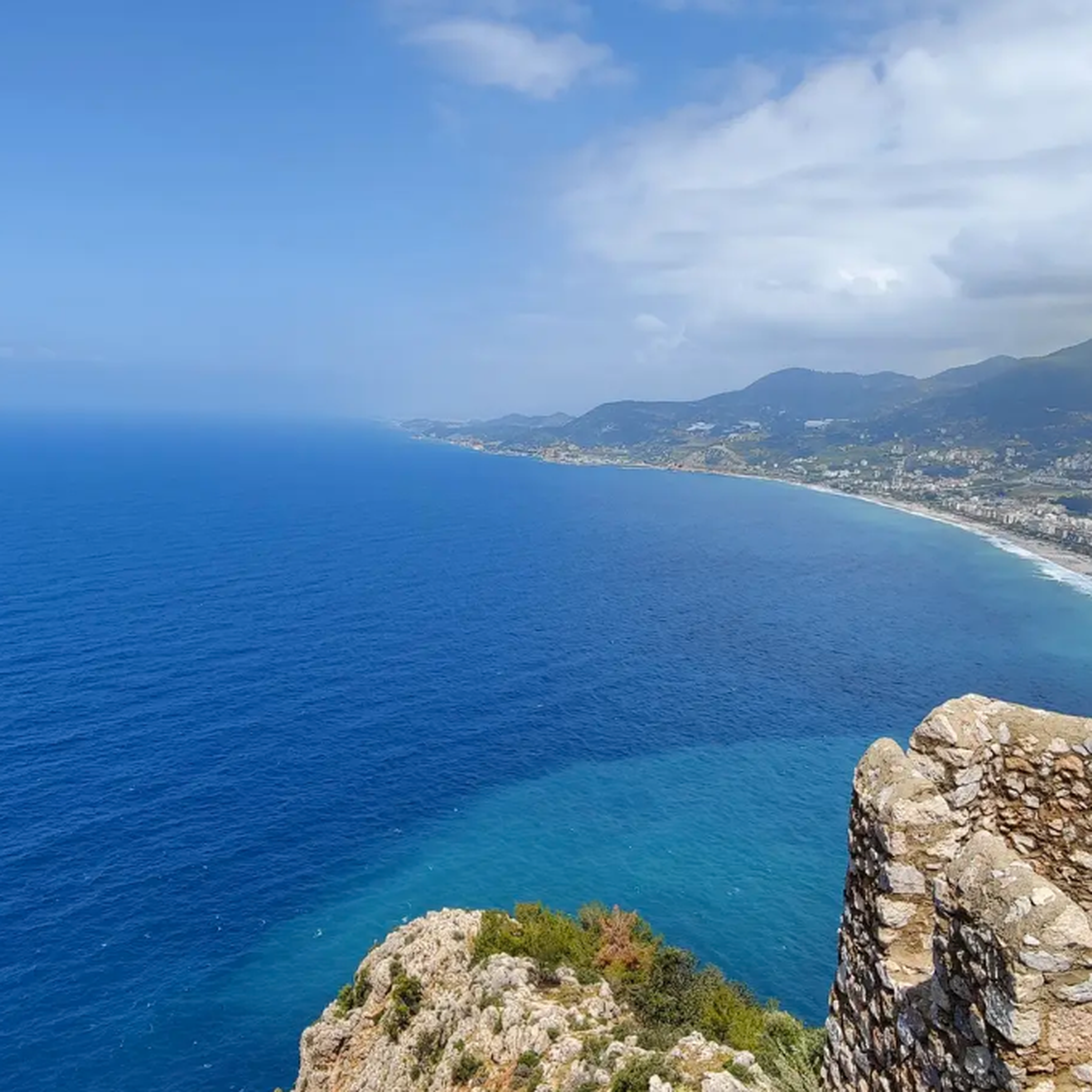
- The most popular castles is Red Tower (Kızıl Kule), Alanya, a man-made monument that serves as a symbol of Alanya. This 33-meter-high red brick tower was built in 1226 to protect the city from sea attacks.
- Another must-see spot is Topkapi Palace, a historical site. For centuries, it served as the residence and seat of government for Ottoman sultans, housing significant artifacts and offering views of the Golden Horn.
- Visitors also love Ankara Castle, a castle with roots dating back to the 8th century BC. It provides 360-degree panoramic views of modern Ankara, contrasting with its historic quarter.
- Turkey is known for rock-carved castles, coastal fortresses, and imperial palaces. These structures reflect Roman, Byzantine, Seljuk, and Ottoman influences, offering a wide variety of historical and architectural styles to explore.
- The castles in Turkey are appreciated by the komoot community, with 56 highlights and over 260 photos shared by visitors. More than 120 upvotes demonstrate the appeal of these historical sites.
Last updated: October 12, 2026
Topkapi Palace
Highlight • Historical Site
Translated by Google •
Tip by

Red Tower (Kızıl Kule), Alanya
Highlight • Monument
Translated by Google •
Tip by

Sign up now to discover places like this
Get recommendations on the best single tracks, peaks, & plenty of other exciting outdoor places.
Bodrum Castle
Highlight • Castle
Translated by Google •
Tip by

Ortahisar Castle
Highlight • Castle
Translated by Google •
Tip by

Ankara Castle
Highlight • Castle
Translated by Google •
Tip by

Throne Room & Harem — Topkapi Palace
Highlight • Historical Site
Translated by Google •
Tip by

Ancient City of Trebenna
Highlight • Historical Site
Translated by Google •
Tip by

Alara Castle
Highlight • Castle
Translated by Google •
Tip by

Uçhisar Castle
Highlight • Castle
Tip by

Simena Castle in Kaleköy
Highlight • Castle
Translated by Google •
Tip by

Sign up for free to discover even more castles in Turkey.
Already have an account?
Start today with a free account
Your next adventure awaits.
Popular around Turkey

Triathlon 360 – my journey around the world
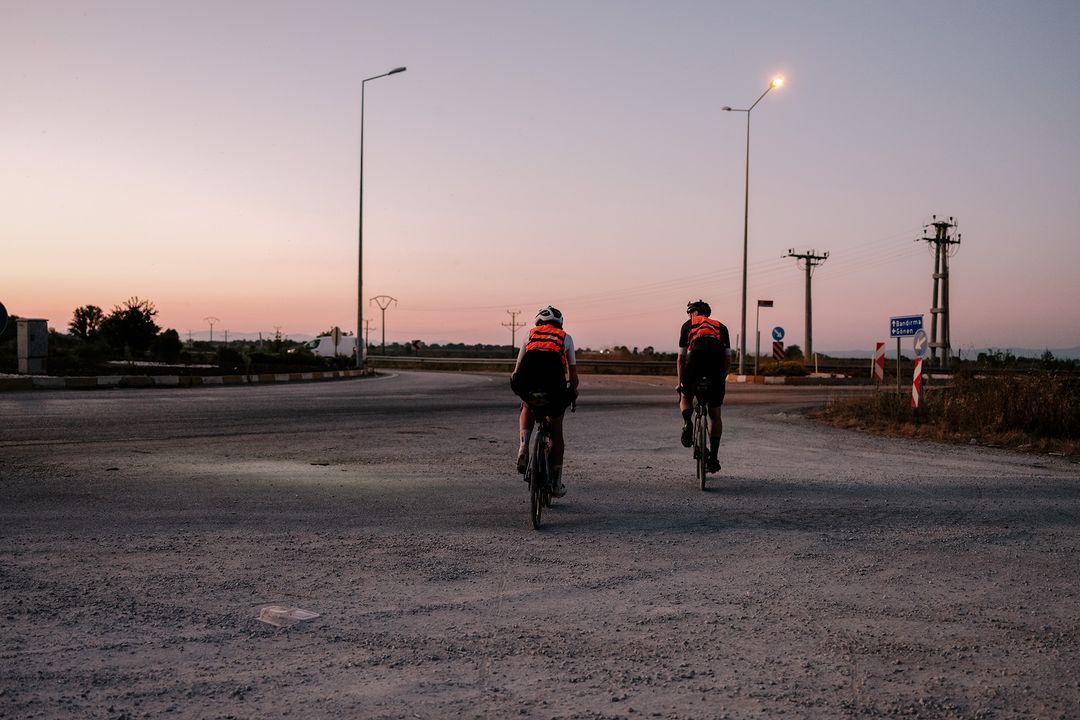
Transcontinental Race No10: crossing Europe from France to Turkey

Mountain biking and gravel biking in Cappadocia
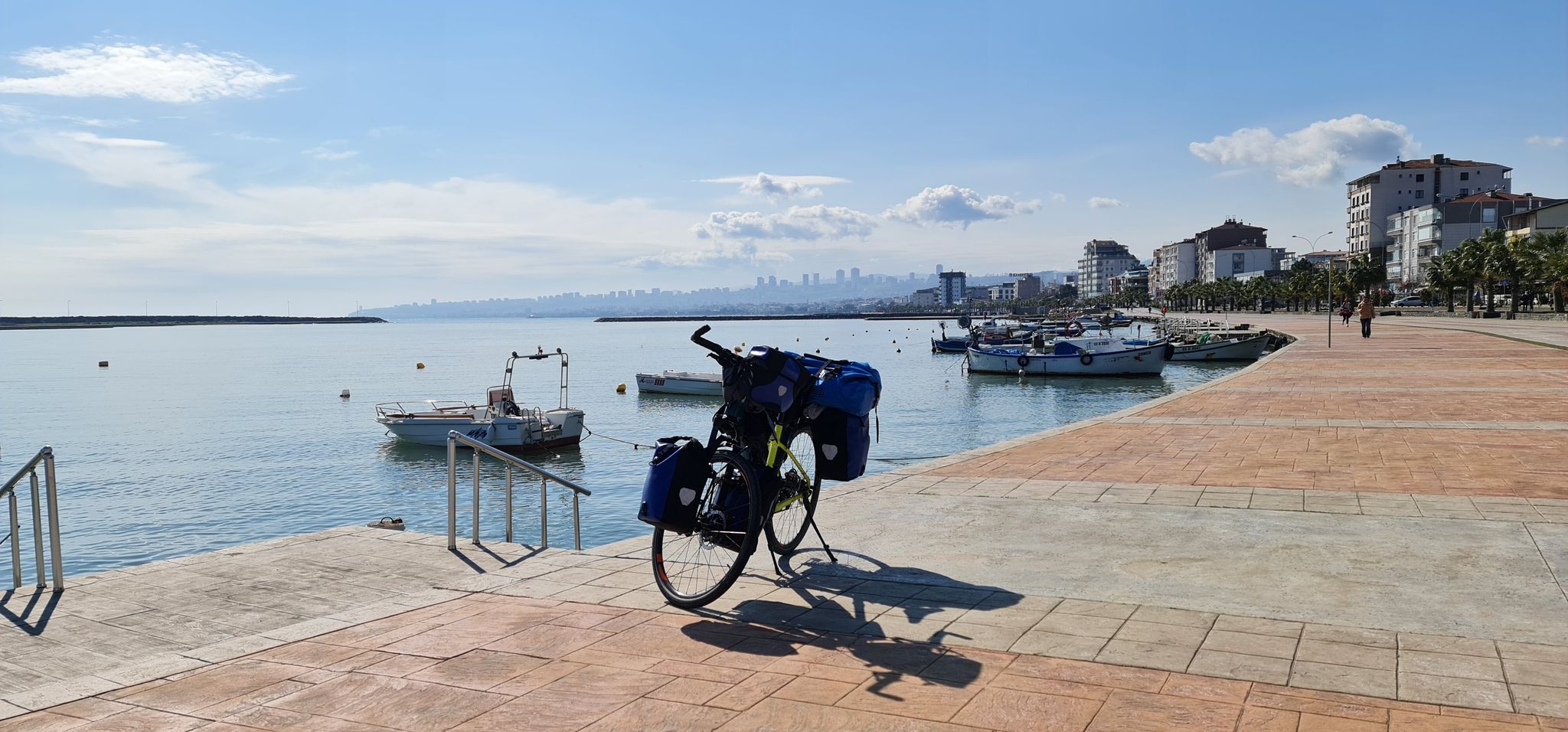
Thrace & Anatolia – long-distance cycling routes in Turkey
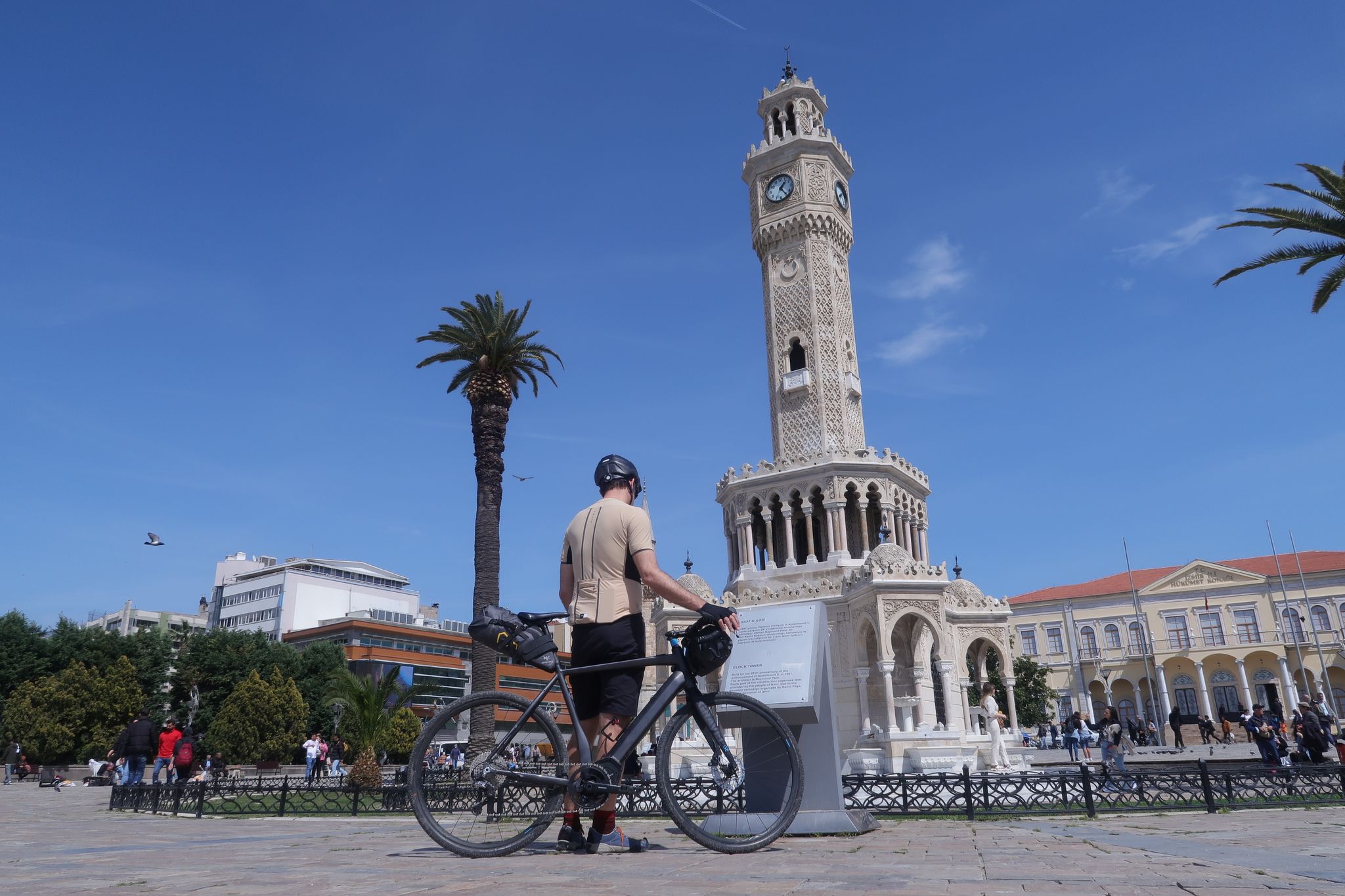
Wild and historic – bikepacking routes in Turkey
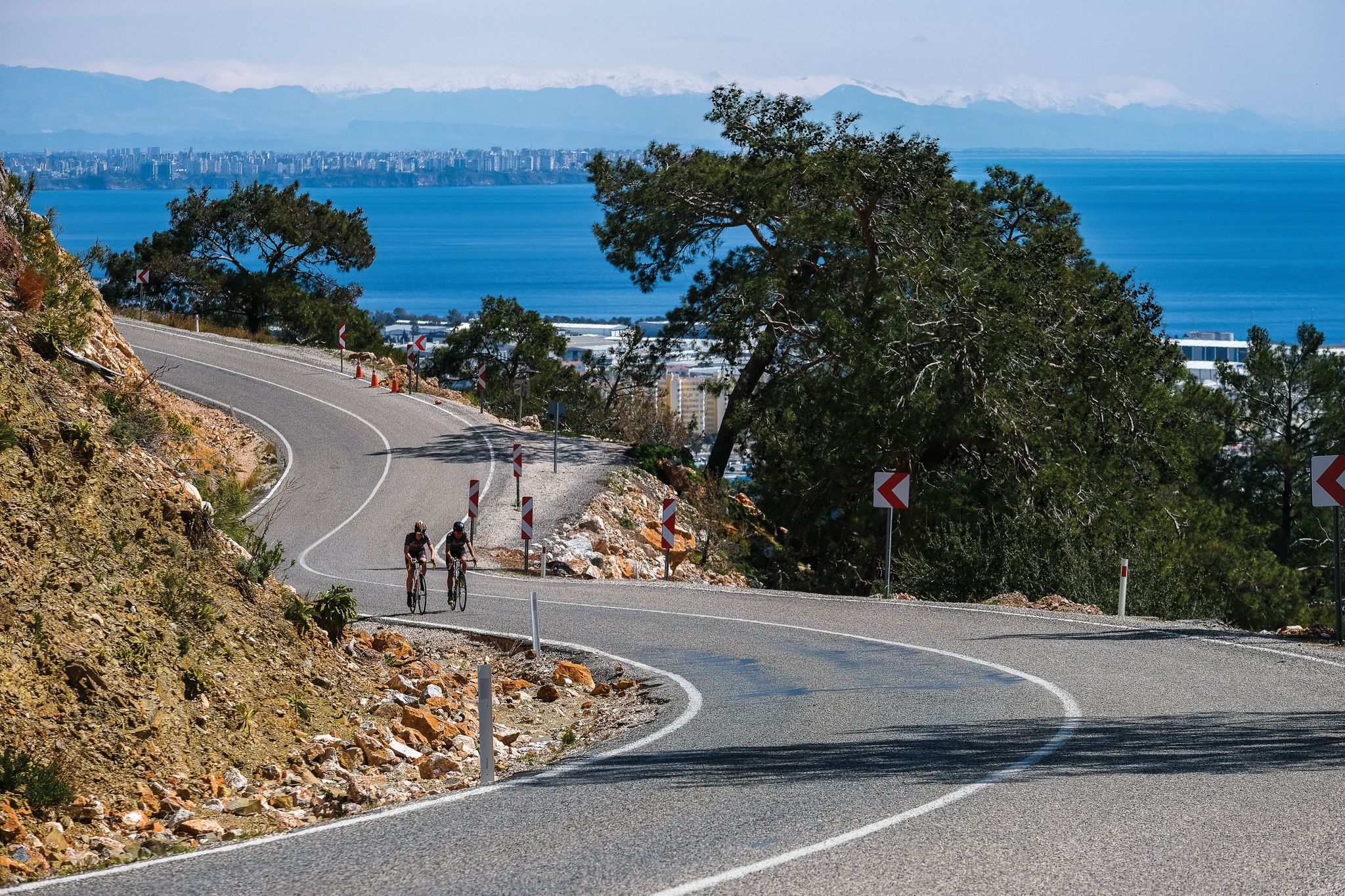
Until your calves burn – epic climbs in Turkey
Hiking in Turkey
Running Trails in Turkey
Road Cycling Routes in Turkey
Cycling in Turkey
Other adventures in Turkey


Tips from the Community

The Museum ist simply amazing! I was honestly gobsmacked by the artifacts. And the castle itself is more than worth a visit. It is way bigger than it looks and, for some reason, it reminded me of the Krak des Chevaliers in Syria (although Bodrum Castle is in way better condition even before the Syrian war damaged parts of the Krak). Currently, the entrance is 1400 TL or 23 €. Well worth it. Cannot recommend it enough!
0
0
Bodrum Castle (Turkish: Bodrum Kalesi) is a historical fortification located in southwest Turkey in the port city of Bodrum, built from 1402 onwards, by the Knights of St John (Knights Hospitaller) as the Castle of St. Peter or Petronium. A transnational effort, it has four towers known as the English, French, German, and Italian towers, bearing the names of the nations responsible for their construction. The chapel was built around 1407 and the first walls completed in 1437. The castle started reconstruction in the late 15th century, only to be taken over by the Islamic Ottoman Empire in 1523. The chapel was converted to a mosque, and a minaret was added. The castle remained under the empire for almost 400 years. After remaining empty following World War I, in the early 1960s, the castle became the home for the Bodrum Museum of Underwater Archaeology.
0
0

There are lovely hiking trails leading there, but it's also easily accessible by car. It's an overgrown ruin, but truly beautiful to behold. Sturdy shoes are recommended, and you shouldn't be afraid of heights.
0
0

There is a simple trail along the ancient city, but if you want to explore the city deeper be prepared to thick bushes with thorns, so it's better to keep your body and hands protected. Hiking boots and eyes protection is strongly recommended because somewhere you will have to climb down steep walls.
0
0

Impressively breathtaking. Here, you'll be transported back in time. Entrance fee: 400 TL for locals 2400 TL for tourists. The price difference is unfortunately incomprehensible. But if you're there, you'll pay the higher price.
1
0

Architecture: Inside, admire the intricate wooden ceiling, stained-glass windows, and Kütahya tiles. The colorful pulpit (mimbar) is a beautiful example of traditional craftsmanship. Mausoleum: The Hacı Bayram-ı Veli Mausoleum is an important pilgrimage site for many believers and a magnificent example of 15th-century architecture, made of stone and marble. Temple of Augustus: Right next to the mosque are the remains of the Roman Temple of Augustus and Rome. Built in 20 BC, this temple houses the Res Gestae Divi Augusti, an inscription of the deeds of Emperor Augustus. The harmonious coexistence of the mosque and temple symbolizes Ankara's multi-layered history. Surroundings: Located in the Altındağ district, the complex is surrounded by a park, a fountain, and a square where religious artifacts and souvenirs are sold.
0
0
Ankara Castle, or "Ankara Kalesi" in Turkish, is one of the city's oldest landmarks. It's not a traditional castle like those you might see in Western Europe, but rather a citadel perched on a hill overlooking the city. History The castle's origins date back to the 8th century BC, when the Phrygians built the first fortress here. Over the centuries, the castle has been rebuilt and restored by various civilizations, including the Galatians, Romans, Byzantines, and Seljuks. The walls are constructed from recycled building materials, including fragments from ancient Roman buildings. The current structure dates primarily from the Byzantine and Seljuk periods.
0
0
The Harem, or "forbidden place," of Topkapi Palace was the private quarters of the Ottoman sultan and his family. Contrary to popular belief, it was not a place of debauchery, but a complex and strictly organized court with a hierarchy of hundreds of women, including the sultan's mother, concubines, wives, and servants. A visit to the Harem offers a fascinating glimpse into the daily, yet secluded, life of the Ottoman royal family. You can sense the atmosphere of intrigue, power, and luxury hidden behind the palace's thick walls. The opulent decorations, with the famous İznik tiles, marble fireplaces, and intricate patterns, demonstrate the immense wealth of the Ottoman Empire.
1
0
Frequently Asked Questions
What types of castles can I explore in Turkey?
Turkey offers a diverse range of castles, reflecting its rich history. You can find ancient Roman and Byzantine fortifications, impressive Seljuk and Ottoman military strongholds, and even unique rock-carved 'cave castles' like those in Cappadocia. These structures showcase various architectural styles and historical periods.
What is the historical significance of castles in Turkey?
Turkish castles are significant historical testaments to the many empires that have shaped the region, from Roman to Ottoman. They were strategically built for military defense, control of trade routes, and as symbols of power. Many, like Topkapi Palace, served as centers of government and residence for rulers, housing invaluable artifacts and offering insights into past civilizations.
Are there family-friendly castles to visit in Turkey?
Yes, several castles in Turkey are great for families. Topkapi Palace, with its vast grounds and historical exhibits, is listed as family-friendly. Marmaris Castle also welcomes families, offering engaging historical experiences. Exploring castles like Alanya Castle with its cable car ride can also be an exciting adventure for all ages.
What natural features can I expect to see around Turkish castles?
Many Turkish castles are set amidst stunning natural landscapes. Coastal fortresses like Alanya Castle and Mamure Castle offer breathtaking views of the Mediterranean Sea. In Cappadocia, castles like Uçhisar Castle and Ortahisar Castle are carved into unique volcanic rock formations, providing panoramic views of fairy chimneys and valleys. Bodrum Castle overlooks the Aegean Sea, offering picturesque harbor views.
When is the best time to visit castles in Turkey?
The best time to visit castles in Turkey generally depends on their location. For coastal castles like Bodrum or Alanya, spring (April-May) and autumn (September-October) offer pleasant weather, avoiding the intense summer heat. For inland castles or those in Cappadocia, these seasons are also ideal, with comfortable temperatures for exploration and outdoor activities. Summer can be very hot, especially in southern regions.
How can I reach castles like Bodrum Castle or Alanya Castle?
Bodrum Castle is located in the heart of Bodrum, easily accessible by walking or local transport within the town. For Alanya Castle, you can take a scenic cable car ride from the city center, which offers spectacular views, or drive up to the castle grounds. Both are popular tourist destinations with good local infrastructure.
Are there any unique 'cave castles' in Turkey?
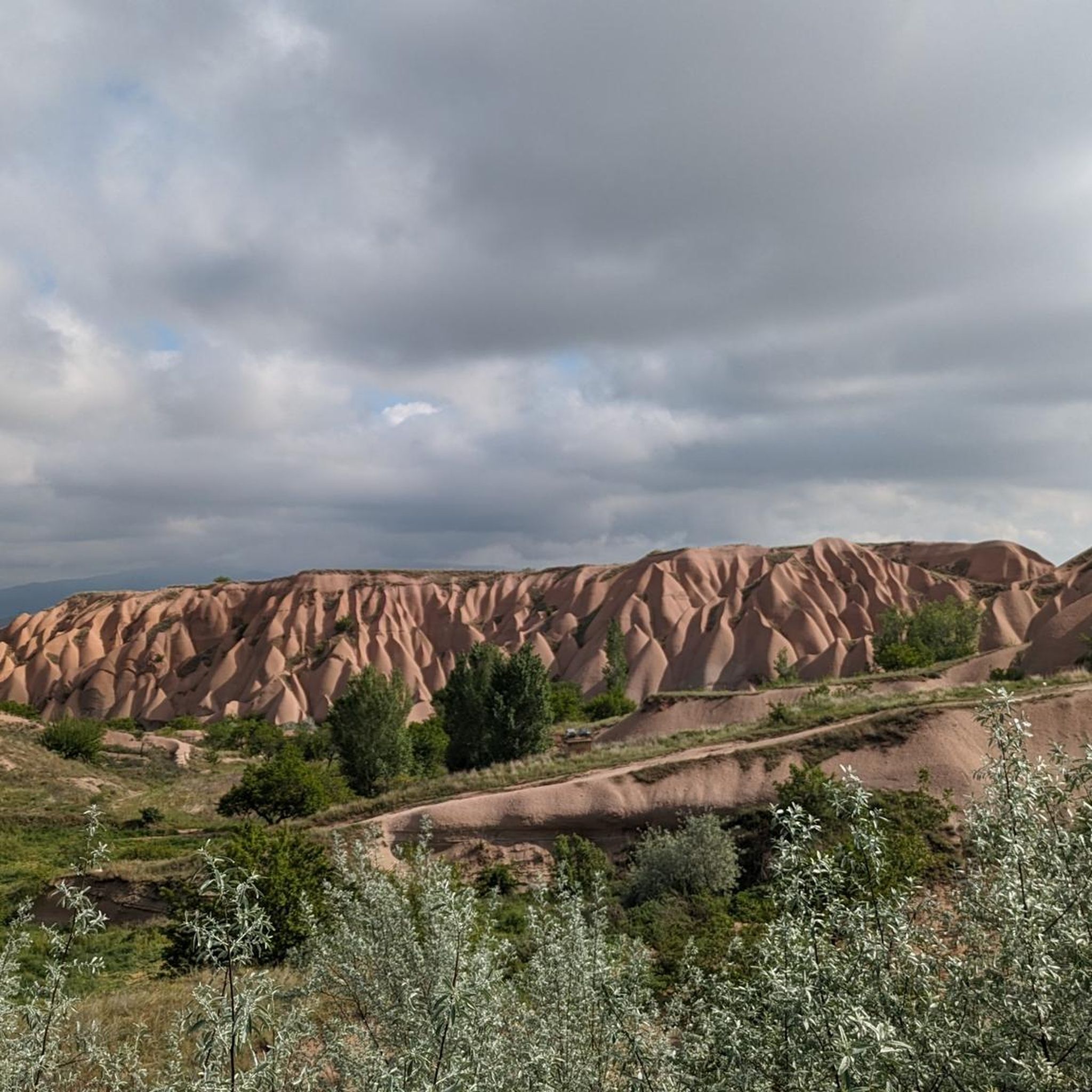
Yes, Cappadocia is home to unique 'cave castles' like Uçhisar Castle and Ortahisar Castle. These are not traditional built structures but rather massive volcanic rock formations carved out and fortified, serving as dwellings and defensive strongholds. They offer an intricate network of rooms and corridors to explore, providing unparalleled views of the region's distinctive landscape.
What outdoor activities can I do near castles in Turkey?
Many castles are situated near excellent outdoor activity areas. For instance, near castles in Cappadocia, you can find numerous hiking routes like the 'Love Valley Fairy Chimneys' or 'Rose Valley' loops. Coastal castles may offer access to beaches and water activities. You can explore various hiking trails, gravel biking routes, and running trails across Turkey.
What do visitors enjoy most about castles in Turkey?
Visitors frequently praise the breathtaking panoramic views offered by many castles, such as those from Ankara Castle or Alanya Castle. The rich historical layers, from Roman to Ottoman, and the unique architectural styles are also highly appreciated. Exploring the intricate details and imagining the past lives within these ancient walls is a common highlight.
What can I expect when visiting Alanya Castle?
Alanya Castle, perched on a peninsula, offers an extensive complex with 6.5 kilometers of walls and 140 watchtowers. You can explore the iconic Red Tower (Kızıl Kule), a 13th-century shipyard, and the inner castle (Ehmedek). The castle provides stunning panoramic views of the Mediterranean Sea and Alanya city, especially at sunset. A cable car ride offers a scenic way to reach the top.
What is there to see at Topkapi Palace?
Topkapi Palace in Istanbul was the residence and administrative center of the Ottoman sultans for centuries. Visitors can explore various sections, including the Imperial Harem, the Treasury with famous jewels like the Spoonmaker's Diamond, and extensive collections of weapons, clocks, and porcelain. The palace also offers brilliant views of the Golden Horn from its terraces.
Are there castles in Turkey that are less crowded or considered hidden gems?
While popular castles attract many visitors, you can find less crowded options. Mamure Castle, located on the Mediterranean coast near Anamur, is one of Turkey's largest and best-preserved castles, offering a fascinating historical experience without the large crowds of more central sites. Its spectacular location directly on the sea also makes it a hidden gem.
Is it possible to visit castles in Cappadocia?
Absolutely! Cappadocia is famous for its unique 'cave castles' carved directly into volcanic rock formations. Uçhisar Castle is the highest point in Cappadocia, offering unparalleled panoramic views. Ortahisar Castle is another impressive rock castle in the region, providing a similar experience of exploring ancient rock-cut dwellings and fortifications.
Most popular routes in Turkey
Most popular attractions in Turkey

Get inspired with the komoot mobile app


Didn’t find what you were looking for?
Explore Turkey’s best castles region by region:
Explore more
Looking for the best castles somewhere else? Discover other guides in Turkey:
