The best running trails in Turkey
4.4
(1197)
39,130
runners
981
runs
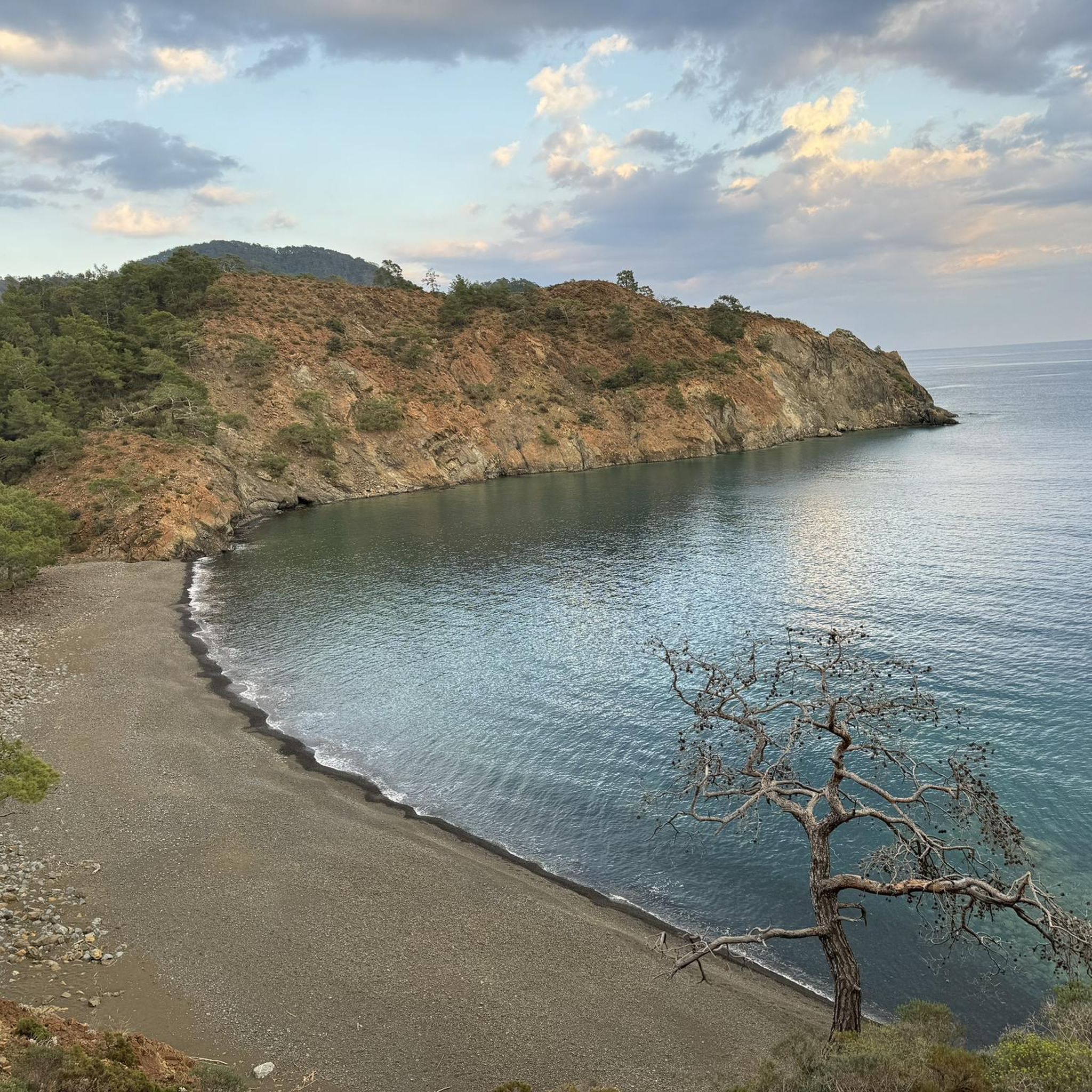
Jogging in Turkey offers diverse landscapes, from extensive coastlines along the Mediterranean and Aegean seas to unique geological formations inland. The country features a variety of terrains suitable for running, including flat seaside promenades, ancient forests, and river valleys. Runners can explore routes through historical sites and natural parks, providing varied experiences across different regions. The topography ranges from gentle coastal paths to more challenging trails in areas like Cappadocia.
Best jogging routes in Turkey
- The most popular jogging route…
Last updated: October 17, 2026
4.8
(32)
1,083
runners
9.63km
01:00
40m
50m
Moderate run. Good fitness required. Mostly paved surfaces. Suitable for all skill levels.
4.6
(29)
982
runners
8.32km
00:52
40m
40m
Moderate run. Good fitness required. Mostly paved surfaces. Suitable for all skill levels.

4.1
(10)
824
runners
Moderate run. Good fitness required. Mostly paved surfaces. Suitable for all skill levels.
4.5
(26)
795
runners
Moderate run. Good fitness required. Mostly paved surfaces. Suitable for all skill levels.
4.4
(23)
692
runners
8.62km
00:54
40m
40m
Moderate run. Good fitness required. Mostly paved surfaces. Suitable for all skill levels.
4.7
(7)
598
runners
Hard run. Very good fitness required. Mostly paved surfaces. Suitable for all skill levels.
4.5
(13)
625
runners
Moderate run. Good fitness required. Mostly paved surfaces. Suitable for all skill levels.
4.0
(6)
355
runners
8.06km
00:52
90m
90m
Moderate run. Good fitness required. Mostly paved surfaces. Suitable for all skill levels.
4.7
(33)
797
runners
12.4km
01:17
50m
50m
Moderate run. Good fitness required. Mostly paved surfaces. Suitable for all skill levels.
4.5
(19)
393
runners
Hard run. Very good fitness required. Mostly paved surfaces. Suitable for all skill levels.
Get access to more routes and recommendations from other explorers.
Already have an account?
Our route recommendations are based on thousands of hikes, rides, and runs completed by other people on komoot.
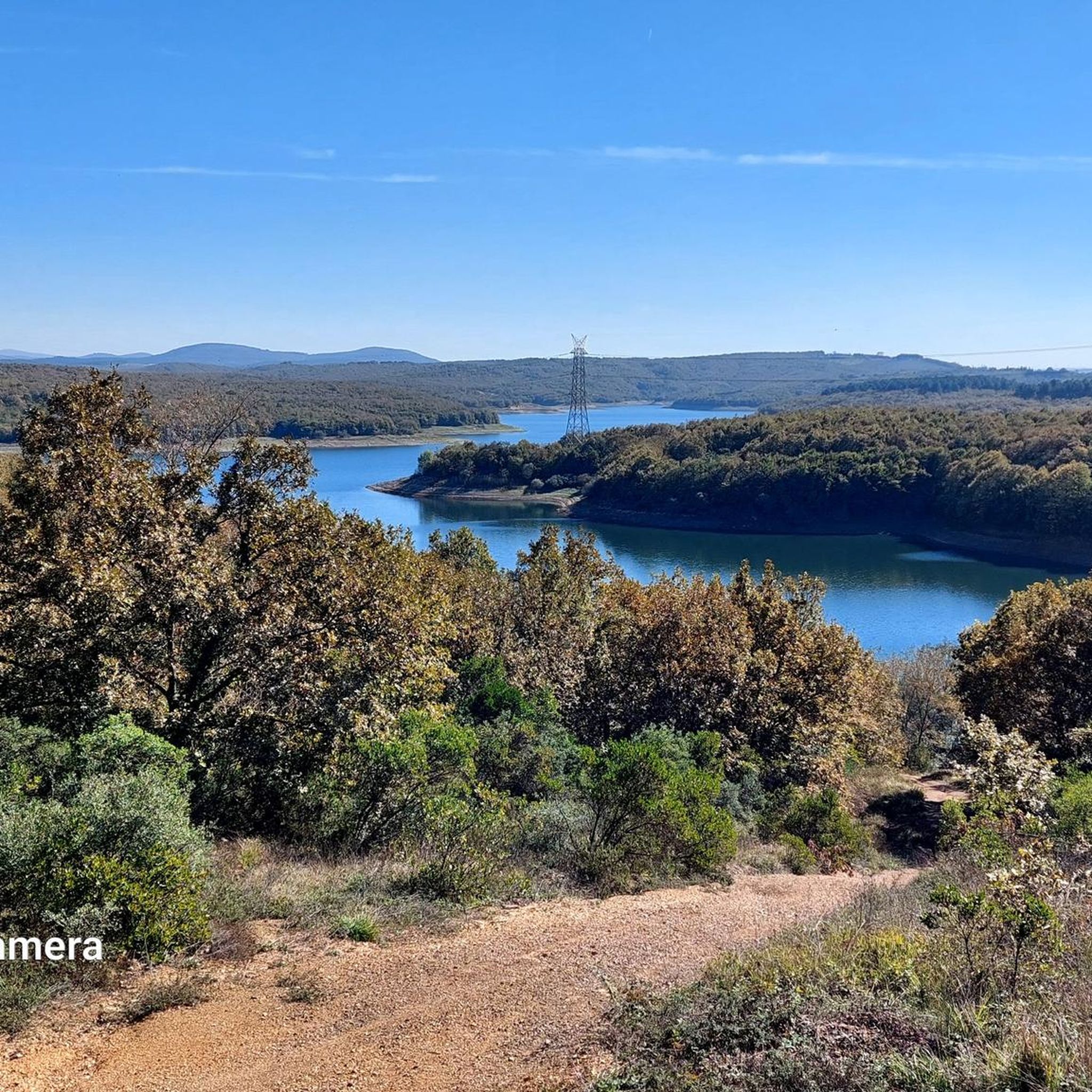
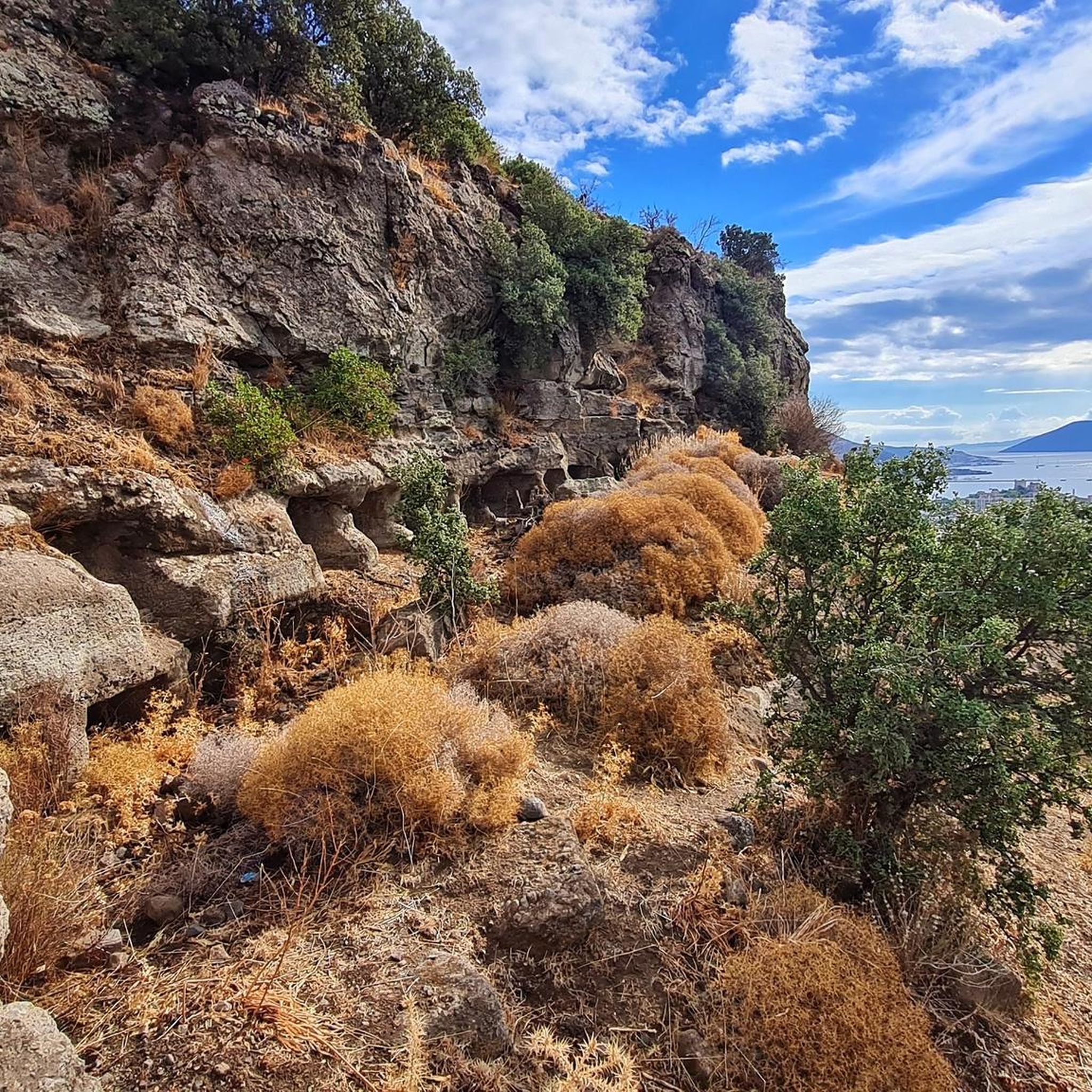
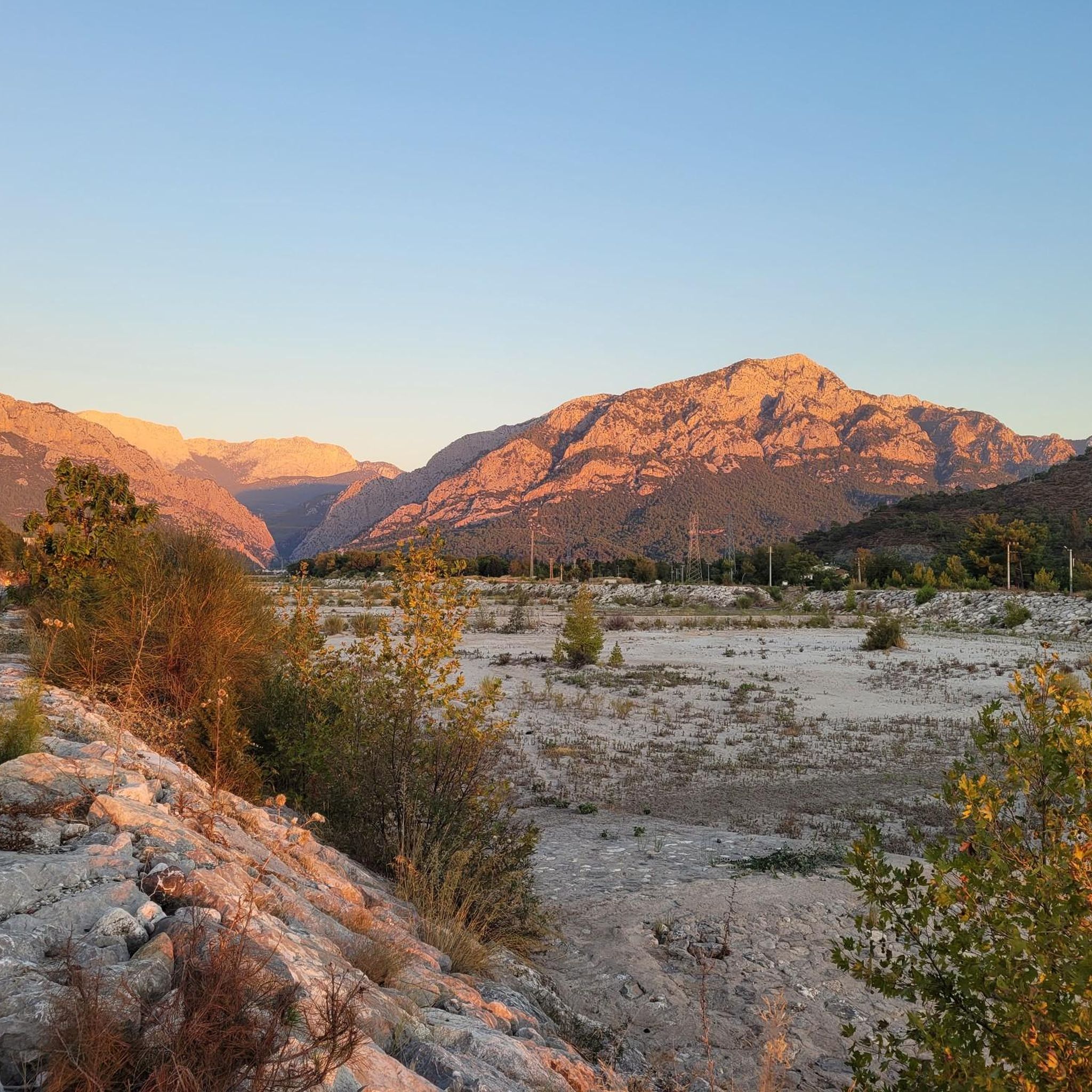
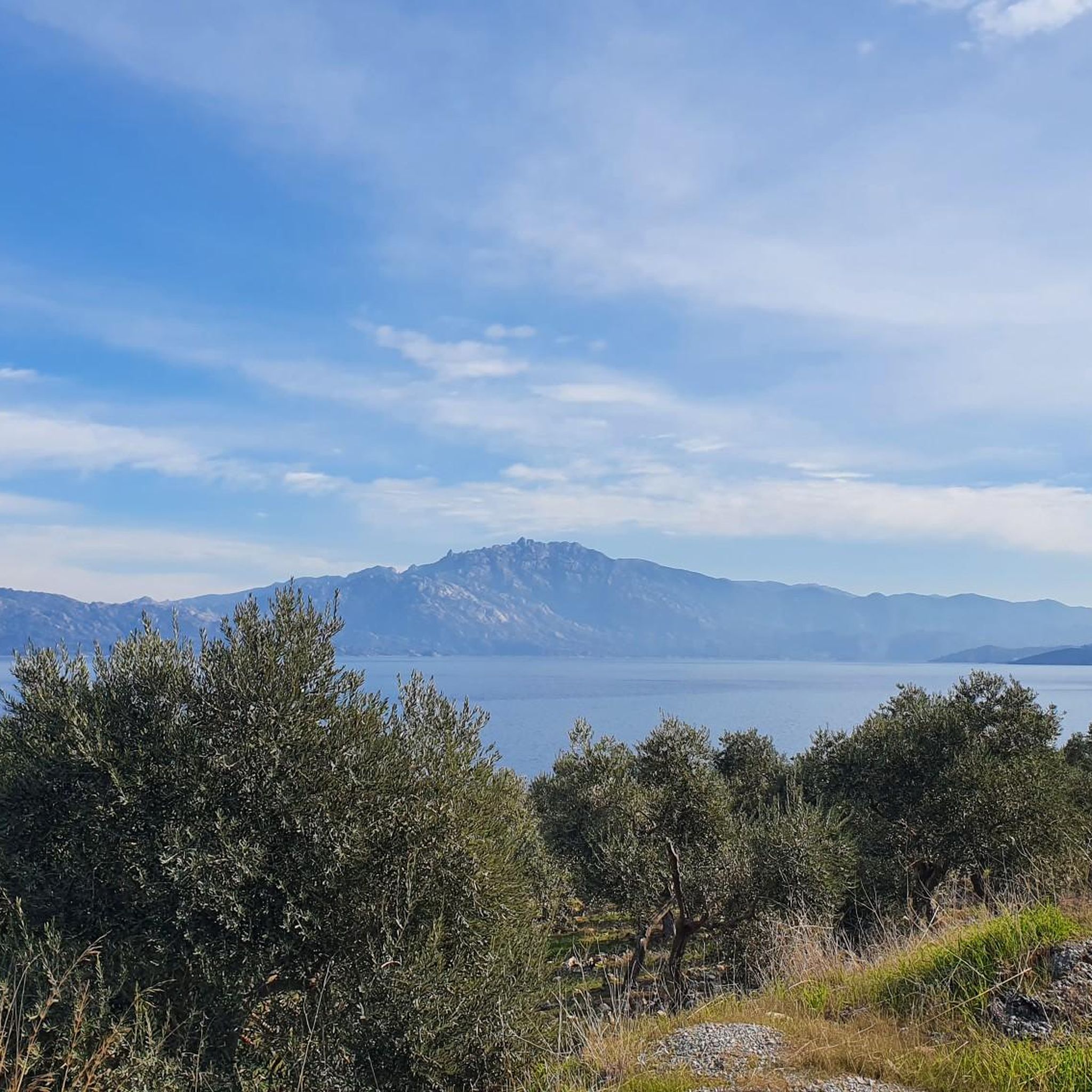
Other adventures in Turkey


Tips from the Community

Always a bit of freshness that's good to take when running!
0
0
Pleasant seafront run - starting from Taksim towards the port and going up to Galata
0
0

Thanks to its location, Side is considered a top beach destination on the Turkish Riviera. A whole 20 kilometers of coastline surround the city! And in each of the six sections, Side's beach shows a different side. Around the resort, even more bathing highlights await you, including a unique photo spot. And since most beaches have a shallow entry, are easily accessible, and are supervised by lifeguards, they are also suitable for families. Discover the five most beautiful beaches in Side with us: From lively and sporty to idyllic, everything is included.
0
0


The Yeni Cami, or New Mosque, is located in the Istanbul district of Eminönü, near the Spice Bazaar, almost on the shore, at the southeastern end of the Golden Horn at the southern end of the new Galata Bridge. It is also known as the Valide Sultan Mosque or the Pigeon Mosque, but the more common name is Yeni Cami. The mosque replaced a burnt-down building, which is why it was called the "New" Mosque. It was completed in 1663.
2
0

Great promenade, perfect for running or strolling
2
1

Harbor is a bit of an exaggeration, there are a few more boats moored here, but the water turtle bridge is worth recommending.
2
0
Frequently Asked Questions
How many running routes are available in Turkey?
Turkey offers a vast network of running routes, with over 1000 routes available on komoot. These routes cater to various preferences, from easy coastal paths to more challenging trails through diverse landscapes.
What do other runners say about the jogging routes in Turkey?
The running routes in Turkey are highly rated by the komoot community, with an average score of 4.25 stars from nearly 1000 reviews. Runners often praise the diverse scenery, well-maintained paths, and the opportunity to combine their run with exploring historical sites or natural wonders.
Are there running routes suitable for beginners in Turkey?
Yes, Turkey has numerous running paths ideal for beginners. Out of over 1000 routes, more than 90 are classified as easy. These often include flat seaside promenades or gentle paths through parks, providing a comfortable experience for those new to running.
Can I find circular running routes in Turkey?
Many of Turkey's running routes are designed as loops, offering convenient circular paths. For instance, the View of Side Bay – Temple of Apollo (Side) loop from Ertekin Eczanesi is a popular 10 km circular trail that takes you past historical landmarks and offers beautiful bay views.
What are the typical lengths of running paths in Turkey?
Running paths in Turkey vary significantly in length. While many popular routes are around 5-10 km, such as the View of Side Bay – View of Side Beach loop from Side at 8.3 km, you can also find longer, more challenging trails. The longest route listed in this guide is the Galata Bridge — Fishing Spot – Eminönü Waterfront loop from Karaköy, which is over 16 km.
Where can I find scenic running trails with viewpoints in Turkey?
Turkey is rich in scenic running trails offering breathtaking viewpoints. Coastal areas like Side provide routes with stunning sea views, such as the Side Promenade – View of Side Beach loop from Side. For panoramic vistas, consider routes near highlights like View from Tünek Tepe or exploring the unique landscapes of Cappadocia, where early morning runs can even coincide with hot air balloons in the sky.
Are there any running routes near historical sites or landmarks in Turkey?
Absolutely. Turkey's rich history means many running routes pass by or through ancient sites. The View of Side Bay – Temple of Apollo (Side) loop from Ertekin Eczanesi takes you past historical landmarks in Side. The Lycian Way, a long-distance trail, offers sections suitable for running through ancient ruins. You can also find routes near the West Terrace of Mount Nemrut or the ancient city of Ephesus.
What are some unique natural landscapes I can experience while running in Turkey?
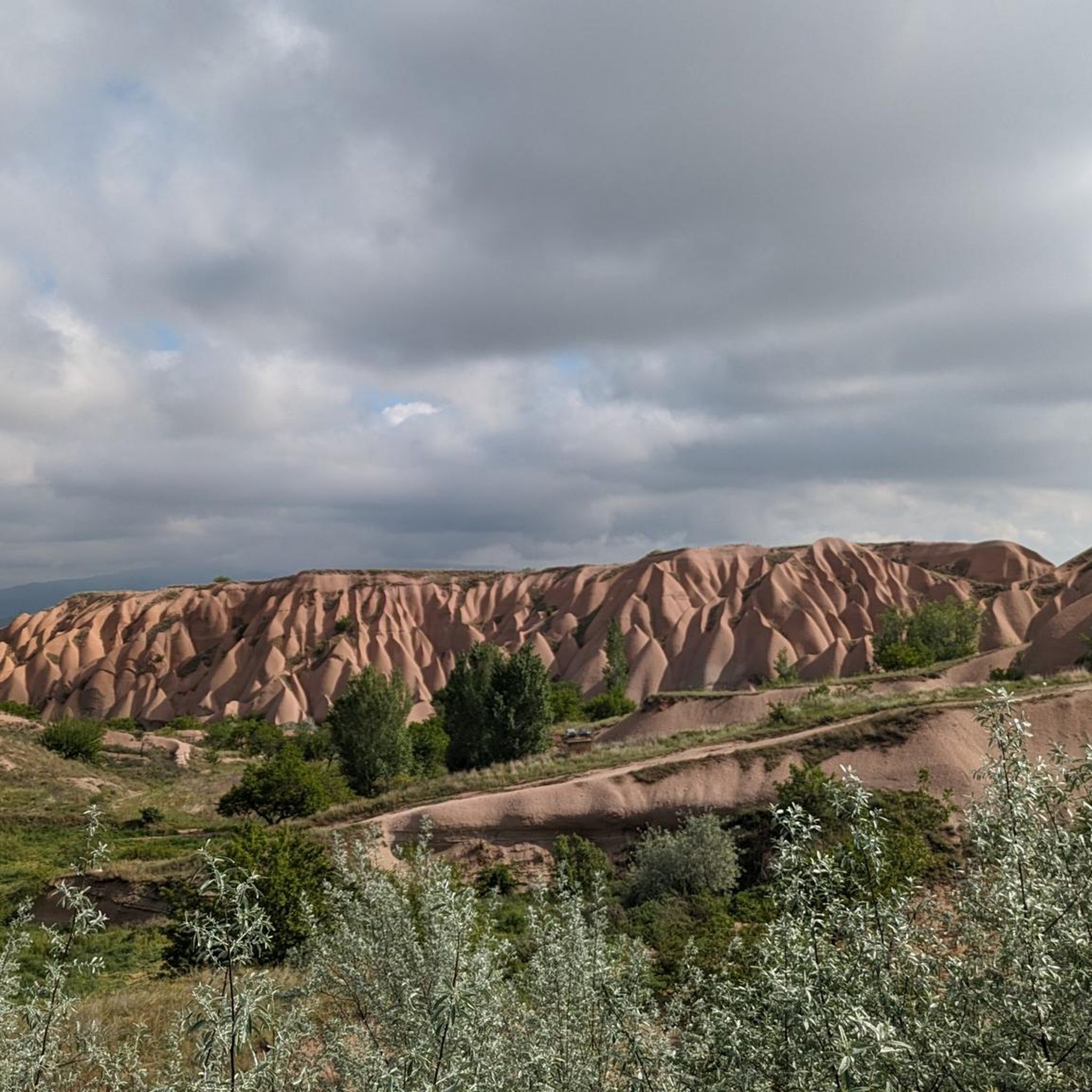
Turkey's diverse geography offers unique natural landscapes for runners. Cappadocia, with its 'fairy chimneys' and rock-cut churches, provides an otherworldly backdrop for trail running. The Mediterranean and Aegean coasts, often called the Turquoise Coast, feature stunning seaside runs along beaches like Patara. Inland, you can explore lush environments in places like the Belgrad Forests near Istanbul or Marmaris National Park.
Are there good running options in Istanbul?
Yes, Istanbul offers excellent running options, blending urban scenery with natural escapes. The Eminönü Waterfront – Galata Bridge — Fishing Spot loop from Istanbul is a popular route along the city's historic waterfront. For a greener experience, the Belgrad Forests and Polonezköy Nature Park, both near Istanbul, provide peaceful trails away from the city bustle.
Are there family-friendly jogging routes in Turkey?
Many of Turkey's easier and flatter routes are suitable for families. Coastal promenades, such as those found in Side or Marmaris, offer wide, paved paths perfect for a family jog or walk. Parks like Polonezköy Nature Park also feature dedicated jogging courses that are safe and enjoyable for all ages.
Can I find running trails with parking facilities in Turkey?
While specific parking details vary by route, many popular running areas in Turkey, especially those in national parks, nature parks, or along well-known promenades, typically offer designated parking facilities. It's always advisable to check local information for your chosen starting point.
What is the best time of year to jog in Turkey?
The best time to jog in Turkey largely depends on the region. Spring (April-May) and Autumn (September-October) generally offer pleasant temperatures across much of the country, ideal for running. Coastal areas can be enjoyed in late spring and early autumn, avoiding the peak summer heat. For mountainous or inland regions like Cappadocia, these shoulder seasons are also preferable.
Most popular attractions in Turkey

Get inspired with the komoot mobile app


Didn’t find what you were looking for?
Check out more Running Trails & Routes throughout Turkey below and find the perfect route in your destination.
Explore more
Browse the best Running Trails & Routes in other regions.
