The 20 Most Amazing Peaks in Chile
Best mountain peaks in Chile are predominantly found within the Andes Mountains, a range that defines much of the country's eastern border. This South American nation features over 10,000 named mountains, many of which are volcanoes. The diverse terrain ranges from arid desert peaks in the north to glaciated mountains in Patagonia, offering varied experiences for outdoor enthusiasts.
Best mountain peaks in Chile
- The most popular mountain peaks is Torres del Paine Lagoon, a lake and natural monument known for its scenic beauty. It offers a significant viewpoint after a strenuous climb.
- Another must-see spot is Manquehuito Summit, a summit offering views of Santiago and surrounding mountains. The trail can be steep, requiring appropriate footwear.
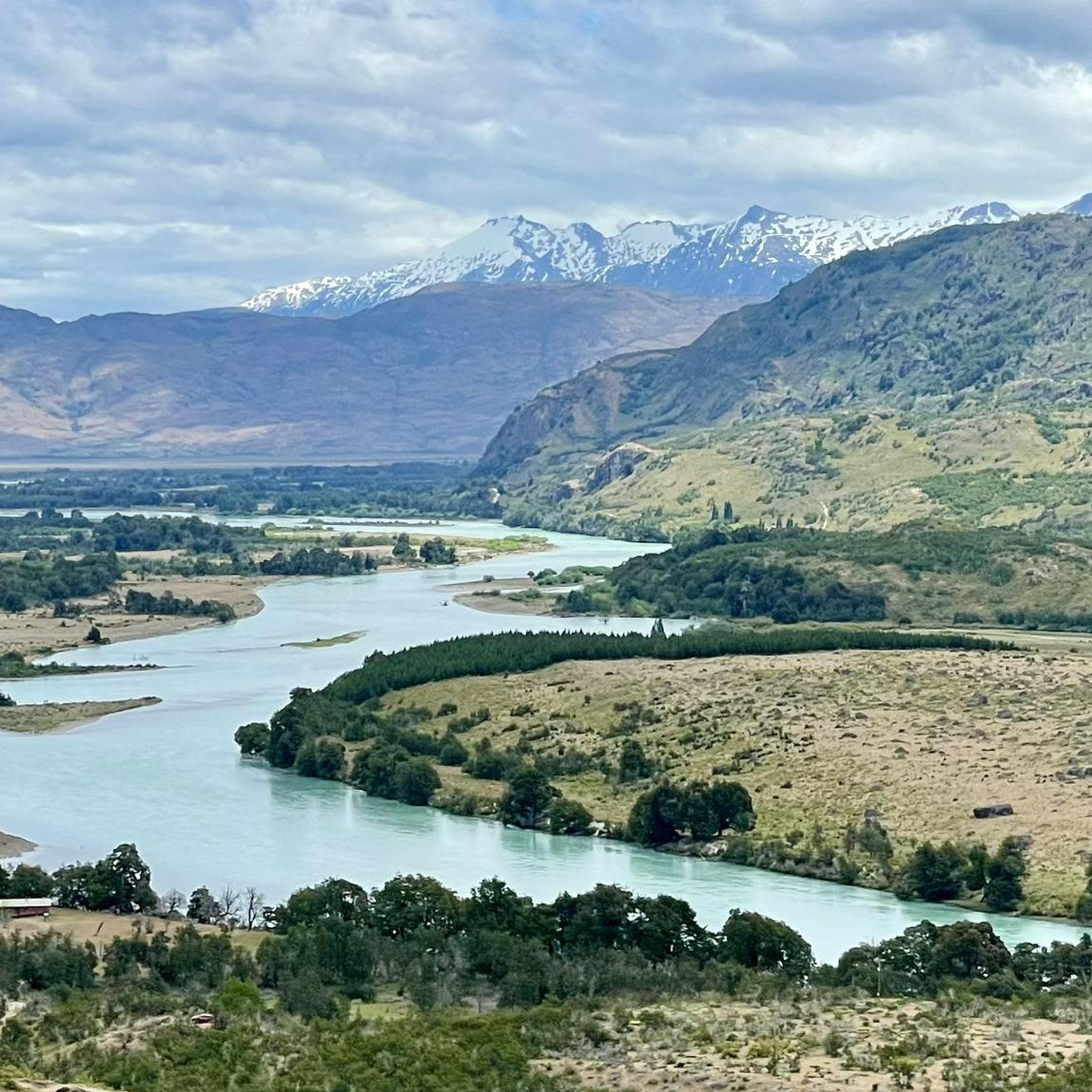
- Visitors also love View over the north of the valley, a viewpoint offering a panorama of greenery, granite, and the snow-capped Cerro Oggioni. The view opens after passing through a forest.
- Chile is known for its volcanic peaks, high-altitude desert mountains, and glaciated Patagonian summits. The country offers a variety of mountain peaks to see and explore, from challenging climbs to scenic viewpoints.
- The mountain peaks in Chile are appreciated by the komoot community. The guide features 41 highlights, with 12 photos and 58 upvotes from visitors.
Last updated: July 9, 2026
Manquehuito Summit
Highlight • Summit
The trail to Manquehuito can be steep and slippery in places, especially on the descent. Therefore, sturdy footwear and plenty of water are essential. Many hikers also recommend using good headlamps in the dark or at night, as the trail is unlit and visibility can be limited.
The route is very popular with locals, so expect not to be alone. The summit is particularly busy on weekends, but this doesn't detract from the atmosphere. You should allow approximately 1.5 to 2 hours for the ascent.
This spot invites you to savor the tranquility and the view before beginning your descent.
Translated by Google •
Tip by

Británico Viewpoint
Highlight • Viewpoint
It also provides a new perspective on the famous granite towers of the Paine massif.
Translated by Google •
Tip by

Sign up now to discover places like this
Get recommendations on the best single tracks, peaks, & plenty of other exciting outdoor places.
Sign up for free
Torres del Paine Lagoon
Highlight • Lake
Tip by

Villarrica Crater
Highlight • Volcano
At 6 a.m. sharp, we set off with a group of 11 people and four guides by bus to the entrance of the national park. Equipped with hiking poles, helmets, gas masks, gloves, sturdy rain gear, gaiters, hiking boots with matching crampons, butt sliders for the return trip, and an ice axe, which we used primarily to slow ourselves down on the descent, we set off. The climb was very strenuous. From the rim, covered in fresh snow, we could see into the crater and, in the perfect weather, had a fantastic panoramic view.
In the evening, we jumped into the lake again and celebrated the sunset in Pucón with numerous other visitors.
Translated by Google •
Tip by

View of Los Cuernos
Highlight • Viewpoint
Translated by Google •
Tip by
Ferrier Lookout
Highlight • Viewpoint
I highly recommend bringing trekking poles and sturdy footwear!
Translated by Google •
Tip by

Cerro El Carbon
Highlight • Summit
Translated by Google •
Tip by
Morro Las Papas
Highlight • Summit
The climb is ideal even for families and beginners.
Translated by Google •
Tip by
Mirador Cuernos
Highlight • Viewpoint
The Paine Grande with the Frances Glacier is also visible in all its splendor.
Translated by Google •
Tip by

Cerro Manquehue
Highlight • Summit
It is recommended to bring water and wear good footwear to enjoy this classic Santiago climb.
Translated by Google •
Tip by
Sign up for free to discover even more peaks in Chile.
Sign up for free
Already have an account?
Start today with a free account
Your next adventure awaits.
Login or Signup
Popular around Chile
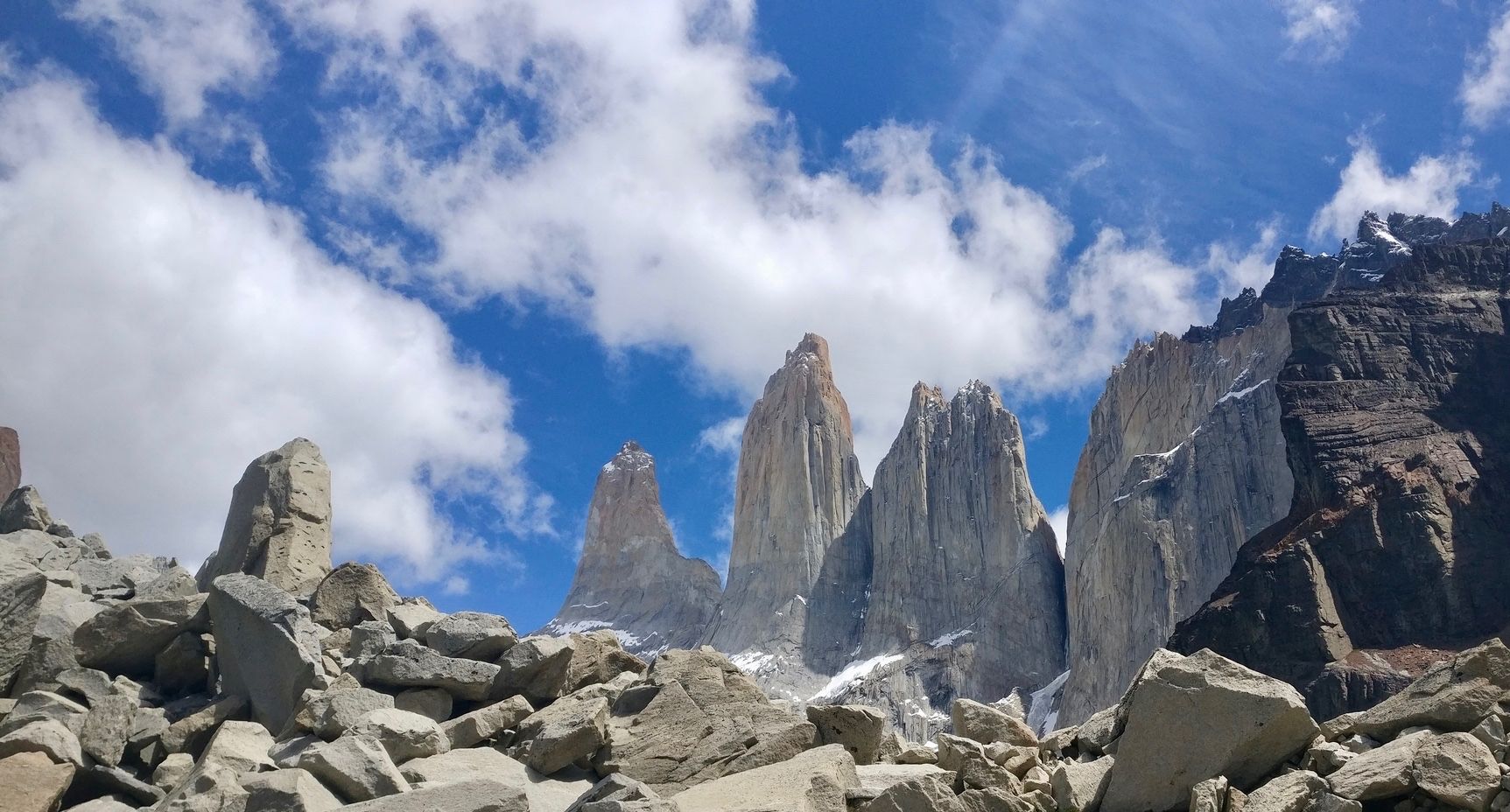
The O-Circuit in the Torres del Paine National Park
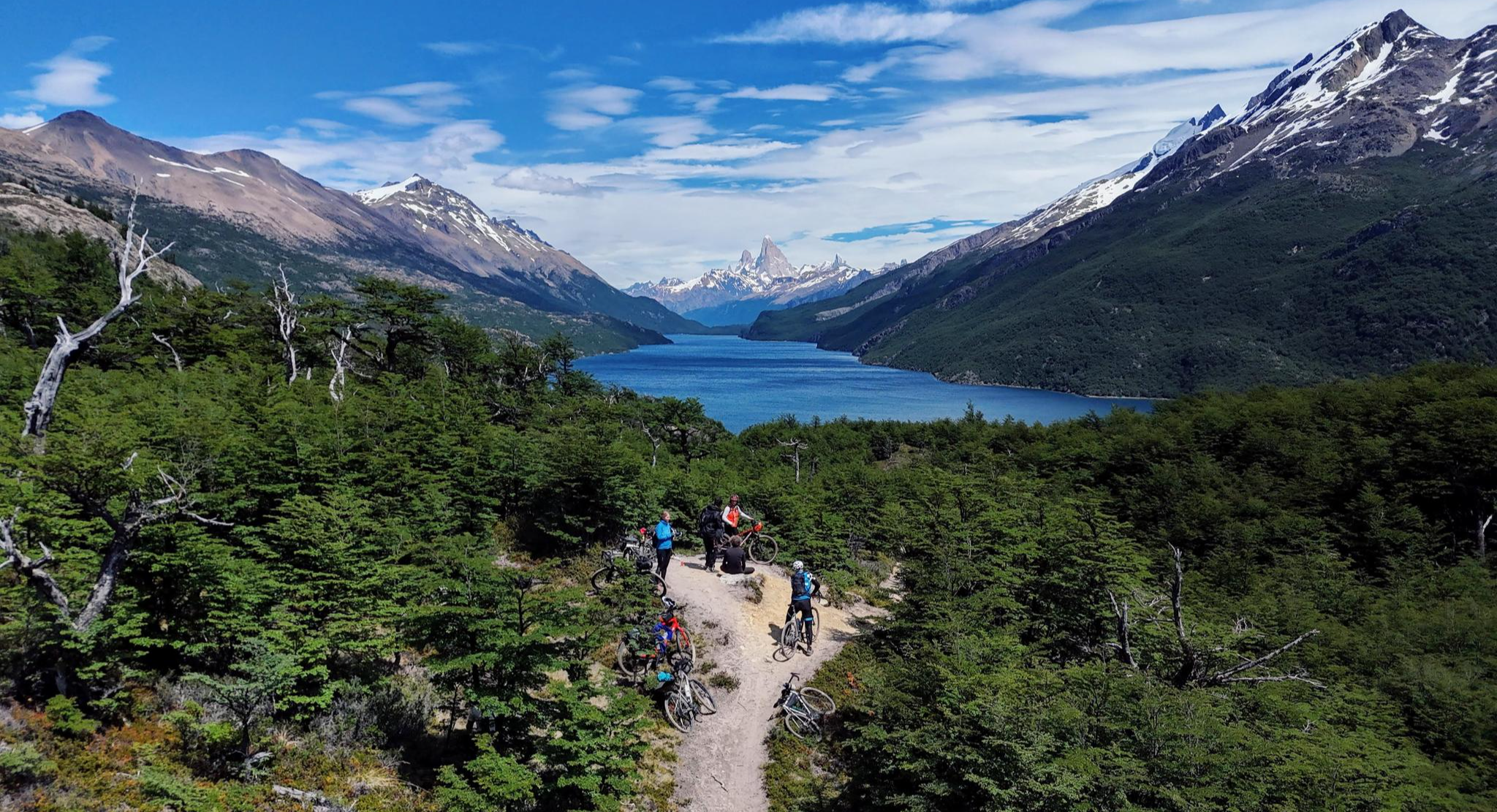
South American Epic — From Cartagena to Ushuaia
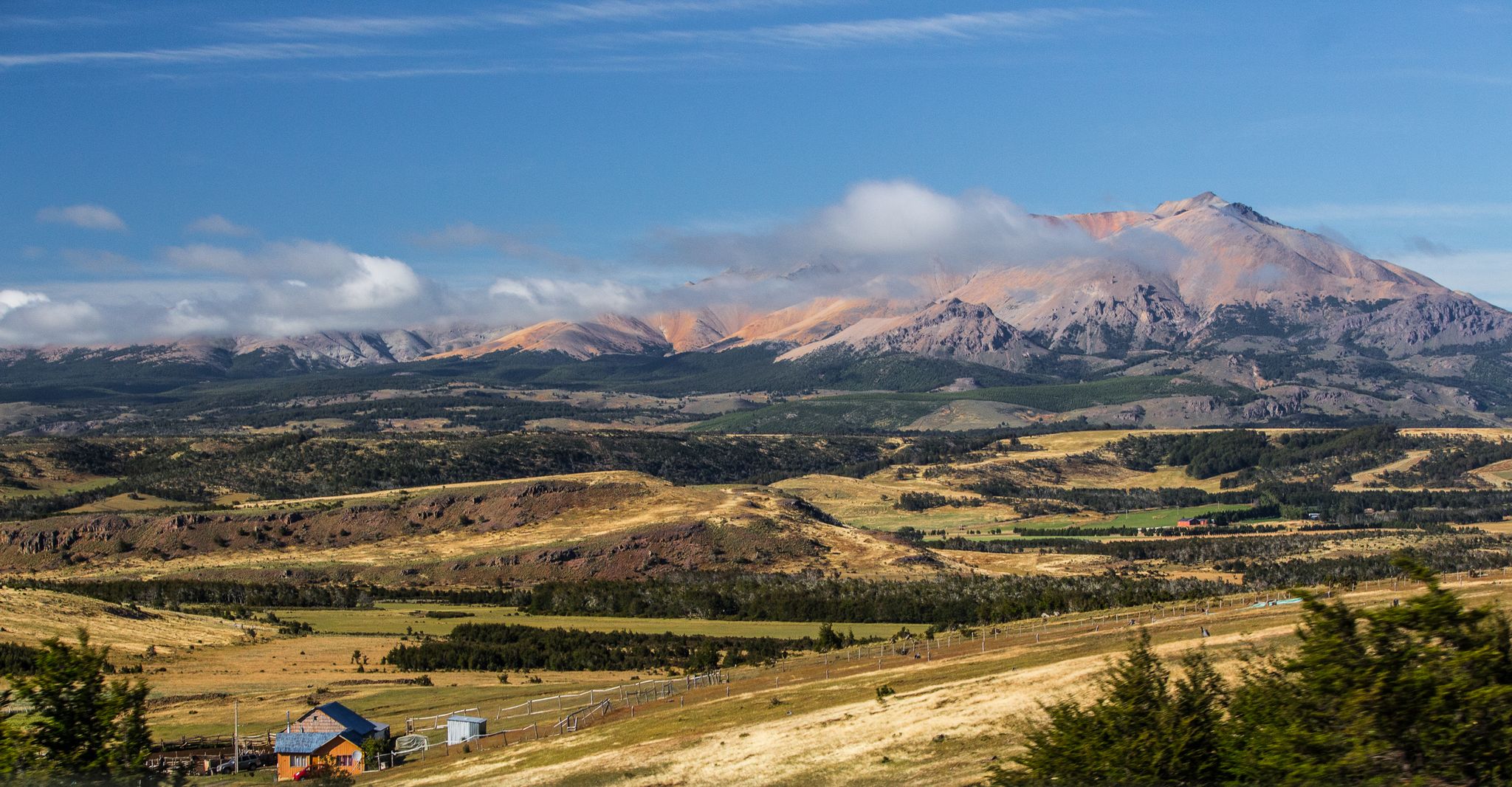
Puerto Montt to Cueva de las Manos – Carretera Austral
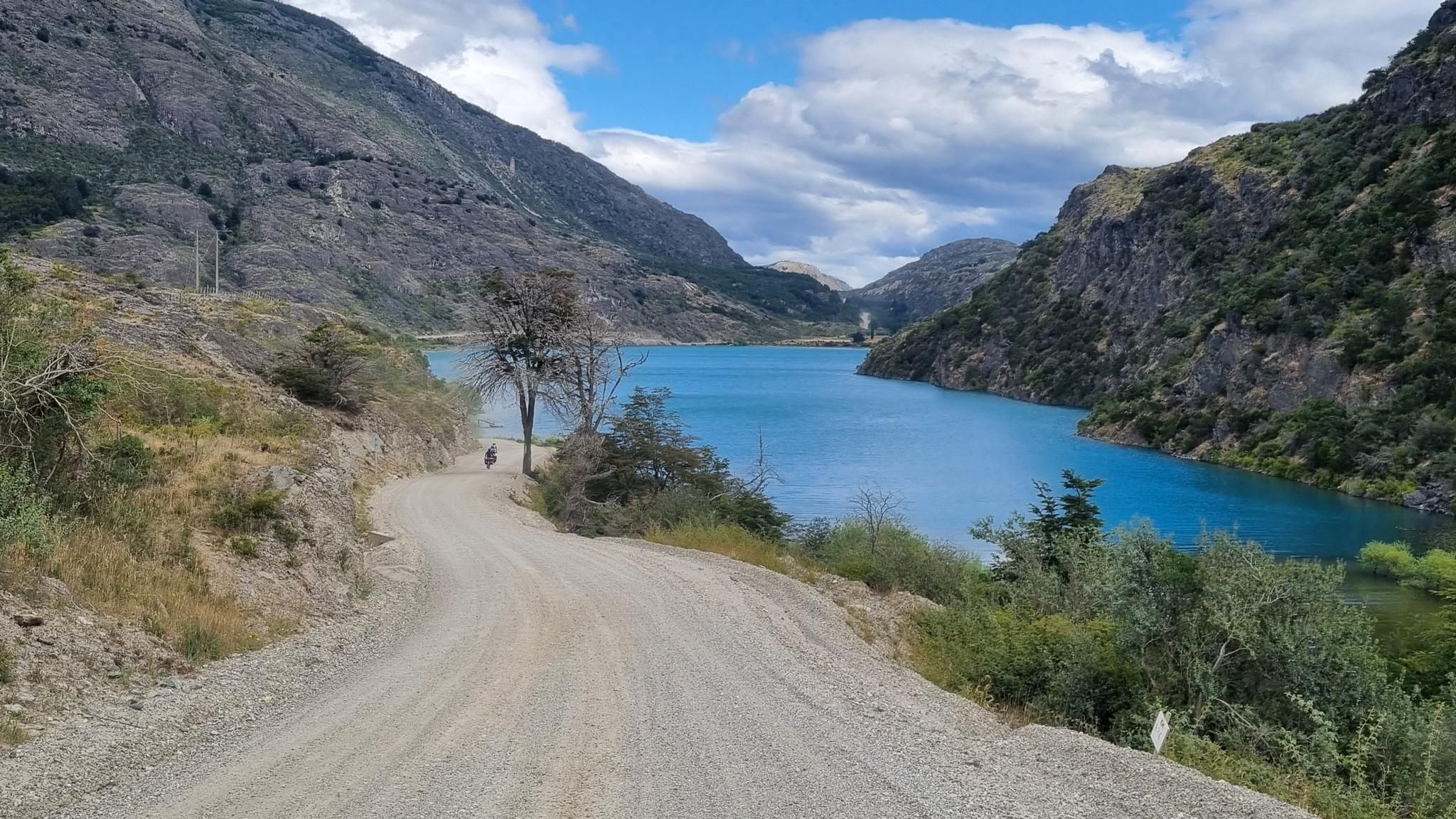
Pedalling to the end of the world – the Carretera Austral by bike
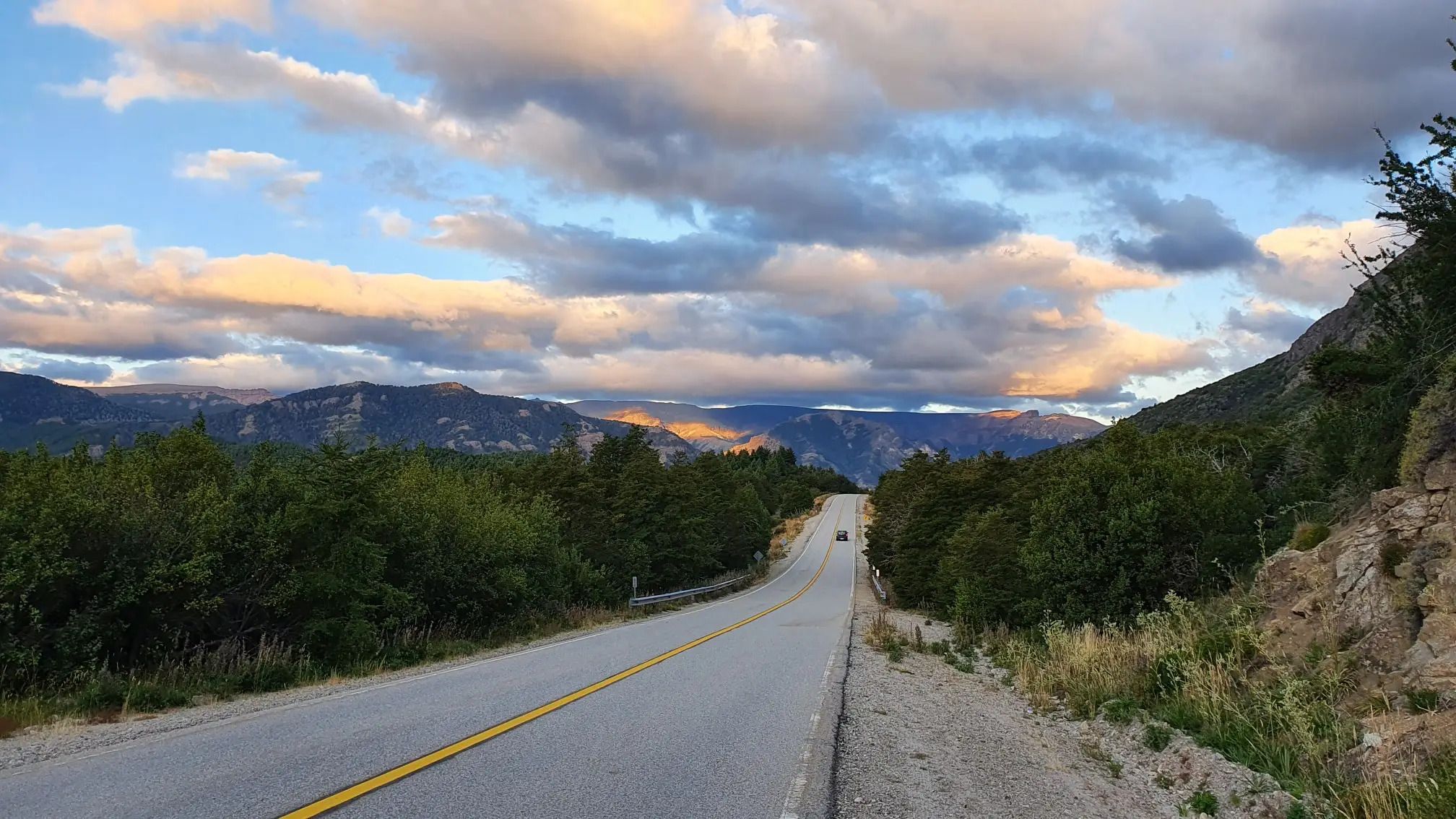
Between Chile and Argentina — Andean lakes and volcanoes
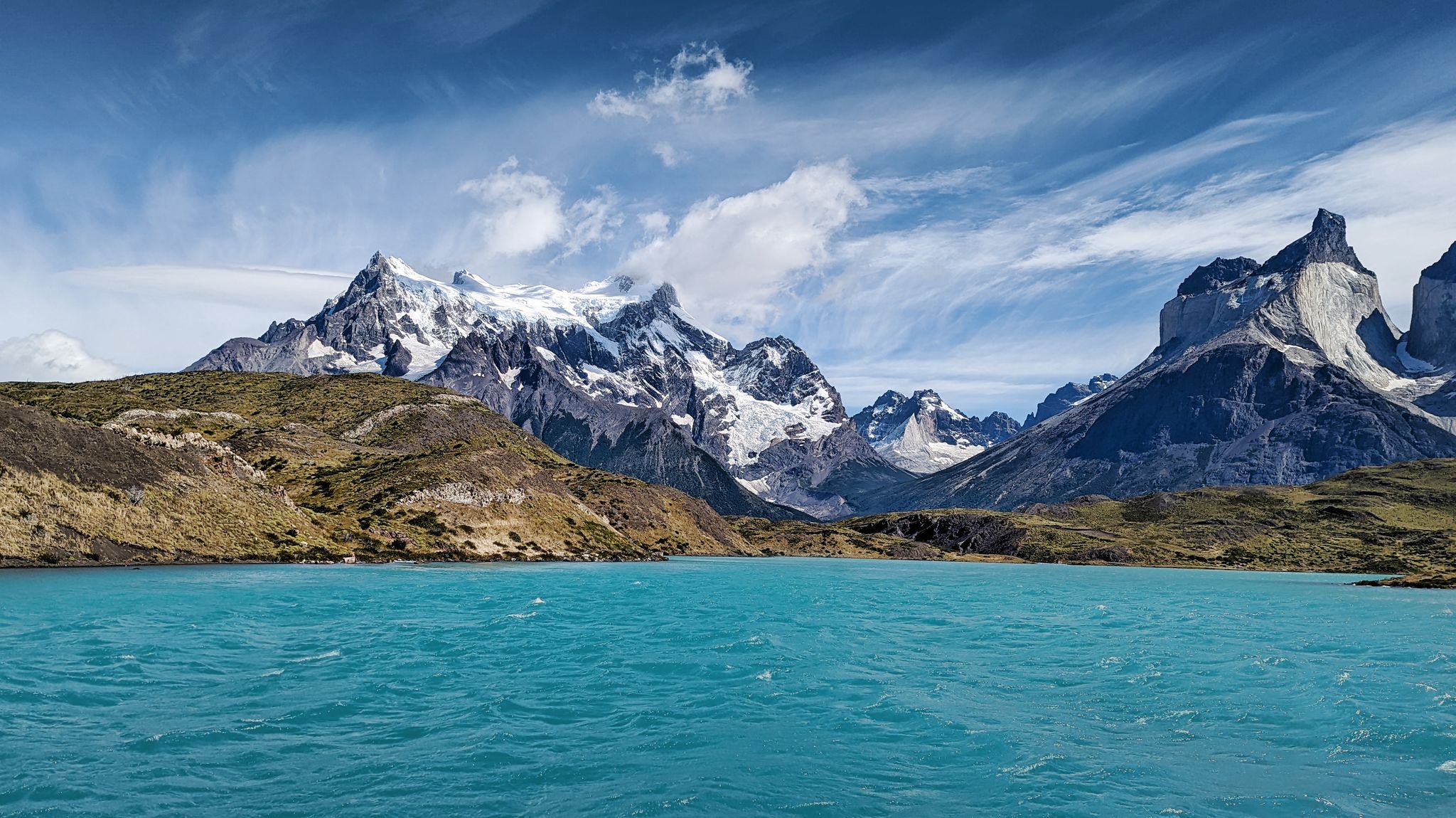
No Paine, no gain — on the W trek in Torres del Paine
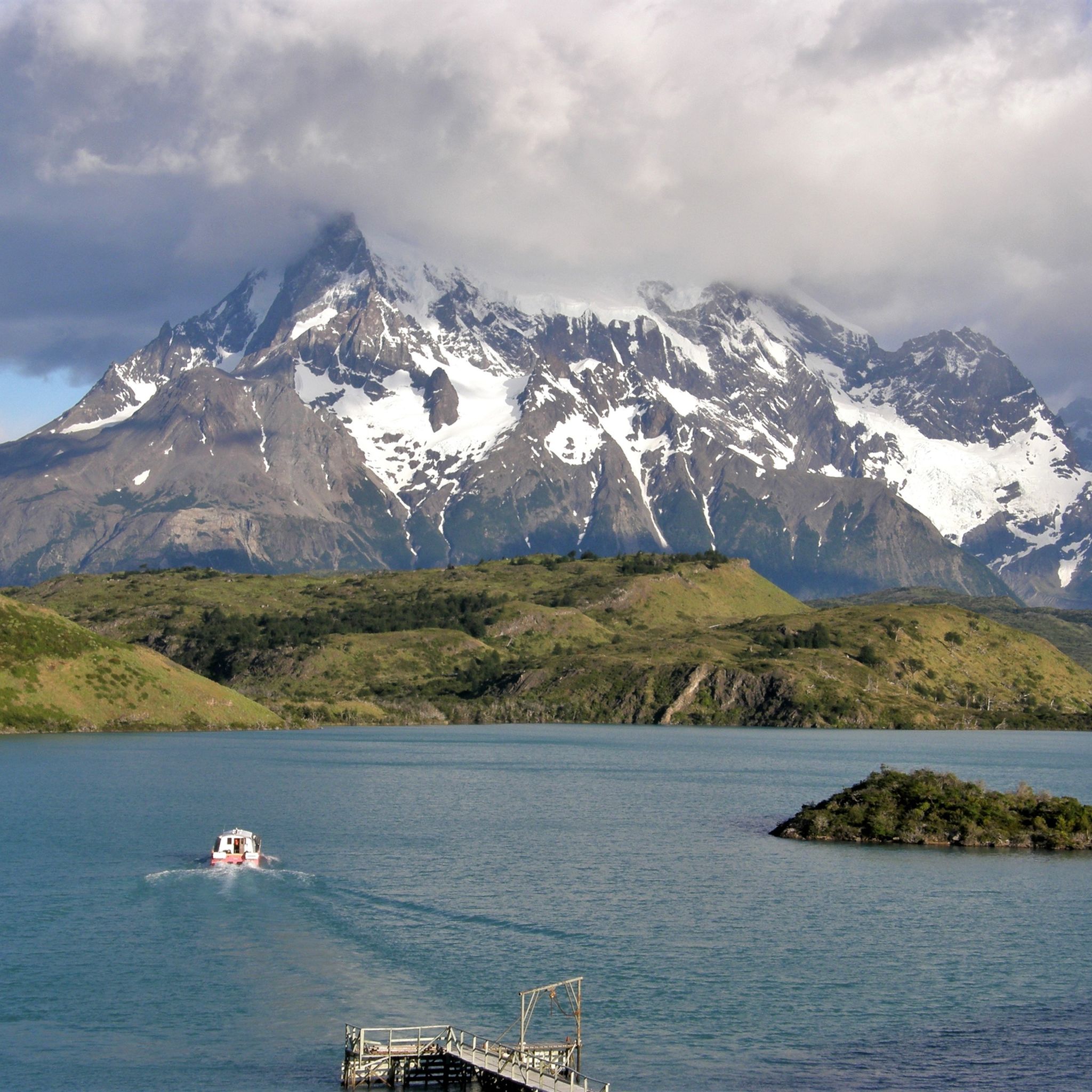
Hiking in Chile
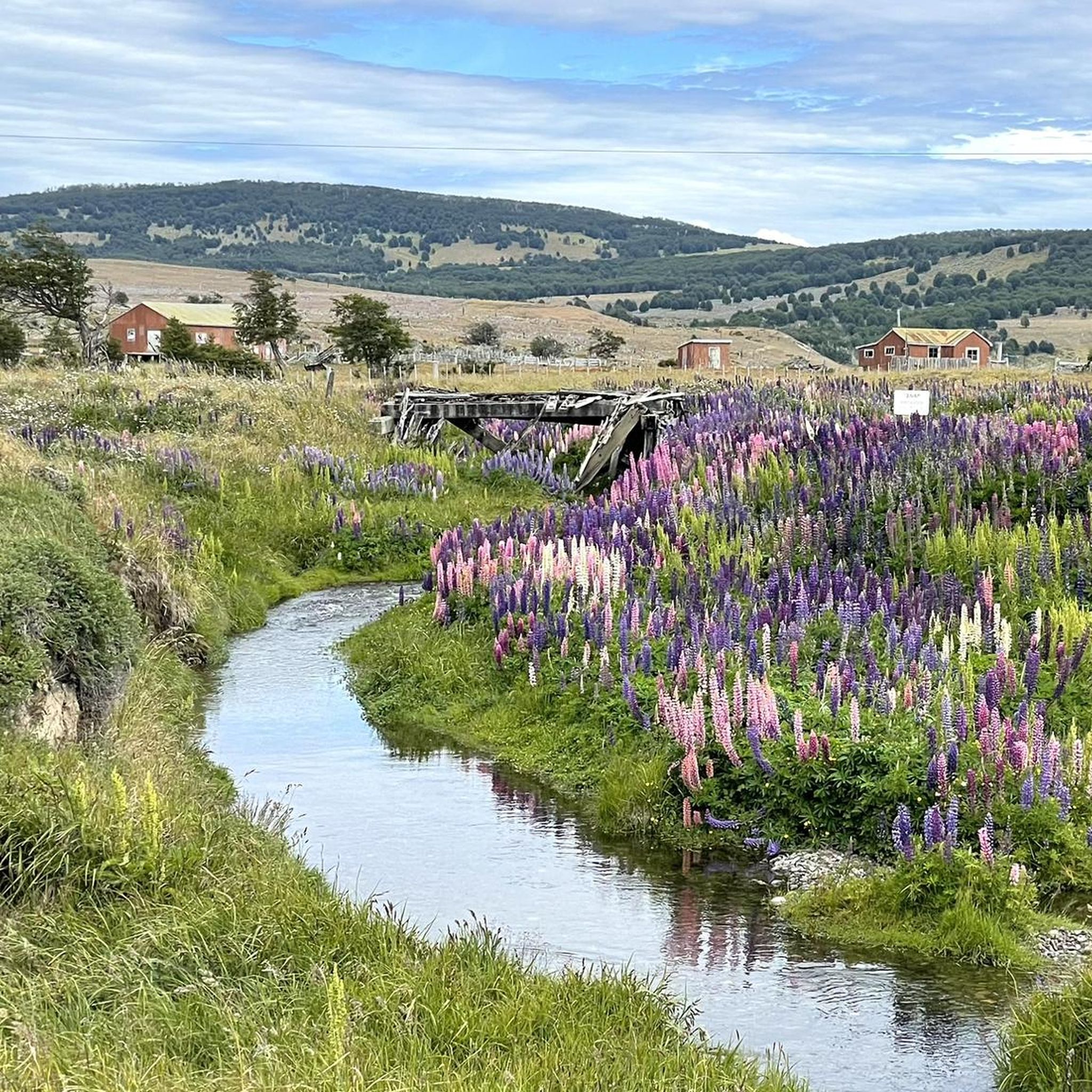
Road Cycling Routes in Chile
Cycling in Chile
Running Trails in Chile
Other adventures in Chile


Tips from the Community


The British Lookout is a natural amphitheater in the French Valley of Torres del Paine National Park. Named after the British expeditions of the 1950s, it is notable for its lenga forest that frames panoramic views of the hanging glaciers of the French Valley and the imposing granite peaks: Cuernos del Paine, Paine Grande, and Cerro Catedral.
0
0

From the viewpoint, the city unfolds at your feet like a network of avenues, parks, and rooftops that fade into the horizon. Around it, the mountains rise in a vast natural amphitheater, displaying varying shades of green and gray that frame the landscape. A truly breathtaking sight.
0
0

El Carbón hill offers a direct ascent with excellent views over Santiago, passing several marked viewpoints such as Las Pircas and Guayacán. The trail begins next to the La Pirámide road and climbs volcanic slopes to the summit, located at 1365 meters. It is a popular and freely accessible route, ideal for a quick outing, but it is advisable to wear footwear with good grip and sun protection, as there are exposed sections.
1
0
Manquehue Hill, whose name means "place of condors" in Mapudungun, is the highest point in the Santiago Valley and one of the city's most iconic natural viewpoints. At 1,638 meters above sea level, it offers challenging but very popular hiking trails with panoramic views of the valley and the Andes Mountains. Its sclerophyllous vegetation, with quillay, peumo, and chagua trees, is home to fauna such as foxes and Andean condors. It is recommended to bring water and wear good footwear to enjoy this classic Santiago climb.
2
0
Morro Las Papas, at 1380 meters above sea level, is a popular pre-Andean hill among hikers from Santiago. Its name comes from the curious rock formations at its summit, which resemble a bunch of potatoes, and it is part of the Sierra de Ramón mountain range. The climb is ideal even for families and beginners.
1
0
The Ferrier Lookout offers one of the most expansive and spectacular views in Torres del Paine National Park. From its summit, you can see the Paine Massif, the Baguales Range, the Southern Patagonian Ice Field, and the lakes that dot the Patagonian steppe. The climb is steep and exposed, but the panoramic view is well worth the effort. I highly recommend bringing trekking poles and sturdy footwear!
2
0

Pucón is located on Lake Villarrica and, with numerous restaurants, small supermarkets, hotels, and hostels, is perfectly geared for tourists and the starting point for our hike up the Villarrica volcano. Since the sheer number of tour operators overwhelmed us, we'd appreciate a recommendation! At 6 a.m. sharp, we set off with a group of 11 people and four guides by bus to the entrance of the national park. Equipped with hiking poles, helmets, gas masks, gloves, sturdy rain gear, gaiters, hiking boots with matching crampons, butt sliders for the return trip, and an ice axe, which we used primarily to slow ourselves down on the descent, we set off. The climb was very strenuous. From the rim, covered in fresh snow, we could see into the crater and, in the perfect weather, had a fantastic panoramic view. In the evening, we jumped into the lake again and celebrated the sunset in Pucón with numerous other visitors.
2
0
Frequently Asked Questions
What are some of the most popular mountain peaks to visit in Chile?
Chile offers a diverse range of mountain peaks. Among the most popular are those within Torres del Paine National Park, such as the area around Torres del Paine Lagoon, known for its iconic granite towers and scenic beauty. Near Santiago, Manquehuito Summit is a local favorite, offering panoramic views of the city and surrounding mountains.
Are there any family-friendly mountain trails in Chile?
Yes, for those looking for a less strenuous option, Morro Las Papas is categorized as family-friendly. While many of Chile's higher peaks require significant experience, there are accessible trails, particularly near urban centers like Santiago, that cater to families.
What are the highest mountain peaks in Chile and what makes them unique?
Chile is home to several of the highest peaks in the Andes. Ojos del Salado, at 6,893m, is the highest mountain in Chile and the world's highest active volcano, featuring a high-altitude crater lake. Nevado Tres Cruces (6,749m) is the second tallest, known for its rugged environment. Llullaillaco (6,739m) is the third highest and the second-highest active volcano globally, notable for archaeological discoveries of Inca mummies near its summit.
What kind of natural features can I expect to see around Chile's mountain peaks?
Chile's mountain peaks offer a spectacular array of natural features. In the north, you'll find arid, high-altitude desert landscapes with volcanic formations and unique crater lakes. Moving south, you'll encounter stunning glacial lakes, jagged spires, and vast ice fields, particularly in Patagonia. Highlights like Torres del Paine Lagoon and the views from View over the north of the valley showcase these diverse natural wonders.
What is the difficulty level for climbing Ojos del Salado?
Climbing Ojos del Salado is considered a challenging endeavor, requiring significant mountaineering experience due to its extreme altitude (6,893m) and remote location in the Atacama Desert. It's often seen as a step up for experienced climbers seeking high-altitude expeditions.
Are there opportunities for advanced mountaineering in Chilean Patagonia?
Absolutely. Peaks like Monte San Valentín (4,070m), the highest peak in Chilean Patagonia, and Volcán Lautaro (3,623m) in the Southern Patagonian Ice Field, offer formidable challenges for experienced mountaineers. The region is known for its wild, glaciated landscapes and rugged terrain, providing unparalleled views and extreme expeditions.
What are some notable viewpoints in the Chilean mountains?
Chile boasts numerous breathtaking viewpoints. The Británico Viewpoint in Torres del Paine offers unique perspectives of hidden peaks like Paine Grande and the famous granite towers. View of Los Cuernos provides stunning profiles of the iconic Cuernos del Paine. Near Santiago, Manquehuito Summit offers expansive city and mountain vistas.
What outdoor activities can I do near Chile's mountain peaks?
The mountain regions of Chile are ideal for various outdoor activities. Hiking is very popular, with options ranging from challenging multi-day treks in Patagonia to shorter day hikes. You can find numerous hiking routes in areas like Torres del Paine, such as the 'W Trek' or routes to Mirador Torres. For more options, explore the Hiking in Chile guide. Mountain biking is also popular, with trails like the 'Manquehuito Ascent' near Santiago. Check the MTB Trails in Chile guide for more details.
What is the best time to visit the mountain peaks in Chile?
The best time to visit depends on the region and your activity. For the high-altitude desert peaks in the north, like Ojos del Salado, the drier, warmer months (typically November to March) are generally preferred for climbing. For Patagonia's mountains, like those in Torres del Paine or Cerro Castillo, the austral summer (December to February) offers the most favorable weather for trekking, though it's also the busiest period. Shoulder seasons (October-November and March-April) can offer good weather with fewer crowds.
Are there any mountain peaks in Chile with historical or cultural significance?
Yes, Llullaillaco (6,739m) is particularly significant for its archaeological importance, as well-preserved Inca mummies were discovered near its summit. The Payachatas chain, including Parinacota and Pomerape, also holds cultural legends among the Aymara people, who believe these volcanoes are tombs gifted by nature to an Inca princess and prince.
What are some recommended mountain hikes in Chile for different skill levels?
For experienced trekkers, the multi-day circuits in Cerro Castillo National Park or the 'W Trek' in Torres del Paine offer challenging routes with stunning Patagonian scenery. For those seeking high-altitude mountaineering, peaks like Ojos del Salado or Nevado Tres Cruces are formidable objectives. If you're looking for an intermediate hike with great views near a major city, the ascent to Manquehuito Summit near Santiago is a popular choice. You can find more detailed routes in the Mountain Hikes in Chile guide.
What wildlife can be observed in the Chilean Andes mountains?
The diverse ecosystems of the Chilean Andes support a variety of wildlife. In the high-altitude regions, you might spot vicuñas, guanacos, and various bird species, including Andean condors. Lauca National Park, home to Parinacota and Pomerape, is known for its high-altitude lagoons and diverse birdlife, including flamingos. In Patagonia, you may encounter pumas, huemul deer, and a rich array of bird species.
Most popular routes in Chile
Most popular attractions in Chile

Get inspired with the komoot mobile app


Didn’t find what you were looking for?
Discover Chile’s best peaks and summits by region:
Explore more
See even more amazing summits in Chile with these guides:
