Top 15 Castles in Finland
Best castles in Finland offer a historical journey through a landscape characterized by its numerous lakes, vast forests, and coastal areas. These structures, ranging from medieval fortresses to more modern manors, reflect centuries of strategic importance and cultural development. Many castles are situated on islands or along waterways, showcasing their defensive origins and integration with the natural environment. Finland's history is preserved within these stone walls, providing insights into its past as part of various empires.
Best castles in Finland
- The most popular castles is Kastelholm Castle, a castle that is a medieval structure located on the Finnish archipelago of Åland. This 14th-century building is one of the oldest on the island and houses the Cultural History Museum of the Swedish-speaking Åland Islands.
- Another must-see spot is Oulu Castle Tower, a castle built by the naval school on the foundations of an old castle. The cellar of the original castle can still be visited, and the tower now hosts a café.
- Visitors also love Kuusisto Castle Ruins, a castle that was a medieval episcopal castle on the island of Kuusisto. These ruins offer a glimpse into a medieval episcopal castle that was demolished in the 16th century.
- Finland is known for its medieval castles, sea fortresses, and castle ruins. These structures provide a diverse range of historical experiences, from well-preserved fortresses to archaeological sites.
- The castles in Finland are appreciated by the komoot community, with more than 60 upvotes and 35 photos shared across 13 highlights.
Last updated: October 12, 2026
Kastelholm Castle
Highlight • Castle
Right next to the castle are the Jan Karlsgården open-air museum and the Vita Björn prison museum.
de.wikipedia.org/wiki/Kastelholm
Translated by Google •
Tip by

Olavinlinna Castle
Highlight • Castle
Translated by Google •
Tip by

Sign up now to discover places like this
Get recommendations on the best single tracks, peaks, & plenty of other exciting outdoor places.
Häme Castle
Highlight • Castle
Translated by Google •
Tip by

Bastion Zander
Highlight • Historical Site
The distance from the main pier to Bastion Zander is about 1.5 kilometers.
The water bus stops at the King’s Gate in the summer, from where it is about 100 meters to Bastion Zander.
Explore the Development of Fortification Technology
At Bastion Zander, you get a good overview of the bastion system, i.e., the shape of the Suomenlinna fortress and the development of fortification technology. From there, you can clearly see how the coastal fortifications guarding the ship route from the King’s Gate were raised in the first half of the 19th century and how, at the end of the same century, they were partially covered with sand embankments when the defensive front was turned towards the open sea.
Today, the flag flies on Bastion Zander from May 12th to September 29th. The flag-raising tradition dates back to May 12, 1918, when the flag of independent Finland was hoisted for the first time.
Senator Svinhufvud stated in his speech at the time:
Now Finland is free. Now the Finnish flag flies on the ridge of this old fortress. In memory of this, the Senate has decided that the name of the Viapori fortress shall henceforth be Suomenlinna. May no enemy ever be able to pull down this flag, but may it always fly here.
Tip by
Ehrensvärd Museum
Highlight • Historical Site
The Commander’s House is a good example of how housing and the defensive system were connected under the same roof. The building’s side wings also functioned as fortification bastions and it was possible to access the bastion terrepleins directly from the rooms. In case of an emergency the windows of the dining room as well as of the sleeping alcove could be used as crenels from which the main entrance to the fortress, the Artillery Bay, could be defended. The building was used as the commander’s residence until 1855, when it lost its southern wing in the Crimean War.
In 1927 the Ehrensvärd Society made an initiative to establish a museum in those rooms that had served as Ehrensvärd ‘s residence. The museum was opened in 1930.
Museum is open in summertime.
Source & More information: suomenlinnatours.com/en/activities-at-suomenlinna/ehrensvard-museum
Tip by
Kuusisto Castle Ruins
Highlight • Castle
Tip by

Oulu Castle Tower
Highlight • Castle
Translated by Google •
Tip by
Iso Linnamäki Castle Hill
Highlight • Historical Site
Translated by Google •
Tip by
Cannons of Suomenlinna Sea Fortress
Highlight • Historical Site
Translated by Google •
Tip by

Great Courtyard and the Tomb of Augustin Ehrensvärd
Highlight • Historical Site
The Blue Route passes through the Great Courtyard.
From May to the end of September, the water bus operates to the Tykistölahden pier, which is about 200 meters from the Great Courtyard.
The status of the administrative center was emphasized architecturally as well. The placement of the buildings and the curved facades of the square created a false perspective, enhancing the grandeur and ceremonial appearance of the square.
In the center of the square is the tomb of Augustin Ehrensvärd, with an impressive monument designed by King Gustav III of Sweden and completed by Ehrensvärd’s son Carl August together with Johan Tobias Sergel.
Ehrensvärd died in 1772, but he was temporarily buried elsewhere for 10 years while waiting for the completion of the Viapori tomb. The tomb monument was finally completed just before the end of Swedish rule in the early 19th century.
Tip by
Sign up for free to discover even more castles in Finland.
Already have an account?
Start today with a free account
Your next adventure awaits.
Popular around Finland

Cross-country skiing in Ruka-Kuusamo – Where winter is at home

Snowshoe Hiking in Ruka-Kuusamo – Experience Lapland in winter

Lapland in a different way – With the Fatbike through Ruka-Kuusamo

European Divide Trail — 7,600 km across the continent
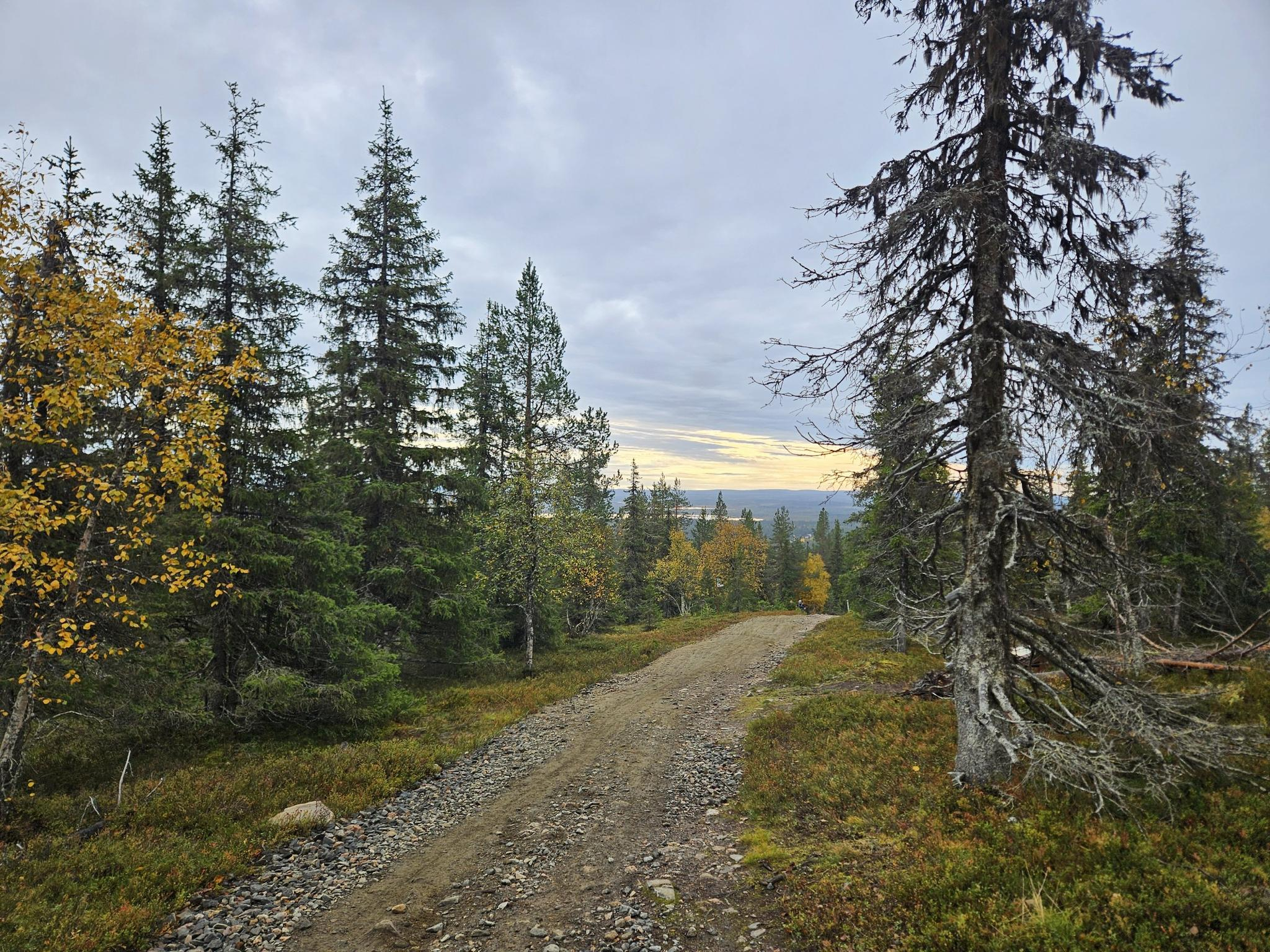
Santa's Western Gravel Loop – Arctic by Cycle

The Nordkalottleden — At the edges of the polar circle

Arctic Post Road

NorthCape4000 – 12 days from Lake Garda to the North Cape

A bikepacking weekender in the heart of Lapland

Bikepacking the finest gravel in South-West Finland
Other adventures in Finland


Tips from the Community

The castle is worth a visit. We opted for a guided tour, which is included in the entrance fee. It was very informative, after which you have the opportunity to explore the castle on your own.
0
0

Throughout the history of the fortress, the flag has flown on Bastion Zander in southern Suomenlinna at Kustaanmiekka. Bastion Zander was built between 1748 and 1750 as part of a chain of four bastions. The walls of the bastion are mainly formed from vertically hewn rock faces, topped with a low parapet equipped with 14 gun ports. The distance from the main pier to Bastion Zander is about 1.5 kilometers. The water bus stops at the King’s Gate in the summer, from where it is about 100 meters to Bastion Zander. Explore the Development of Fortification Technology At Bastion Zander, you get a good overview of the bastion system, i.e., the shape of the Suomenlinna fortress and the development of fortification technology. From there, you can clearly see how the coastal fortifications guarding the ship route from the King’s Gate were raised in the first half of the 19th century and how, at the end of the same century, they were partially covered with sand embankments when the defensive front was turned towards the open sea. Today, the flag flies on Bastion Zander from May 12th to September 29th. The flag-raising tradition dates back to May 12, 1918, when the flag of independent Finland was hoisted for the first time. Senator Svinhufvud stated in his speech at the time: Now Finland is free. Now the Finnish flag flies on the ridge of this old fortress. In memory of this, the Senate has decided that the name of the Viapori fortress shall henceforth be Suomenlinna. May no enemy ever be able to pull down this flag, but may it always fly here.
1
0
Opening hours Winter 2025 Saturday 29.11. at 11-16 Sunnunday 30.11. at 11-16 Summer 2026 Daily from 4th of May to 31st of August: May at 10:30 -16:00 June to August at 10:30-13:00 and 13:30-17:30 On weekends: April and September, Saturday-Sunday at 10:30-16:00 Please check the Suomenlinna opening hours end events calendar for any exceptions to opening hours.
0
0
The Ehrensvärd Museum is located by the original central courtyard of the fortress, in the old Commander’s House. The interior of the museum illustrates an 18th century residence. The collection includes paintings, furniture, weapons, and ship models portraying vessels of the Swedish Archipelago Fleet. The first resident of the building was Augustin Ehrensvärd (1710-1772), the founder of the Suomenlinna fortress. The Commander’s House is a good example of how housing and the defensive system were connected under the same roof. The building’s side wings also functioned as fortification bastions and it was possible to access the bastion terrepleins directly from the rooms. In case of an emergency the windows of the dining room as well as of the sleeping alcove could be used as crenels from which the main entrance to the fortress, the Artillery Bay, could be defended. The building was used as the commander’s residence until 1855, when it lost its southern wing in the Crimean War. In 1927 the Ehrensvärd Society made an initiative to establish a museum in those rooms that had served as Ehrensvärd ‘s residence. The museum was opened in 1930. Museum is open in summertime. Source & More information: https://suomenlinnatours.com/en/activities-at-suomenlinna/ehrensvard-museum/
0
0
Designed by the founder of Suomenlinna, Augustin Ehrensvärd, the Great Courtyard was completed in the 1760s and served as the main square and administrative center of the entire fortress. The courtyard was bordered by buildings such as the Commandant’s House, which served as the residence of the fortress commandants, and the main guardhouse. The Blue Route passes through the Great Courtyard. From May to the end of September, the water bus operates to the Tykistölahden pier, which is about 200 meters from the Great Courtyard. The status of the administrative center was emphasized architecturally as well. The placement of the buildings and the curved facades of the square created a false perspective, enhancing the grandeur and ceremonial appearance of the square. In the center of the square is the tomb of Augustin Ehrensvärd, with an impressive monument designed by King Gustav III of Sweden and completed by Ehrensvärd’s son Carl August together with Johan Tobias Sergel. Ehrensvärd died in 1772, but he was temporarily buried elsewhere for 10 years while waiting for the completion of the Viapori tomb. The tomb monument was finally completed just before the end of Swedish rule in the early 19th century.
0
0

What was built and fortified there was truly gigantic. The size of the cannons was also enormous for the time.
0
0

The magnificent castle of the high-ranking clergy in Kuusisto was a model of everyday luxury in the period in question and featured modern amenities from abroad. In the Middle Ages, the Bishop's Palace was not only the center of spiritual life in Catholic Finland, but also the focus of political power. The history of the castle ended when King Gustav Vasa ordered the demolition of the bishop's residence after the Reformation. Only ruins remained of the former splendor.
0
0
very old ruin
0
0
Frequently Asked Questions
Which castles offer a deep dive into Finnish history?
Finland's castles provide a rich historical experience. Turku Castle, the country's largest surviving medieval building, offers extensive museum tours and exhibitions. Suomenlinna Sea Fortress, a UNESCO World Heritage Site, showcases centuries of defensive history across multiple islands. Häme Castle, with its unique red-brick construction, has served as a military base, noble residence, and prison, now hosting events like medieval fairs.
Are there family-friendly castles in Finland?
Yes, many Finnish castles are great for families. Turku Castle offers special 'Little Knight's Tours' for children. Suomenlinna Sea Fortress has exciting tunnels and parks, making it an engaging open-air museum. The Raseborg Castle Ruins also host cultural events and theatrical performances, especially during summer, appealing to all ages.
What is the best time of year to visit castles in Finland?
The best time to visit Finnish castles generally depends on your preferences. Summer (June-August) offers pleasant weather for exploring and many castles host cultural events and festivals, such as the Savonlinna Opera Festival at Olavinlinna Castle. Spring and autumn provide beautiful scenery and fewer crowds. While some outdoor areas might be less accessible, visiting during winter can offer a unique, serene experience, especially for castles like Suomenlinna, which remains open year-round.
Are there any castle ruins to explore in Finland?
Absolutely. The Raseborg Castle Ruins in Snappertuna are a captivating example, with crumbling stone walls and a picturesque setting. Another notable ruin is Kuusisto Castle Ruins, which was once a medieval episcopal castle and offers a glimpse into its past through its foundations and remaining structures.
What outdoor activities can I do near Finnish castles?
Many castles are situated in scenic areas, offering opportunities for outdoor activities. For instance, near various castles, you can find gravel biking routes, such as those mentioned in the Gravel biking in Finland guide. There are also numerous running trails, including waterfront routes, detailed in the Running Trails in Finland guide. Some areas also offer mountain hikes, as highlighted in the Mountain Hikes in Finland guide.
How can I reach Finnish castles using public transport?
Many major castles are accessible via public transport. For example, Suomenlinna Sea Fortress is just a 15-minute ferry ride from Helsinki. Turku Castle is also well-connected within the city of Turku. For specific routes and schedules, it's best to check local public transport websites for the region you plan to visit.
Are there cafes or restaurants available at or near Finnish castles?
Yes, many castles offer amenities for visitors. Suomenlinna Sea Fortress, being a residential district, has several restaurants and cafes. The Oulu Castle Tower hosts a café. The Raseborg Castle Ruins also have a restaurant and café on site, often offering free coffee and water. It's common for popular castle sites to have nearby dining options.
What is the significance of Olavinlinna Castle?
Olavinlinna Castle, located on an island in Lake Saimaa, is an impressive 15th-century stone castle built to protect the Savo region. It is one of Finland's most internationally renowned castles, famous for its dramatic setting and for hosting the annual Savonlinna Opera Festival. Its history is filled with tales of medieval clashes, making it a significant historical and cultural landmark.
Are any Finnish castles wheelchair accessible?
While many older structures present accessibility challenges, some castles and their grounds offer wheelchair-friendly options. For example, Imatran Valtionhotelli, a castle-like hotel, is noted as wheelchair accessible. For other historical sites like Suomenlinna, while the terrain can be uneven, efforts are often made to provide accessible routes to key areas. It's advisable to check specific accessibility details with each castle directly before your visit.
What makes Kastelholm Castle a notable historical site?
Kastelholm Castle, located on the Finnish archipelago of Åland, is a medieval structure dating back to the 14th century, making it one of the oldest on the island. Originally a defensive stronghold, it later served administrative functions. Today, it houses the Cultural History Museum of the Swedish-speaking Åland Islands, offering insights into the region's past. Nearby, you can also visit the Jan Karlsgården open-air museum and the Vita Björn prison museum.
Can I visit Finnish castles with my dog?
Policies regarding dogs vary between castles and specific areas within them. Outdoor areas and grounds of many castles, especially ruins like Raseborg Castle Ruins, might be dog-friendly, often requiring dogs to be on a leash. However, indoor museum sections or sensitive historical areas typically do not permit pets. It's always best to check the individual castle's visitor information or contact them directly before bringing your dog.
How long does it typically take to visit a Finnish castle?
The duration of a castle visit can vary greatly depending on the size and your interest level. For a comprehensive site like Suomenlinna Sea Fortress, you could easily spend half a day or even a full day exploring its museums, tunnels, and parks. Smaller castles or ruins, such as Kuusisto Castle Ruins, might only require an hour or two. Guided tours usually last 1-2 hours, after which you might want additional time for independent exploration.
Most popular routes in Finland
Most popular attractions in Finland

Get inspired with the komoot mobile app


Didn’t find what you were looking for?
Explore Finland’s best castles region by region:
Explore more
Looking for the best castles somewhere else? Discover other guides in Finland:
